
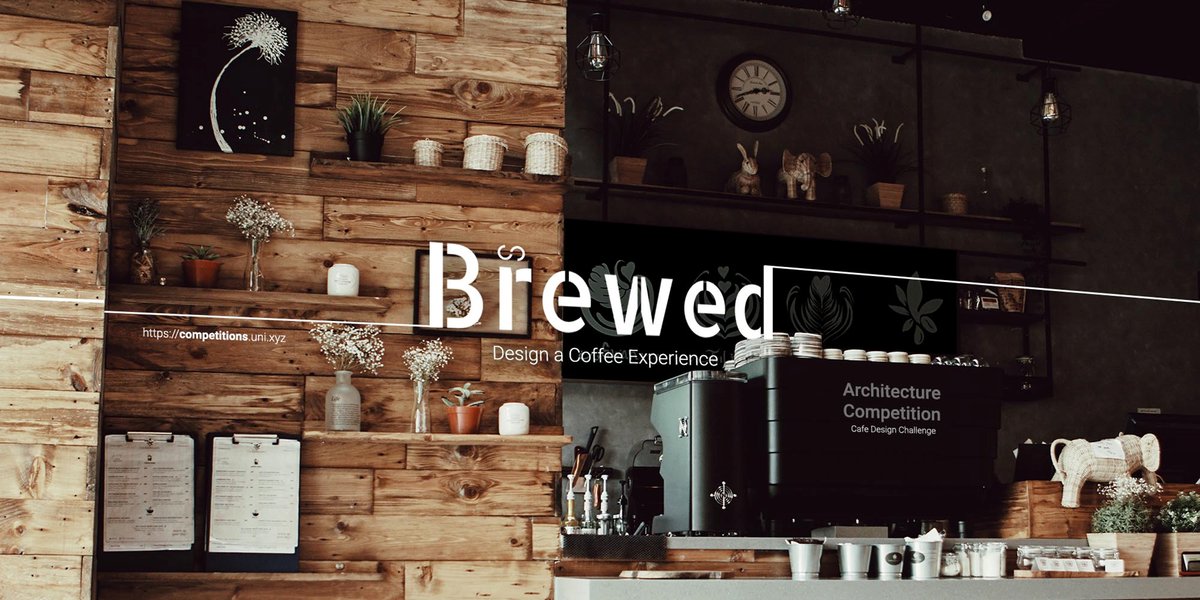
Brewed 2020
Cafe design challenge
Overview
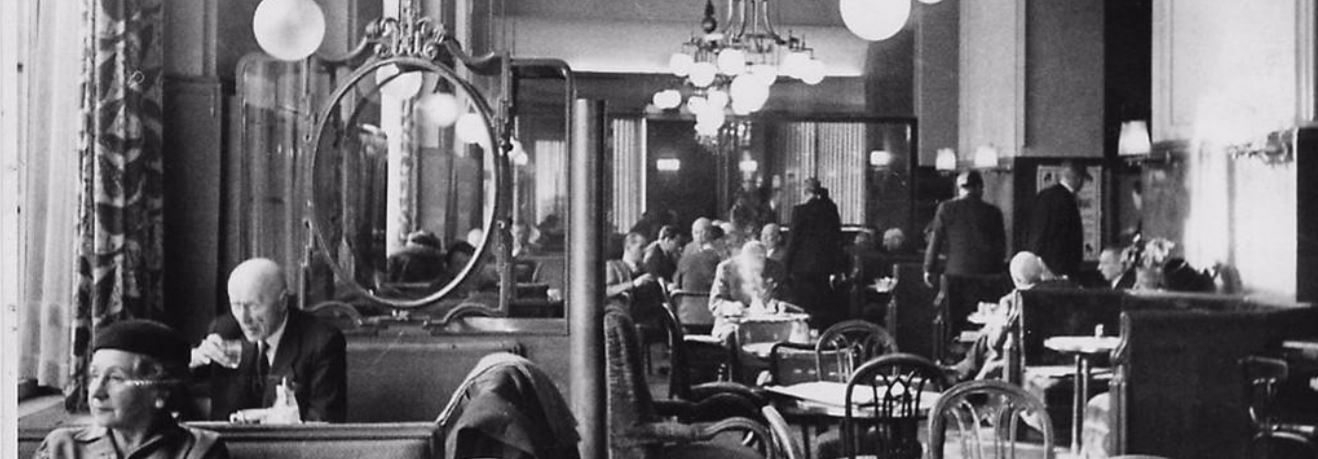
Img 1: Cafe Prukel, Vienna. 1911
Cafe Culture
Coffee plants grew wild in Ethiopia and were used by nomadic tribes for thousands of years, only until the 1400s when people figured out that they could roast its seeds. By the 1500s, the drink had spread to coffee houses across the Arab world. Coffee houses first appeared in Turkey, Syria, and Egypt as early as 1530. Since they became a hotspot for political discussions, they were banned repeatedly.
Subsequently, throughout the 1600s coffee houses began popping up across Europe and North America. The French and American Revolutions were said to have brewed in coffeehouses.
The coffee house acted as a perfect mid-ground for a meetup. Here, creativity and innovation thrived through conversations. They have long been associated with writers, artists, and intellectuals and represented a safe and comfortable space to share news, discuss philosophy or politics. This surge in innovation was not only owing to the design of the space - the physical gathering of people from different backgrounds and fields of expertise - but also to coffee itself.
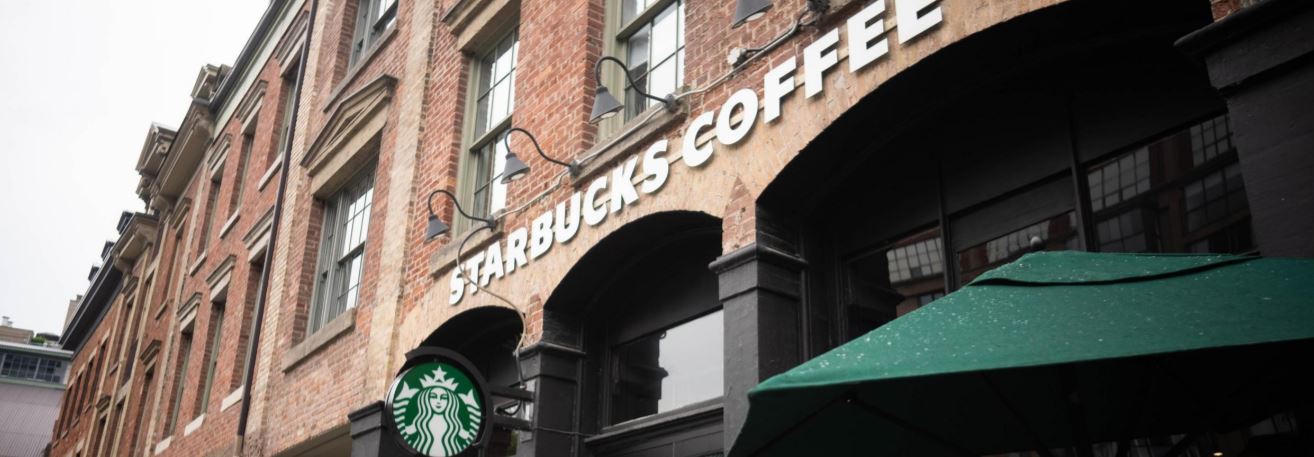
Img 2: An exterior view of Starbucks, a coffeehouse chain
Coffee Today
Even after centuries, the societal functions around coffee continue to play an important role within many cultures around the world. Cafes form the center stage for the coffee culture that is has been brewing through this time.
Cafe chains like Starbucks have started a new revolution by making “cafe” culture global.
Coffee houses are still acting as hubs for making conversations happen, socialize, or work in solace. Cafes now have been decorated with multifunctional roles such as retail, activity center. They collectively act as pods of a city’s identity, accumulating its crowd.
The coffee served in coffeehouses may differ depending on where you are in the world, but the establishment itself conveys a sense of familiarity and understanding that can transcend borders and linguistic barriers.
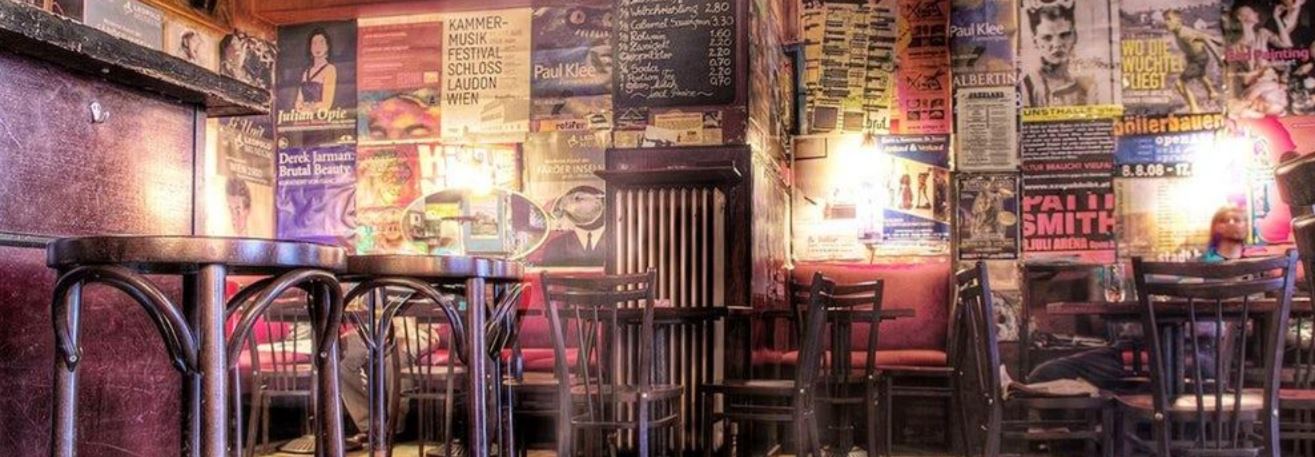
Img 3: Kaffee Alt Wien, Vienna found in 1922..
Brief of the Competition
A coffee house still holds a similar ideology as it did 4 centuries ago. They act as a mixture of close and open public spaces that are transitioning to give people a platform to gather for conversations or work. It can be said to be a city’s public living room and reflects their traditions in more than one way.
Brief: The challenge here is to design a Coffee House, a space that transcends the concept of cafes that we see today.
The aim of these challenges is to help participants practice micro-planning of spaces & services, translating ideas into the design of volume, furniture, and finishes. It seeks to explore a coffeehouse/cafe for Vienna, that embodies today’s architecture style while taking inspiration from its existing heritage.
How does the idea of something that has been iconic to a city like Vienna for so long, translate into the architecture of today?
Objectives
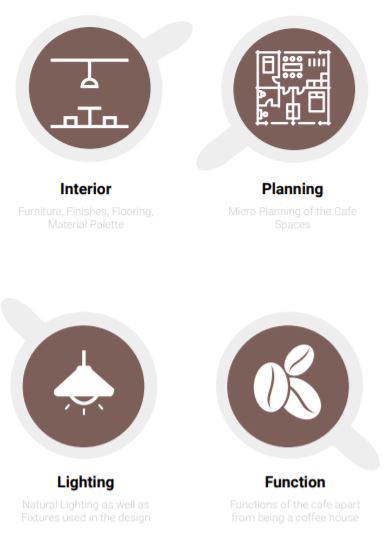
The following objectives can be a point of beginning to conceive this design. Participants can assume their own contexts and users before initiating their design process.
Programme
Participants are expected to design the day-night functioning and character of this cafe as well. This would help in understanding the demographics of the kind of visitors of the coffee house.
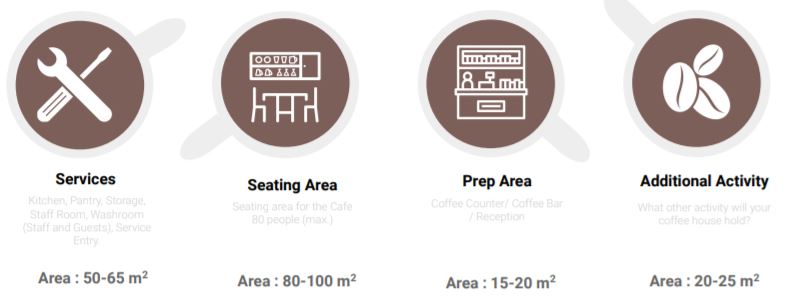
For example, It can be an experience center or a cafe to attract freelancers, depending on the design story devised by the participant.
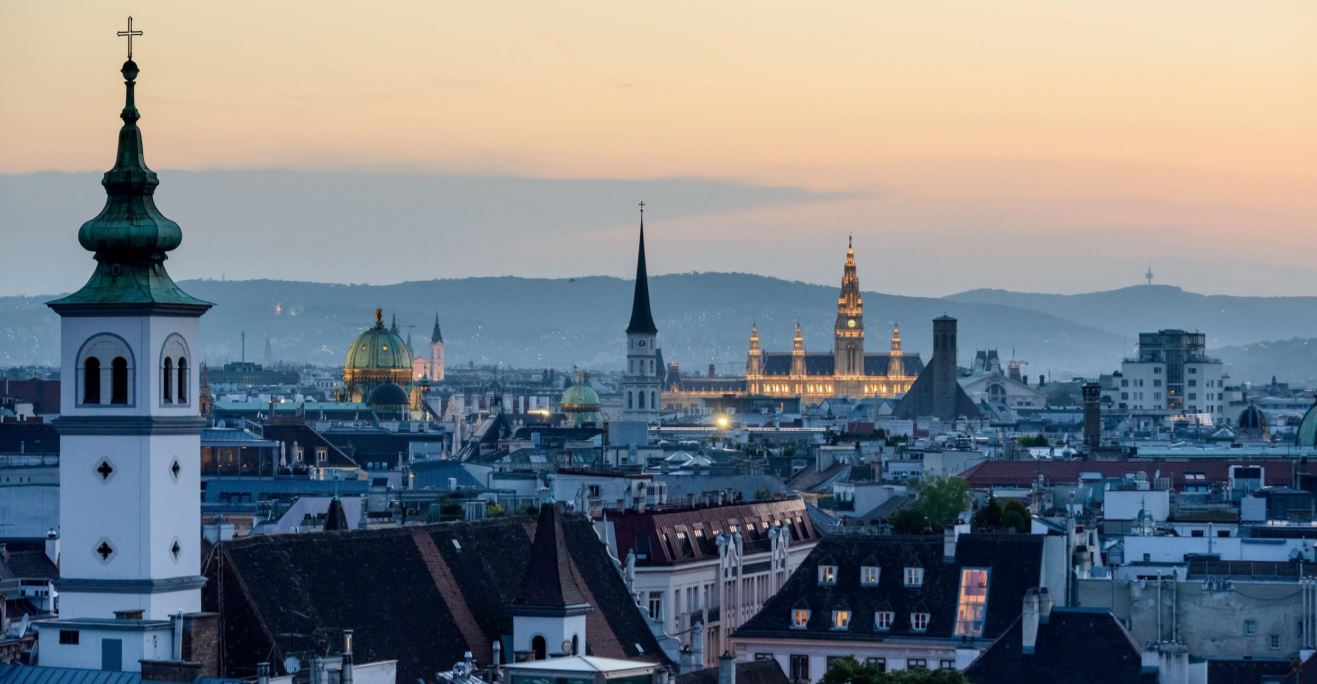
Img 4: Aerial View of Vienna.
Vienna, Austria
Vienna is the national capital and one of the nine states of Austria. This Metropolitan Region is currently one of the most rapidly growing regions in Central Europe. It is said to be one of the most well planned city by urban planners. Vienna has a rich legacy of culture, infrastructure and markets making it rank 1 in global index for most innovative cities.
The city’s association with coffee and coffee houses forms a part of this legacy and Austrian culture, dating back to more than 100 years. Coffee as a beverage has been elevated into an art form and its consumption into a lifestyle. Their grand coffee cafes have been named as “Intangible Cultural Heritage”.
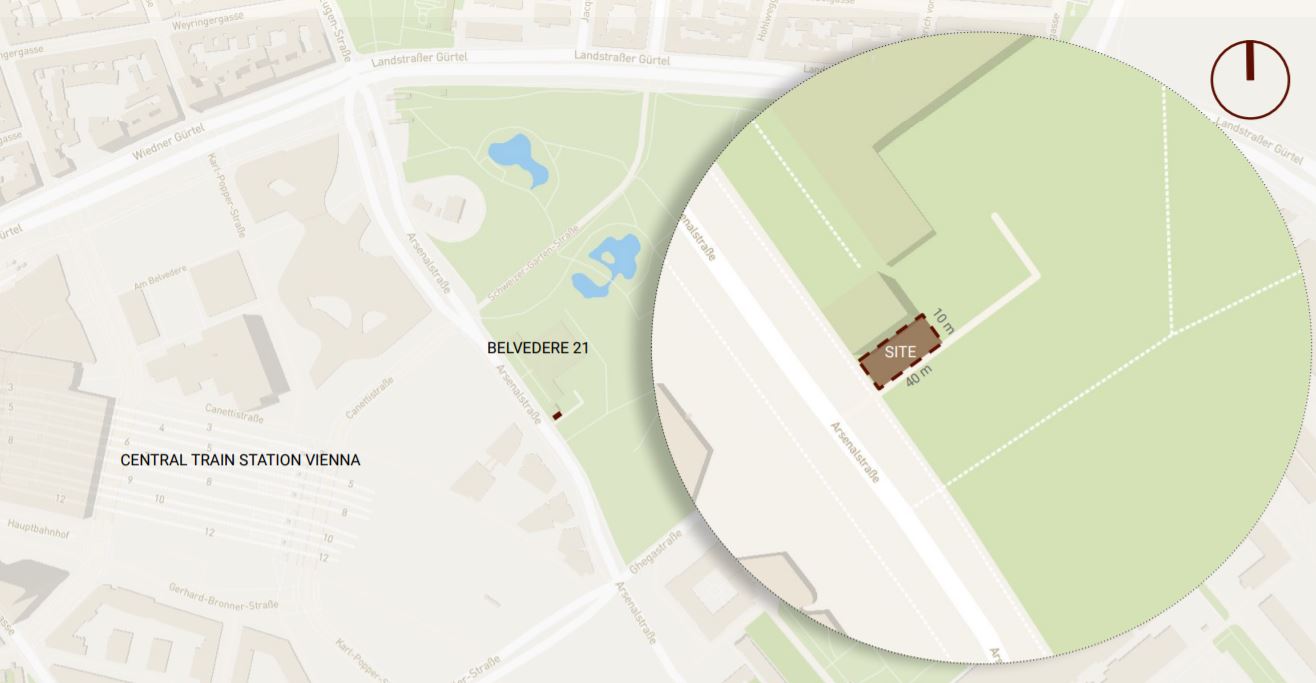
Img 5: Site Plan.
Site Plan
The site chosen for this challenge is located near the Central Train Station of Vienna. It belongs to the newly developed area of Landstrasse district that is witnessing a modern approach in its freshly constructed infrastructure.
The site belongs in immediate vicinity of Belvedere 21, a museum featuring contemporary art & works by Fritz Wotruba with a cinema.
- Area: ~400 m2
- Height limit: 9 m (29.52ft)
- Site coordinates: 48°11'06.1"N 16° 23'03.9"E
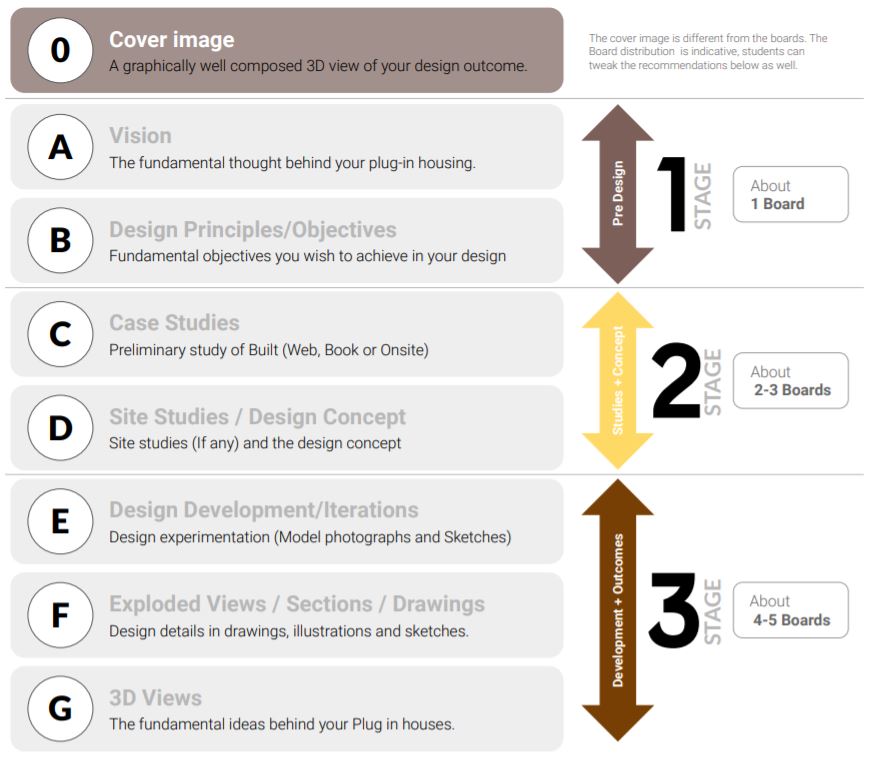
Submission Requirements
Judging Criteria
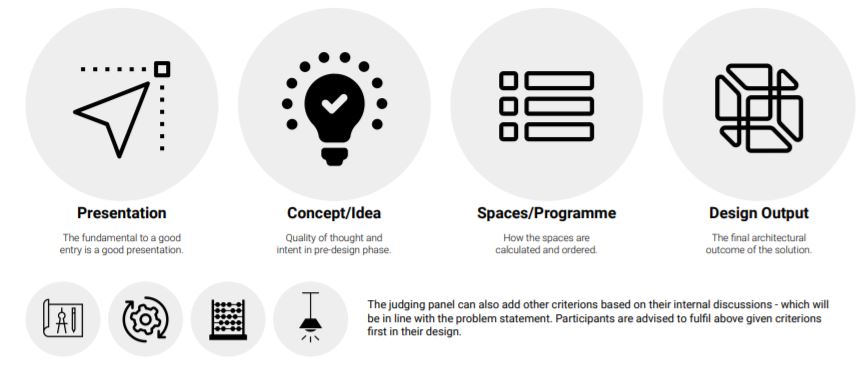
The entries will be judged by an international jury of the competition on the following criterions:
About: Classroom Competitions
Classroom Competitions serves as a part of UNI in the realm of learning and portfolio building oriented design exercises. It intends to give opportunity to young students to explore their design skills in refreshing problems similar to their curriculum. It aims to bring in challenges based on fundamentals of design education. Classroom Competitions embarks on the idea of creating fundamental design challenges to enhance the learning experience and education. It is a research initiative dedicated to providing opportunities for students of design schools from all domains to explore the ideas that go beyond the restrictions of usual architectural discourse.
Queries: support@uni.xyz
Discover other competitions: https://uni.xyz/competitions
Facebook: https://www.facebook.com/unixyzglobal/
Instagram: https://www.instagram.com/uni.xyz/
Discover FAQ’s about this competition on our help forum here: http://help.uni.xyz/

Similar Competitions
Discover competitions you might be interested in



Healing places through music.


The Global Benchmark for Architecture Dissertation Awards
