Brewed - Bali
Beach themed cafe design challenge
Overview
Participate in the current brewed- cafe design challenge
Social impact of Coffee
Coffee plants grew in the wilderness in Ethiopia and were used by nomadic tribes for thousands of years, only until the 1400s when people figured out that they could roast its seeds. By the 1500s, the drink had spread to coffee houses across the Arab world. Coffee houses first appeared in Turkey, Syria, and Egypt as early as 1530. Since they became a hotspot for political discussions, they were banned repeatedly.
Subsequently, throughout the 1600s coffee houses began popping up across Europe and North America. The French and American Revolutions were said to have been brewed in coffeehouses. Lloyd’s of London, a major insurance company, started as a coffeehouse that was frequented by merchants and sailors. The coffee house acted as a perfect mid-ground for a meetup, between other options like places of spiritual significance or formal restaurants. Here creativity and innovation thrived through conversations. They have long been associated with writers, artists, and intellectuals and represented a safe and comfortable space to share news, discuss philosophy or politics.
This surge in innovation was not only owing to the design of the space - the physical gathering of people from different backgrounds and fields of expertise - but also to coffee itself.
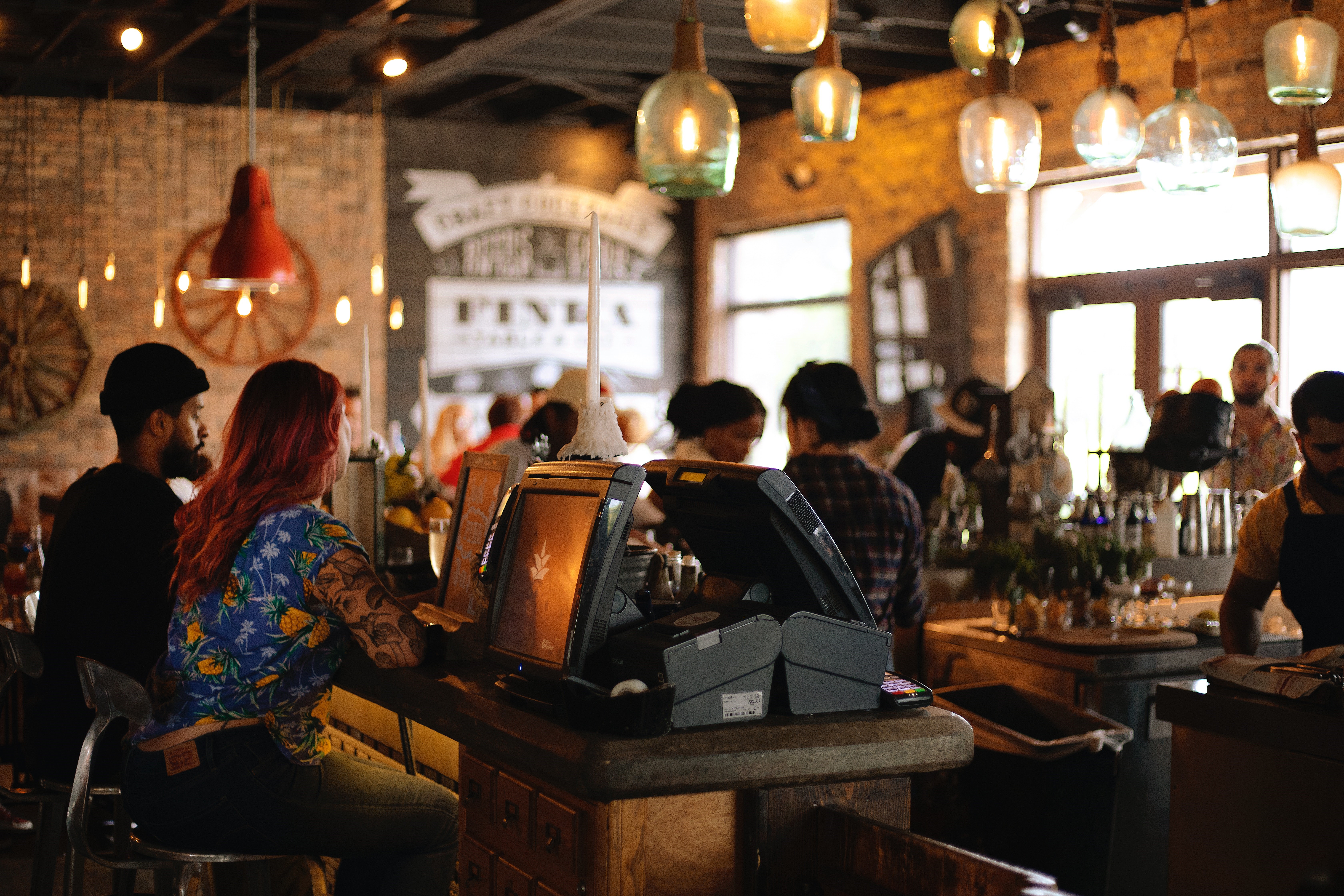
Fig: 2 – A bustling coffee shop today – An illustration
Various trends and typologies
Even after centuries, the societal functions around coffee continue to play an important role within many cultures around the world. Coffee houses or Cafes form the centre stage for the coffee culture that has been brewing through this time.
The significance of coffee houses within modern society has charted a new definition for itself. Cafe chains like Starbucks have started a new revolution by making the “cafe” culture global.
Typologies related to coffee are still acting as hubs for making conversations happen, socializing, or working in solace. Cafes now have been decorated with multifunctional roles such as retail, activity centre, and attract a variety of people, ranging from tourists to locals. They collectively act as pods of a city’s identity, accumulating its crowd.
The coffee served in various places may differ depending on where you are in the world, but the establishment itself conveys a sense of familiarity and understanding that can transcend borders and linguistic barriers.
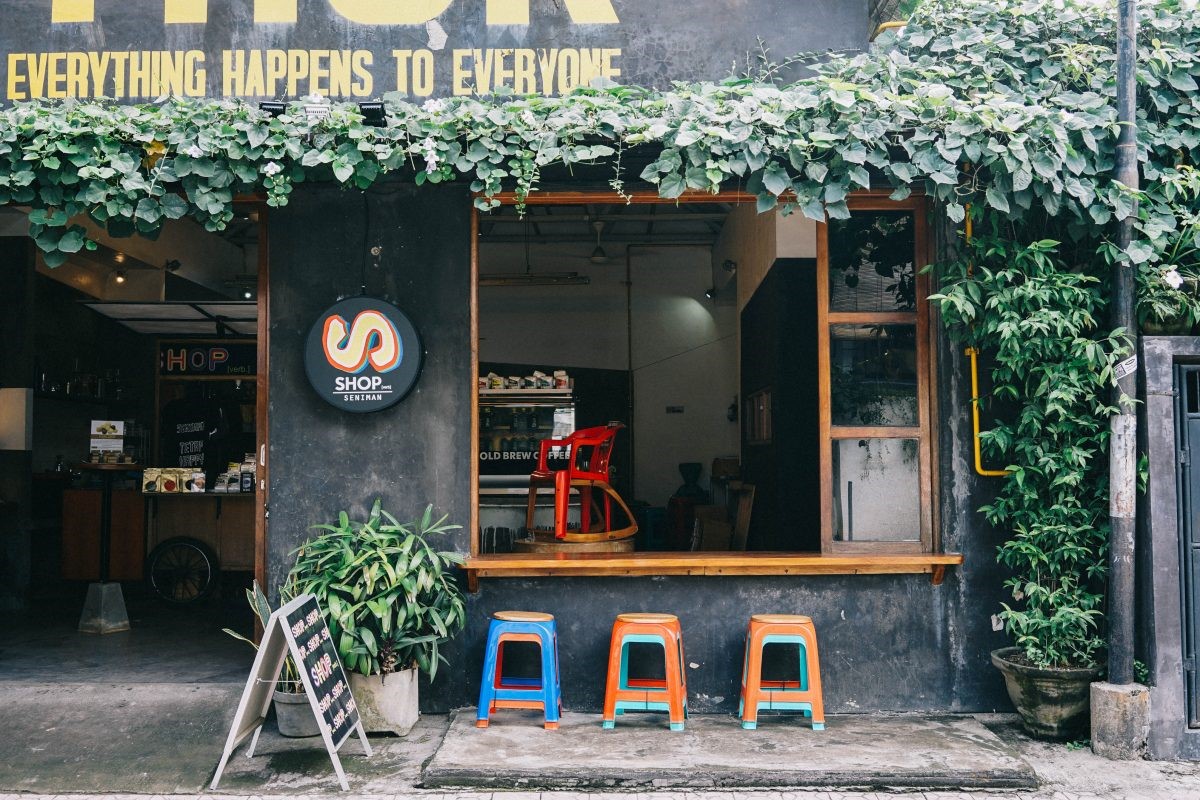
Fig: 3 – Seniman Coffee Ubud, Bali - (Source: Bontraveller)
Transcending the concept of a coffee house
A coffee house still holds a similar ideology as it did 4 centuries ago. They act as a mixture of close and open public spaces that are transitioning to give people a platform to gather for conversations or work. It can be said to be a city’s public living room and reflects their traditions in more than one way.
Brief: The challenge here is to design a Coffee House/Cafe, a space that transcends the concept of cafes that we see today.
The aim of these challenges is to help participants practice micro-planning of spaces & services, translating ideas into the design of volume, furniture, and finishes. It seeks to explore a coffeehouse/cafe on a beach at Bali, that embodies today’s architecture style while taking inspiration from its surrounding history.
How does a global idea of a café translate into a regionally communicating vocabulary of Bali in the context of today?
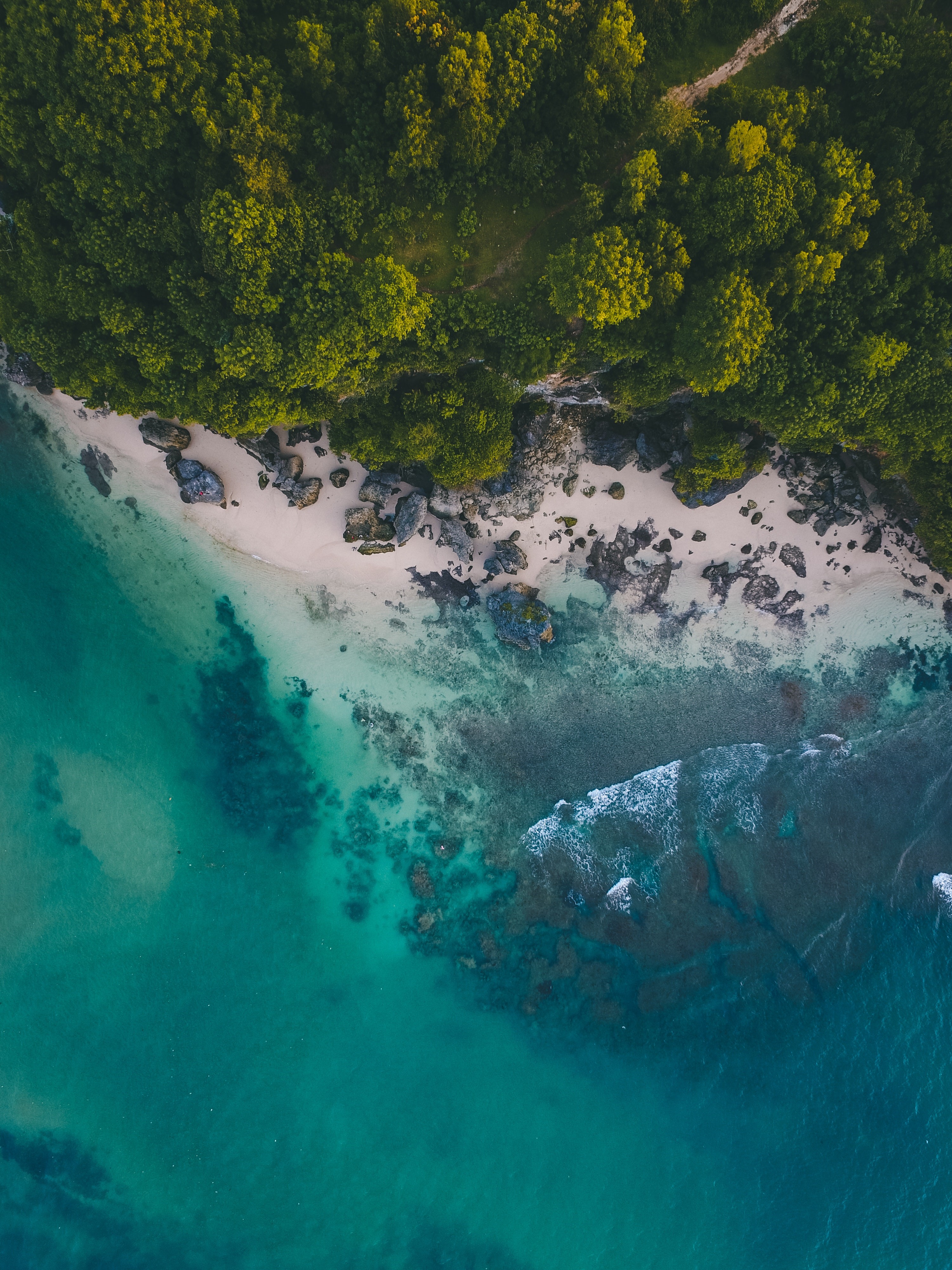
Fig: 4 – Aerial image of one of the Beaches in Bali
Objectives
- Interior: Furniture, Finishes, Flooring, Material Palette
- Planning: Micro Planning of the Cafe Spaces
- Lighting: Natural Lighting as well as Fixtures used in the design
- Function: Functions of the cafe apart from being a coffee house
Bali, Indonesia
The site for this challenge is located in South Bali, Indonesia. Bali is a province of Indonesia and the westernmost of the Lesser Sunda Islands. East of Java and west of Lombok, the province includes the island of Bali and a few smaller neighbouring islands, notably Nusa Penida, Nusa Lembongan, and Nusa Ceningan. Bali is Indonesia's main tourist destination, with a significant rise in tourism since the 1980s. Tourism-related business makes up 80% of its economy.
The site is located in one of its bustling neighbourhoods in the Kaputen Badung suburban region southwards of Denpasar. The site has a major street frontage, with an area to access a lot of different kinds of water sports activities. The site has a beach view as well from the upper levels of the café.
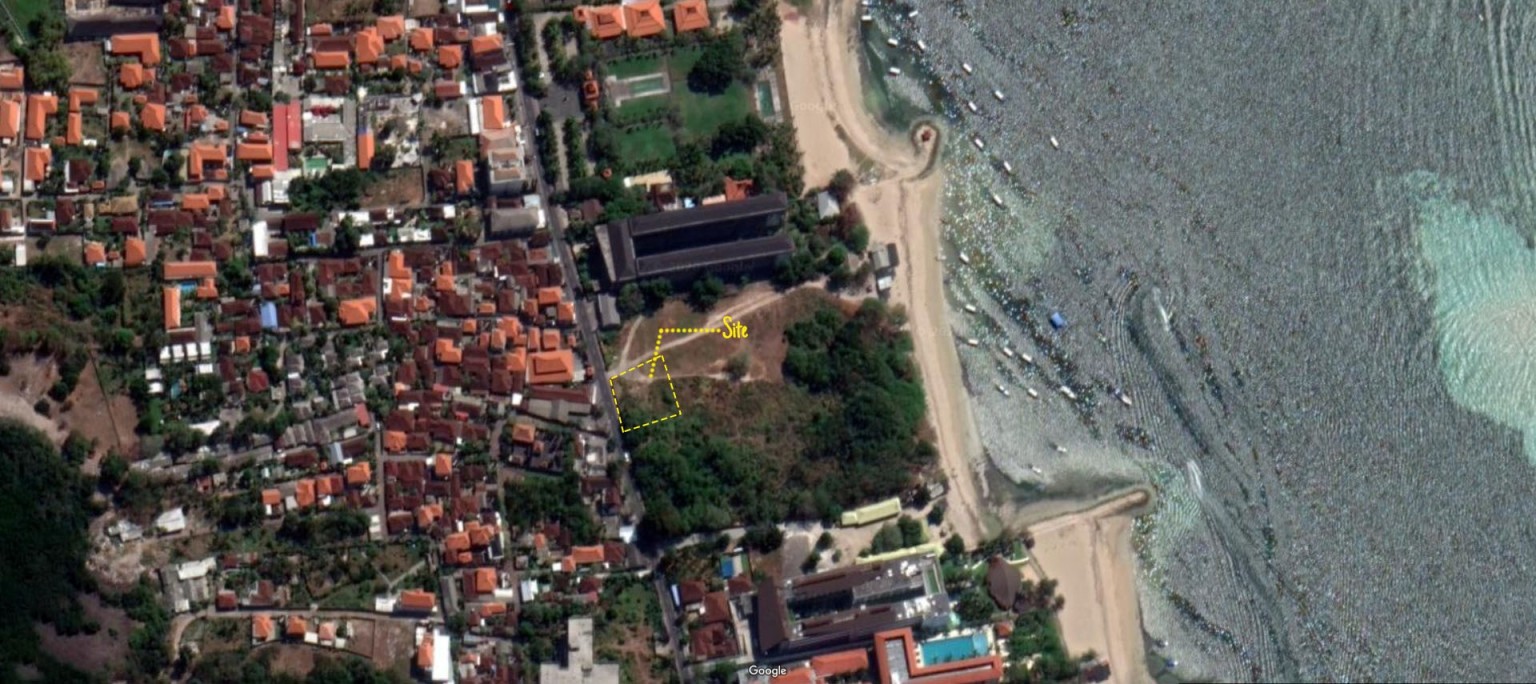
- Site Area: ~1200sqm
- Max FAR: 0.75
- Ground Coverage: 25%
- Set Backs: As given in the CAD plan
- Height Restriction: 10m
- Coordinates: Maps
Similar Competitions
Discover competitions you might be interested in



Healing places through music.


The Global Benchmark for Architecture Dissertation Awards