
Clad in Clay
Challenge to design mud housing for contemporary communities
Overview
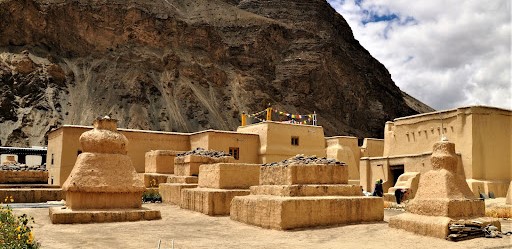 Fig: 1 - The art of mud construction can be traced back to the 1000 yrs old forts to 6000 yrs old arches across the world.
MUD MAKING
Today, as environmental challenges arise, there has emerged a strong and determined need to rethink present practices and adopt more sustainable methods. One example in this effort is the field of mud-based materials, such as adobe, ceramics etc. The use of mud-based materials has two primary benefits that make it appealing.
The first has to do with the reinvention of the production process. Once immensely dependent on large scale energy consumption, the production of ceramics with time and technology has become more efficient and cyclical.
The second has to do with materiality. Mud emerges from nature. The natural and abundant material is heated and manipulated to build and thus eventually they can return to nature without extensive pollution. What's interesting is that the use of mud-based articles has a long cultural history in many nations.
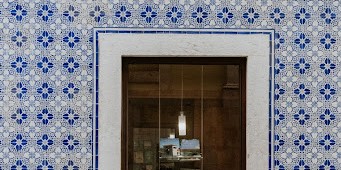 Fig: 2 - Tiles were inspired by muslim ornamentation with its decorated side’s pattern variating over time. (Credits: Marta Ferreira)
REIMAGING AZULEJO
A common and well-known use of one kind of mud material emerges from a deeply embedded part of Portuguese architectural history. Azulejos or glazed ceramic tiles are a staple of many Portuguese structures. Azulejo finds its roots in the 13th century, brought to Portugal by King Manuel I.
The tiles were intended to cover up the large areas of blank walls that were common inside buildings during the Gothic period. With time they evolved in both art styles - moving from geometric to increasing ornamental and shape and transformed from architectural elements to means of public art.
Even today the use of azulejos is extremely common in Portugal. They decorate churches, monasteries, restaurants, bars, railway and subway stations, palaces, public furniture as well as homes, yet their use is limited to decoration.
Can we draw inspiration from this history and reimagine azulejos by combining it with modern mud-based practices for a better future?
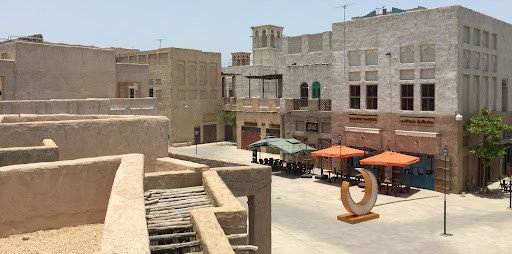 Fig: 3 - The value of mud construction can extend over the entire building structure and not just end with the aesthetic with tiles.
THE MODERN-DAY MUD COMMUNITY
Today the world of mud-based architecture is no longer restricted to ornamentation or cladding. In fact, designers and architects have begun to experiment and sometimes succeed in creating whole structures that use the material.
For a country such as Portugal where ceramics (a mud-based material) is already such a deeply entrenched part of culture and history, this means that they now have available to them a more extensive playing field.
Brief: The challenge here is to design a residential space by championing the use of mud-based materials for modern-day Portugal.
Use the historical significance of the azulejos in Portuguese culture and attempt to marry it to new strides and efforts in the world of mud materials. The aim is to challenge individuals to create novel architectural solutions with new mud-based materials and technologies in Portuguese culture by drawing inspiration from the past and merging it with present knowledge.
OBJECTIVES
Design: How do the outcomes interiors, and/or exteriors champion mud-based materials.
Sustainable: The designed outcome must be sustainable and environmentally responsible as far as possible in its design and material template.
Cultural: How does the design borrow from existing cultural practices and historical typologies surrounding ceramics in its context.
Future: How does the design outcome help envision future solutions in the world of sustainable residential spaces.
SITE
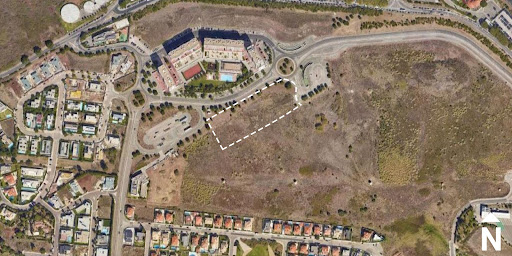
The site for this project is located in Carnaxide, Portugal. Carnaxide was formerly a civil parish and was elevated to the status of a town in 1991. As of 2011, their population was numbered at 25,911 in a 6.51 sq. km area.
The site is not within the residential areas but is adjacent to an unbuilt area with a good network of roadways.
Site Area: 7200 sq.m
Height Restriction: 10 meters
Ground Coverage: 50%
Maximum FAR: 1
Setbacks as per CAD plan
Coordinates: Carnaxide, Portugal
AREA REQUIREMENTS
The designed outcome must be in the form of a reinvented residential building with the following housing requirements -
1. Housing Modules:
- Single Bedroom Houses: 25-30 sq.m each
- Two Bedroom Houses: 65-70 sq.m each
- Three Bedroom Houses: 100-150 sq.m each
NOTE: Total Number of housing units must not be any more than 500.
2. User Groups:
a. Youngsters (Aged 18-25 Years): User group from this age category may be full time or part-time workers or students depending on their occupation and education.
b. Working Professionals (Aged 25-40 Years): User groups from this age category would have different kinds of occupations (creative freelancers, healthcare, software developers etc). However, the house units are expected to be universal and not specific.

