
Convalesce
Competition to design a retreat for mental health recovery
Overview
 Fig: 1 - Continuous cycle of thoughts and fears is a common symptom of mental illness (Credits- Tara Winstead)
MENTAL HEALTH ISSUES
Based on the rapid urbanisation and growth in the recent decades, psychologists have observed an increased rate in the percentage of people suffering from mental illnesses. The majority of them are from urban areas where there is an observed 45% increase in the risks of having a chronic mental health disease.
The rise in the number of cases and a low number of recoveries are indicating a normalized unhealthy way of living has led to delayed diagnosis and short recovery periods for mental-health disorders. Thus causing the majority of the population to experience a number of chronic health problems rather than acute ones. The mental health concerns had increased over the past few years, but today it is observed that the root cause is due to lack of time provided for the healing.The major population is relapsing into the cycle of mental health issues because of unidentified or incomplete recovery processes post-trauma, injury or chronic diseases.
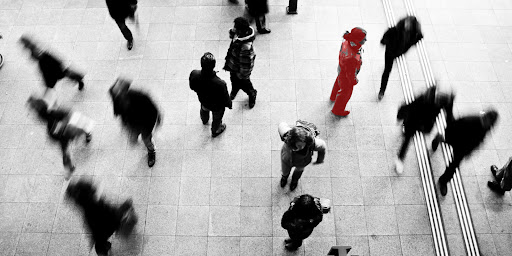 Fig: 2 - Post-treatment usually is the hardest time for the patient especially when they have to go back to routine (Credits-Timon Studler)
THE ROAD TO RECOVERY
Today, in the fast-paced life there is an observed decrease in the amount of time people spend post-treatment, this reduced time has caused a major relapse of mental disorders. Skipping or reduction of this period has been a major reason why there are recurrent medical cases and a low number of complete recoveries. The recovery period post hospitalisation is considered essential when there is a requirement of social engagement, connection, and rest. Due to a fast-paced lifestyle, or lack of time to rest, this period is majorly skipped causing the process of recovery to take longer.
Homes and daily life routines when resumed post hospitalisation is unable to provide the amount of relaxation required by the individuals for recovery. The presence of therapeutic environments that bring about recovery and rehabilitation is needed, which in turn can offer the individual a middle ground between hospitals and homes.
How can architectural solutions address this need for recovery?
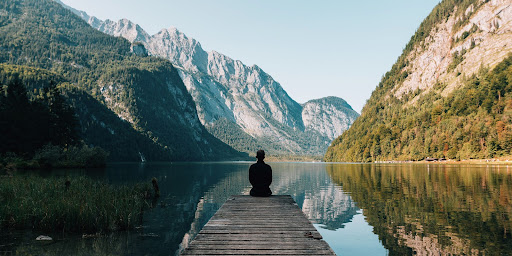 Fig: 3 - Space and time for recovery is needed (Credits- S Migaj)
BRIEF OF THE COMPETITION
Post-treatment recovery retreats are designed to explore how a man-made structure can enhance and aid the process of recovery for its inhabitants.
Brief: The architecture competition brief calls for a design of a post-treatment recovery retreat design that explores and transcends the concepts of recovery centres and offers a space for therapeutic rejuvenation through the use of architectural interventions.
The design should be a community space that offers comfort and aids the process of recovery through leisure filled activities and spaces. The design should offer a rehabilitative environment for the people going through post-treatment.
The aim of the competition is to come up with unique design solutions to explore the effect of therapeutic environments and how the inclusion of elements of design can provoke a life-enhancing experience for the people. Thus, altering the perception that is withheld regarding 'recovery' spaces by expanding them into reviving retreat designs.
OBJECTIVES
Incorporation of senses: To create a design that engages all our senses.
Architecture placebo: To develop tangible and intangible methods to aid recovery processes.
Safety and functionality: Functional space to avoid injuries, distractions or triggering environments.
Natural factors integration: To include natural elements in design for therapeutic effect.
SITE
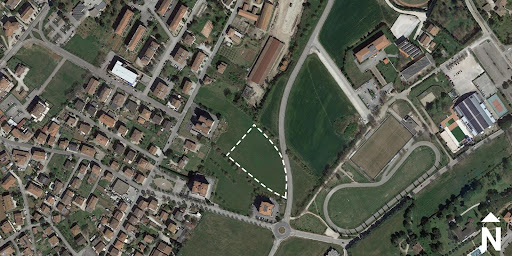
Marsciano, Province of Perugia, Italy
Italy, a country of south-central Europe, occupies a peninsula that juts deep into the Mediterranean Sea. Italy offers broad landscape features and is provided with varied landscaping. Majorly urbanised, there are vast spans of cities comprising green pastures of land and built spaces.
The site has been located in the central part of the city. Majorly surrounded by residential clusters and individual farmlands. The site is well connected through road networks. This site offers a variety of vistas.
- Coordinates: 42°54'10.5"N 12°19'56.3"E
- Area: 6733 sqm
- Height limit: 9m
- FAR (Floor Area Ratio): 1
- Ground coverage: 35%
AREA PROGRAMME
The programmatic outline is intended for a capacity of 50 people. The space ideas are as follows:
- Stay/living spaces: 40%
- Leisure/relaxing spaces: 30%
- Recreational/engagement spaces: 20%
- Services and ancillary spaces: 10%
Other additional spaces can be added by the participants as per their design needs.
