
Deploy - Cyclones
Emergency Shelters that Scale
OVERVIEW
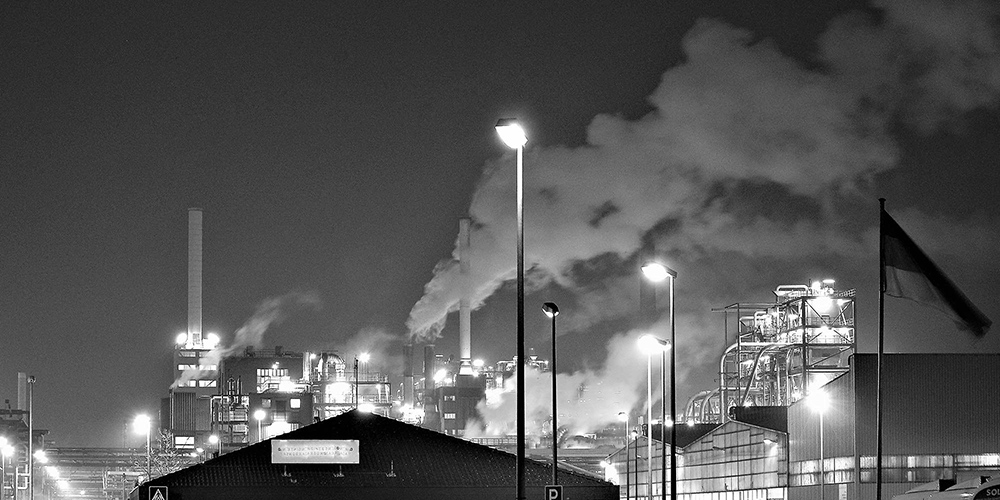
Fig: 1 – Climate change unstoppable phenomena.
Premise
Typhoons and hurricanes, or more generally, tropical cyclones, are all spinning storms of high winds (sustained winds of 73 miles per hour or greater) and intense weather like thunderstorms. The only nominal difference is the ocean basin where they originate. The most alarming factor they all share is that the intensity and frequency of these cyclonic superstorms are increasing with climate change.
Accordingly to the Intergovernmental Panel on Climate Change, climate change will lead to tropical cyclones with higher rainfall, greater intensity, and a greater proportion of high intensity (Category 4-5) storms.
These changes are largely caused by warming ocean temperatures, which drive cyclonic storm activity. But sea-level rise also increases the damage caused by the storms by exacerbating the effects of storm surge, where waves generated by high winds inundate coastal areas.
source: https://www.gfdl.noaa.gov/global-warming-and-hurricanes/
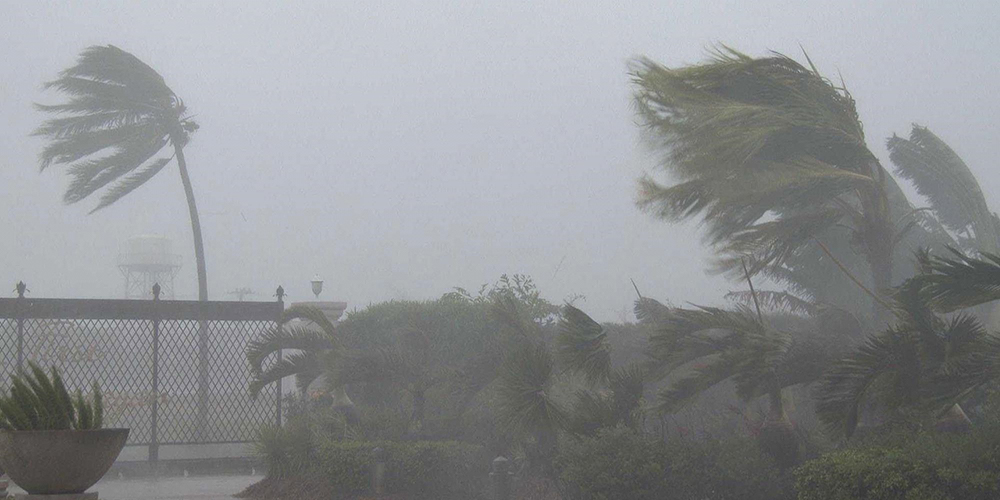
Fig: 2 – A view of the disruption caused by cyclones at the moment
Catastrophe
Global warming is a part of a larger frame of issue that accelerates these cyclones, but what eventually does not meet the eye is the number of people staying at these coasts who are susceptible to such disasters at large. The instantaneous displacement of a few hours threatens 1000s of lives and devastated homes across acres of land. A need for a swift shelter protecting the human population during a disaster and post-disaster is a must.
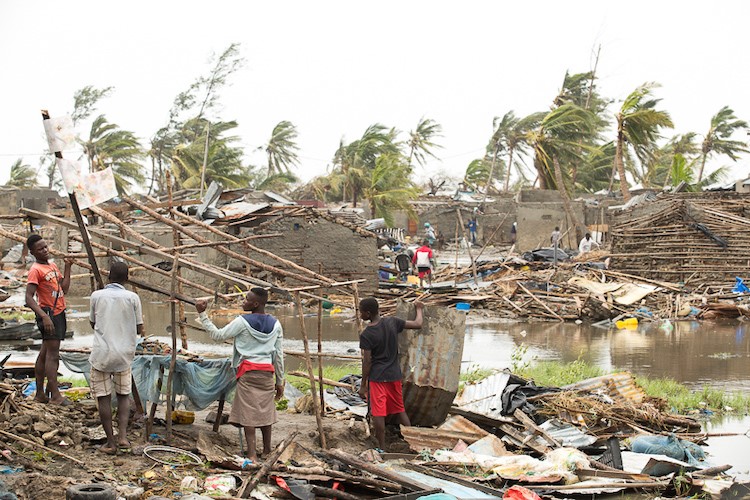
Fig: 3 – Local response to cyclone Idai, in Mozambique(2019) (Source: BGR)
Deploy Challenge
Deploy invites architects, designers, engineers and student fraternity, from around the globe to take part in the world’s first-ever cyclone relief shelter design challenge. The Deploy is one of the world’s most coveted competitions recognizing design ideas for emergency shelters. It recognizes exceptional concepts that redefine quick shelter design through the implementation of innovative ideas, techniques, construction, visuals, and technology through architecture as a tool.
Deploy embarks itself on technological and engineering innovations which are about to go big, and sets architecture free to innovate more in these uncharted and heavily testing directions.
It is of its kind platform that promotes the wayfinding during the crucial time between the catastrophe and its relief response.
Objectives
- User: Emergency shelters are an engineering solution primarily, but how well do you understand the user and outline primary needs?
- Structure: How innovative/efficient/effective is the structure and infill materials used in the shelter?
- Assembly/Disassembly: How will the design resist the theft and mishandling, by becoming a robust entity despite modularity.
- Adaptability: How the shelter will adapt with stages and time after its installation and use? How can it be upgraded in further months or even a year?
Site
The site for this competition is expected to be either in small towns or remote/rural areas where the target population can be a few to a few hundred families. The deployment period can range from a few weeks to 10-12 months.
The design site can be in any of the places marked in green that are sensitive to typhoon activity. Design challenge looks at a more localized approach in building these shelters where the regional approach not only looks at manufacturing but human aspects of the place as well.
There are two expected stages in submission, one is a single unit for either a single-family or set of 2-3 families. Similarly, a community action plan for the planning of multiple units is also required for your design proposal to complete. Conceptual management of services and layout of essential facilities and toilets can be indicated on the master plan.
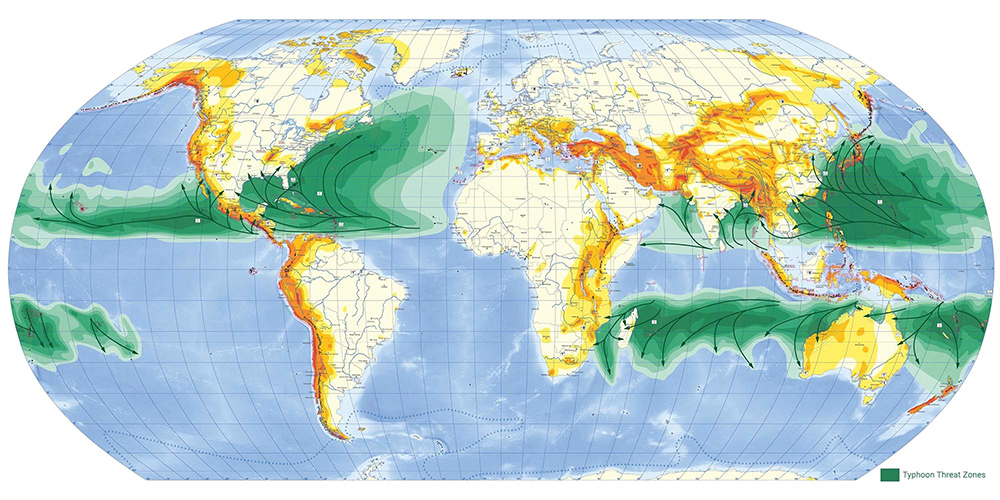
Fig: 4 – Cyclone sensitive regions in Teal Color (Source: Munich RE)
Similar Competitions
Discover competitions you might be interested in




Challenge to design a shop stop sunk in the city


The Global Benchmark for Graduation Excellence


The Global Benchmark for Architecture Dissertation Awards

