
Dwell
Design challenge for neighbourhoods that can grow with its inhabitants
Overview
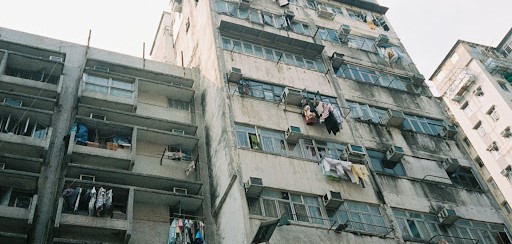 Fig: 1 - The housing crisis is one that has plagued many nations and affects their economic development and progress.
HOUSING CRISIS IN URBAN ENVIRONMENTS
Housing is a basic human right and intrinsic to human survival.
Despite this position of importance in human survival, many people do not always have the opportunity to access safe, legal housing for themselves, especially in dense urban environments.
Those who manage to acquire housing for themselves, are then limited by their economic means. As a result, a significant population of the economically less fortunate, are forced to dwell in cramped accommodation. With time, as the families that dwell in these cramped spaces grow, their homes get further crowded.
Unfortunately, once again, economic ability acts as the gatekeeper for citizens to be able to access larger housing that allows families to live more comfortably.
Can we as designers attempt to address this problem by designing neighbourhoods that can grow as its families grow?
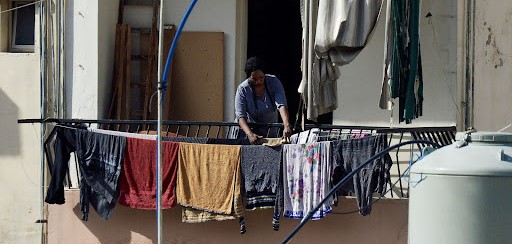 Fig: 2 - The needs of people change over time and housing must be able to accommodate and upgrade with these needs.
GROWING HOMES
Charles Correa once said, "Making housing is like a bird building its nest. You start with a basic house, but you have to let people change it to their own needs."
As families change, grow and learn their relationship with their space changes constantly. In the urban world this is manifested in the incremental ways that inhabitants appropriate their space to themselves.
These incremental changes, sometimes structural but mostly ornamental, are often reflections of the inhabitants they represent. It expresses the aspirations, values and identities of its people.
Unfortunately, a lot of modern housing in urban sprawls are being made increasingly restrictive in the ways that it allows citizens to appropriate their spaces. While the economically able counteract this by moving houses to reflect their needs, communities that do not have the economic means remain forced to use spaces that their needs have outgrown.
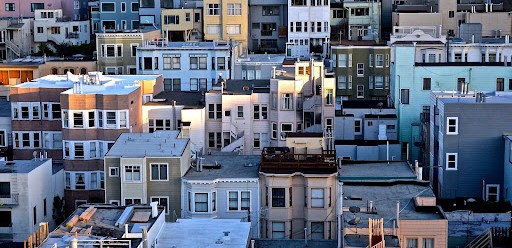 Fig: 3 - Urbanisation is not set to slow down in the years to come so efforts to cater to everyone’s shelter expectations with least resources is essential.
HOUSES THAT GROW AND CHANGE
As our city populations grow at unprecedented rates, the demand for land and infrastructure grows reciprocally. Unfortunately, the urban work opportunities don't always shadow this steeply climbing value of land use.
On the other hand, citizens continue to flock to cities from rural environments in search of better economic and lifestyle opportunities. With time they set their roots in the city and begin building a life in a place that outgrows its allotted spaces sooner or later.
Brief: The architecture competition brief calls for a design of a small neighbourhood in the chosen location where the housing can grow and change with the needs of its inhabitants.
The aim of the competition is to come up with unique design solutions to maximise the usage of the land, as well as create opportunities for comfortable homes that continue to be relevant as a family grows. Finally, the neighbourhood must be able to support community interaction and wellbeing.
OBJECTIVES
Identity: Explore form, and design typologies to arrive at an outcome that is rooted in the chosen locations prevalent and cultural architectural practices.
Layout: The layout of the designed neighbourhood should be able to additionally support community interaction and wellbeing.
Modularity: The designed neighbourhood should be able to change with the needs of the community.
Future: How does the designed outcome sustain in the future as families grow and/or change?
SITE
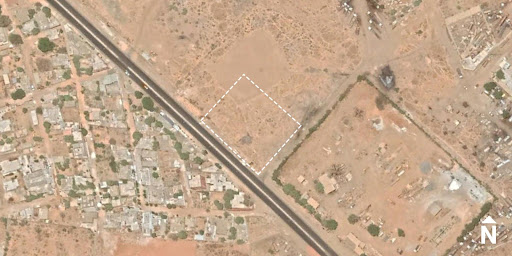
The site for this project is located in Thiès, Senegal. Thiès is the third-largest city in Senegal with a population officially estimated at 320,000 in 2005. Despite a gradual increase in the economy, Senegal continues to grapple with high unemployment and poverty and in 2001 was deemed by the UN as one of the least developed countries in the world.
- Site Area: 8018 sq.m
- Height Restriction: 10 meters
- Maximum FAR: 1
- Ground Coverage: 50%
- Coordinates: 14°47'03.6"N 16°57'07.9"W
PROGRAMMATIC OUTLINE
The designed outcome must be a neighbourhood design that can grow with time but must begin with the following housing requirements:
1. Housing Modules:
- Single Bedroom Houses : 25 - 30 sq.m (30%)
- Two Bedroom Houses : 65 - 70 sq.m (40%)
- Three Bedroom Houses: 100 - 150 sq.m (30%)
2. Social Modules: Courtyards, multi-purpose hall, community garden, shops and so on.
3. User Groups
- Couples: Various Age groups with no children.
- Small nuclear families of 3-4 members: Varied Age groups composed of both adults and children.
- Larger Joint Families comprising of up to 5-8 members: Varied Age groups composed of both adults and children.
4. A total number of housing units must not be any more than 500 and less than 250
In addition, you must showcase a few cases of how the designed space can grow and change over time as the requirements of its inhabitants change.
Similar Competitions
Discover competitions you might be interested in


Design challenge to reuse E-waste

Illustrate the lost glory of Angkor Wat - Render Challenge

Photograph architecture without architects

Challenge to reimagine the Iron Throne