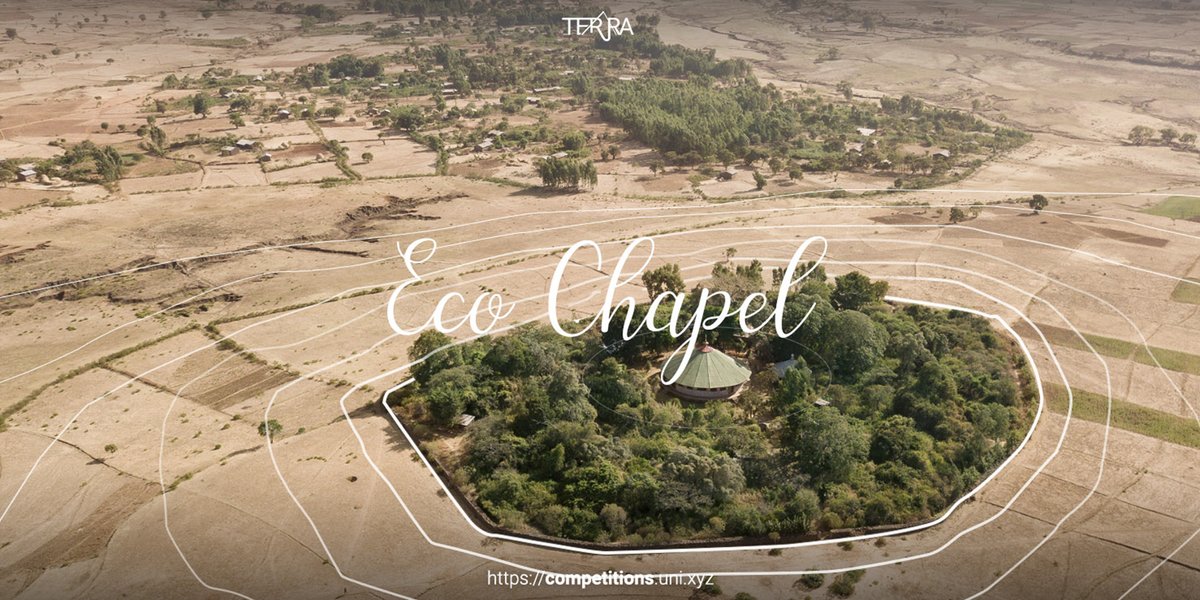
Eco-Chapel
Rebuilding Forests in Ethiopia.
OVERVIEW
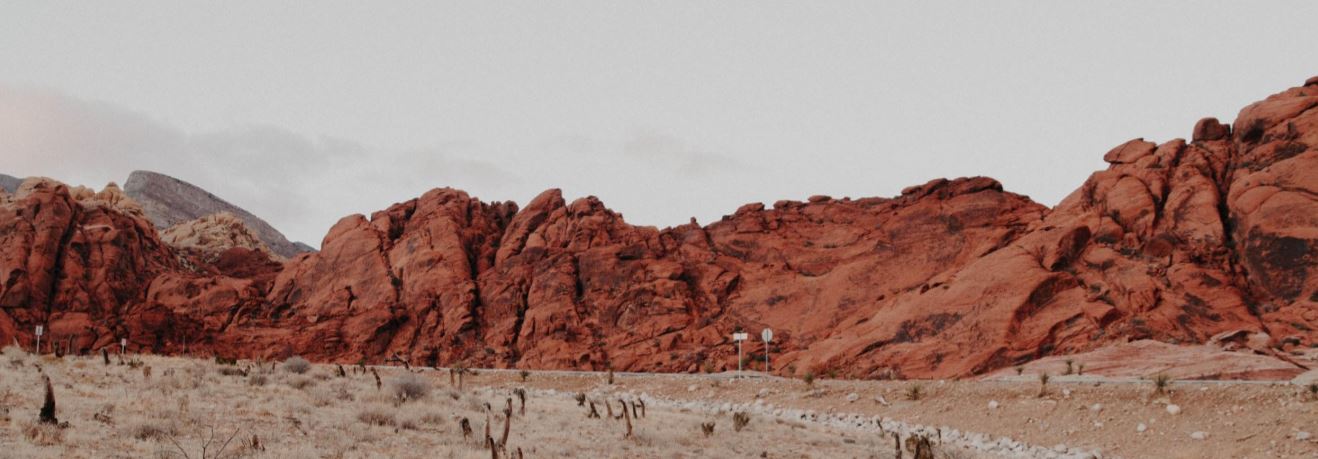
Img 1: A consequence of deforestation
Religion and Nature
Religion is a collection of designated thoughts and beliefs which were born by the virtue of nature, that relates to humanity and spirituality collectively. Forces of nature constitute the basis for spiritual beliefs for a lot of communities. Even though its definition was never absolute and varied drastically between one community and other, nature was somehow a common link between these mythological stories that were weaving culture and societies.
People worshiped gods of natural elements (water, sun, fire, climate, plants, animals etc) establishing a relationship. Yet, depleting resources for serving the growing population and development of mankind was inevitable.
Now, most parts of the world are facing the dire consequences of Global Warming and Climate Change. Direct impacts such as significant increase in temperature, increase in number of natural disasters etc are evident. Yet, there are a few communities that are trying to reinstate years of spoliation by means of their faith.
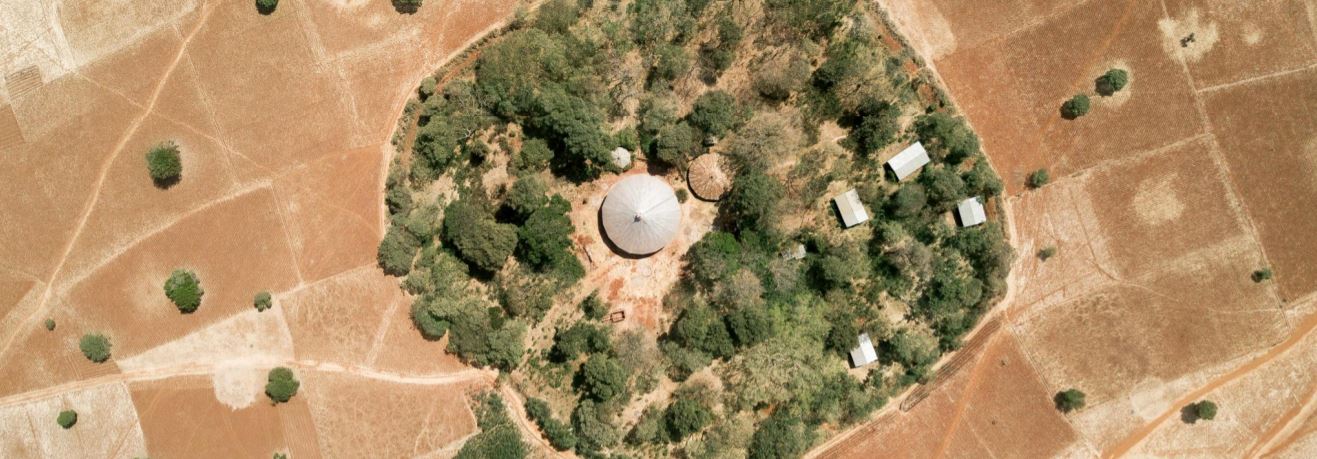
Img 2: Source National Geographic. Photo by Kieran Dodds
Forests of Africa
Ethiopia is a country located in the Horn of Africa, and is said to be one of the primeval countries of the world. It is one of the first nations that adopted Christianity in 3rd Century. It is also a tropical country that was once rich in forests and biodiversity. But now the forests which were above 40% of the country’s landmass in the beginning of 20th century, was reduced to 2.36% in 2000.
Deforestation has been mainly attributed to agricultural expansion due to subsistence farming where poverty and population growth has forced vulnerable groups to resort to farming and animal rearing. Increasing demand for construction material, industrial use, fuel wood; lack of a forest protection, conservation policy and its implementation are among other reasons fuelling deforestation. The degradation of forest ecosystems has also been traced to economic incentives that make forest conversion appear more profitable than forest conservation in Ethiopia.
The country is on the brink of facing desertification in most of its parts. It needs to track it back to expanding their boundaries and preserving these remaining dots of forests to avoid a grim future.
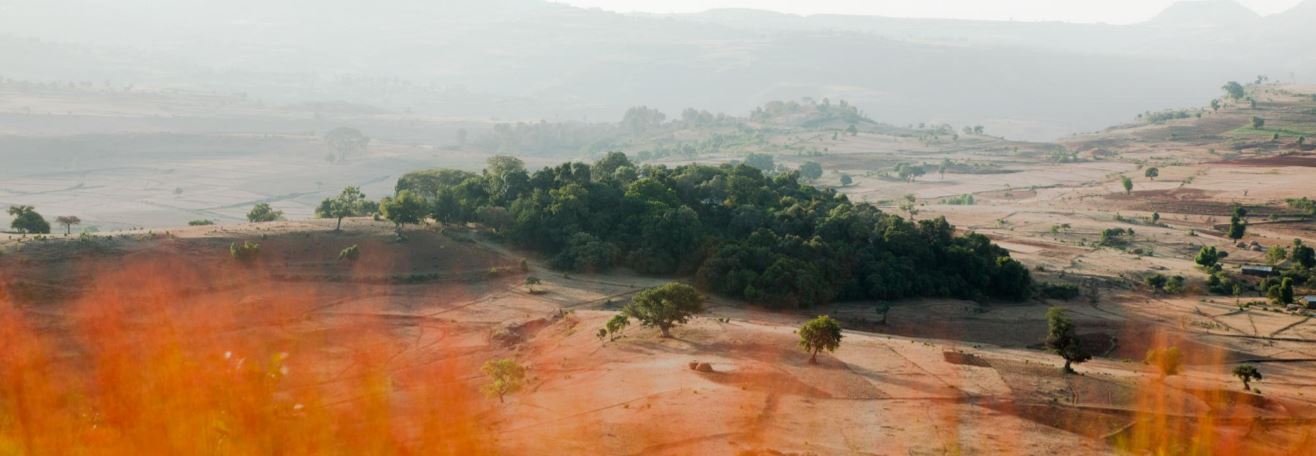
Img 3: Source National Geographic. Photo by Kieran Dodds
Churches as local centres
The churches of Ethiopia’s Orthodox Tewahedo, the dominant religious group in the country with nearly 50 million members were almost always nestled in patches of dense forest.
The churches and their enveloping forests have served as crucial centers of local communities, integral parts of both religious and secular life, since the fourth century A.D. The forests provide a kind of covering for the churches at their centers. Some of them are estimated to be 1,500 years old—tiny, ancient islands of historic habitat in a changed landscape.
Here, the credence of people with religion is playing a significant role in transforming this scenario into undoing the damage. The Ethiopians are “reforesting” their lands around churches. One of the researchers and conservationists from the local community called Alemayehu Wassie and Meg Lowman have been taking measures since over a decade to protect these church forests and turn them into a vast web of flourishing ecospheres across the country.
While the efforts are directed towards preserving these, expansion and creation of a more versatile purpose for them can be envisioned for a promising future.

Img 4: Can faith save the earth? - A concept
Brief of the competition
The active conservationists and priests of the “forest churches” have seen a significant change in the immediate vicinity of the environment around these chapels. The quality of water improved, tree seedlings survived, pollinators are benefitting the nearby agricultural lands as well. There is a remarkable difference in the temperature of enclosed forest spaces.
The Chapels are igniting a ray of hope in preserving and expanding the remaining flora and fauna. Can these “Eco-Chapels” be augmented into something that serves the community beyond creating forests?
Brief: The challenge here is to conceive a forest chapel and community center for the Ethiopian Tribes and communities. It must be built in a way to contribute to growing the forest instead of only “preserving” them. The church can be a junction point for exchanging knowledge and spreading awareness about drastic depleting forests in their country.
Objectives
Sustainable: The design must be made sustainable and climate resilient.
Vernacular: Materials used must be local and indigenous.
Agile: Must have scope for future development of the community center or for catering to a larger population.
Sensitive: Design must be sensitive to the religious community of Ethiopia.
The following objectives can be a point of beginning to conceive this design. Participants can assume their own contexts and users before initiating their design process.
The Chapel can be considered to have minimum 300 visitors on regular days the number is subject to increase on festivals and occasions.
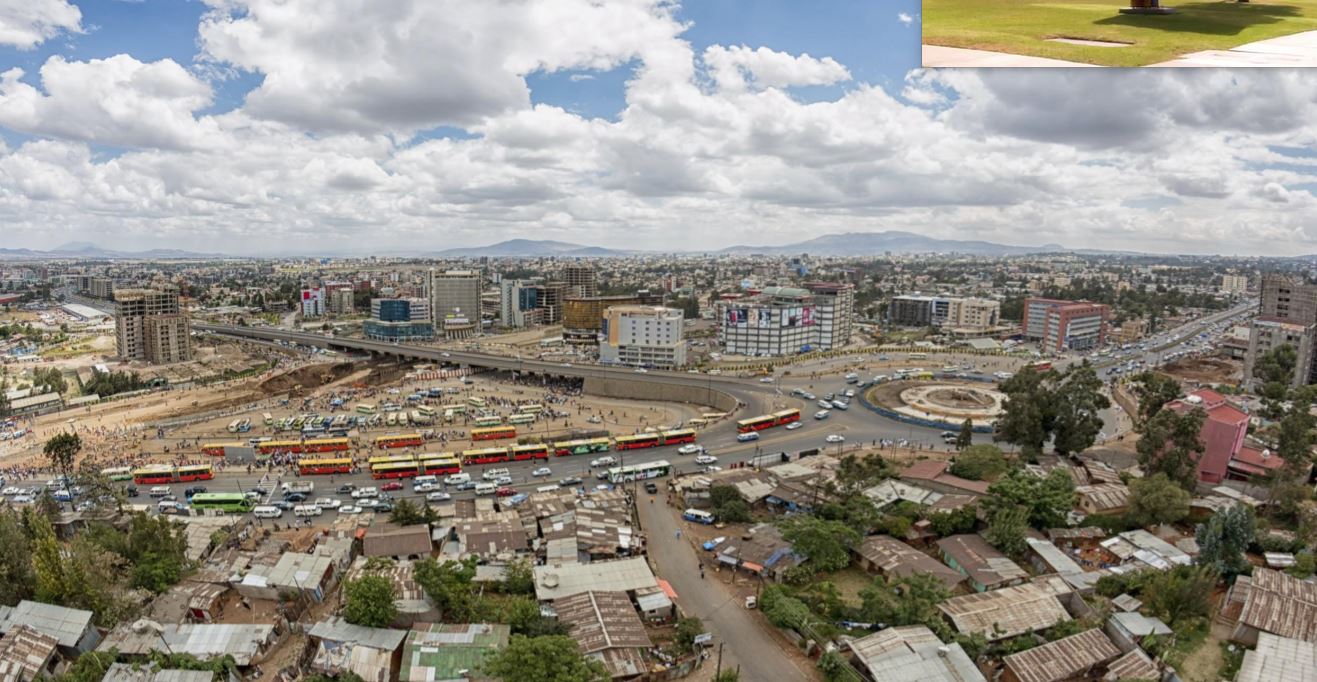
Img 5: Aerial View of Addis Ababa
Addis Ababa, Ethiopia
Addis Ababa is the capital and largest city of Ethiopia. The political capital of Africa is known for its historical, diplomatic and political significance for the continent. It hosts the continental headquarters for various international organizations. The city has a mixed demographics of tribes with more than 75% Christians (Ethiopian Orthodox in domination along with protestant and catholic). Addis Ababa is the hub of the nation’s transportation network. The city is also the collection and distribution centre for much of the country’s internal trade. City life is mostly favoured outdoors on its bustling streets due to the comfortable temperate weather boosted by months of nonstop sunshine.
Programmatic Outilne
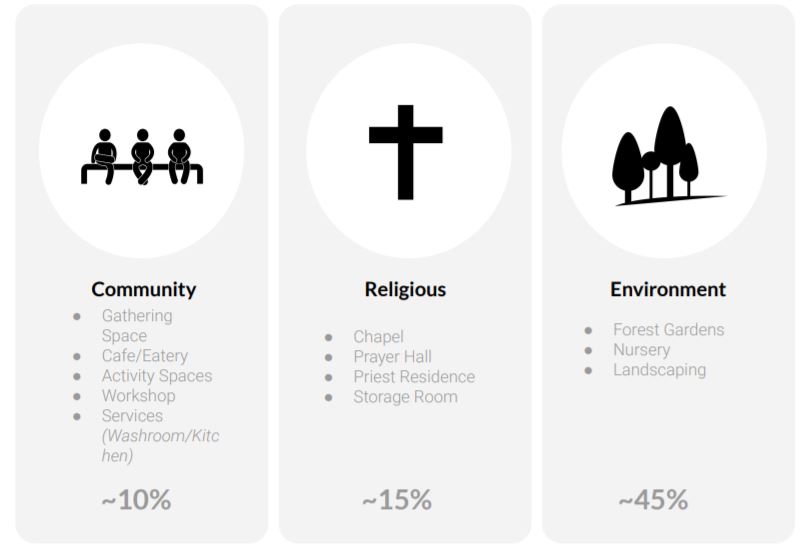
The programme of the Eco-Chapel must include the above mandatorily. However, the participants are free to add other programmatic facilities depending on their design.
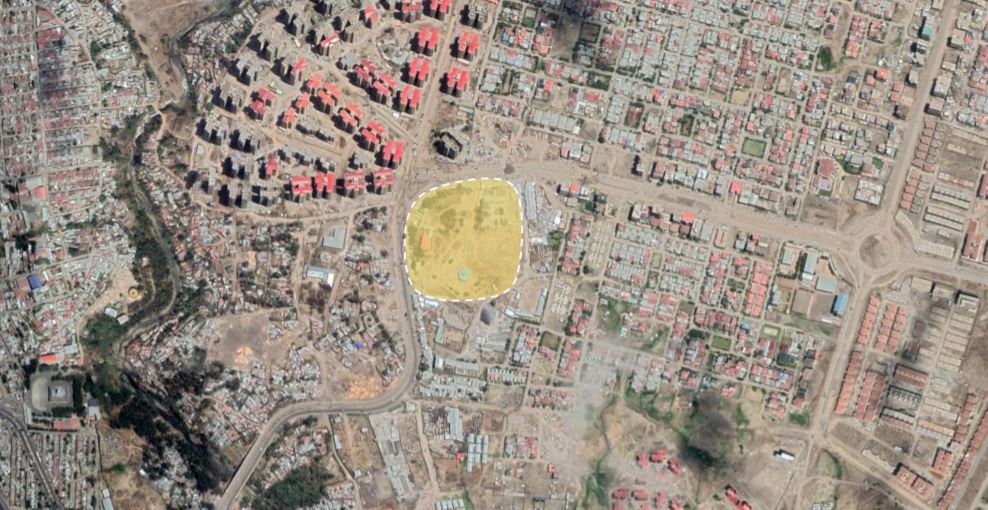
Img 6: Site Map
Site Plan
The site chosen for this project is located in the Bole borough of Addis Ababa. Since the site already consists of a small chapel and other small scale structures the participants must consider the plot empty for this challenge. The area given for this intervention is more than stipulated area and is to be used for future development or landscaping depending on the design idea of the participants. The vicinity near the site is considered to be majorly residential.
- Area: 48,400 m2
- Height limit: 15 m (29.52ft)
- Site coordinates: 8°56'50.1"N 38° 46'41.0"E
Similar Competitions
Discover competitions you might be interested in




Design Challenge - Contemporary interpretation of a religious complex


The Global Benchmark for Architecture Dissertation Awards