
Elementorize
Architectural elements as buildings - Staircase design challenge
OVERVIEW
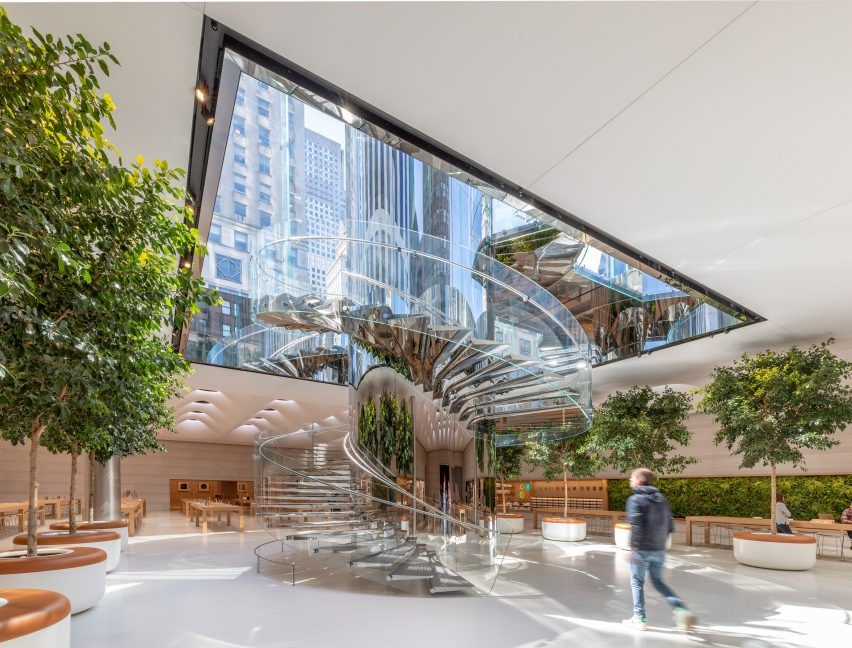
Fig: 1 – Apple store in 5th Avenue deploying one of the most unique uses of the staircase – Credits: Foster’s and Partners
Elements of architecture
Several elements build architecture, which sometimes is even tough to list. These elements can include compound objects like walls, floor, roof, to smaller parts like lights, furniture, or even tiles.
The designs for these elements have been changing from project to project – but their presence has been consistent across various applications and locations. Any building in the world is not complete without elements like doors, windows, stairs, - and these elements are extremely templatized. Call it for manufacturing ease or even to speed up the construction times – these elements are mostly fixed into buildings like blocks.
However – the ability to tap into these elements is one of the crucial ways a building interacts with people.
The building form may look all inspiring and elating. Yet, people use a building with its doors – windows, and staircases.
If manufacturing ease is a justification to overlook these finer elements, when can we learn to design these to deliver unique architecture experiences?
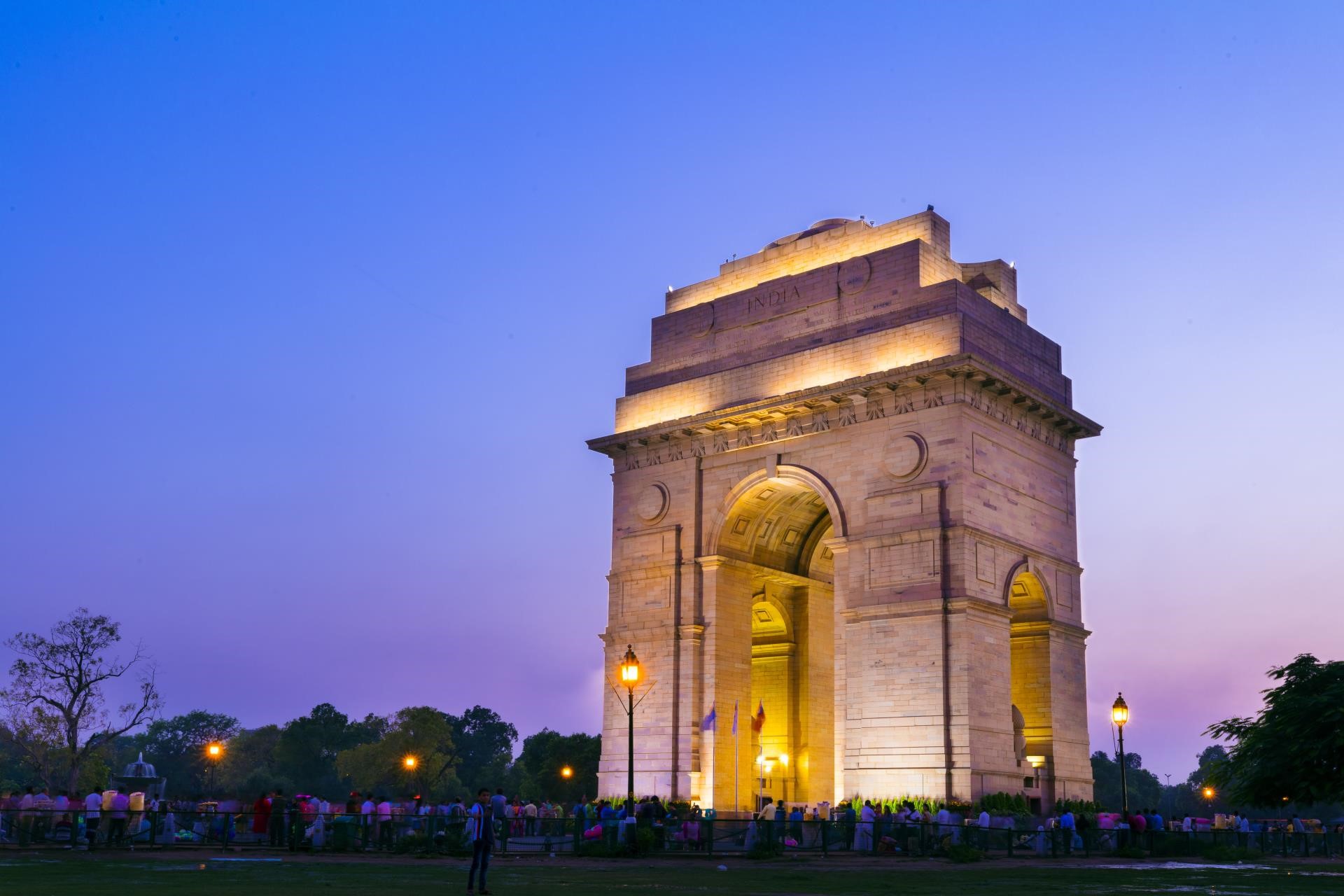
Fig: 2 – India Gate – Employing a doorway as an element to define architecture.
Brief
With a struggle to balance modularity architectural experiments focus a lot on optimization, we are skipping on the design possibilities on each of these elements in a way offer. There are many examples around the world who magnify these elements to devise architectural marvels that transcend decades of memory and awe. From India Gate to the vessel, despite the timeline – architecture has not always been only about rooms but more.
The design challenge here is to use the element of a staircase – to devise an architectural scale building employing all its form characteristics and properties.
This can involve, 3D volume, Shape, Proportion, Gravity, Structure, Usage, Etymology, almost everything that makes staircases special. It is highly recommended to study the past and the futuristic use cases like the grand roman staircases to their replacements like escalators – etc. to decipher qualities that can be a part of your architecture outcome.
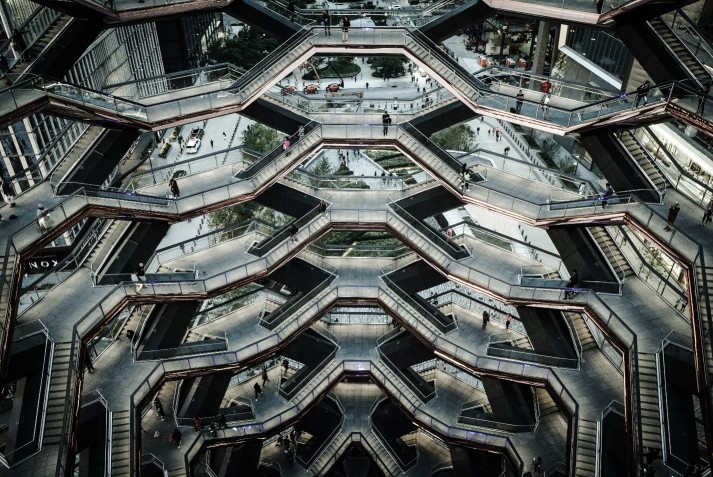
Fig: 3 – The vessel using a set of staircases to develop an architectural form – Symbolizing a viewing deck in Hudson Yard.
Exercise
The design exercise is simplified into 4 straight forward steps to approach your final architectural outcome:
1. Explore properties:
Understand the properties of the element in question and synthesize the qualities that you wish to employ in your architecture.
2. Scale it up:
Increase in size, and develop an architectural form that uses the staircase typology in its physical construction.
3. Function fit:
Analyze and develop a function that fit – with the physical form of the staircase and find a balance between architecture + form.
4. Fusion:
Fuse the entire architectural outcome into a functional building.
Scale
The site can be either a hypothetical situation or a real site, up to your choice. The site size of the building should not be more than 30m x 30m in size. The height of the project is kept unrestricted. It’s not necessary you have to consume the entire maximum area of 30x30m. If the site context is small let’s say the function is of a kindergarten then the size of the building will be small. The entire aim of this exercise is to explore the function of the element of the staircase to the fullest.




