
Finding Atlantis
Illustration Design Challenge
Overview
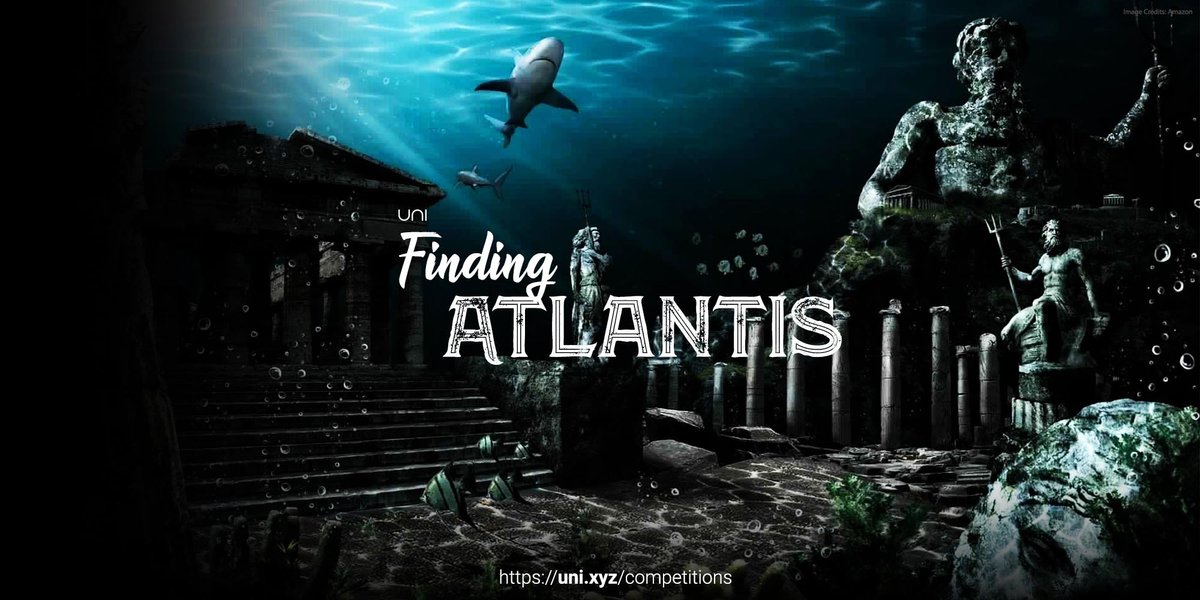
 Fig: 1 - Plato told the story of the mystical island of Atlantis with concentric islands and wide moats connected by a canal at the centre. (Credits: History Mates)
ILLUSTRATING THE HIDDEN CITY
UNI invites Architects, Visual/Graphic Designers, and the student fraternity for the second edition of its series of Graphic Design Challenges as part of its unit block, Graphis.
Challenges under ‘Graphis’ are carefully curated to bring out the best of visual communication and graphic language to educate, reflect, and inspire change with respect to pertinent world issues through visuals.
A picture is worth a thousand words, and Graphis abides by that adage, to inspire participants to try and portray complex ideas and emotions through a still image.
The competition understands the importance of efficient and effective communication in the digital age and aims to recognize innovative ideas and techniques that aim to redefine the notions guiding conventional graphic design, and foremost, create impact.
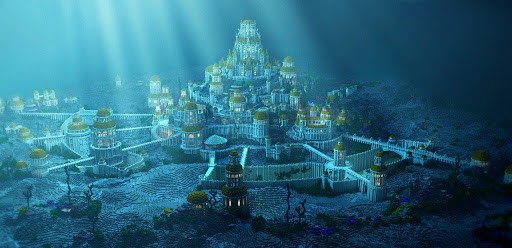 Fig: 2 - The city is believed to be submerged but very less evidence is found of its existence. (Credits: Voidswrath)
THE LOST CITY OF ATLANTIS
The legend of the lost city of Atlantis being comfortably hidden underwater with little to no proof of it left might be a story that is possibly a woven tale created to represent the political state of the various kingdoms during the time of Plato, who wrote about the legend; or could be a real-life city that got settled underwater due to mystical natural calamities.
Either way, the city has garnered a large group of believers and followers, who have researched and studied to find this evidence to be put together, reaching conclusions such as the city being far ahead of its time, to the extent that their technology may have been advanced to the level of space travel and other metaphysical sciences.
But what the architecture of the city would have looked like, is highly debated as to what styles would have influenced it, or if it had its own unique style too.
The objective is to make an architecture poster/artwork in the form of a visual illustration that is based on some of these research accounts or a completely imagined one as some other academicians believe.
This would be quite the visualisation challenge that can help push the creative boundaries of current designers.
DELIVERABLES
You have to deliver a graphic/visual outcome representing the given theme, based on the following outlines. Only one final graphic design needs to be submitted. The image should be of size [2800px x 3200px] in portrait or landscape digital format (JPEG only). The graphic may be entirely hand-drawn and rendered, digitally created, or a combination of both. The usage of photographs, stylized/credited or otherwise, directly is strictly not allowed.
The use of lassoed graphics lifted from an existing image is limited to half of the total graphic. (The guidelines are indicative, and are placed only to reduce plagiarized artworks – any infringement detected or reported will be notified, and may be removed from competition if found guilty)
The list of deliverables are:
1. Title
2. Subtitle
3. Artwork
4. A few process images
5. A statement in about 100 words supporting the artwork - You can attach this as an additional image below your artwork.
OBJECTIVES
Awareness: Primary aim is to inform and spread information about this issue.
Expression: The graphic should effectively communicate its intent and idea to the viewer.
Lucidity: Clarity in composition and intent to communicate the idea better.
Visual Delivery/Aesthetics: A distinct visual language to help the graphic stand out for better communication.
Similar Competitions
Discover competitions you might be interested in



Architecture Illustration Competition

Deconstructivism - Illustration Design Challenge

Challenge to illustrate ‘A tale of Two Cities’

Design a brochure to showcase the effects of the technosphere
