Hustle Hub 2019
Design a youth housing design '2019
Overview
 Motivation to live in cities
Cities, beyond its several interpretations, are primarily platforms of economic exchange. As we move ahead in time, the aspect of money driving most of our lives is more real than ever. The problem is not money, but not acknowledging this fact head-on.
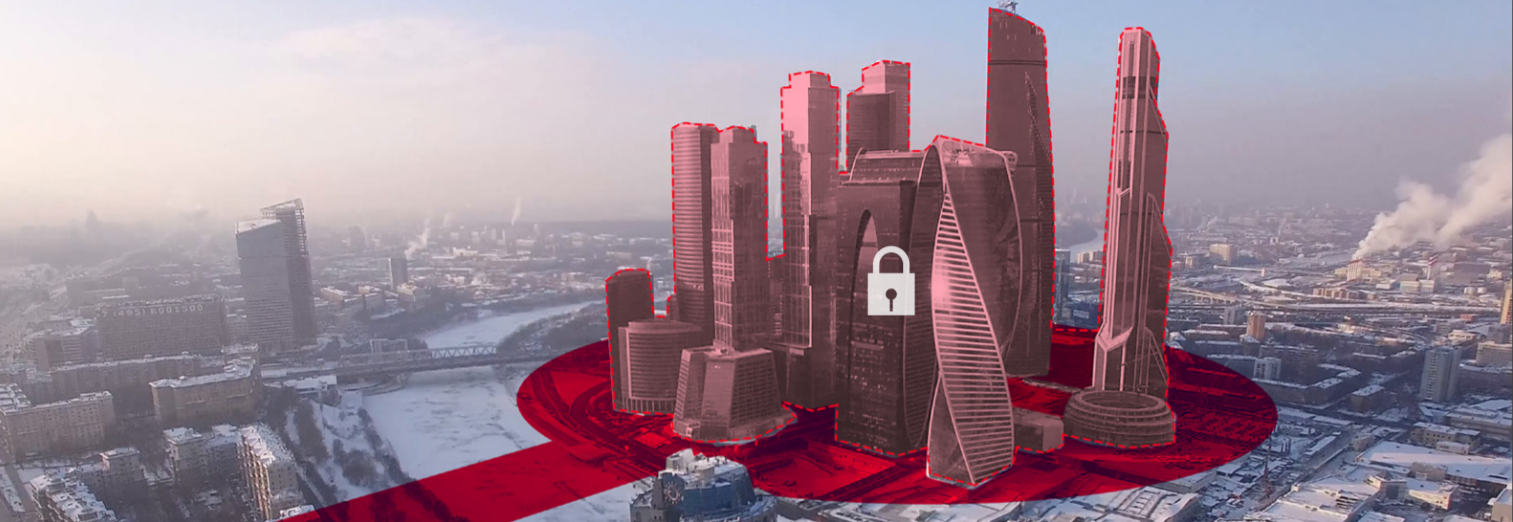
Rising real estate prices and their materialization as investments clearly separate housing from a need.
Instead, they are items like gold which are barely used but valued so high that they are kept locked privately. Which eventually causes the prices to soar and a shortage of already existing housing.
As people migrating to cities come there to find means to ‘earn money, the fundamental nature of our cities (being economic) and opportunities it should be offering; works quite the opposite. With most of the young population working today to acquire basic security of livelihood and not investing in their lives for the long term (depreciating because of the ‘grind’) due to various social stigmas associated with not owning a home; create this rat-race. This may sound overboard yet it is the motivation for a lot of our current population.
Ownership of homes
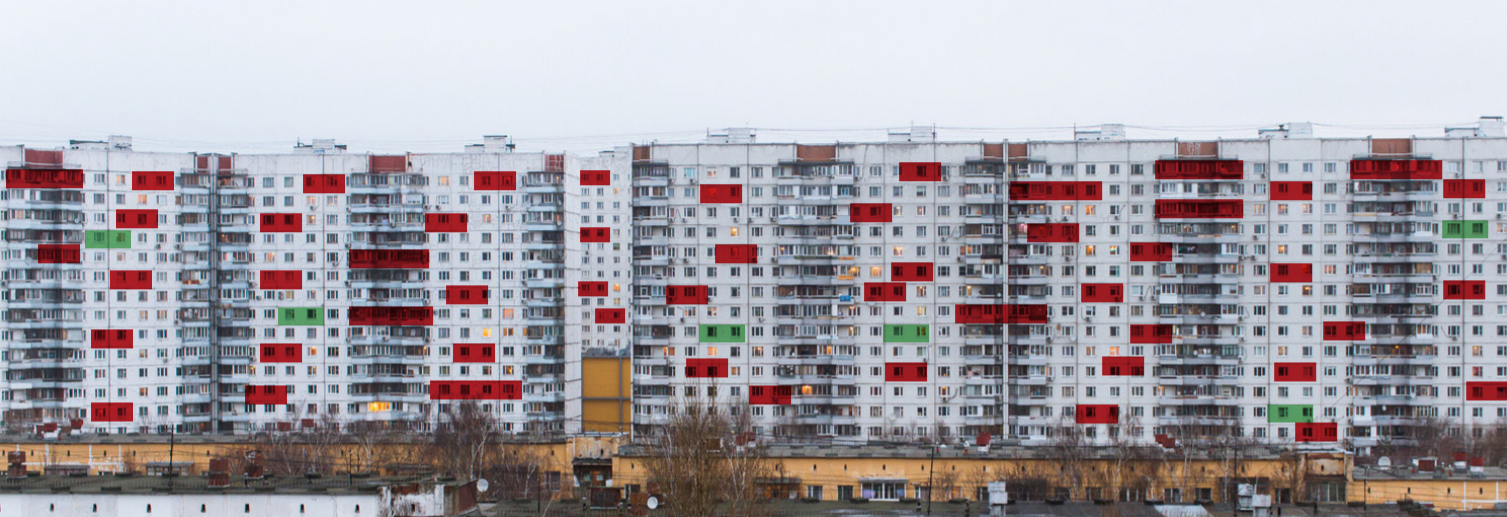
This grind to ownership is pretty steep today, comparing this difference to the previous century where a citizen could manage to scratch a parcel of land (which grows in value significantly compared to flats).
This eventually becomes the foundation of their first home. Today, the ownership while migrating to new cities begins at ‘renting’ - which slowly converts into a mortgage (of a house/flat) which pays off in decades now (eventually does not give returns as good land ownership). After the mortgage is over the property is considered to be owned. Cities being an economic platform that is constantly growing every day - equity of housing has become an issue as they turn more and more severe/unaffordable every day.
Affordable housing design is one of the measures taken by the government but is not enough considering the vast number of people pooling into the city every day to look for means of livelihood.
Issues created by real estate
As real estate is a highly valuable asset to its owners, renting is one of the safest ways to make use of this asset and keep threats of encroachment/hassles/crime/risks at bay. This usually happens by a highly contractual case to case ownership leasing. Commonly, this is on a per month payment basis with varying tenures.
The owners commonly have a lot of restrictive clauses including eviction on will, if the property is needed by the owner on a certain notice period. On the flip side, these housing units can range from good to poor. The affordable ones are usually at the poorer side of the curve where ‘dreamers’ many times have to choose places; which don’t even have at par services.
The other choice is to succumb to a relentless commute, as the options are very few/unreachable. On a larger level, what makes things different is the absence of a network to bloom. Considering they left their housing comfort and family to migrate here and with a few or no contacts. This implies that the ‘leap’ we need; to become ‘settle’/’stable’ begins at a tough outset before it even begins. And this is happening at almost every metropolis.
Slowly the urban centres with their skyrocketing economic growth have almost priced out a lot of their citizens before they could even realize.
Housing Design
An entire generation of youth with dreams, dealing with shanty/poorly insulated/cramped home design in these megacities. The problem aggravates more and more with this increasing divide caused by inflation vs. earnings. ‘It has been like this - and cities are the way they are’ - and this is what we are made to believe.
As the world population booms, this housing design issue will become more and more evident, which will virtually lock many of us out.
But... No one’s gonna do it for us, Unless we do.
Moscow the only megacity in the world- Rem Koolhas (at Moscow Urban Forum ‘18)

Place
Moscow, the capital of Russia is now undergoing a major overhaul in terms of its urban language. A vast portion of this city’s last century communal (Khrushchyovka) housing is now being replaced by large scale mixed-use townships and housing societies. The value of the housing will shoot up more than 4 to 5 times as soon as the new revamp comes in which will fuel the real estate market even more.
This will positively trigger city growth and eventually, more people will move to Moscow to find places for their new dreams. Development is good - and it should happen, but pricing out is discrimination. With its one of its kind rich communist housing roots, a co-living housing concept like Hustle Hub is more possible here first than anywhere in the world.
Objectives
-
Concept: The fundamental premise
-
Basics: Primary Amenities
-
Model: The fundamental premise
-
Overlap: Contribution to city
-
Flexibility/Choice: Should have preferences
-
Un-’Hostel’ify: Should host a sense of pride
With a never seen before the concept of replicable co-living housing the broad objectives for The Hustle HubUC would be the following:
Programmatic Outline
The following programmatic prioritization is recommended for The Hustle HubUC . Participants can form their own programme based on these priorities or propose something altogether new. The maximum number of people The Hustle HubUC should host is 500.

Site
The site for HustleHubUC is located in the ZiL district in Moscow. The site used to be home to a gigantic car factory with the same name. With various bars, markets and shops ZiL once a bustling industrial ‘city within a city’ came to a slow down, which was finally decided to transform with a redevelopment proposal approved in 2012. The site values are projected to shoot by 4 times after the project completion at the base value.
Site Area: 19,880sqm (~2 Acres) Max Ground coverage: 35%
Coordinates: 55°41’42.21”N , 37°37’52.90”E
Location: ZiL District
Land use: Housing Only regulations to be followed: Height restrictions - 60m
Setbacks of 10m on all 4 sides,