

Know
Challenge to design a library for communal learning
Overview
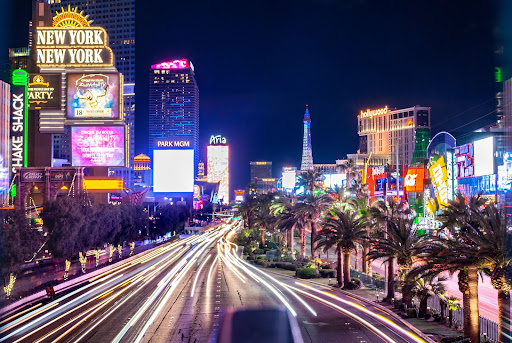 Fig: 1 - Las Vegas is a fast-paced city where the tourist spots are limited but built with enormous investment.
PREMISE
Las Vegas is the ultimate destination for anyone with glamour on their bucket list. The city portrays a powerful image for tourism, but the real story of the city rooted in local life is barely known. Many people have negatively reviewed the city and ‘the strip’ and attributed the metropolitan as fake, condemned, filled with hedonists, gamblers and so on. But this apprehension is ignorant and slapped on by barely scratching the surface of the glitzy image of the ‘Sin city”
The portrait of Las Vegas is enriched with history, culture and traditions. Its scandalous past from being run by mobs, to the emergence of the now, New Vegas, in a clean era celebrating its past criminal history, the story takes dramatic turns. Through all of this, the economy has always driven city life. But behind the glitz and glamour of casinos, the reality faced by the local population tells a different story.
What is the real condition of the city of Vegas?
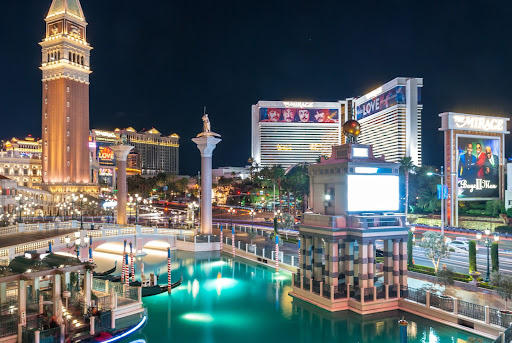 Fig: 2 - High end luxurious projects are the hallmark of the city with abundant local and imported resources being utilised.
ISSUE
Vegas has defied its environmental restraints and has strived successfully all these years. But its unique terrain and location imposes a lot of challenges in maintaining good life in the city. Located in the arid desert of Mojave, water is one of the main concerns in the area.
While the tourism industry presents a paradox of requiring huge amounts of water to operate, the demand from the increasing local population is adding to the suffering. The climate in the region is also degrading due to higher levels of pollution.
The casino industry is the main source of financial gain in Las Vegas and thus, this dependency has caused price surges and unemployment due to its fluctuating nature. Social infrastructure such as education, health services and so on have always been strained and underfunded.
Centres for skill development, learning and education are scarce, and it is affecting the quality of life of residents.
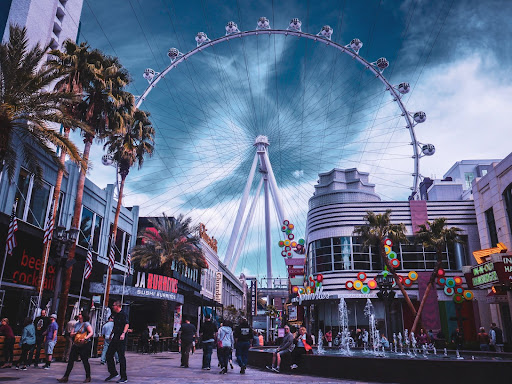 Fig: 3 - Most of the city is occupied by local residents but the infrastructure is lacking for them.
BRIEF OF THE COMPETITION
As Las Vegas is on the path of becoming a smart city, the deficit of services must be filled so that the city can perform with maximum efficiency to enrich the lives of all people.
Brief: Design a learning center and communal library that will provide services of education and skill development to the local citizens.
Design must be in harmony with the natural landscape of the site. The unique contextual challenges must be anticipated and designed for. Since the region is water deficient, the entire centre must be sensitive to its use and reuse. The built form must be able to connect with the people, through its form, layout or spaces.
The aim of the design is to assist the city population in better living. Living in a tourist destination is often a tricky position to be in, since the image of such a city may not portray the struggles of the local communities. The center will help to create a haven for the people, while remaining a hub of knowledge and opportunities.
OBJECTIVES
- Context: The site location makes the design attempt complex, and resolution of each aspect of the environment is essential.
- Harmony: The connection of centre design to the new image of the city must be established/justified.
- Landmark: The centre will be the base of the intellectual congregation of local residents and tourists alike so the visual impact must be exemplary with standout features.
- Aesthetic: Its contrasting nature of activity to the image of the city must be reflected in the design.
- Sustainable: Reduce negative impact of design on the environment, by improving building performance, reducing waste and ensuring comfort for occupants.
SITE
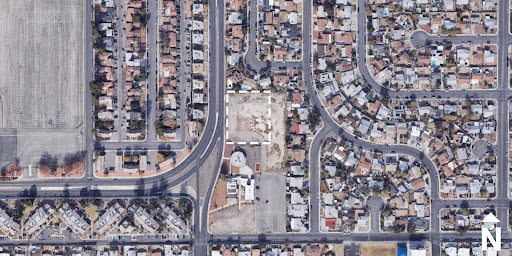
La Vegas, USA
The site is located beside the Maryland Parkway, in the neighbourhood of the Cultural Corridor. It can be accessed by Bruce Street, surrounded by residential communities. The neighbourhood does not live up to the city standard and is plagued with high unemployment, low income, low density and high crime. The location is ideal for this typology as the community will benefit from the skill centre as well the area will be animated with foot traffic of the center.
- Site area = 4061 sq.m
- Height restriction = 9 metres
- Maximum FAR = 1
- Ground coverage = 40%
- Coordinates = 36°10'44.7"N 115°07'28.8" W
Setbacks (as per CAD plan)
Ground Coverage refers to the ratio of maximum allowed solid/permanent footprint on the site to balance the built and unbuilt spaces. You can utilize the other 60% of the site for any temporary intervention/recreation.
AREA PROGRAMME
The programmatic outline is the point to begin your design at. The maximum areas of different activity areas are mentioned below. You can add more functions and activities in relevance or modify the given design programme.
Classrooms/multimedia rooms, Seminar halls ~ 300 sq.m
Workshop area ~ 200 sq.m
Auditorium ~ 200 sq.m
Library ~ 300 sq.m
Cafeteria ~ 100 sq.m
Administration and Offices ~ 100 sq.m
Open areas like Outdoor learning areas, open air theatre, gardens and so on can be delegated as pe the concept.
Similar Competitions
Discover competitions you might be interested in




Challenge to design public laboratory


The Global Benchmark for Architecture Dissertation Awards
