
Live x Work x Play
Design challenge to fuse living
Overview
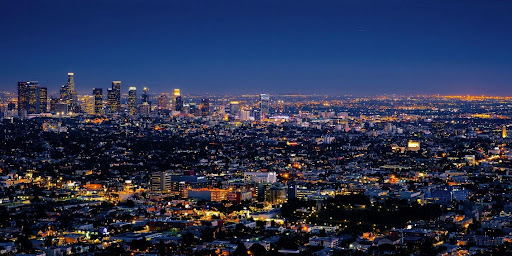 Fig: 1 – Cities developing through same typology and repeated infrastructure (Credits- Henning Witzel)
The density-space paradigm
Throughout most of our human history, we have lived across the world and in small communities. Over the past few centuries and in recent decades –this has shifted dramatically. The whole world has come closer than ever before. This has concentrated people in one place, forming cities. They are a nexus to a country's economic and social development through vast human to human networks.
They have created a way of life, and it has changed our living and also the perception of how it should be. While cities have set a standard of living, one has to consistently strive to achieve it.
Due to an increase in economic values, there is a hike in the real-estate prices in mega-cities. City lifestyles attract many, which has caused overpopulation. As a result of the density/space paradigm, most cities have transformed into apartment producing machines with no quality of space.
How do we redefine living in this space/quality balance?
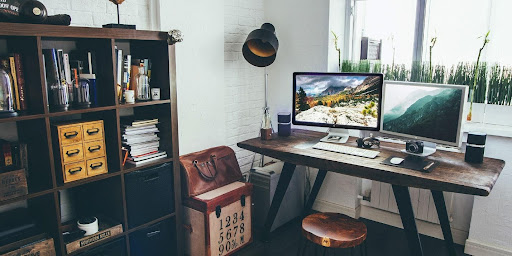 Fig: 2 – Work shifting towards a remote/digital approach (Credits- Vadim Sherbakov)
Work-life balance
Our ways of doing work have changed tremendously, as the occupation has been our driving force to live. From open forest lands to industries to cubicles we have come a long way in spaces for work. The equation between work-life drastically changed with urbanisation. Commuting to workplaces once convenient, became tiring and time-consuming due to increased populations. To manage well being and time, living closest to work was a priority. With technology, there is a gradual revolution taking place towards this issue, though with the onset of the pandemic it has now become a reality.
Remote work culture has proved to be flexible and accommodating for everyone, becoming the new norm for global businesses. While it has its benefits, working in our living spaces without any human connection has proved to be isolating and dull. It's in our nature to crave human connection and movement. If remote working is the immediate future and requirement of today's condition, how can we integrate working in our already crunched living conditions?
By doing so, how would the typology of our conventional building/apartment complexes look like?
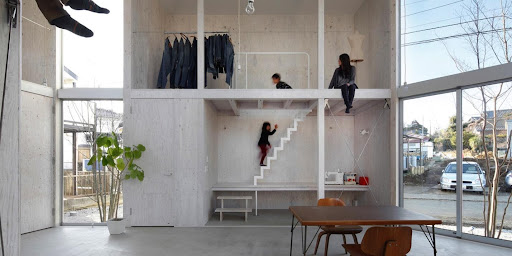 Fig: 3 – Merging living and working-House in Kashiwa/Design workshop (Credits-Naoomi Kurozumi Architectural Photographic Office)
The shift
The basic needs of living, working and moving are accommodated by our cities. This culmination not only brought economic gains but also a huge playground of diverse activities, infrastructure and new opportunities in one place. Though the current pandemic has changed this scenario and there have been massive shifts due to lockdowns over the world. Functions of various urban typologies closed or were boiled to minimum needs and infrastructure.
The main platforms of work education completely transformed from the city level to our living quarters and gadgets.
And this has made us inspect how poorly our indoors, neighbourhoods and building complexes were designed- for basic human interaction, living and working. Since the pandemic here is to stay for a while, can we take this opportunity and rethink our living and working typologies?
As the line between living and working is blurring, can we fuse our workspaces with our living quarters?
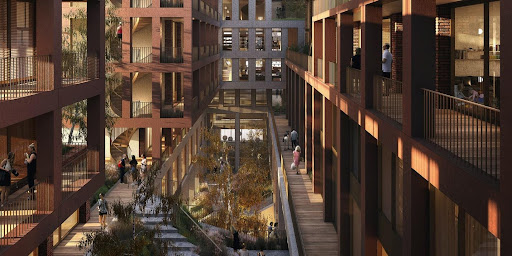 Fig: 4 – Kop Zuidas-Mixed-use housing-Conceptual (Credits-VISMOAps Visual)
Brief
The crisis has not only pushed living in isolation but has also restricted fitness and our everyday movements and basic exercise.
The to-and-forth between work and home, a simple trip to the nearby supermarket or just a carefree walk down the streets or a park, these small but crucial movements we used to enjoy and need, have taken a backseat.
This long term lack of movement and physical activity can come with high health costs. For a healthier approach towards life, can we also ideate and merge play/movement along with living and working?
The challenge is to design a mixed-use residential module that is resilient to the guidelines of the pandemic.
The aim is to develop a design for the occupants who will live, work and play in the same place. By fusing these activities/typologies can we create a much better atmosphere in these times and also for the near future?
Design objectives
The following objectives can be a point of beginning to conceive this design. Participants can assume their contexts and users before initiating their design process.
- Living Quality: Finding better models of healthy indoor and outdoors.
- Re-explore function: Ideating, reinventing and accommodating all functions of living, working and basic movement in the module.
- Overlaps: Physical/Non-physical spatial intersections that combat isolation.
- Retractable: Ability of temporary isolation zones without disrupting the system.
- Inclusive: For vulnerable and sensitive age groups (Children and Elderly).
- Modular: Design in a way that if required this typology can be replicated in the region.
Site
Consider the site as empty before beginning the project.
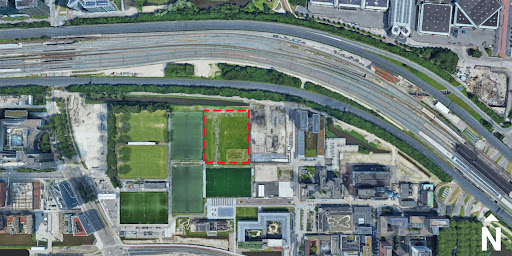
- Location: Zuidas, Amsterdam
- Area: 11,923 sq.m
- Height Limitation: 100 metres
- Maximum Area: 11,923 sq.m
- Ground Coverage: 50%
- Coordinates: 52°20'16.0"N 4°53'00.9"E
Zuidas is a new and major business district and financial hub emerging on the outskirts of Amsterdam. It is the centre for future social, educational and economic developments, the typology of Live x Work X Play will introduce new ventures/solutions/collaboration to the existing industries in Zuidas. The selected site is surrounded by mixed-use residential and commercial typologies.
Programmatic Outline
The following programmatic outline is the point to begin your design at. You can add and fuse activities/spaces to these primary areas.
Housing 50%
This will include 50 Studio apartments and 75 Three or Two Bedroom apartments - Schematic plans for these have to be furnished.
Office and Commercial 30%
This will include coworking and leasing spaces for full-time residents fragmented into tiny work areas across multiple levels.
Health and Leisure 20%
This can include dedicated spaces/facilities for play and relaxation or these activities can be fragmented into spaces across multiple levels according to your design interpretation.
Similar Competitions
Discover competitions you might be interested in



Design challenge to reuse E-waste


Illustrate the lost glory of Angkor Wat - Render Challenge

Photograph architecture without architects


Challenge to reimagine the Iron Throne
