
Microwoodlands
Challenge to design a Nature retreat amidst urban sprawl
Overview
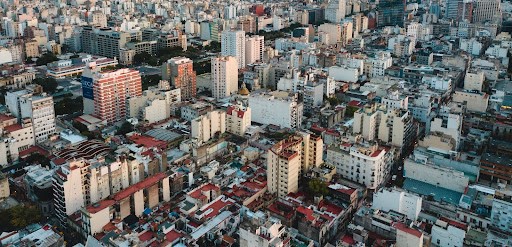 Fig: 1 - Cities are dense agglomerations of built structures and people leaving little to no space for greenery.
INSIDE THE ‘URBAN FOREST’
As a reaction to dense urbanisation, the last century has seen the emergence of the notion of an ‘urban forest’.
Traditionally these spaces were in reference to massive cities that had large arboreal areas within them such as New York or Zurich. More recently the term has come to refer to more fragmented, smaller and artificially created woodlands that break the monotony of the urban sprawl.
Despite being artificially planted, urban woodlands have the potential to help reconcile the relationship between humans and nature. Urban woodlands allow for important opportunities to develop intrinsic biophilic tendencies in humans. Mini retreats consisting of woodlands have become an ecological niche that helps carbon sequestration, microclimate control, interception of rainwater, and protect fragile biodiversity.
As we face a mounting climate crisis it may be valuable to consider creating more such spaces in our urban worlds.
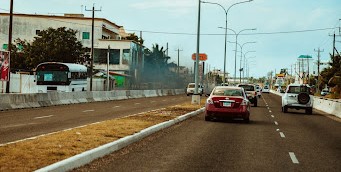 Fig: 2 - The lack of greenery in cities has led to an increase in pollution, contaminants and unhealthy air quality for citizens.
IN BUENOS AIRES
Research has indicated that Buenos Aires is one of the lowest green-covered cities in the world along with Mumbai.
The World Health Organisation recommends that a city have a minimum of 10sqm per capita of green cover. However, Buenos Aires has merely 1.8sqm per capita. A primary reason for this alarmingly low percentage in the city is directly related to the development and infrastructure policies implemented in the city in the past century.
Today this conflict between built space and green cover is one of the foremost issues of public concern and one of the largest points of conflict with local authorities.
While the laws that enabled the loss of green cover are still in place, there is a growing and urgent call by the public to rethink these policies and implement new regeneration strategies for flora and fauna.
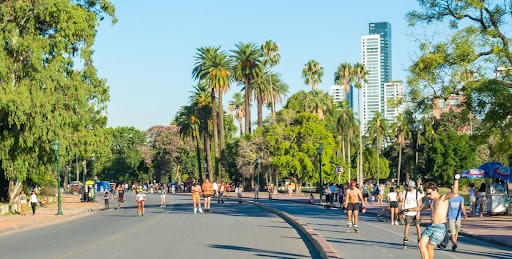 Fig: 3 - Green cover in dense settlements can prove beneficial not just for the environment, but also for the social well-being of people.
Brief of the competition
While sometimes small in scale, urban forests have great potential to introduce incremental change in our urban worlds. It is important that urban policy begins making such considerations in urban development not just for the health of its citizens but to also help protect the fragile ecosystems that govern our world.
Brief: The challenge here is to design a small and public, urban forest in Buenos Aires.
The goal is to regenerate native species of flora and thereby protect the natural native ecosystem. The design must not introduce foreign flora and fauna that would be cumbersome to maintain, but merely foster spaces where the existing can be housed and nurtured.
The designed outcome should also promote well-being for the community that surrounds it and allow one to reestablish biophilic connections. It should be a valuable and important public space that adds to the urban lifestyle.
OBJECTIVES
Native: The design must make most of the native species of plants and help create spaces to regenerate the same.
Public: The design outcome must be a valuable and dynamic public space that can be used by the population of the city
Accessible: The designed outcome should be accessible to various user groups both human and non-human
Resilient: The designed outcome must be able to sustain in the challenging urban environment and be resilient against potential threats.
SITE
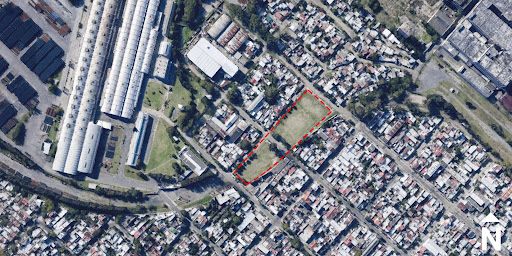
The site for this project is located in the Piñeiro town in Buenos Aires, Argentina. The site is located on an existing open space in a predominantly residential area. There is a road that passes through the middle of the designated site area, please maintain it in your design outcome. Additionally, the space has a few park rides that are used by the local community, attempting to integrate this existing use case in your design outcome.
Site Area: 7051 sq.m
Height Restriction: None
Ground Coverage: 50%
Maximum FAR: 1
Setbacks (as per CAD plan)
Coordinates: Pineiro, Buenos Aires
ECOLOGY OF THE SITE
Streams: Buenos Aires was once crossed by different streams and lagoons, some of which were refilled and others tubed. Among the most important streams are the Maldonado, Vega, Medrano, Cildañez, and White.
Temperature: Buenos Aires has a humid subtropical climate. Being a coastal city extreme temperatures are rare and the annual temperature averages between 24°C in summers and 16°C in winters.
Rainfall: The city receives 1,236.3 mm (49 in) of precipitation per year. Because of its geomorphology along with an inadequate drainage network, the city is highly vulnerable to flooding during periods of heavy rainfall
Ground Water: Buenos Aires has a plaguing flooding issue caused by intense rainfall, raising oceanic water levels and poor drainage due to intense urbanisation. There has been a sustained increase in groundwater levels in the underlying aquifer, such that they are now very close to the land surface in many localities
