
Ohana
Challenge to design a flood resilient neighbourhood
Overview
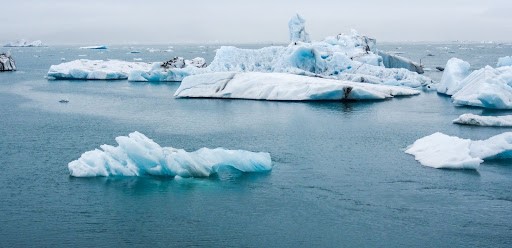 Fig: 1 - Glaciers are melting at a faster rate in the last decades.
CLIMATE CHANGE AT ITS PEAK
Climate change is here. It is real now, more than ever. There was a time when this was posed as a theoretical threat but over the course of a few years, its impact and tangible effects can be seen in different regions all over the globe.
Climate change is a complex and daunting challenge. There is evidence that proves that there is a fundamental change in people’s ideologies acknowledging this phenomenon and its urgency. Even though we are undertaking tackling measures, the speed and scale are insufficient to protect vulnerable communities from nature’s backlash.
Over the next 20-30 years, the gradual warming of Earth will create catastrophic patterns of extreme weather, melting polar ice caps and rising sea levels. The oceans are rising at an accelerated rate posing an immediate threat of flooding to coastal regions. Can large-scale collective action help in fighting the effects of climate change?
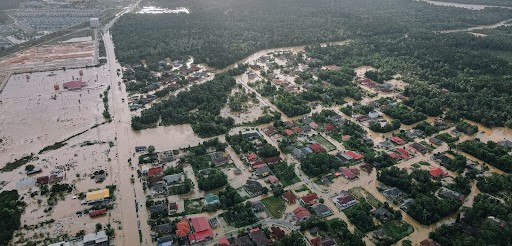 Fig: 2 - Coastal communities are flooded more frequently these days and the intensity has increased too.
SHORELINE FLOODING AND RISING SEA-LEVELS
There has been a one-foot rise in sea level over the last century, on a global level. At this rate, by 2050, up to $106 billion worth of coastal property will likely be below sea level. Long term mitigation actions are in place, but the shoreline communities in coastal regions are experiencing the effects of the rise, right now.
Coastal regions are dense, economic centres of human activity. The rise in sea levels poses threats of intense coastal storms and flooding in these regions. The shoreline infrastructure offers the first line of defence against coastal flooding, but they are also at high risk due to the low-lying land and there are no strategies to protect them.
The sea level is predicted to rise 9 inches by 2030, 21 inches by 2050 and 36 inches by the year 2070. Waterfront neighbourhoods are vulnerable in this scenario and preventive measures are being taken to ensure the survival of these communities.
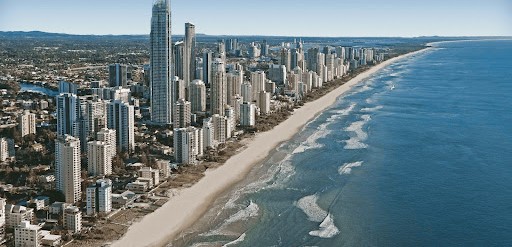 Fig: 3 - Investments are high along the coastline in major locations and passive solutions must be explored in regards to future predictions.
DESIGN A FLOOD RESILIENT LIVING
Brief: The challenge is to design a waterfront neighbourhood to be flood resilient in the event of a water level rise.
The neighbourhood will be built on an at-risk site in a coastal city. The design must be an ideal form of construction that can be replicated in regions with similar issues. The design must respect the existing site features and topography.
The focus is to mitigate flooding through design and planning, not just depending on engineering solutions. The landscaping and design measures that are passive and natural are to be employed in the proposal. The floodways along the water edges can be barricaded with interventions.
Strategies implemented must cause minimal built infrastructure damage and displacement. The coastal community will be living in a modest manner so interventions must be economical and sustainable by improving building performance with reduced energy and wastage.
OBJECTIVES
- Resilient: The design must be able to mitigate floodwaters that may enter the land of the site.
- Sustainable: Design must employ eco-friendly material, technology and local resources.
- Modular: Some of the strategies can be implemented in coastal neighbourhoods over the city, maybe country, retrofitting made possible for existing neighbourhoods.
- Context: The design must respond to the (existing) site conditions. The wider socio-cultural, economic and environmental settings are to be considered in the design approach.
LISBON, PORTUGAL
Lisbon is a peninsular city that lies on the River Tagus. It is a well-known tourist spot and the economic and political centre of the region. There are multicultural coastal communities in the city with a vibrant cultural scene.
The effect of climate change on the shoreline communities will be seen in the near future. The global sea level will threaten the temporary settlements along the coastline of Lisbon.
SITE
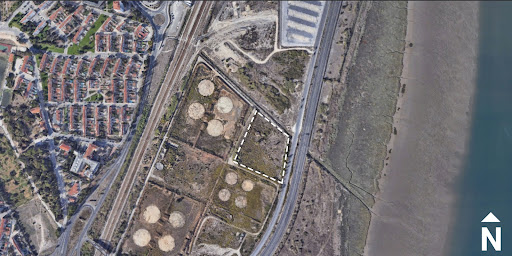
The site is beside a water reserve with a low sandy coast and surrounded by roads and rail lines. The neighbourhood of Bairro da Petrogal consists of a local community that is residing on the sides of roads in temporary shelters. The site has parks, residential colonies and hospitals in its vicinity which makes the location ideal for this typology.
Site area = 15,292 sq.m
Height restriction = 6 metres
Ground coverage = 50%
Maximum FAR: 1
Setbacks as per CAD plan
Coordinates = 38°48'11.5"N 9°05'34.9"W
PROGRAMMATIC OUTLINE
The neighbourhood is to be built with 100 dwelling units. Strategies can be proposed on the individual dwelling unit level and the neighbourhood level.
The following programmatic outline is the point to begin your design at. You can add more functions and activities in relevance or modify the below design programme.
- Housing: Build variants of 100 dwelling units with bathroom, sleeping and kitchen areas (2 types: 30 sqm and 60 sqm each)
- Economical: community gardens, local markets, retail shops
- Social: Squares, courtyards, gardens, play area for kids
Water resistance should be to the point where a slight sea-level rise may flood the neighbourhood gradually. So, strategies must be in response to this scenario where the community itself can become an efficient drainage mechanism before letting the flooding enter into the city. The flood prevention must come at a minimal cost to the water neighbourhood itself.
Similar Competitions
Discover competitions you might be interested in




Challenge to design mud housing for contemporary communities


The Global Benchmark for Architecture Dissertation Awards
