

One Change
Challenge to illustrate the change you wish in architecture
Overview
 Fig: 1 - Change is the only constant (Credits-Ross Findon)
PREMISE
Change is a fundamental element of life, one can observe change everywhere, from nature to human life. Human evolution is one of the biggest indicators of how we have evolved biologically, physically and psychologically with time. Historically, one can observe how changes have taken place with time, and how change is the second nature of all the existing organisms.
With time, this change has transcended itself into our lives in numerous ways. Sometimes through new techniques and technologies, to development in science. Innovation in these ways helps in creating better spaces and products for people.
Many things perish with time when they don't change or evolve, as the world is constantly evolving - the things related to humans also have to evolve together.
Making the need to change, a fundamental one.
How can this change be observed and incorporated in today's world successfully?
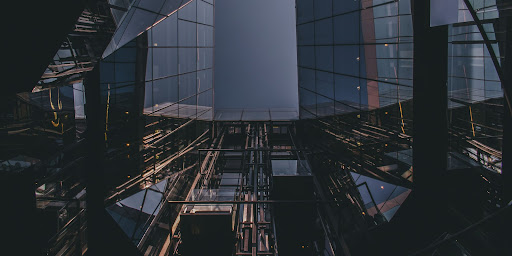 Fig: 2 - Innovation will always continue in the field of architecture (Credits-Domenico Gentile)
CHANGE
The existence of architecture is centrally based on and around humans and their well-being. Evolution in humans is a continuous process, every year there is a change in different aspects of human interaction and development.
Historically one can observe how spaces from ancient periods have transformed themselves while reaching into the modern age. Places that didn't evolve lost their existence with time.
Human needs and their changing forms cause architecture to change itself in both tangible and intangible ways. In order to withstand this change, architects who are considered the visionaries of the future and creatives, play a very important role. How can designers help create a better future by imagining change?
How can we use our imagination and ability to create, for the betterment of the future?
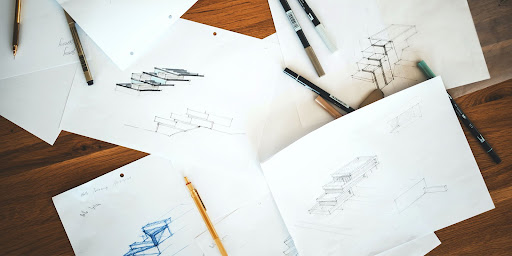 Fig: 3- Illustrate the change you want to see in architecture (Credits-Marvin Meyer)
BRIEF OF THE COMPETITION
If you were given an opportunity to change one thing in the built world, what will it look like?
What is that one architectural element that you want to change?
What will you change? How would you innovate it?
Brief: The aim of this competition is to create an architectural illustration of any one architectural intervention/typology/elements that you wish to change.
Participants can envision change in any architectural element like doors, windows, arches and or any famous/infamous intervention they wish to change. Use any mediums, video, images, drawings, sketches, models, paintings - and communicate your design.
OBJECTIVES
Representation: How efficiently is the design able to convey its concept?
Issues: How is the design identifying the issues currently present?
Vision: What innovation and changes can address these issues effectively?
Evolution: How is the design evolution changing the design?
DELIVERABLES
You have to deliver a graphic design outcome in the form of an architectural illustration. Where the outcome represents the given aim. Only one final illustration needs to be submitted. The image should be of the size of [2800px × 3200px] in portrait or landscape digital format (JPEG only)
The graphic is to be entirely rendered and digitally created. The usage of photographs, stylised/credited or otherwise, directly is strictly not allowed.
The use of lassoed graphics lifted from an existing image is limited to half of the total graphic content. (The guidelines are indicative and are placed only to reduce plagiarized artworks - any infringement detected or reported will be notified, and may be removed from competition if found guilty)
The list of deliverables are:
- Title
- Subtitle
- Illustration
- A few process images
- A statement in about 100 words supporting the illustration - you can attach this as an additional image below the illustration.
Similar Competitions
Discover competitions you might be interested in


Render competition to represent the city as a machine

Challenge to imagine architecture inspired by fiction

Challenge to illustrate the ruins of Petra

Challenge to visualize slums of 2080