

Play ON School
Challenge to design a school with a playable facade
Overview
 Fig: 1 - Play is an integral part of childhood
IMPORTANCE OF PLAY
Play is an innocent yet integral part of childhood.
It is quintessential for healthy brain development among children. By engaging in play children not only exhibit learning but they develop physical and cognitive skills as well as develop emotional intelligence.
It is also a platform for children to build autonomy and begin engaging with the world around them, a benefit that shapes the child’s social interactions. In schooling, research indicates that including play in the curriculum or integrating it into pedagogy exhibits better learning by the children. With the presence of play in academia, learning is often self-initiated and thereby has deeper roots and more holistic retention.
Children’s development is closely tied to play. Therefore it proves to be important to create increased opportunities to integrate play into learning.
 Fig: 2 - Due to urban density necessary infrastructure such as schools has reduced down to close buildings.
URBAN SCHOOLS
While the world is slowly recognising the importance of play, in the urban world, schools face a new challenge- the lack of adequate space.
The urban density combined with the huge economic investment in land in urban spaces means that fewer schools have the freedom to build sprawling campuses with adequate spaces for children to play. As a result either play is forsaken or is included in indoor, controlled environments.
However, an important aspect of play is the autonomy it affords children. When play happens in uncontrolled environments the child develops confidence, learns to negotiate, collaborates and both learns and applies new knowledge.
Unfortunately, urban environments don’t always have the freedom to de-densify. Furthermore, research indicates that the future urban space will only further densify. Therefore it becomes important to create new strategies for play in learning environments for children.
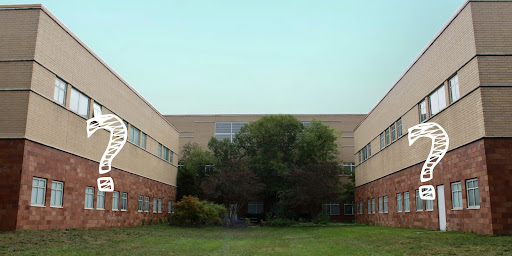 Fig: 3 - How can we as designers promote play and interaction in urban schools?
BRIEF OF THE COMPETITION
Since schools in urban spaces don’t always have the freedom to acquire and build large campuses with abundant play spaces, one must make the most of the available resources at hand to not compromise important opportunities for play.
The challenge here is to envision and create a playable facade for an urban school.
The facade design should not compromise important learning spaces but should instead support them. The outcome must be designed so that children can engage with the playable space safely and autonomously.
The aim of this challenge is to envision new opportunities for play in urban schools. For this project, these play opportunities need to be focused on the facade design. In creating your design outcome you may want to consider existing ways in which children play and incorporate spaces for these forms of play.
OBJECTIVES
- Design: How does the designed outcome exhibit your novel approach to rethinking play in restricted spaces?
- Play: How does the design allow and create opportunities for the plethora of ways children engage in play?
- Safety: The design needs to keep in mind important safety concerns regarding children and should allow children to autonomously experience the play without too much supervision.
- Integrate: How does the design integration into the learning environment of the school?
SITE
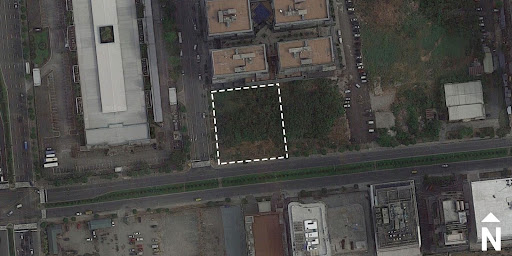
The site for this project is located in Manila, Philippines. Manila has one of the highest population densities in the world and is highly urbanised. The bayside city combines Spanish architectural influences with modern skyscrapers. The particular site is located in a mixed-use area with both upscale residential housing as well as office buildings and a few corporate complexes. It is also a short distance from the bay and near a channel.
The designed outcome must be for a school of 300 students ranging from elementary school to middle school. Ensure to maintain adequate safety in your design while incorporating play.
- Coordinates: Maps
- Site Area: 2766 sqm
- Maximum FAR: 0.75
- Ground Coverage: 60%
- Height Restriction: 24 m
Set Backs as per CAD plan
AREA PROGRAM
- Academic: 30%
Classrooms, Audio Visual Room, Computer Lab, Seminar Hall, Workshops/studios, Subject (as per the nature of school) Laboratories.
- Administration: 25%
Principal/Manager Cabins, Educators Room, Admin/Support offices, Utility & Maintenance, Security Room/space, Meeting/visiting room, Conference Hall.
- Recreation/Community: 30%
Library, Common Hall, Exhibition Hall, Arts/Performing Arts spaces, Cafeteria, Indoor game/playrooms, Playground/Sports Pitch, Sports room/facilities, Open/Semi Auditorium.
- Care services: 5%
Medical care room, Counsellors room.
- General services: 10%
Kitchen, Pantry, Student & Staff Washrooms/Toilets/Changing rooms.
The focus of the competition is to design effective facades for an urban school. The above area program is tentative and can be merged/modified to meet your concept requirement.

