
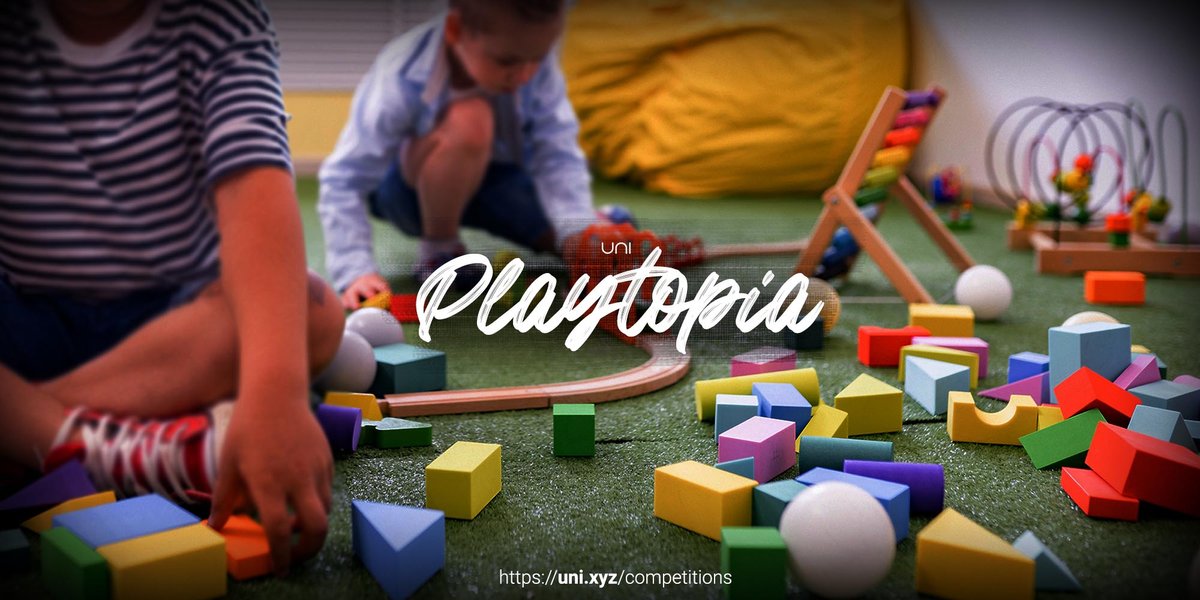
Playtopia
Challenge to design a children’s toy building and play center
Overview
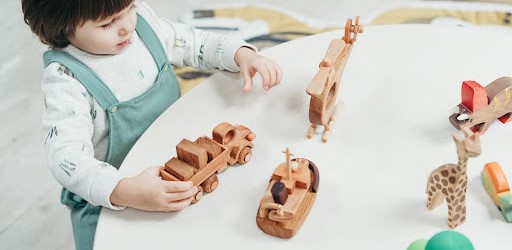 Fig: 1 - The toys and setting in which children spend most of their time hold influence on their physical and mental well-being.
TOYS, THE BEST COGNITIVE TOOLS
Toys are a play item that is used for entertainment similar to games. Mostly pertaining to a child’s plaything, toys are a historical concept that has been used for a variety of purposes both then and now. While the list of its uses can go on, they range from a wooden monkey playing the drum that would fit in our palms to a huge room filled with bigger automatic toys.
Objects made out of wood, sandstone with decorative motifs from ancient times have been found around the world such as yo-yos and metal animal figurines. These toys were not only used for playtime but were also used in ceremonial rites and decorative articulation. For a long time, these toys remained the tiny version of bigger statues until movable parts made toys even more fun and intrigued kids of various generations.
While most of the toys have been either mass-manufactured or custom made toys for ages, they have always been designed and made by adults who made these toys with guesses as to what a child would like.
What if, in present times, the children too can have a say in the design of toys?
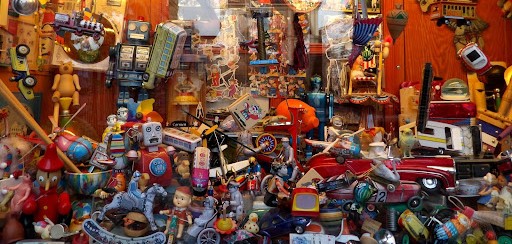 Fig: 2 - The toy market is filled with a plethora of toys that have been popular for a long time.
FOR THE CHILDREN, BY THE CHILDREN
While the term ‘toy’ may be synonymous with recreation and playing, it is also a very crucial learning process in the early stages of a kid’s growth and development. The toys that babies get accustomed to teaching them important stimuli and improve their senses. Kids are very eager to learn new colours, shapes, and concepts.
As they grow up, these needs become different although still essential and require a wider range than infancy. Along with influencing their knowledge and cognitive skills, these toys also mould their personalities. It gives them a chance to find themselves and their hobbies giving them a holistic timepass.
Currently, the market for toys is large both variety and range wise, but sometimes making the process with kids behind the wheel can be helpful. Letting them create the kind of toy they want or have their own play space along with other kids to learn would show their cognitive skills, improve social bonding aspects of their life, all while they keep themselves busy and fulfilled.
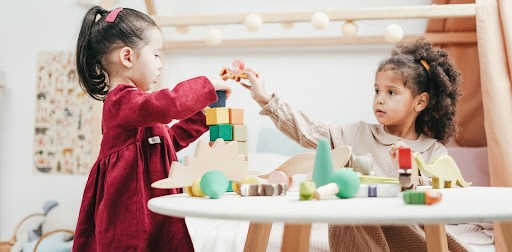 Fig: 3 - Children play with toys in social scenarios that engage their brains in meaningful learning and innovation in this scenario is called for.
DESIGN A SPACE TO BUILD AND PLAY
Brief: The architecture competition brief calls for the design of a children’s toy building and play centre, where the kids are allowed to design and customise various toys, play with them, all while interacting with other kids.
The aim of the competition is to come up with unique design solutions to provide a space for kids to let their imagination run wild and socialise with their peers over their utopian play planet. Providing them such a space that is safe enough for both the parents and kids to have a moment. The interior planning, material palette and surface treatment must be tactful and suitable for children.
The variety of play items that can be provided, their customisation and process are one to be designed consciously focused on the kids. The play area is to accommodate the kids to mingle amongst each other and their parents if need be.
The facility must look after the emotional and psychological needs of children aged 3-10. While a partition of spaces may be provided for different age groups, no section should be isolated completely. The facility must be open planned and nature-infused to aid better growth.
OBJECTIVES
Concept - The material palette and element design must be conducive to children and their use patterns.
Engage - The settings must be able to create an engaging ambience for both children and adults while encouraging interaction between them.
Multi-functional - The spaces in the centre area to be multi-functional so that they can be customised for use as and when needed.
Convenience - The centre must be comfortable and safe for children to explore on their own with minimal supervision.
SITE
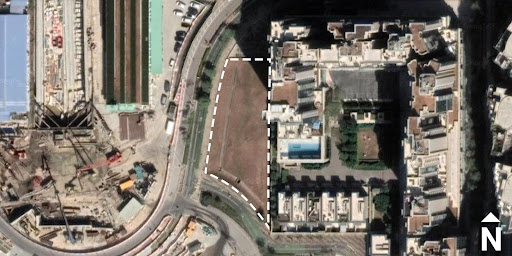
Hong Kong has a population of more than 7.5 million residents and this densely populated city has high financial and economic standing. The city is also a very kid-friendly environment with many attractions spread throughout. The nature of these parks and spaces is varying and eclectic which makes the city an ideal location for this typology.
The site is located in Tiu Keng Wan, Hong Kong among clusters of high rise residential communities. The site is not only catering to the closer residences but is also well connected to the nearby localities via roads.
The site is in the neighbourhood of Tseung Kwan O, which is a new town with residential settlements. The location is close to the sea and has a bicycle track running alongside acting as a good place for the parents to have their time while being in close proximity to their children.
Site area - 1,842 sqm
Height restrictions - 10 meters
Maximum Built Up Area - 1,381 sqm
Ground coverage - 30%
Setbacks (as per CAD plan)
Coordinates - 22°18'09.5"N 114°15'23.6"E
AREA PROGRAMME
Design a toy and play centre for 80 kids aged 3-10. The facility must have a toy customisation zone that allows kids to design their own toys in various ways. Any creative additions to the programme may be done within the constraints provided.
- Entrance: 20-30 sqm
Entrance lobby, Waiting area, Reception
- Toy corner: 100-120 sqm
Storage, Workshop/learning space, Toy making/customization zone, Safety provisions, Toy store. Snack bar
- Recreation: 80-100 sqm
Children’sReading space, common hall/auditorium,, Outdoor play, Indoor play
- Visiting space/centre: 50-60 sqm
Parents/visitor’s lounge, reading space, Cafeteria
- Administration & Services: 60 sqm
Manager's office, Staff office, Meeting room, Kitchen & Pantry, Maintenance and utility spaces, Toilets/washrooms, Kitchen & Pantry




