
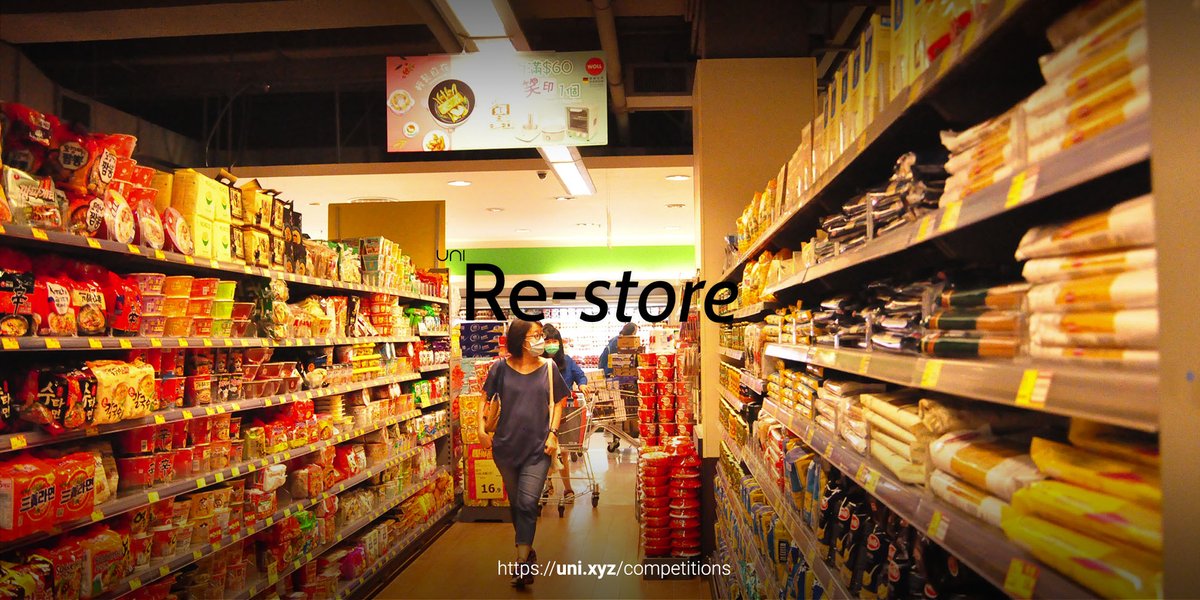
Re-Store
Challenge to re-imagine a department store in present times
Overview
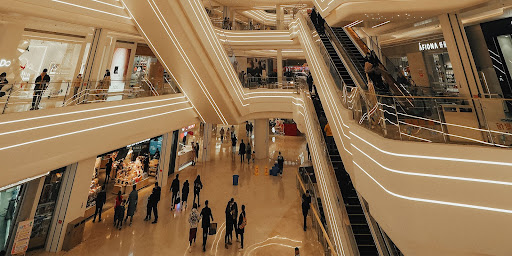 Fig: 1 - Typology of stores has gone through massive transformations in last decades (Credits-Jimmy Chang)
PREMISE
Commercial spaces have transitioned in various sectors of society, due to social, economic, and technological factors across the globe.
One of the major portions and contributors to these spaces are the shopping sector. They mark the highest contribution and influence on society in general, from economic to cultural trends that end up affecting the way we shop and consume to the way they sell.
Starting from the small shops decades back to today's shopping malls/Walmarts- the concept of shopping has been changing ever since.
Before the prevalence of mobility and public transport development, the majority of shops were locally placed and were serving a small number of people. Increasing economic growth and technology led to a large number of people turning towards shopping and buying groceries from the high-end malls causing an increase in consumerism. Moreover, the availability of a variety of transport led to the creation of centralised malls that cater to a large number of people and their needs in any region.
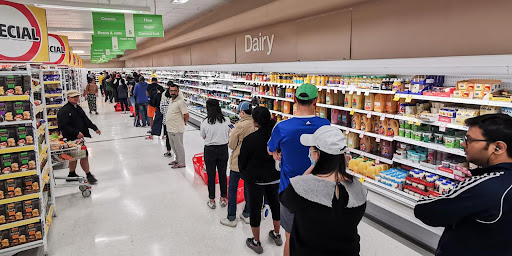 Fig: 2 - The pandemic has forced the usual communal vibe in departmental stores to transform (Credits-seniors)
COMMUNITY
The pandemic has caused a gradual change in patterns in shopping and eating preferences and locations to shop from. Social distancing became a major reason for the change of preference over decentralised services. Even though this transition was sudden and uncalled for, it evidently has long-lasting effects.
Raising a question as to how we are going to suffice this changing trend considering the poor condition of local stores? and how can we bring back these essential stores which not only provided affordability but also acted as a social point of a street/area/region? Local departmental stores have been a part of the community for a fundamental reason being that the local stores align and intersect with their community, unlike the malls which are a completely different entity.
A local departmental store not only caters for the shopping aspect of the community but includes the healthcare, industrial, residential and sustainability needs of the people. These factors mentioned are interlinked with the stores, making it more than just a shopping but an inherent member in a local community's fabric.
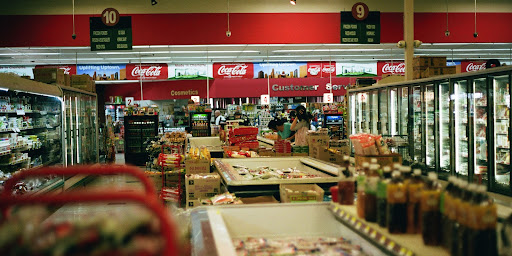 Fig: 3 -How can we restore departmental stores in today’s times? (Credits-Sonder Quest)
BRIEF OF THE COMPETITION
The observed connection of local stores with the local activities where a small number of people are served more efficiently without risking or breaking of guidelines-in totality makes these stores a need for rejuvenation.
How can architectural interventions reimagine these community stores according to today's needs?
How can we as designers and architects challenge the perceptions and views held towards these spaces, by reimagining them completely?
Brief: The architecture competition brief calls for a design of a local departmental store, by innovating its use in today's community fabric.
This design should act as a common platform that understands and provides functional and necessary spaces that can help aid the community in an efficient way.
OBJECTIVES
Approach/ reimagining: How does the design challenge/ innovate the existing?
Community catering: How does the design cater/ provide spaces for community wellbeing?
Multidimensional: How effectively does this design provide for multidimensional use/supply?
Awareness: Design should depict the awareness towards COVID - 19 guidelines and change.
SITE
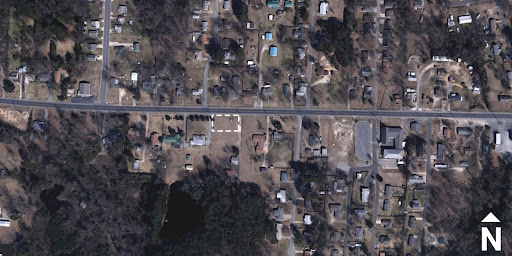
Arkansas, USA
The site for this competition is located in the United States. The USA is known for its great variety. Its physical environment ranges from the Arctic to the subtropical, from the moist rainforest to the arid desert, from the rugged mountain peak to the flat prairie. Although the total population of the United States is large by world standards, its overall population density is relatively low. The country embraces some of the world’s largest urban concentrations as well as some of the most extensive areas that are almost devoid of habitation.
The site is located in the state of Arkansas. Situated in a suburban neighbourhood the site is surrounded by clusters of residential buildings which are housed by small individual households. The open green lands are present surrounding the main clusters.
- Coordinates: 34°33'20.7"N 92°32'51.3"W
- Area: 1,207 sqm
- Height limit: 6m
- FAR (Floor Area Ratio): 0.8
- Ground Coverage: 35%
AREA PROGRAMME
The programmatic outline is intended for one batch capacity of 20 people at a time. This is recommended for this challenge.
The space ideas are as follows:
- Storage space:: 50%
- Display areas: 10%.
- Counter/cashier areas: 20%
- Healthcare services/supply areas: 10%
- Ancillary spaces: 10%
Other additional spaces can be added by the participants as per their design needs.

