

Relieve
Competition for reimagining crematorium as healing spaces
Overview
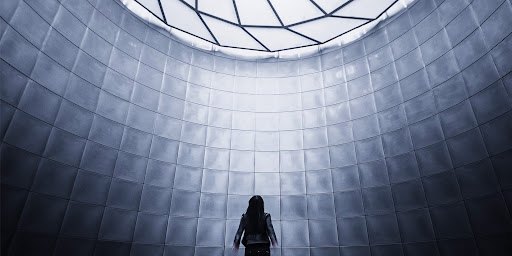 Fig: 1 - Architecture and humans influence each other to create an intangible connection (Credits-Marc Olivier Jodoin)
PREMISE
Human beings have been an integral part of art and architectural evolution. Architecture by its existence is built for the needs of humans, their wants and requirements.
Historically, architecture developed parallelly with human evolution, from primary settlements to today's rapid urbanisation. Humans have been the primary focus of development.
The connection between human response and architecture can be easily observed. At times it's the activity that dictates the kind of space that will be created, while the character of space decides the kind of feelings that will be evoked in the users. Eventually forming a symbiosis if space and user connect together. Exploration into the impact of architecture on its inhabitants can help us understand the impact spaces have on people and the emotions generated.
How does architecture affect human emotion in a space?
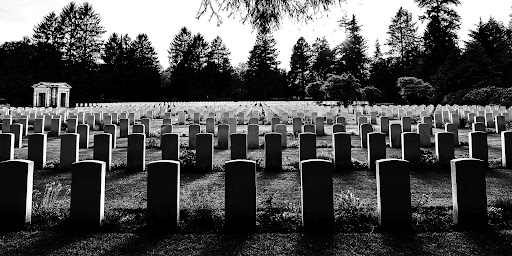 Fig: 2 - Spaces like crematoriums evoke strong emotions (Credits-Davide Ragusa)
SPACES AND EMOTIONS
We make buildings, and then they shape us forever. The effect of architecture can be seen on the users through a myriad of parameters. From physiological to the psychological well-being of a person. In a particular space to the kind of emotion, space causes the person to generate can be controlled through design. These factors can be brought to use in emotionally demanding activities.
One of the most extensively felt and demanding emotions are observed in the places of birth and death. The most final feelings of humans, the spaces created for such activities play a major role in the kind of emotions generated in the inhabitants. Crematoriums are one such space that is known to hold the most intense emotions in its inhabitants, emotions related to death. Oftentimes such spaces hold an imageability of dark and sad spaces, which have been formed with time and transition. Design plays a key role in crematoriums, as they are emotionally demanding spaces.
How can architecture positively affect our perception of crematoriums?
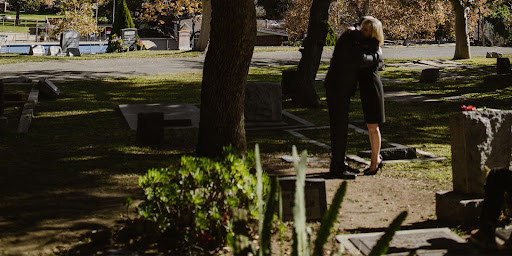 Fig: 3 - How will your crematorium act as a space for grieving? (Credits- Rodnae Productions)
BRIEF OF THE COMPETITION
How can the imageability of crematoriums be changed completely? How can architectural intervention provide a healing environment in crematoriums? How can we design a faith agnostic space effectively valuing the user's healing and experience?
Transcending beyond the primary use, how can architecture generate a healing environment for cemeteries?
H3: Brief: Aim of this competition is to rethink the concept of crematoriums for agnostics.
Design by challenging our perceptions of grieving spaces, while providing healing and recovery to their inhabitants.
OBJECTIVES
Use of healing spaces: How effective are these spaces in promoting healing environments?
Innovative approach: How does this design challenge the perception of crematoriums?
Philosophy: What architectural dialogue does space generate through the design?
Empathy: How well is the design able to understand and respond to the user’s needs?
The following objectives can be the point of beginning for the design. Participants are free to assume their users and contexts of the design.
SITE AREA
Participants can assume the site for this new typology. The site can be of any shape of the given area. While designing, thought should be given about the urban-context where the intervention would best fit in.
- Site Area: 2000 sqm.
- Ground Coverage: 50%
- No height restrictions.
PROGRAMMATIC OUTLINE
- Entrance: 5%
- Staff and services areas: 15%
- Cremation spaces (as per design): 35%
- Solitary/Grieving spaces: 25%
- Spaces for recreation/landscape: 15%
- Ancillary spaces: 5%
Other additional spaces for Healing + Ceremony + Grieving spaces can be added by the participants as per their design needs. Participants are free to decide the user group, number of cremation spaces and visitors for this competition.
Similar Competitions
Discover competitions you might be interested in



Design Challenge - Contemporary interpretation of a religious complex


The Global Benchmark for Architecture Dissertation Awards
