

Romane
Design challenge - An eatery reminiscent of Medieval Europe
Overview
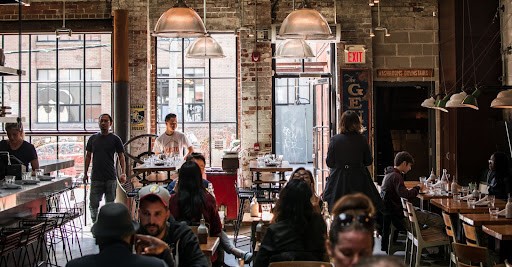 Fig: 1 - Restaurants have always been in trend as an enticing location for public gatherings.
PREMISE
Cities around the world are becoming melting pots of culture and nationalities, and their tangible forms are art, architecture and cuisine. Cuisines of global or regional scales are innovated through heritage or cultural interaction, and they are presented in different types of food joints.
Serving up a specific cuisine in a restaurant setting creates an experience that is largely influenced by its spatial design. Food is capable of conveying a story, the values of a culture, and the setting it is delivered in, play a vital role.
Interior architecture represents reality, but an attractive version of it that creates a meaningful environment. In the case of a restaurant, the narrative of the cuisine must be embedded in every element of the design, while maintaining functionality.
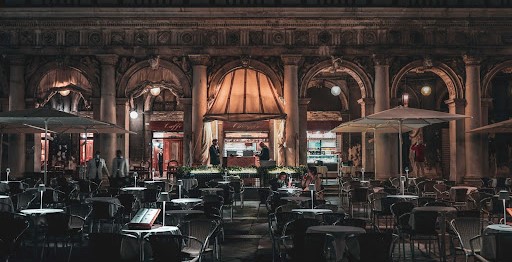 Fig: 2 - Romanesque style of architecture was inspired by Roman and Byzantine buildings.
THEME
The Romanesque architecture dates back to the 6th century, and its influence extended over the entire continent of Europe. It is characterised by thick walls, round arches, barrel vaults, sturdy pillars, large towers and decorative arcades. These features were generally suited for castles, churches, and other institutional buildings.
After it was succeeded by the Gothic style in the 11th century, there was a short revival of the style in the 20th century. The style was used for designing educational buildings, museums, and some facades of commercial buildings.
As this style is no longer practised, the structures of that age are well-preserved and inherently inspiring to people even today. This historic style can be reinterpreted in new forms to recreate spaces that can capture the grandeur and mastery of the style in this era. The essence of the past when blended with a piece of the future, can help create a timeless design.
Can we imagine ways of re-establishing the relevance of this architecture style now?
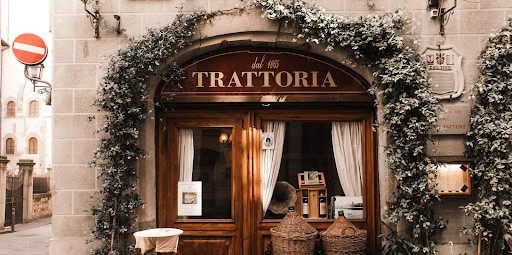 Fig: 3 - The design of a restaurant must be able to connect with the people, through its form, layout or spaces as it is a public space.
BRIEF OF THE COMPETITION
The challenge is to design the interior of a restaurant by taking inspiration from Romanesque architectural style in history and presenting it with a contemporary twist.
The scale of Romanesque architecture was huge, but can we apply it creatively to an interior space? Can we extract the essence of the theme to create a place that is acceptable to current visitors? What elements or principles of Romanesque style can be blended into contemporary environments seamlessly?
While the narrative and theme of the design challenge is important, it should not interfere with the operations of the restaurant. The navigation inside must be convenient, along with zones created for varying levels of privacy for guests. The visual impact of the landmark structure must reflect the style theme with standout features. The wider socio-cultural, economic and environmental settings must be considered in the approach.
OBJECTIVES
- Concept/Narrative: The journey that the design of the restaurant takes the visitors in must be attractive and anticipatory, capable of transporting the visitor to a different place, mentally.
- Theme: The theme must be evident in the design proposal.
- Balance: Balancing the aesthetic with the functional design of the layout and form.
- Ambience: The succession of spaces, the lighting and other elements must be used to create the ambience.
SITE
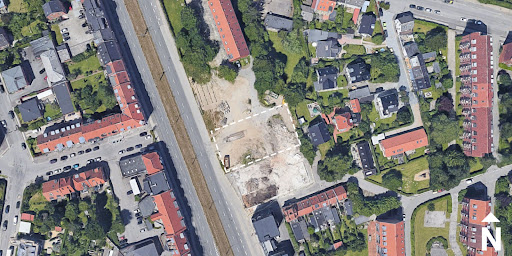
Aarhus, Denmark
Aarhus is a port city in Denmark. The cityscape is rich with historic landmarks from gothic and Romanesque styles. The cultural scene of the city is exciting and active, with diverse cultures, events, eateries offered for the visitors. Restaurants offer a variety of cuisine, from high-end dining to ultramodern eateries.
The site is beside the Randersvej road in the neighbourhood of Christiansbjerg. It is surrounded by commercial outlets like shopping or restaurants and stay for tourists which makes the area suitable for this typology.
- Coordinates = 56°10'31.5"N 10°12'09.9"E
- Site area = 1010.05 sq.m
- Height restriction = 12 metres
- Maximum FAR = 0.8
- Ground coverage = 30%
Setbacks (as per CAD plan)
Ground Coverage refers to the ratio of maximum allowed solid/permanent footprint on the site to balance the built and unbuilt spaces. You can utilize the other 70% of the site for any temporary intervention/recreation.
AREA PROGRAMME
The restaurant must be built for a capacity of 45 visitors. The choice of cuisine is with the participant but must be European based.
Entrance, waiting and reception ~ 40-50 sqm
Main dining area ~ 300 sq.m
Private rooms for dining ~ 100 sq.m
Kitchen area ~ 100 sq.m
Administration, Services and Parking ~ 60 sq.m
The programmatic outline is the point to begin your design at. You can add more functions and activities in relevance or modify the below design programme.
