

See Green
Challenge to design a sustainable public pavilion
Overview
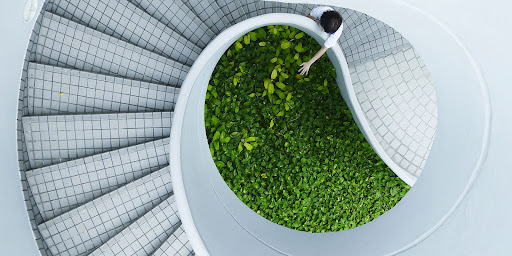 Fig: 1 - Sustainable architecture goes beyond looks and being green, there are numerous process involved in creating environmentally conscious spaces
BEHIND THE SCENES OF SUSTAINABLE ARCHITECTURE
In the past few years, humans have begun to become increasingly sensitive to the environmental challenges surrounding them. There is an undeniable increase in accountability and piecemeal measures to help make a greener future.
One such avenue of sustainability has manifested in the realm of architecture. Architects and designers are beginning to recognise and subsequently mobilise to attempt to lower the environmental impact of their creations.
The field employs both indigenous techniques as well as technological interventions to further this sustainable goal. That being said, most sustainable architecture tends to hide the processes employed in the design.
What if we could make these processes visible and interactable so that visitors could not just enjoy them but also learn from them?
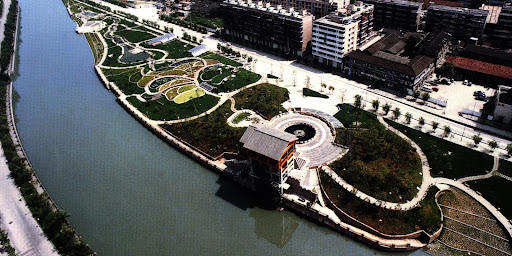 Fig: 3 - The Living Water Garden China by landscape architect Margie Ruddick (Credits-Elizabeth Damon)
MAKING SUSTAINABLE PROCESSES VISIBLE
To understand how to begin making our sustainable measures visible, it's important we first understand why they are currently hidden. While materials and facade treatments are visible, structures that employ cyclical environment processes tend to hide many of the interventions employed.
One of the reasons for this is that the technology associated with harnessing these processes are aesthetically limiting. Solar panels, wind turbines, rainwater channels and even solar tunnels are built-in ways to optimise their productivity however their structure and materiality does not always lend to an array of aesthetic typologies.
An example that challenges this is The Living Water Garden In Chengdu, China.
The garden is a space where visitors can openly interact with the process of water purification and the measures utilised are all reimagined aesthetically.
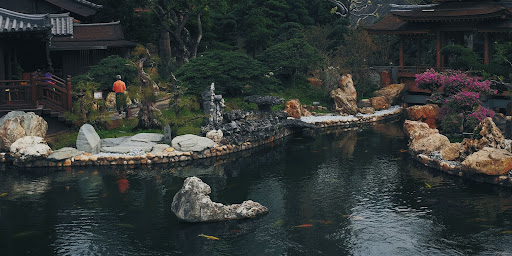 Fig: 3 - Design a green pavilion that showcases its sustainable processes and creates awareness & social impact
A PAVILION OF SUSTAINABILITY
If public buildings could not just use sustainability in their design, but also use their designs to excite, engage and interact with their visitors, it would allow for a greater discourse and transfer of knowledge in the community.
Brief: The challenge here is to create one such public pavilion that employs one or more sustainable processes but makes it visible and intractable.
The designed space is intended to be a public pavilion that can be used by the community for a host of needs ranging from daily use to cultural events.
Some examples of sustainable processes you may include are rainwater harvesting, wind channelling, and solar utilisation, however, you may choose to employ other processes as you deem fit. The design should also ideally make use of most of the prevailing climatic conditions on the given site instead of introducing foreign processes that do not naturally occur in the area.
OBJECTIVES
- Form: Design an adequate public space that is useful to the community in the below-mentioned site.
- Sustainability: How does the design employ sustainable design practices and processes
- Interactable: How can visitors of the space interact or engage with the sustainable design elements used in the space?
- Education: Use the design to help educate and improve knowledge related to sustainable design in architecture.
SITE
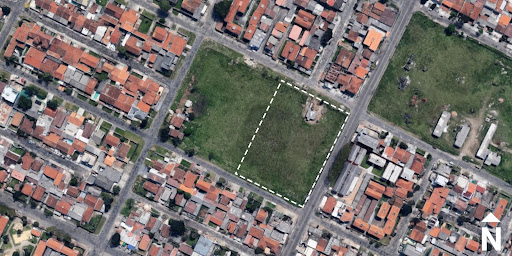
Curitiba, Brazil
- Site Area: 7344 sqm
- Coordinates: Curitiba, Brazil
- Maximum FAR: 1
- Ground Coverage: 30%
- Height Restriction: 6 m
Setbacks As per CAD plan
The Site for this project is located in Curitiba, Brazil. Curitiba is the capital of the Paraná state of Brazil and is already in the process of making significant changes in order to address environmental concerns
Curitiba has several botanical gardens as well as protected forest zones. This site in particular is located in a predominantly residential area in the easternmost extent of the city.
The site has a humid, subtropical highland climate and abundant precipitation. Located 932 meters above sea level the plateau city enjoys mild weather changes throughout the year with an average of 7°C in winter and 25°C in the daytime in Summer.
Similar Competitions
Discover competitions you might be interested in



Challenge to design an open learning module for the elderly


Challenge to design a portable music platform

Challenge to design a portable theatre


The Global Benchmark for Architecture Dissertation Awards
