Upcycling retail 2019
Challenge to rethink marketplaces
Overview
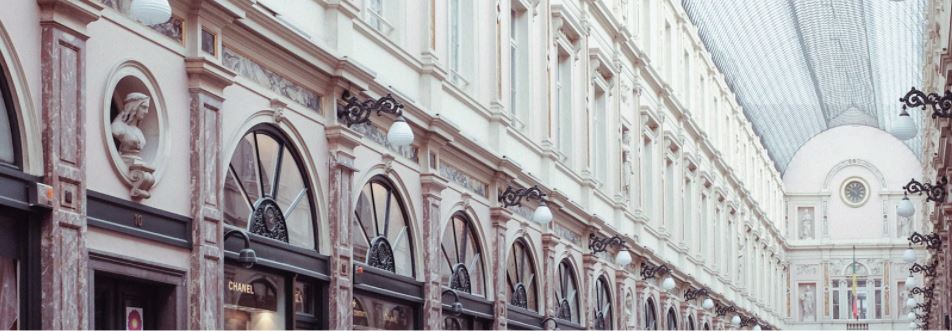
Img 1: The Saint-Hubert Royal Galleries built in 1846
Traditional Marketplaces
The world has started moving towards an era of globalization in the wake of technology. This is undoubtedly an ultimate driving force for economic growth. The consumer market playing a vital role in this is speculated to increase more than two folds than the current total per capita consumption in the coming decade. One of the evident causes behind this unprecedented growth is the rising urbanization and expanding middle-class population. Over the next 15 years, consumer markets are expected to take center stage in the global economy.
The origin of the consumer marketplaces can be traced back to merchants and traders, who operated on barter systems in open markets. This had gradually evolved to collective market spaces in ancient times called forums or agoras. Subsequently, arcades, department stores, supermarkets, and malls came into the picture.
The concept of a physical store has changed drastically over a century, bringing us to the question as to what is next?

Img 2: Changing perceptions of retail today - A concept
Add to Cart
Retailing, marketplaces or shopping today as perception has progressed prominently in the past decades. We perceive, monthly shopping as online grocery orders today. Whereas something like window shopping has now translated as scrolling over your favourite pair of shoes for hours. Dining out changed to dining in the home thanks to online ordering apps. This form of advancement at the onset of the internet era was inevitable. Going out and buying things in an urban marketplace changed from being an option to a hassle eventually. The value that brick and mortar stores used to offer is slowly taking a back seat. E-retail paved the way for even more convenient methods of shopping, time-saving, and a wider range of options including global products enabling them to thrive to great extents, but are they becoming a terminal solution to consumer experience?
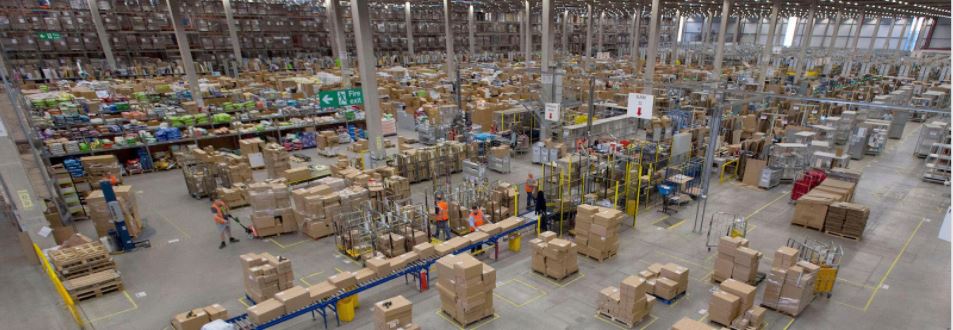
Img 3: Inside the World’s largest e-commerce company before Black Friday - Credits: Vice
Re-Tale Stores
 YESTERDAY TODAY
A typical street shopping configuration in plan view. A typical illustrative E-Commerce shopping setup in plan view.
Retail Stores have formed a significant part in shaping marketplaces and public spaces as well as defining a neighbourhood and its people. It has served the purpose of not only being an avenue to procure basic necessities but also acted as a sphere for harbouring a social spot. As soon as we entered the realm of the digital age, the popularity of online shopping services shifted the transactions from physical marketplaces / retail stores to online. This not only reflected in spending, but our physical spaces began converting to warehouses in prime areas of the city.
Retail fronts, even after being an open junction for exchange of ideas, dialogues, interaction and building our societies are still struggling to find their place today. But why?
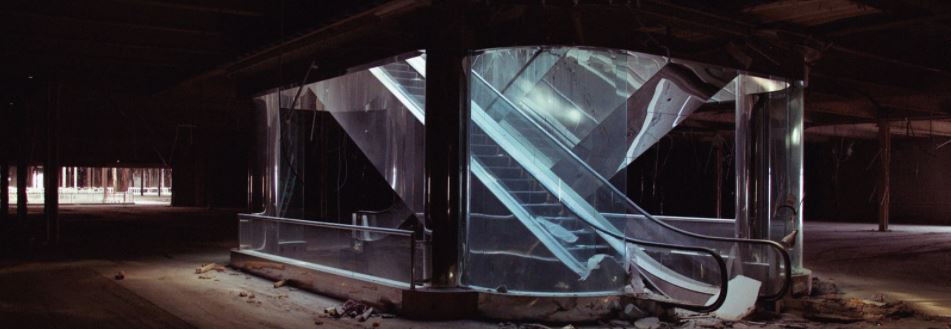
Img 4: A view of an abandoned Mall
The purpose of malls and cities
Malls that began as a collective retail front were housed not only for shopping but were considered a place for social gatherings as well. It attracted all user groups of an urban zone, offering them a shopping experience. They were well lit, accessible, safe, air-conditioned and offered a range of stores for a shopping venture, but had a limited number of options when it came to social experiences in the past. As the times changed, people slowly began inclining more towards alternate experiences like cinemas, eateries and leisure activities than shopping or going to marketplaces. This is where malls tried to extend themselves beyond their original function and had to invest heavily to keep themselves relevant.
An already costly affair, malls became more unprofitable and unsustainable with time.
This shifting trend also affected the way people spent their money and time. It was not only the losing appeal of malls but also the incoming of the digital age that turned people to virtual spaces more (read as Facebook groups). During a span of 50 years (1977-2017) the number of shopping malls being built in the USA quadrupled, but they were attracting fewer visitors by every passing year. The result of this gap was not surprising, and a lot of them were shut down sooner than expected.
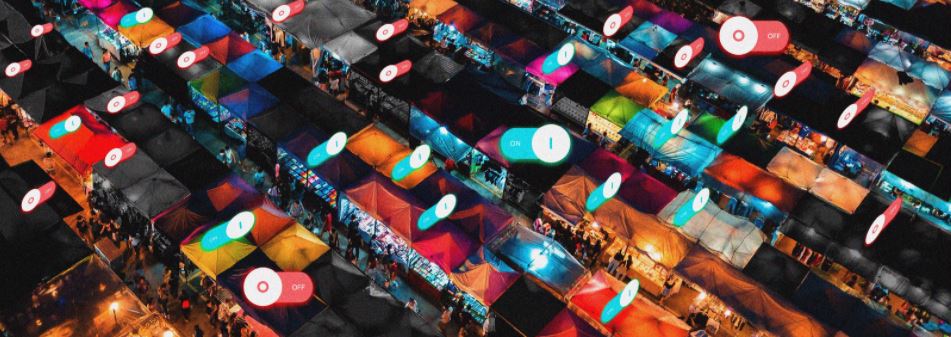
Img 5: Markets closing down due to falling numbers of visitors - A concept.
Addressing the rate of development, the future of retail looks highly uncertain. If the digital era is responsible for shaping and reshaping our lifestyle, what is eventually taking a toll is our marketplaces which are being left behind.
How can we change this?
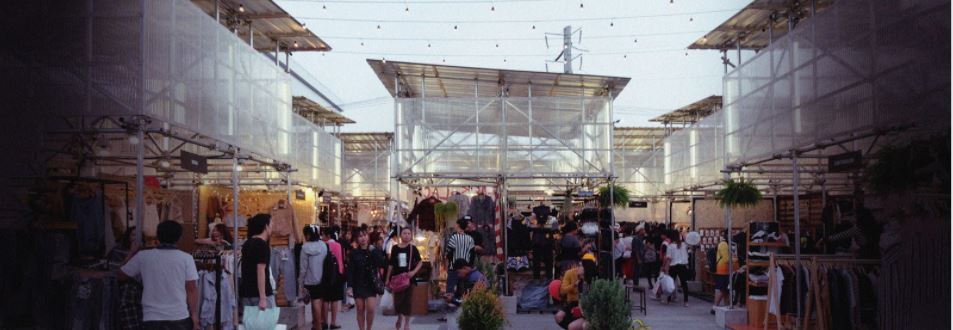
Img 6: A marketplace in action - Dadad Market, Thailand by BTA + OPH
Brief of the competition
Retail Collectives, Malls or Mega Markets were largely the heart of public activity in their peak times. They were successful in delivering an “All under one roof” experience for a certain time span. However, it is visible that the model is slowly turning obsolete today. This may be attributed to their rigid design strategy with no room for flexibility or lack of comprehension towards changing trends of retail and marketplaces. These limitations and lacking variety eventually repelled people to other convenient forms of shopping like e-commerce.
The battle of online vs offline gives the perception that these forces are fighting for customers, whereas both are trying to deliver a better kind of experience to people.
With a common goal in sight, can these two forces play together instead of playing against each other?
The challenge here is to design a marketplace, that is more flexible - evolving - incremental with growing trends of retail in the coming future.
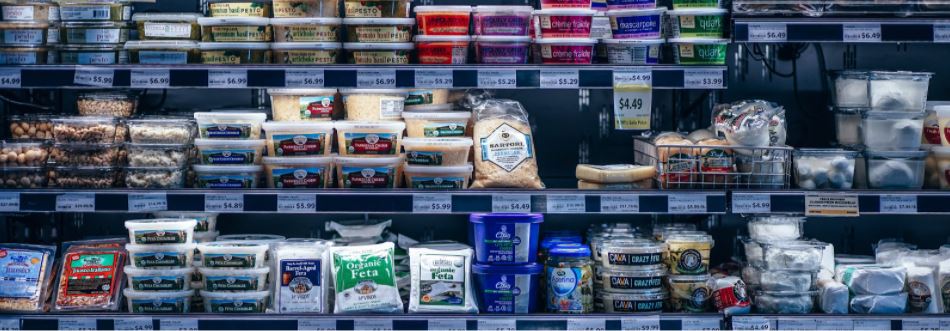
Img 7: A grocery aisle in a departmental store.
Design Objectives
Refer to the objectives below to understand the design expectations of this challenge:
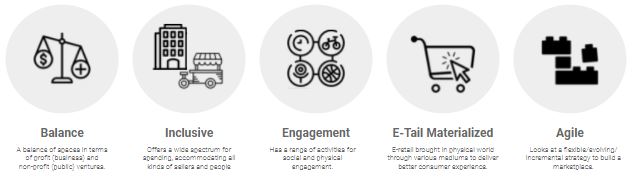
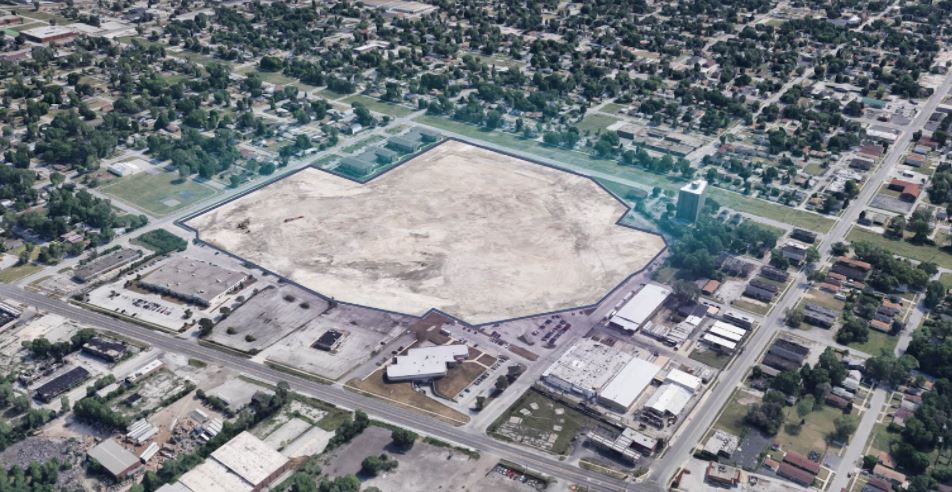
Img 8: An aerial view of the site - by Google Earth
Dixie Square Mall Site, Chicago, IL
The site for this new experimental marketplace is located at the demolished Dixie Square Mall site in Harvey. This mall was built in the 20th Century during a phase of a gold rush to build Mega market places. It was placed on a commercially valuable land on the Dixie highway that connects to Chicago. However, the mall wasn’t able to meet its commercial expectations for not more than a decade due to a multitude of reasons. The possible reasons point at an incorrect feasibility study, an incompatible configuration of the market, leading to rising social issues and falling interest of the public. With a series of vandalism and abandonment by various store owners, the mall had to be pulled down.
With the technological assets of today and a better design strategy - how can we craft a better marketplace that serves as a model for re-thinking falling marketplaces like these around the world?

Img 9: Few irreplaceable qualities of physical market places - A concept
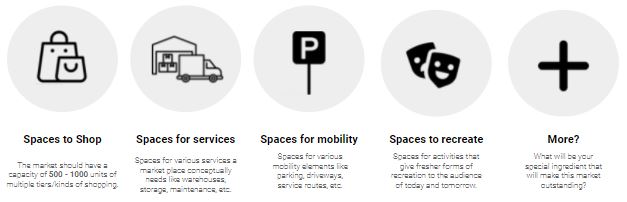
Programmatic Outline
The following programmatic outline is recommended for this challenge. Participants are recommended to craft a schematic programme based on these given segments or they can propose something altogether new.
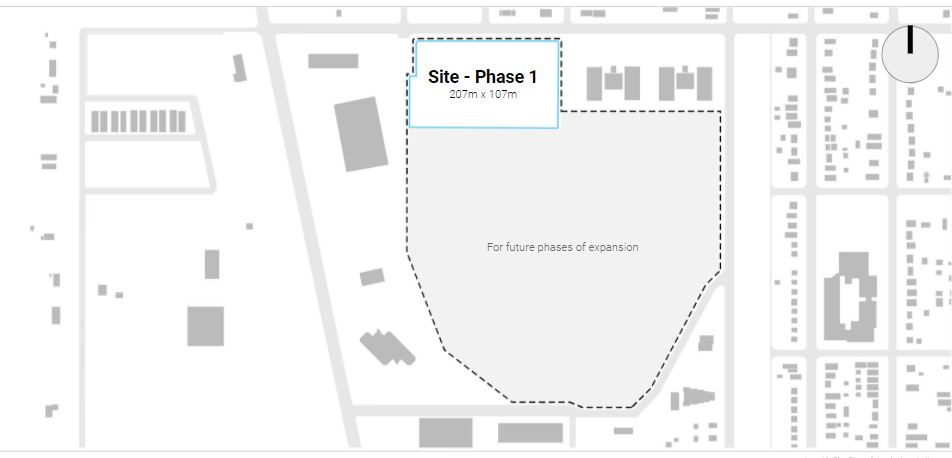
Img 10: Site Plan of the design challenge
Site Plan for the competition
The part of the site chosen for the design challenge is a smaller piece of larger land that housed Dixie Square Mall. This challenge is an experimental form of an alternative market typology that grows incrementally with changing times, trends and demands of people. Participants can consider this part of the land as phase 1 of the development and similarly emulate future phases with the market concept. The evaluation will primarily focus on phase 1 only. However, participants can provision/overprovision the growth of the market based on their design strategy.
- Area: 22149 m2
- Height limit: 15 m (49.21ft)
- Site coordinates: 41°36'46.3"N 87°40'07.6"W
- Ground Coverage: 40% of Built Area
Judging Criteria
The entries will be judged by an international jury of the competition - To be announced:
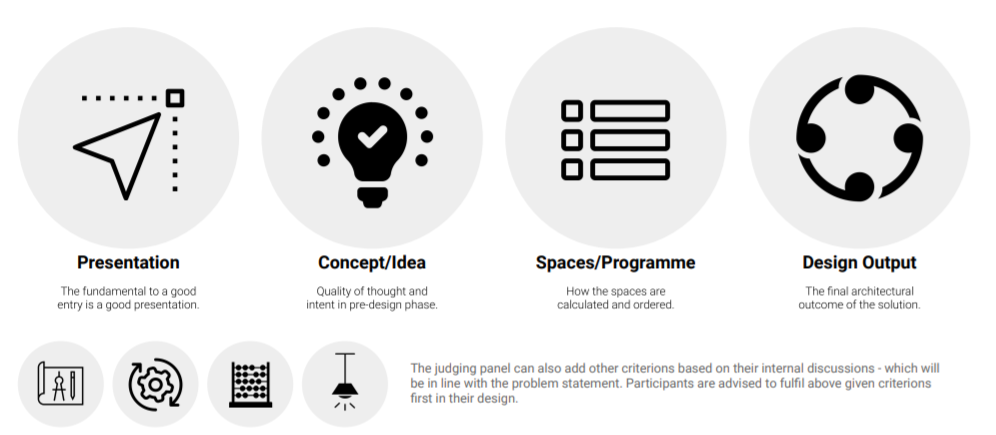
The entries will be judged by an international jury of the competition on the following criteria:
-
Presentation: The fundamental to a good entry is a visual delivery of ideas.
-
Concept/Idea: Quality of thought and intent in the pre-design phase.
-
Programme/Spaces: How the spaces are conceived along with the programme.
-
Design Outcome: The final architectural outcome of the solution.
The judging panel can also add other criteria based on their internal discussions - which will be in line with the problem statement. Participants are advised to fulfil above given criteria first in their design. Names of the jury panel will be announced soon. The decision of the Judges Panel is final, no appeals will be entertained and no further correspondence shall be entered into. Please note that the jury scores are NOT affected by the number of likes on a project. Every submission is evaluated based on the judging criteria. However, ‘Likes’ play a role in determining the People’s Choice Awards.
Winner
Vertical Warehouses
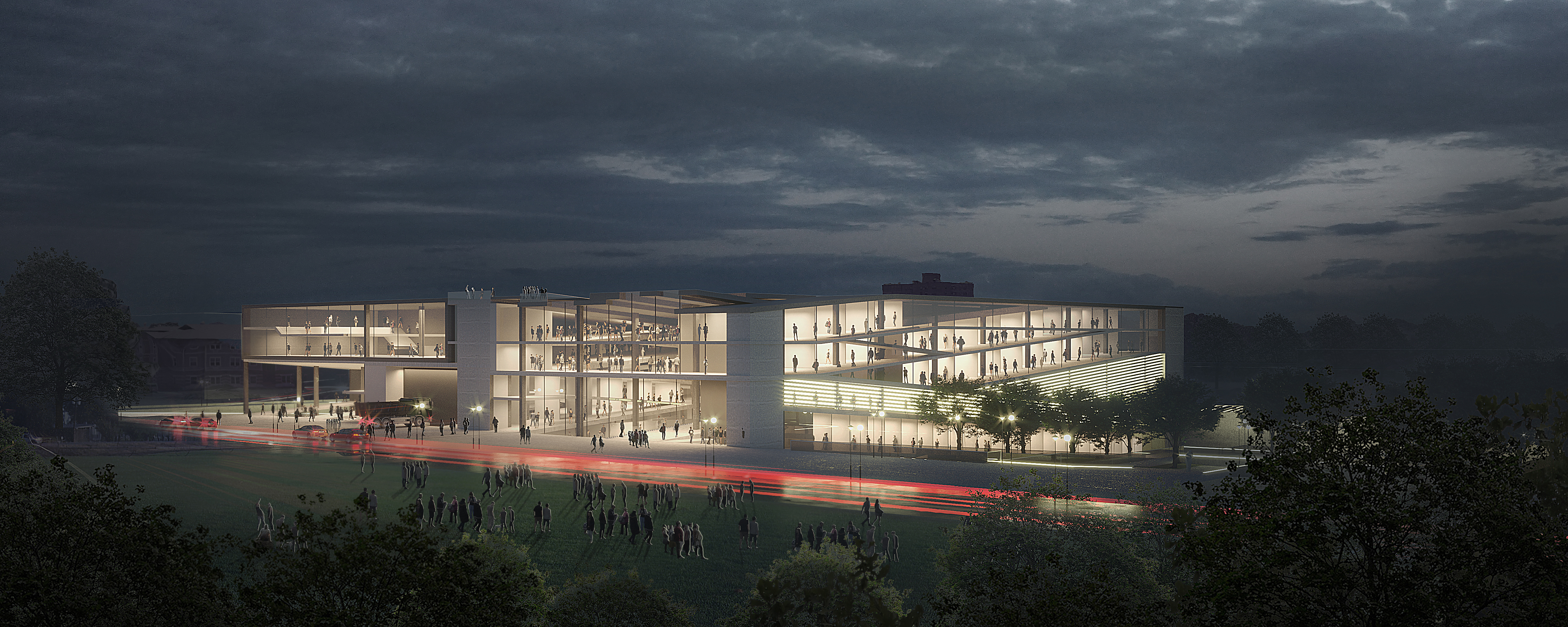
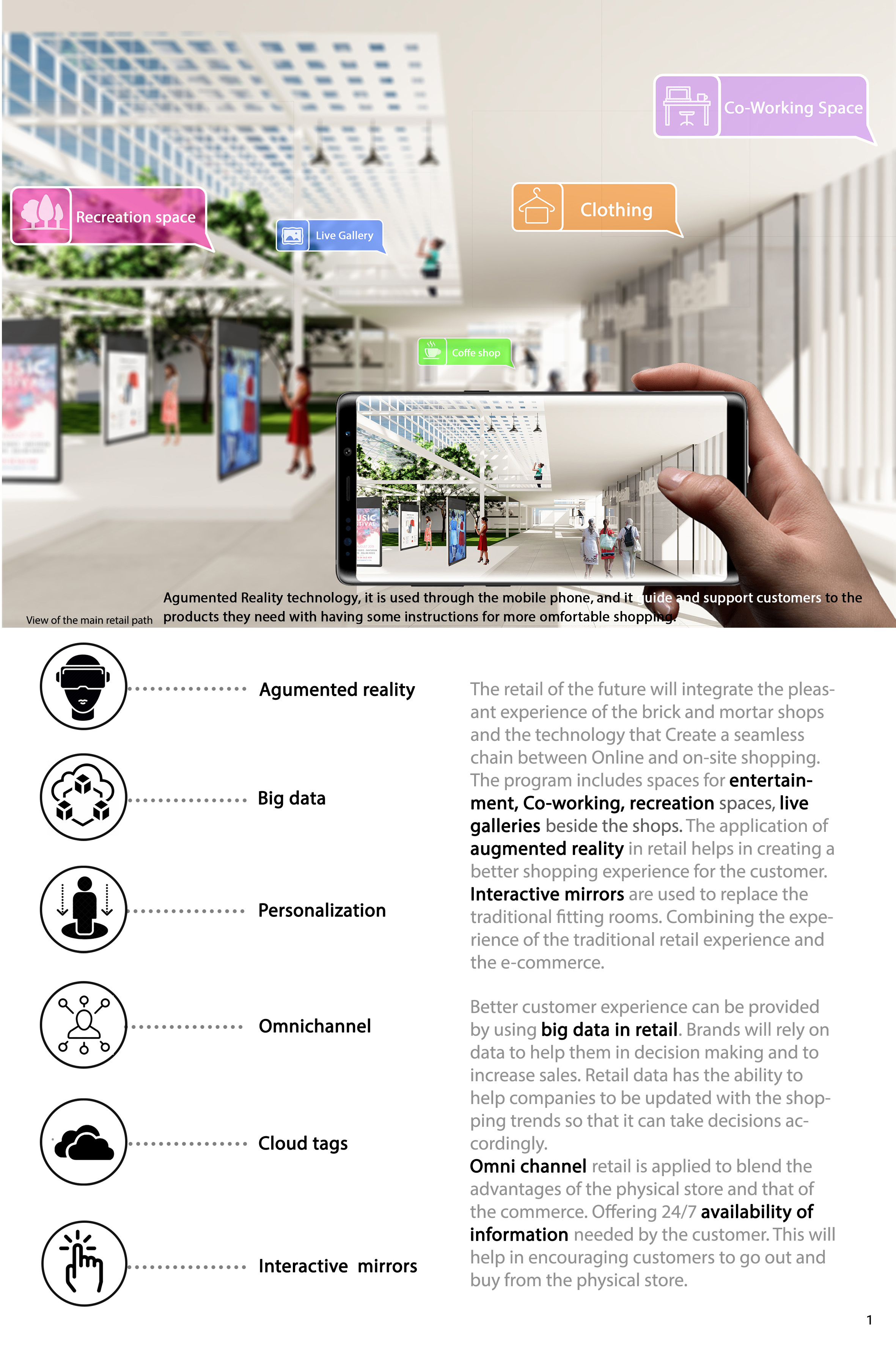
This project aims to create a new typology of retail by combining the physical manifestation of online shopping in the real world (i.e: Amazon Fulfillment Center) and the already established diagram of a linear marketplace, which will, in turn, increase the synergy of both online and offline retail in this project.
Runner Ups
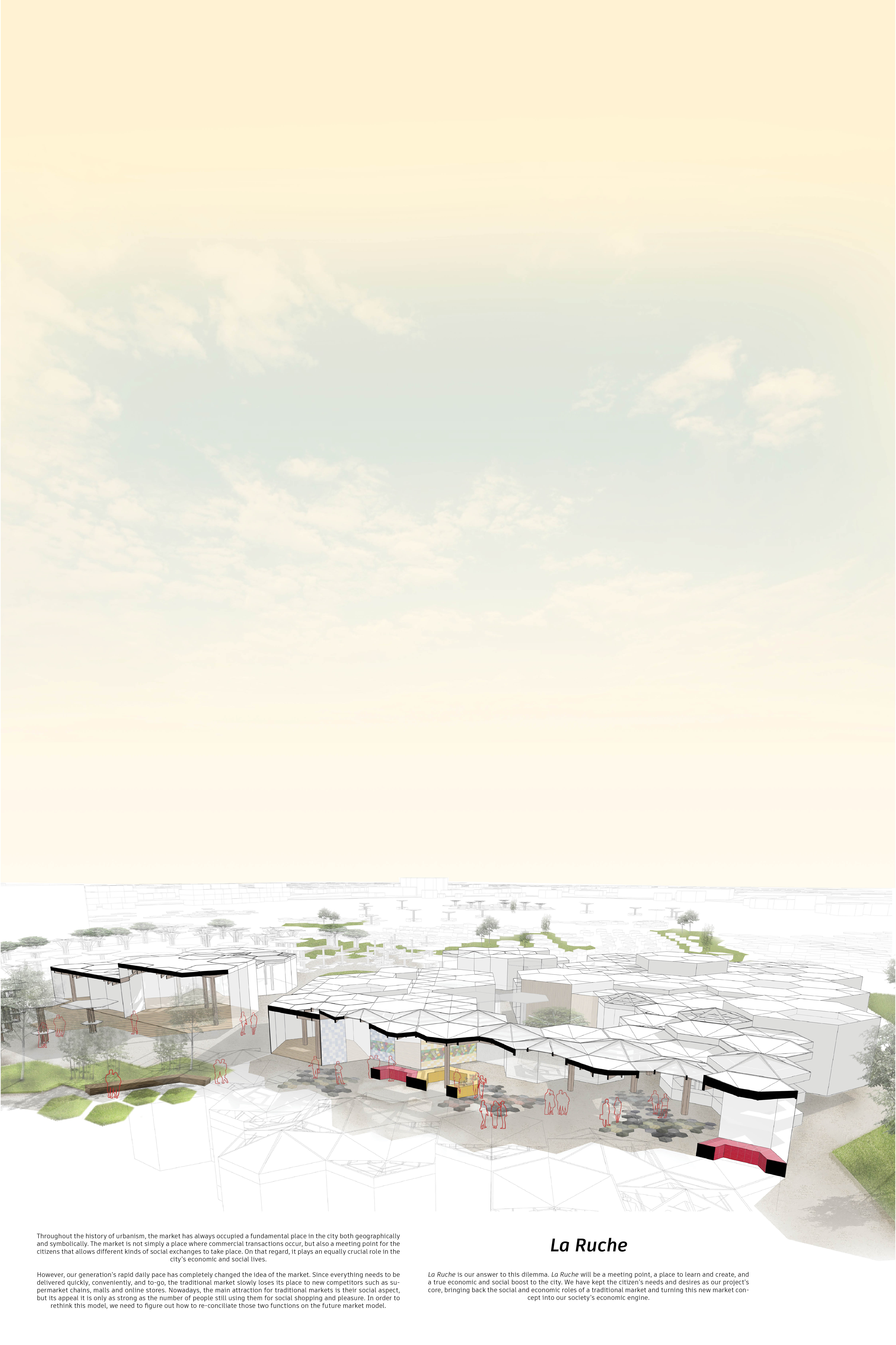
Upcycling retail La Ruche