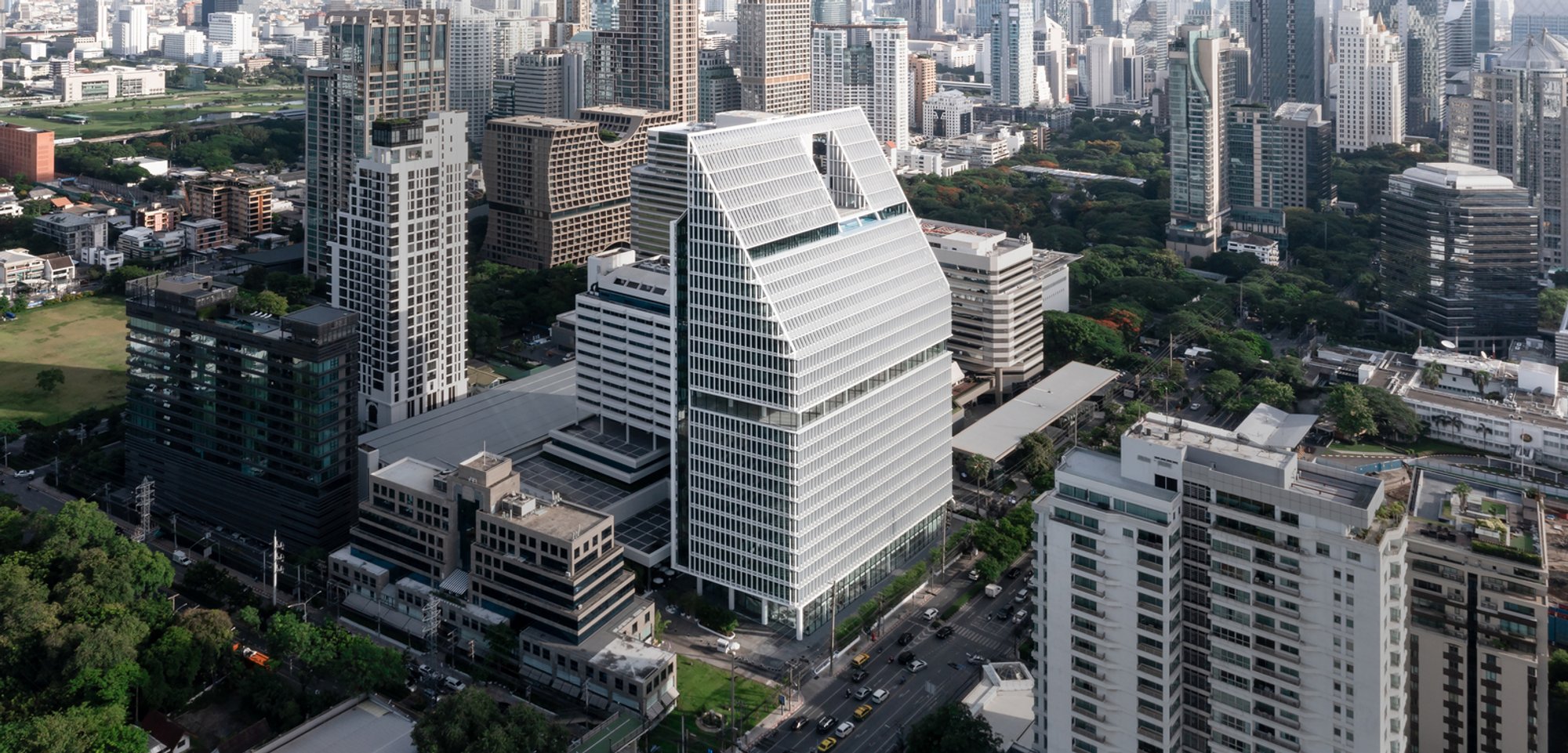
140 Wireless Building by Plan Architect – A Landmark of Sustainable Mixed-Use Design in Bangkok
140 Wireless Building blends sustainable design, cultural spaces, and panoramic Lumpini Park views, featuring aluminum fins for shading in Bangkok’s tropical climate.


Architects: Plan Architect
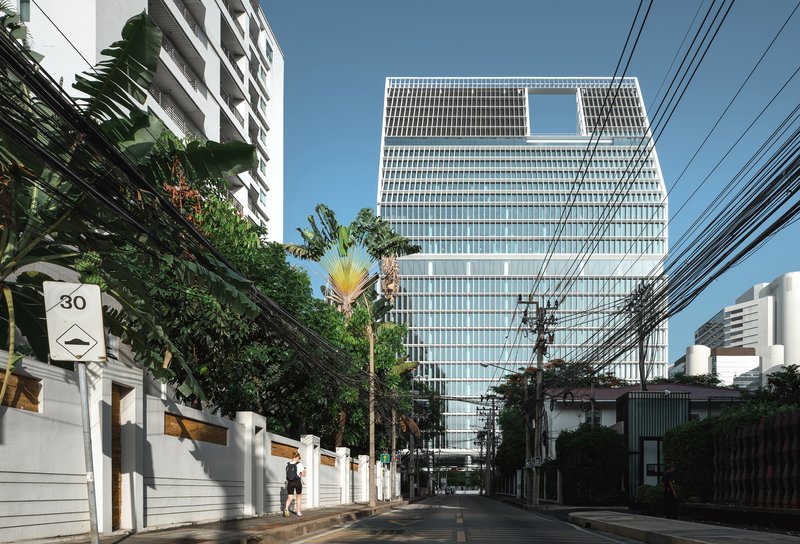
An Iconic Addition to Bangkok’s Skyline
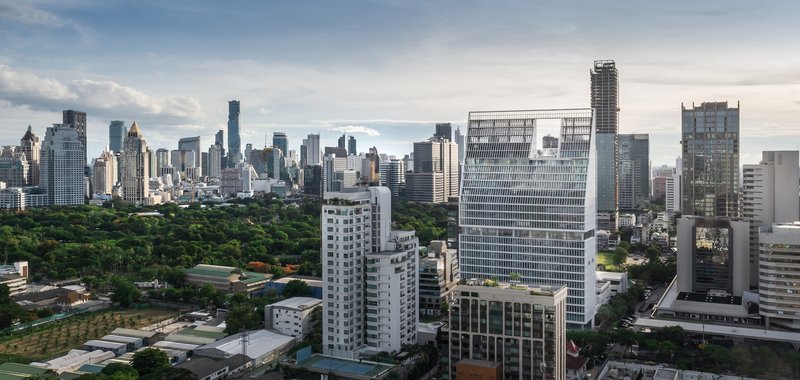
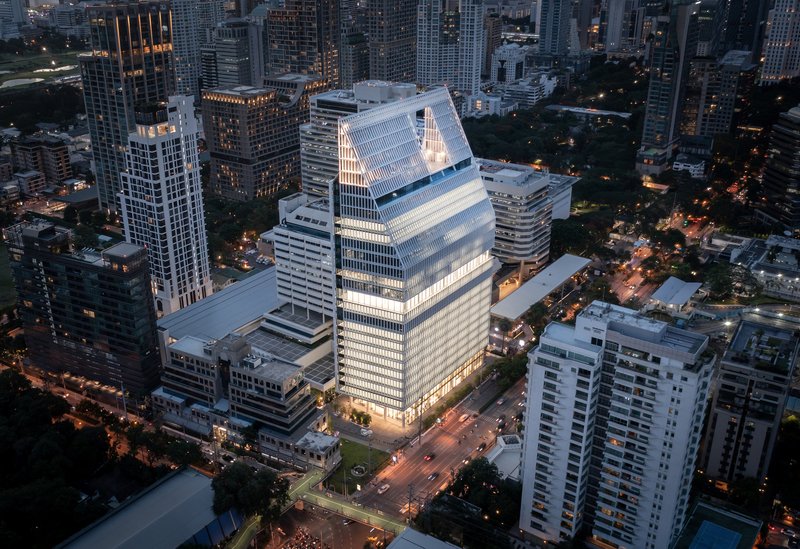
The 140 Wireless Building, designed by Plan Architect, is a striking new mixed-use development situated along Wireless Road, one of Bangkok’s most prestigious addresses. Overlooking the lush expanse of Lumpini Park, the building offers a rare combination of urban energy and natural tranquility, making it a prime destination for offices, cultural venues, and retail experiences.
Strategically positioned in the Central Business District (CBD), the project maximizes its site potential, offering expansive rental spaces while ensuring that every floor benefits from the surrounding green vistas and Bangkok’s dynamic skyline.
Climate-Responsive Tropical Architecture
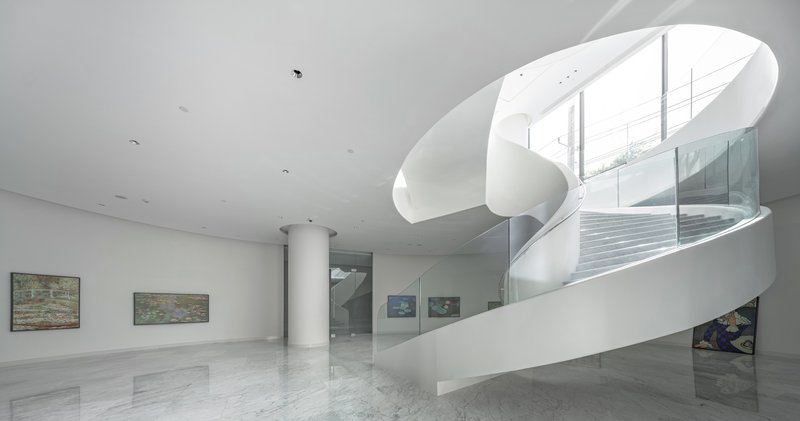
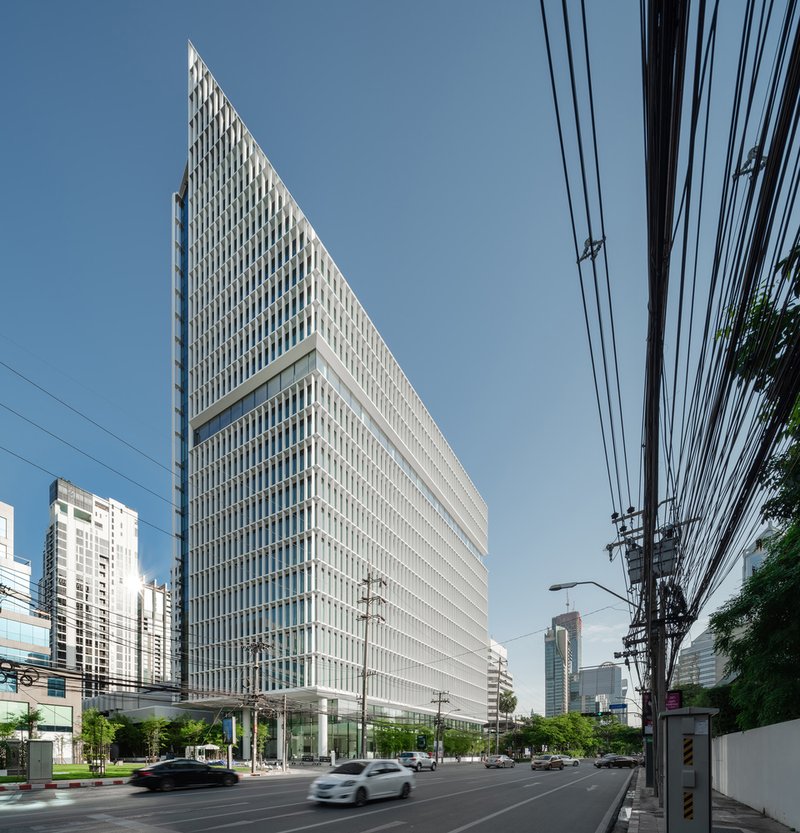
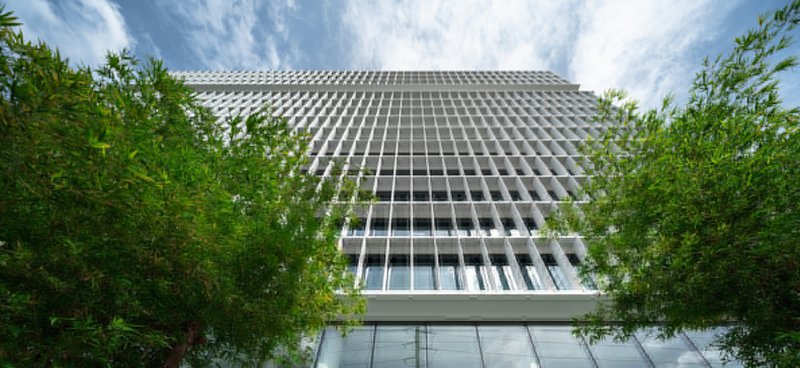
Thailand’s tropical climate, with intense sunlight and frequent rainfall, was a key factor shaping the building’s design. Instead of relying solely on high-performance glass to mitigate heat gain, the architects integrated wide aluminum fins into the façade.
These vertical fins work in tandem with cantilevered floor slabs to shield interiors from direct sunlight, significantly reducing cooling loads. The gaps between the fins and the glass curtain wall allow for easy maintenance and cleaning, while cleverly concealing rainwater drainage pipes within the fins for a clean, uncluttered appearance.
Optimized Interior Planning
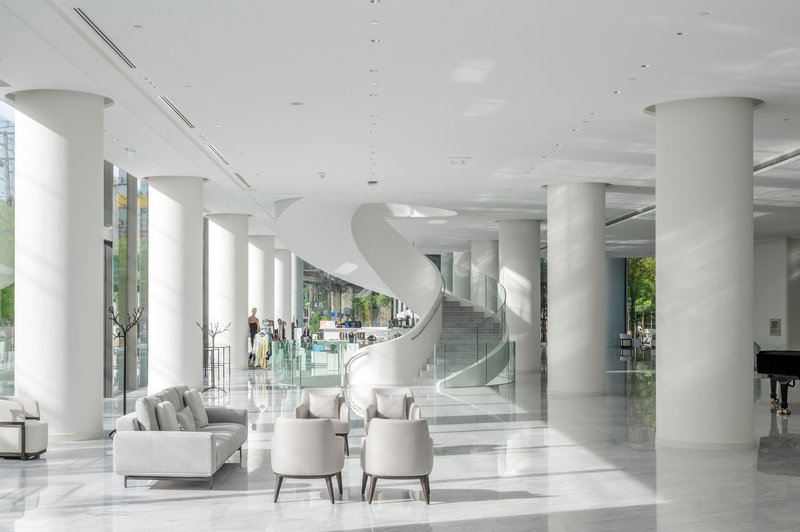
The building’s lift core, staircases, and service areas are strategically placed at the rear, connected by a central corridor. This layout ensures that all leasable office areas enjoy unobstructed views of Lumpini Park or the city skyline, with large windows enhancing daylight penetration and visual connection to the outdoors.
The flexible floor plans can accommodate tenants of various sizes, catering to corporate offices, boutique firms, and co-working spaces.
Integrating Arts, Culture, and Lifestyle
Beyond its commercial functions, 140 Wireless integrates spaces dedicated to arts and culture, enriching Bangkok’s creative scene. The building houses:
- The Met Store
- A Piano Museum
- A Curated Bookshop
- Gallery Spaces for Local Artists and Exhibitions
This mixed-use program positions the building as more than an office tower—it is a cultural hub that fosters community interaction.
A Distinctive Architectural Profile
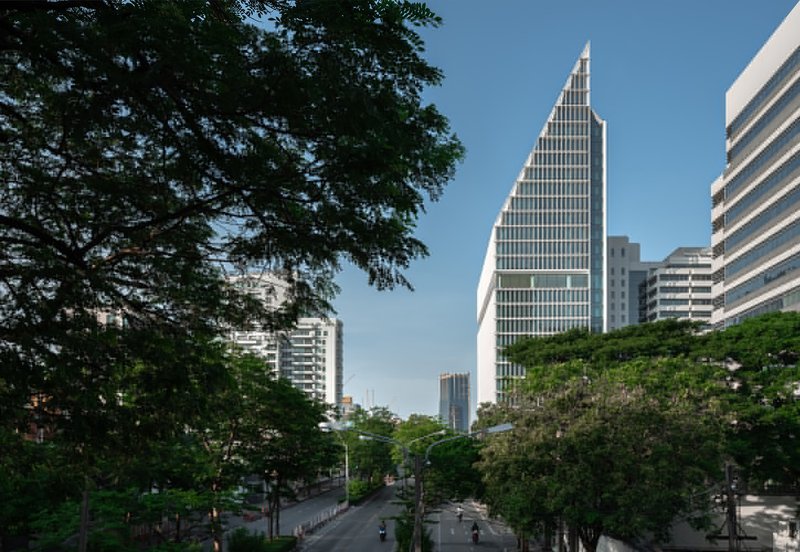
Bangkok’s zoning regulations influenced the sloped upper levels of the building, resulting in a triangular rooftop profile that doubles as an iconic urban marker. From street level or from within Lumpini Park, the building’s silhouette is instantly recognizable.
The topmost floors feature a luxurious penthouse complete with a private swimming pool. From here, residents enjoy uninterrupted panoramic views of Bangkok’s skyline, creating an urban retreat high above the city’s bustle.
Sustainable Design Strategies
The project’s approach to sustainability is rooted in passive design principles:
- Shading fins reduce reliance on artificial cooling.
- Natural daylighting minimizes energy consumption.
- Rainwater management is integrated into the architectural elements for efficiency and aesthetics.
These strategies not only enhance occupant comfort but also contribute to the building’s long-term environmental performance.
The 140 Wireless Building represents the evolving face of Bangkok’s mixed-use architecture—a fusion of functionality, sustainability, and cultural engagement. Through its climate-responsive façade, flexible interior layouts, and integration of artistic spaces, Plan Architect has created a landmark development that reflects both the city’s global ambitions and its local identity.
All photographs are works of
Panoramic Studio