
A light collision
Revitalizing urban spaces in the context of nightlife


Background
Technology has connected us more than ever. Physical absence is compensated by the constant virtual presence at the screens in our hands that have tried to integrate the whole world inside it with the help of applications and high-speed internet. A sad contradiction is that as we get more connected digitally, we are getting more disconnected in real life. The comfort of seeing the world through our devices has now led us to dismiss the need to get out of our houses. A device-free zone has become a necessity for individuals who are overworked and addicted to nothing but devices and technology. A temporary detachment with technology and network has become a necessity to maintain a healthy stability of mind and reconcile real-world relations. This trend might not end anytime soon in the wake of technological advancement, hampering real-world interaction with real people.
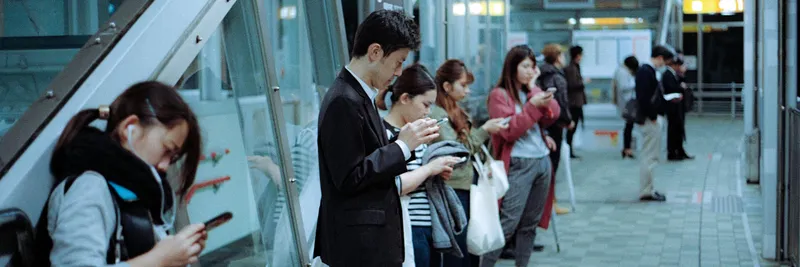
The younger generation is even more susceptible to the new-age devices and their lucrative offerings. It has gradually affected our cognitive skill development and depreciated physical activity. Children are getting more involved in visual forms of entertainment and avoiding playgrounds indicating a dire need for an update, like the technology. Devices have created a platform for pseudo interactions, taking away all the remaining of our wake time making us less social every day. Our devices are getting better day by day, but the neighborhoods we reside in, are still struggling to get an update.
Approaches
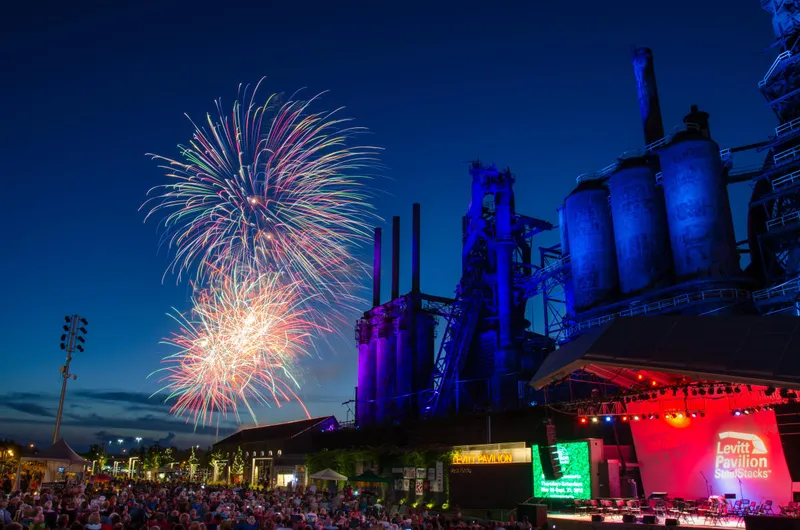
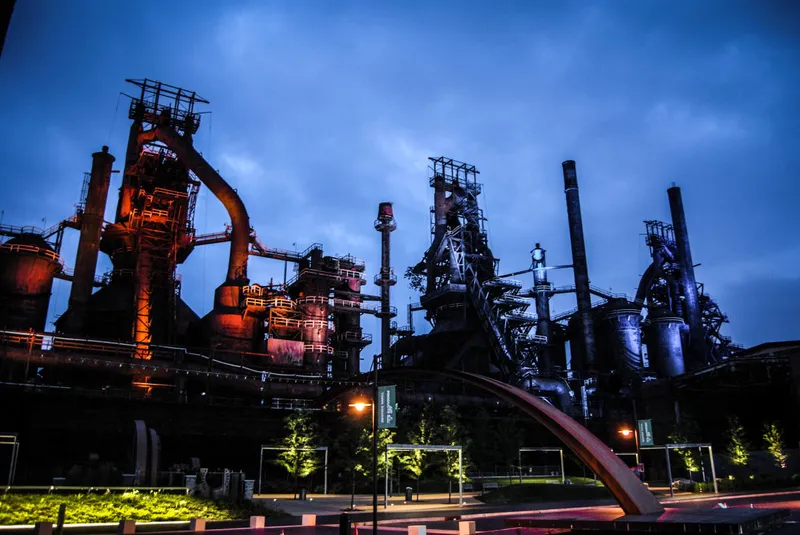
An innovative design approach has been made in projects of revamping dilapidated unused sites into creating vibrant community gathering spaces in the urban context, where digital media has affected the most. One of the best examples is the SteelStacks Arts and Cultural Campus Located in Bethlehem, Pennsylvania. It was a closed steel plant of a post-industrial town that was reforged into a green urban space for the residents of Leigh Valley and serves as a forecourt for the Bethlehem visitor’s Center. It has also converted some of the impervious pieces of land into porous zones minimizing the loss due to stormwater runoff. Steelstacks is a complete multifunctional zone that illuminates the old steel manufacturing equipment through the night. It attracts around 1.5 million visitors every year and is a new typology for post-industrial cities.
Day for Night Music Festival explores the deep connection between sound, light, space, and technology, hosted its 2016 edition in Barbara Jone Post Office in downtown Houston. It converted an abandoned building into 1.5 sq feet of arresting sensory data, hybrid indoor-outdoor space housed four massive stages with a seamless flow between the stages and immersive art installations. It was a perfect example of revitalizing unused urban spaces into stimulating forms, connecting people in the physical world rather than the virtual.
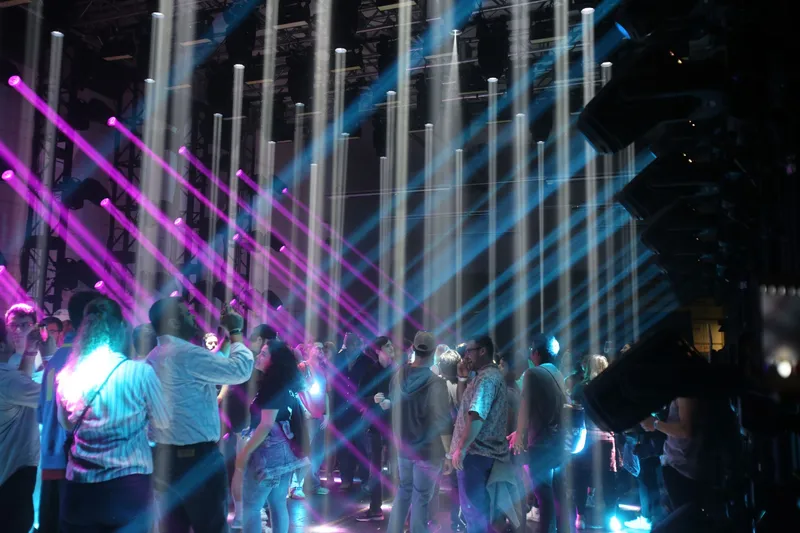
Nightlife in context with urban areas has changed over the years, which started as a small campfire during ancient nomadic times. It used to be a gathering point for people to connect after a long day, or on a cold winter night. Striking conversations with each other, campfires changed their course and became a luxury for the urban crowd that needed a gate away to enjoy it. The scope of interactions became lesser, as cities grew larger. Technology updates itself to mold into the human lifestyle but public spaces did not grow at the same pace. A design update is necessary to bring alive human interaction.
Conclusion
Commun has introduced a challenge to re-interpret this “campfire” at an urban level that can bring people together through fresher experiences of public space at night. It aims to accumulate the ideas of social gathering spaces at an urban level instigated by light as its creative feature for nightlife.



Popular Articles
Popular articles from the community


Co-Life: Senior Housing Design That Reconnects Older Adults With the City
Co-Life reimagines senior housing design through healing gardens, shared streets, workshops, and a sustainable community across generations.

The Earth Pod: 3D Printed Homes for Resilient Refugee Communities
The Earth Pod reimagines refugee housing through 3D printed homes made from clay, combining resilience, self-sufficiency, and rapid shelter.

Riyadh For All: Intergenerational Urban Design for Active Aging in Rabat
Riyadh For All reimagines urban design in Rabat with intergenerational co-living, adaptive courtyards, and Moroccan cultural exchange today.

Conexión: Biophilic Design Reimagines High-Rise Living in Hong Kong
Conexión reimagines high-rise living in Hong Kong through biophilic design, green facades, shared spaces, daylight, water and nature within.

Similar Reads
You might also enjoy these articles

Bao Huynh Watercolor Atelier: A Serene Art Retreat in Hội An
Bao Huynh Watercolor Atelier in Hội An blends multifunctional art spaces, sustainable design, local materials, and family-friendly living in a serene environment.

Atelier Macri Concept Store Interior Design by CASE-REAL
Atelier Macri store features a "ko" counter, walnut wood details, cork displays, blending retail, gallery, and seamless customer experiences.

Manuel Vargas Izquierdo Stadium and High-Performance Sports Center: Architectural Excellence in Jalpa de Méndez
The Manuel Vargas Izquierdo Stadium blends sustainable design, inclusive sports facilities, and cultural-inspired architecture, revitalizing Jalpa de Méndez’s public spaces.

KAKR Buluh Awar Hall: Revitalizing Community and Ecology Through Bamboo Architecture
Community built bamboo hall revitalizes Buluh Awar village, empowering youth, restoring ecology, celebrating vernacular craftsmanship through sustainable architecture and culture.


Comments (0)
Please login or sign up to add comments
No comments yet. Be the first to comment!