Adaptive Reuse Architecture Projects: Exemplified by Ex Officine Tosi / Ambientevario
Exploring Ex Officine Tosi's transformation by Ambientevario: a harmonious blend of historical preservation and modern design in adaptive reuse architecture.


Adaptive reuse is a pivotal approach in contemporary architecture, where old buildings are repurposed with new design elements and functionalities. This strategy not only preserves historical architecture but also contributes to sustainable development by reducing the need for new resources. The Ex Officine Tosi, transformed by Ambientevario in Formigine, Italy, serves as an exemplary model of adaptive reuse, blending historical elements with modern design innovations.
Preserving History Through Architecture
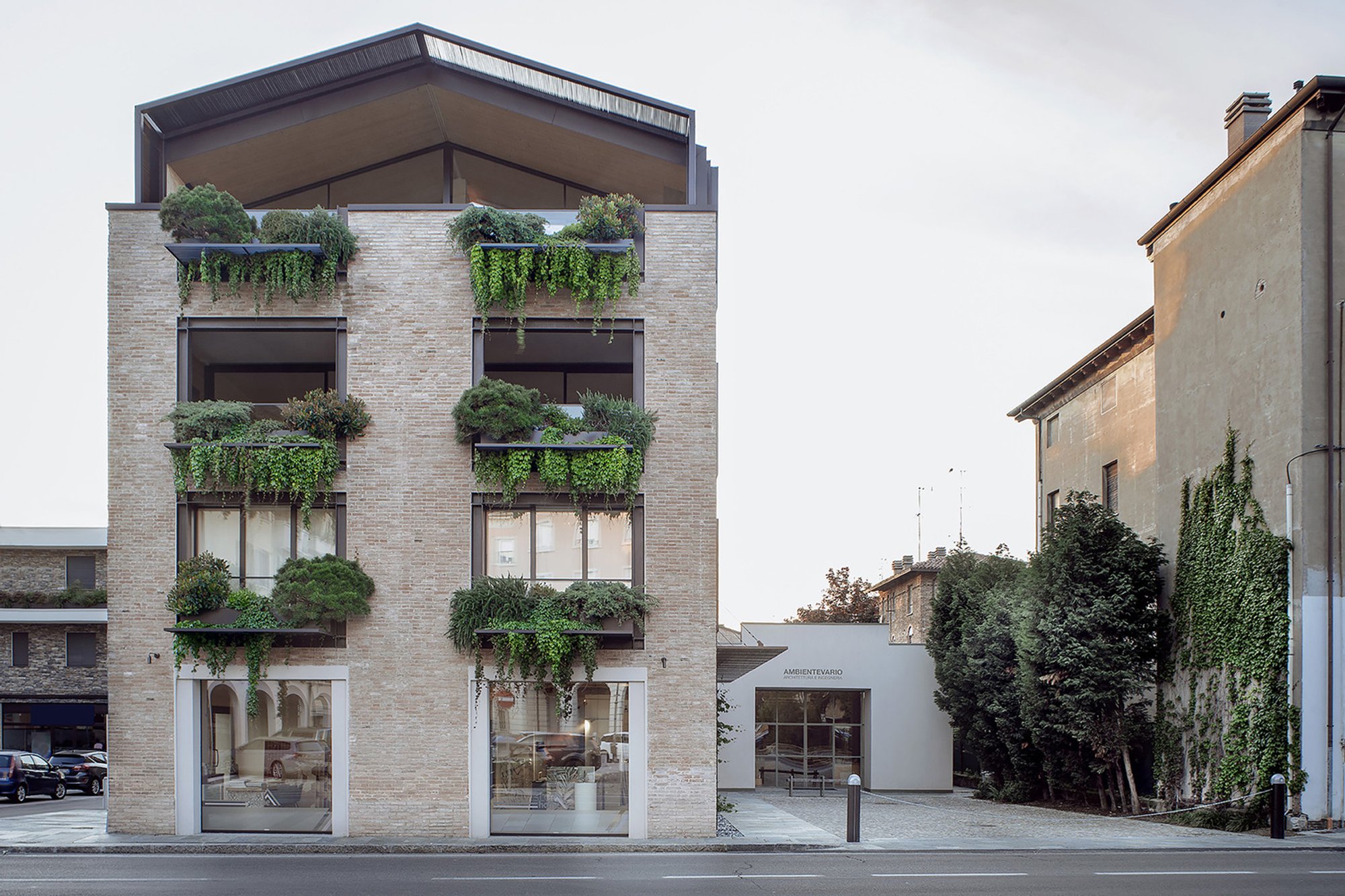
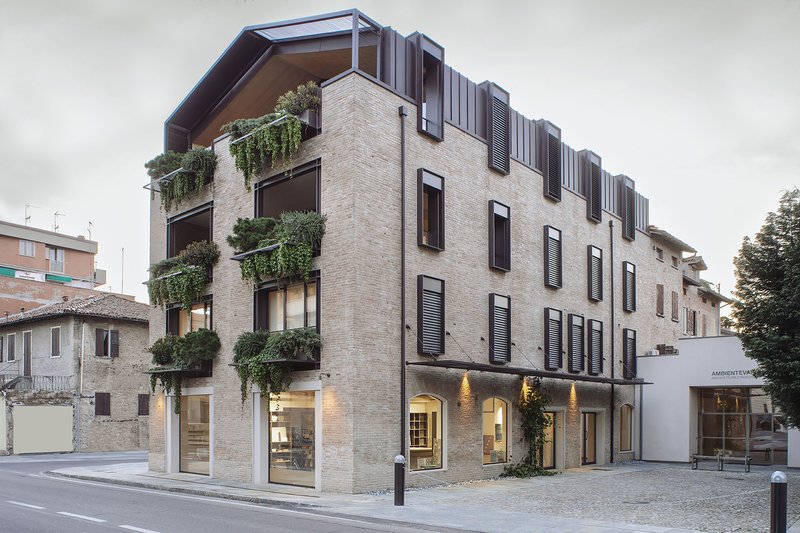
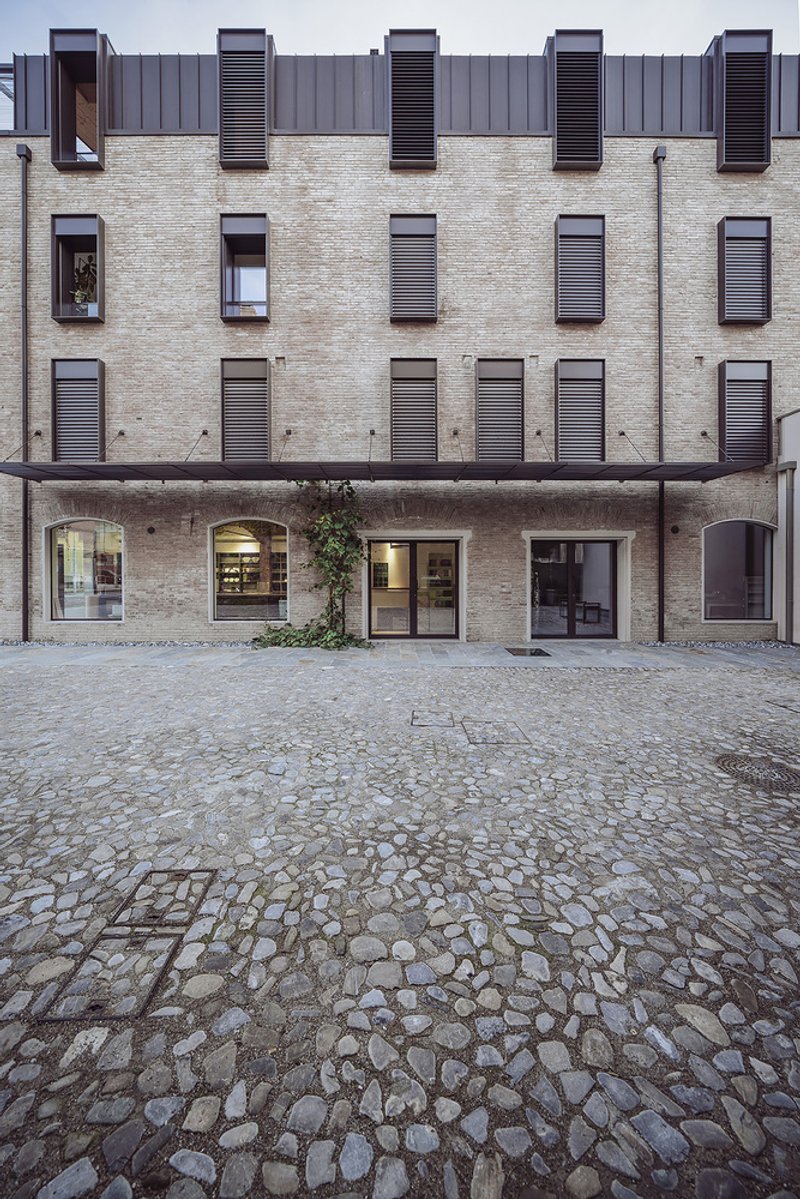
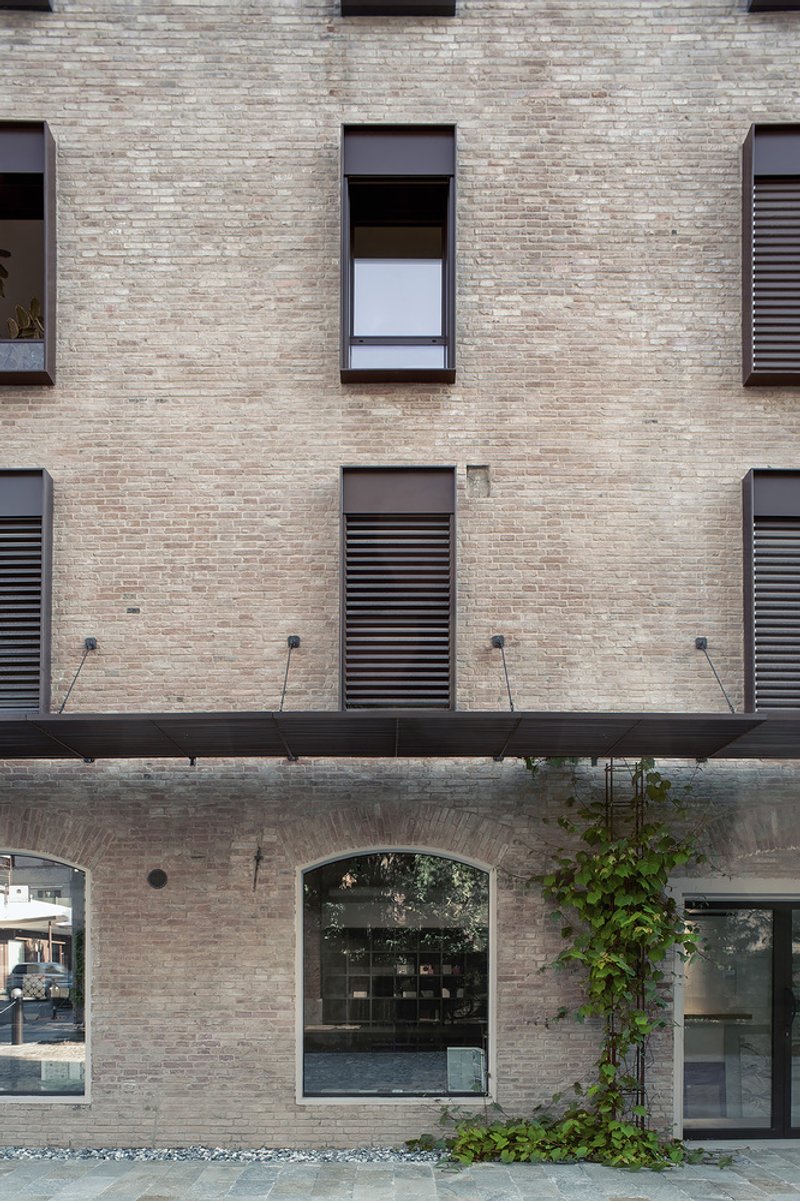
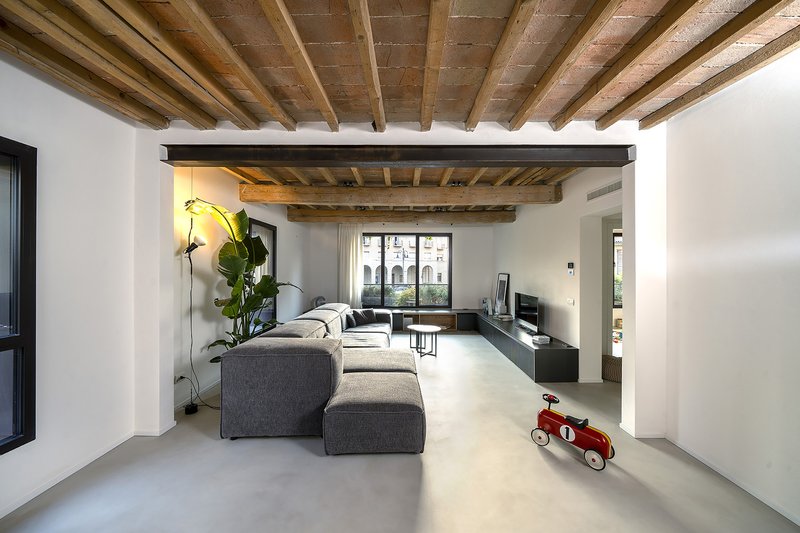
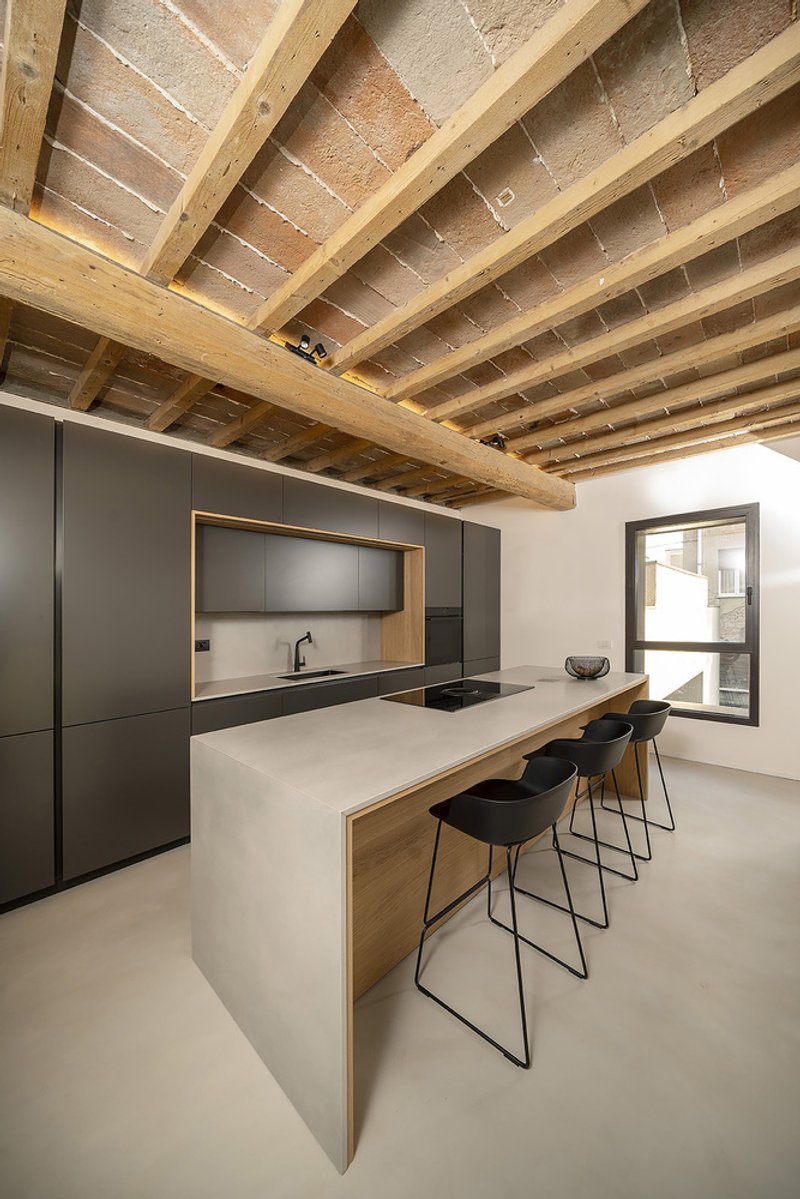
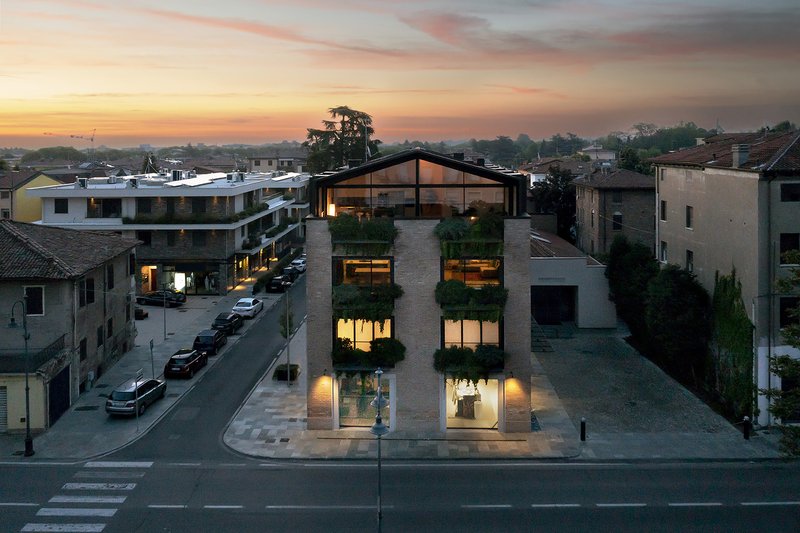
The Ex Officine Tosi project, finalized in 2022, showcases the meticulous preservation of the building's original aesthetic, particularly its exposed brick exteriors and antique vaults. This preservation effort underscores the value of maintaining architectural history while integrating new, functional elements that cater to contemporary needs.
The Challenge of Integrating Old and New
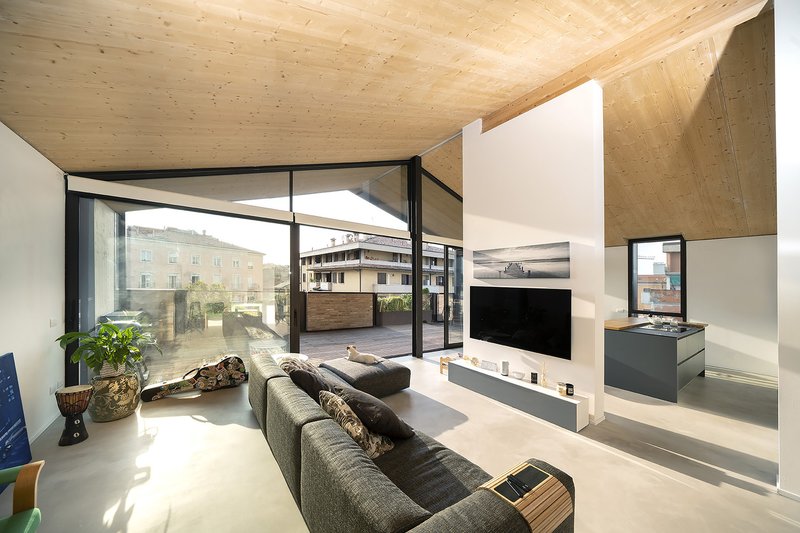
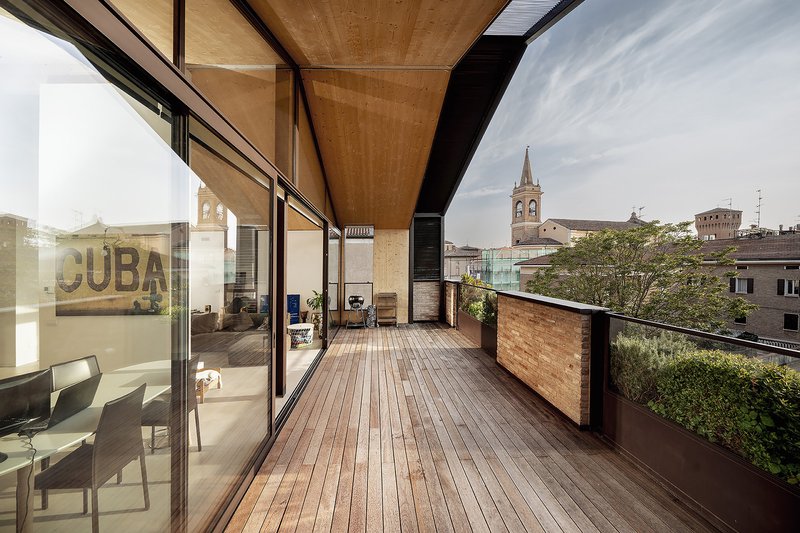
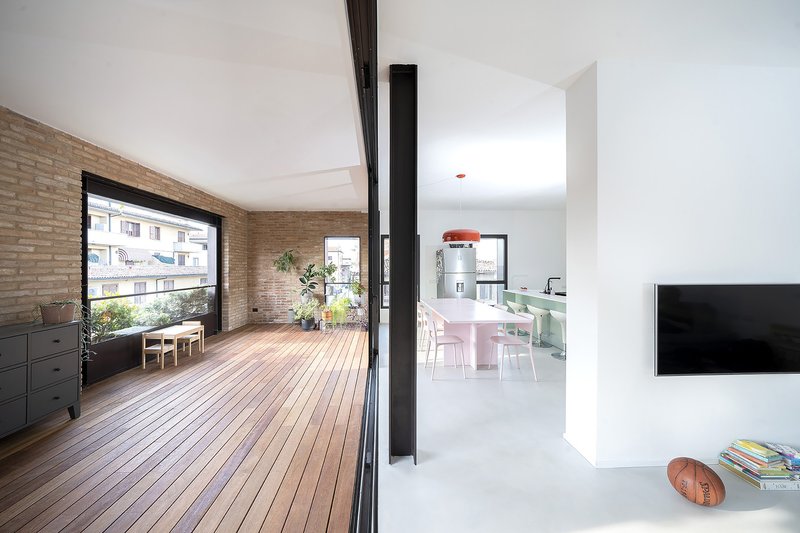
A significant aspect of the Ex Officine Tosi project is the harmonious integration of old and new materials. The project's super elevation exemplifies the use of modern materials, such as x-lam wooden panels and dark metal sheets, which contrast yet complement the traditional brickwork. This juxtaposition illustrates the project's overarching theme: the dialogue between the building's historical past and its contemporary adaptation.
Technical Innovations and Sustainability
Key to the project's success are the technical innovations employed, including seismic retrofitting and the enhancement of the building's energy performance. The use of thermal-reflecting materials and mineral wool for insulation exemplifies the project's commitment to sustainability. Moreover, the structural modifications, such as reinforced foundations and steel hoops, ensure the building's longevity and safety.
The Role of Natural Elements in Adaptive Reuse
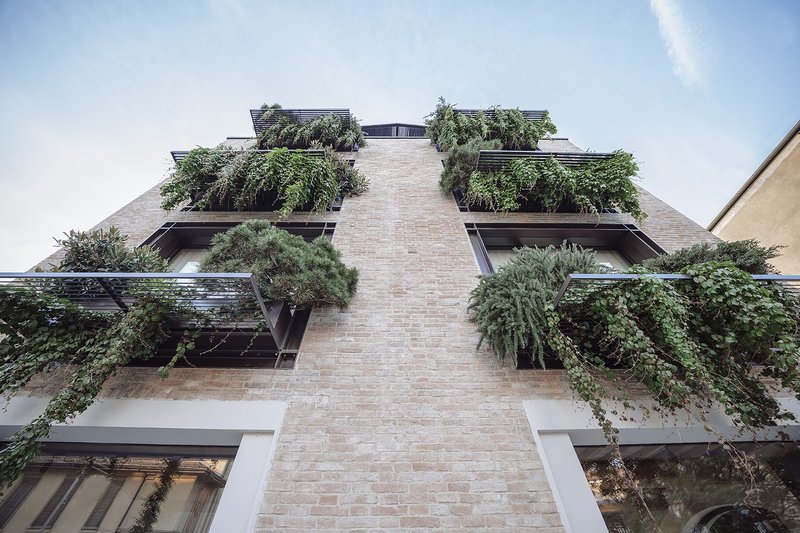
Incorporating natural elements into the Ex Officine Tosi project adds an essential layer to its architectural significance. The strategic placement of plants on the building's facade not only beautifies the space but also offers practical benefits, such as solar shading and creating a noise barrier. This integration of nature within the urban landscape highlights the project's innovative approach to adaptive reuse.
The Future of Adaptive Reuse Architecture
The Ex Officine Tosi / Ambientevario project stands as a testament to the potential of adaptive reuse architecture to preserve our cultural heritage while adapting to contemporary needs. By meticulously blending historical elements with modern design and sustainability practices, such projects pave the way for future architectural endeavors that respect our past while innovating for our future.
This project not only revitalizes a piece of architectural history in Formigine, Italy, but also serves as an inspiration for architects and developers worldwide to embrace adaptive reuse as a viable and sustainable approach to modern urban development.
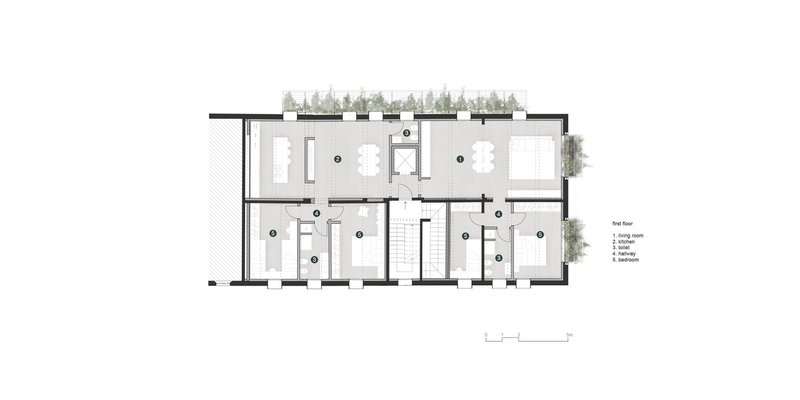
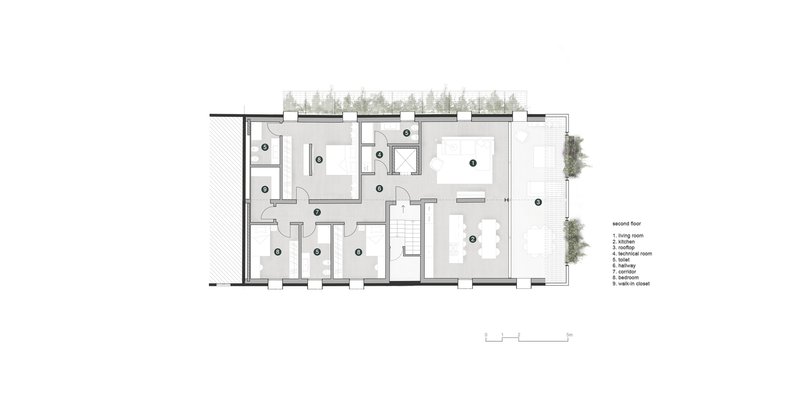
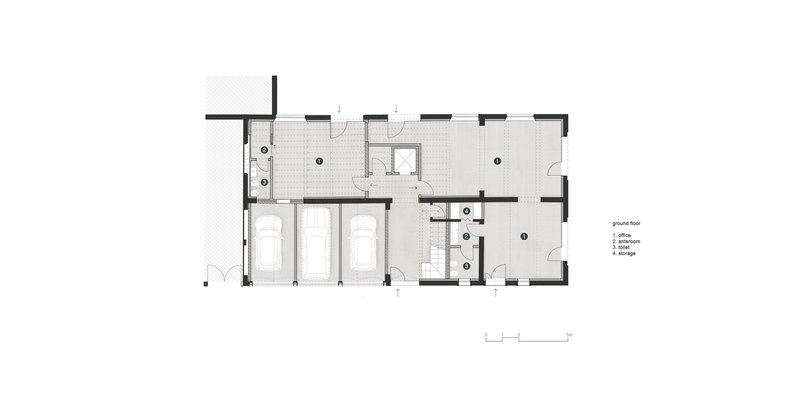
All the photographs are work of Gabriele Melloni