Adaptive Reuse Coffee Shop Design: Transforming an Ice-Cutting Room into LOCAL FISH COFFEE
This article explores how an ice-cutting room was transformed into LOCAL FISH COFFEE, celebrating heritage and adaptive reuse design.


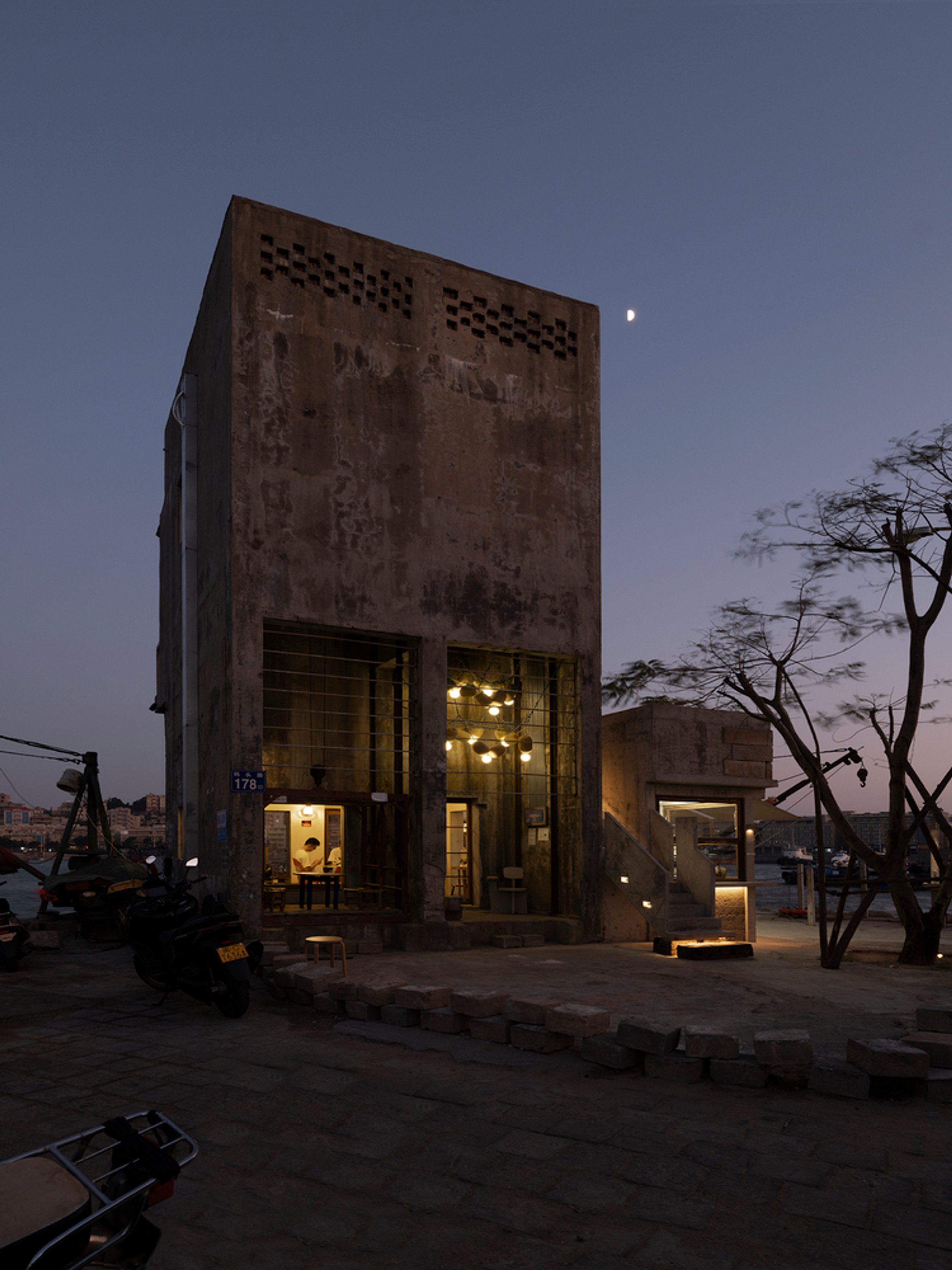
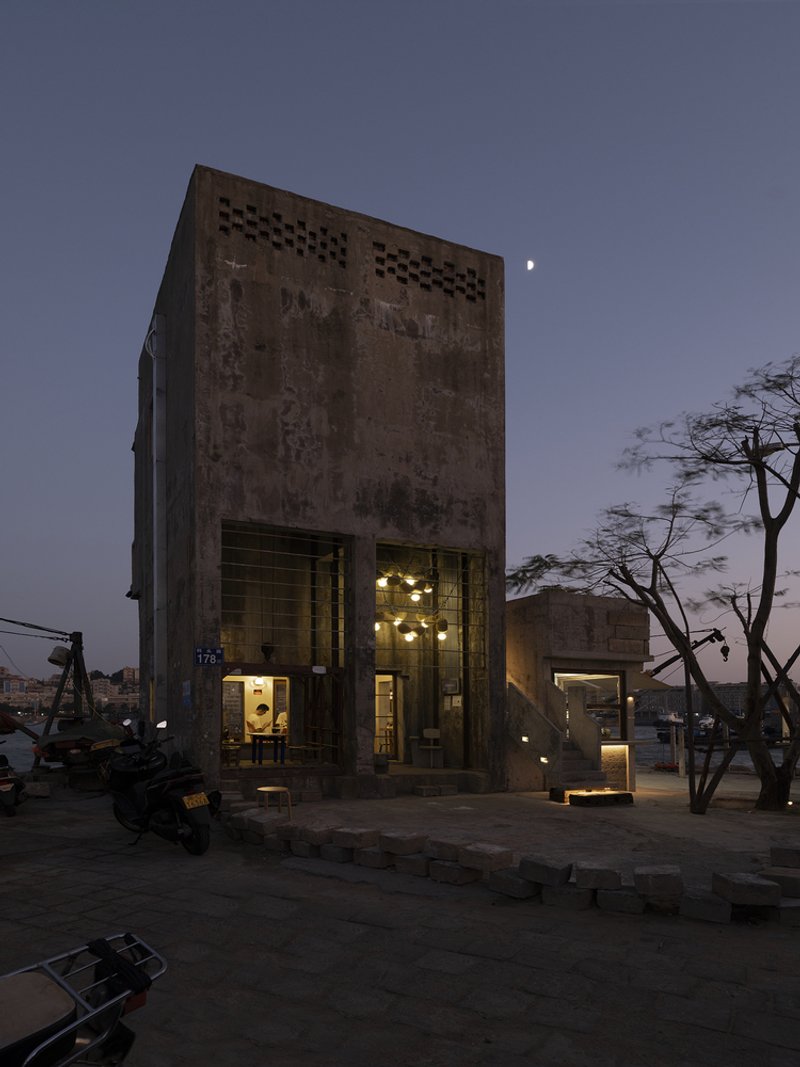
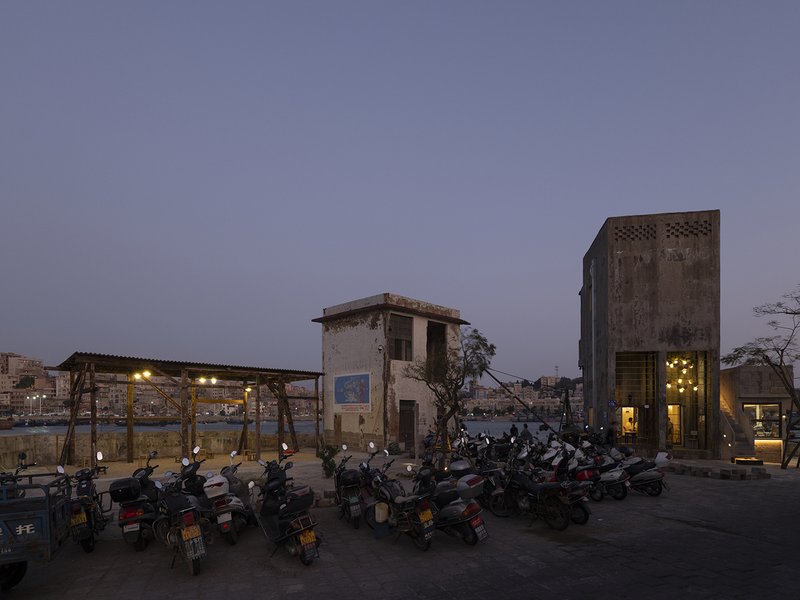
In the heart of Quanzhou, China, a former ice-cutting room has been reimagined as LOCAL FISH COFFEE, a unique café blending the charm of its industrial past with modern functionality. Designed by Devolution, this adaptive reuse project demonstrates how thoughtful architectural transformations can preserve a site’s historical essence while serving new purposes. The 200 m² coffee shop sits at the dock, offering a gathering space for locals and visitors while celebrating the rich heritage of the fishing port.
Preserving the Soul of a Fishing Port
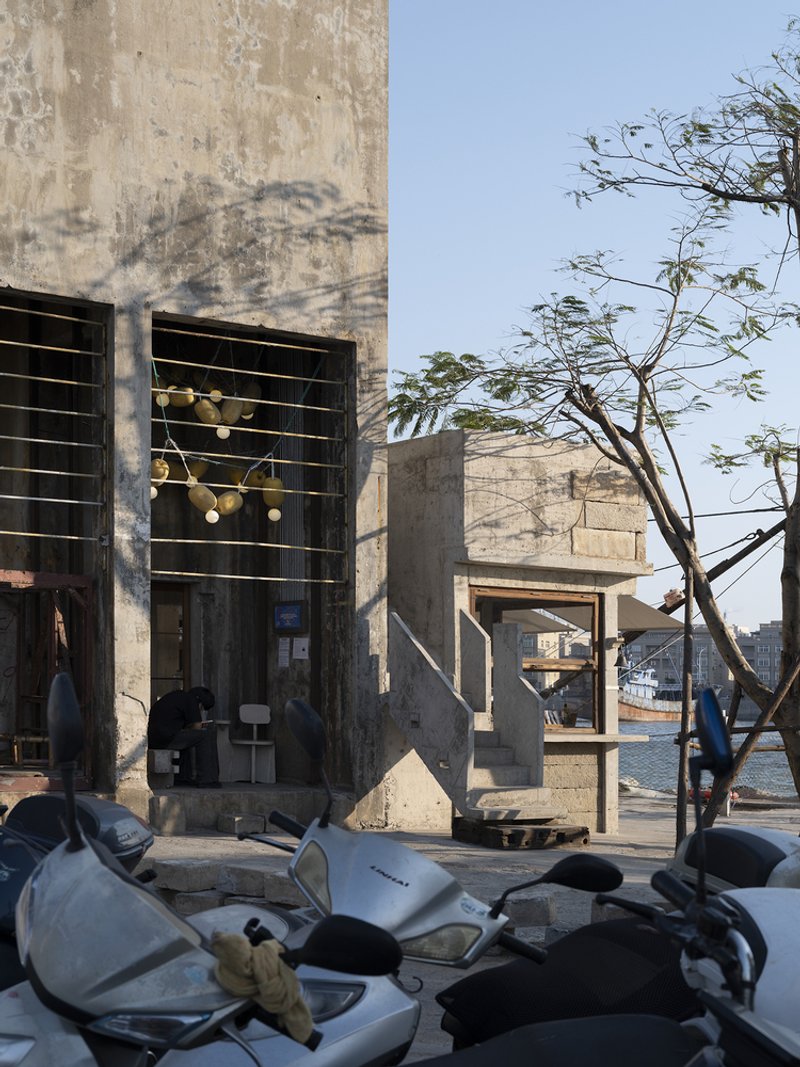
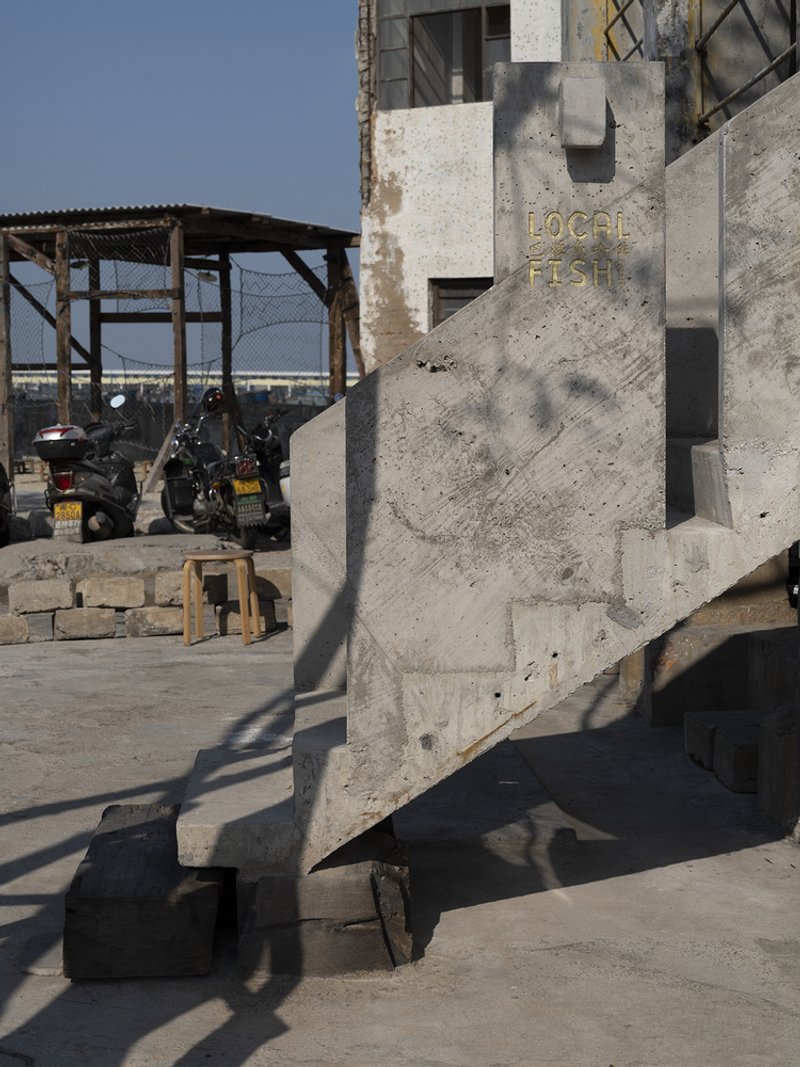
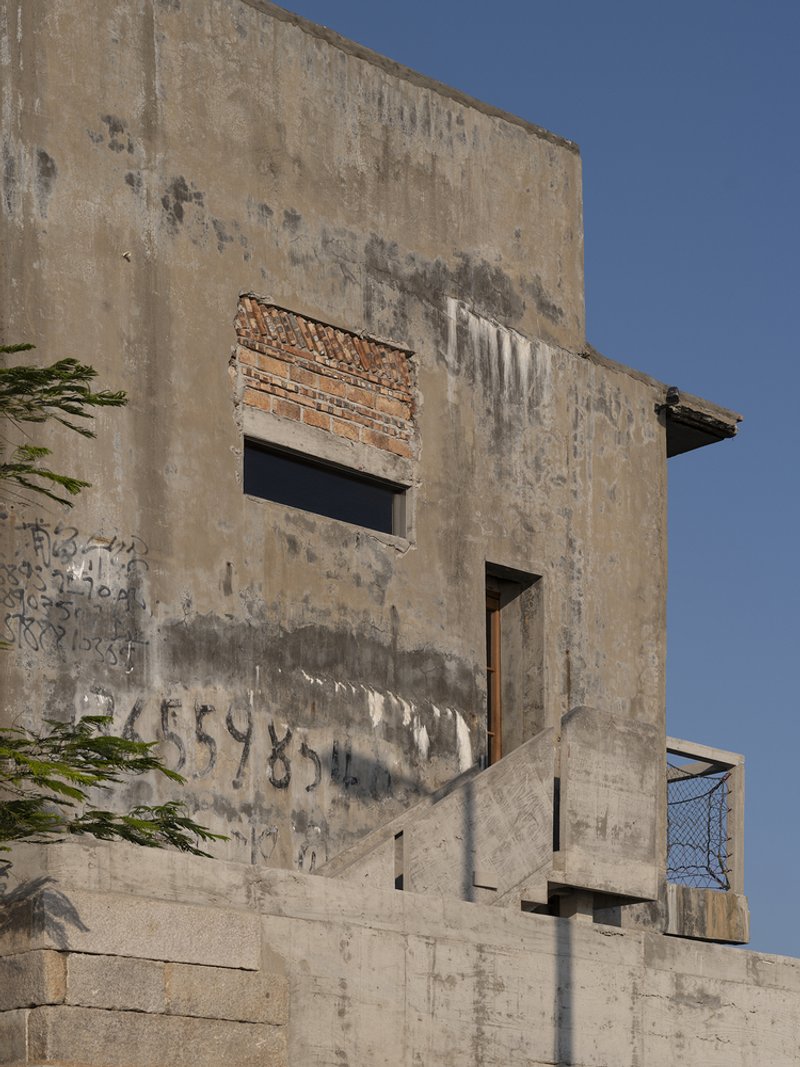
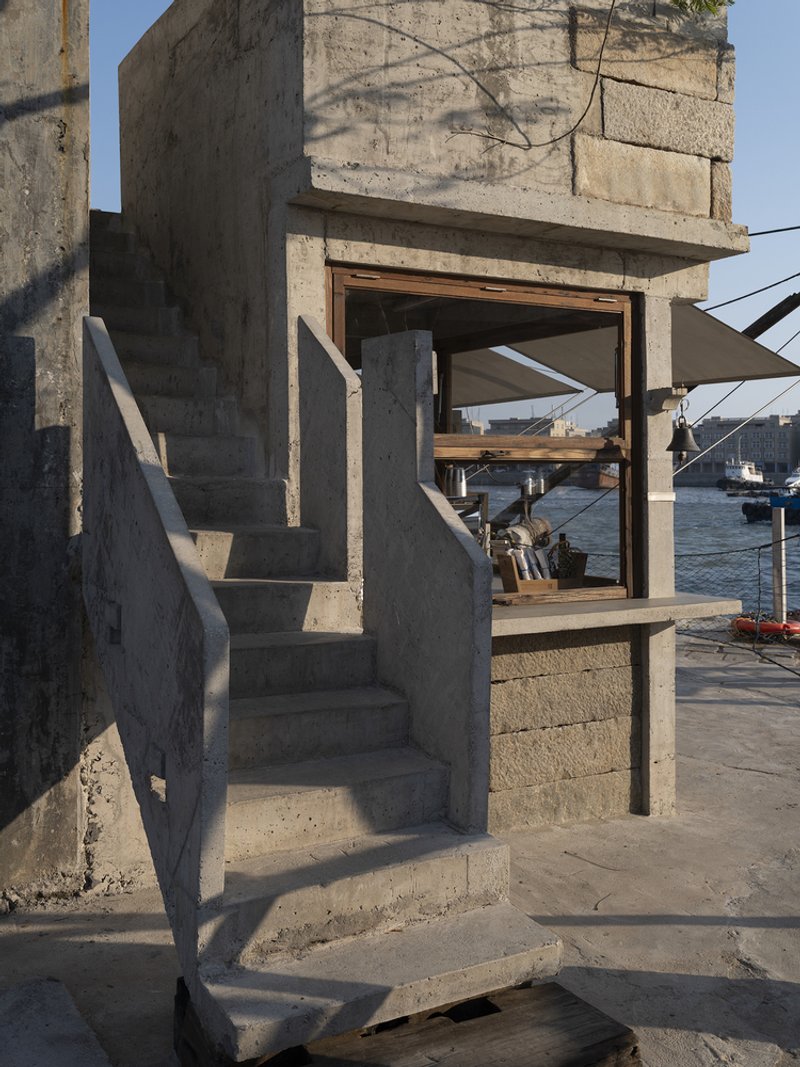
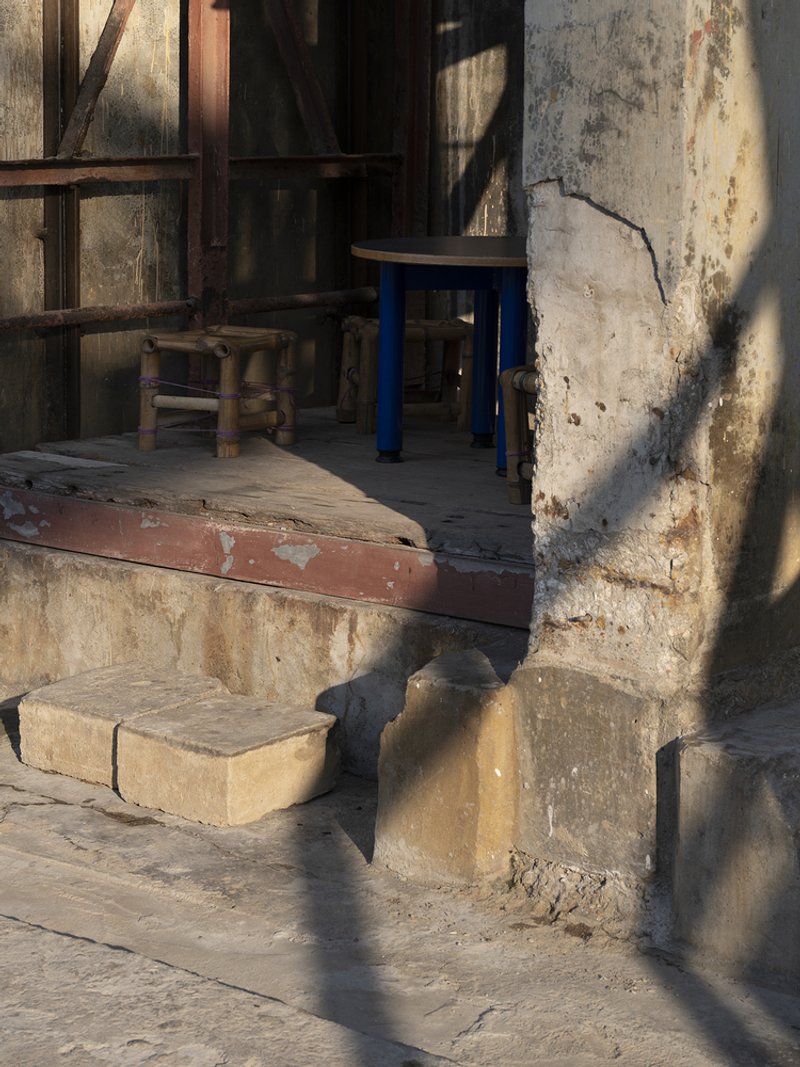
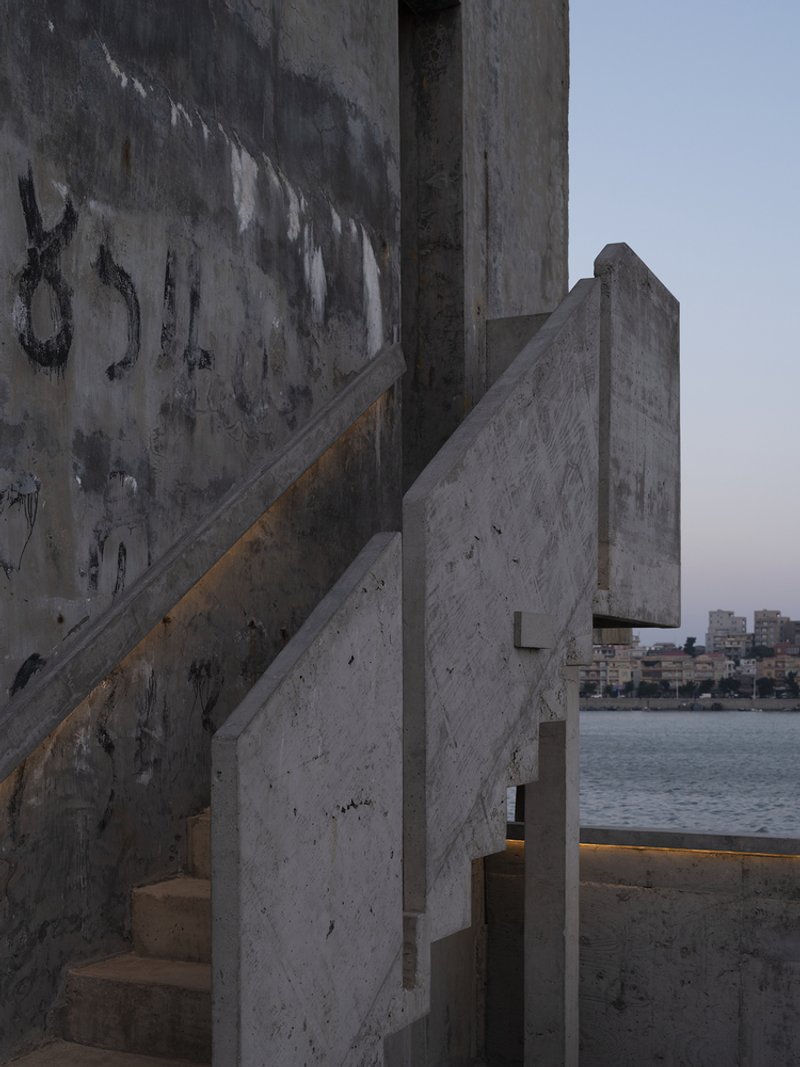
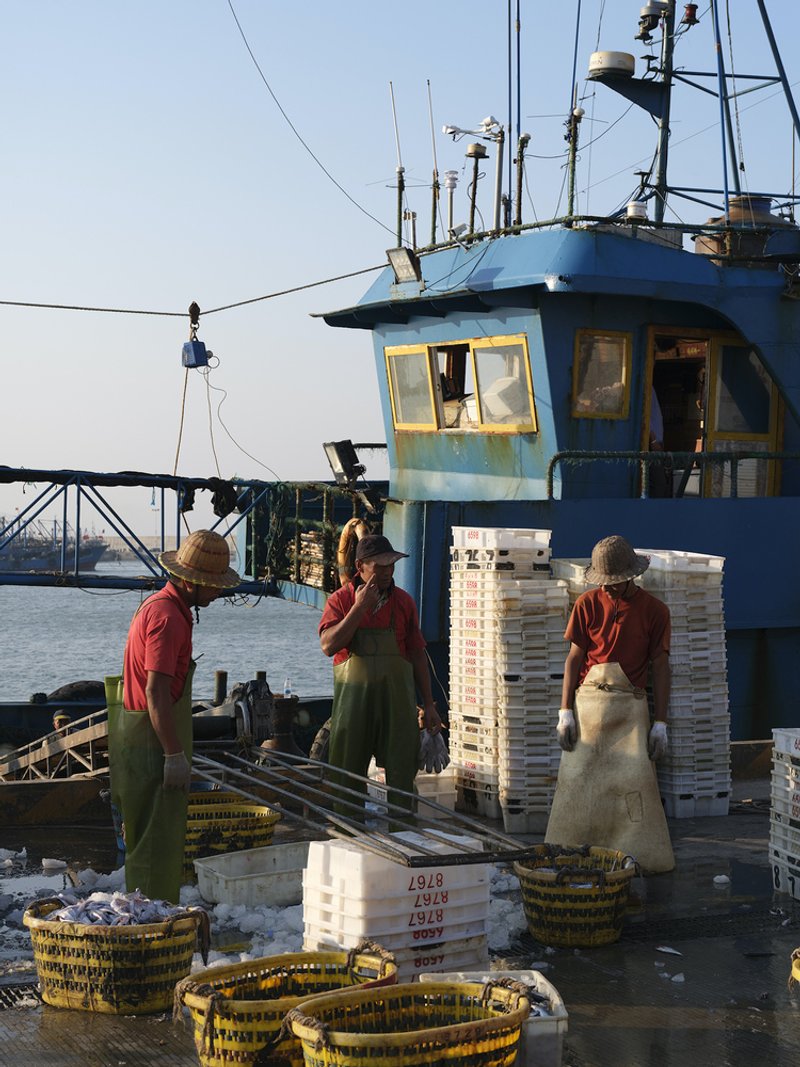
LOCAL FISH COFFEE is situated in a historically significant location, once bustling with fishermen, boats, and ice deliveries. The site’s transformation began with a shared vision between the designers and the café’s operators, Yasan and Amei. The project aimed to respect the building’s original character while introducing modern conveniences. Walls corroded by sea salt, exposed steel bars, and inscriptions of fishing boat numbers were preserved, keeping the spirit of the dock alive.
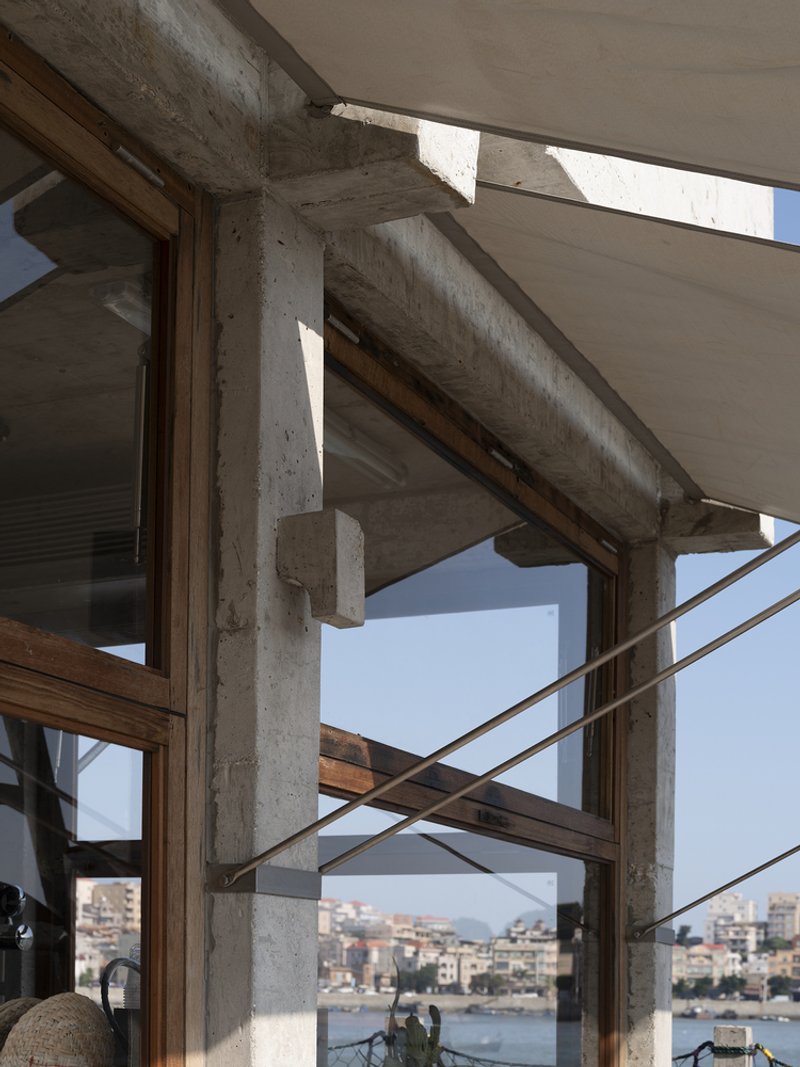
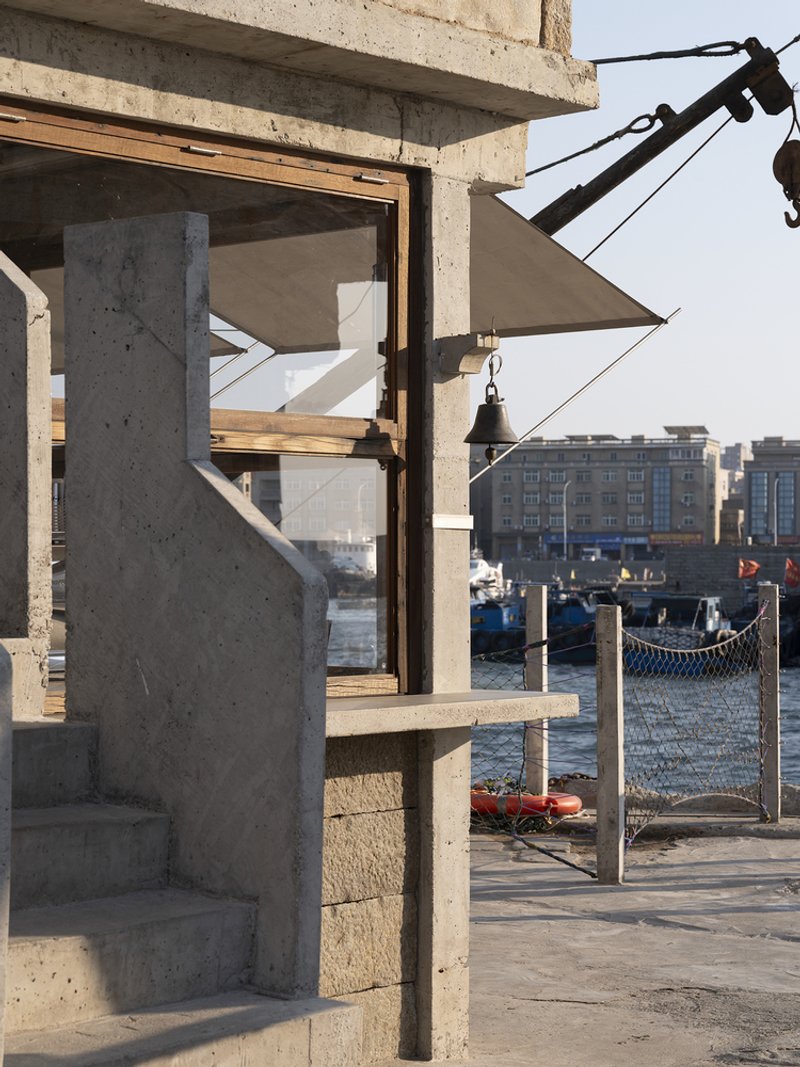
Instead of adopting superficial changes, such as painting the building pink for aesthetics, the design embraced the structure’s raw authenticity. This approach honored the history of the space, allowing it to resonate deeply with the local community.
Spatial Design Reflecting the Building's Heritage
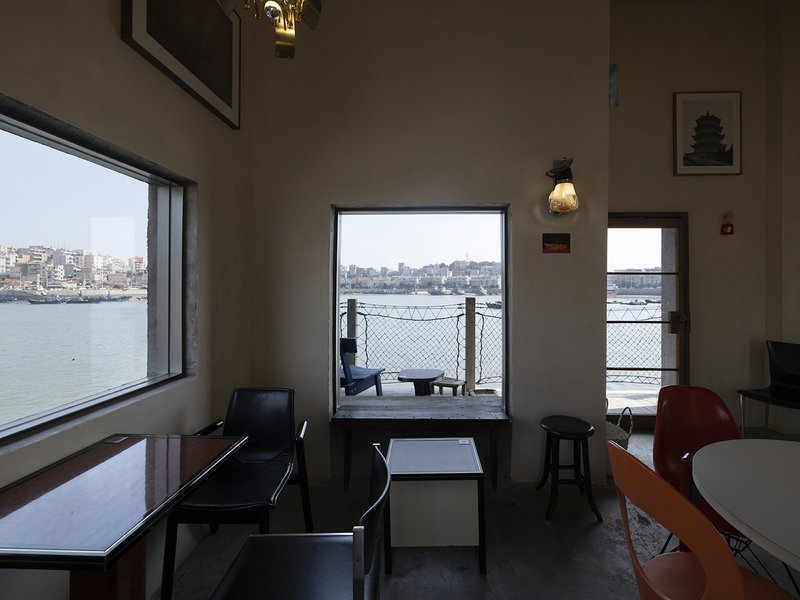
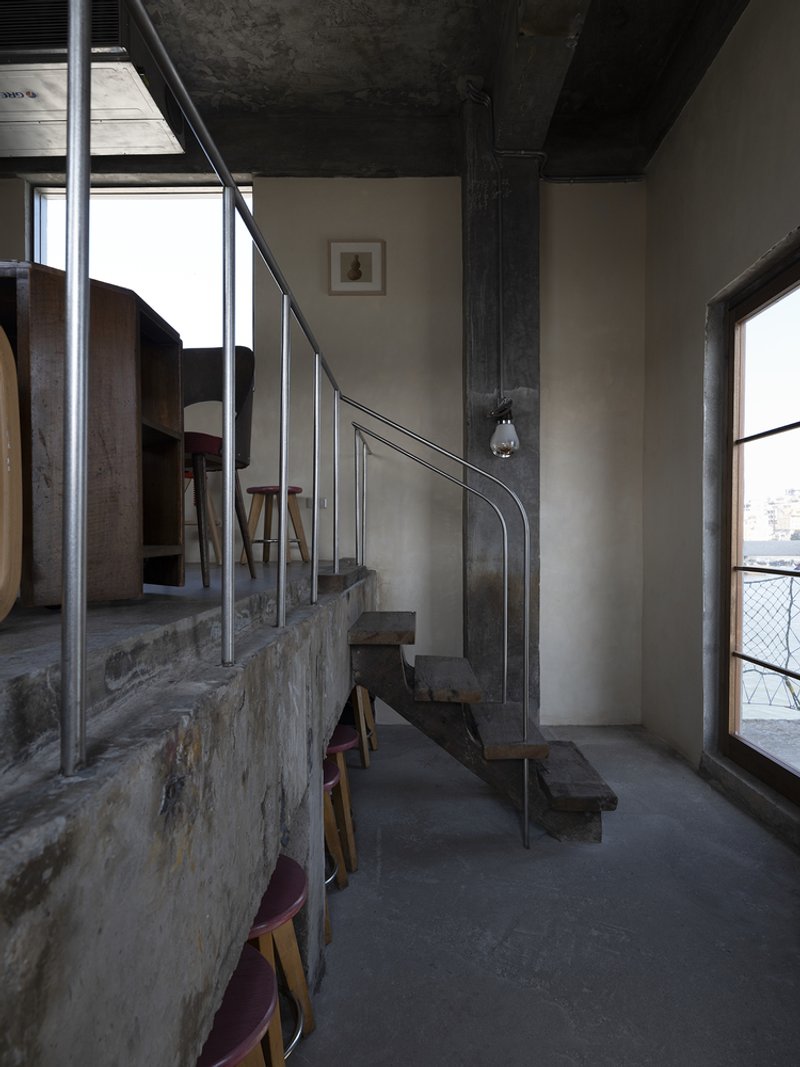
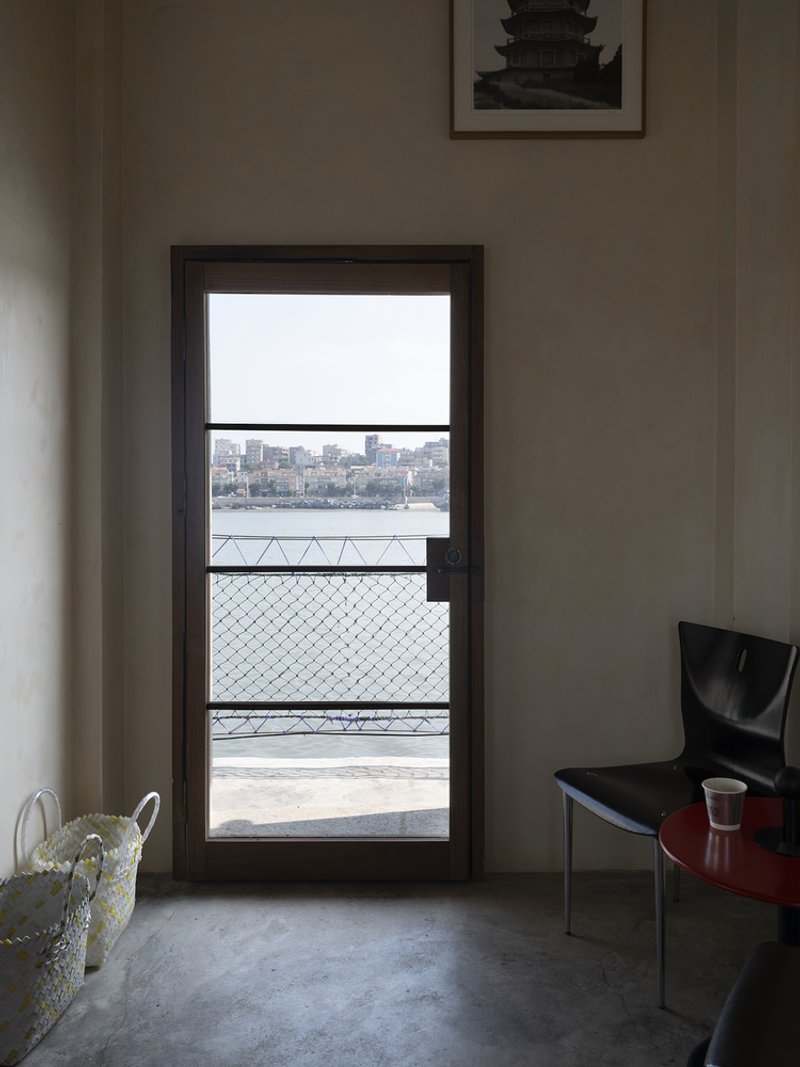
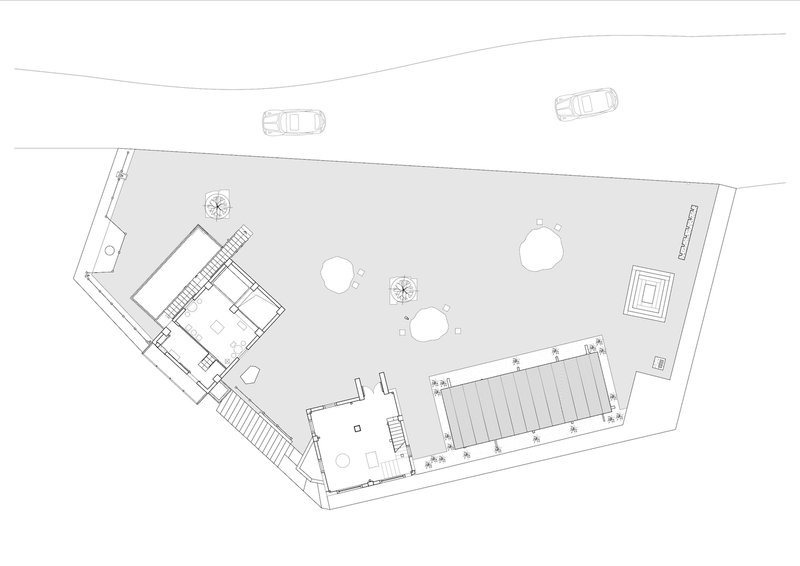
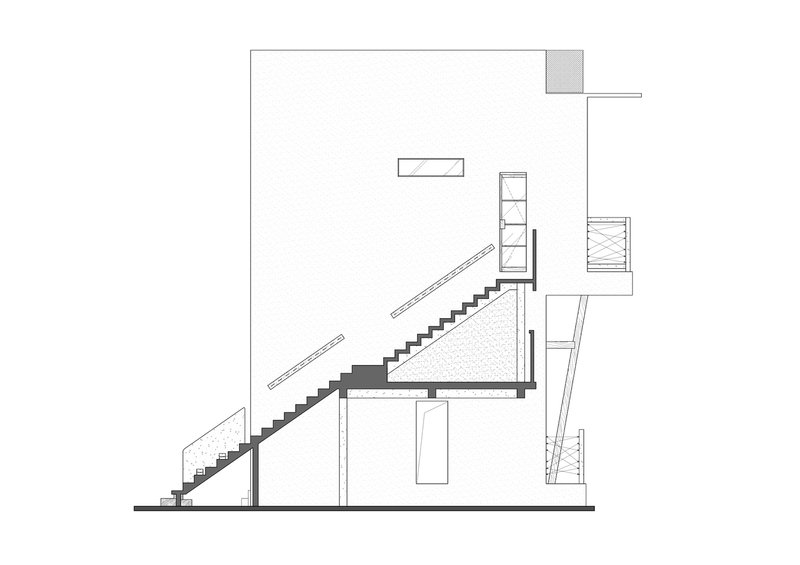
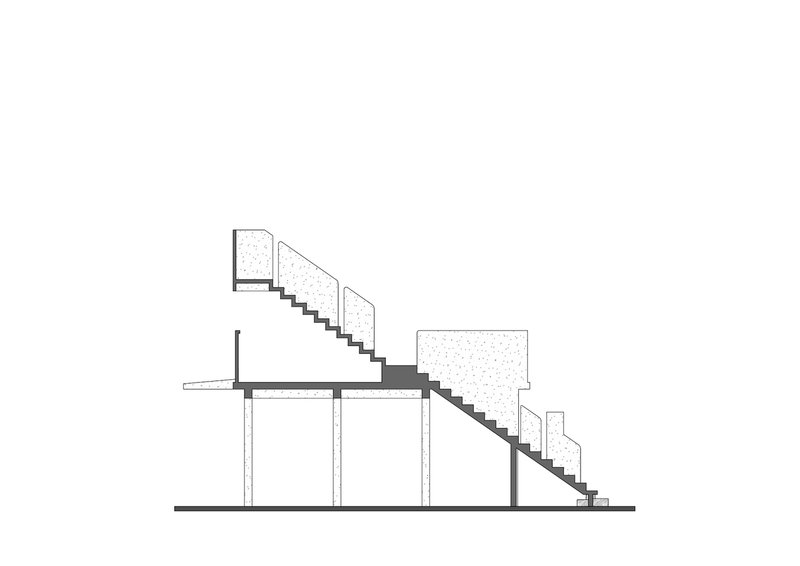
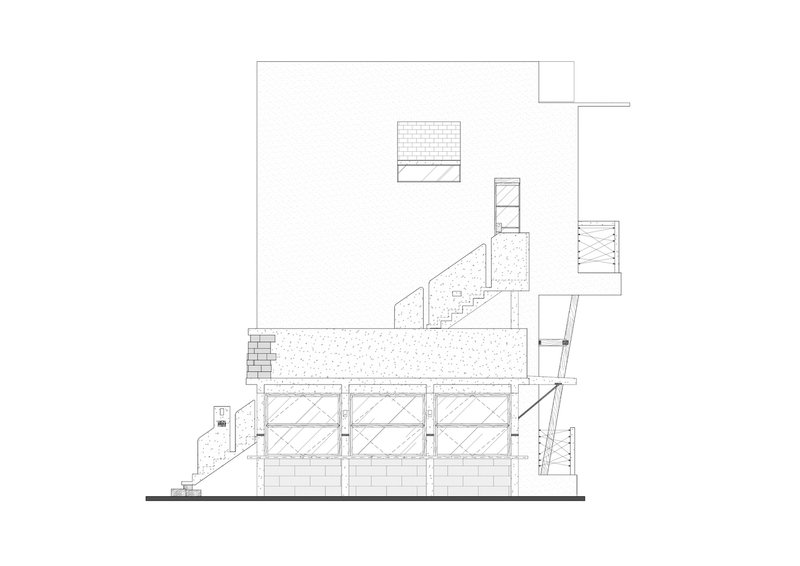
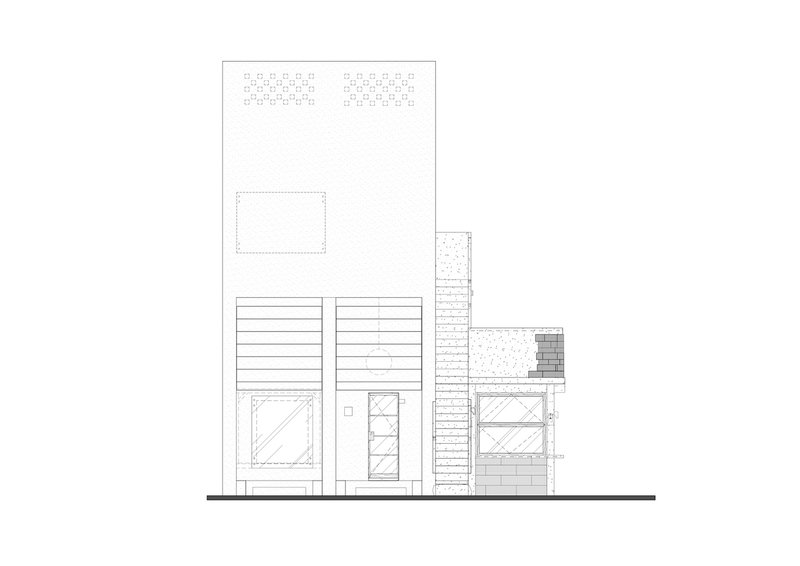
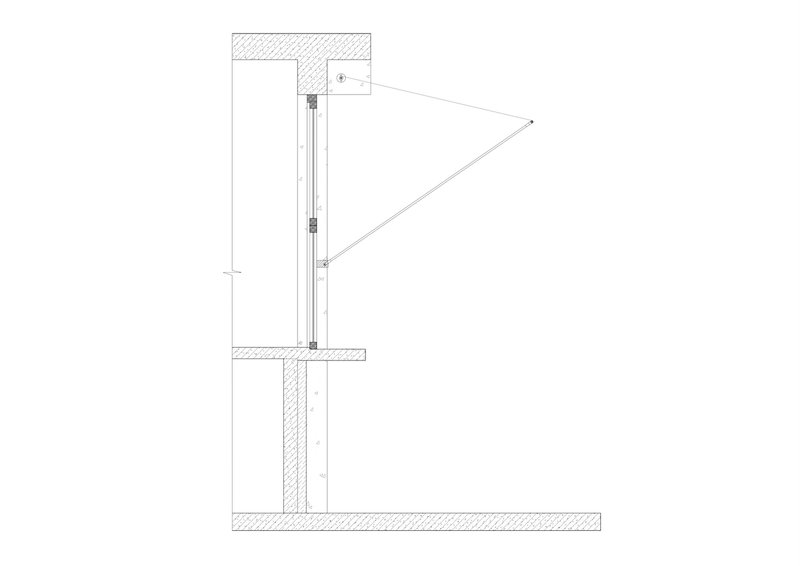
The architecture of LOCAL FISH COFFEE retains the unique scale and spatial qualities of the former ice-cutting room. Narrow doors, compact staircases, and tight turning platforms evoke the building’s industrial roots. To invite the surrounding port into the café, large windows were installed, framing picturesque views of the bustling harbor.
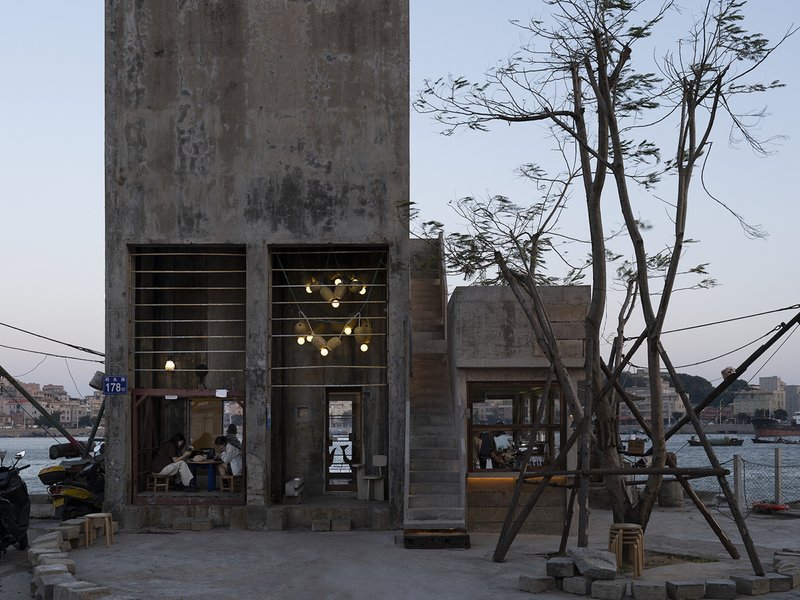
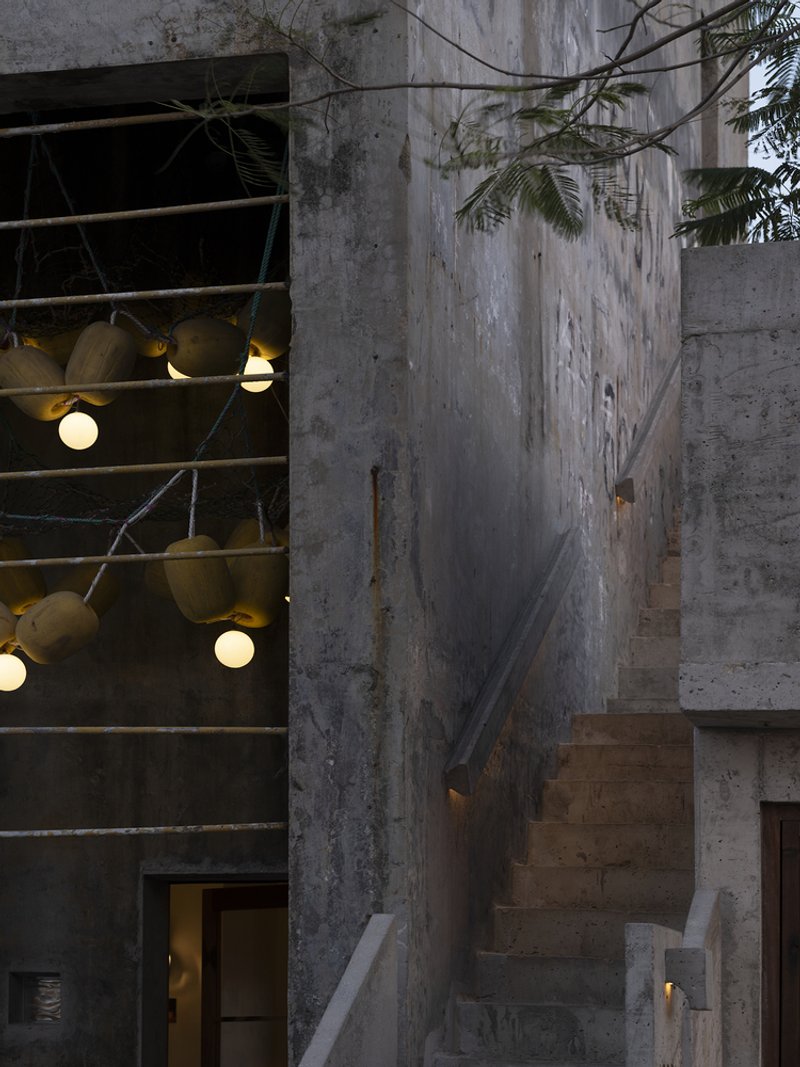
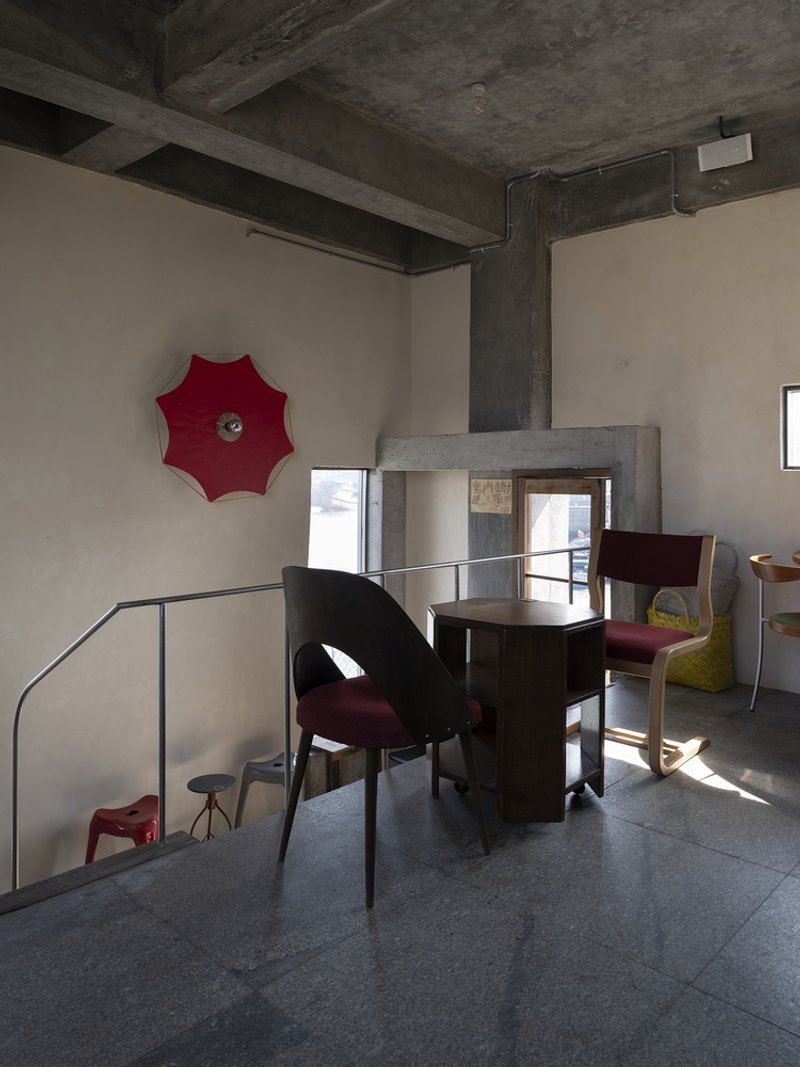
The ice-cutting room’s original lifting platforms were creatively repurposed. One platform was lowered to create a sunken seating area on the ground floor, while the other was elevated to the second floor, functioning as a small exhibition space that highlights local art and fishing culture.
Subtle Detailing for a Balanced Aesthetic
While the design retains the rough, weathered surfaces of the original structure, subtle interventions add a sense of quality. Furniture, lighting fixtures, and artwork selected by the owners complement the restrained design approach, enhancing the space’s character without overpowering its simplicity. These thoughtful touches contribute to the café’s warm and welcoming ambiance.
Incorporating Local Craft and Culture
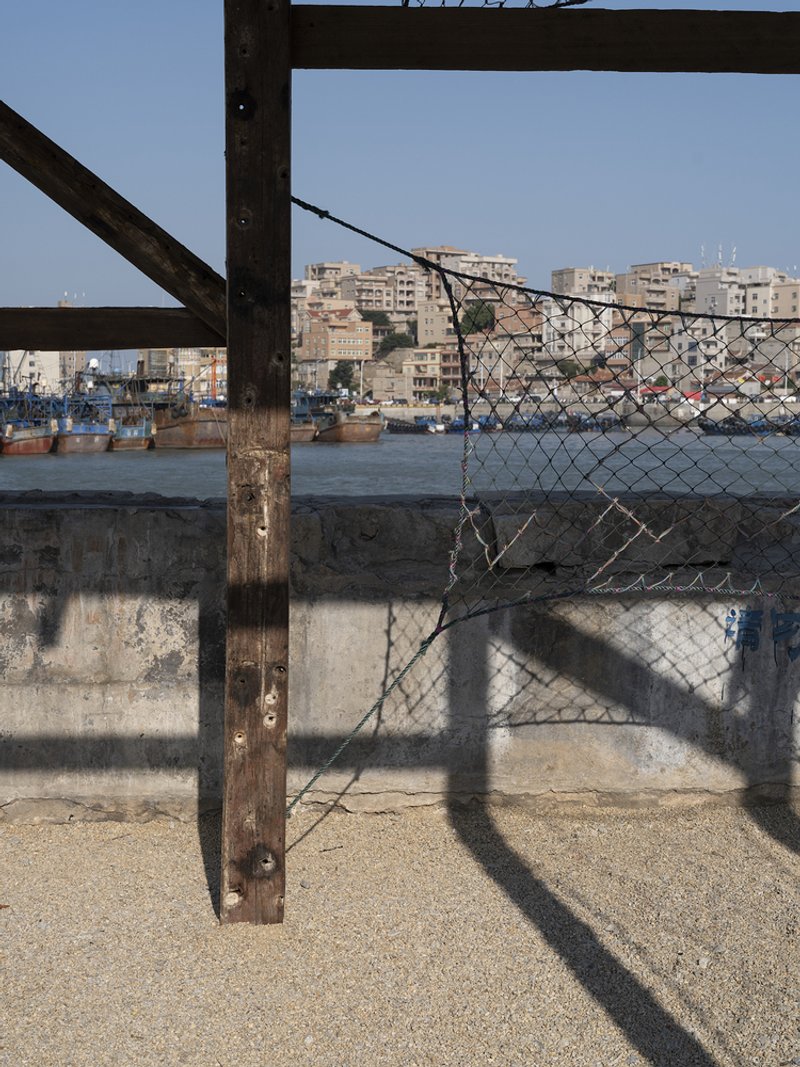
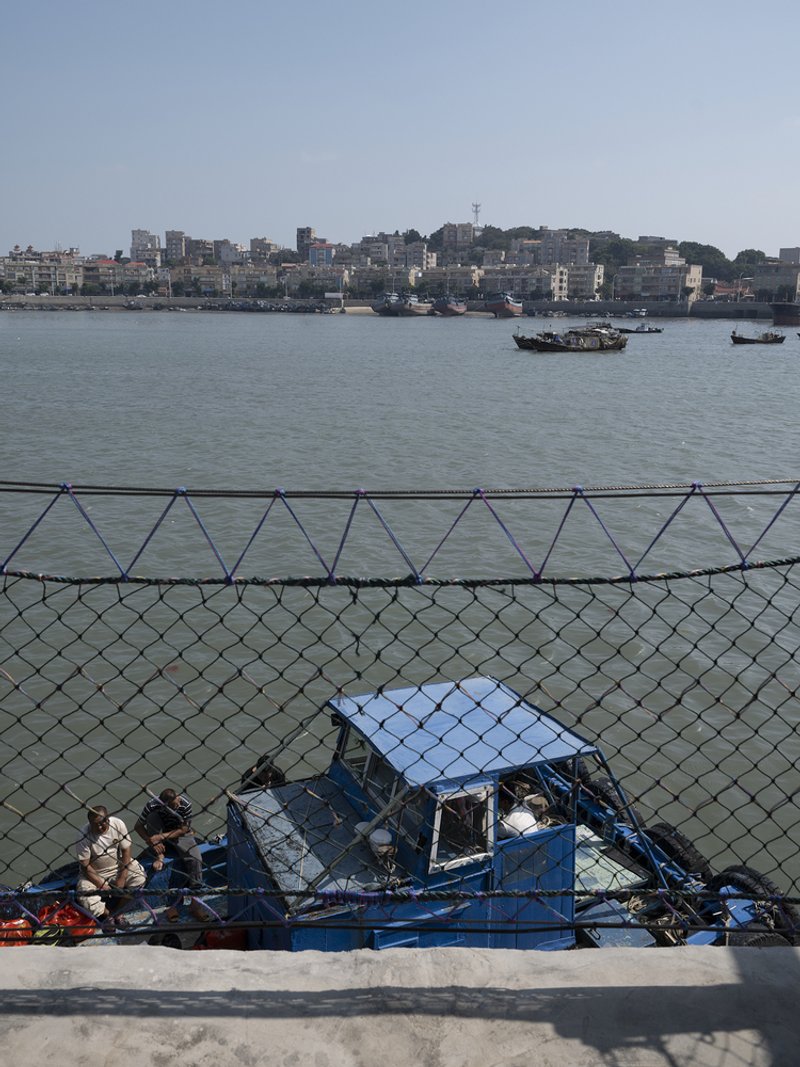
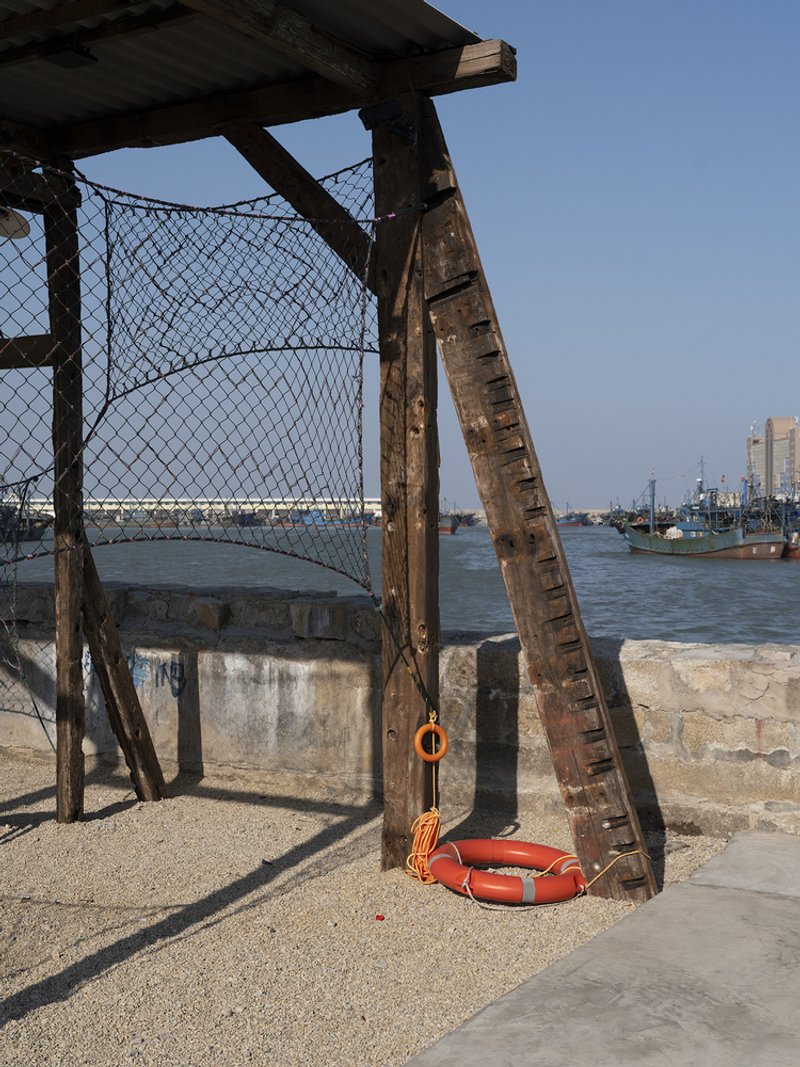
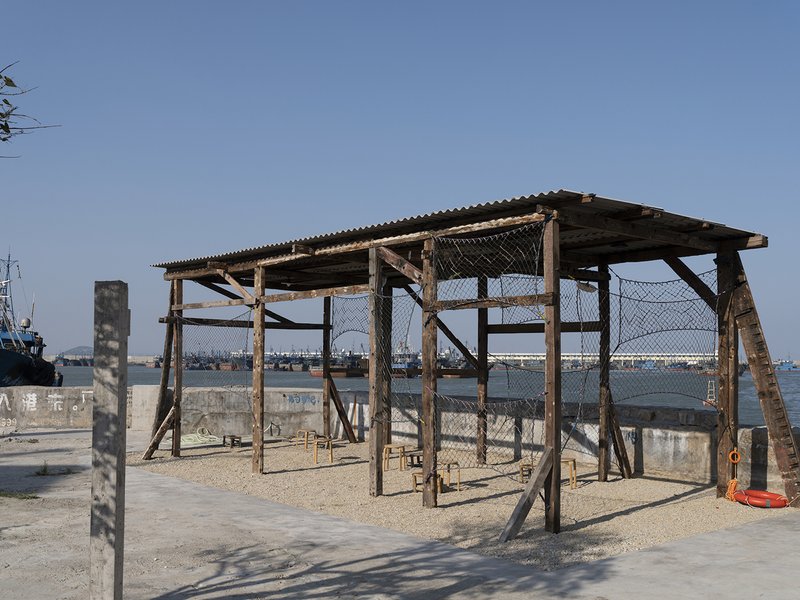
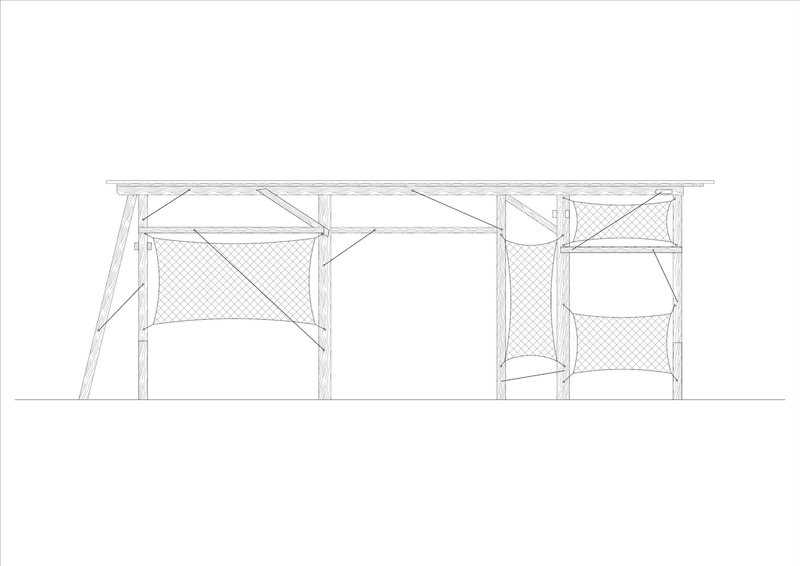
Adjacent to the two small buildings, the skeleton of a decommissioned ship has been repurposed into a shed structure. This space, shaded by colorful fishing nets woven by local fishermen, serves as a shared area for various activities. It welcomes winter swimmers, fishermen, rescue workers, and coffee enthusiasts, fostering a sense of community and interaction. The interplay of sunlight and fishing nets creates a dynamic and vibrant environment, celebrating the artistry and craftsmanship of the local community.
Blurring Boundaries Between Past and Present
LOCAL FISH COFFEE exemplifies the potential of adaptive reuse in architecture. By preserving the building’s historical elements and incorporating modern functionality, the café bridges the gap between the past and present. The project respects the dock’s industrial legacy while introducing a fresh narrative that resonates with locals and visitors alike. It is a testament to how architecture can serve as a vessel for cultural preservation and contemporary design.
The transformation of an ice-cutting room into LOCAL FISH COFFEE is a story of architectural ingenuity and cultural reverence. Devolution has successfully created a space that celebrates the history and community of Quanzhou’s fishing port while offering a unique experience for modern coffee enthusiasts. This project highlights the power of adaptive reuse to breathe new life into forgotten spaces, preserving their essence for future generations to appreciate.
All Photographs are work of Zou Xunkai