
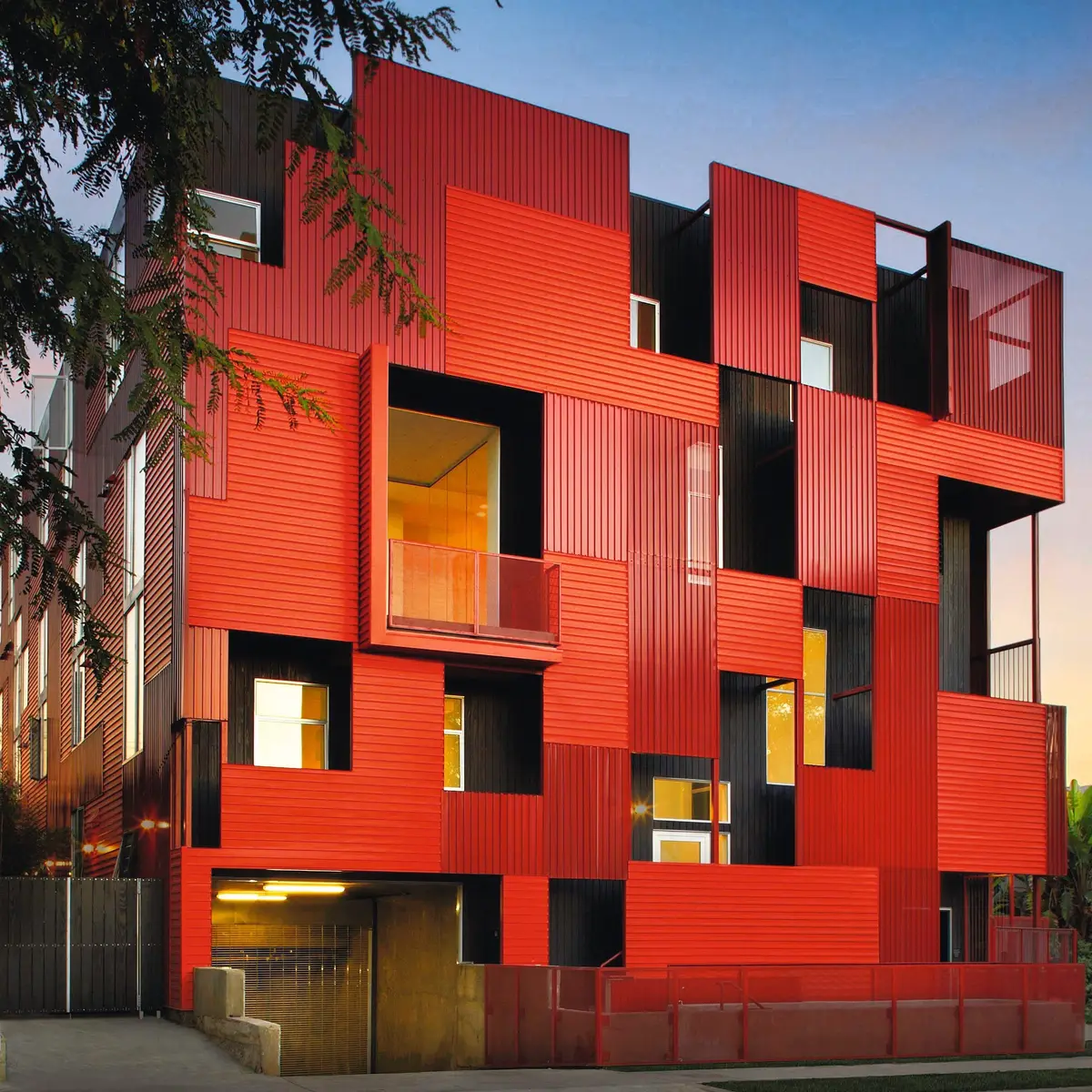
Architectural Integration and Cultural Diplomacy: The Irish Embassy in Morocco
This article details the Irish Embassy in Morocco, highlighting its architectural harmony with local context and innovative design that bridges cultural and environmental considerations.

Introduction
The Irish Embassy in Morocco exemplifies architectural synthesis that respects the rich cultural and environmental contexts of Ireland and Morocco. It functions not only as a diplomatic space but also symbolizes the strong cultural connection between the two nations, emphasizing a commitment to sustainability and contextual architecture.
Cultural Integration and Architectural Heritage
The design approach blends Moroccan defensive and insulative features with the minimalistic, sustainable practices of Irish architecture. This harmonization strengthens the embassy's integration into the local architectural vernacular, avoiding the appearance of a foreign imposition and enhancing its urban fabric presence.
Site Analysis and Environmental Strategy
Located in Rabat, the embassy site is chosen for its optimal accessibility and response to climate. Leveraging natural light and passive solar principles, the building maintains internal comfort while minimizing energy use. Deep piling in the foundation ensures stability on the region's sandy loam soil.
Conceptual Framework and Urban Continuity
The embassy’s design is rooted in urban integration, featuring a continuous perimeter wall that aligns with Rabat’s existing streetscapes. This wall, topped with a cantilevered shelter, provides a shaded pedestrian area and reinforces the linear urban edge, enhancing the embassy's public interface.
Design Concept and Spatial Organization
Architecturally, the embassy is organized into vertically tiered volumes that separate public and private realms, with water features in courtyards that reflect Moroccan traditions for climatic control and social interaction. Public functions like the exhibition hall are accessible at street level, enhancing community engagement.
Public and Administrative Interfaces
Ground-level public areas facilitate cultural exchanges while upper floors house sensitive diplomatic functions, strategically positioned to maximize security and workspace quality. The design ensures that critical diplomatic areas are both secure and endowed with optimal environmental conditions.
Security and Circulation
Internal circulation is carefully designed to segregate different traffic flows, enhancing both security and operational efficiency. Security measures are seamlessly integrated into the architectural layout to be effective yet unintrusive.
Enhanced Workspace Environment
The embassy prioritizes a superior workspace environment, with strategic window placements and terrace designs that provide expansive views and connect the interior with the external landscape, fostering a sense of openness and well-being.
Materiality and Structural Innovation
Material selection focuses on durability, aesthetics, and environmental impact. Features such as rust-colored iron I-beams and a continuous glass façade contribute to the building's modern look while ensuring structural integrity and performance.
Conclusion
The Irish Embassy in Morocco stands as a landmark of cultural and environmental respect, embodying a thoughtful blend of form, function, and symbolism. It is not merely a structure but a significant addition to Rabat’s urban landscape, symbolizing a diplomatic and cultural bridge between nations.

Popular Articles
Popular articles from the community


Co-life: Sustainable Architecture for Age-Friendly Community Living
Co-life reimagines sustainable architecture for seniors through courtyards, rammed earth, shared gardens, and spaces designed for belonging.

Co-Life: Senior Housing Design That Reconnects Older Adults With the City
Co-Life reimagines senior housing design through healing gardens, shared streets, workshops, and a sustainable community across generations.

Little Red Riding Hood: Architectural Design as a Journey Through Fear, Light, and Storytelling
Little Red Riding Hood reimagines the fairy tale through architectural design shaped by fear, light, scale, memory, uncertainty, and choice.

Conexión: Biophilic Design Reimagines High-Rise Living in Hong Kong
Conexión reimagines high-rise living in Hong Kong through biophilic design, green facades, shared spaces, daylight, water and nature within.

Similar Reads
You might also enjoy these articles

Day and Night Park: A Time-Based Urban Newsstand in Beijing
A temporary urban newsstand in Beijing blending travel, light, and reading through poetic colors, compact form, and community-focused design.

Modernist Patio Renovation in El Masnou, Barcelona by Oliver Segura Arquitectura + Cebrià Arquitectura
Modernist patio renovation blending tradition and innovation with a movable pool, leveled floors, and Catalan materials in El Masnou.

Alto Residencial Coop: Cooperative Housing Development in Santiago de Compostela by Carbajo Barrios Arquitectos
A linear cooperative housing complex blending white volumes and perforated metal façades, enhancing community living, natural light, privacy, and urban integration.
Vil Genis School by BPA ARCHITECTURE – Massy, France
Vil Genis School in Massy, France, features sustainable design, south-facing classrooms, community integration, accessible spaces, and modern educational architecture.

Explore Architecture Competitions
Discover active competitions in this discipline


Challenge to reimagine the Iron Throne

Photograph architecture without architects

Illustrate the lost glory of Angkor Wat - Render Challenge

Design challenge to reuse E-waste
Comments (0)
Please login or sign up to add comments
No comments yet. Be the first to comment!