As-Salam Mosque: Climate-Responsive Mosque Architecture in Bangladesh Rooted in Vernacular Wisdom
An environmentally sensitive mosque in rural Bangladesh blending passive design, vernacular tradition, and community empowerment in contemporary Islamic architecture.


A Sacred Space Shaped by Context and Community
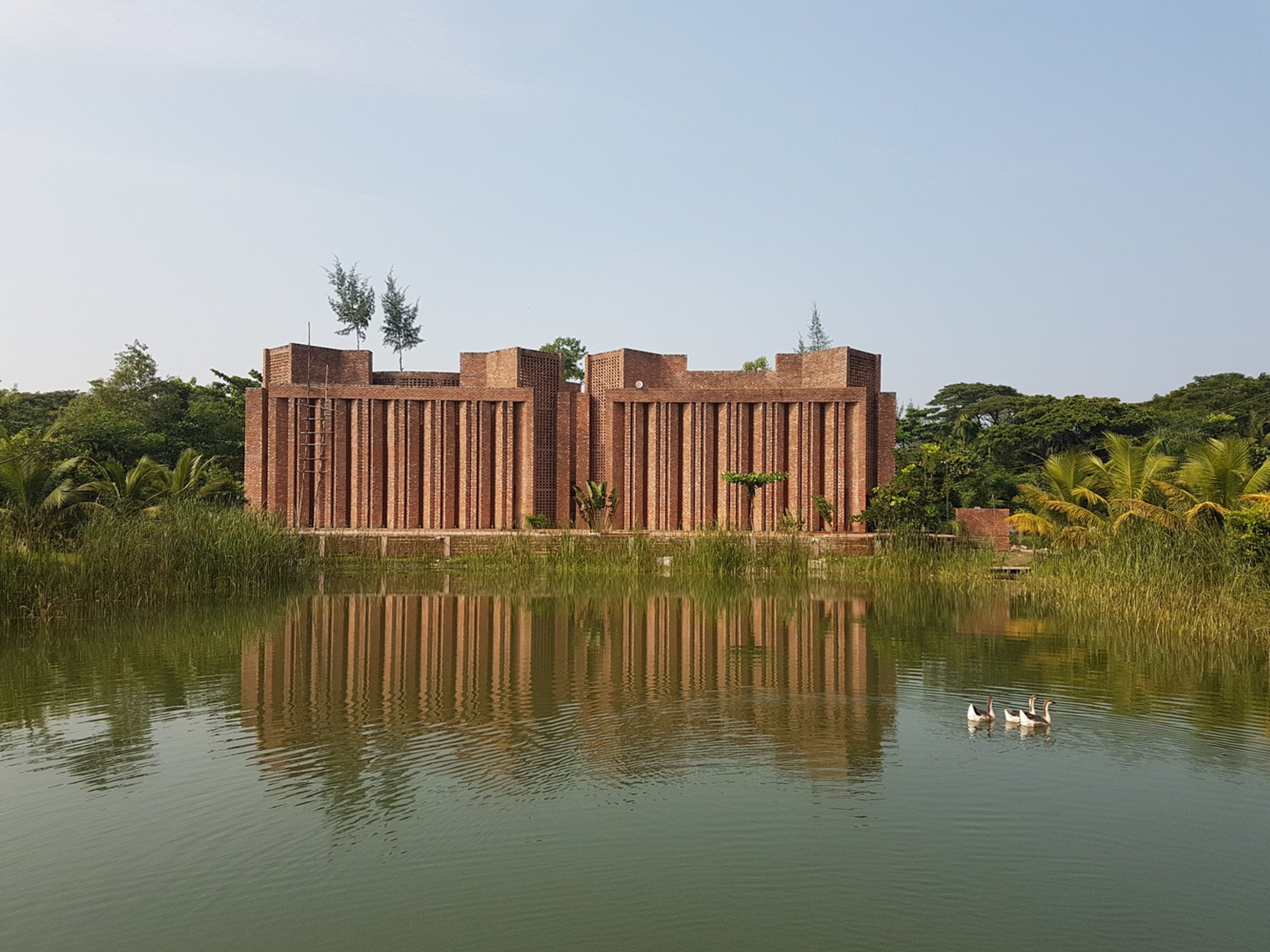
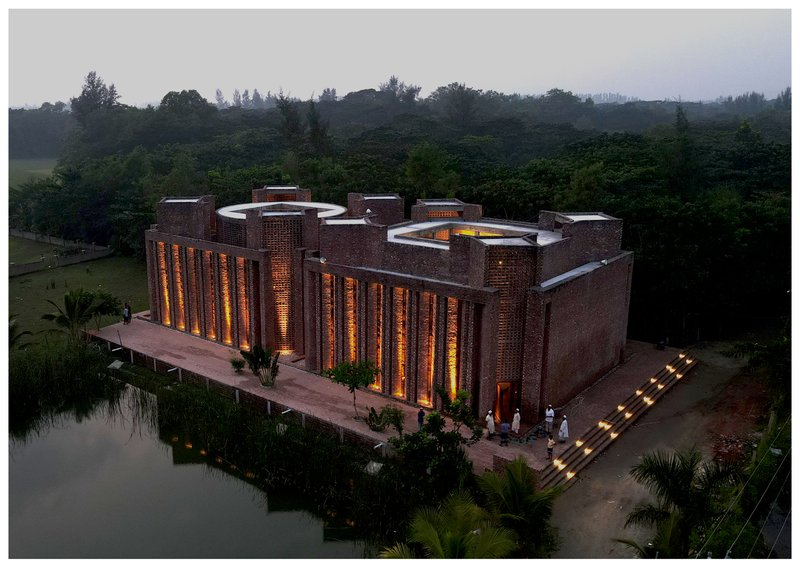
In the flood-prone rural expanse of Ramgati, Lakshmipur, the As-Salam Jame Mosque emerges as a quiet yet profound architectural presence. Designed by Archeground Ltd., this 1,034-square-meter mosque is not a monument to opulence but a carefully attuned response to the environment and spiritual needs of the community. Led by architect Nabi Newaz Khan, the design reflects deep empathy for local conditions and a reverence for traditional Bengali building practices, redefining climate-responsive mosque architecture in Bangladesh.
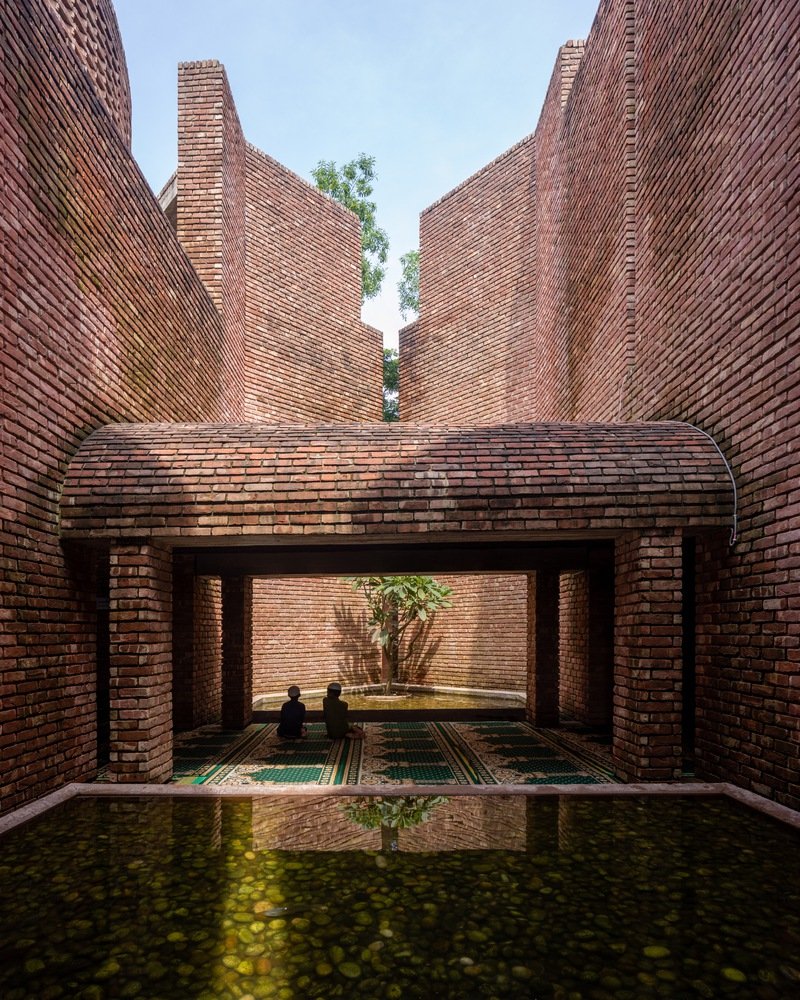
Elevating Spirituality Through Vernacular Strategies
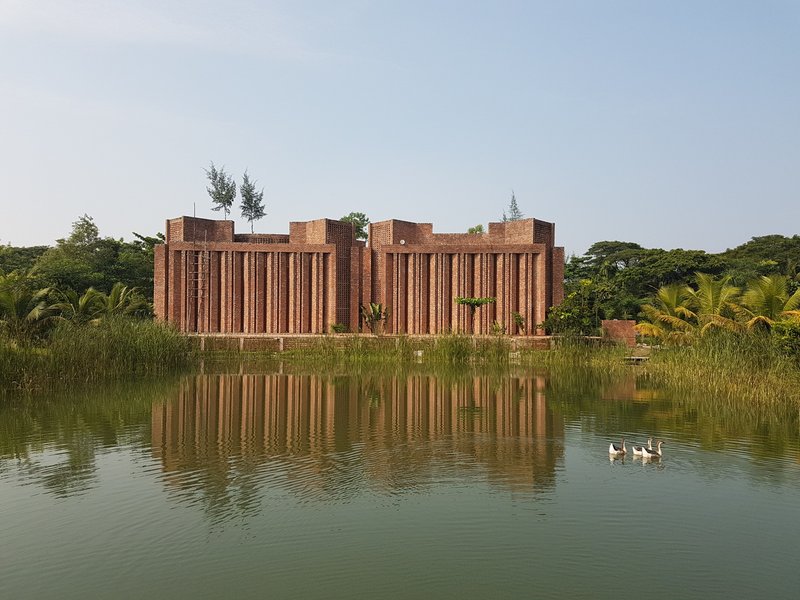
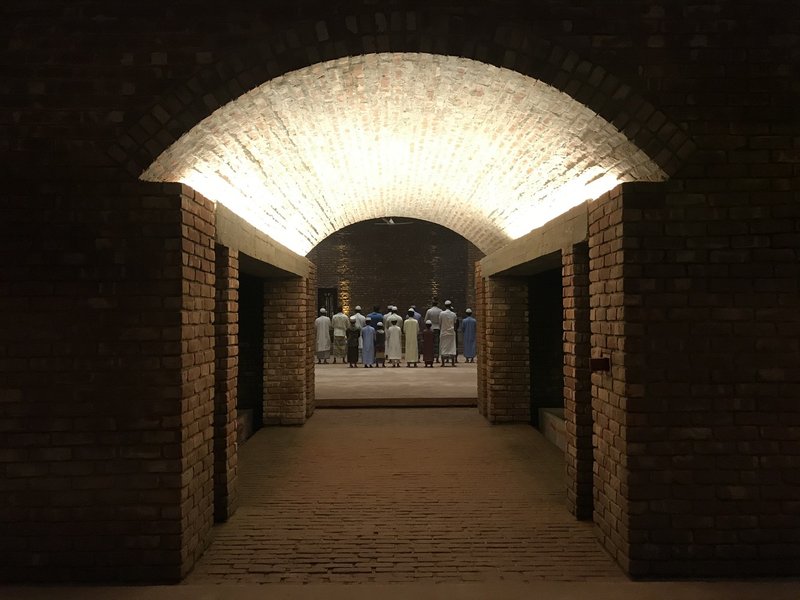
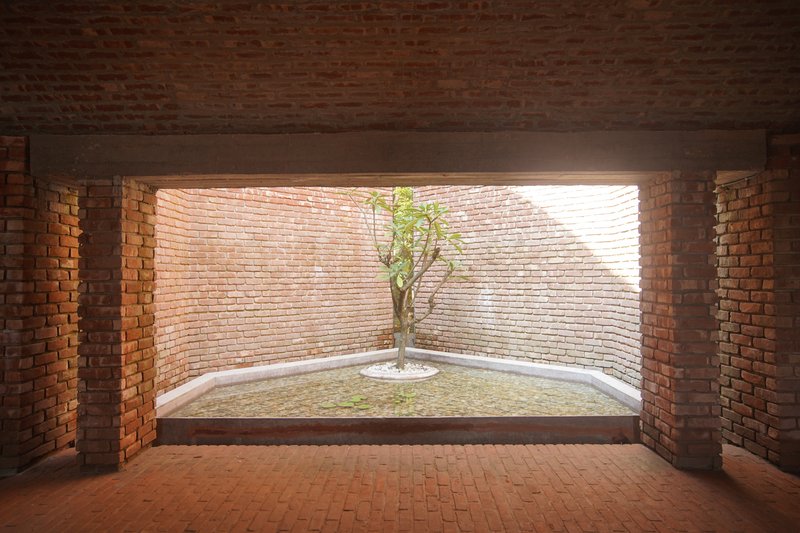
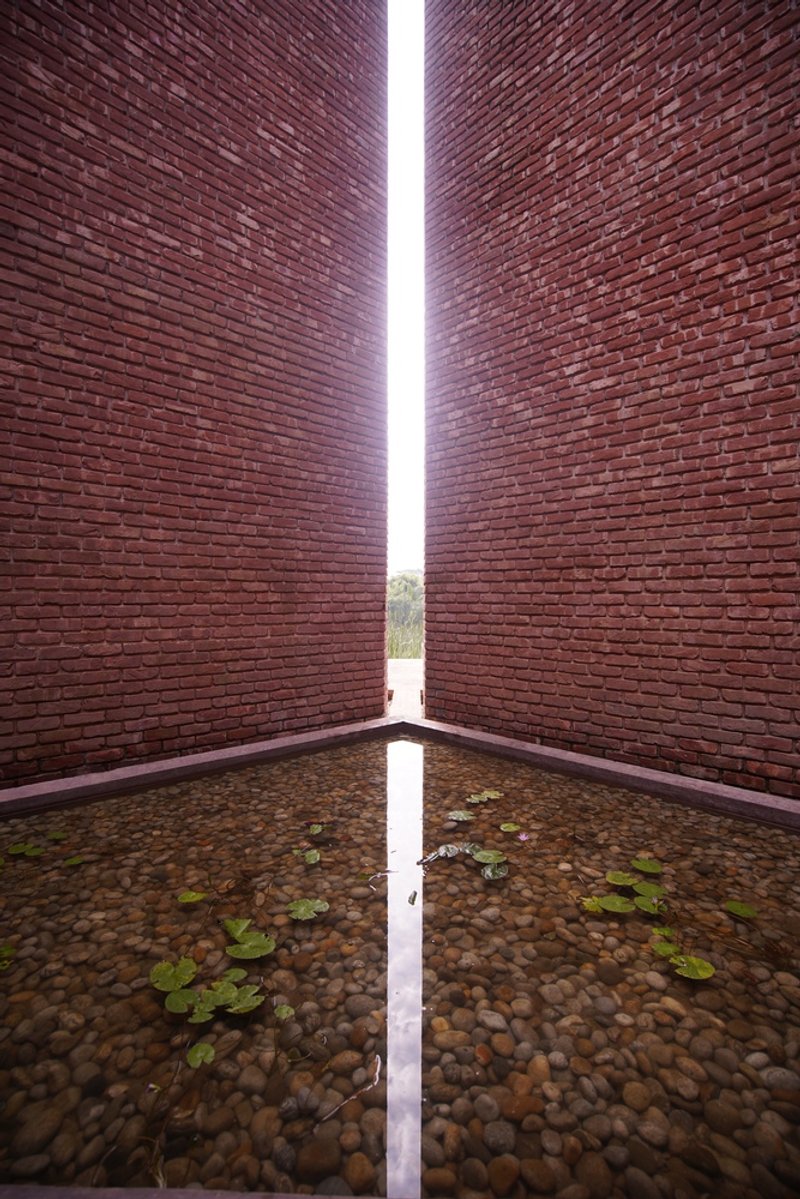
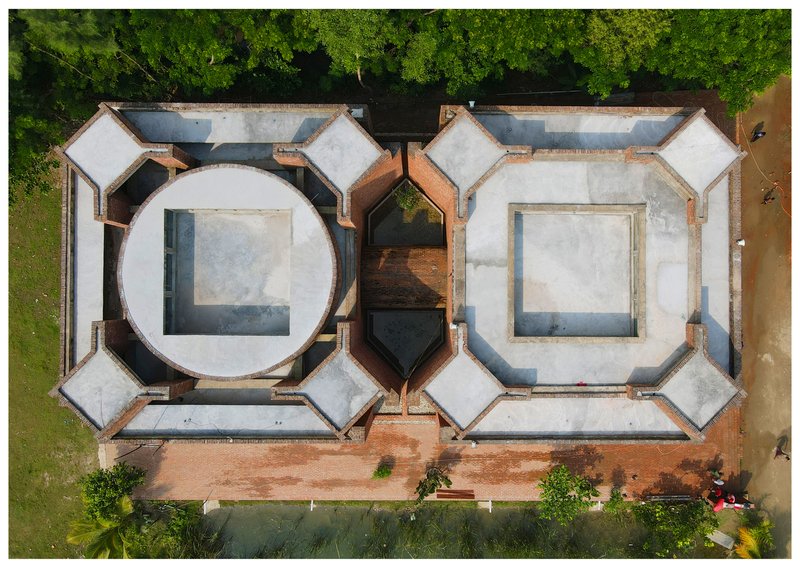
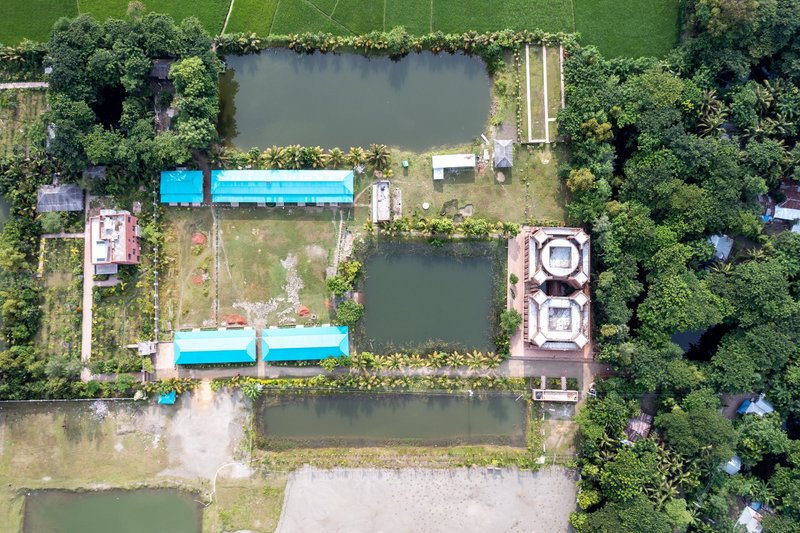
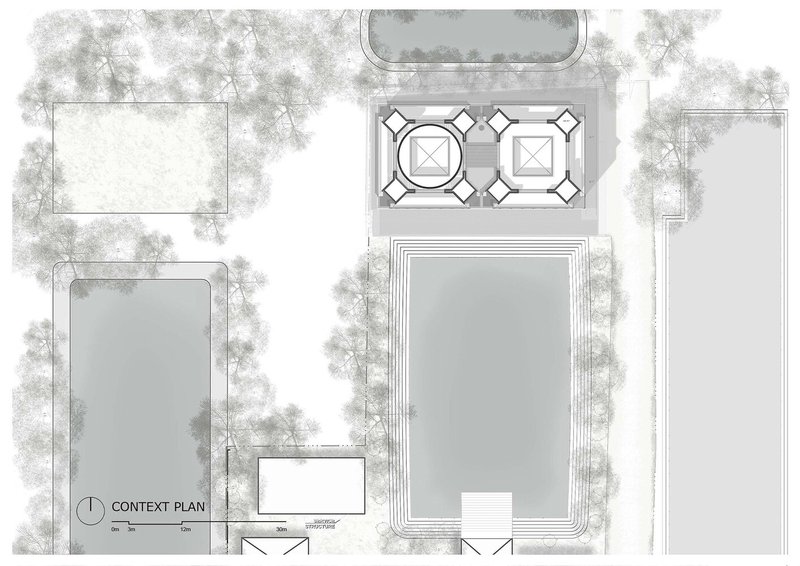
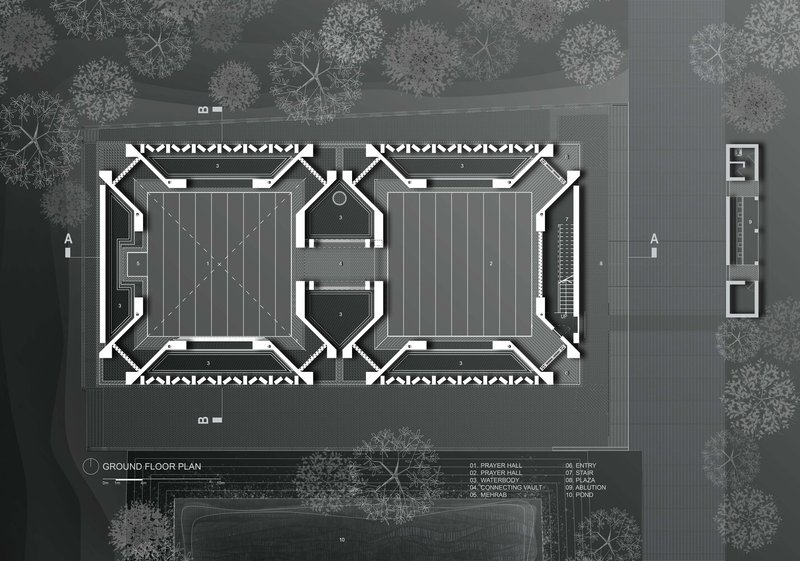
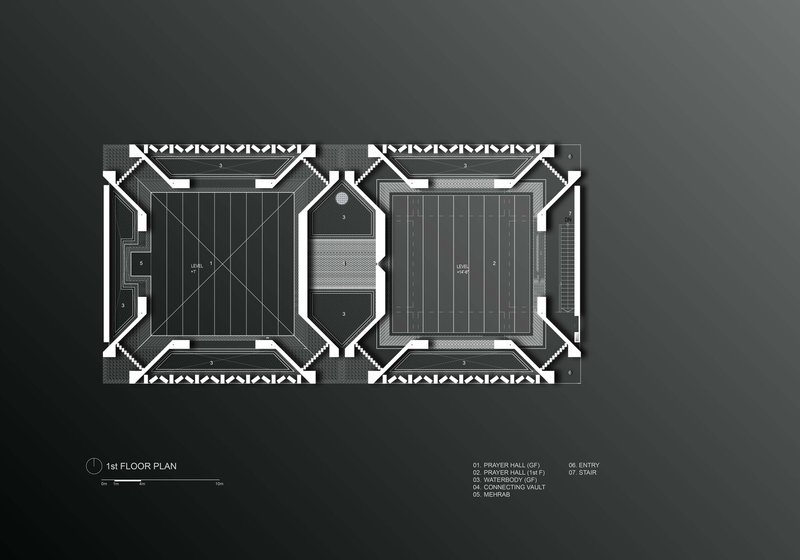
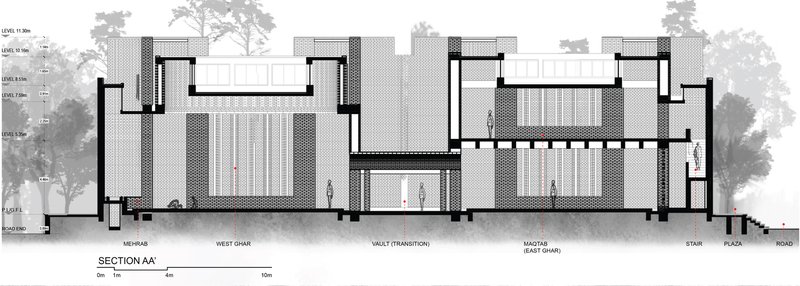
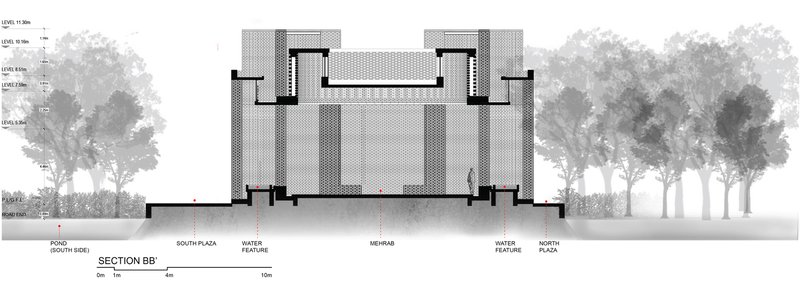
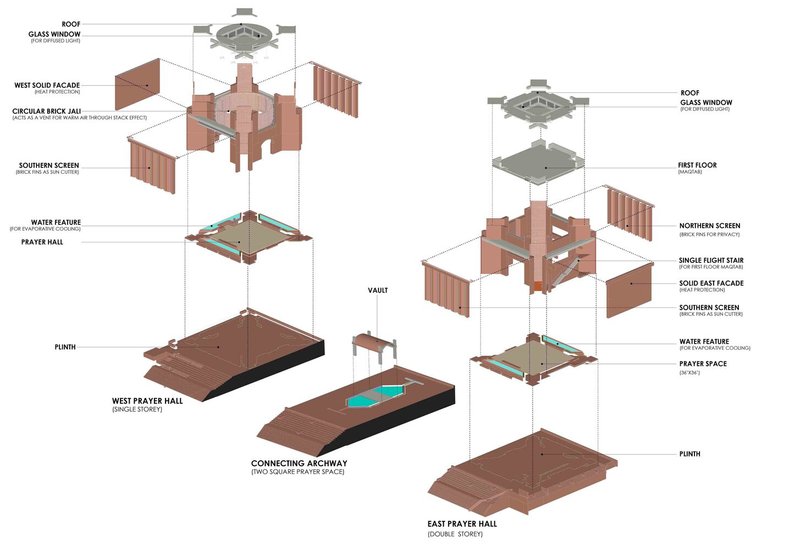
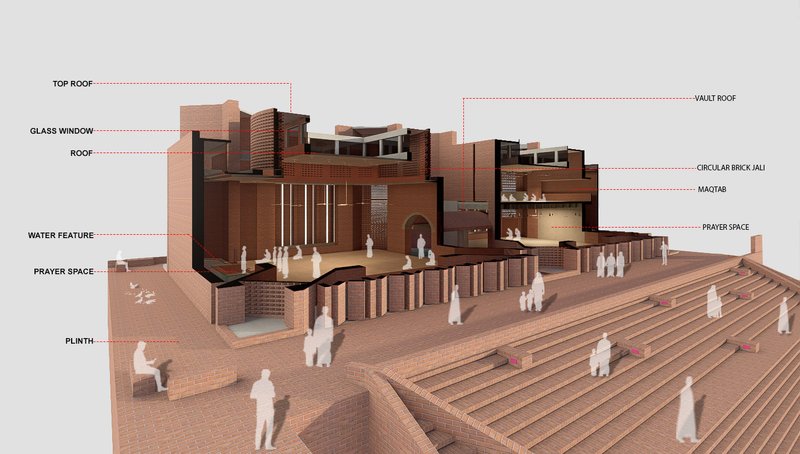
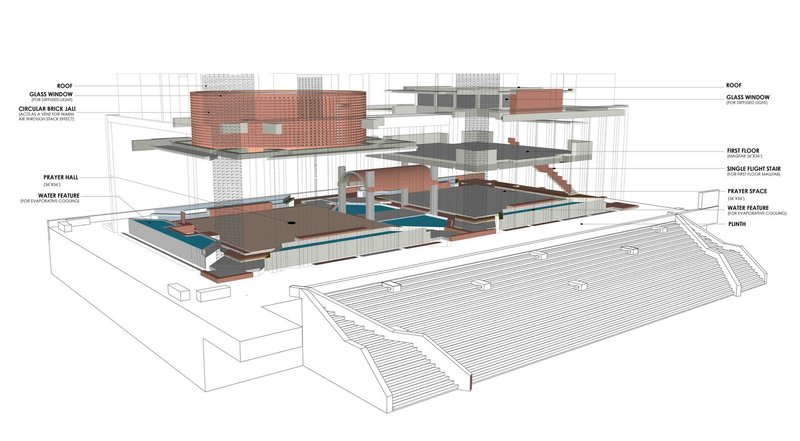
The mosque draws directly from the logic of the Bengali homestead, where buildings are constructed on plinths raised from excavated pond earth to combat seasonal flooding. Echoing this, the mosque sits on a protective platform, anchoring it within a centuries-old resilience strategy while elevating both structure and symbolism. Two prayer halls form the core: a modest single-storey West Hall for daily prayers and a soaring East Hall, used during Jummah, Eid, and for religious education. Between them lies a transitional archway flanked by reflective water basins, creating a pause for purification and contemplation.
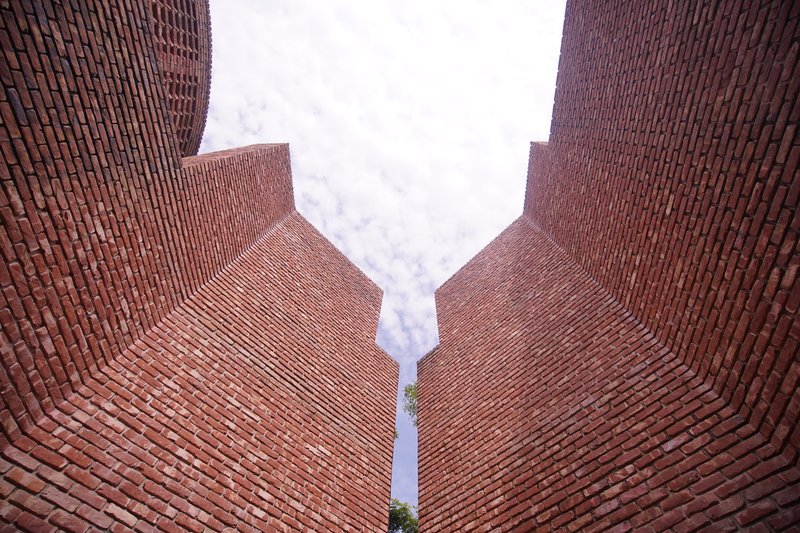
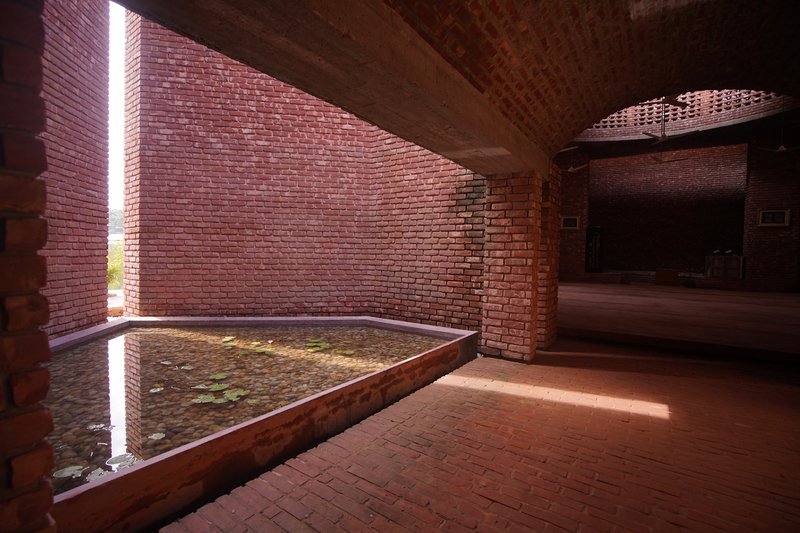
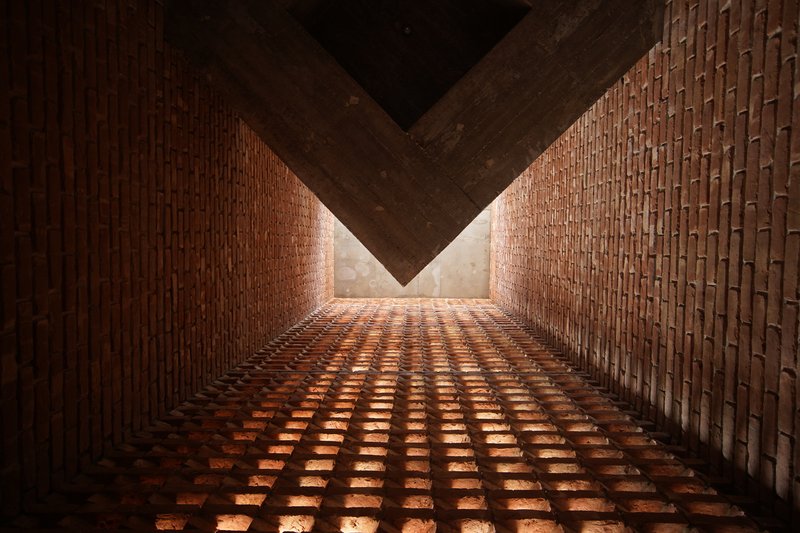
Designing With Climate, Not Against It
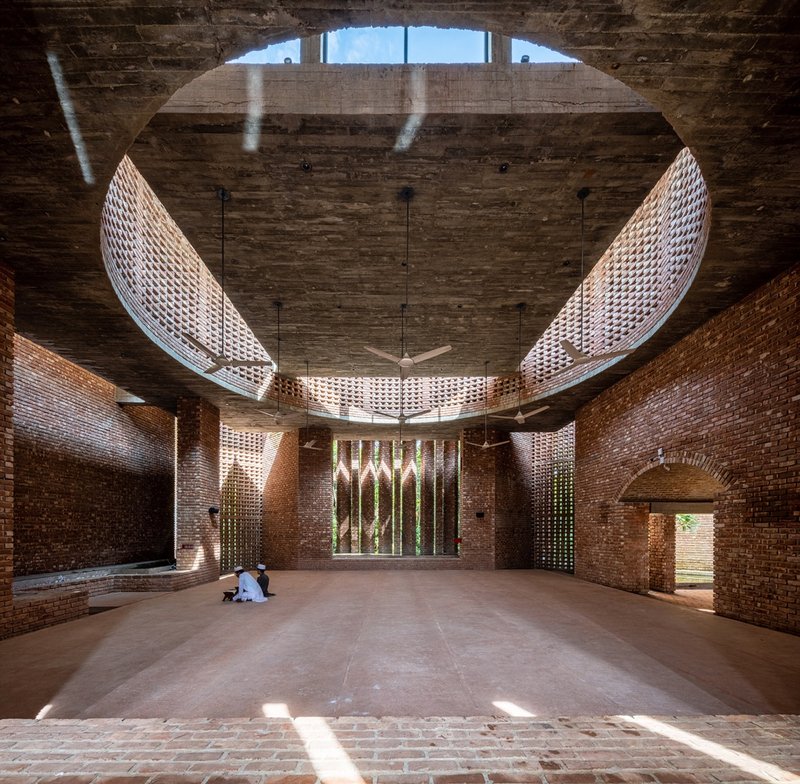
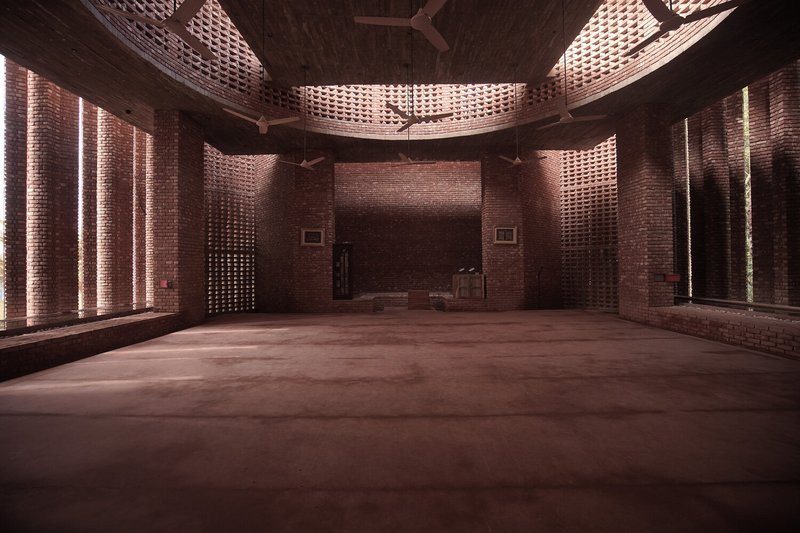
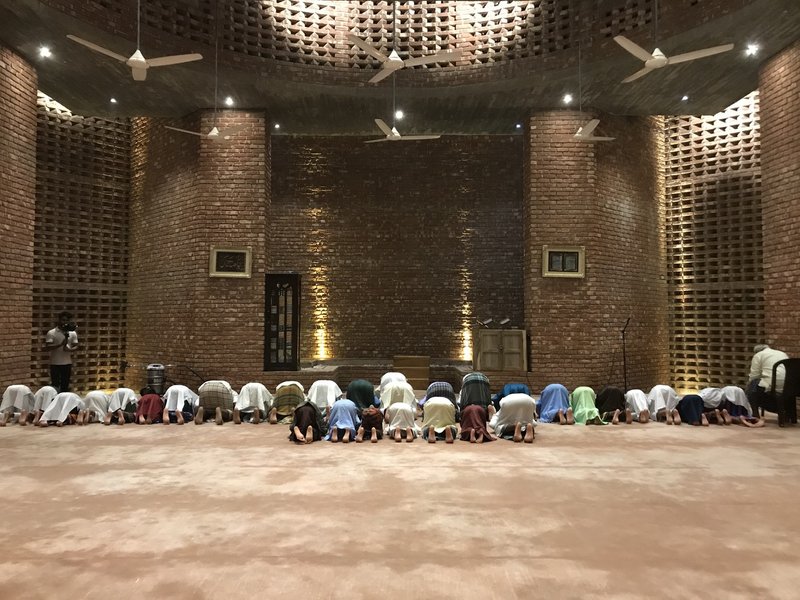
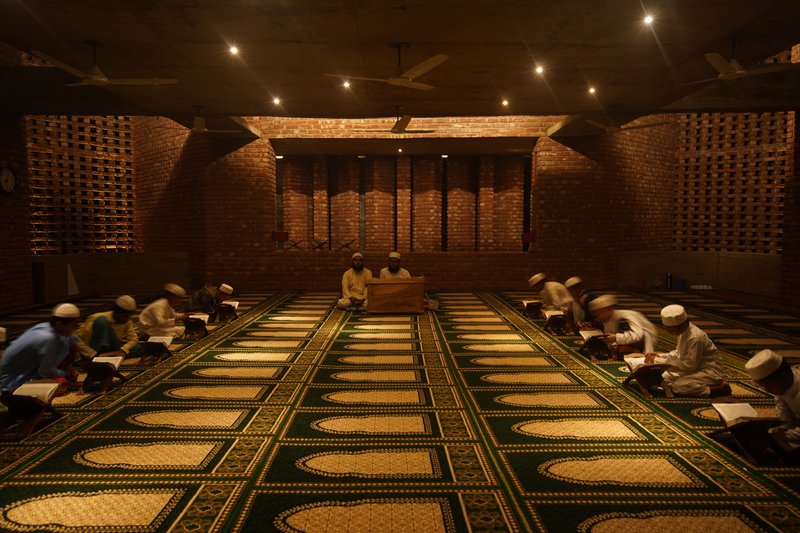
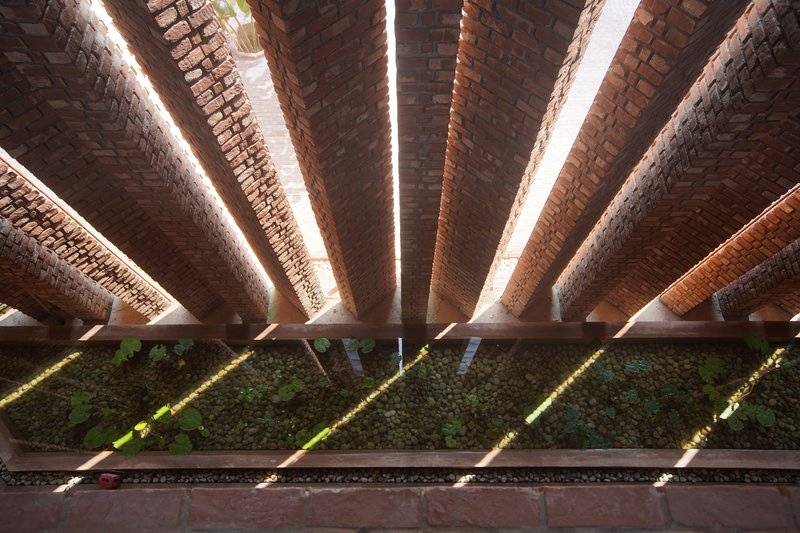
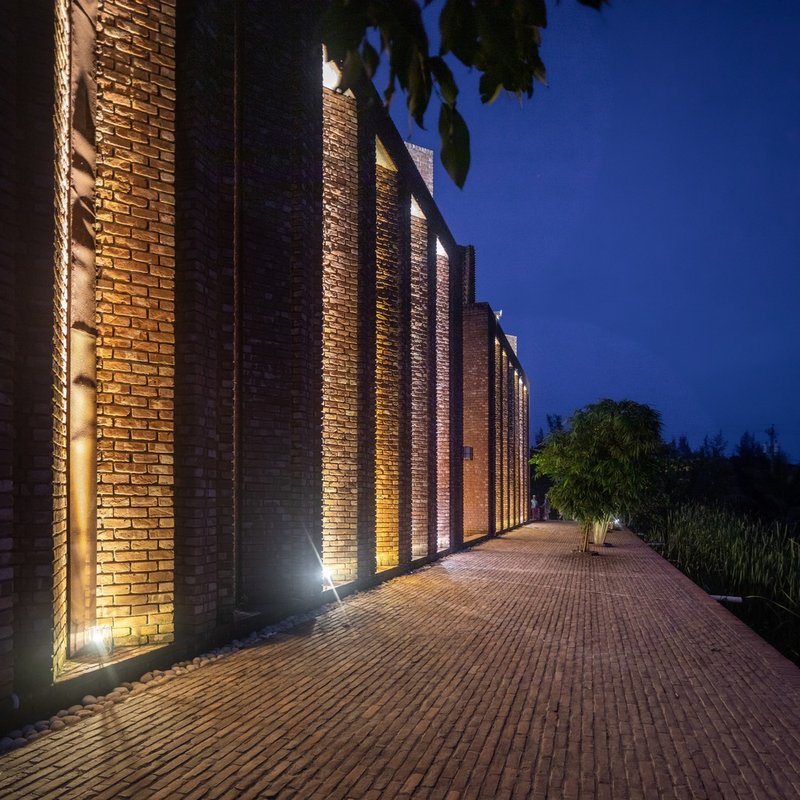
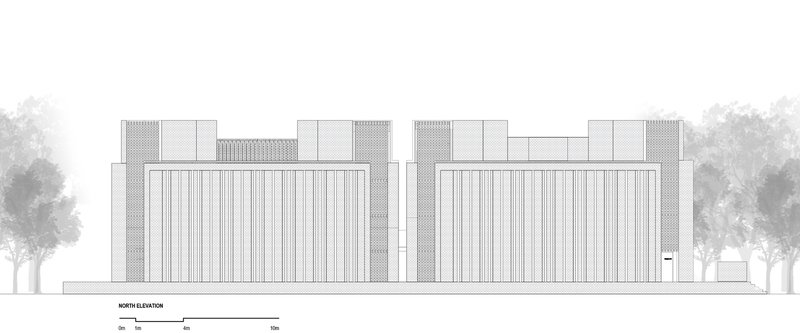
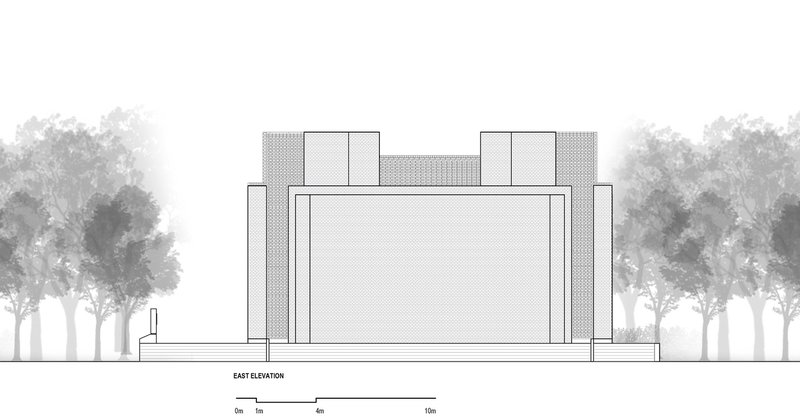
Rather than rely on energy-intensive mechanical cooling, the mosque embraces passive design suited to Bangladesh’s tropical climate. There are no glass windows or sealed surfaces. Instead, handmade brick jali screens and vertical fins modulate air and light, casting rhythmic patterns across the interiors. The high ceilings and sculpted roof geometry enable warm air to rise naturally, while light subtly filters into the prayer spaces, enhancing spiritual focus without artificial glare. Treated as a fifth elevation, the roof becomes a design element that enhances ventilation while symbolically reaching toward the divine.
Celebrating Local Materials and Craftsmanship
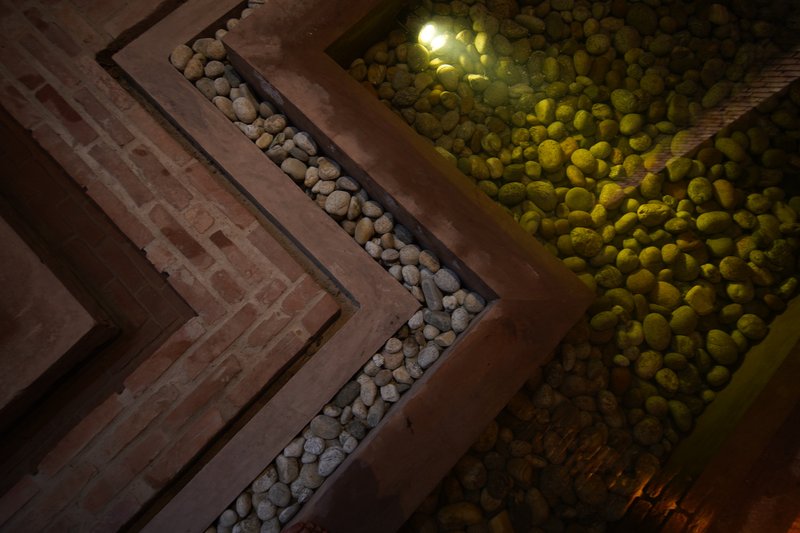
Every material used in the mosque is local and hand-crafted. Solid bricks, intricate jali work, and mosaic brick-chip floors highlight regional craftsmanship and reduce reliance on industrial systems. This deliberate material honesty not only ensures long-term durability with minimal upkeep but also makes the mosque accessible and affordable—a key factor in communities with limited economic resources. Sustainability here is not a marketing feature but a natural extension of cultural and environmental responsibility.
A Mosque That Extends Beyond Worship
What distinguishes As-Salam Mosque is its evolution into a social catalyst. Its warm and inclusive design invites people from nearby regions, encouraging communal prayer, reflection, and dialogue. Informal marketplaces have organically developed along the adjacent road, providing opportunities for local vendors and weaving the mosque into the fabric of everyday life. A Hafezia Madrasa operates on the premises, and there are long-term plans to expand educational offerings—particularly for girls—further embedding the mosque within the community’s future.
Contemporary Religious Architecture Rooted in Heritage
As-Salam Mosque does not impose itself upon the land; it listens, learns, and responds. Its architecture does not seek attention through scale or spectacle. Instead, it becomes quietly powerful through contextual humility, sustainable logic, and spiritual resonance. In doing so, it offers a compelling example of climate-responsive mosque architecture in Bangladesh—one that blends vernacular intelligence with contemporary vision. Through empathy, economy, and engagement, this mosque represents a pathway forward for religious and civic architecture alike.
All photographs are works of Faruque Abdullah Shawon