

Bioregional Design Architecture: The Innovative Transformation of Lot 8 Design and Research Laboratory
This article explores Lot 8's Bioregional Design Laboratory, emphasizing sustainability, local materials, and innovation in architectural design.


The Bioregional Design Laboratory at Lot 8, located in Arles, France, is a groundbreaking collaboration between BC architects & studies, Assemble, and Atelier LUMA. This project, set within a historic 19th-century train depot, has been transformed into a state-of-the-art facility that promotes sustainable design and research. With a focus on bioregional design, the laboratory emphasizes local materials, ecological solutions, and collaboration with regional experts to foster innovation in architectural and industrial practices. This article explores the transformation of Lot 8 into a hub for sustainable research and design, highlighting its environmental, social, and cultural significance.
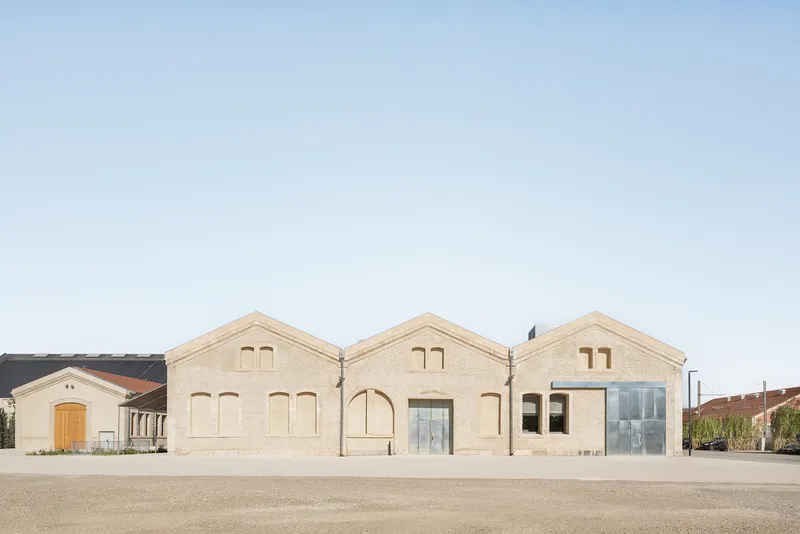
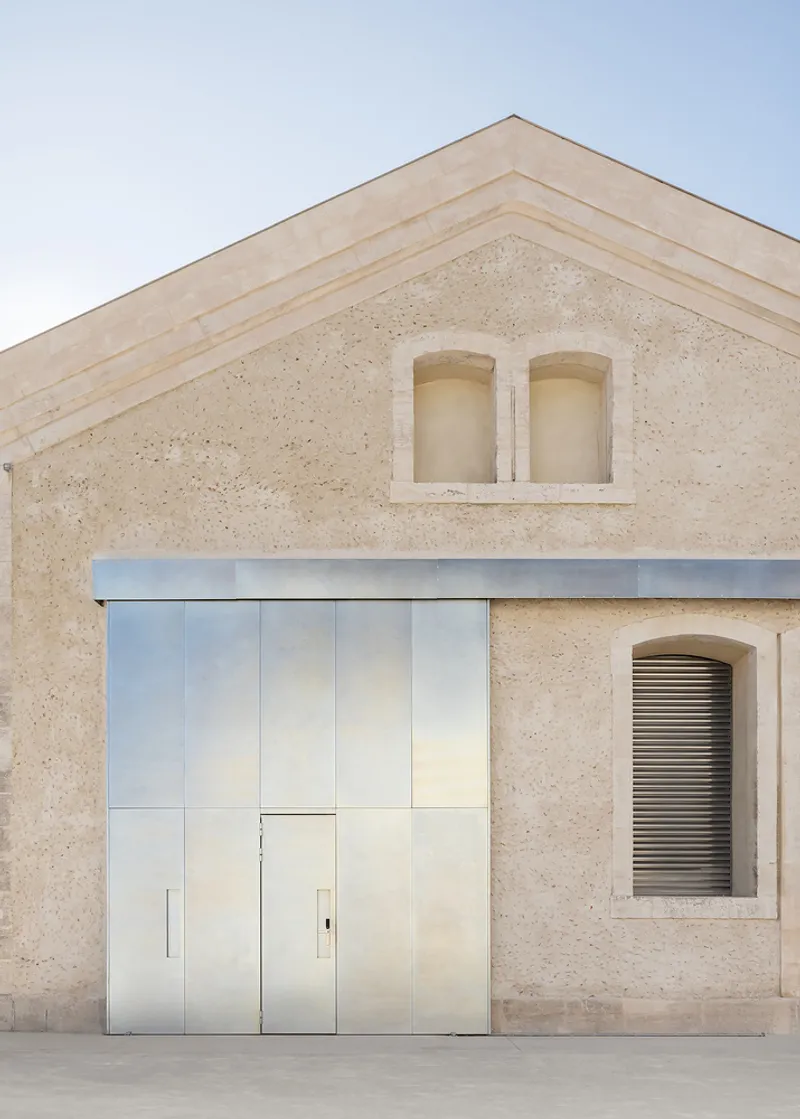
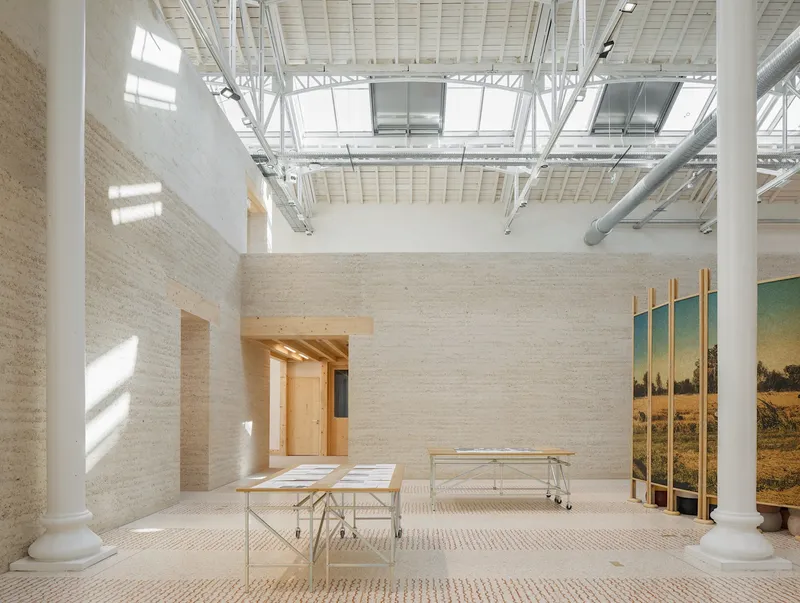
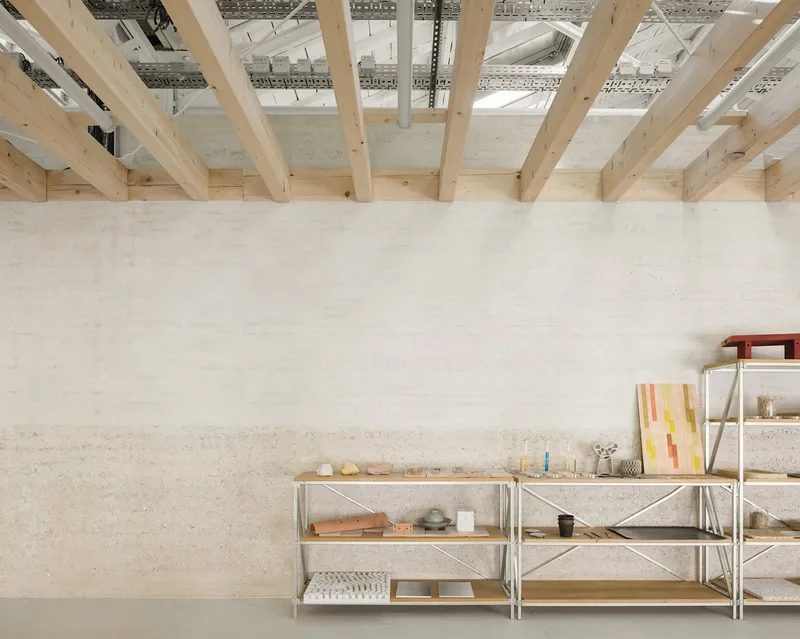
The Transformation of Magasin Electrique
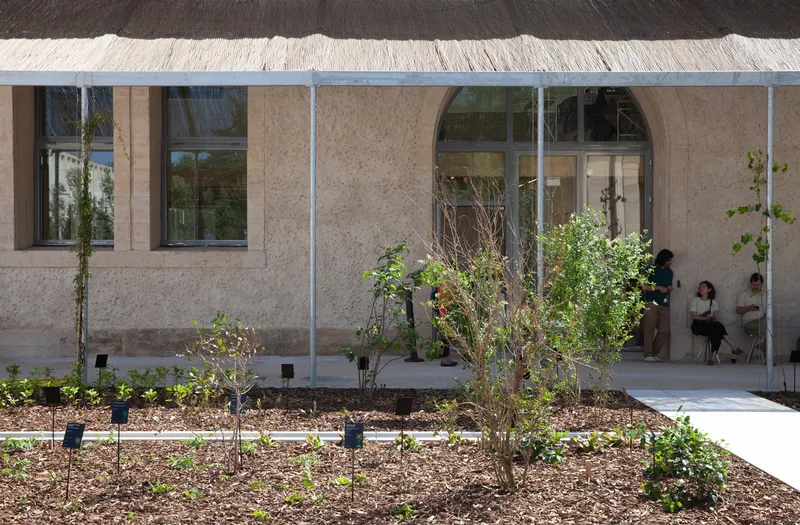
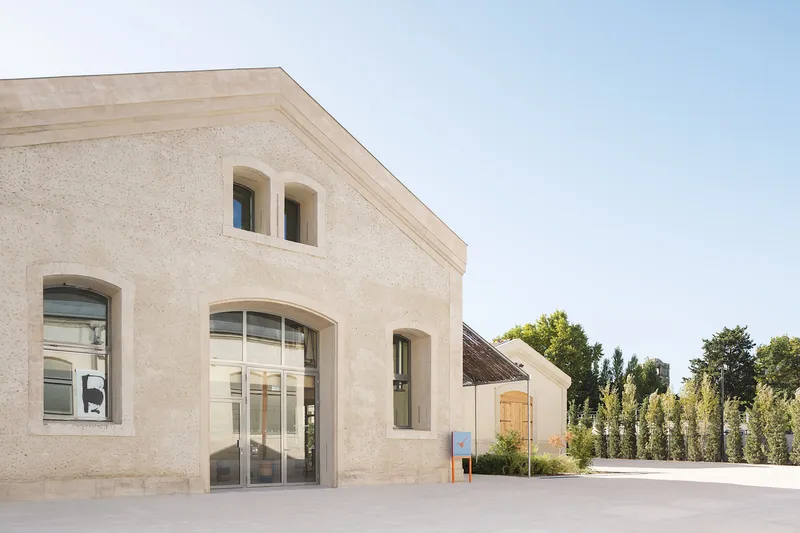
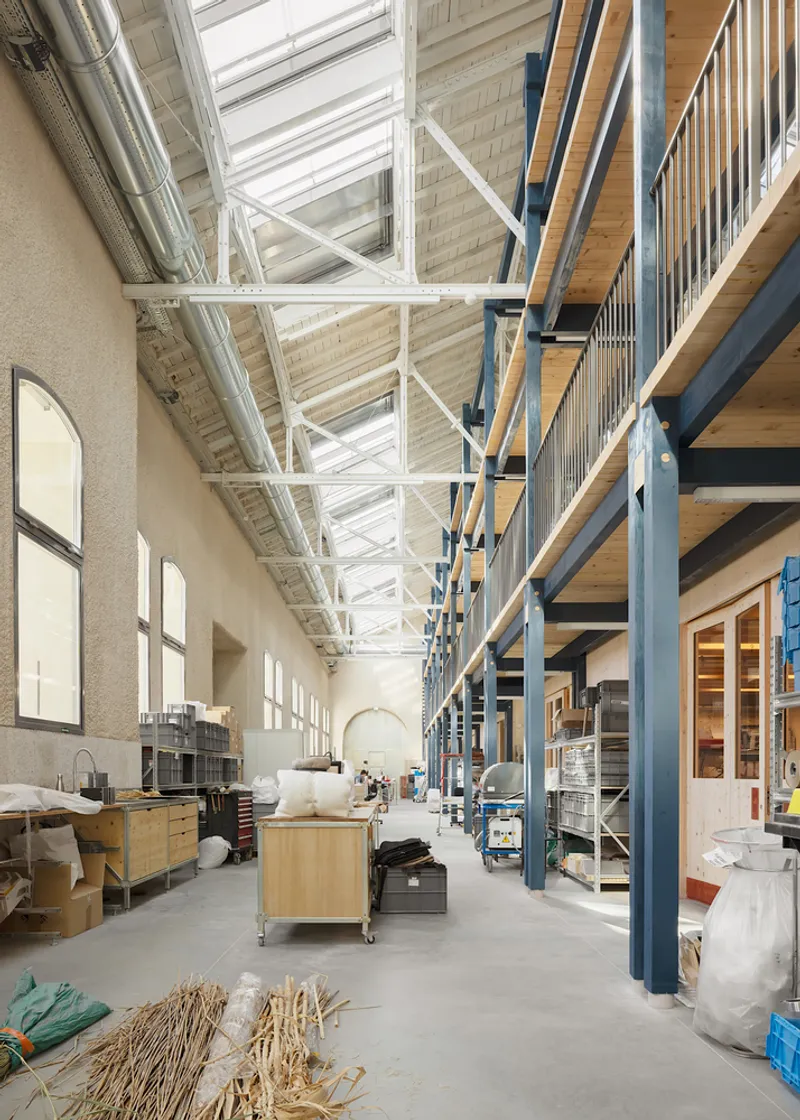
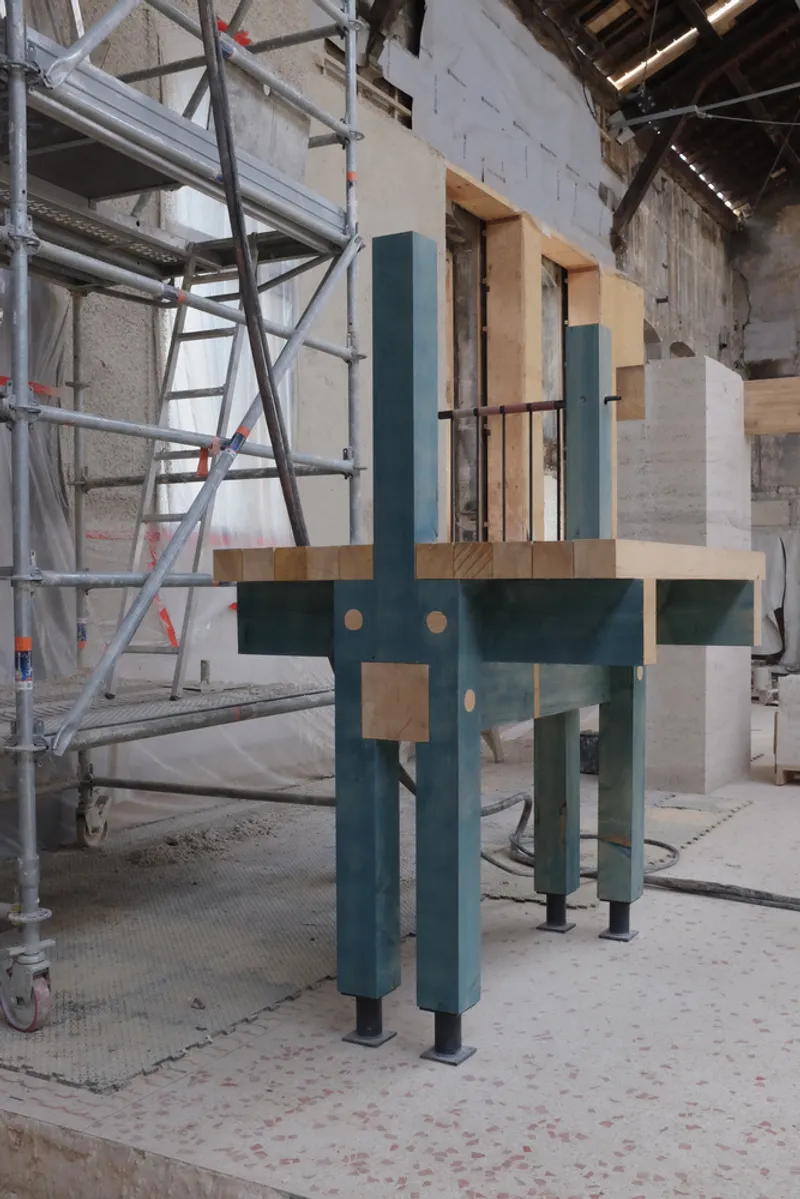
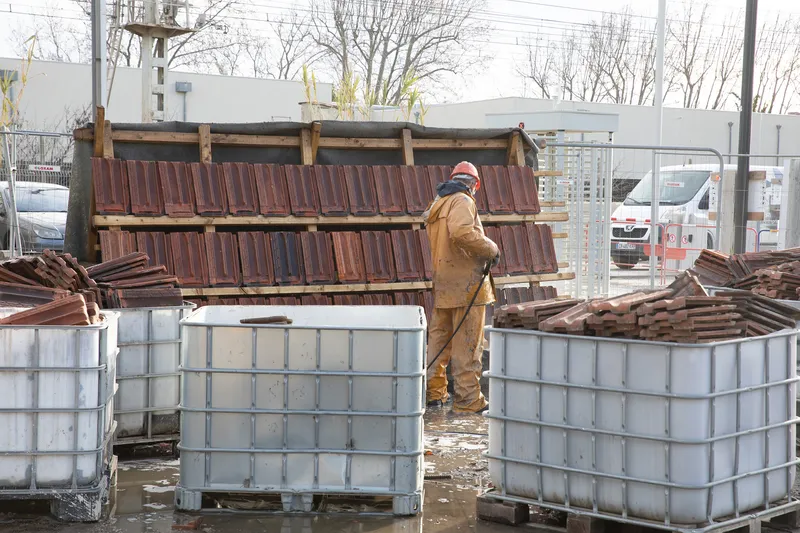
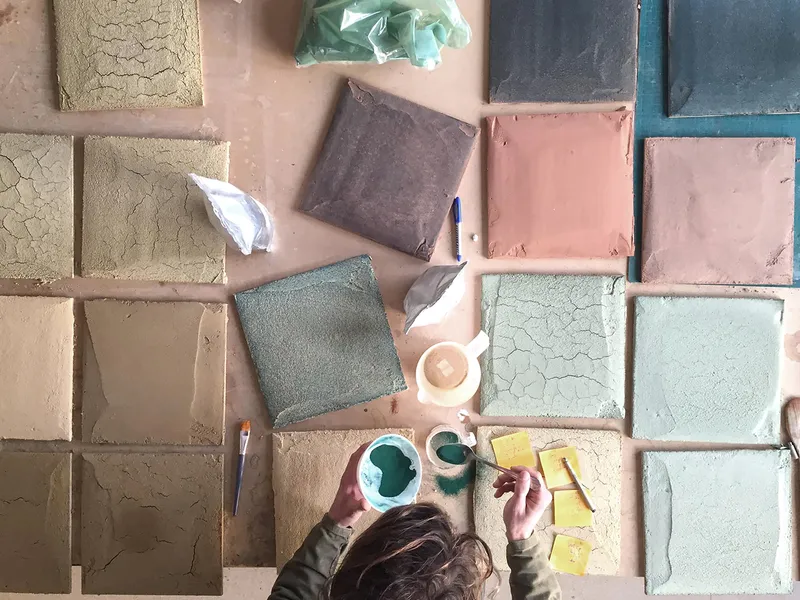
The Lot 8 project takes place in the Magasin Electrique, a former train depot spanning 2,100 m². Originally built in the 19th century, this historical structure has been carefully renovated to house Atelier LUMA’s design and research laboratory. The space accommodates various workshops, including those for timber, metal, ceramic, and textiles, alongside specialized laboratories for algae and mycelium research. These facilities provide an environment where cutting-edge bioregional materials and sustainable processes can be explored, combining practical design with ecological concerns.

A Vision for Bioregional Design
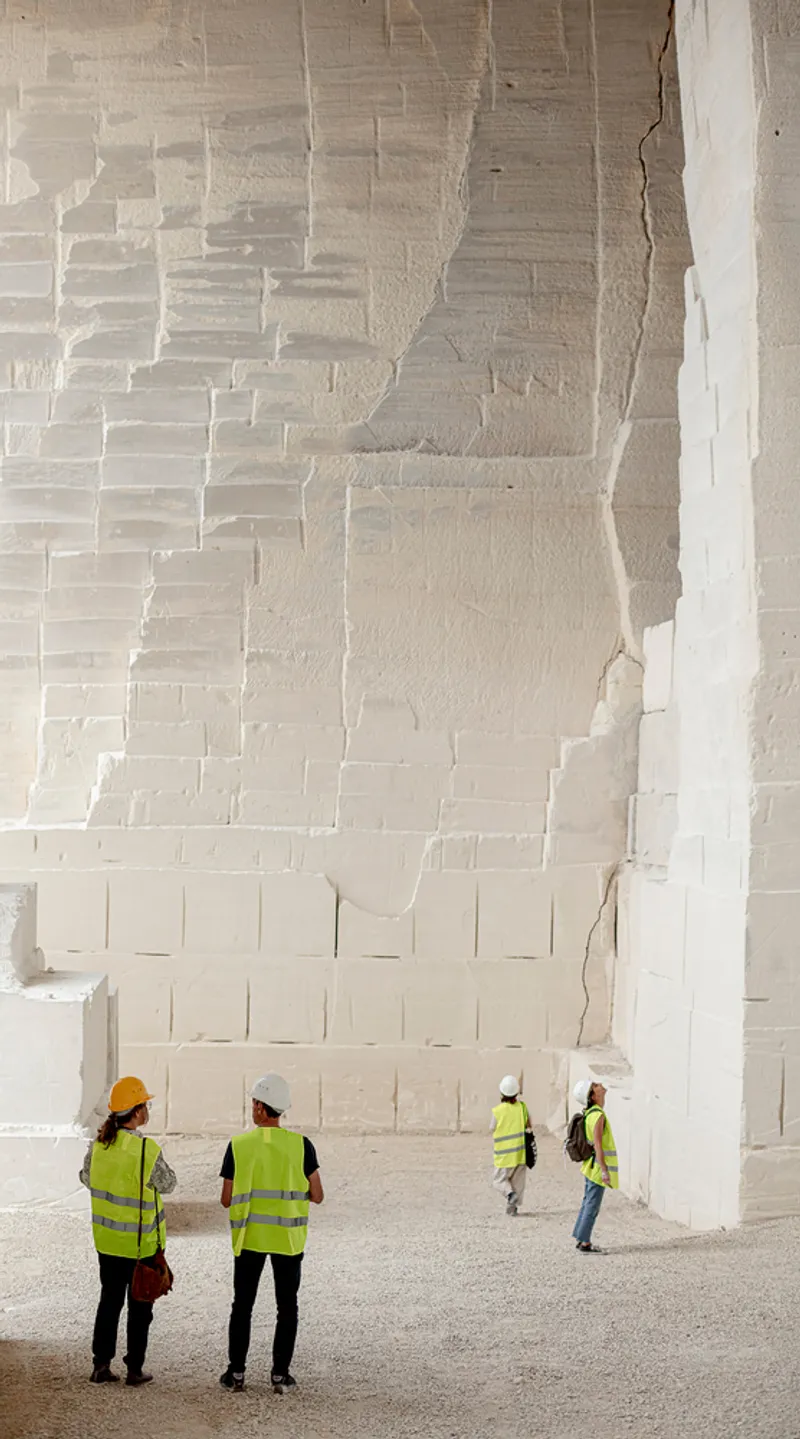
Atelier LUMA, the design research program of LUMA Foundation, works closely with the bioregion of Camargue, the Alpilles mountains, and the Crau plains to create solutions that address ecological, economic, and social transitions. Through collaboration with local stakeholders, the project aims to promote innovation in bioregional design practices, focusing on the use of locally sourced materials and indigenous knowledge. The laboratory’s work is not only about sustainable architecture but also about creating a lasting impact through education, training programs, and the transmission of knowledge for future generations.
A Hub for Collaboration and Innovation
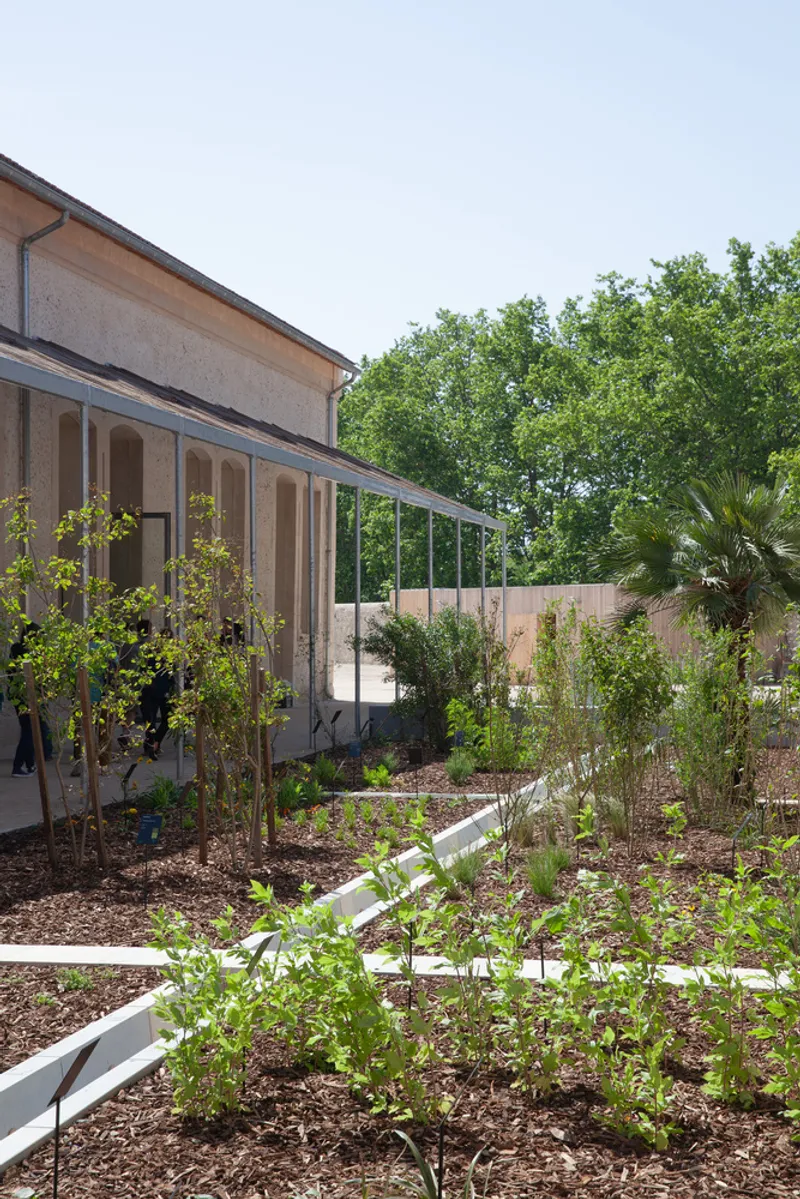
The design of the Bioregional Design Laboratory was conceived as a space that encourages interdisciplinary collaboration and innovation. The building is more than just a research facility; it serves as a dynamic space for the exchange of ideas and expertise across various sectors. By integrating local craftsmanship and regional resources into the design process, the laboratory reinforces the connection between architecture and its environment, fostering a sense of community and shared responsibility for the future of sustainable design.

Materials and Sustainability in Bioregional Design
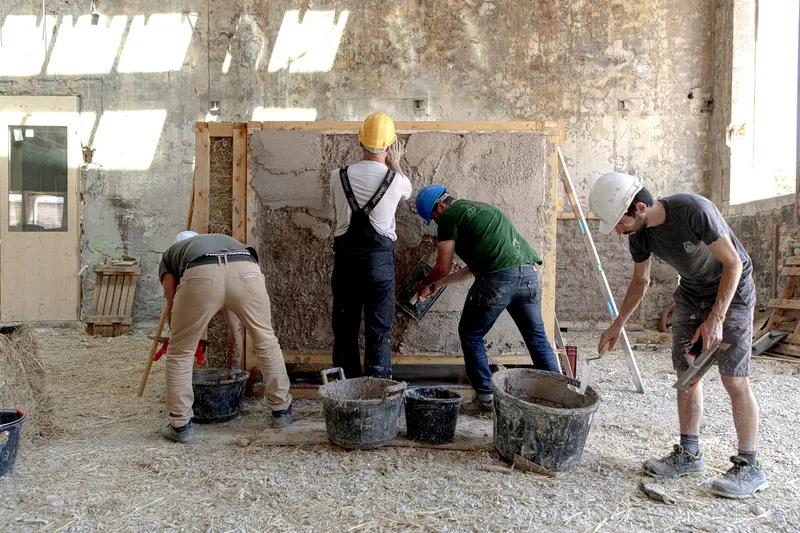
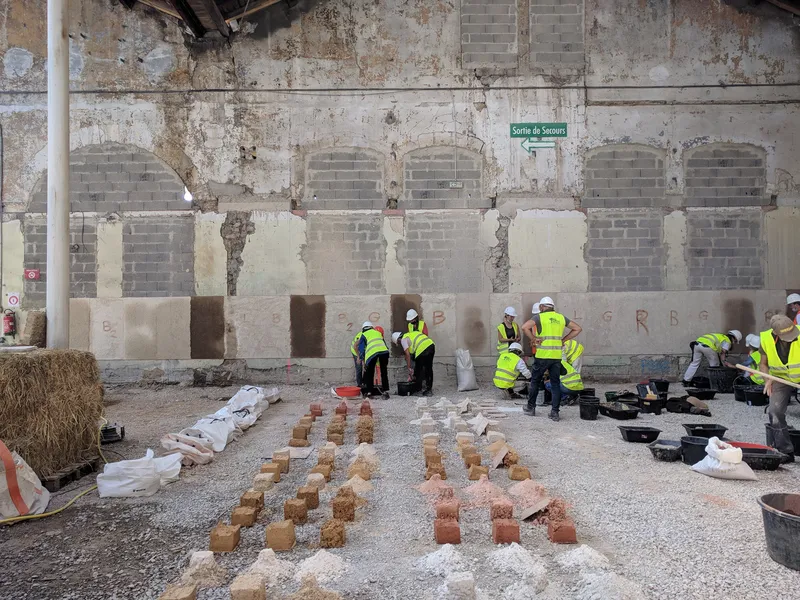
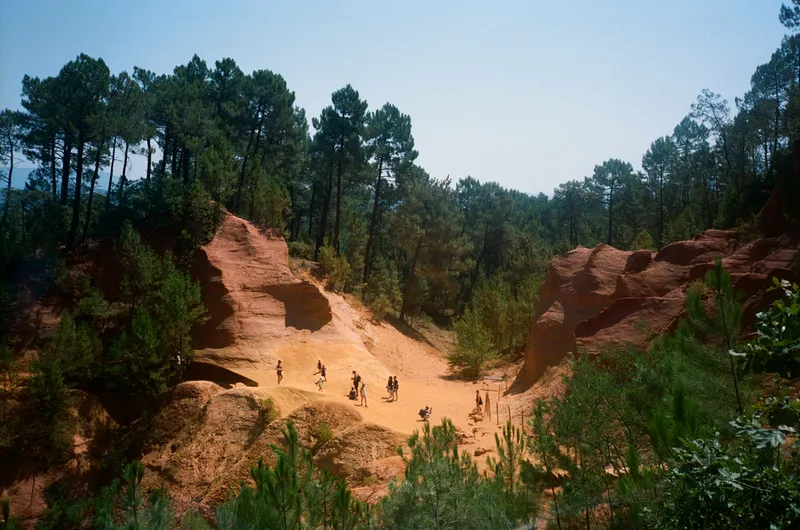
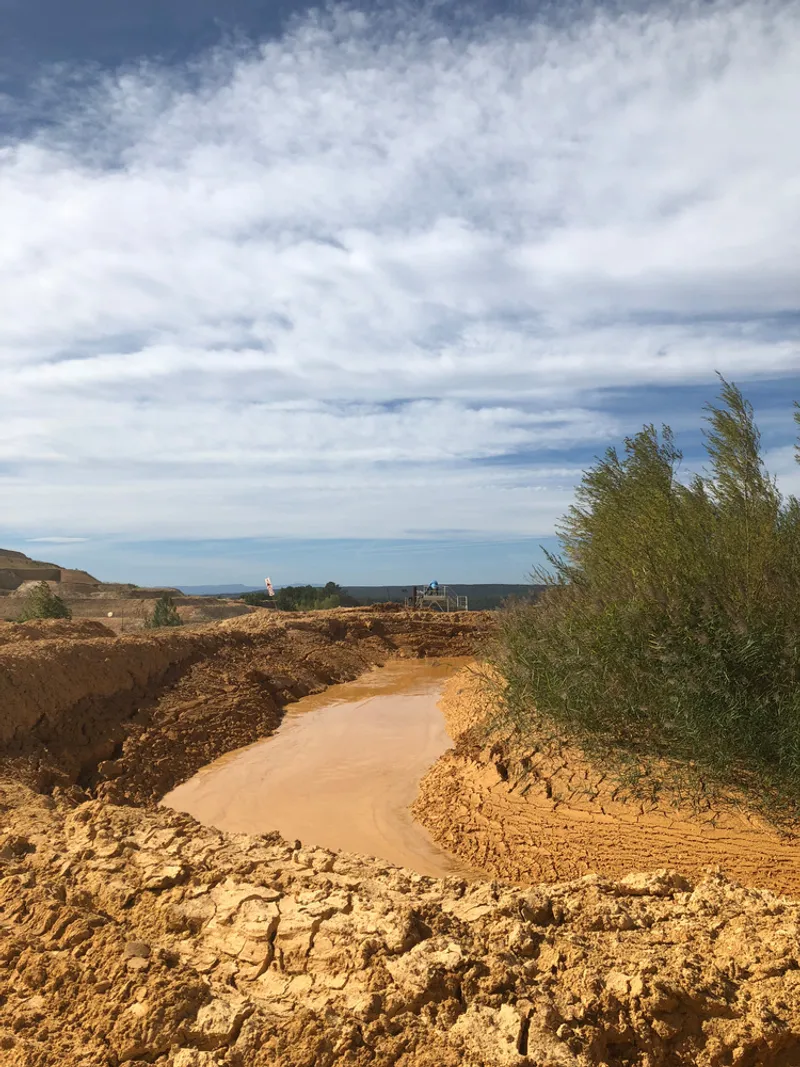
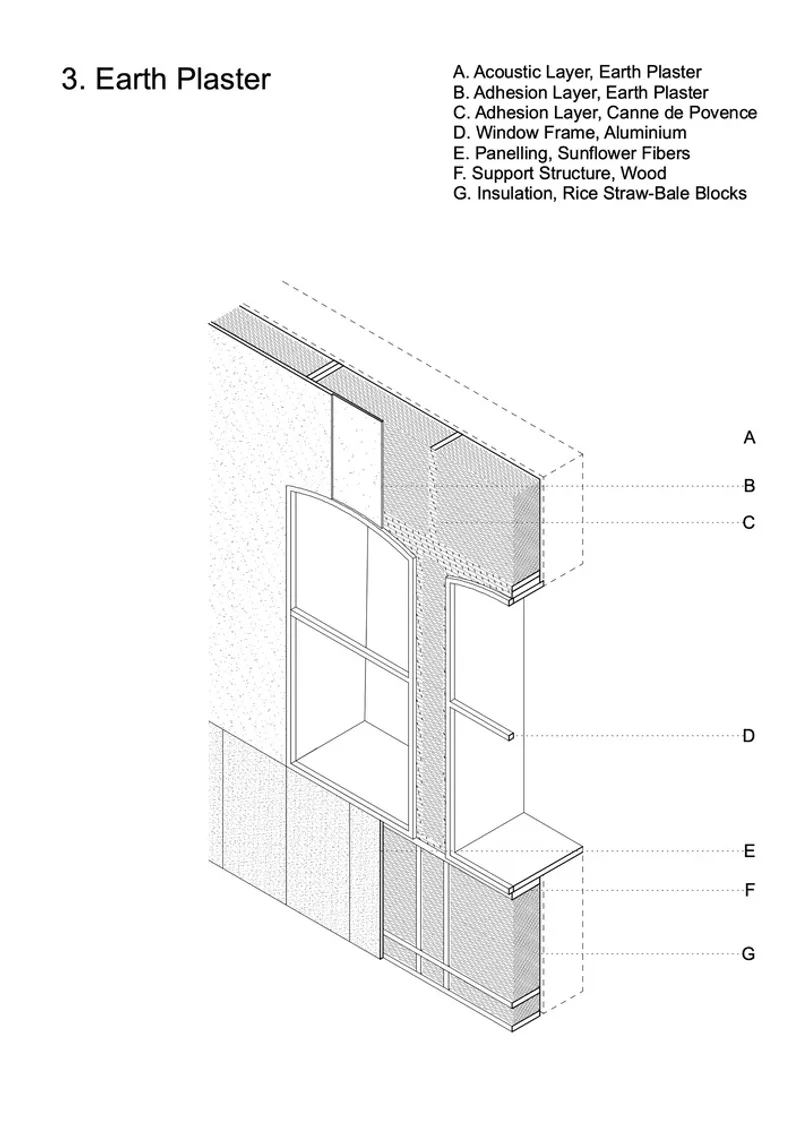
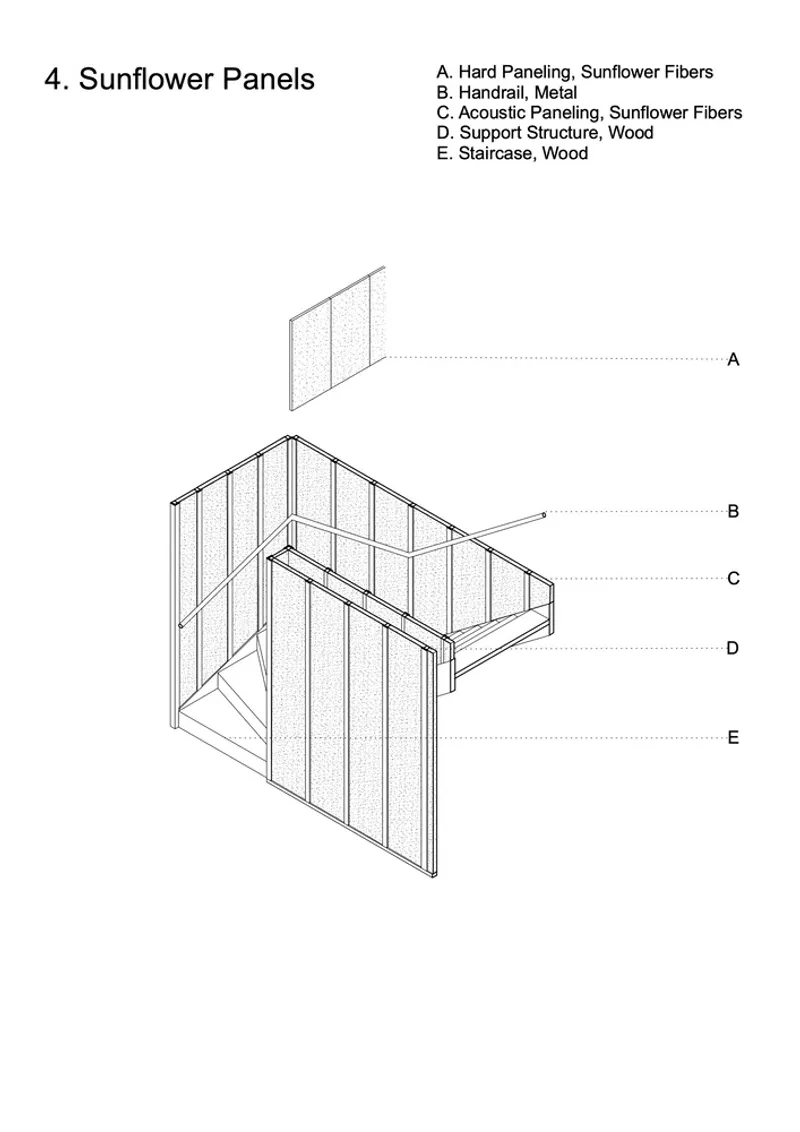
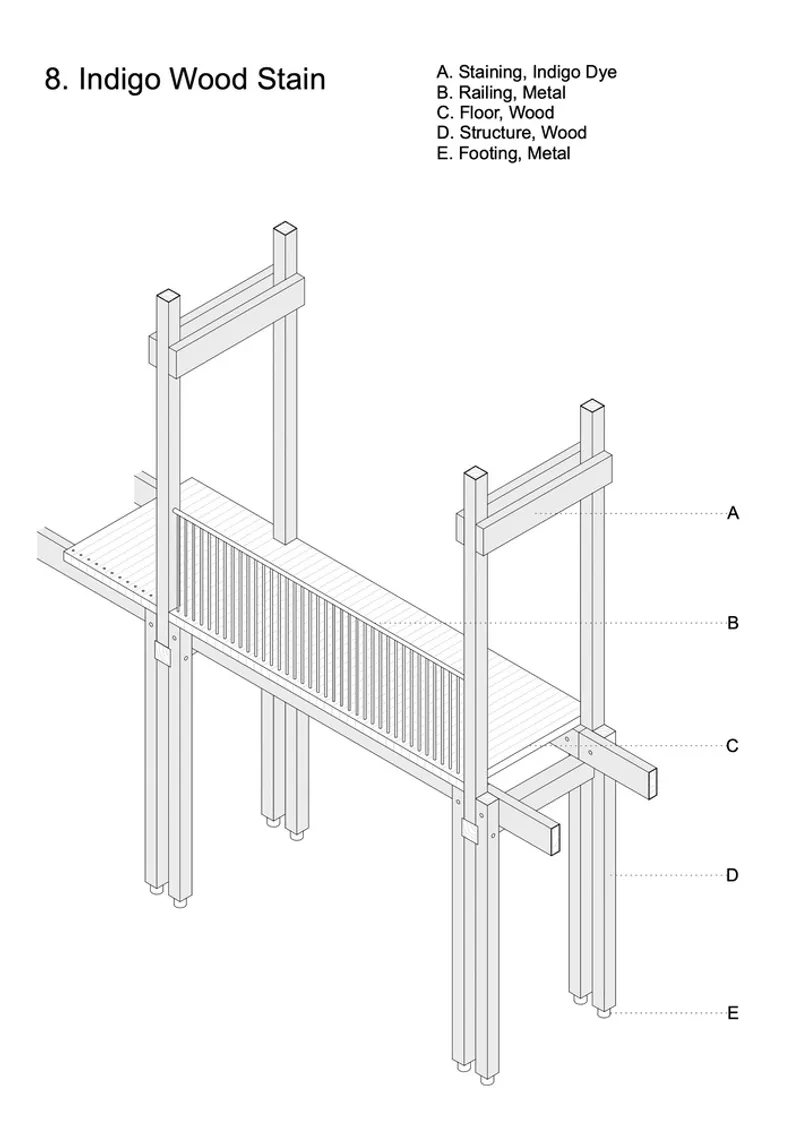
Central to the project is the use of locally sourced materials, which help reduce the carbon footprint of construction and create a building that is in harmony with its surroundings. The Bioregional Design Laboratory serves as a prototype for a new approach to architecture, where materials are not chosen based on availability or aesthetic preference but on their ecological and cultural relevance to the region. This approach encourages sustainability while respecting the history and identity of the area.

Training and Knowledge Transmission
One of the core objectives of the Lot 8 Bioregional Design Laboratory is to create a lasting impact through knowledge transmission. By engaging with local communities, artisans, and designers, the project aims to provide training programs that promote sustainable design practices and offer insights into bioregional solutions. This aspect of the project is crucial for ensuring that the innovations developed within the laboratory are shared and implemented beyond the walls of the research facility, creating a ripple effect throughout the region.
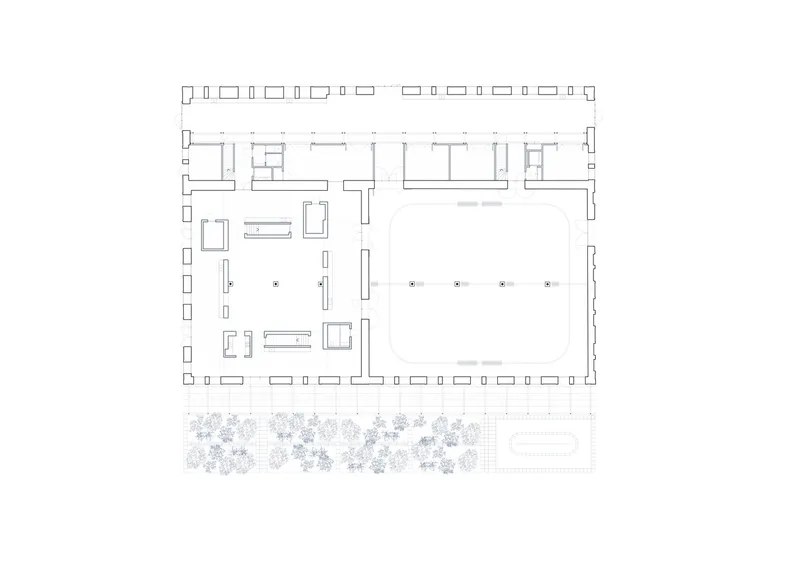
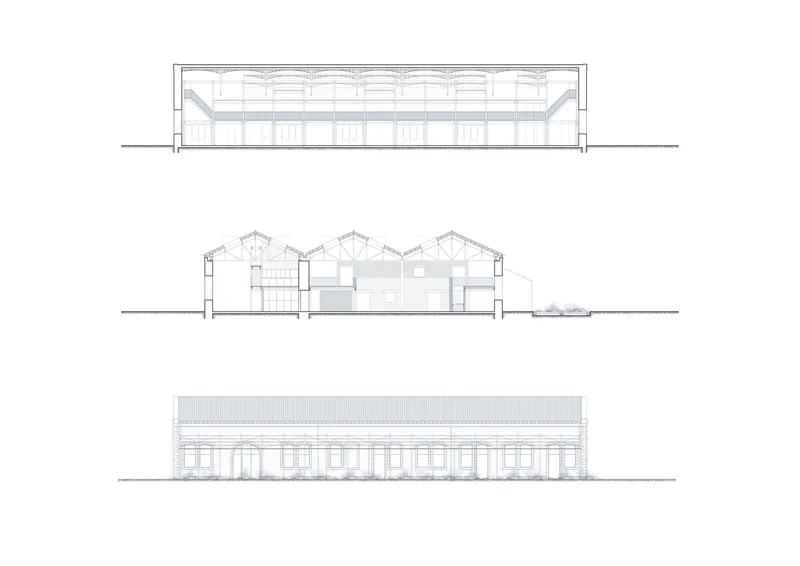
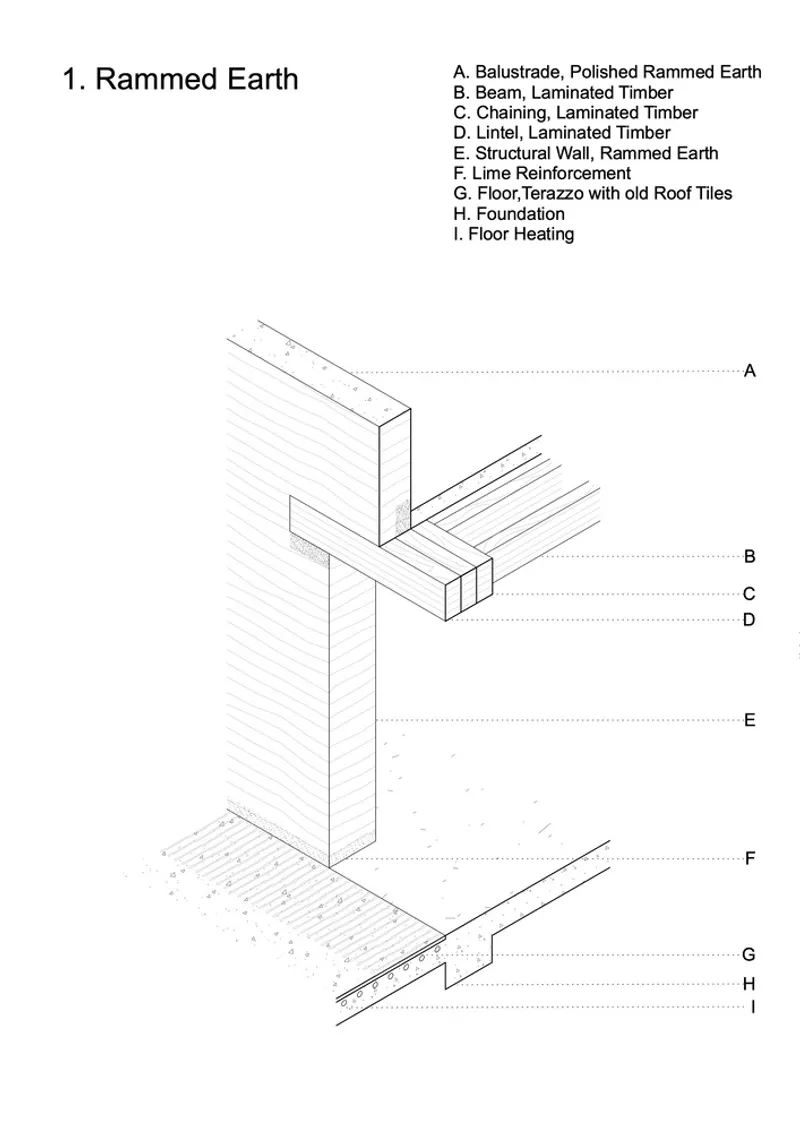
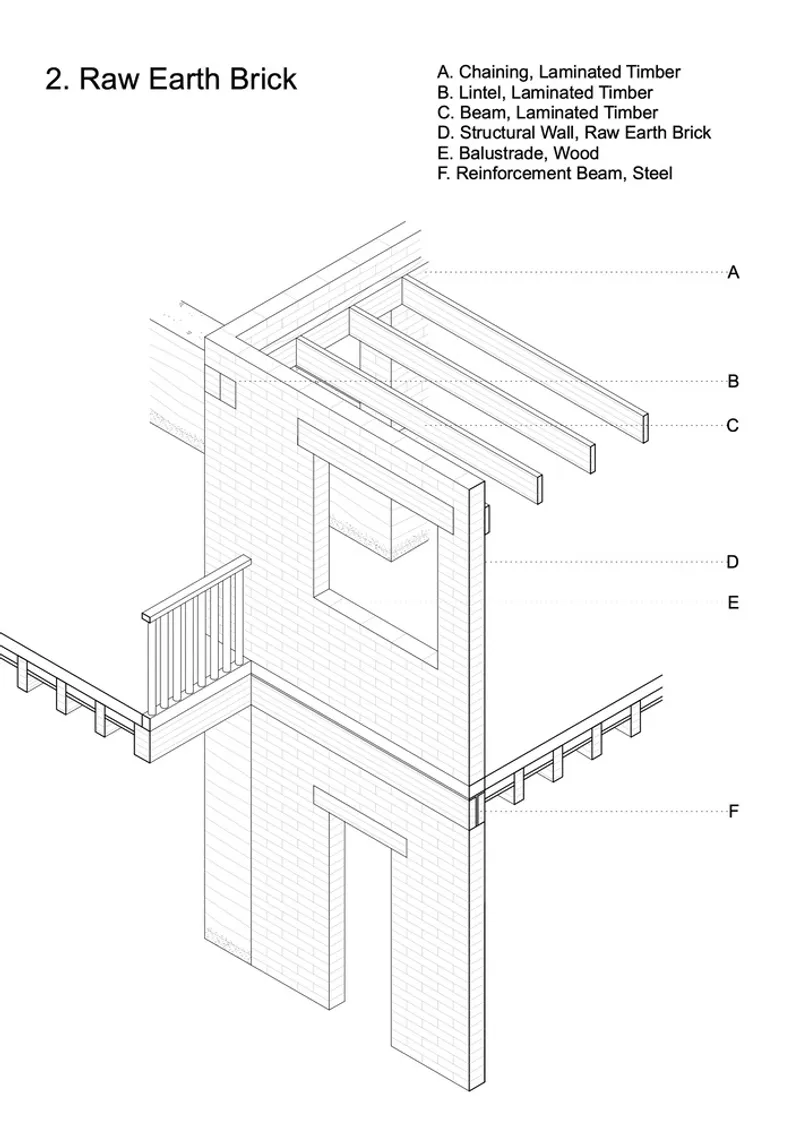
The Bioregional Design Laboratory at Lot 8 stands as a model for sustainable architecture and collaborative design. By combining local materials, indigenous knowledge, and cutting-edge research, the project highlights the importance of bioregional solutions in contemporary design practices. This innovative facility not only serves as a space for creating sustainable solutions but also as a hub for education, knowledge sharing, and community engagement. The Lot 8 project marks a significant step forward in the evolution of architecture, demonstrating that sustainability and innovation can go hand in hand to create buildings that are not only functional but also deeply connected to their environment.
All photographs are works of Morgane Renou, Joseph Halligan | Assemble, Baptiste Chatenet | BC architects&studies, Joana Luz, Adrian Deweerdt | Atelier Luma, Laurens Bekemans, Maria Lisogorskaya | Assemble


Popular Articles
Popular articles from the community


David Ortega Stacks a Two-Story Mexico City Penthouse Around a Steel Stair and a Pergola-Shaded Roof Terrace
In Colonia Roma, a 300 m² penthouse uses oak joinery, a planted steel stair and a slatted roof pergola to make a new-build apartment feel like a house.

Juan García Correa, John González and Claudia Rueda Sink a Circular Amphitheater into a Manizales Engineering Building
On the La Nubia campus in Manizales, Colombia, the S1 Building folds labs and offices into a hillside of ramped lawns that double as a campus route.

David Macias Steps a Doorless Stone and Plaster House Down a Tropical Colombian Hillside
In the humid hills of Colombia, Threshold House replaces the front door with an open void and terraces its 850 m² down the slope instead of fighting it.

GROUP A Strips a 1969 Rotterdam Harbor Headquarters to Its Frame and Wraps It in Timber Louvers
In Rotterdam's M4H harbor district, Ferro Offices reuses a 1969 frame, adds one timber storey and reaches BREEAM-NL Outstanding.

Similar Reads
You might also enjoy these articles

Bamboo Housing Challenge 2026: Design Affordable, Sustainable Homes Using Bamboo
An international design competition by Bamboo U and IBUKU inviting architects and designers to reimagine affordable housing using bamboo — with the winning design built full-scale in Bali.

Computational Design & Education: Beegraphy Design Awards Introduces 7th Category (Featuring Jiyun's Innovative Approach)
Dive into Beegraphy’s 7th Design Awards category, where computational design meets education to create immersive, interactive learning tools, inspired by Jiyun’s work.
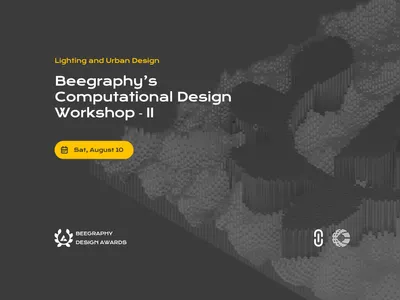
From Parametric Lighting to Urban Furniture: Join the 2nd Workshop in Beegraphy’s Computational Design Series
Dive into Cutting-Edge Design Techniques and Practical Applications with Industry Experts

Last Call: Unleash Your Architectural Genius in SHAK's Kindergarten Design Competition
Urgent call for architects to join SHAK's kindergarten design competition before the looming deadline

Explore Architecture Competitions
Discover active competitions in this discipline

Challenge to reimagine the Iron Throne

Photograph architecture without architects

Illustrate the lost glory of Angkor Wat - Render Challenge

Design challenge to reuse E-waste
Comments (0)
Please login or sign up to add comments
No comments yet. Be the first to comment!