Bonica Apartments in Quito: A Community-Driven Brick Residential Project by Diez + Muller Arquitectos and Arq. Álvaro Borrero
Bonica Apartments blends brick architecture, sustainability, and community-focused design to create timeless, light-filled homes rooted in site memory.


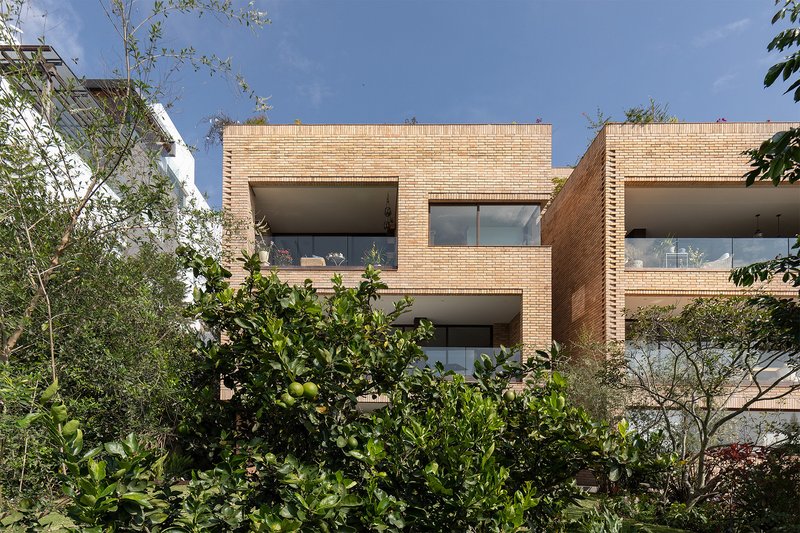
Located in the heart of Quito, Ecuador, the Bonica Apartments by Diez + Muller Arquitectos in collaboration with Arq. Álvaro Borrero exemplifies a thoughtful approach to urban residential architecture, blending material honesty, spatial clarity, and a deep sense of memory and community. With a total area of 3,700 square meters, the nine-unit housing project redefines what it means to live collectively in a growing city, emphasizing social interaction, environmental sensitivity, and architectural permanence.
Reconnecting Architecture with the City
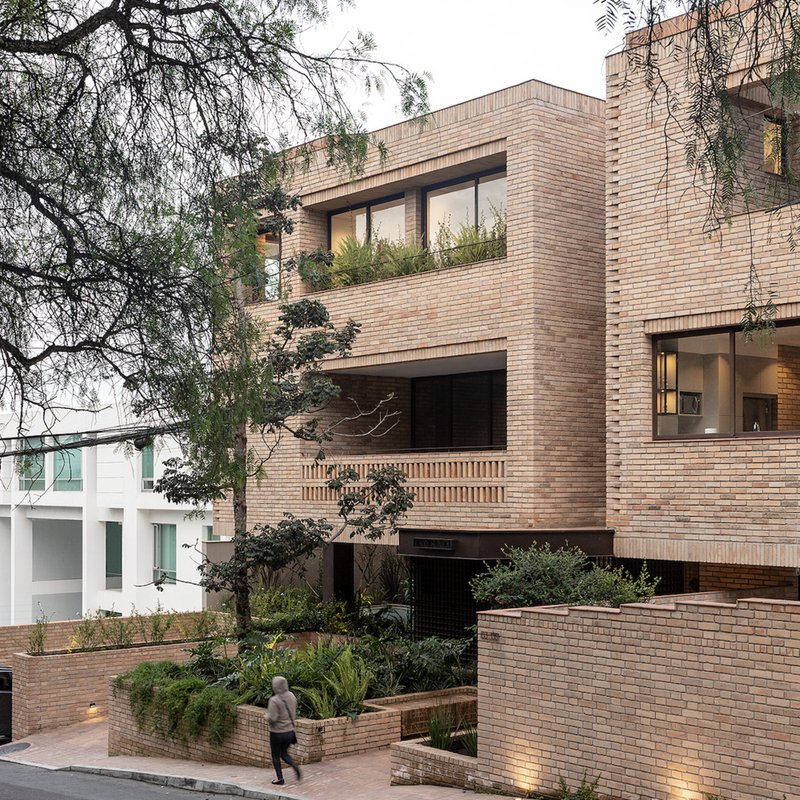
The design of the Bonica Apartments begins with a strong urban gesture—opening the project toward the street to enhance permeability and neighborhood engagement. A modest yet impactful plaza at the entrance, framed by lush vegetation and a simple bench, signals a clear intention to enrich the public realm. This transitional zone softens the boundary between private and public space, encouraging passersby to engage with the site and fostering a sense of belonging.
Volumetric Strategy: Lightness Through Division
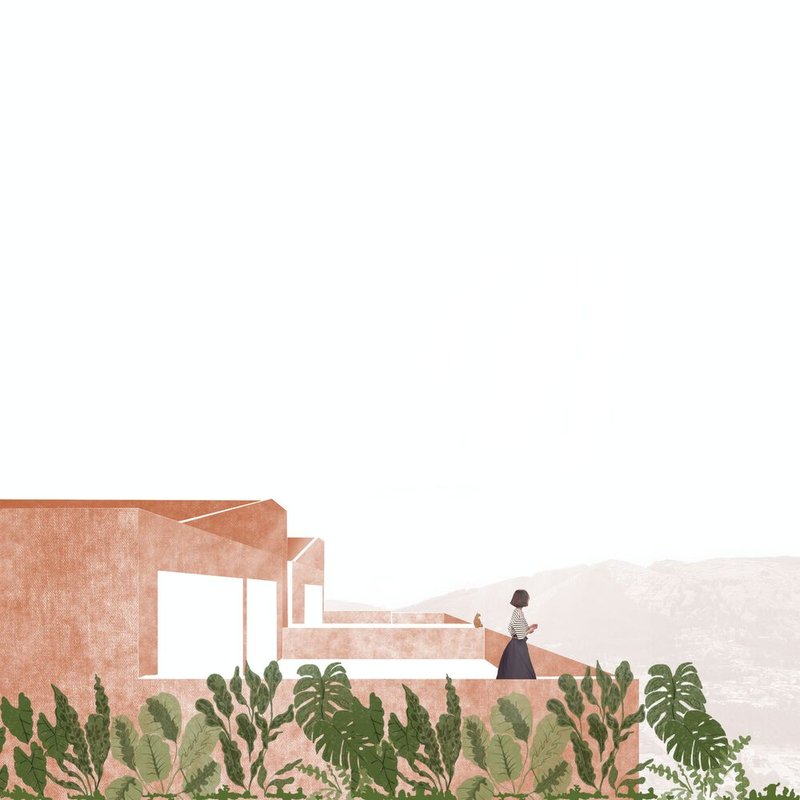
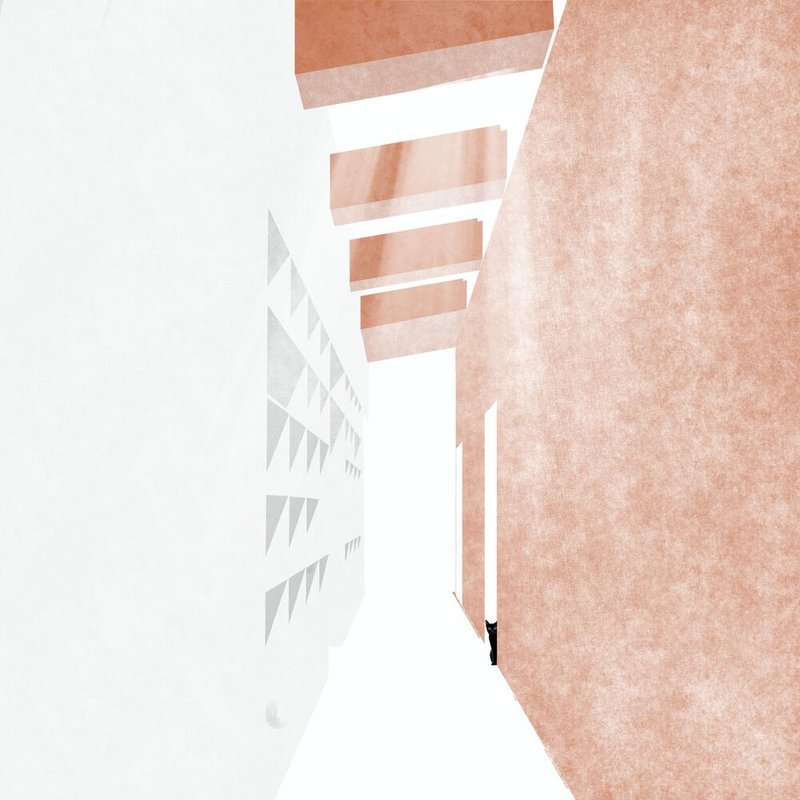
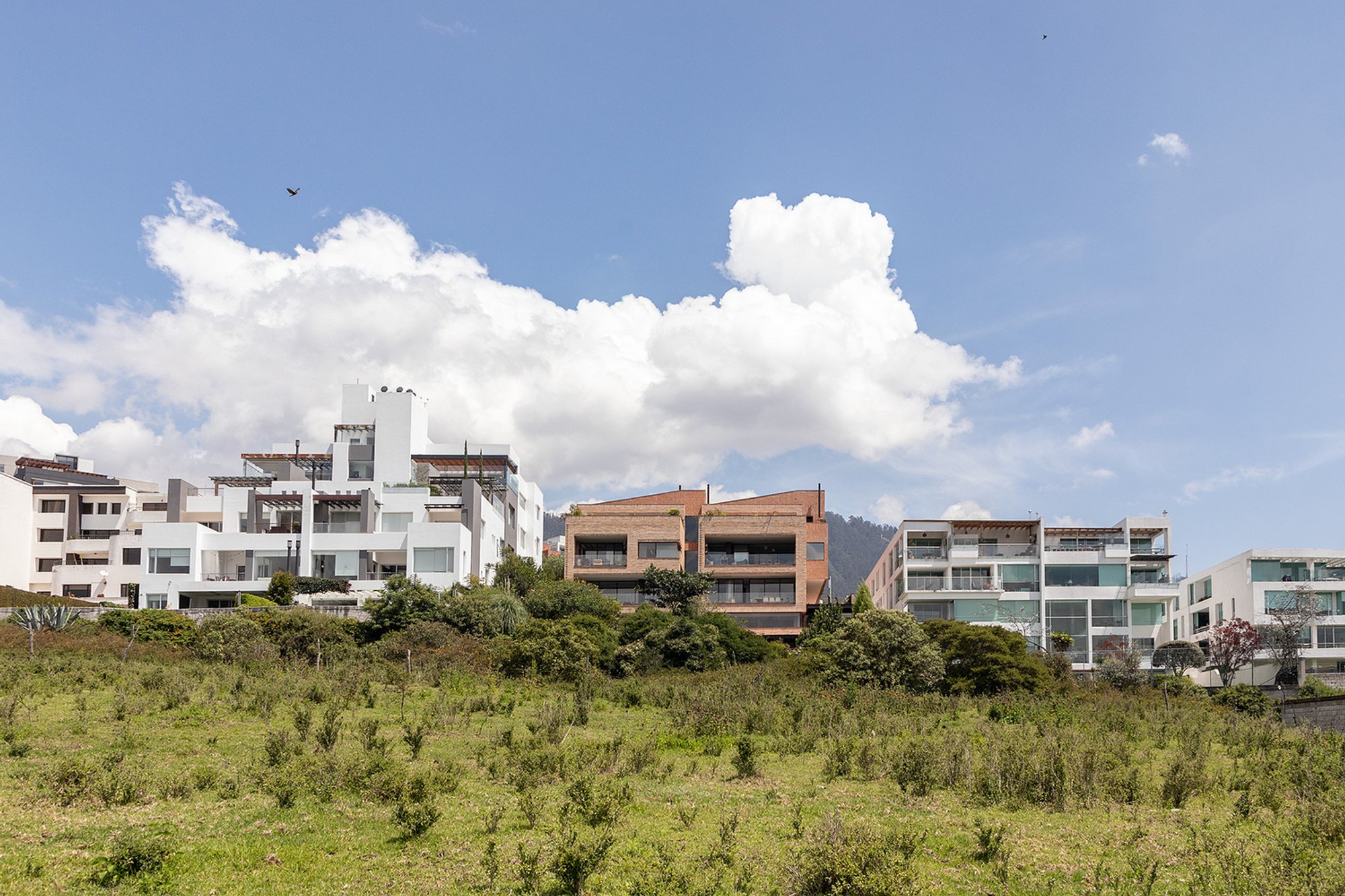
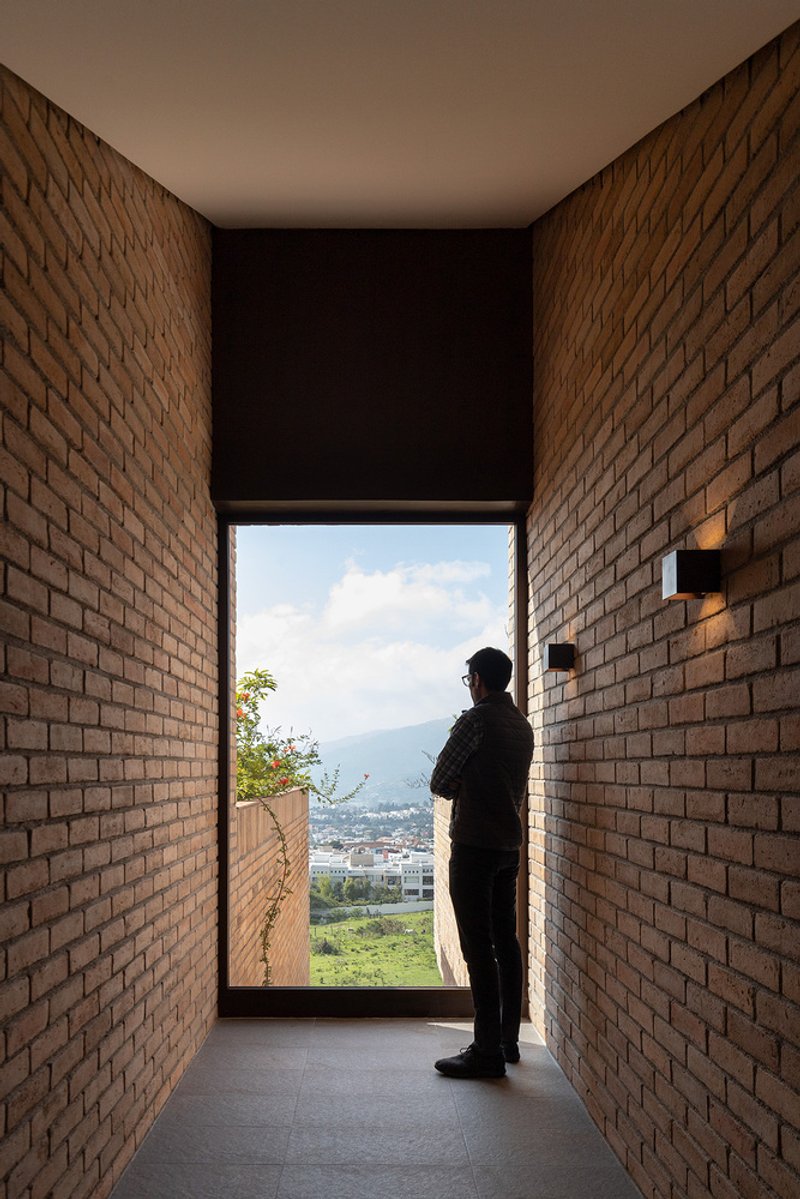
Given the building's wide façade and limited height, the architects recognized a potential for visual heaviness. To resolve this, they introduced a central "crack" that divides the volume into two articulated masses. This subtle intervention not only improves the building's proportions but also introduces a longitudinal axis that houses communal circulation and provides a direct visual connection to the adjacent ravine landscape. The result is an elegant interplay between form and function, offering each unit generous natural light, ventilation, and exterior views.
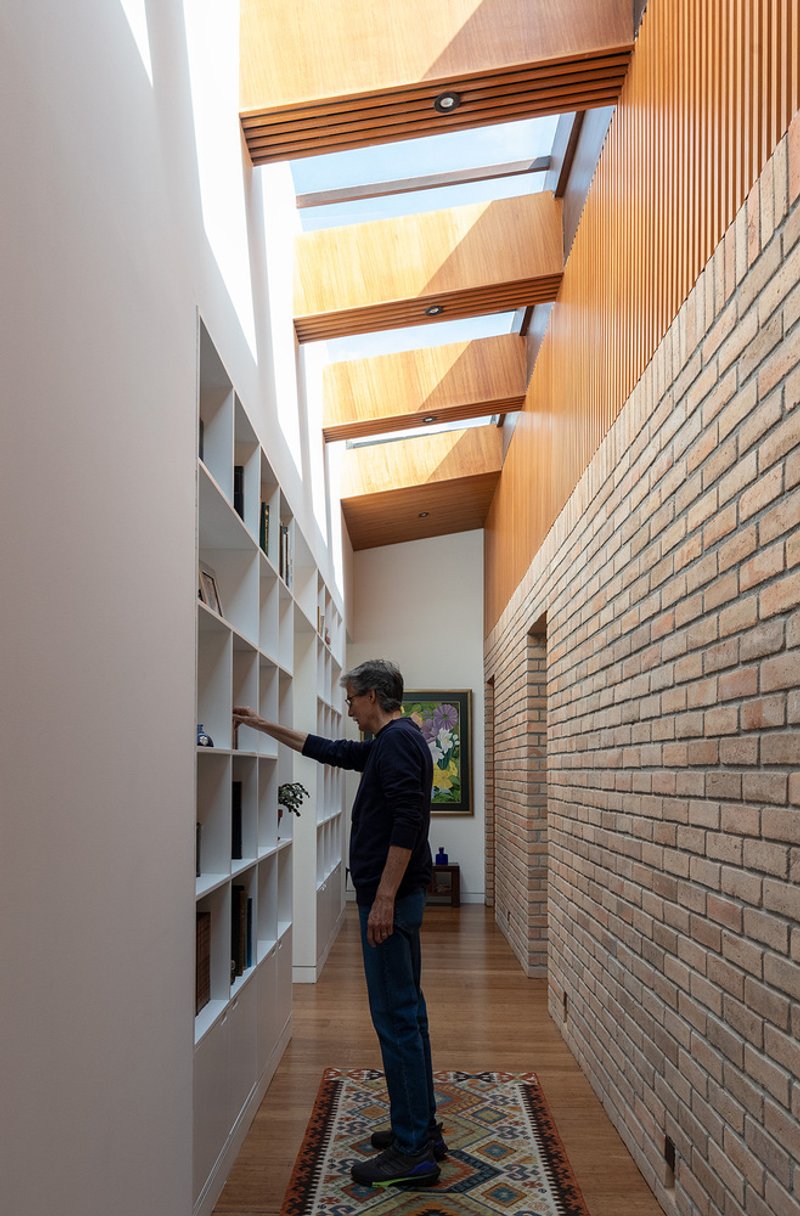
Honoring Site Memory and Topography
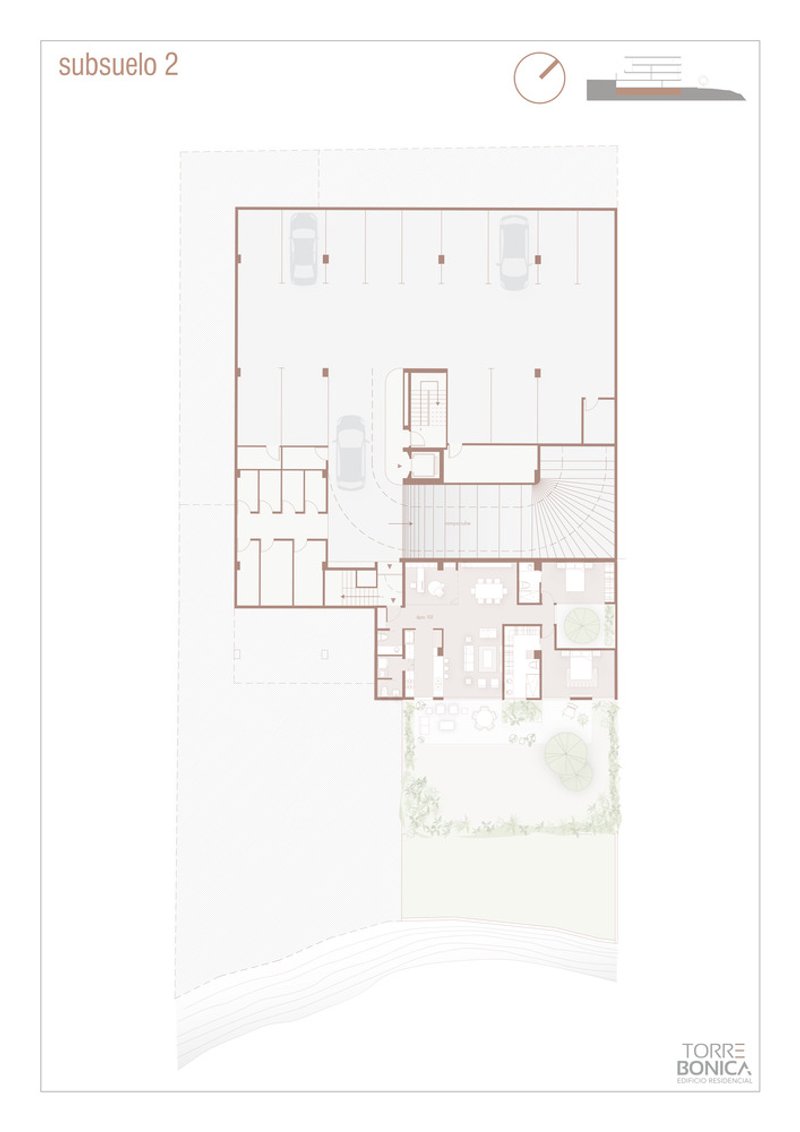
The project site previously housed a family residence and a painting studio, arranged on two separate levels below street grade. Rather than erasing this layered history, the architects embraced it, organizing the new structure to preserve existing gardens and embed memory into the new design. This respectful approach allowed the project to benefit from a mature and biodiverse landscape, offering both environmental and emotional richness to future residents.
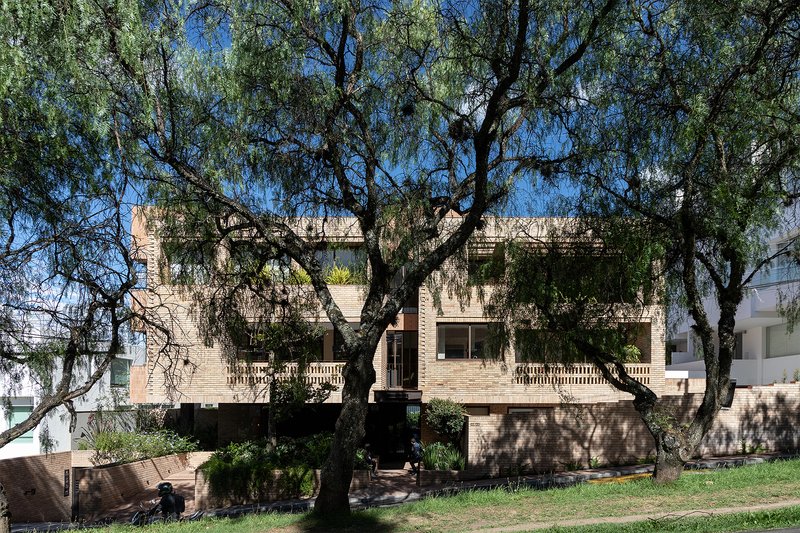
Architecture as a Framework for Community
Rooted in the personal history of the site’s owners—siblings seeking to develop their parents' land—the Bonica Apartments prioritizes a communal living experience. The design framework integrates the following values:
- Communal interaction: Shared spaces that promote spontaneous encounters and neighborly bonds.
- Collective green space: Landscaped areas are accessible to all residents rather than privatized.
- Healthy environments: Each apartment emphasizes cross-ventilation, daylighting, and connection to greenery.
- Domestic warmth: The interiors are designed to evoke a sense of comfort and familiarity, fostering emotional connection.
Sustainable and Passive Design Strategies
Sustainability is seamlessly integrated through passive design principles and thoughtful material selection. Key environmental strategies include:
- Natural permeable floors to reduce runoff and improve site ecology.
- Local materials and labor, minimizing embodied energy and supporting the local economy.
- Passive solar orientation and climate-responsive design that reduces reliance on mechanical systems.
- Solar panel integration for renewable energy production.
These elements reflect a sensitive, commonsense approach to sustainability, aligning environmental care with architectural integrity.
The Power and Poetry of Brick
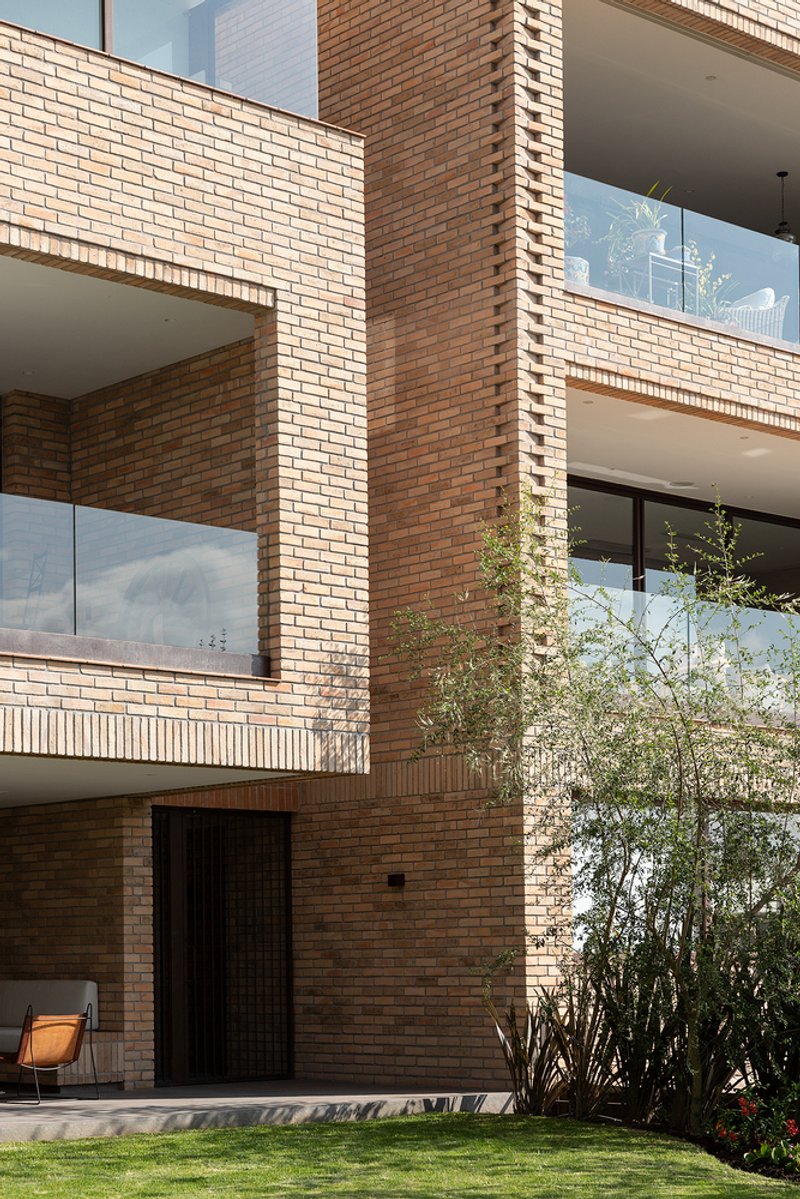
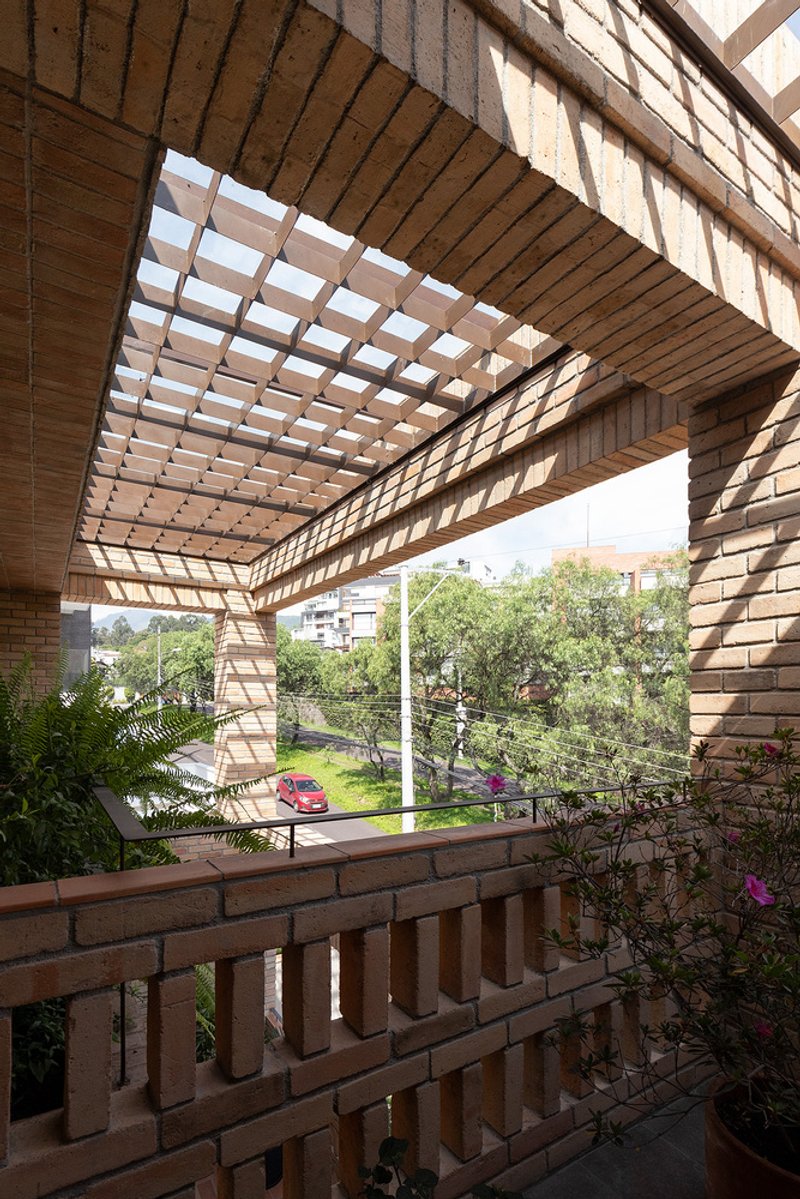
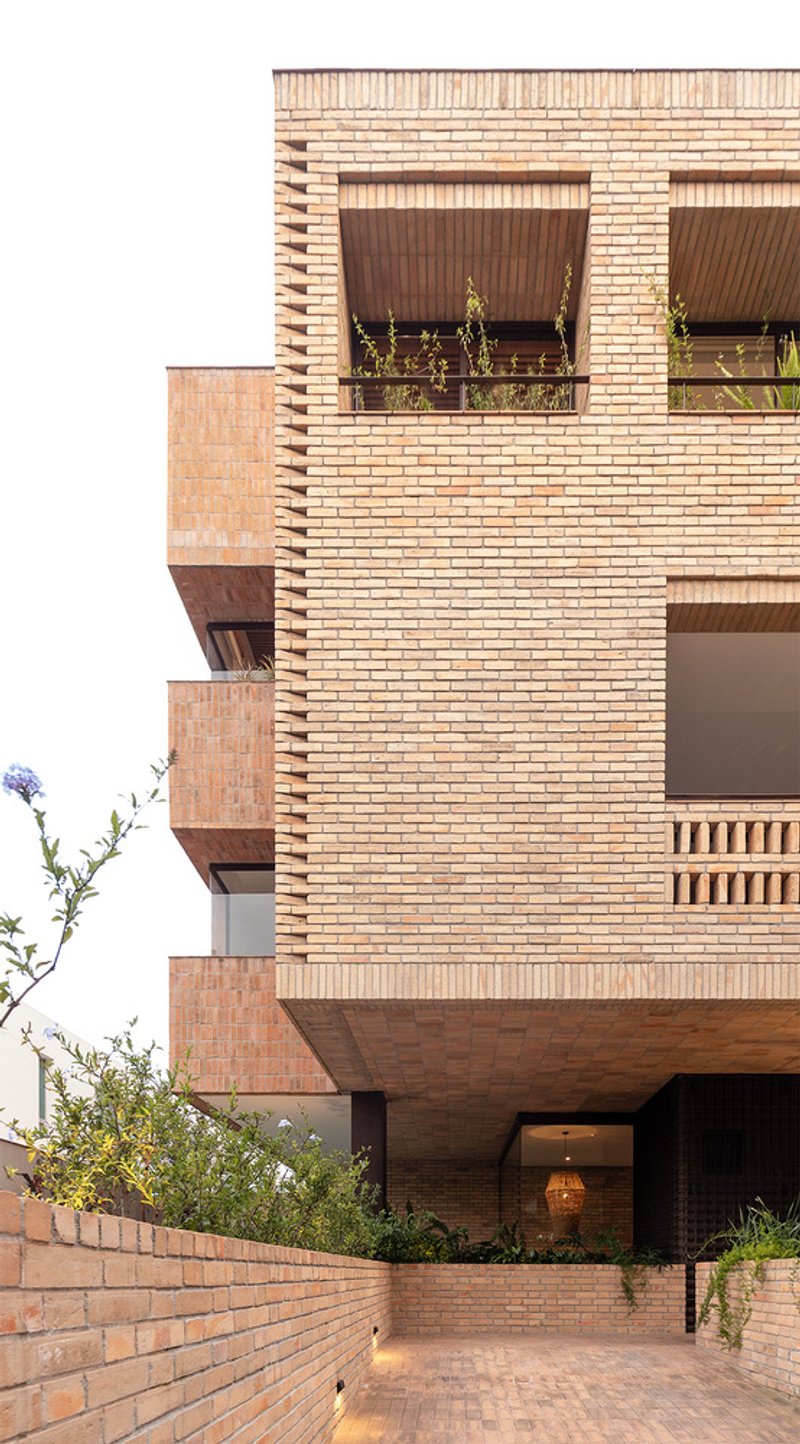
Central to the identity of the Bonica Apartments is its use of brick and clay-based materials, chosen for their timelessness, low maintenance, and natural aging qualities. Beyond aesthetics, brick serves multiple roles—structural walls, screens, furniture, lintels, ceilings, and more—showcasing its versatility and expressive potential.
The rich materiality not only creates a tactile and sensory experience, but also speaks to a deeper design philosophy where luxury is found in details: hand-laid surfaces, warm textures, and spaces that invite quiet reflection.
The Bonica Apartments by Diez + Muller Arquitectos and Arq. Álvaro Borrero represents a compelling example of contemporary Ecuadorian residential architecture that embraces memory, sustainability, and community. Through sensitive spatial organization, honest materials, and a clear connection to both landscape and history, the project offers a model for future urban housing developments that are not just buildings—but places to belong.