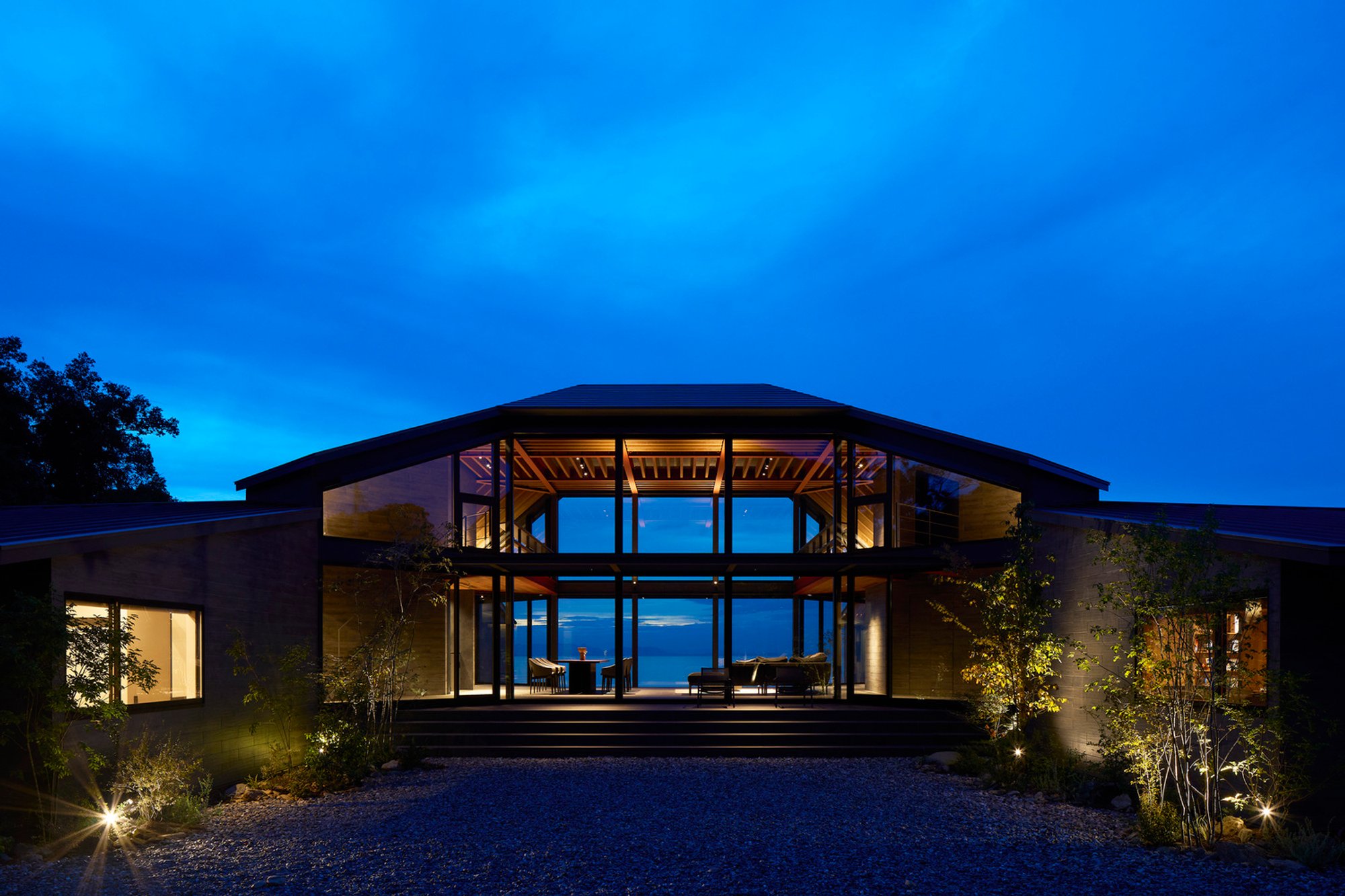
Branching Architecture Design: A Harmonious Connection with Nature at House Y
House Y's branching architecture design, blending natural elements with innovative spatial layouts and layered gardens.


Architecture inspired by nature often results in designs that blend harmoniously with their surroundings. One such example is House Y, designed by Hayato Komatsu Architects, located in a serene, flat landscape in Japan surrounded by mixed trees. This remarkable example of branching architecture design integrates the home with its natural environment, establishing meaningful connections in multiple directions while addressing the challenges of the site’s unique topography. House Y exemplifies how architecture can echo organic forms, creating spaces that reflect the rhythm of nature while maintaining functionality and beauty.
The Landscape and Vision Behind House Y
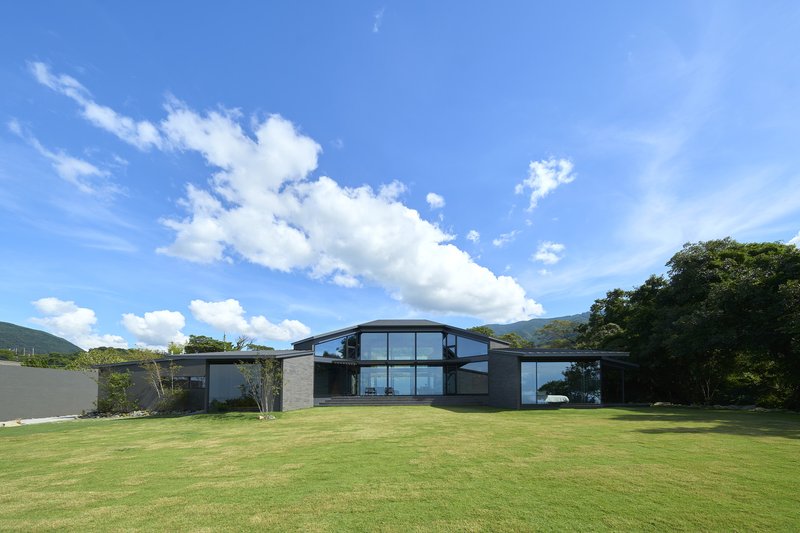
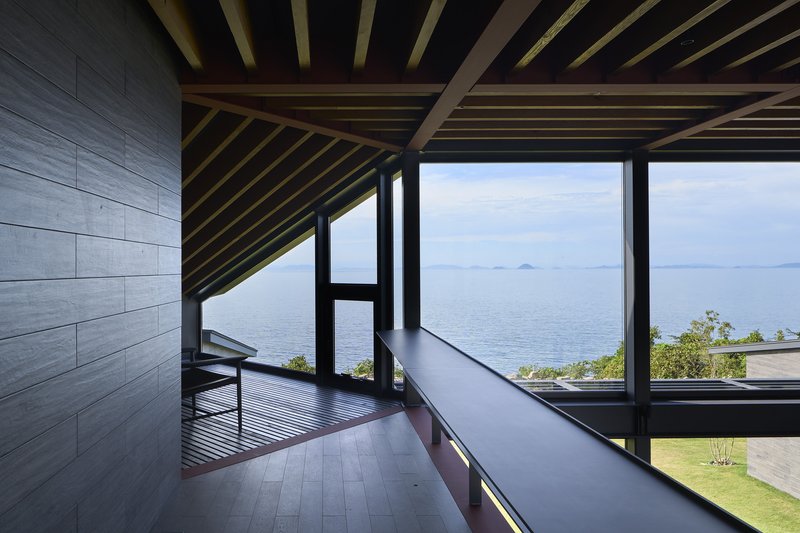
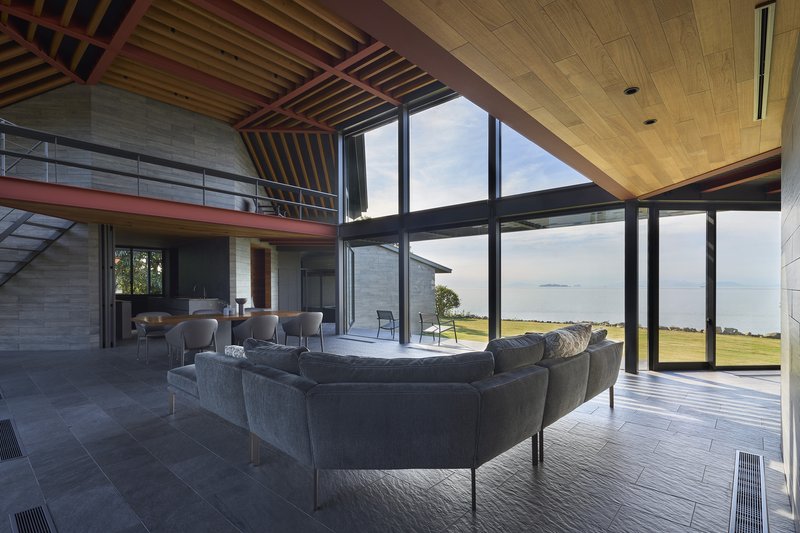
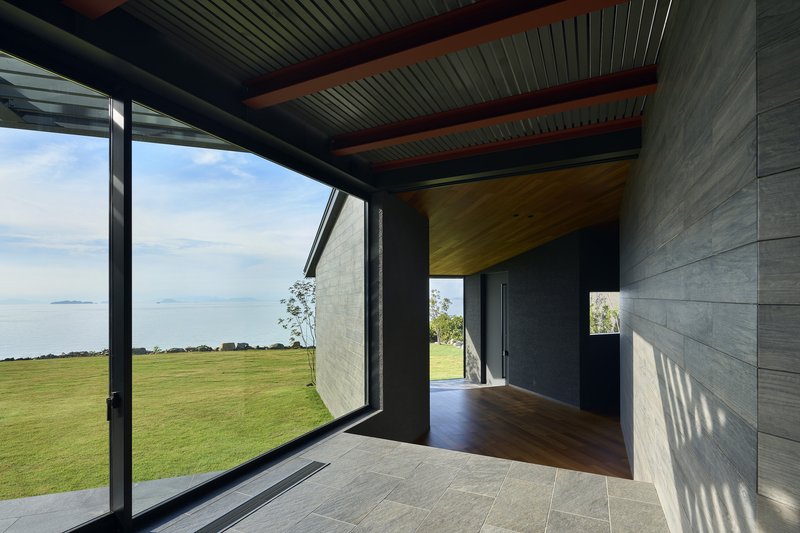
Situated on a vast plot of land, House Y is designed to maximize its connection to the surrounding landscape. The site offers two standout views: the stunning sunset over the Seto Inland Sea to the northwest and the expansive mountain range to the southeast. The architects sought to design a structure that would not merely sit within this picturesque environment but actively engage with it, forming connections in all directions.
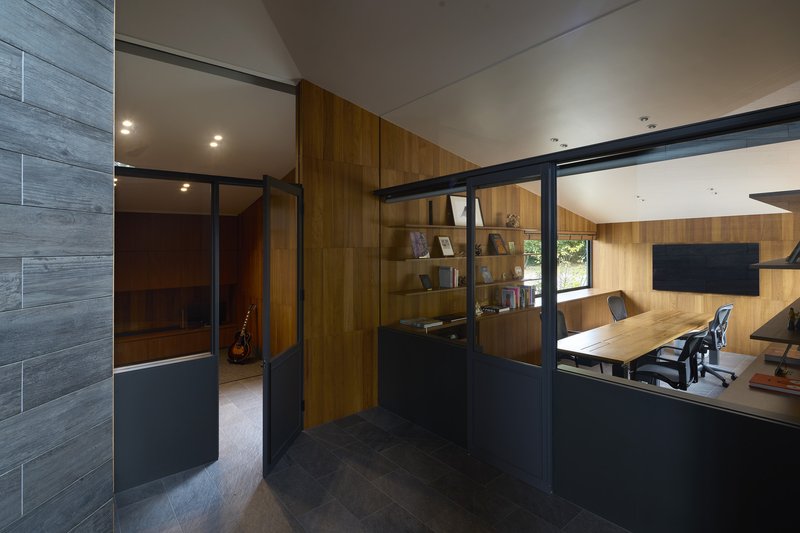
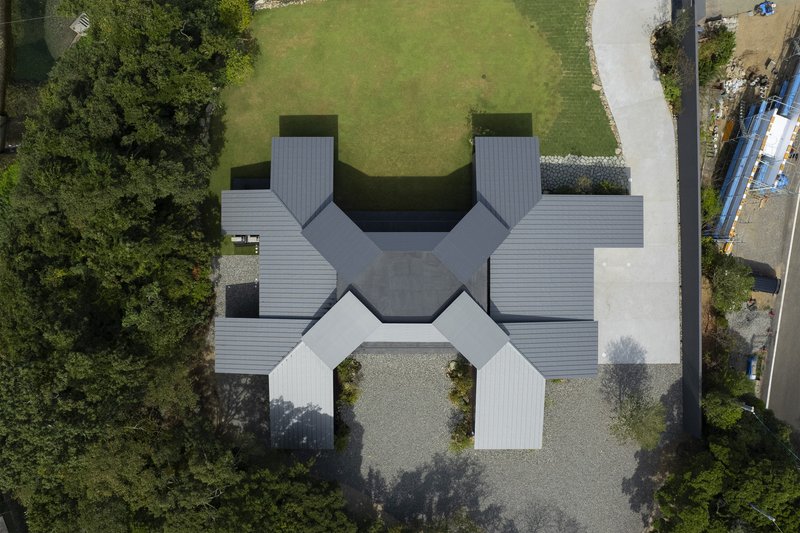
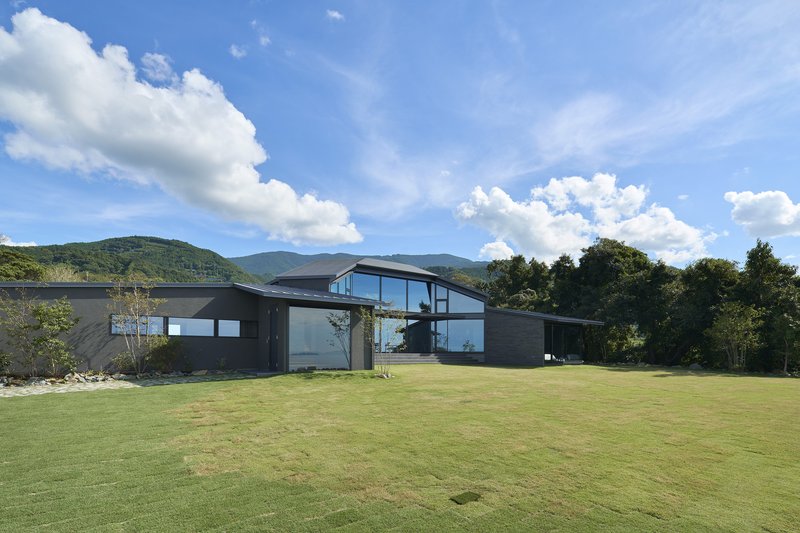
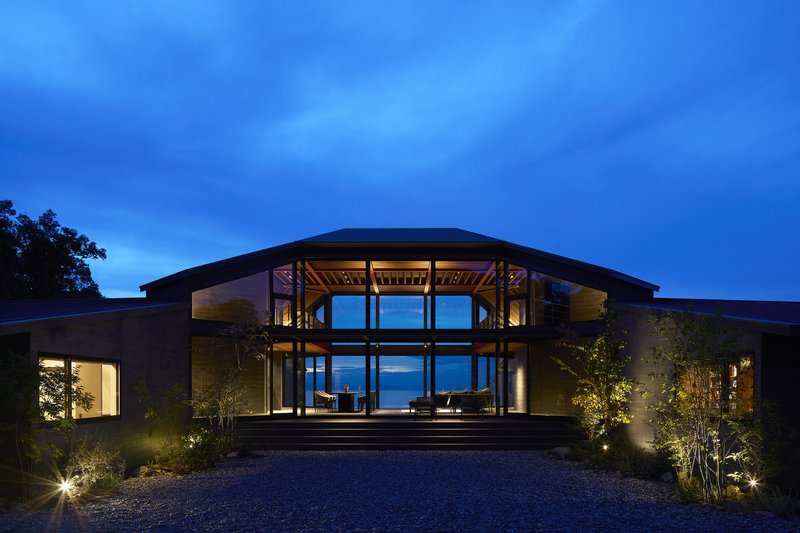
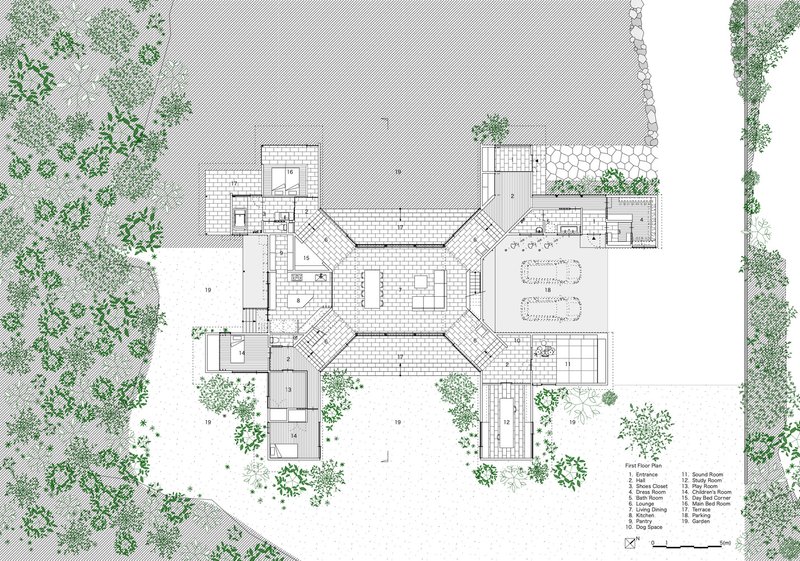
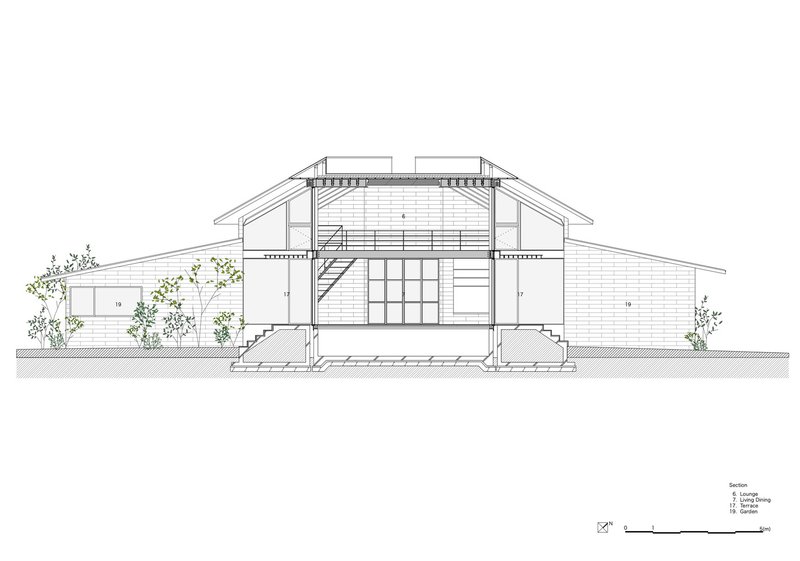
The design is guided by the land's unique topography, including woodland slopes and cliffs with varying heights. To address the instability of certain areas without retaining walls, the main volume of the building was positioned centrally within the site. This decision not only ensures stability but also creates an opportunity to design an architectural form inspired by a tree, with a central "trunk" extending "branches" that reach out to the private rooms.
Architectural Design Inspired by Nature
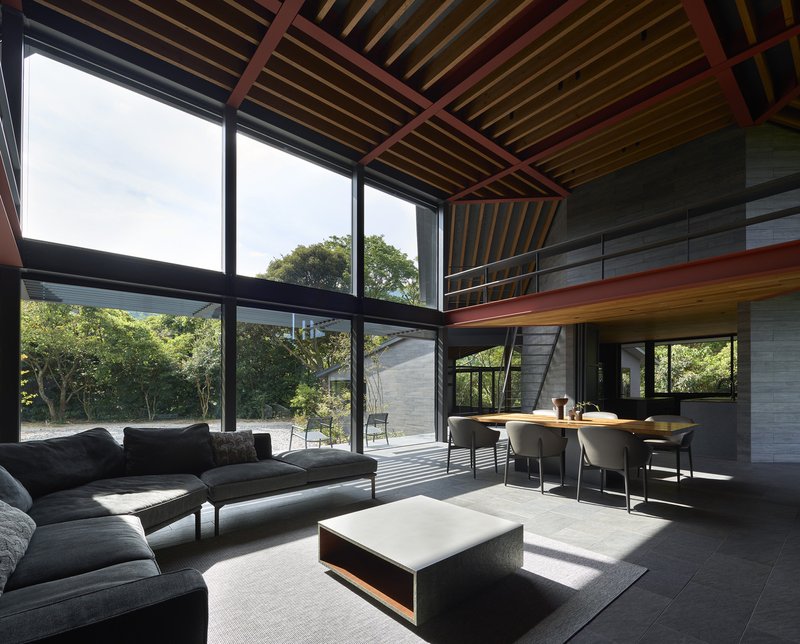
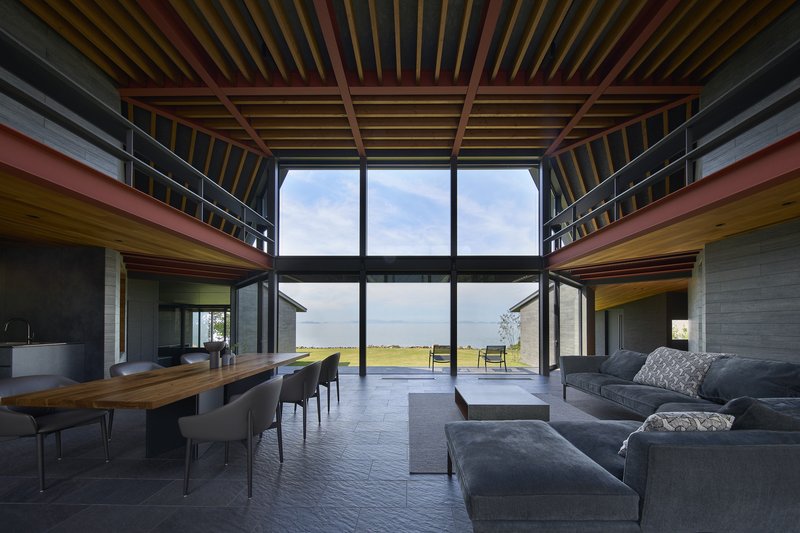
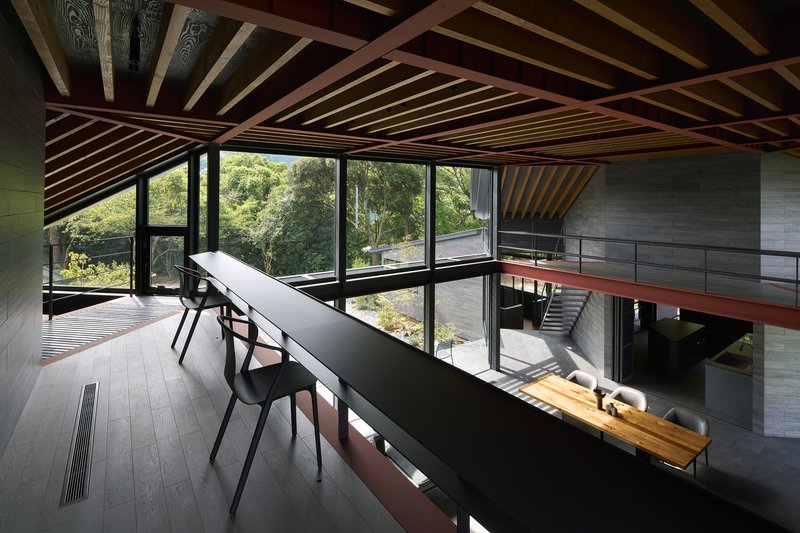
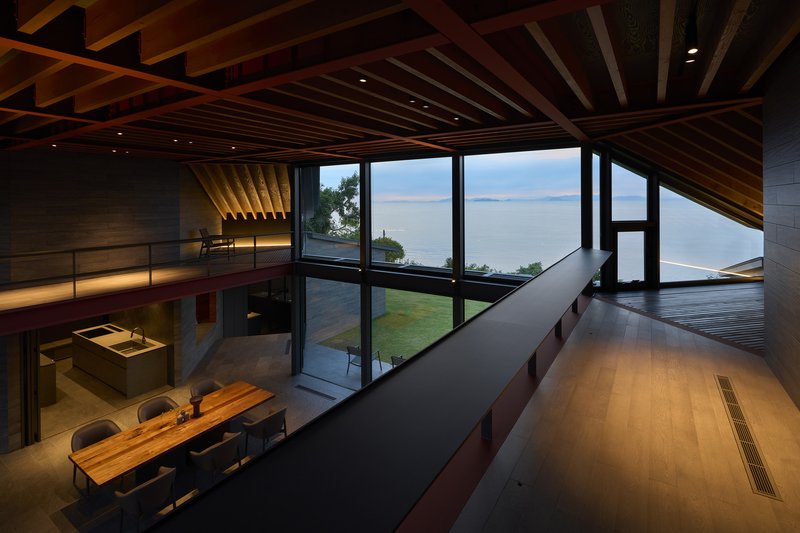
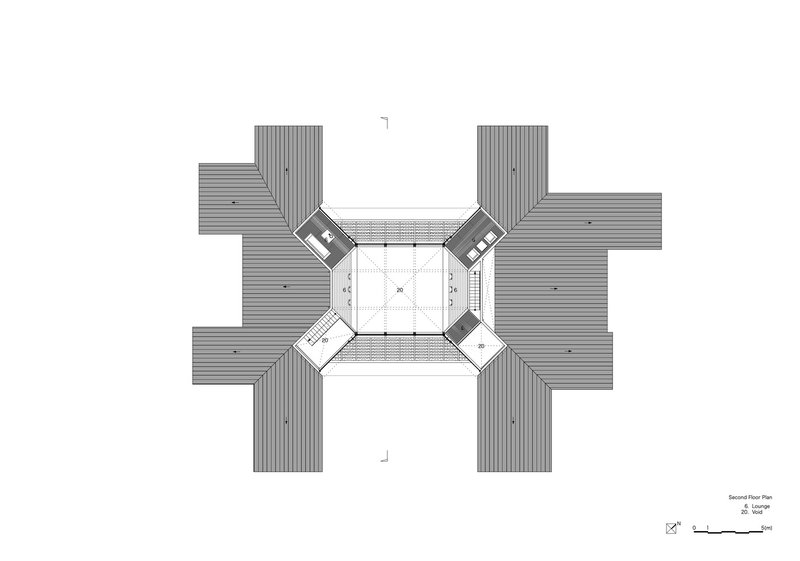
The central concept of branching architecture design in House Y revolves around the progression from public to private spaces, resembling the growth of a tree. The main room is centrally located, serving as the "trunk," while corridors radiate outward like branches. These corridors expand into lounges, forming semi-public spaces that transition gradually into private quarters. This architectural layout creates a dynamic flow of space, where the main room connects seamlessly with private areas while maintaining distinct levels of privacy.
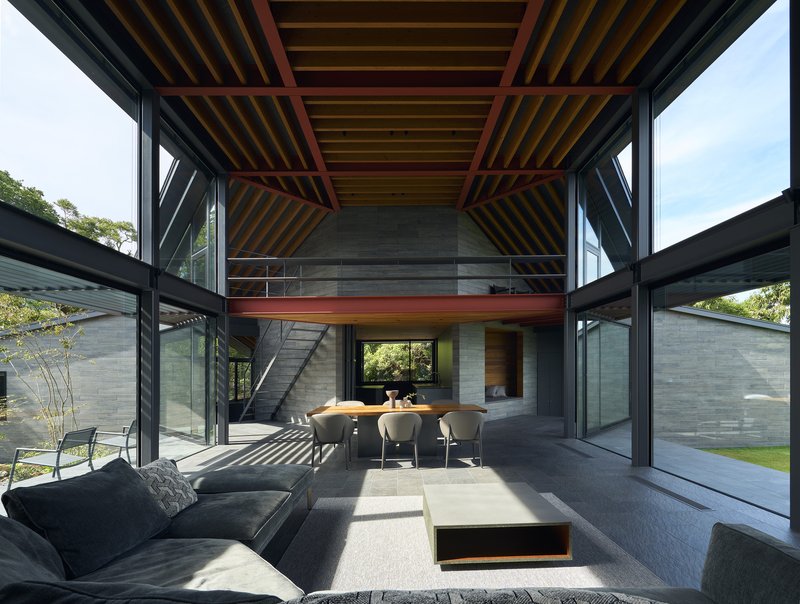
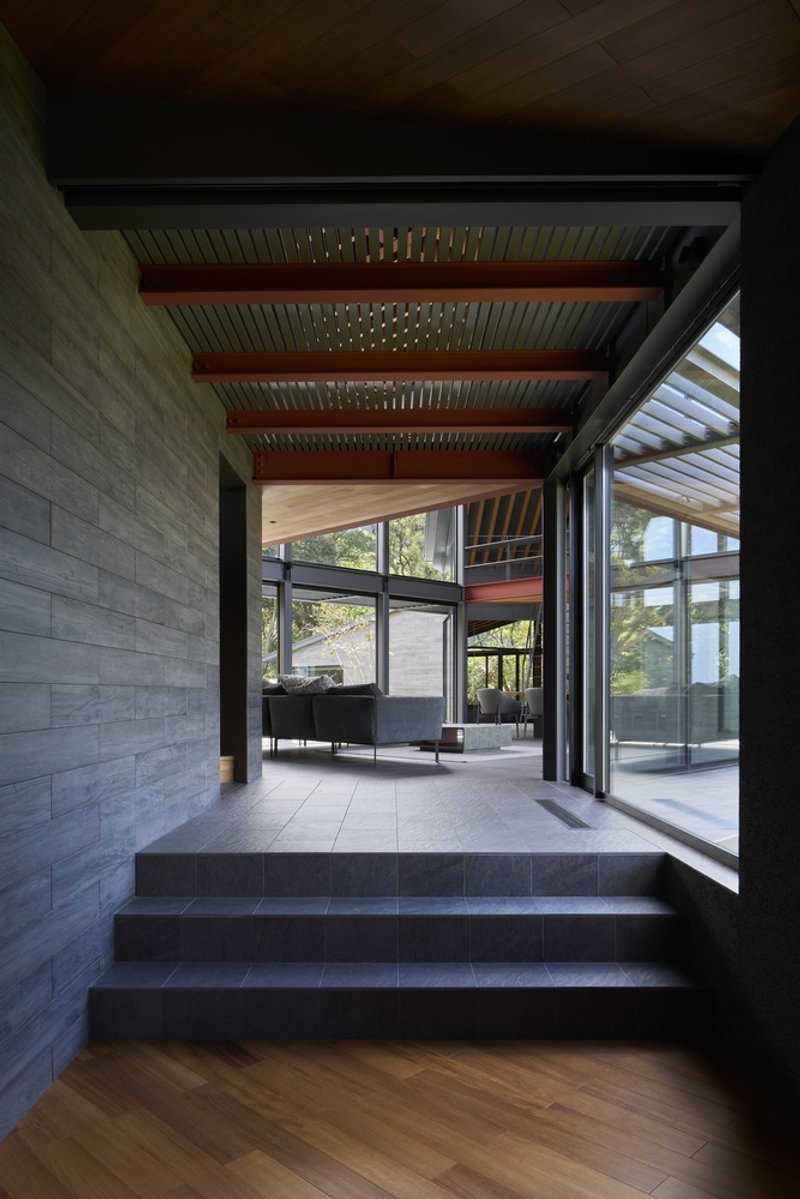
The branching design also enhances spatial depth and continuity. Ceilings are higher in public areas to create a sense of openness, while they lower in private spaces to foster intimacy. The private rooms, which extend from the lounges, are designed to frame diverse views, guiding sightlines toward the surrounding landscape.
Integrating Gardens with Branching Architecture Design
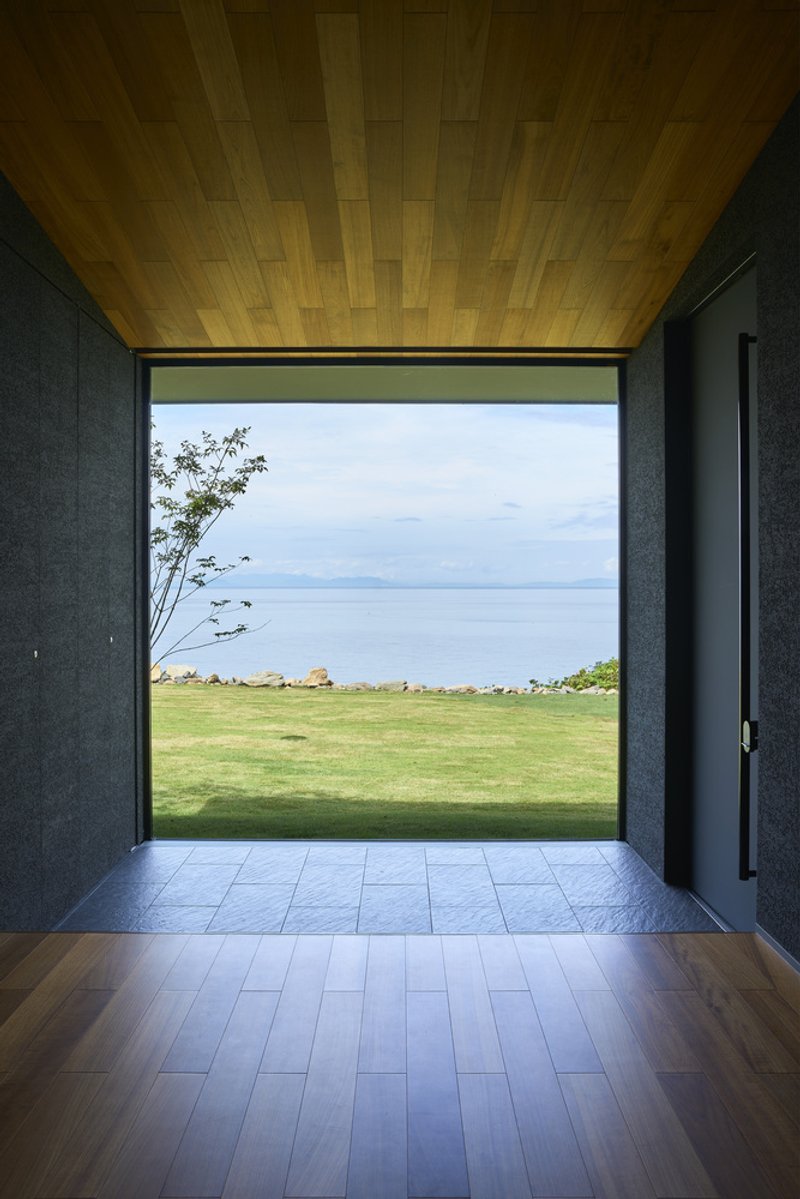
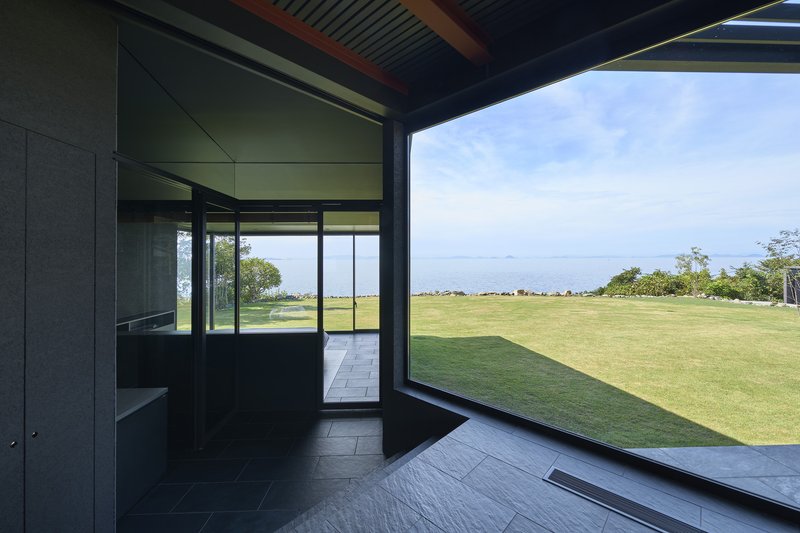
A defining feature of House Y is its integration of outdoor spaces with the architectural layout. The branching configuration allows for the creation of layered gardens, each capturing a unique aspect of the site. These gardens provide a variety of experiences:
- One frames the sunset over the Seto Inland Sea.
- Another opens to the ocean.
- Others welcome morning light, face the mountain range, or offer playful spaces for children.
The gardens are not just decorative; they function as extensions of the house, seamlessly blending indoor and outdoor living. This layered approach enhances the interaction between the residents and their environment, allowing them to experience the site’s natural beauty throughout the seasons and at different times of the day.
The Flow of Life Through Branching Architecture Design
The organic growth of House Y’s design creates a harmonious relationship between architecture and nature. The central trunk and branching layout allow life to flow naturally through the house, with spaces that adapt to various purposes and moods. The design fosters exploration and discovery, encouraging residents to find spaces perfectly suited to each moment.
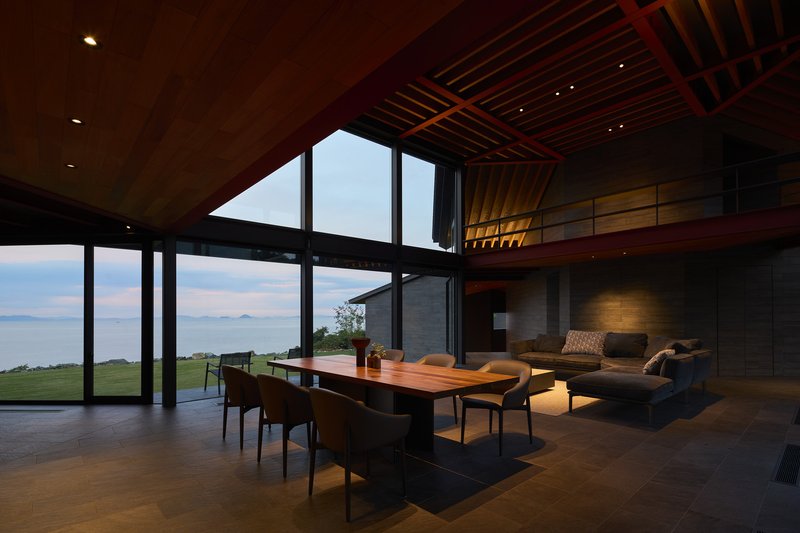
The result is a home that feels alive, growing with its residents and offering a sense of connection to the environment. This approach to branching architecture design demonstrates how architectural forms inspired by nature can create spaces that are both functional and deeply connected to their surroundings.
The Beauty of Branching Architecture Design
House Y by Hayato Komatsu Architects is a masterpiece of branching architecture design, offering a seamless connection between indoor and outdoor spaces while drawing inspiration from the natural world. Its innovative layout, thoughtful integration of gardens, and progression of privacy create a living experience that harmonizes with the rhythms of nature. As architecture continues to evolve, designs like House Y set a precedent for how structures can grow organically, fostering a deeper connection with the environment.
All Photographs are work of Toshiyuki Yano