CHITRAKUT Residences by AANGAN Architects: A Contemporary Homage to Traditional Indian Living in Surat
Chitrakut Residences blends traditional faliyu living with modern architecture, promoting community, privacy, and harmony with nature in Surat.


CHITRAKUT Residences, designed by AANGAN Architects, redefines modern community living through the lens of traditional Indian architecture. Located in Surat, India, this 1,450 m² housing cluster integrates ancestral values, spatial harmony, and contemporary design into one unified experience. Completed in 2022, the project is a model of how modern residential architecture can evolve while staying rooted in cultural identity.
A Modern Faliyu: Celebrating Family Clusters
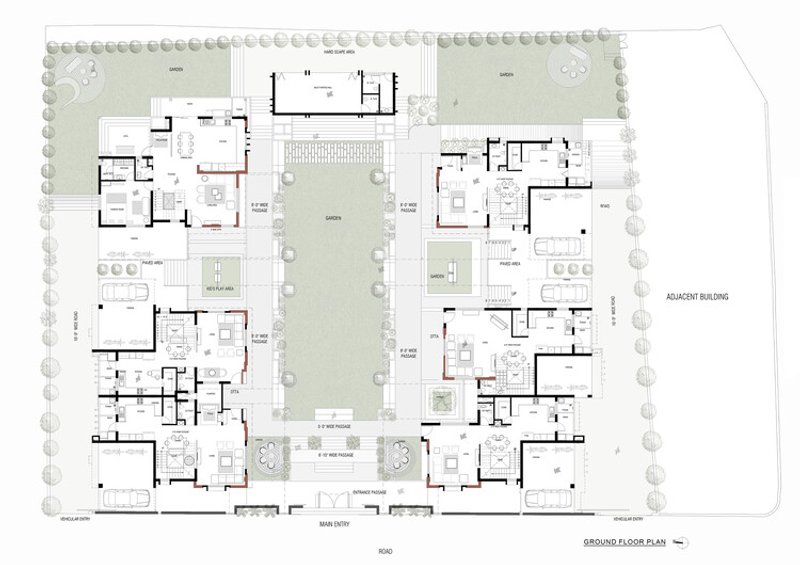
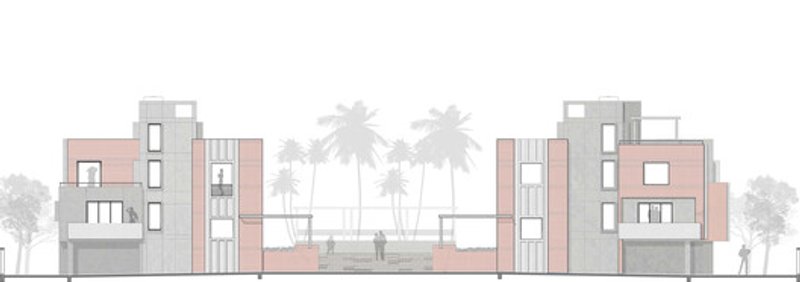
Inspired by the age-old concept of the Faliyu—a traditional housing cluster in Gujarat—the Chitrakut Residences are designed for an extended family of six. The layout consists of six distinct units, each designed with a unique identity while maintaining strong visual and spatial connectivity through common areas.
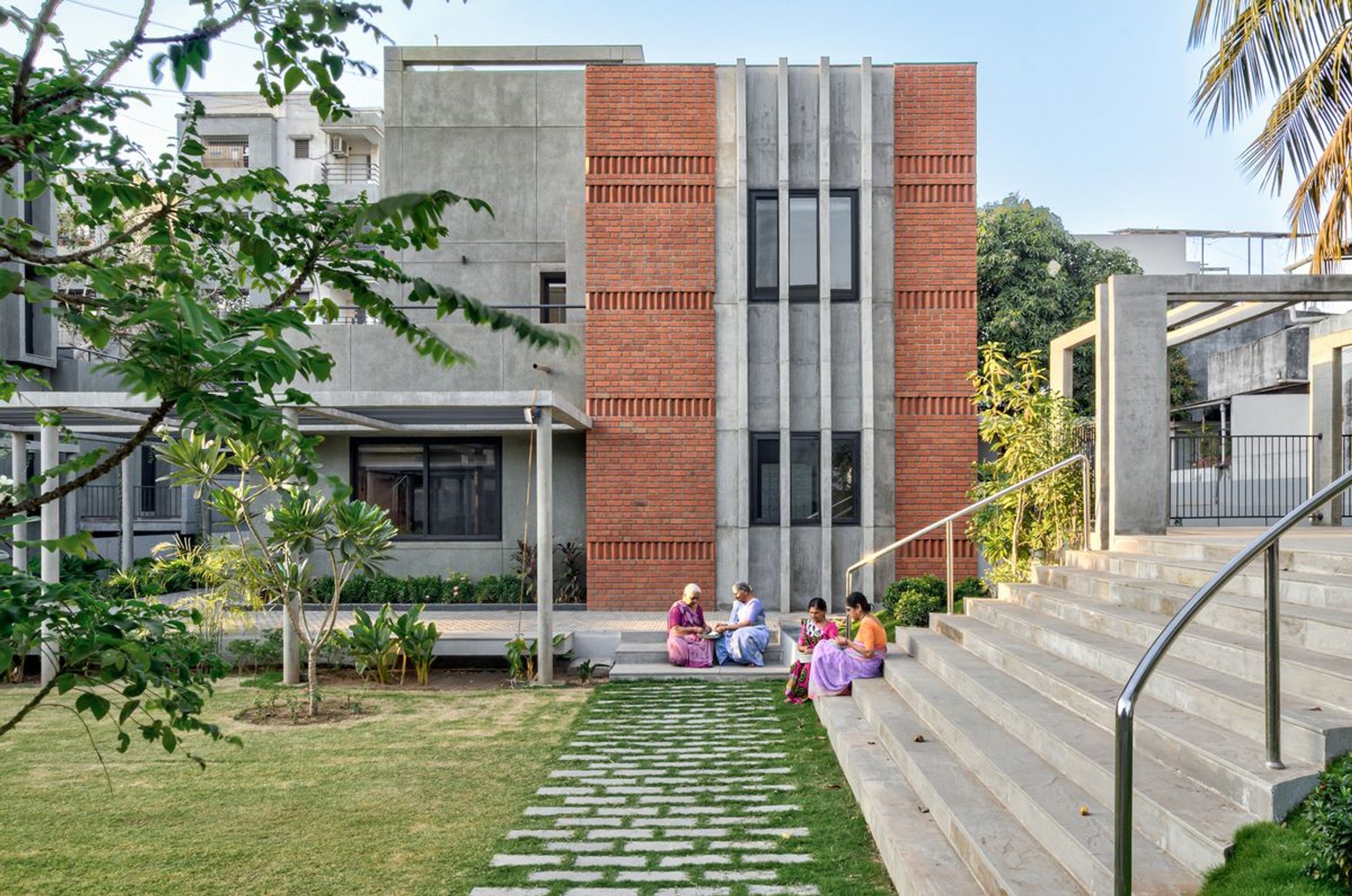
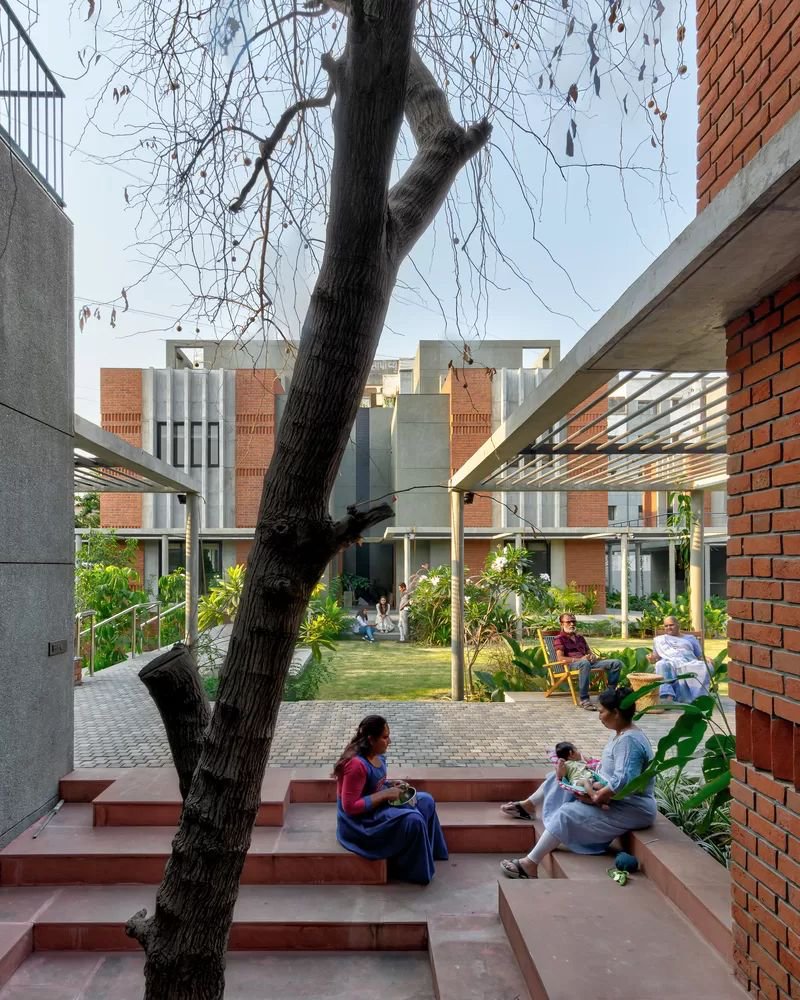
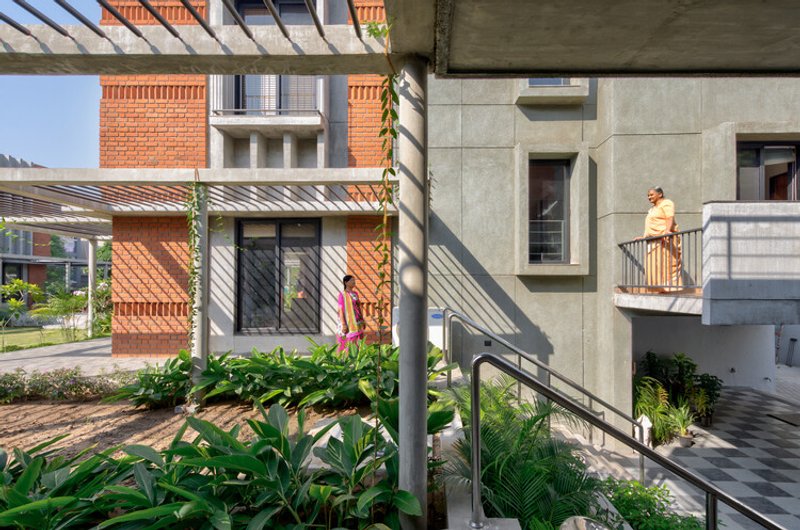
Key elements such as verandas (atlas), central courtyards (chogan), and pergola-covered walkways promote social interaction, passive cooling, and natural transitions between indoor and outdoor spaces. The shared verandas with traditional swings enhance community bonding and nostalgic comfort while offering protection from the harsh climate.
Cluster Planning and Landscape Integration
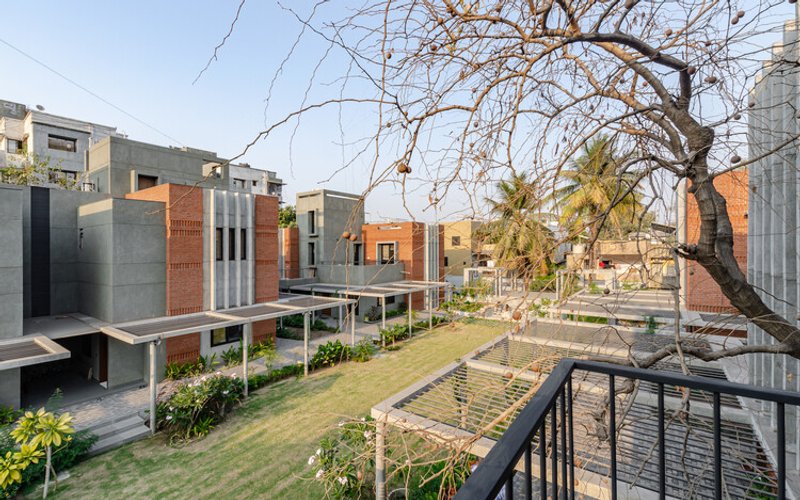
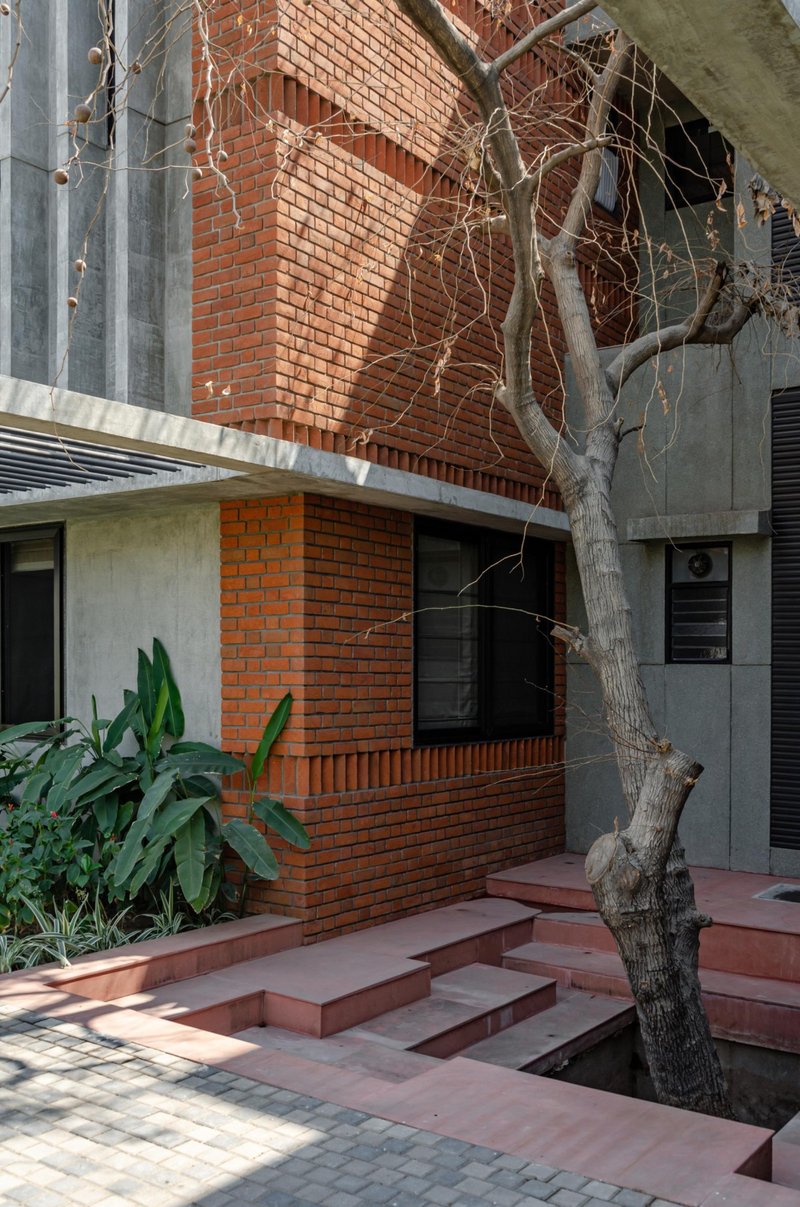
The homes are arranged around a central landscaped garden, allowing every unit to face communal greenery, reinforcing togetherness and openness. Two pairs of twin units and two individual residences make up the layout. Thoughtful consideration was given to preserve existing site features, especially a sacred Bale (Bilipatra) tree, symbolizing the deep respect for natural heritage.
Balcony Bridges and Shared Open Spaces
Extended balconies serve as physical and emotional bridges between the residences. These transitional zones foster engagement between generations and encourage daily, informal interactions, a hallmark of joint family culture. Every effort has been made to balance individual privacy with collective connectivity.
Spatial Experience: Layered, Volumetric, and Light-Filled
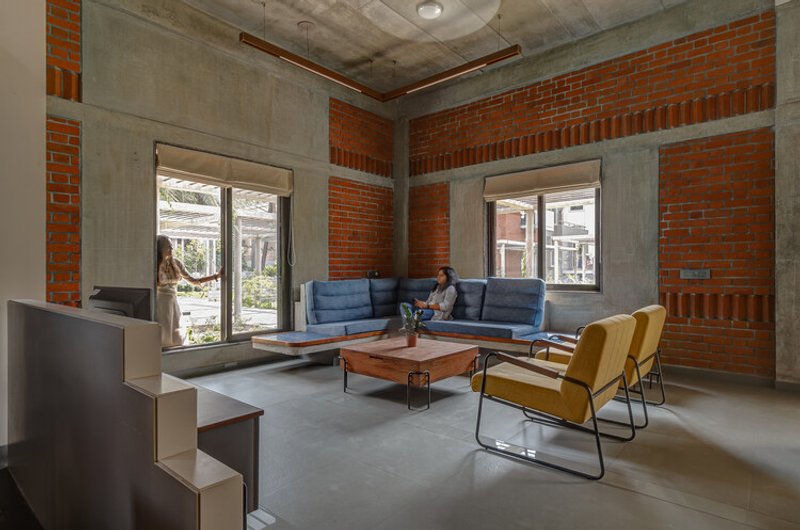
Volumetric variation across the project ensures that no two spaces feel the same. Mezzanine rooms built above parking areas introduce soaring 12'-6" ceilings, amplifying the sense of openness in living spaces. This design choice not only adds volume but also makes intelligent use of vertical space in a limited footprint.
Natural light and ventilation are optimized using skylights and strategic openings in both public and utility areas, reducing the need for artificial lighting and enhancing user comfort throughout the day.
Material Palette: Honest, Raw, and Contextual
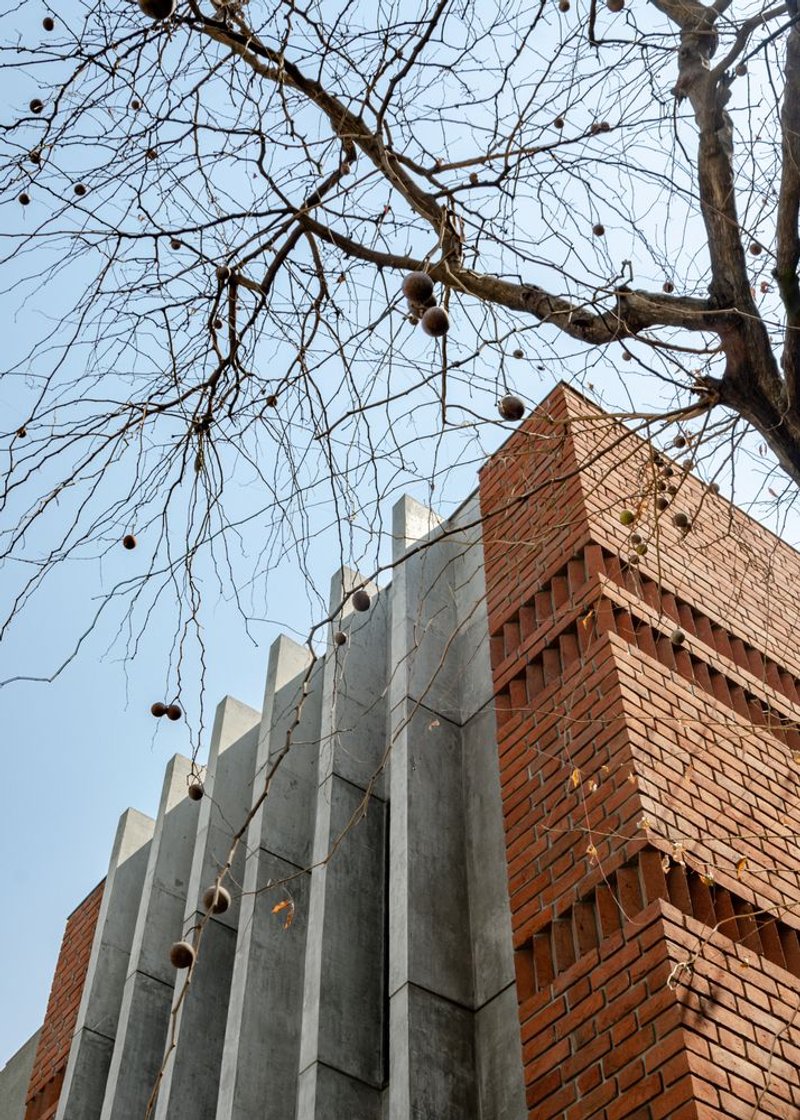
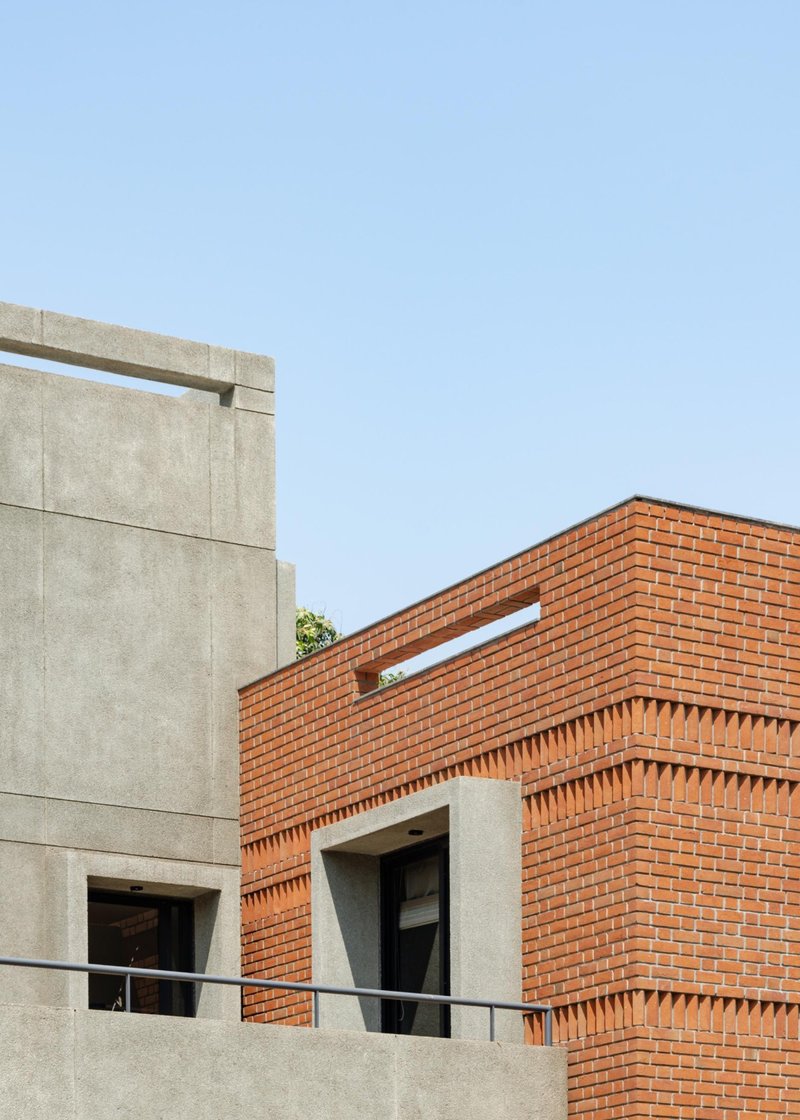
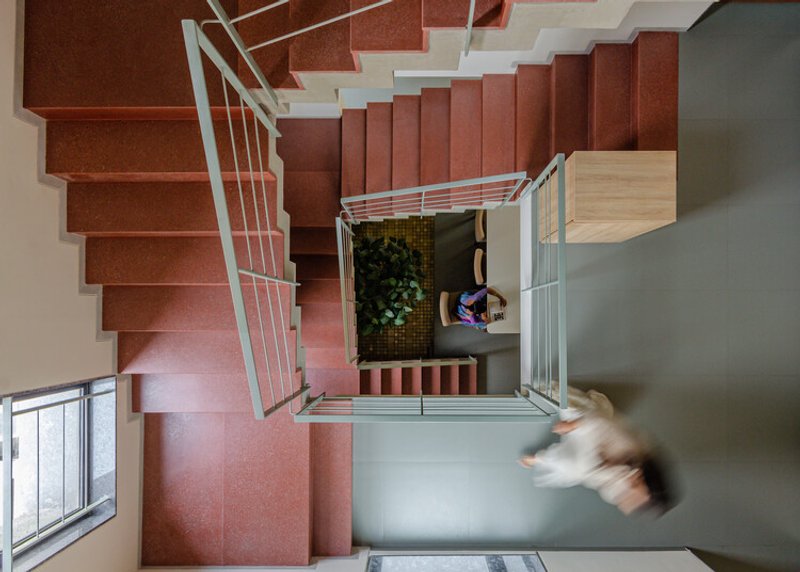
Chitrakut’s architectural identity lies in its honest material expression. The use of exposed brickwork, raw RCC (reinforced concrete), grit plaster, and earth-toned finishes pays homage to regional construction techniques while ensuring durability and ease of maintenance. These tactile surfaces celebrate material authenticity and create a warm, earthy aesthetic.
The use of locally sourced materials and passive design strategies also aligns the project with sustainable architecture principles, making it both eco-conscious and contextually rooted.
Redefining Indian Family Housing
The Chitrakut Residences are not merely a group of houses—they’re a vision for collective modern living in India. By blending contemporary architectural techniques with traditional lifestyle patterns, AANGAN Architects offer a progressive yet culturally anchored blueprint for multigenerational living.
The project is a tribute to the joint family system, providing individual space for nuclear units while maintaining communal bonds. It seamlessly integrates architecture, culture, and nature to create a future-ready Faliyu, built for evolving needs without abandoning age-old values.
All the photographs are works of Pratikruti09