CLIMATE SEESAW: A BALANCING ACT IN CLIMATE-RESPONSIVE ARCHITECTURE
A kinetic installation in climate-responsive architecture that visualizes the irreversible impact of human-induced imbalance


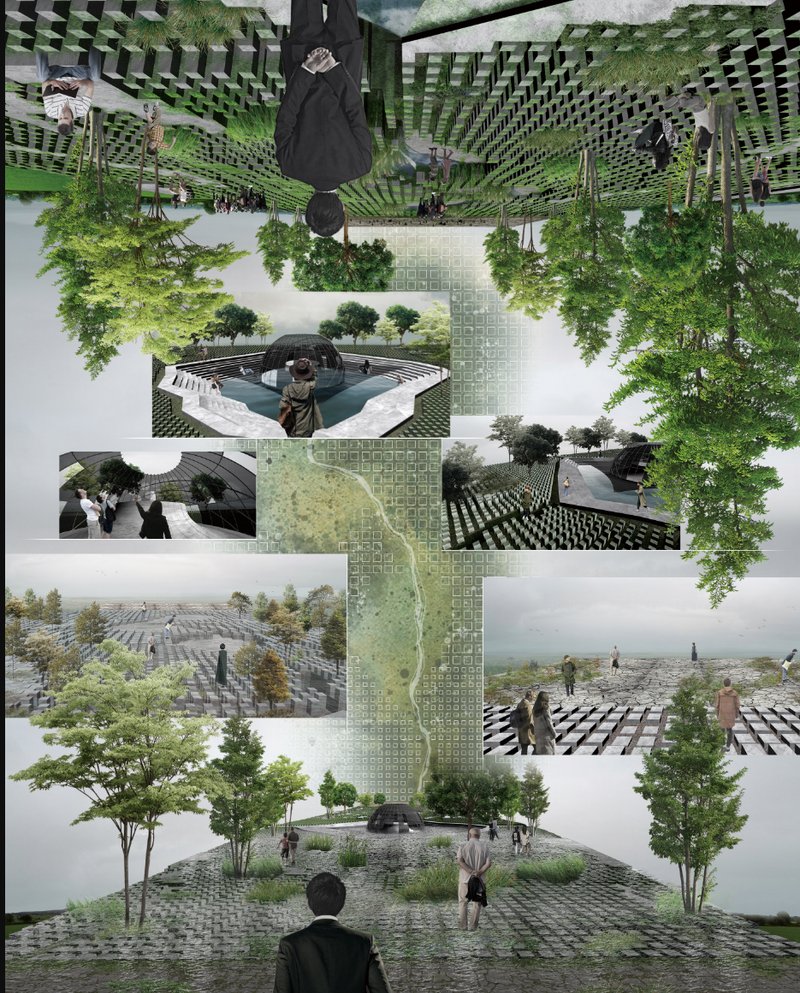
Extreme weather events are increasingly exposing the fragility of our climate systems. Climate-responsive architecture responds to this urgent challenge by integrating adaptive and ecological principles into spatial design. Climate Seesaw, a winning entry by Yu-Hsuan Lo, 楊佳儒 MArch-I-108, and YingChuang Yang in the Hourglass 2.0 competition, brings this concept to life through a compelling architectural metaphor.
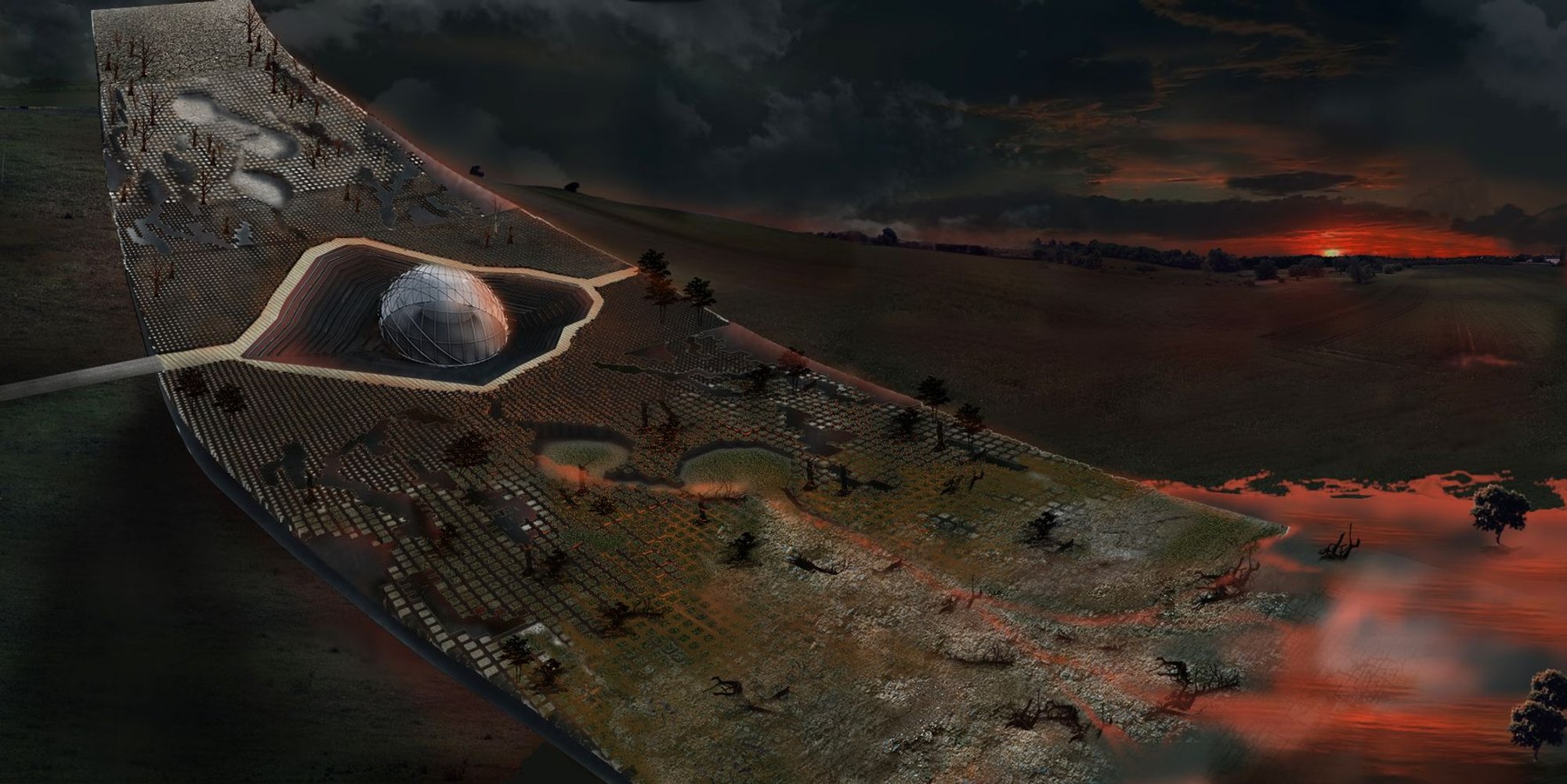
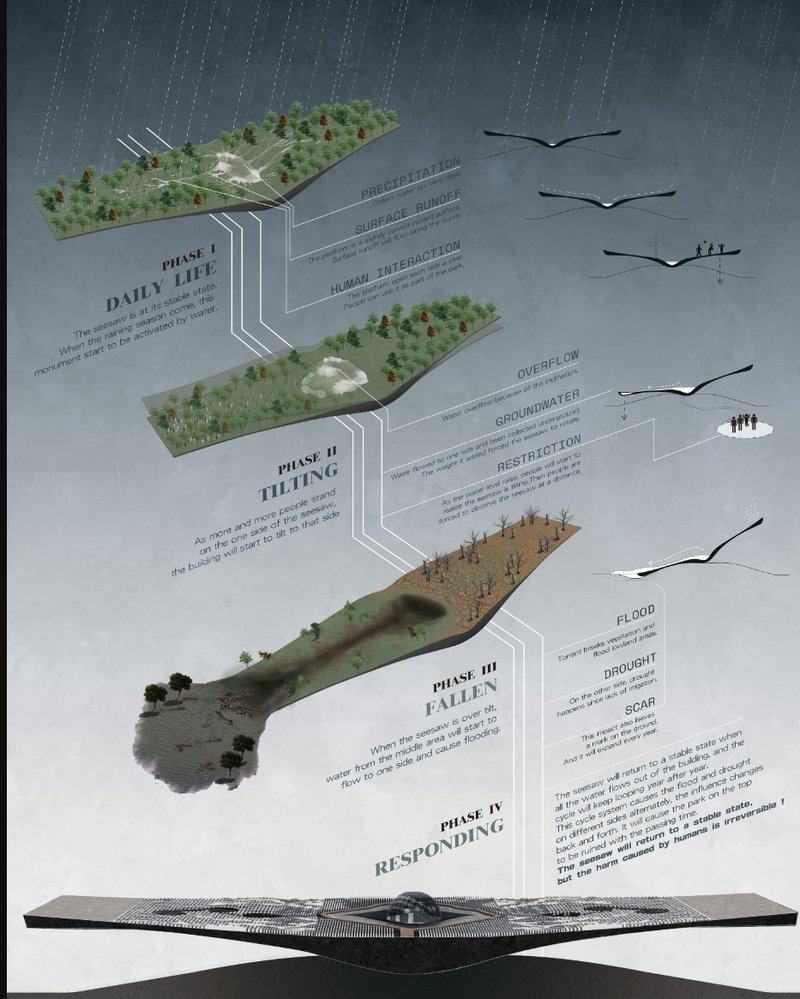
The project centers around the idea of a seesaw—a platform that tilts as environmental imbalances escalate. Through this kinetic installation, the design emphasizes the tipping point of climate change. Drought, floods, and extreme weather events are no longer distant threats but interconnected crises influenced by human actions.
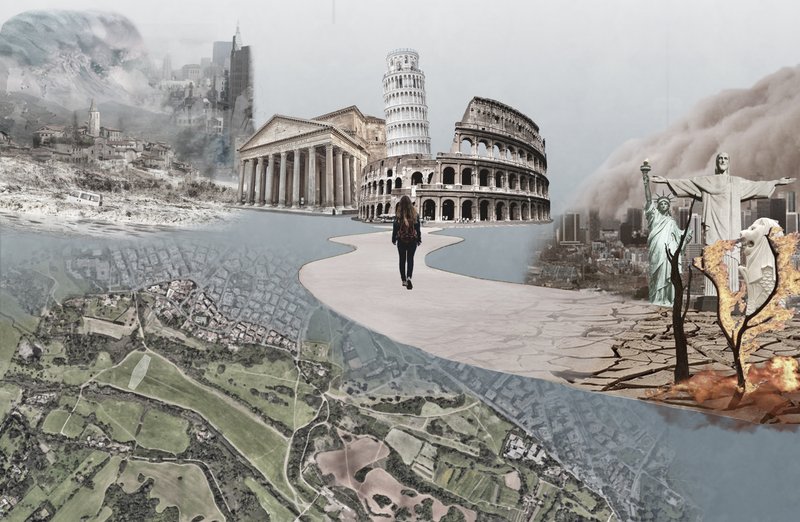
Italy serves as the geographical case study, where rising floods reflect broader climate instability. Despite being a tourism hotspot, the city silently bears the brunt of ecological imbalance.
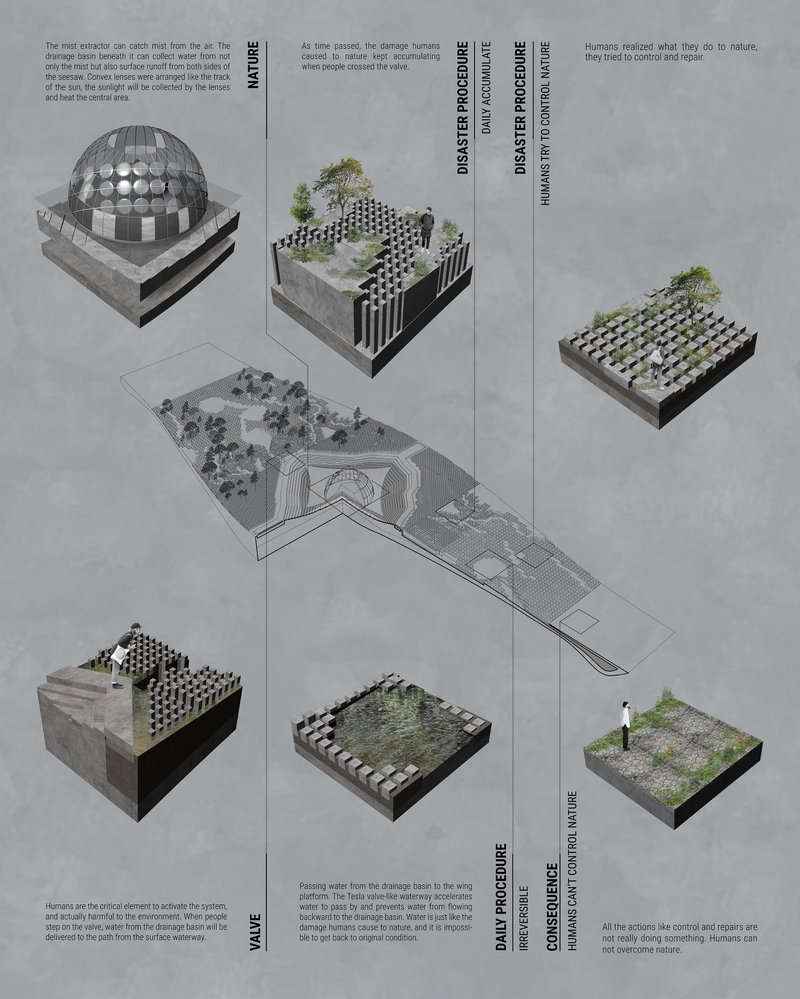
The architecture evolves in four phases:
- Daily Life – A balanced state symbolizing harmony with nature.
- Tilting – Human interactions and population pressure begin to destabilize the structure.
- Fallen – Excess water or drought overwhelms one side, creating disaster.
- Responding – The system attempts to restore equilibrium, but human-induced damage is irreversible.
Technologies like mist extractors, solar lenses, and drainage valves are incorporated to simulate nature-human interaction. Yet, the design makes a clear statement: while control systems may slow the decline, they can’t undo the consequences of decades of environmental neglect.
Climate Seesaw is more than a physical structure. It is a spatial narrative that critiques our dependency on control and our slow recognition of nature’s warning signs. By utilizing climate-responsive architecture, it calls for a profound reassessment of how we interact with our environment—not just through mitigation, but through coexistence.
Project by: Yu-Hsuan Lo, 楊佳儒 MArch-I-108, YingChuang YangAward: Winner, Hourglass 2.0 Competition