Community-Centered Architecture in Australia: Windale Hub by Adriano Pupilli Architects
This article explores the Windale Hub by Adriano Pupilli Architects, highlighting its role in fostering community engagement through innovative design.


Community-centered architecture plays a vital role in enhancing social interaction, inclusivity, and cultural identity. The Windale Hub, designed by Adriano Pupilli Architects, exemplifies this approach by providing an innovative and welcoming space in the Lake Macquarie region of Australia. This project goes beyond traditional civic buildings, acting as a community living room that fosters engagement, creativity, and connection.
Architectural Vision: Designing for Social Interaction
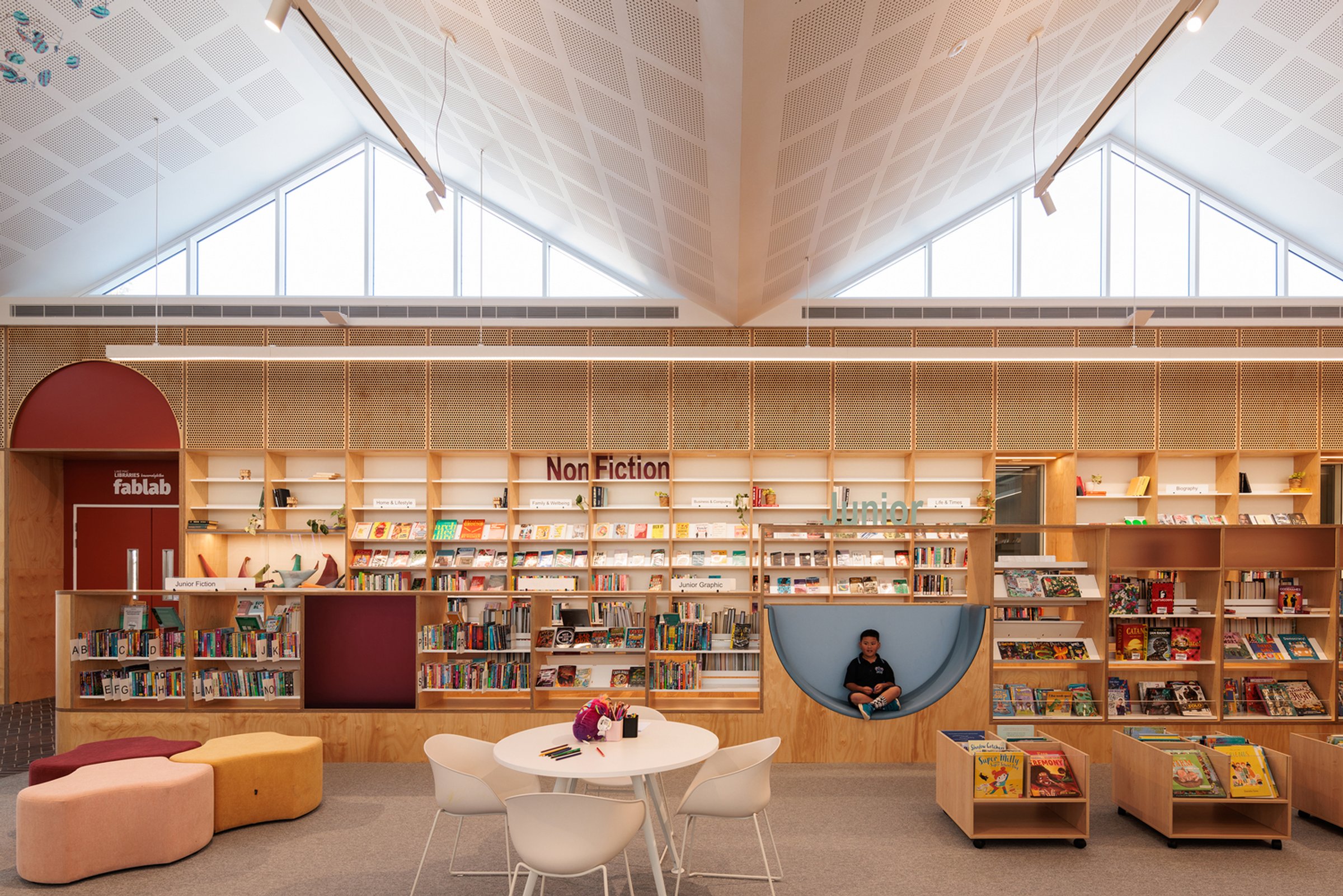
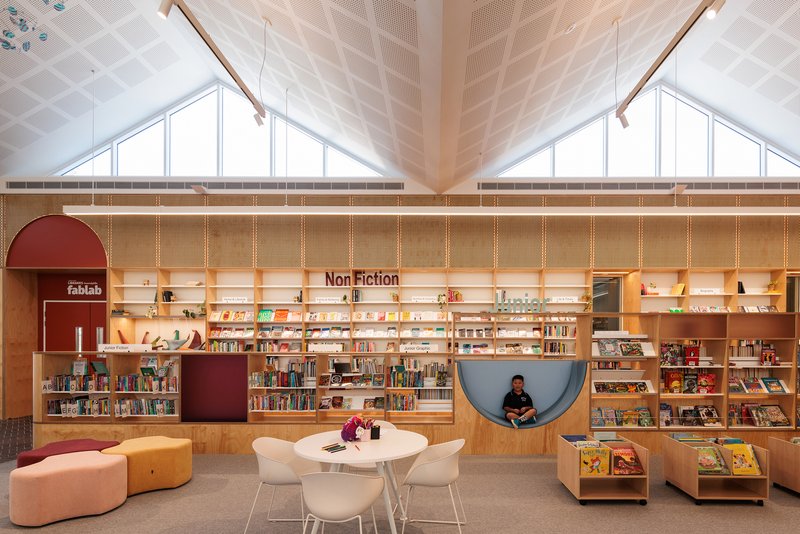
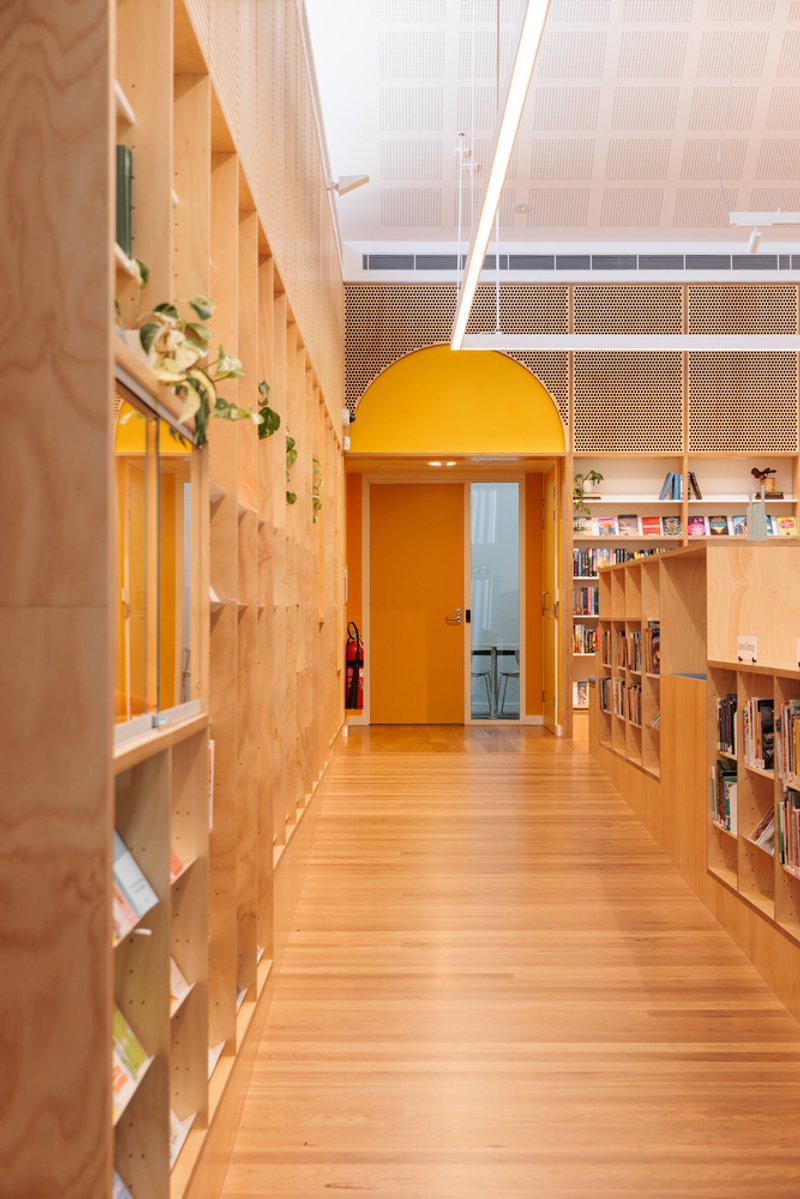
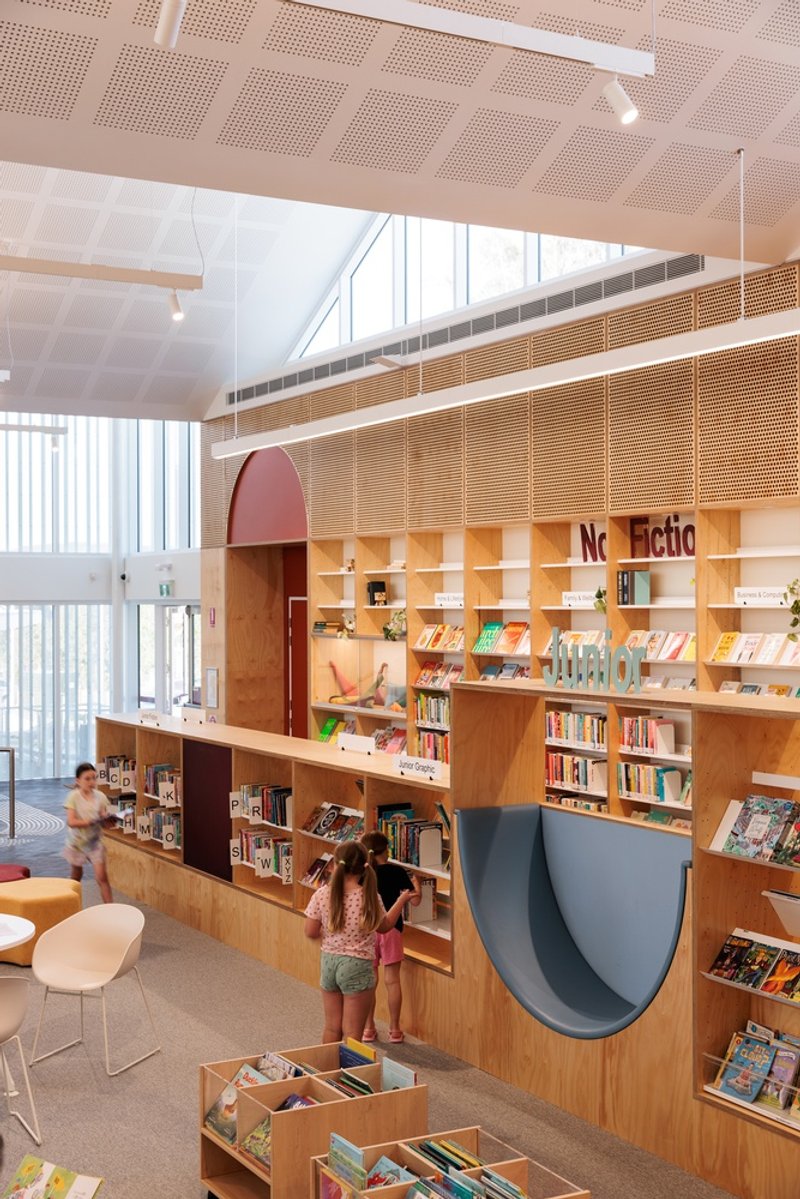
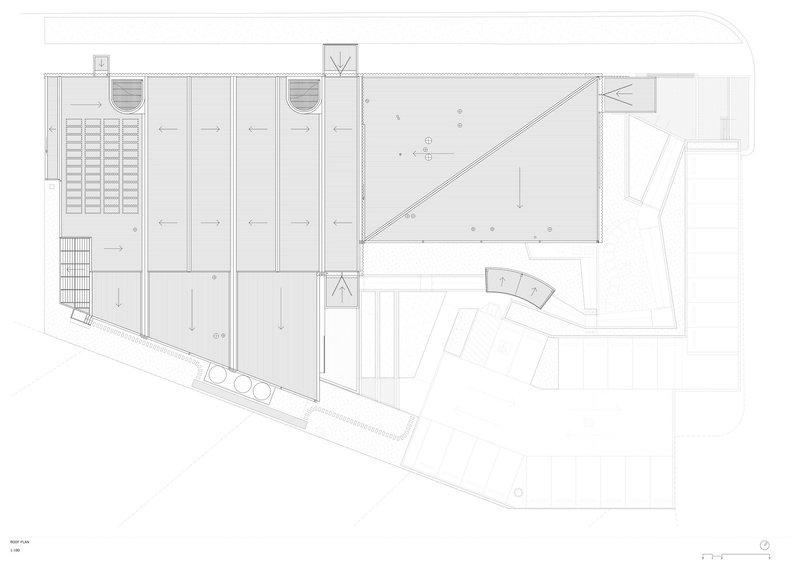
The Windale Hub was conceived as a multi-functional space to serve the diverse needs of the local community. As a result of an extensive design process spanning six years, the project integrates a library, community hall, offices, meeting rooms, and a youth maker space. The architectural design ensures that these facilities are linked through an internal ‘street,’ allowing for a seamless transition between functions while maintaining accessibility.
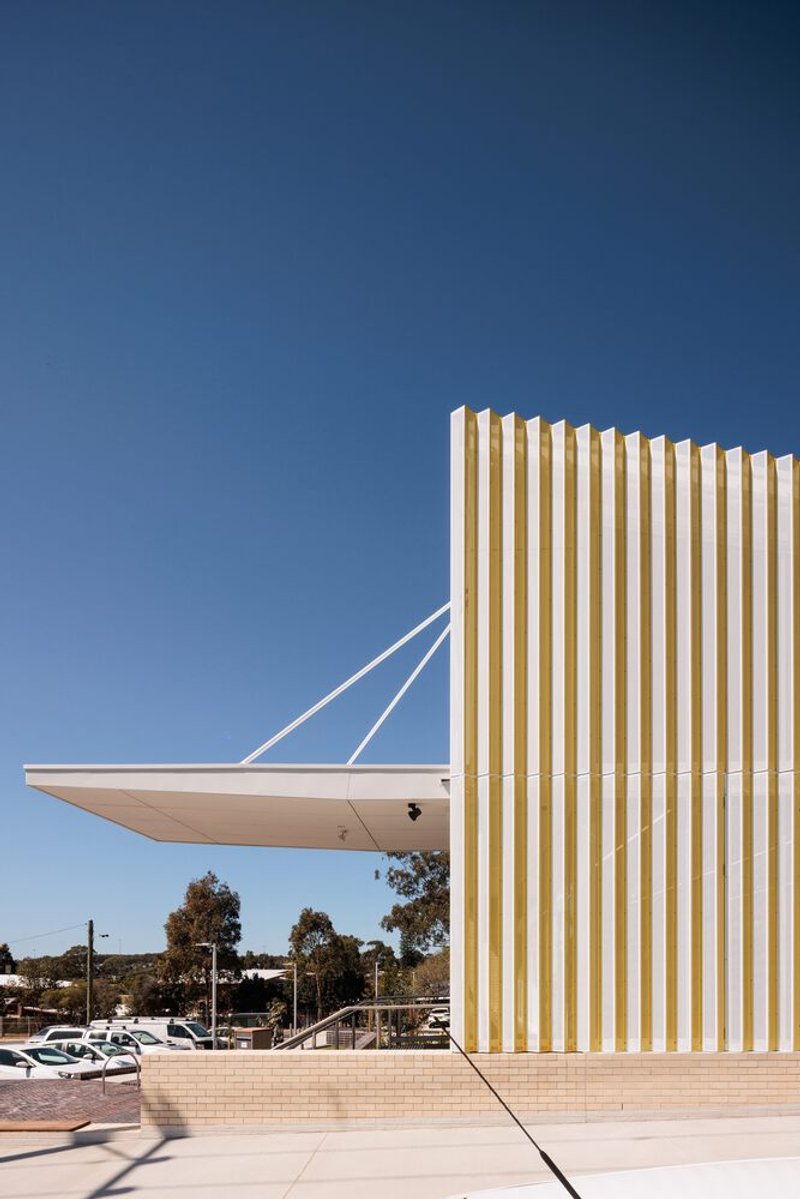
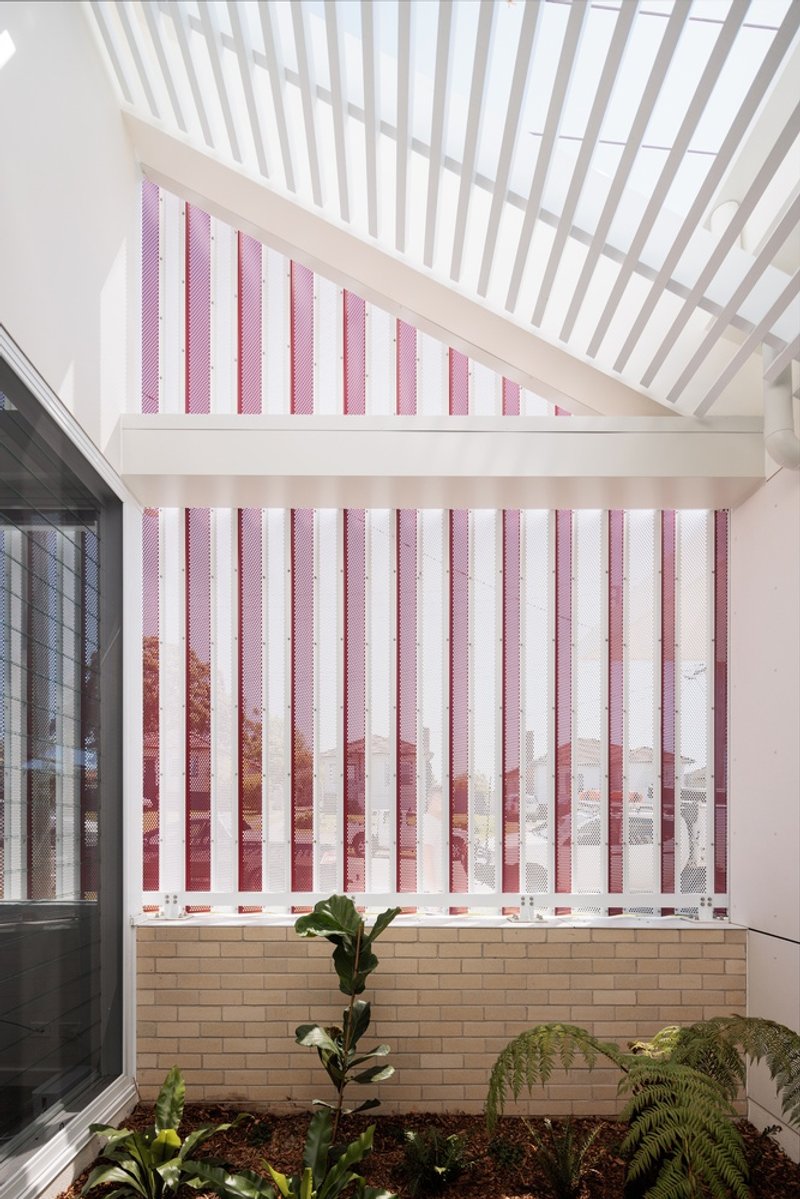
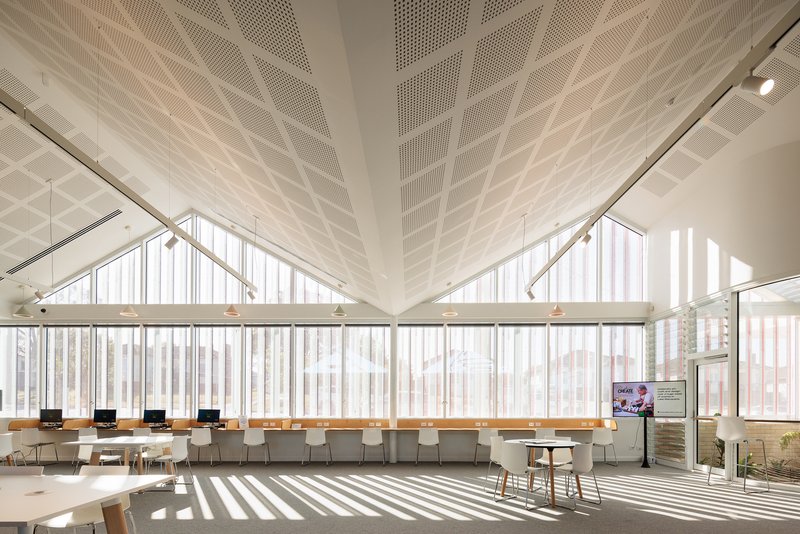
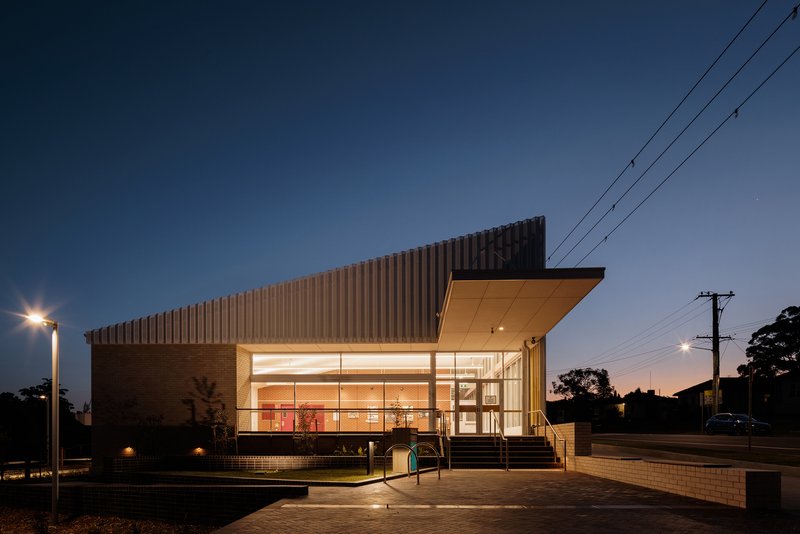
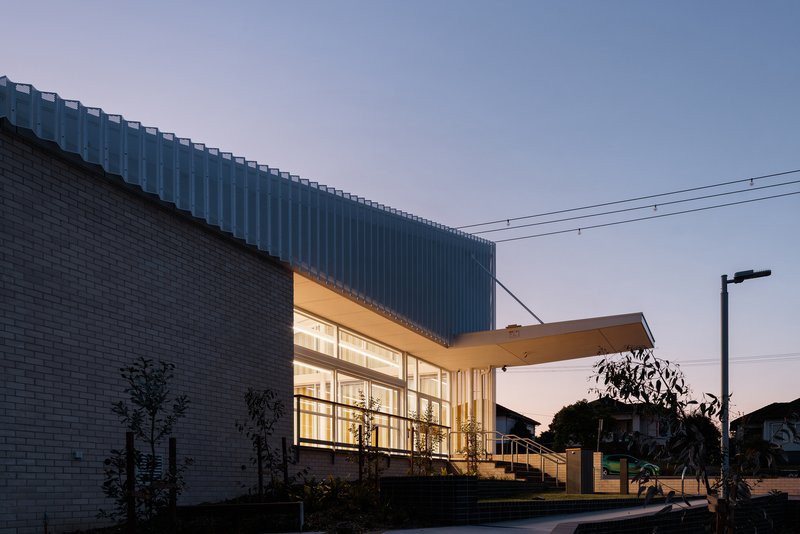
To accommodate the sloping site, a carefully planned walkway connects the different levels, making the space inclusive and easy to navigate. High, vaulted ceilings and internal courtyards allow for an abundance of natural light and cross-ventilation, ensuring a comfortable indoor environment that minimizes reliance on artificial lighting and mechanical cooling.
Contextual Design: Blending with the Surroundings
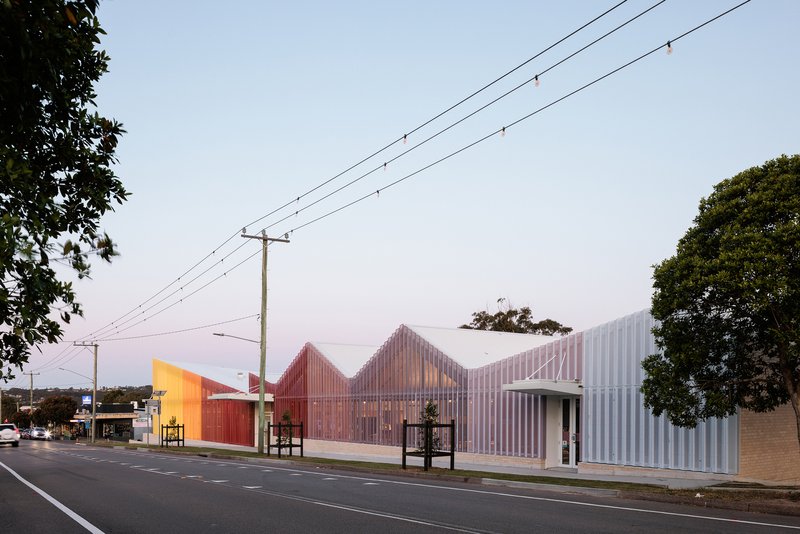
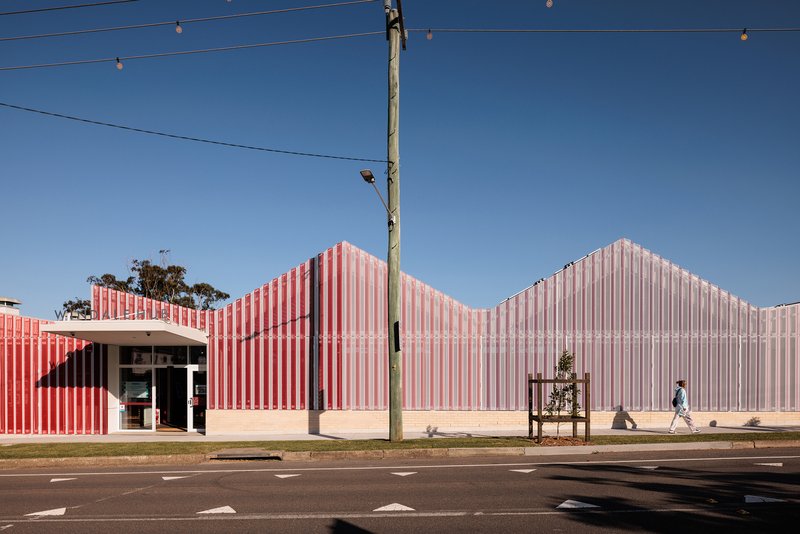
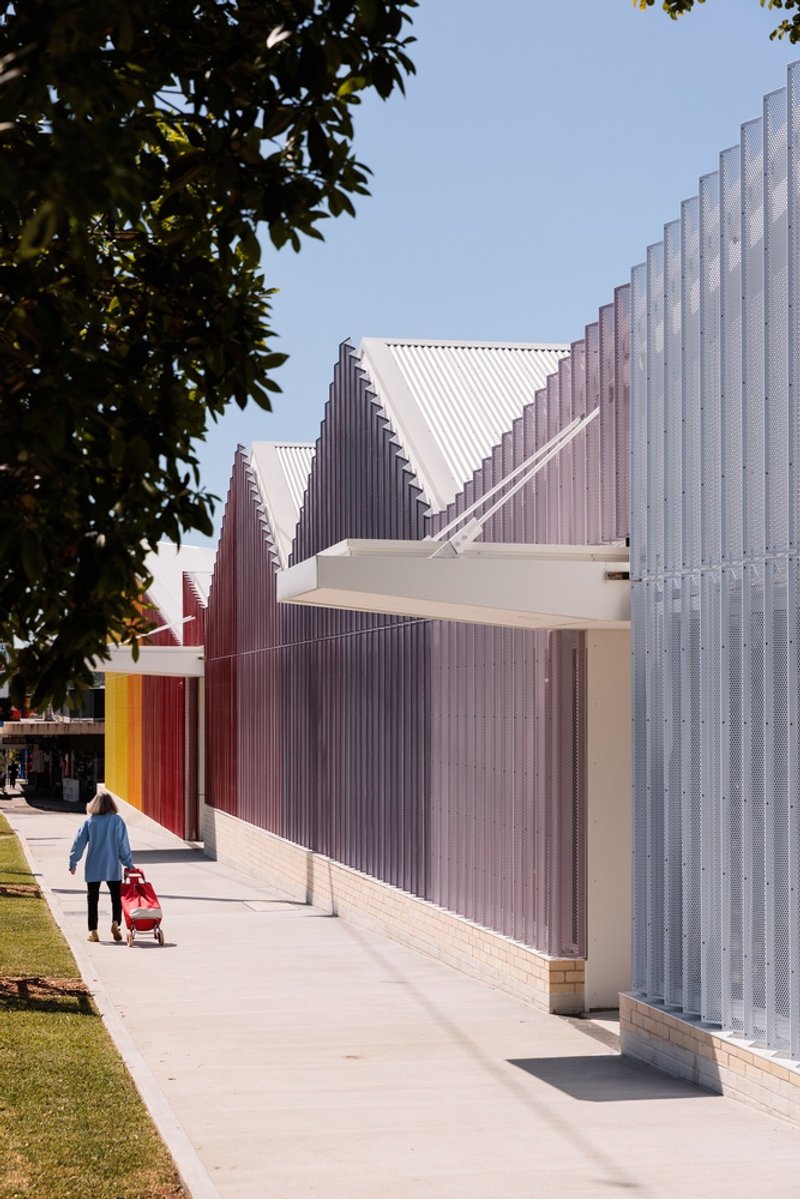
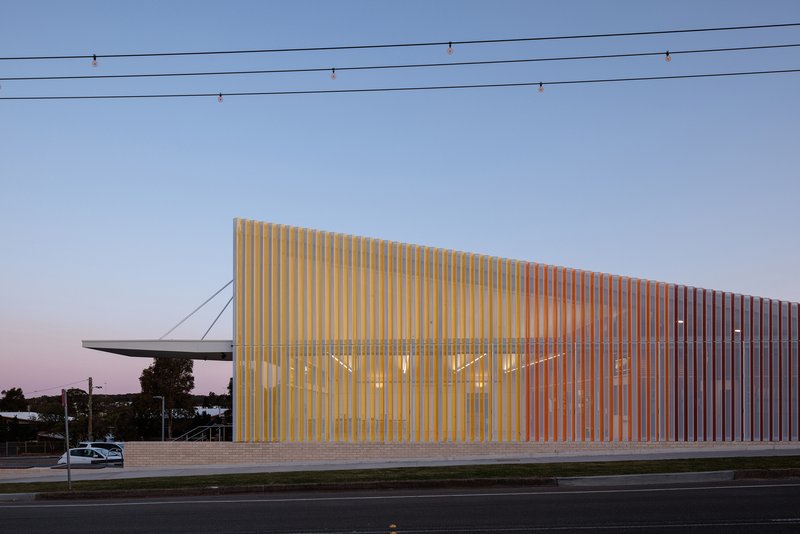
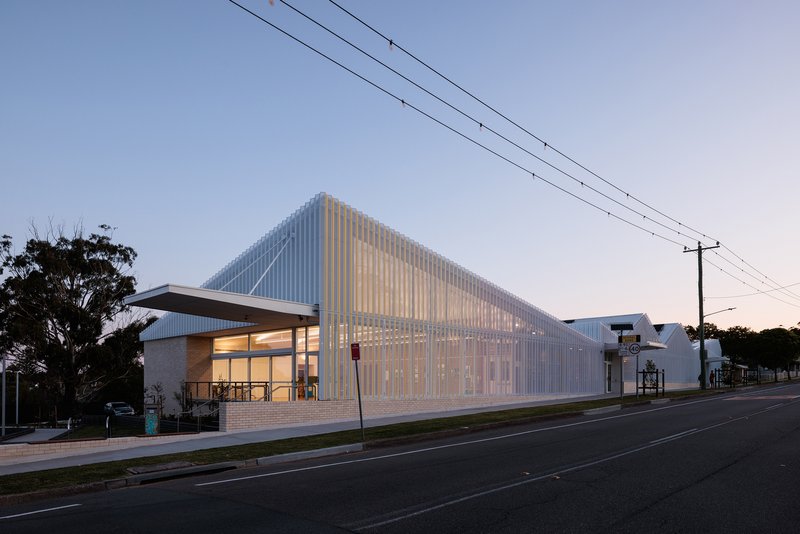
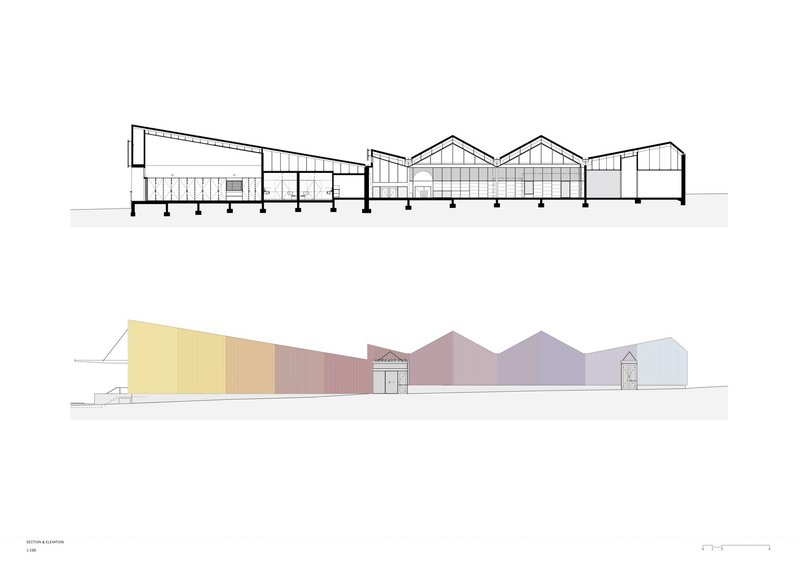
The Windale Hub is designed to reflect the character of the neighborhood while bringing new energy to the urban fabric. The building’s facade undulates along Lake Street, rising to its highest point near the adjacent shopping strip. This dynamic form not only integrates the structure into its surroundings but also helps define key entry points and internal functions.
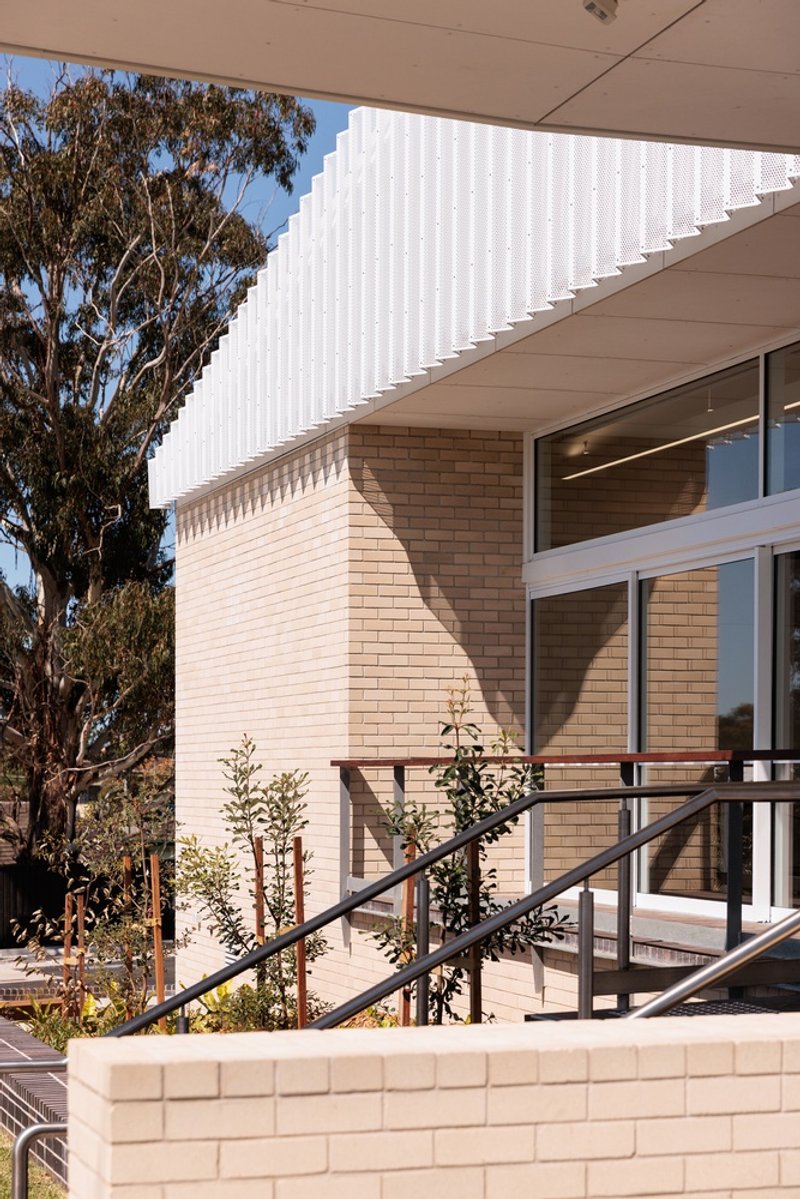
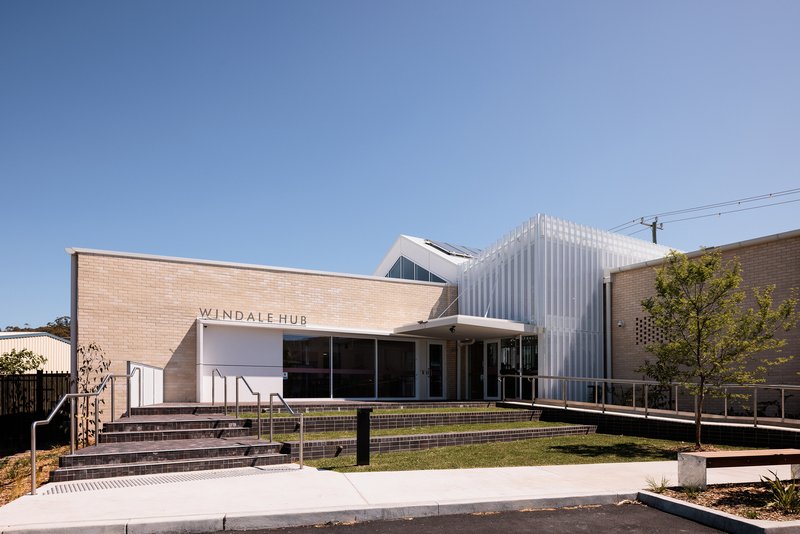
Inspired by the post-war community hall that once stood on the site, the architects incorporated double-gable roof forms as a subtle nod to the area's history. The folded perforated metal screen adds a contemporary element, shading the facade while revealing bursts of color inspired by local wildflowers. This interactive design feature creates a visually engaging experience for passersby, enhancing the streetscape with an ever-changing play of light and color.
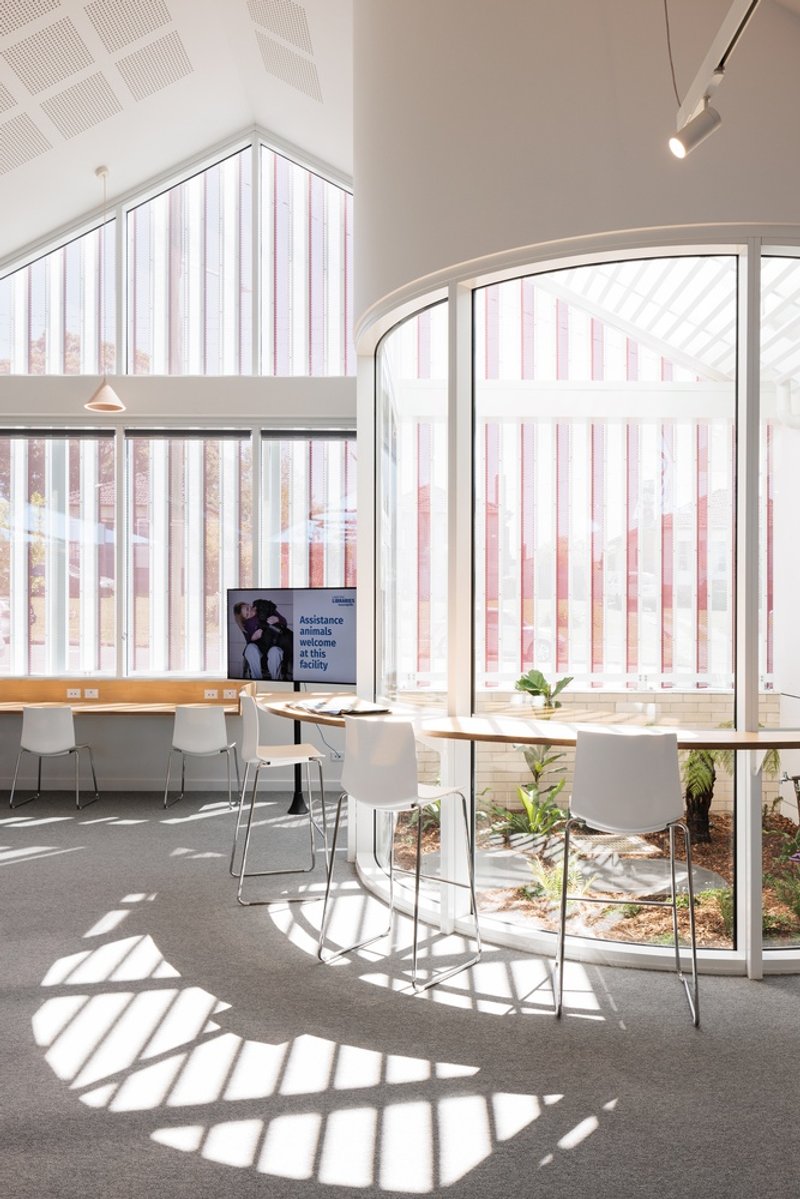
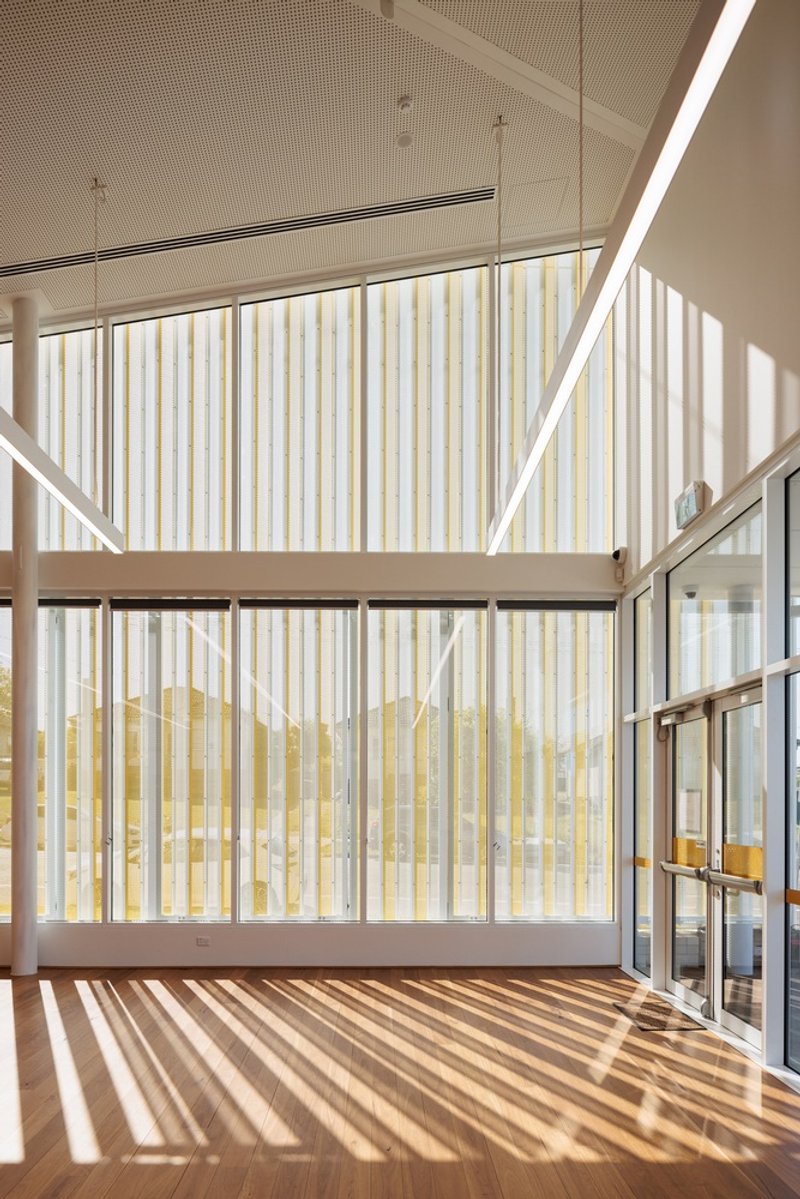
Multi-Use Spaces: Encouraging Engagement and Creativity
The internal layout of the Windale Hub is designed to accommodate a broad spectrum of users. In addition to traditional civic functions, the building includes modern amenities such as a recording studio, co-working spaces, and a maker space. These facilities encourage skill development, artistic expression, and entrepreneurship, reinforcing the role of architecture in community empowerment.
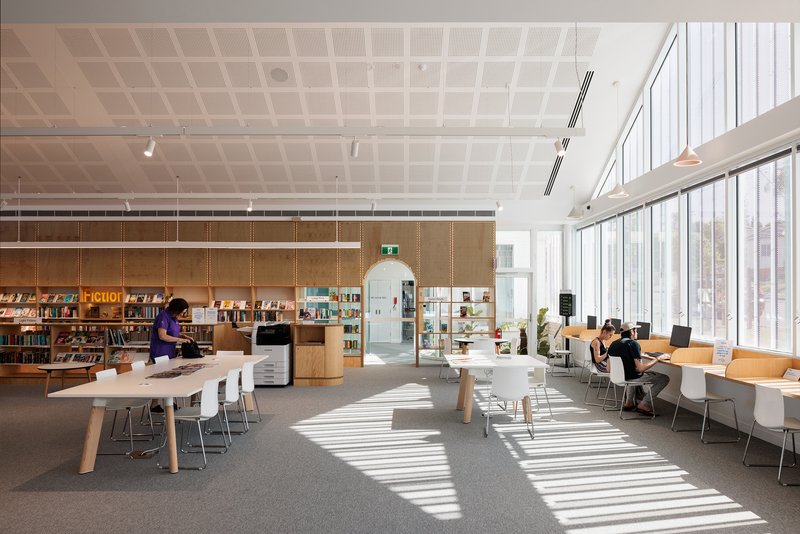
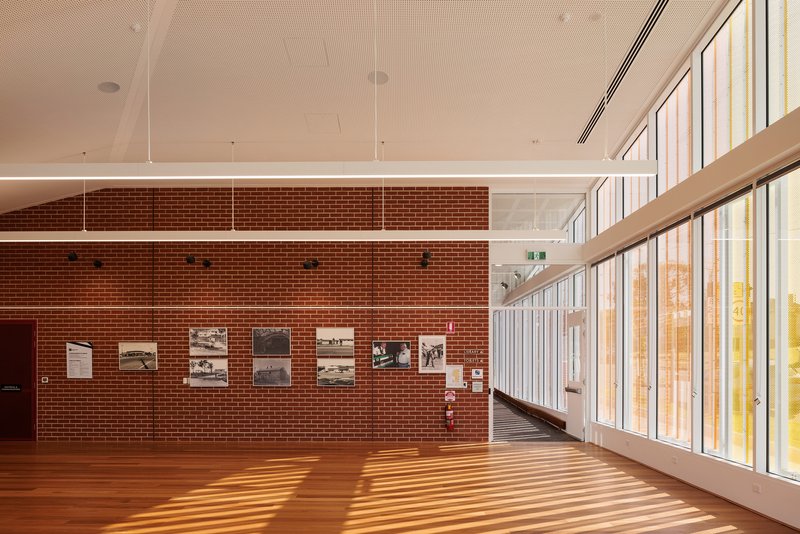
Externally, the design extends beyond the building footprint to create inviting public spaces. A tiered grass area provides an informal venue for performances and gatherings, while carefully selected native vegetation offers shade and comfortable outdoor seating. The integration of these landscape elements strengthens the connection between indoor and outdoor environments, making the Windale Hub an open and inclusive destination.
Sustainability and Environmental Considerations
Sustainable design principles play a significant role in the Windale Hub’s architecture. Natural ventilation, passive cooling strategies, and locally sourced materials contribute to the building’s low environmental impact. The use of perforated metal screens not only enhances aesthetics but also provides effective sun shading, reducing heat gain and improving energy efficiency.
By incorporating native landscaping, the project also supports local biodiversity and reduces water consumption. These environmentally conscious design choices ensure that the hub remains an enduring and responsible addition to the community.
A Symbol of Community and Cultural Identity
More than just a functional building, the Windale Hub represents the cultural diversity and resilience of the local community. Its design fosters interaction, learning, and a sense of belonging, reinforcing the power of architecture to shape social experiences. The project serves as a model for community-centered architecture in Australia, demonstrating how thoughtfully designed spaces can inspire connection and collective pride.
The Windale Hub by Adriano Pupilli Architects is an outstanding example of how architecture can serve as a catalyst for social cohesion and cultural celebration. Through its thoughtful design, sustainable features, and emphasis on inclusivity, the project redefines the role of community infrastructure. As a beacon of community-centered architecture in Australia, the Windale Hub stands as a testament to the enduring relationship between people, place, and design.
All photographs are works of Simon Whitbread