
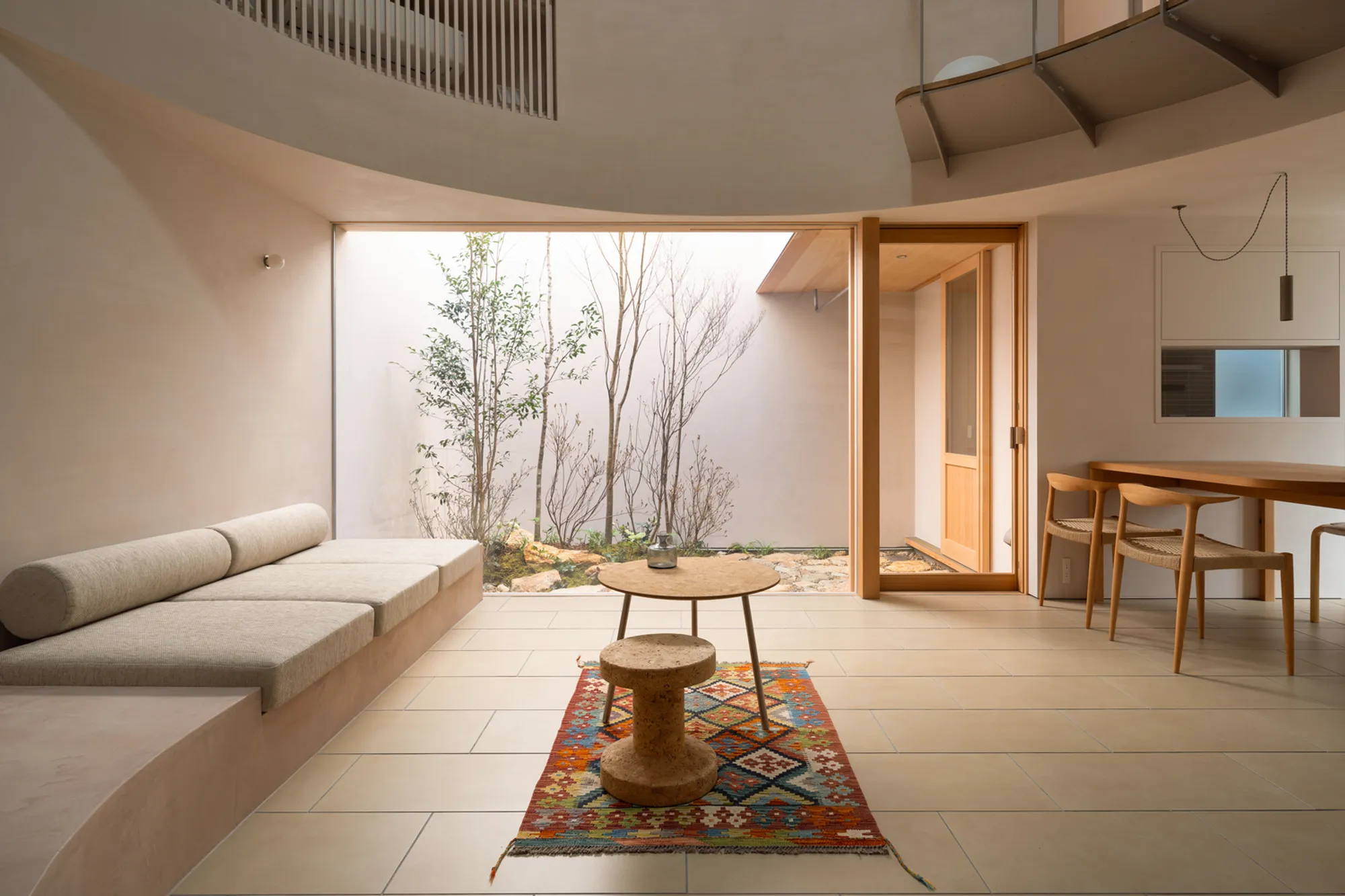
Compact Home Design in Japan: A Deep Dive into the House in Shukugawa by Arbol
The article explores the House in Shukugawa by Arbol, a compact and privacy-focused design in a densely populated area in Japan.


In urban areas across the globe, the challenge of designing comfortable living spaces within limited footprints is increasingly prevalent. Japan, known for its innovative approach to limited living spaces, offers unique solutions and design philosophies that maximize both function and style. The House in Shukugawa, designed by Arbol, is a perfect example of such innovation.
Understanding the Design Challenges
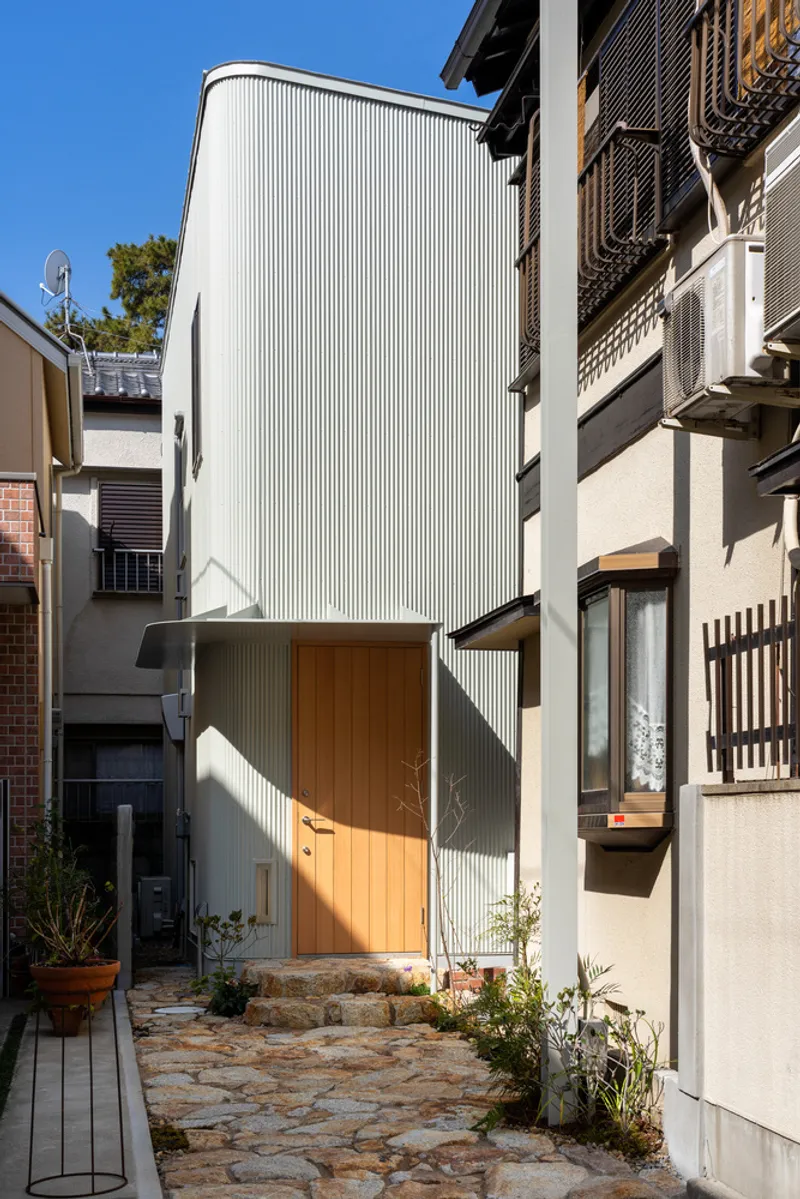
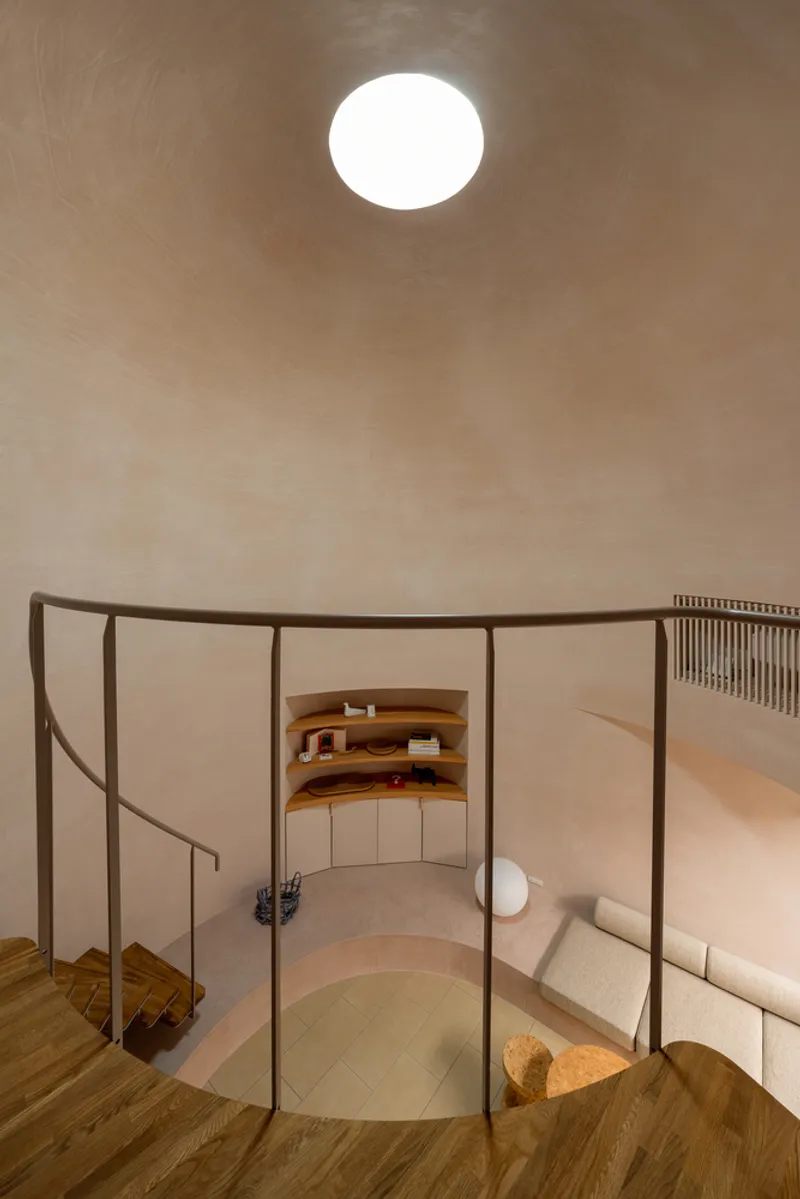
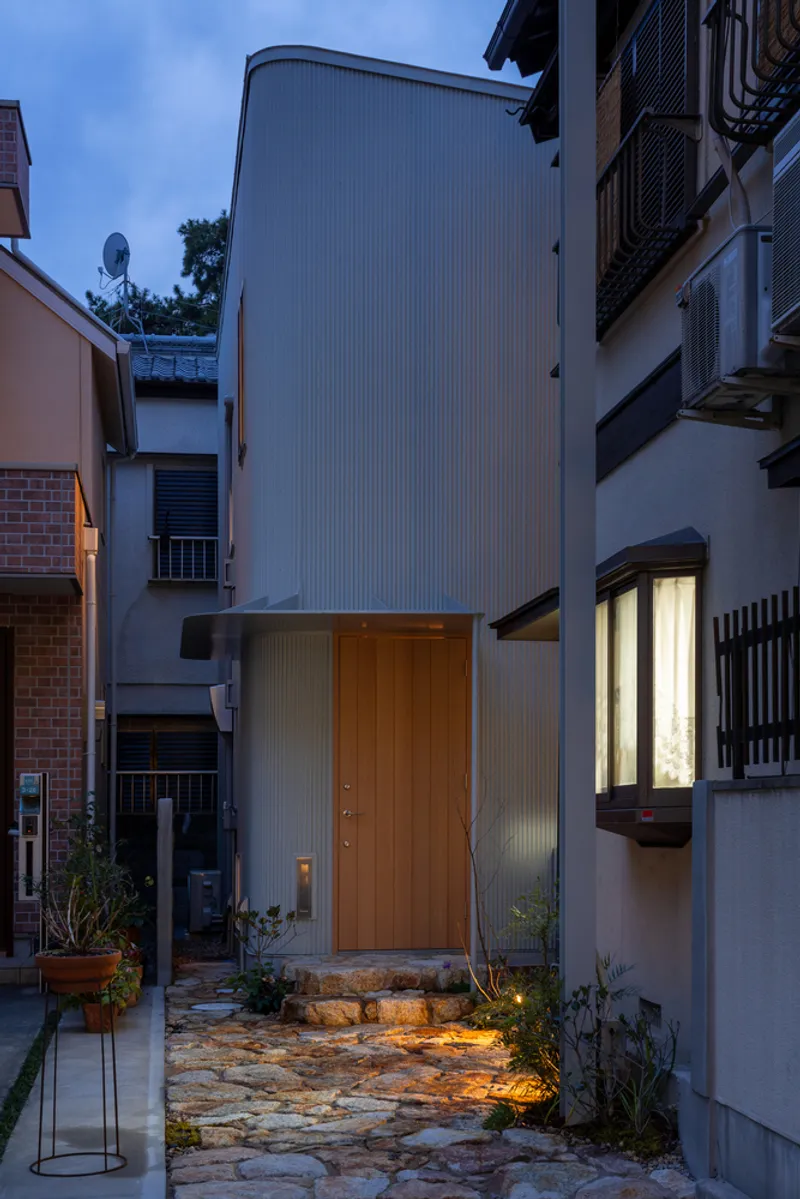
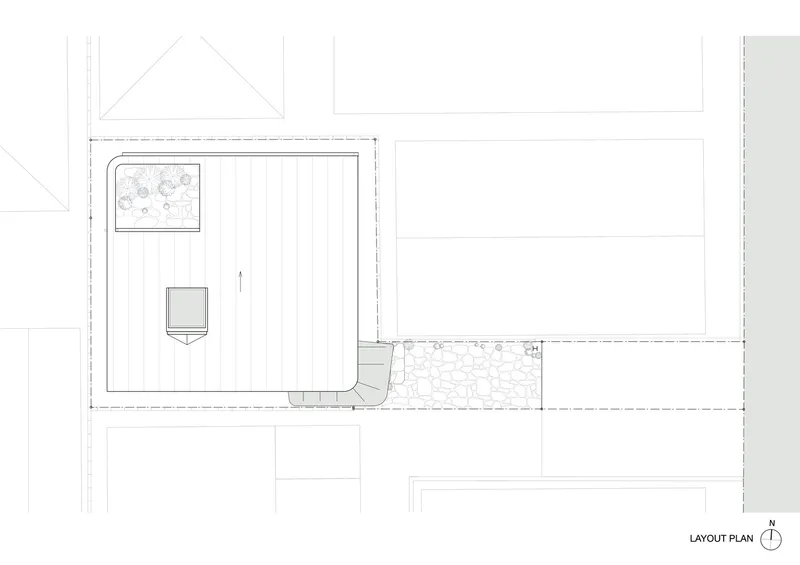
The House in Shukugawa is nestled in Nishinomiya City, Hyogo Prefecture, a region characterized by its high land value and compact urban layouts. The architects faced the challenge of a flagpole-shaped lot, surrounded by taller two-story houses, which imposed significant privacy and space utilization concerns.
Strategic Use of Space
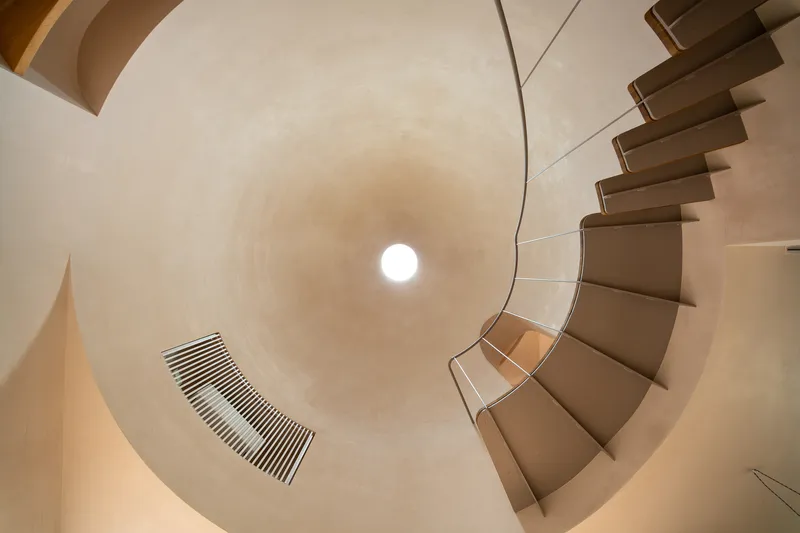
Arbol’s design cleverly maximizes the limited space while prioritizing privacy, creating a serene, enclosed environment that shields its occupants from the bustling outside world. This approach is particularly crucial in densely populated areas, where outdoor views are limited and privacy is paramount.
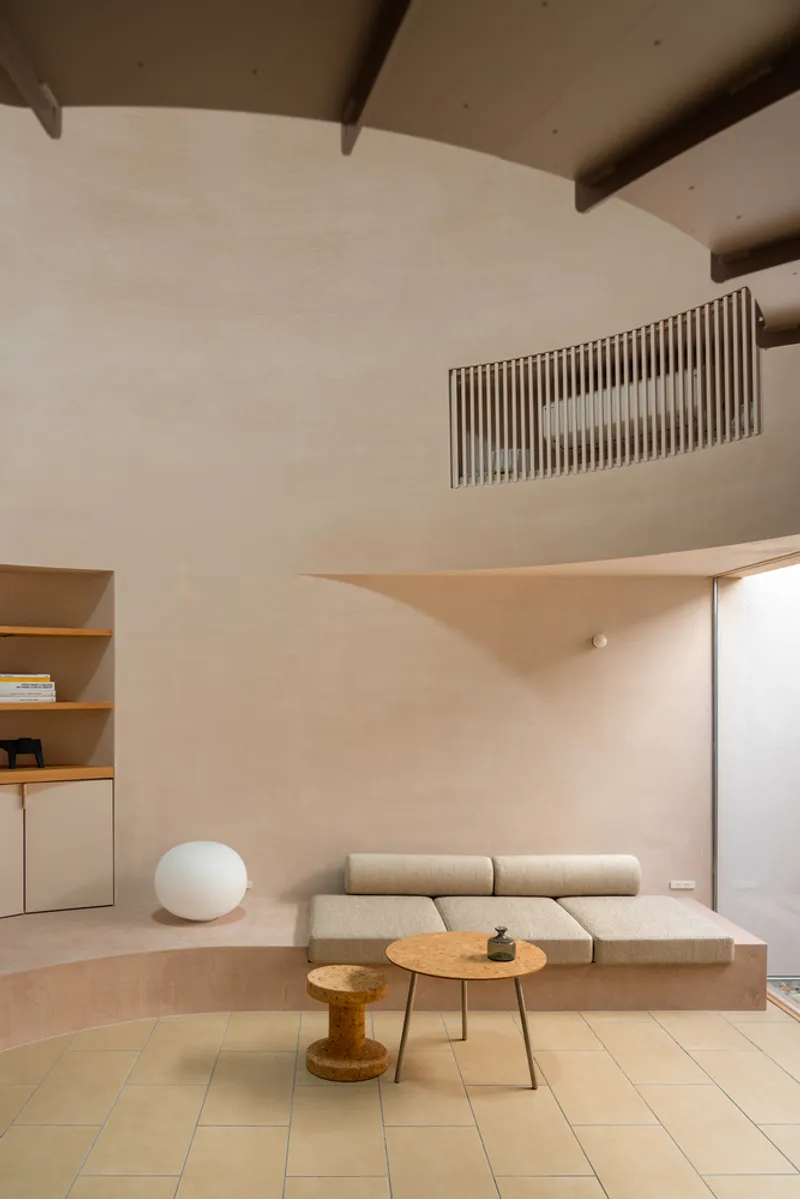
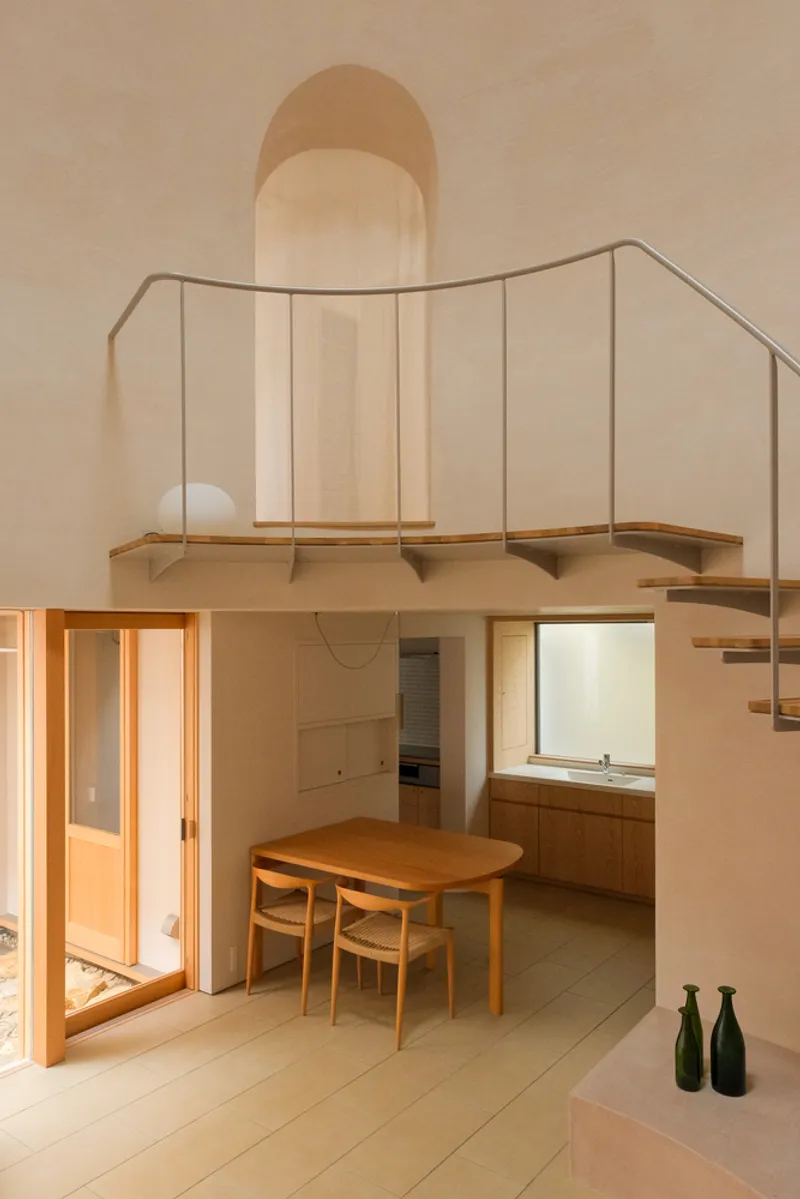
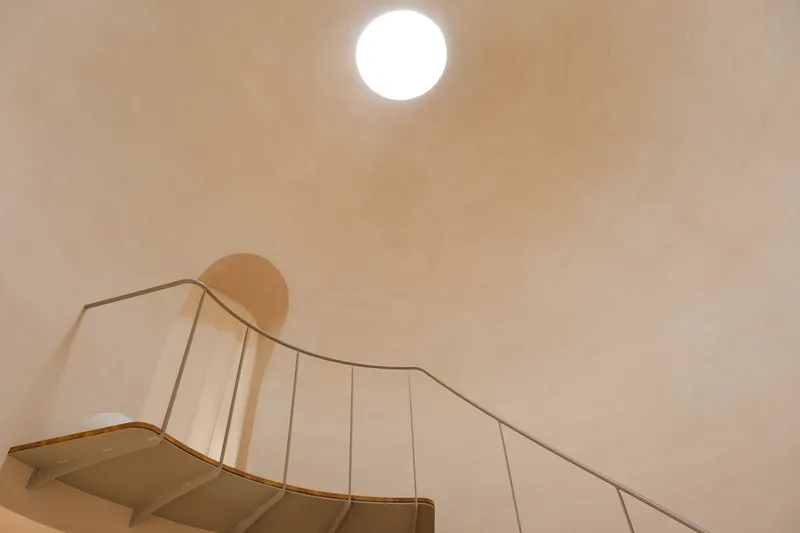
Architectural Features and Innovations
The Courtyard Design
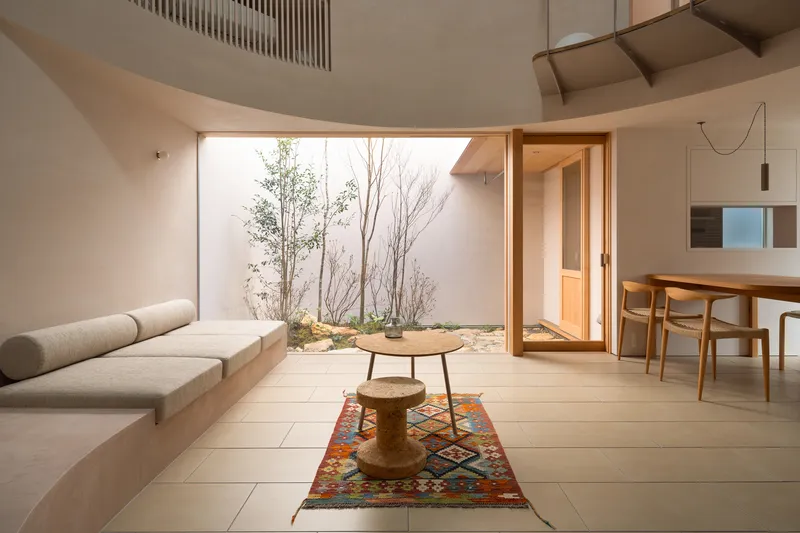
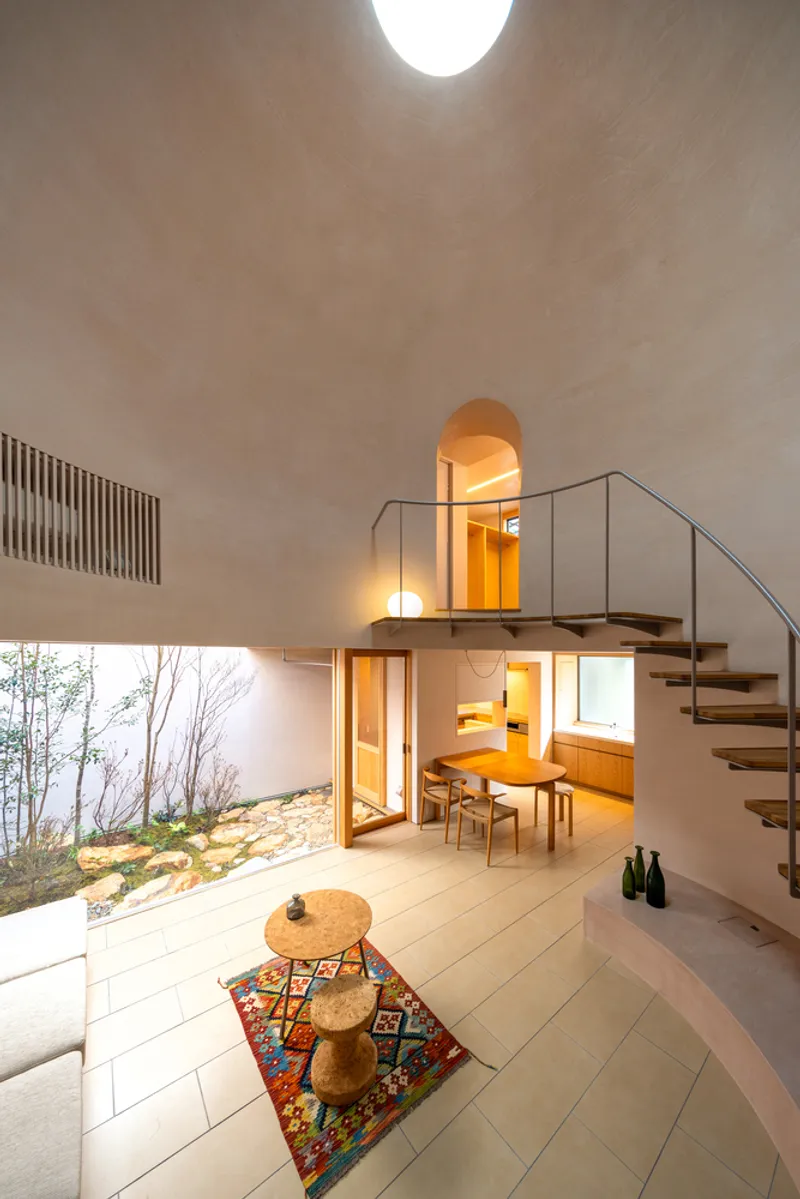
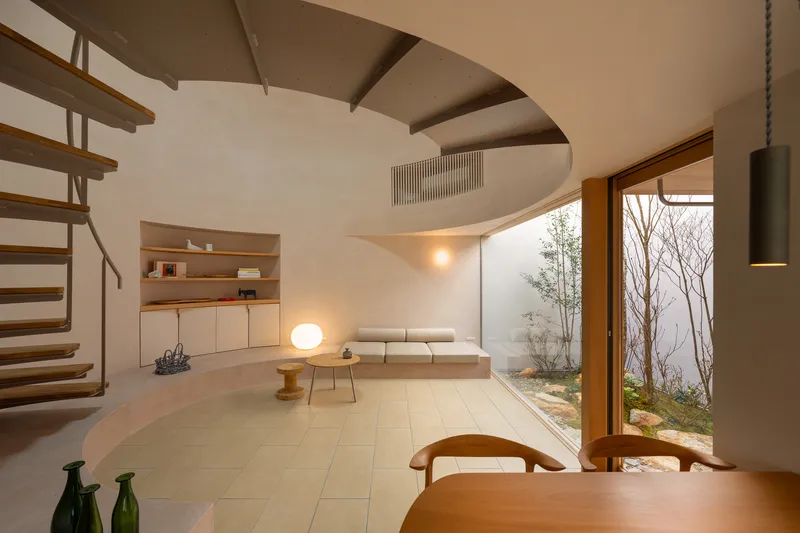
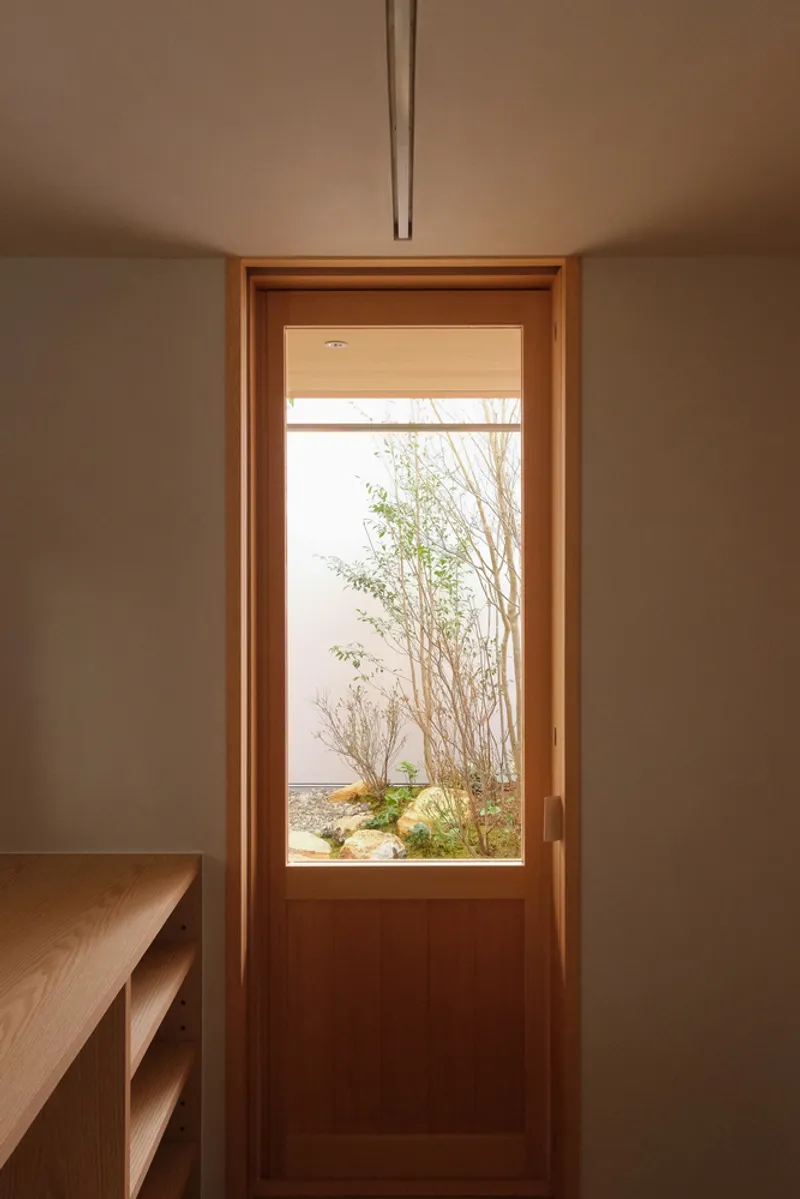
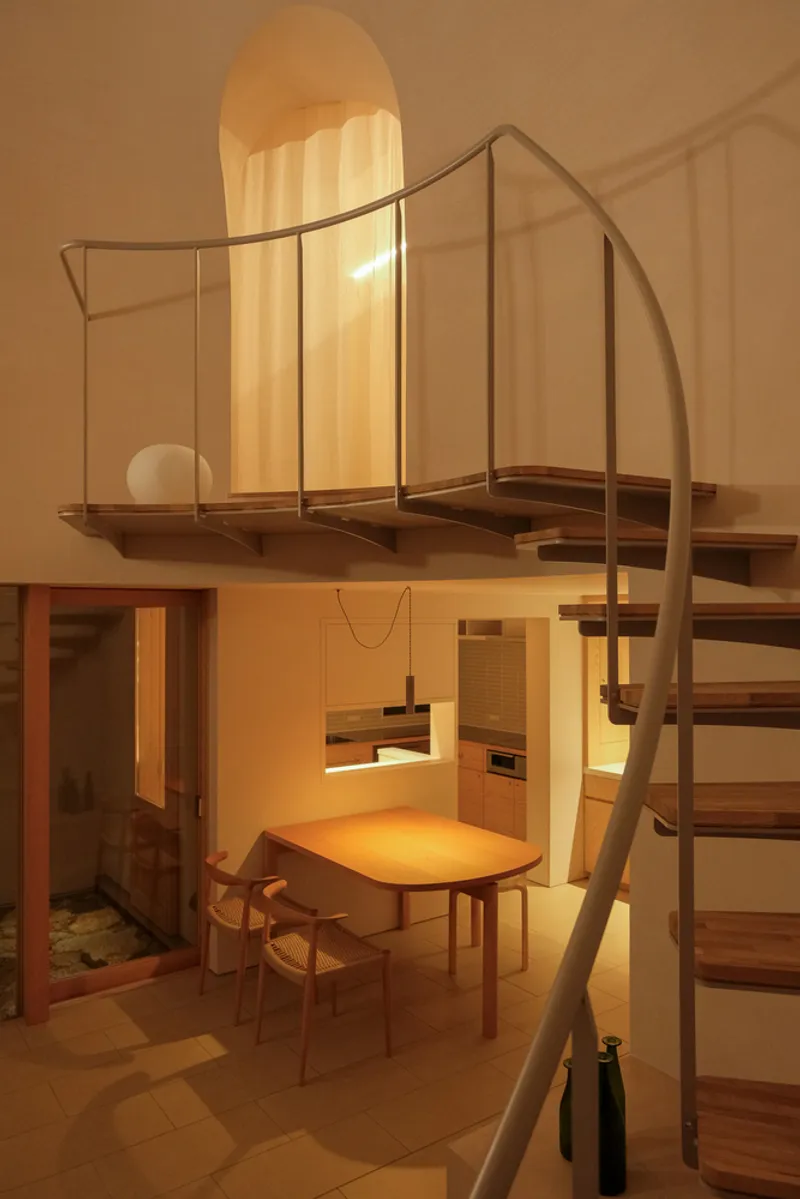
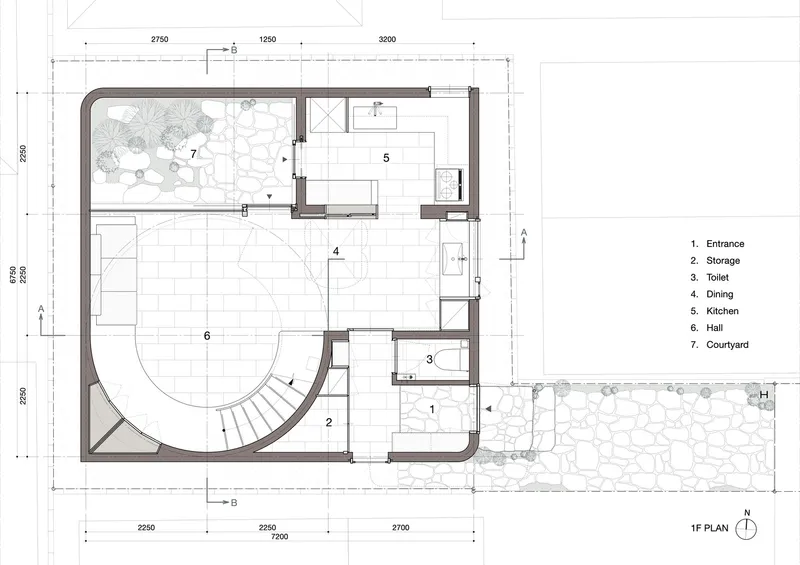
One of the standout features of the House in Shukugawa is the strategic placement of a courtyard. This not only brings natural light into the home but also provides a secluded outdoor space that enhances the quality of living without compromising privacy. The courtyard is a common element in Japanese architecture, reflecting the cultural emphasis on harmony with nature even in confined spaces.
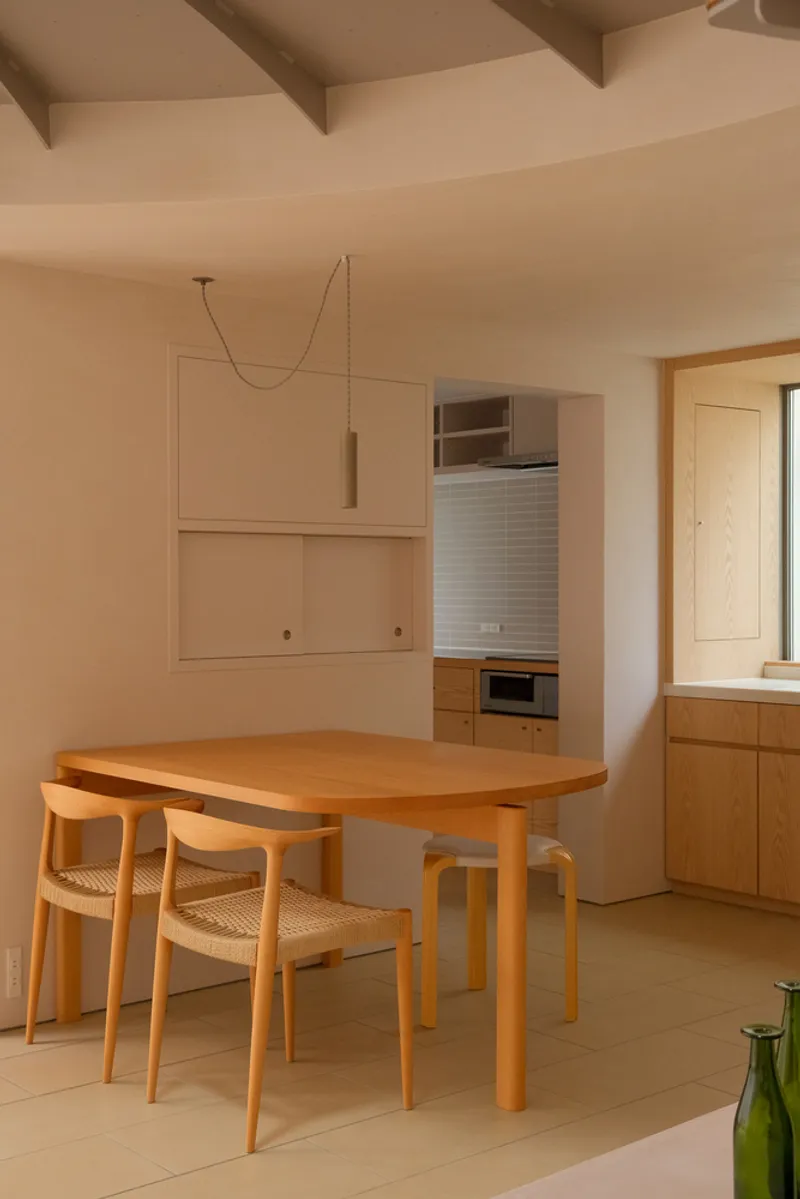
Interior Layout and Atmosphere
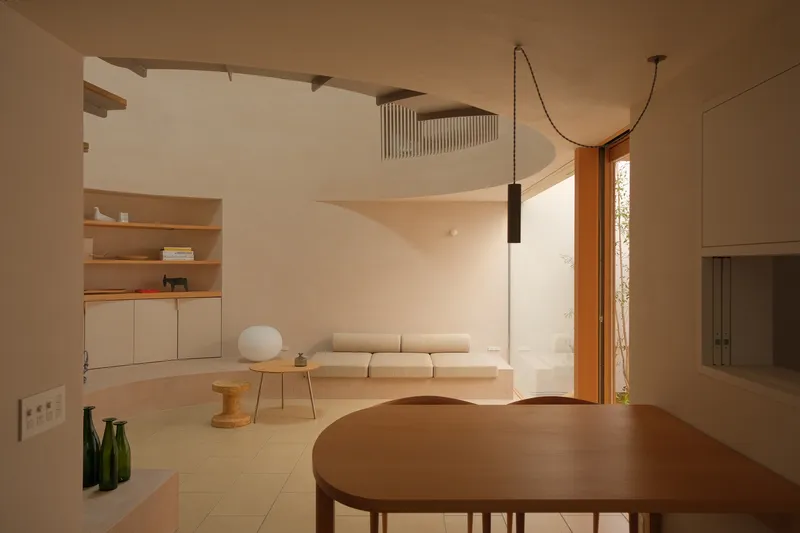
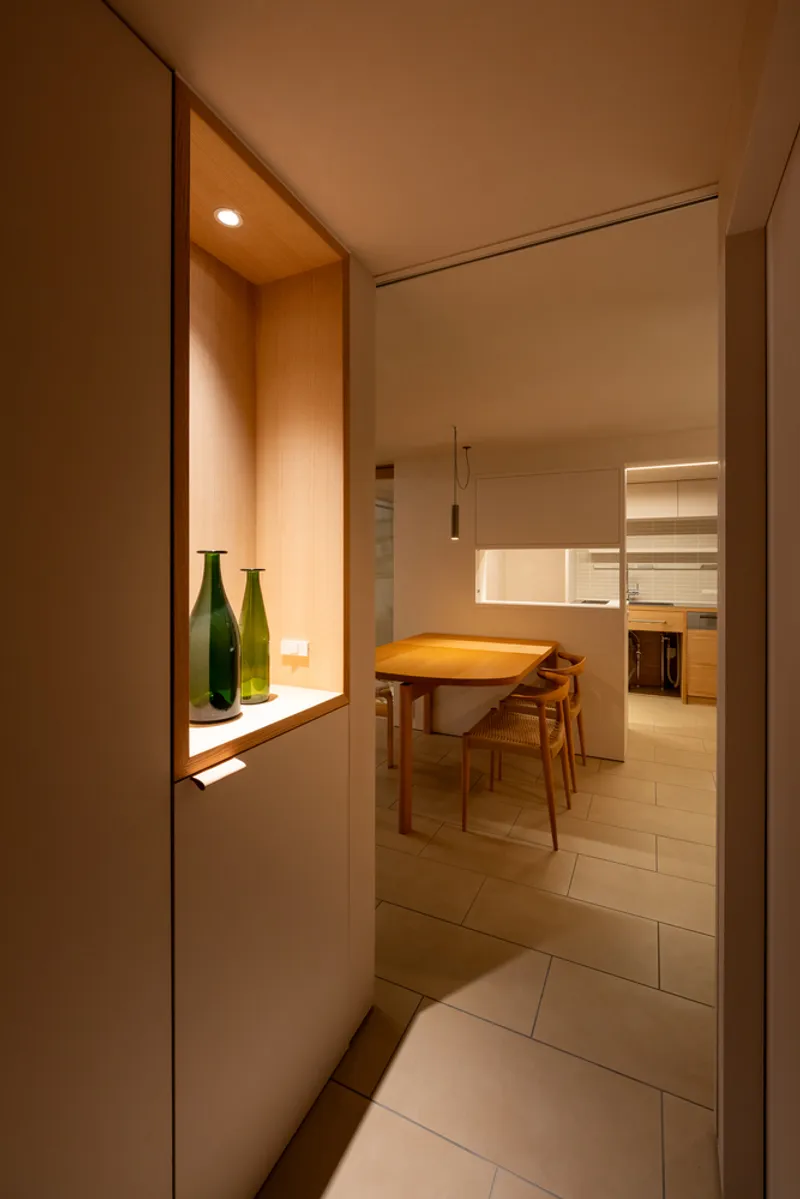
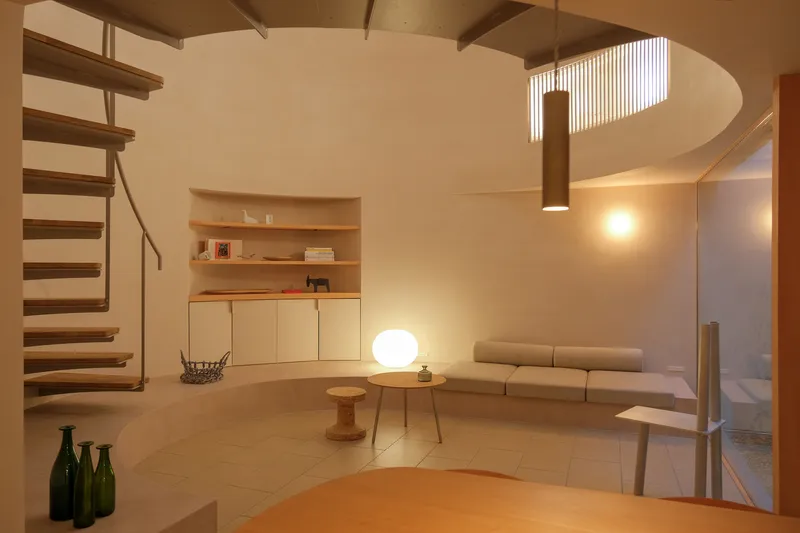
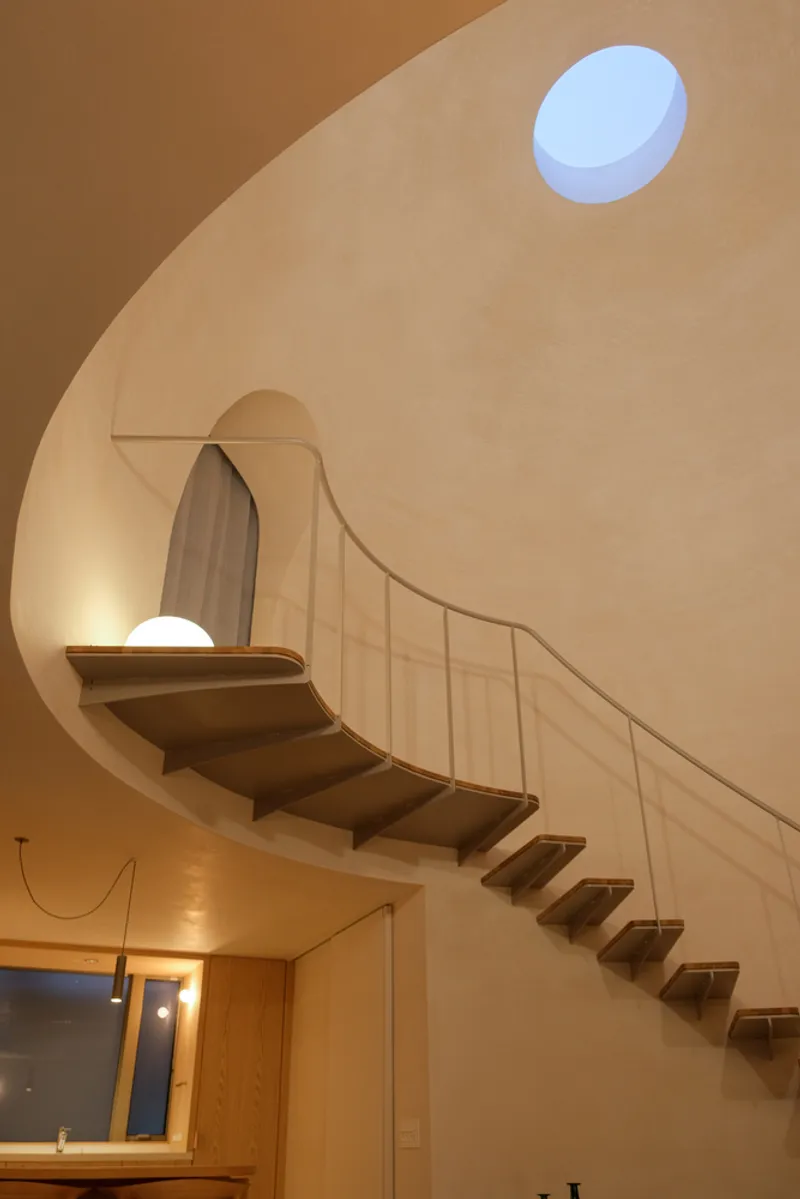
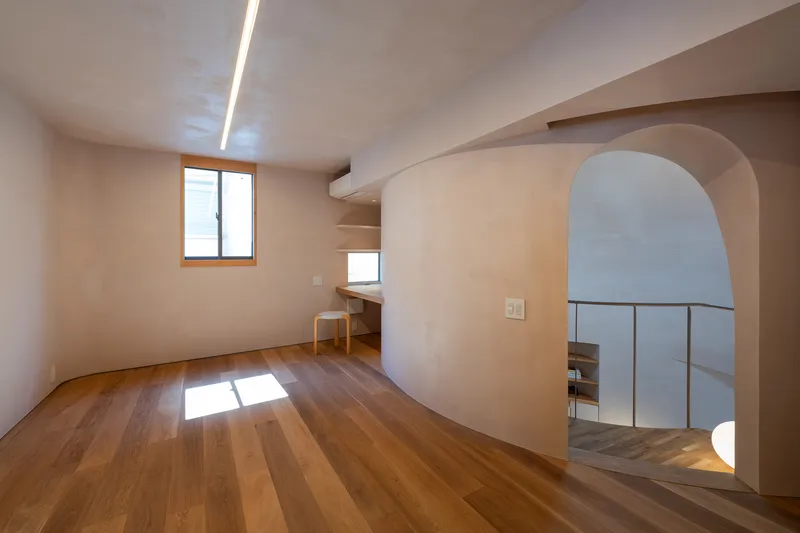
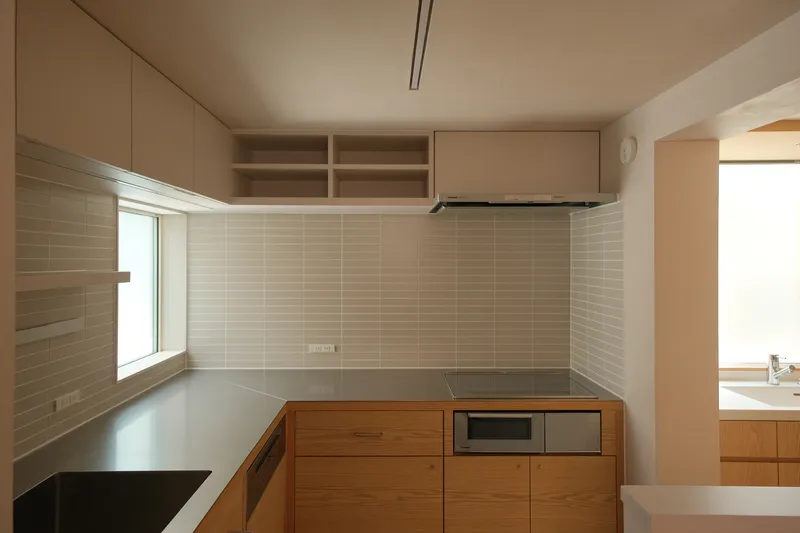
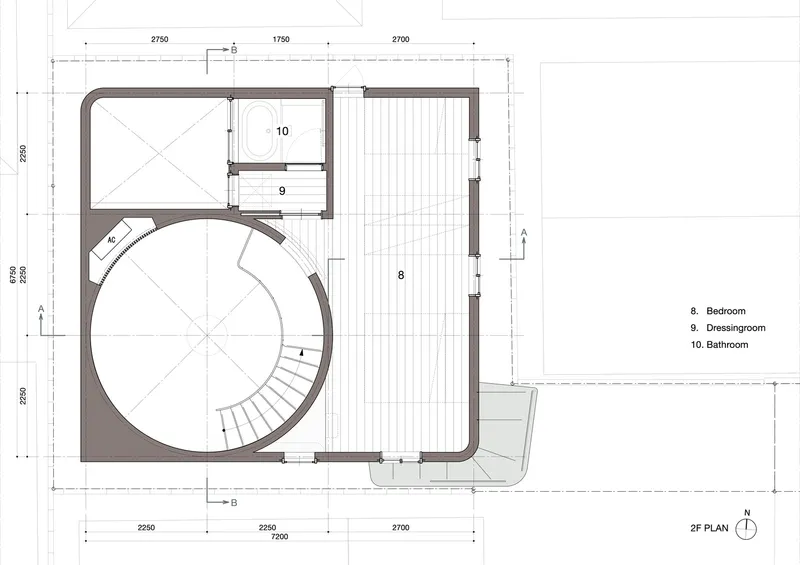
The ground floor houses the main living areas — the hall, dining room, and kitchen — arranged around the courtyard, allowing for seamless indoor-outdoor living. This layout supports a social atmosphere while maintaining the intimate scale of each space. The dome-shaped ceiling and the use of warm, light-reflecting materials create a spacious feel within a compact footprint.
Sustainable and Aesthetic Material Choices
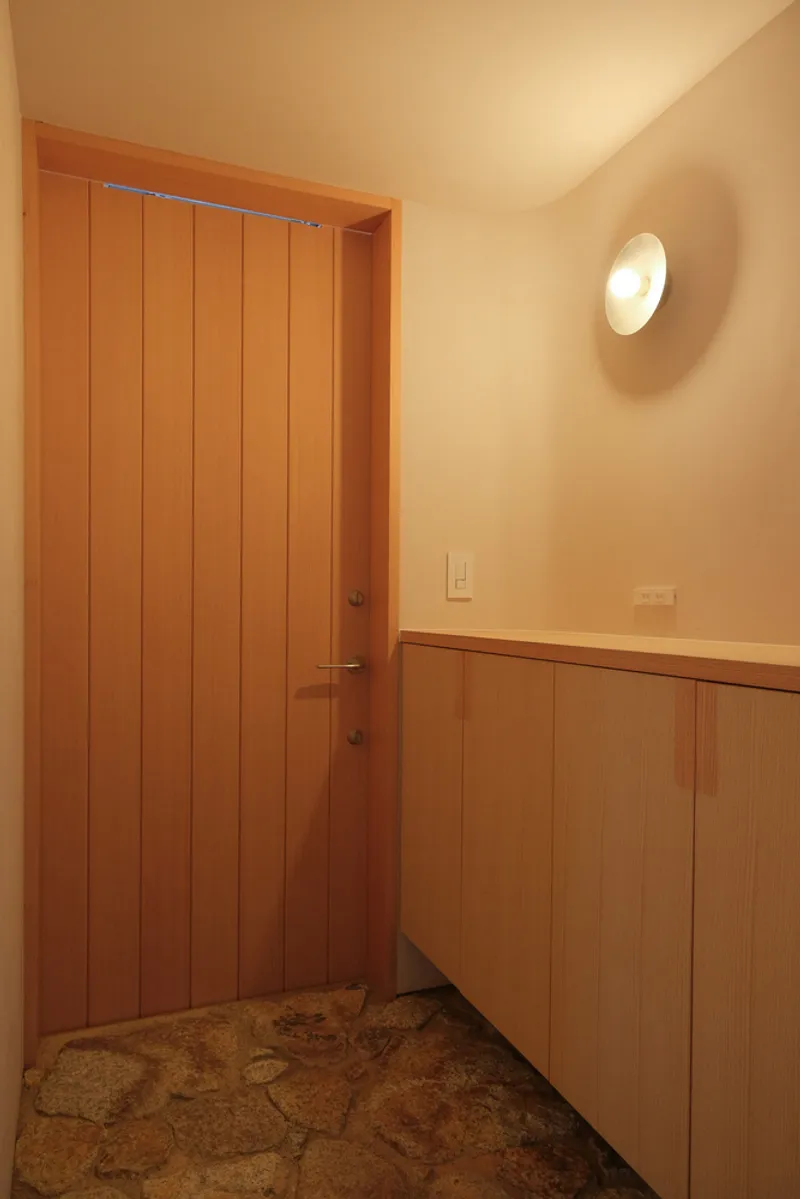
Material selection in the House in Shukugawa is both sustainable and aesthetically pleasing. The use of light reddish-brown plaster for walls and ceilings not only harmonizes with the natural light from the courtyard but also enhances the interior's warmth, creating a cozy, inviting environment.
The Future of Compact Home Design
The House in Shukugawa by Arbol exemplifies how architectural creativity can overcome the limitations of space and privacy in dense urban environments. This project serves as a model for future compact home designs, not only in Japan but globally, where the demand for efficient, private, and aesthetically pleasing living spaces continues to grow.
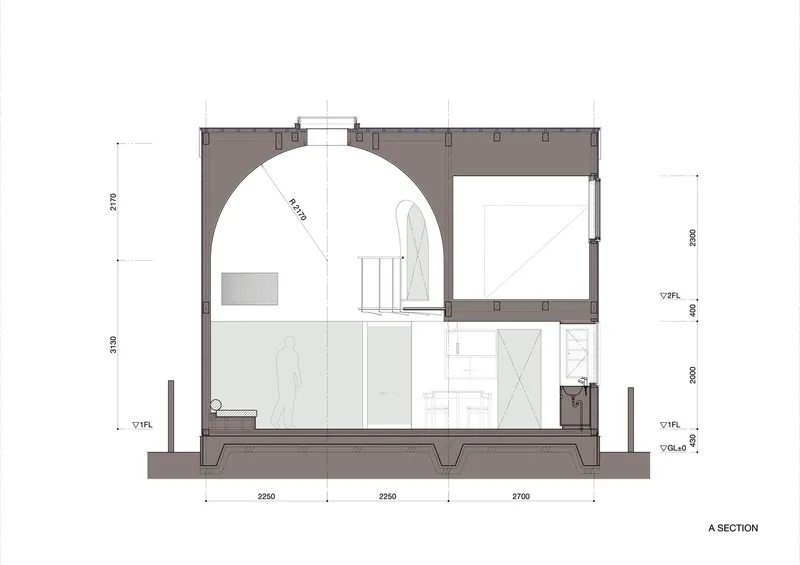
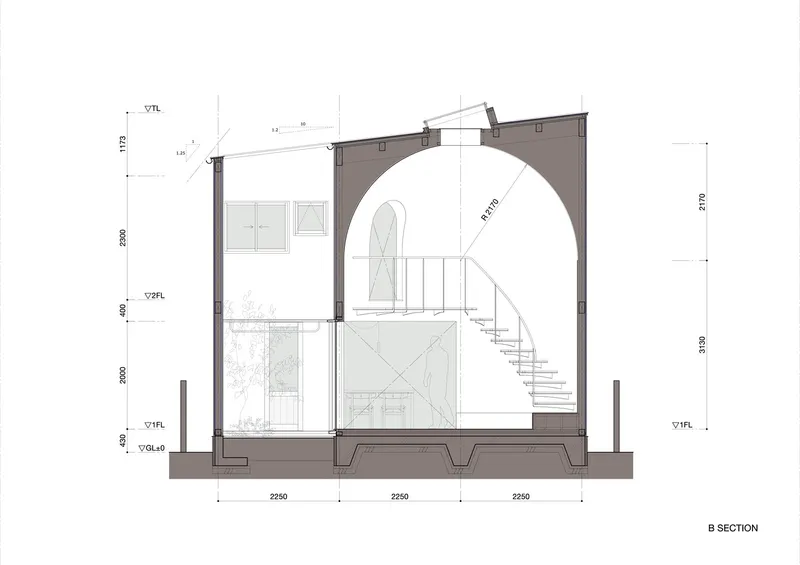
All photographs are work of Yasunori Shimomura, O Kato




Popular Articles
Popular articles from the community


Co-life: Sustainable Architecture for Age-Friendly Community Living
Co-life reimagines sustainable architecture for seniors through courtyards, rammed earth, shared gardens, and spaces designed for belonging.

Lunar Spiral: Space Architecture Shaped by the Mathematics of the Universe
Lunar Spiral reimagines space architecture through Fibonacci geometry, lunar regolith, levitating habitats, and self-sustaining Moon living.

The Earth Pod: 3D Printed Homes for Resilient Refugee Communities
The Earth Pod reimagines refugee housing through 3D printed homes made from clay, combining resilience, self-sufficiency, and rapid shelter.

Co-Life: Senior Housing Design That Reconnects Older Adults With the City
Co-Life reimagines senior housing design through healing gardens, shared streets, workshops, and a sustainable community across generations.


Similar Reads
You might also enjoy these articles


Hodi-Mandai Geram
Project Function: Preservation and revitalization of the Intangible heritage and socio-spatial identity of the Hodi by Housing, Cultural Memory Center, Sacred Grove, landscape, local tourism economy


Olio Towers: A Mid-Rise for Performers That Fuses Housing, Rehearsal, and Stage
Located blocks from Houston's Theater District, this modular tower stacks living units around a central performance atrium.

Oasis: Modular Green Housing Carved into Dhaka's Urban Fabric
A shortlisted Plugin Housing entry reclaims unauthorized settlements in Dhaka with stepped concrete volumes, green roofs, and ventilation-driven design.

Black Hole: A Floating Megastructure for the Post-Physical Era
Emiliano Mazzarotto envisions a spherical, self-scaling arena where e-sports, digital hotels, and holographic stadiums replace traditional public space.
Explore Small Space Competitions
Discover active competitions in this discipline



Challenge to reimagine the Iron Throne


Photograph architecture without architects


Illustrate the lost glory of Angkor Wat - Render Challenge


Design challenge to reuse E-waste
Comments (0)
Please login or sign up to add comments
No comments yet. Be the first to comment!