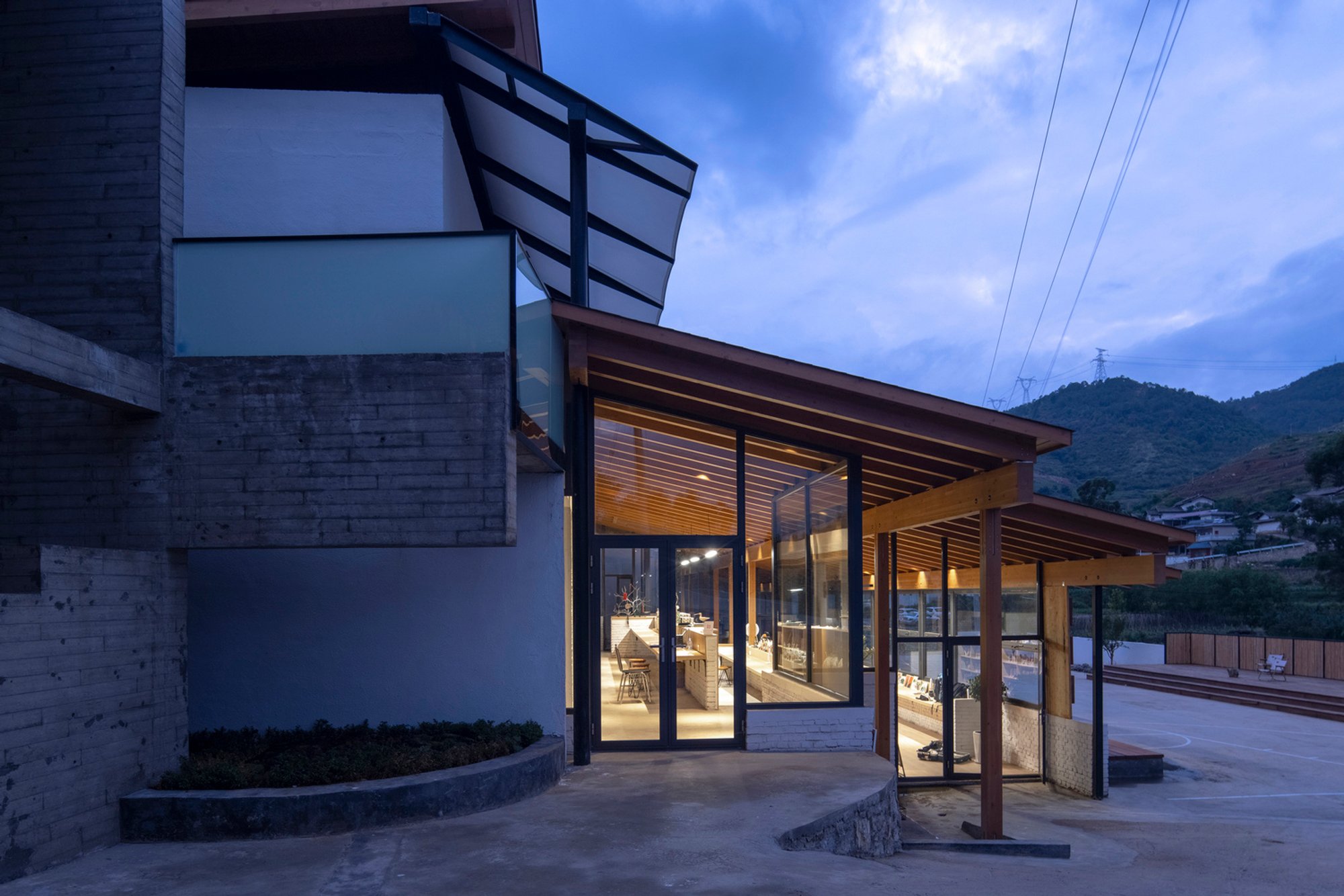
Constructing Over Relics: Revitalizing Lianhe Village with a New Community Center
The community center in Lianhe Village blends modern architecture with historical structures, revitalizing the area while preserving cultural heritage.


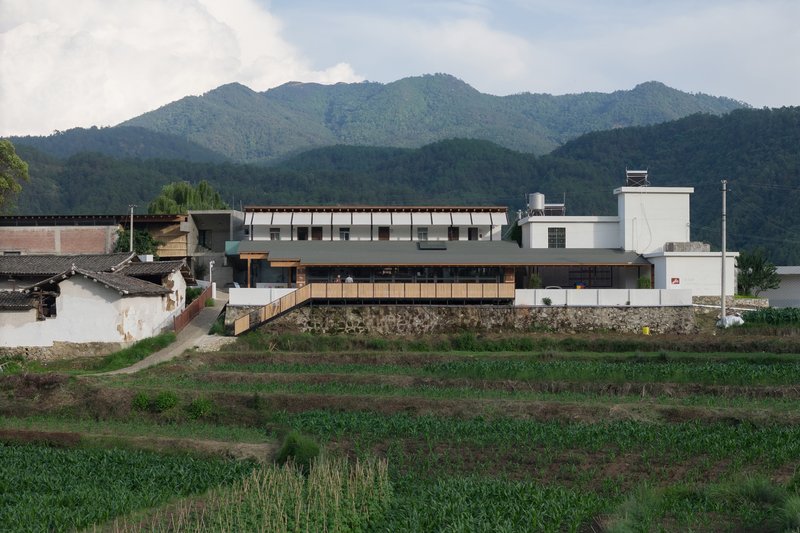
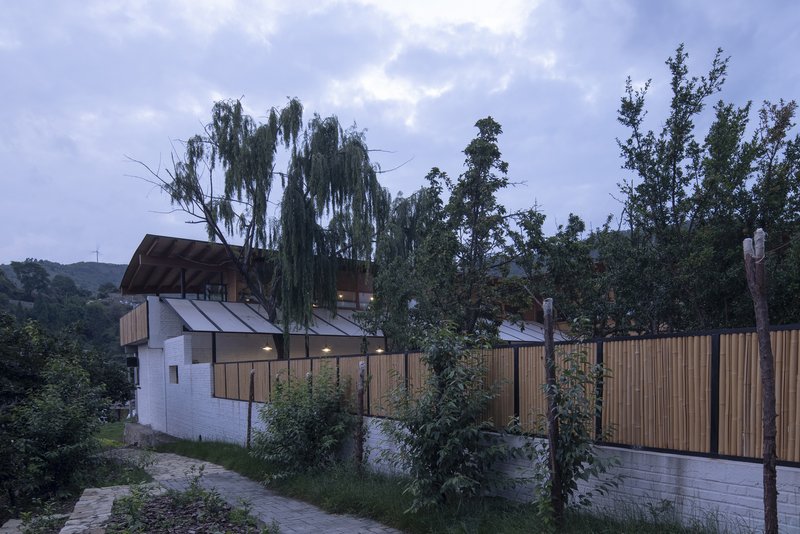
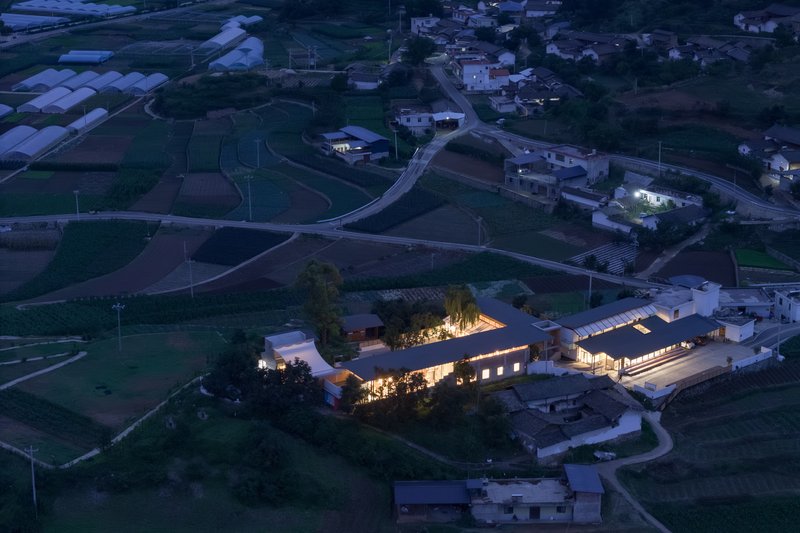
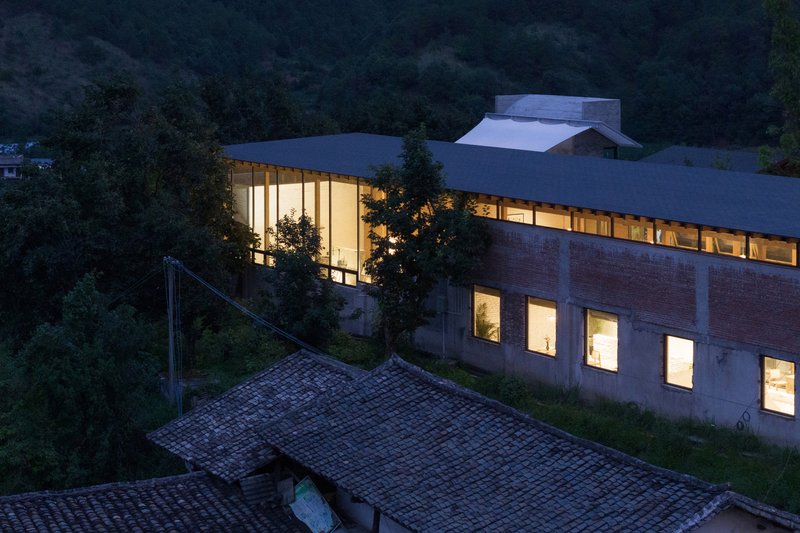
In the heart of Lianhe Village, Panzhihua, China, a new community center rises from the remnants of the past. Designed by CLAB Architects, this project is a thoughtful fusion of history and modernity, built atop the relics of a former village committee and primary school. The design aims to rejuvenate the area under the new rural revitalization initiative, creating a space that serves both as a functional community hub and a reminder of the village’s rich cultural heritage.
The Vision Behind the Design
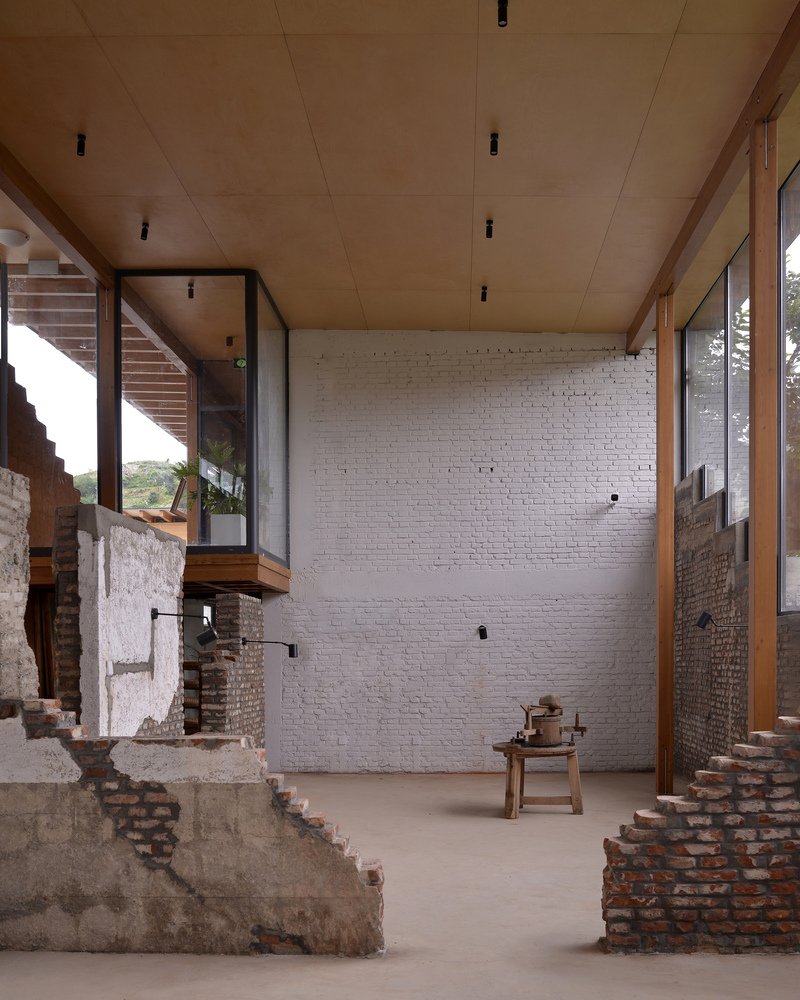
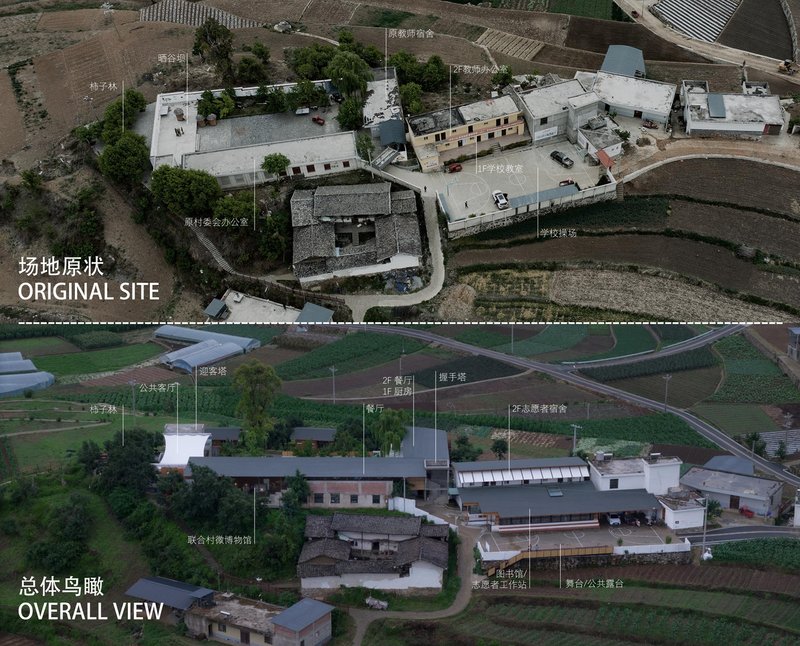
Lianhe Village, like many rural areas, has experienced the effects of "hollowing out"—the gradual decline of local populations and abandonment of community spaces. The existing buildings on the site, once filled with activity, had deteriorated over time, becoming hazardous and unsuitable for new purposes. However, instead of demolishing the old structures entirely, CLAB Architects chose to build "over the relics," integrating the history of the site into the new design.
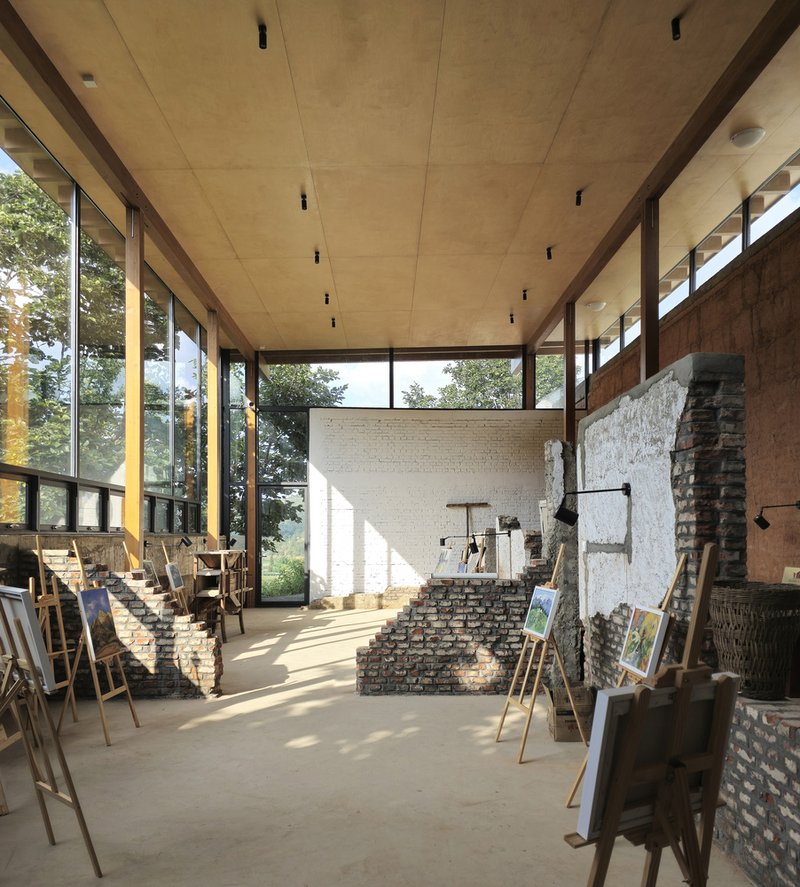
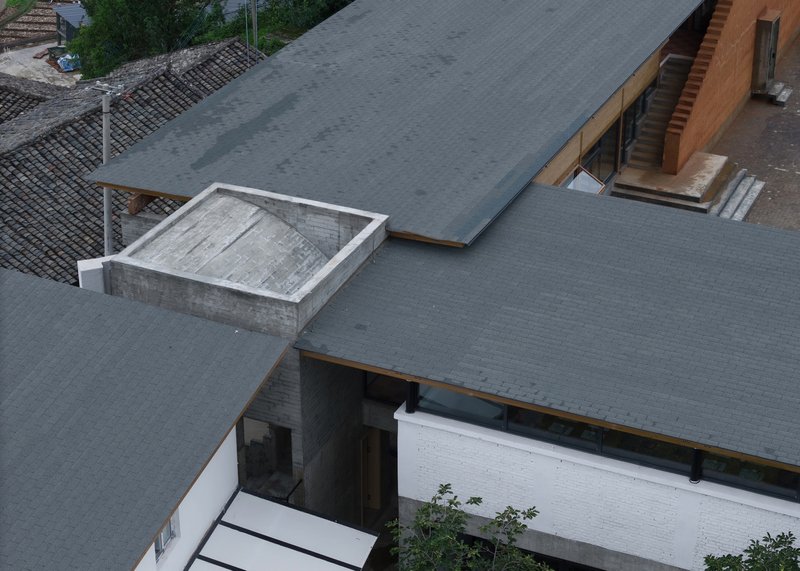
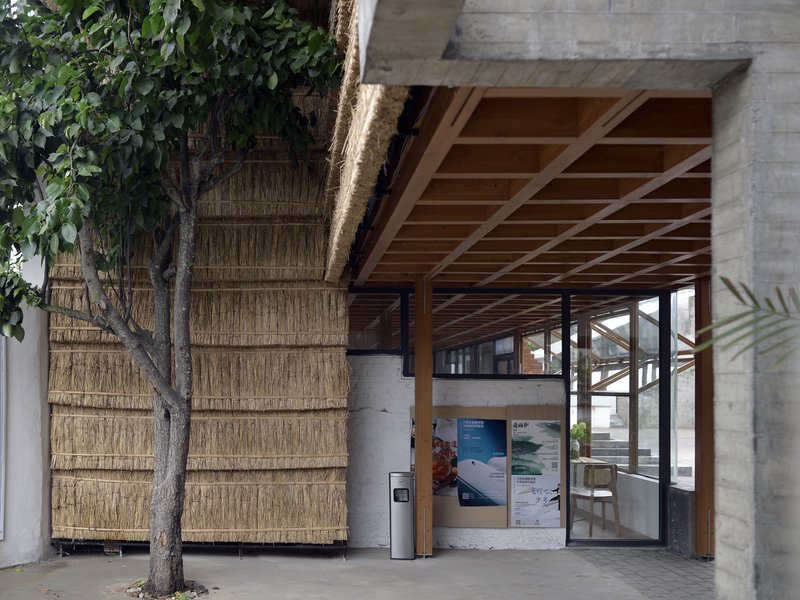
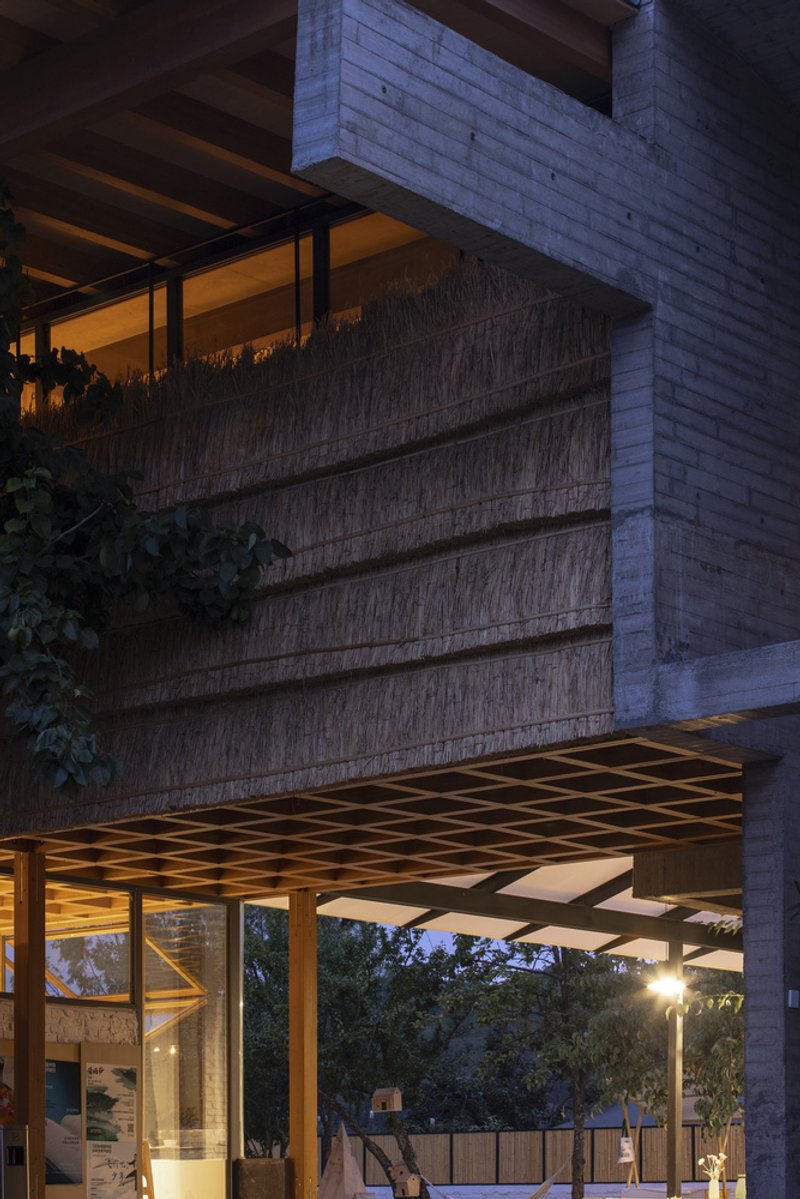
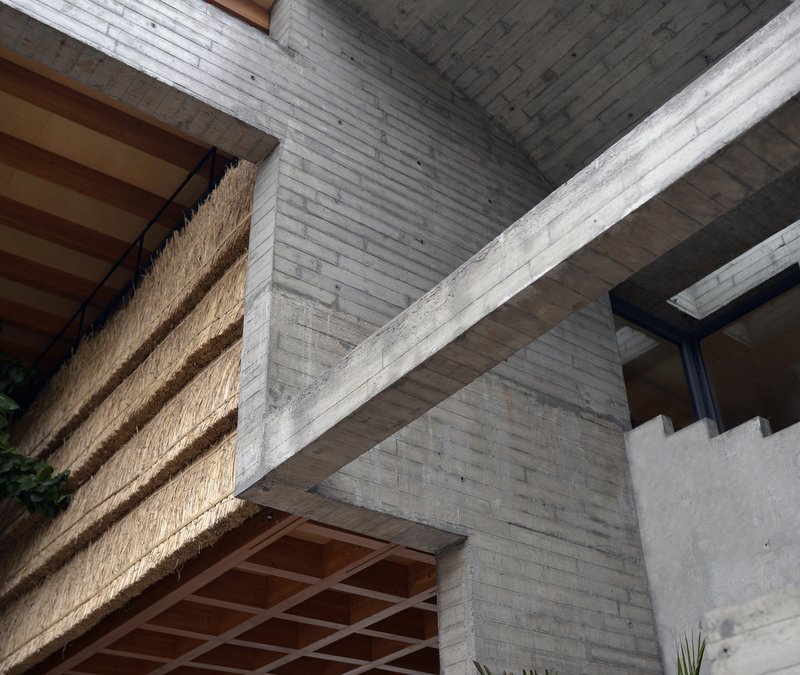
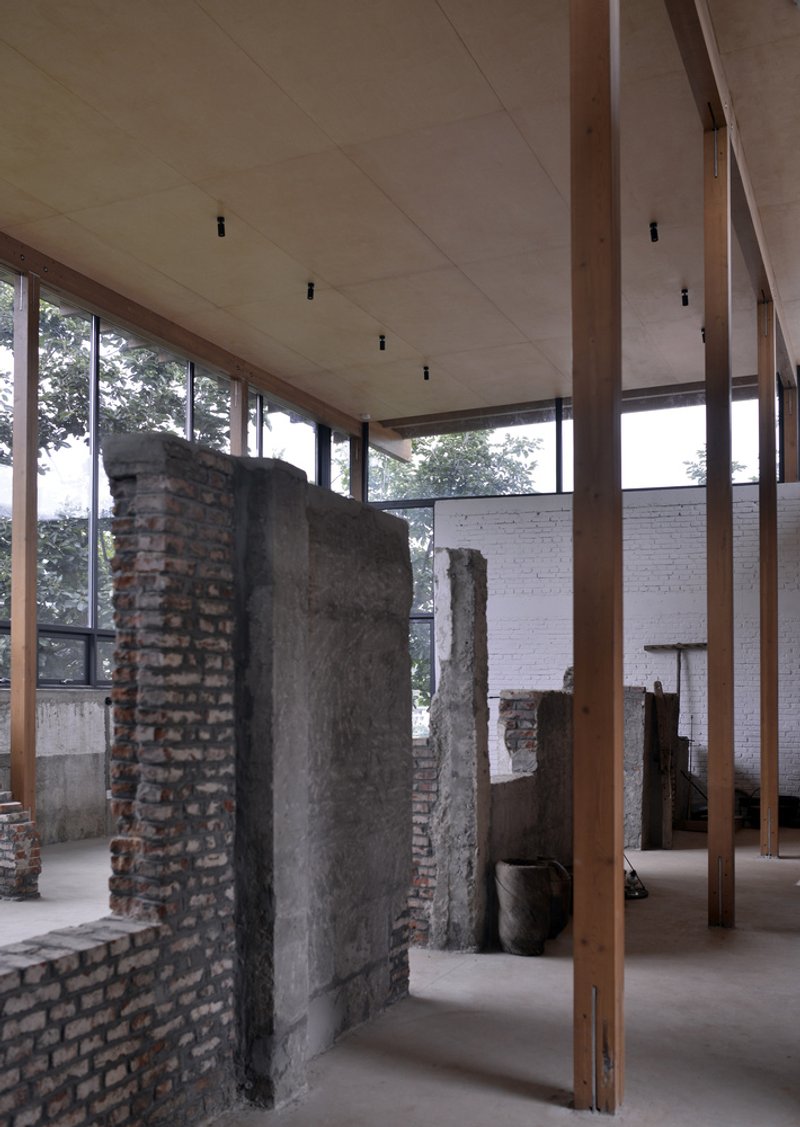
The project embraces the idea of continuity, rather than rejection, of the old village buildings. The design strategy retains usable parts of the old structures while removing unsafe panels and preserving the foundational brick-concrete walls. This approach not only pays homage to the site’s past but also provides a sustainable framework for the construction of a new, modern community center.
Architectural Strategy: A Dialogue Between Past and Present
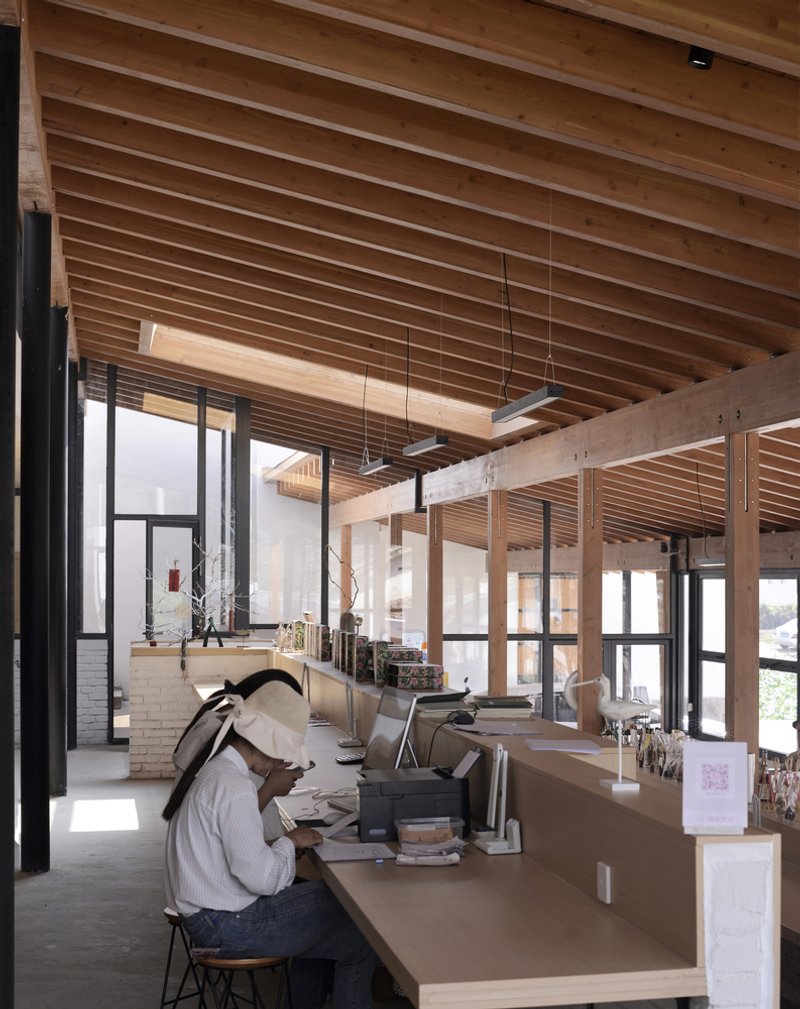
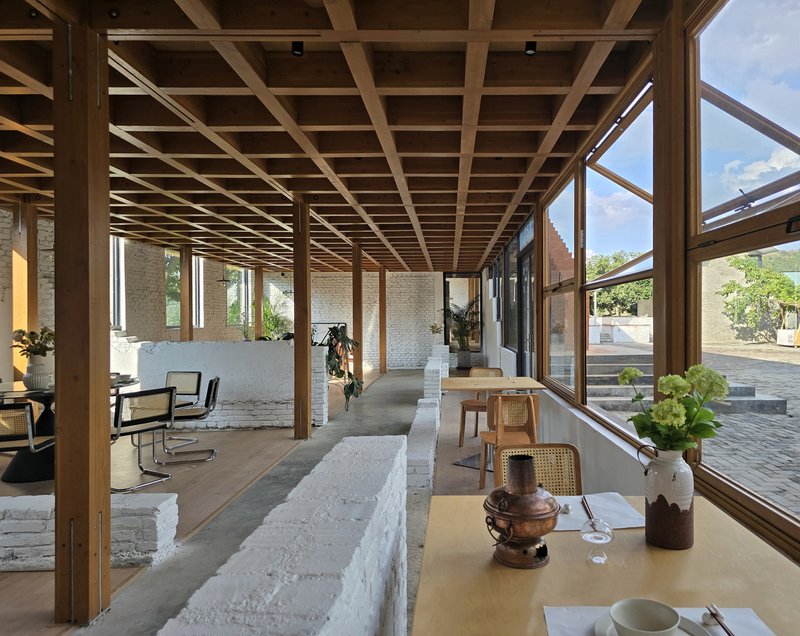
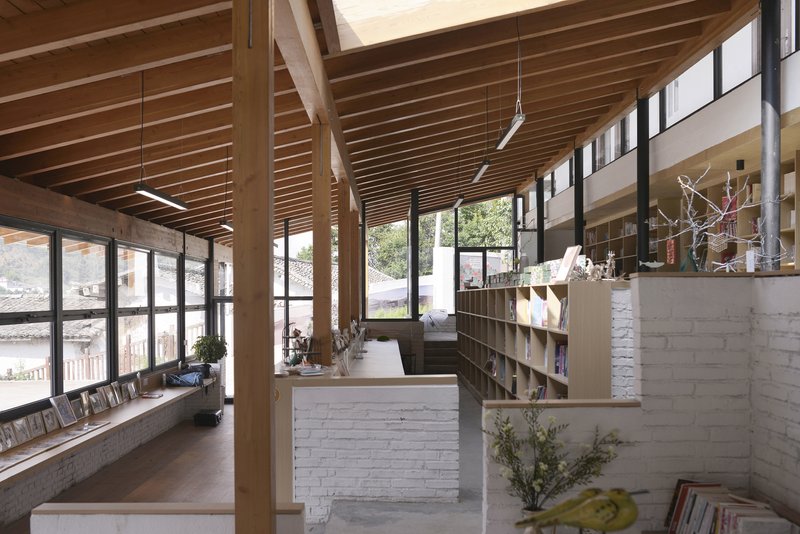
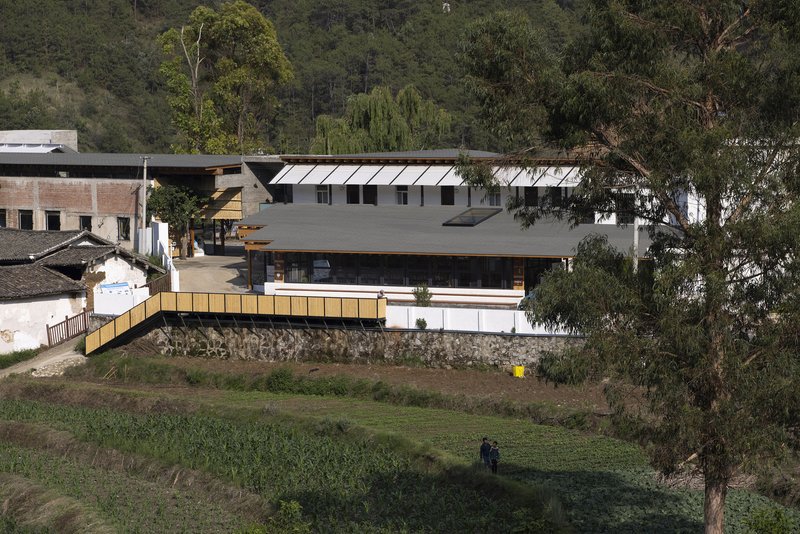
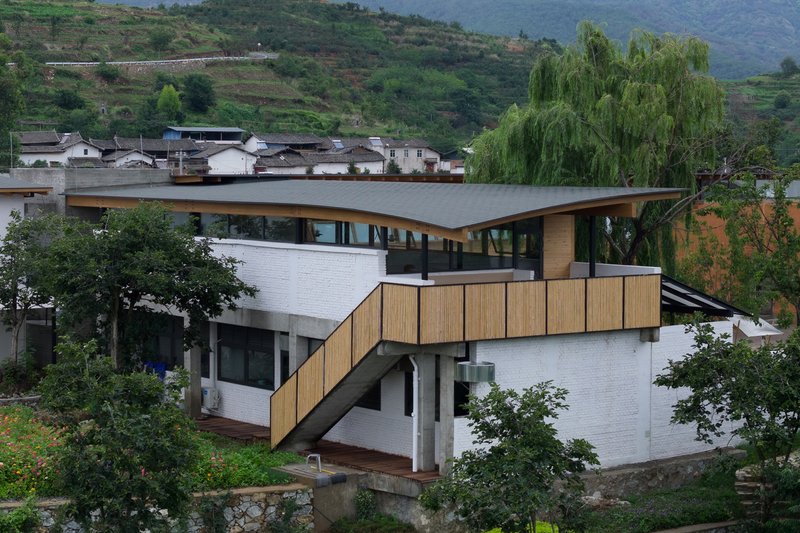
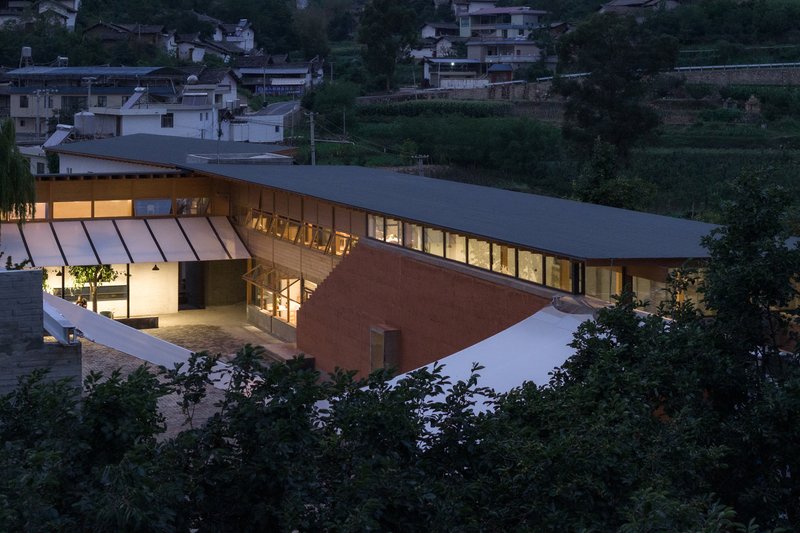
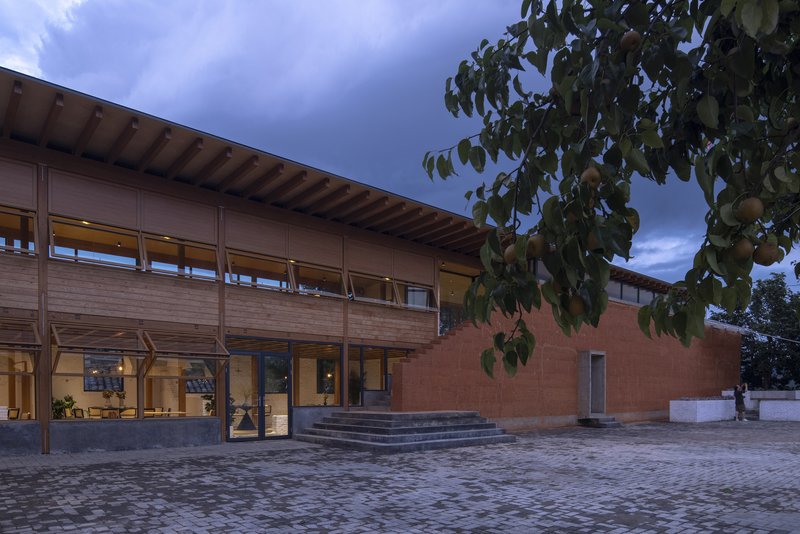
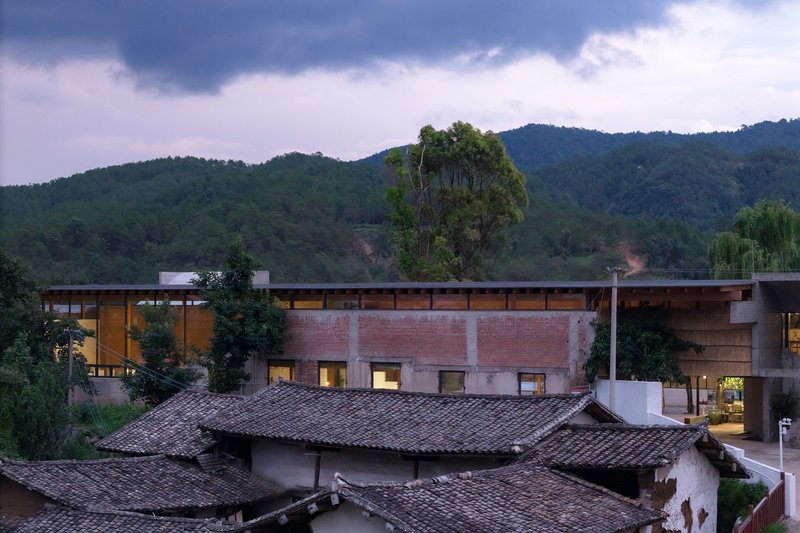
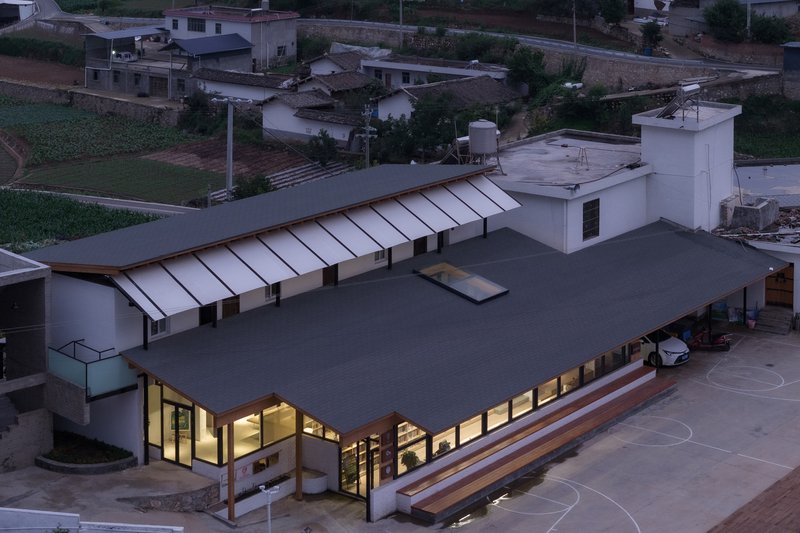
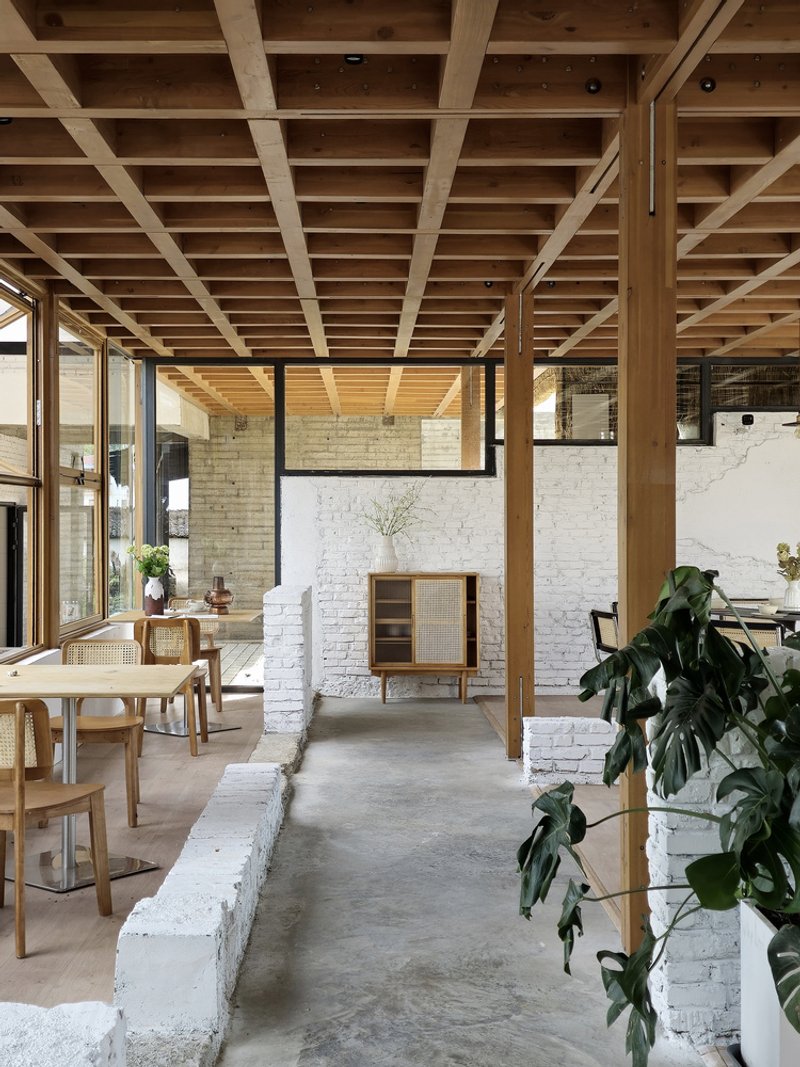
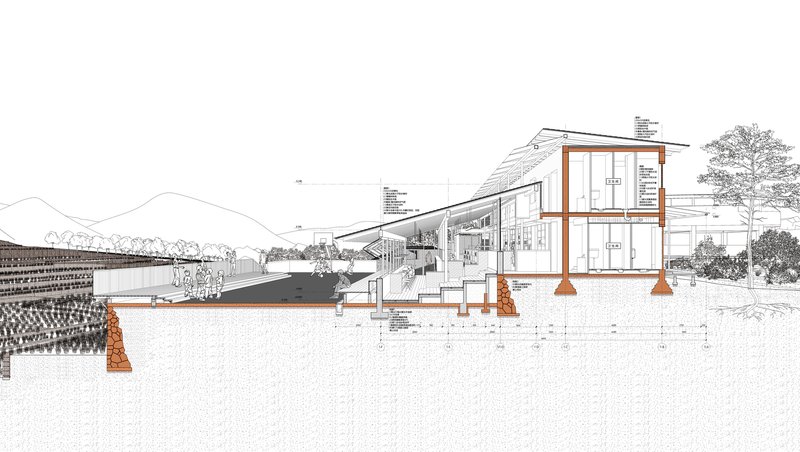
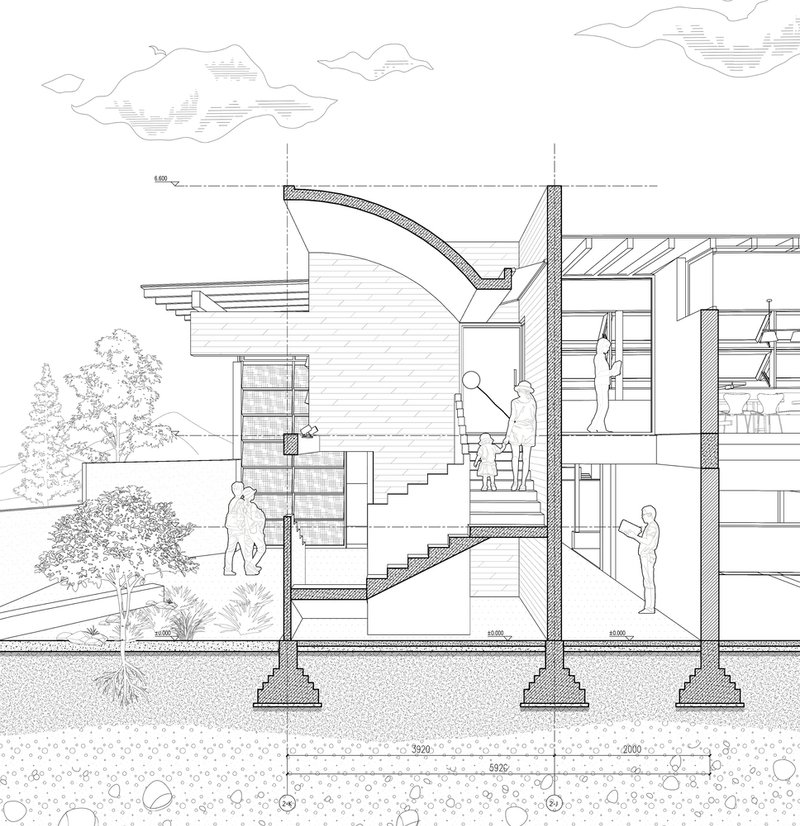
The architectural strategy revolves around the interplay of two distinct structural systems. The new community center is built using a wooden structure system, constructed between the preserved brick-concrete foundations of the old buildings. This design creates a dynamic layering of history and modernity, with two sets of axes—one representing the past and the other the present—intertwining to form a unified space.
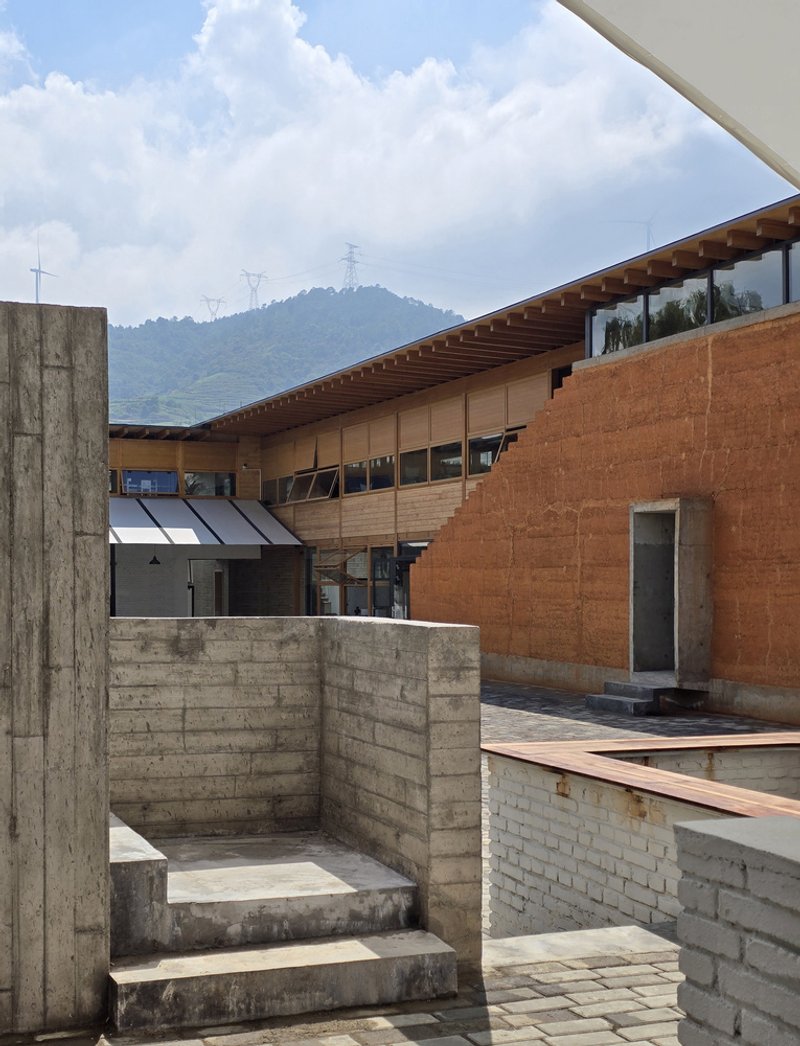
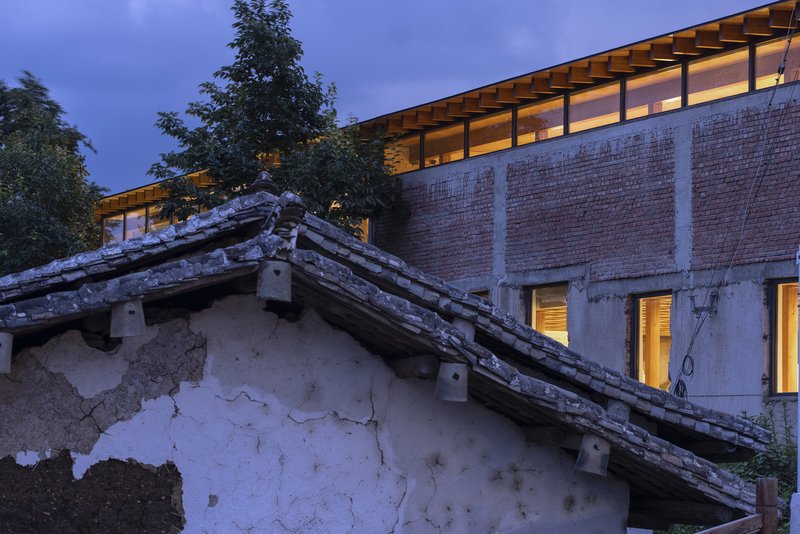
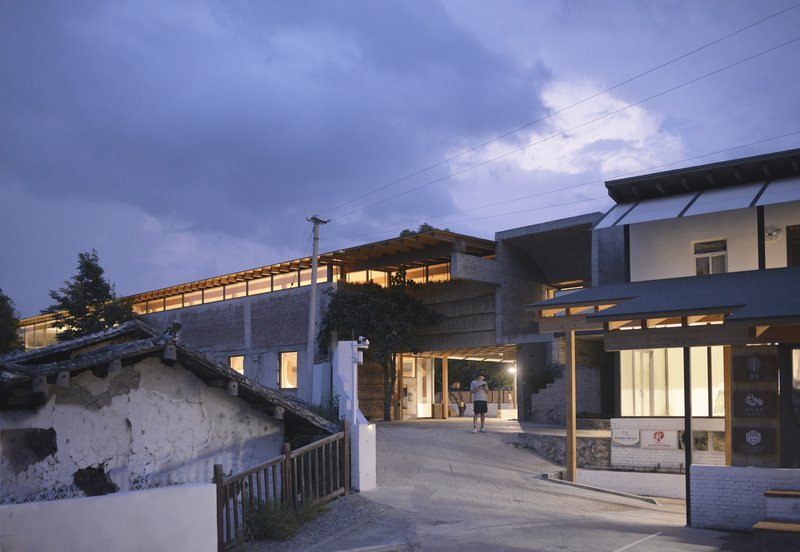
This dual-axis approach allows the architects to divide the space functionally, preserving the memory of the original site while providing flexibility for new uses. The historical elements of the original buildings serve as a guide for the functional layout of the community center, while the new structure, with its wooden beams and open spaces, offers a modern, inviting environment for the community.
Incorporating Local Craftsmanship and Modern Technology
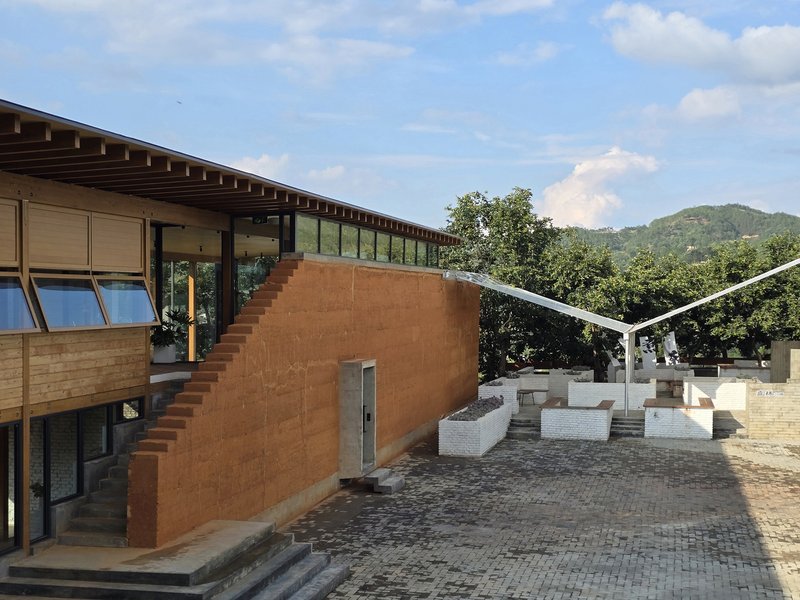
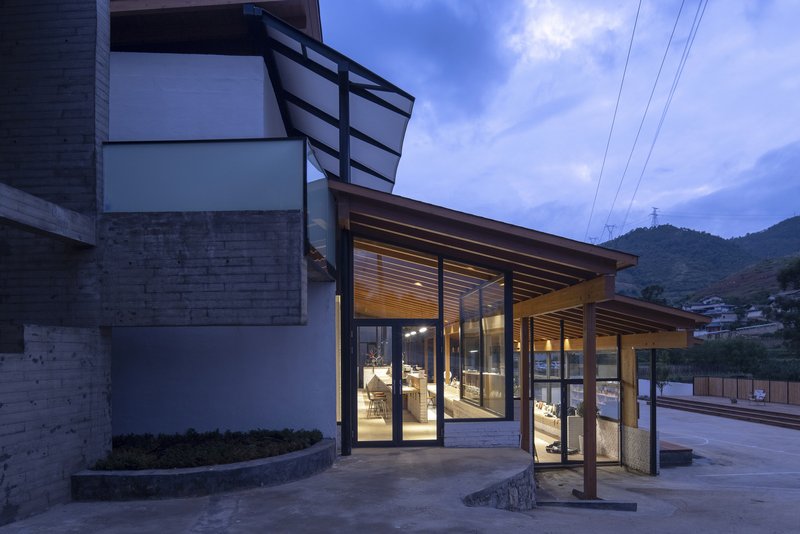
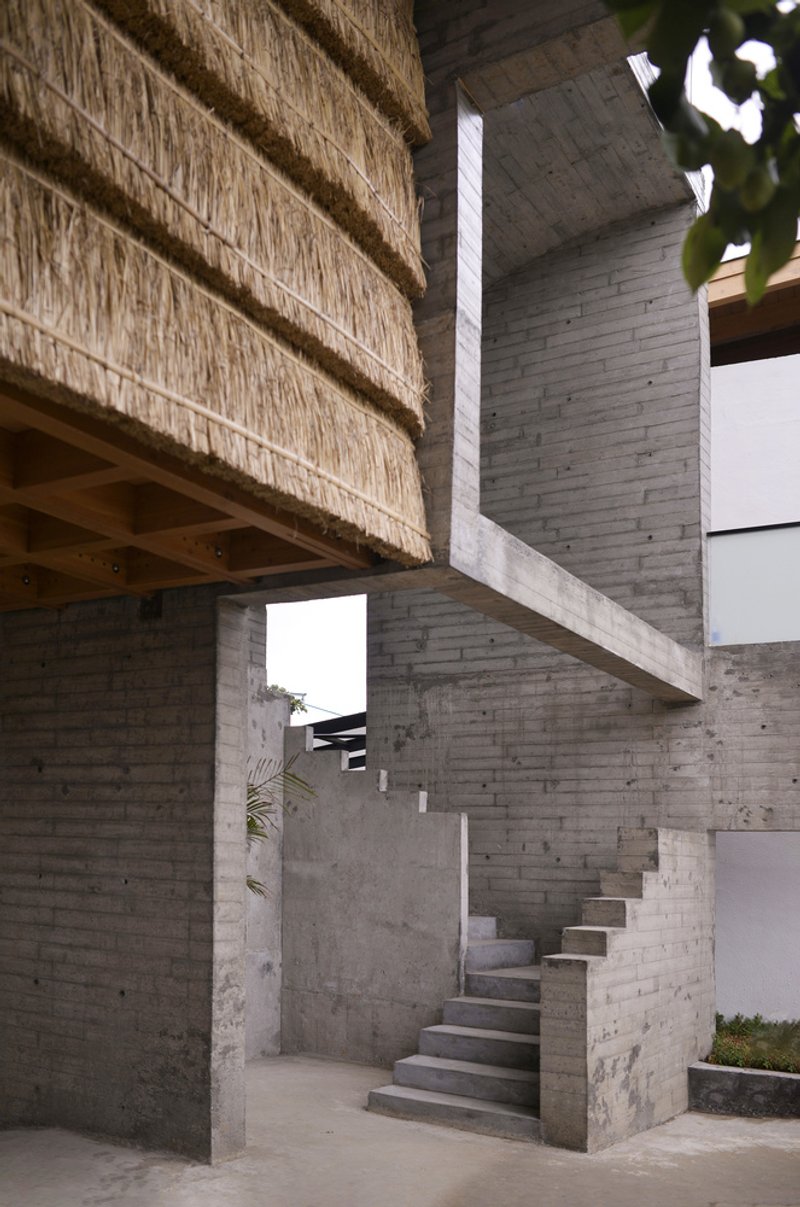
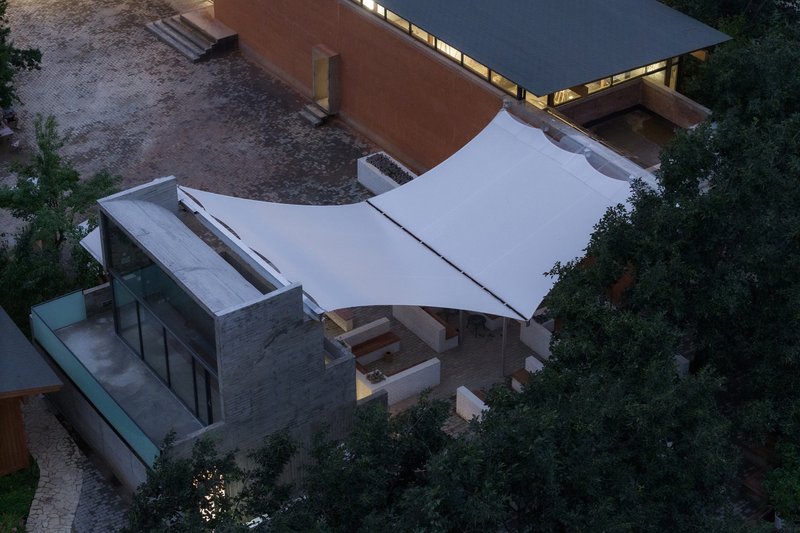
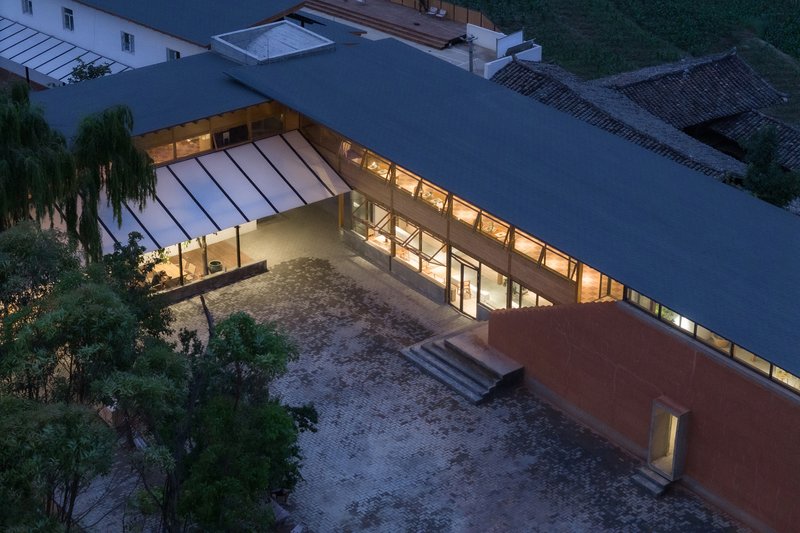
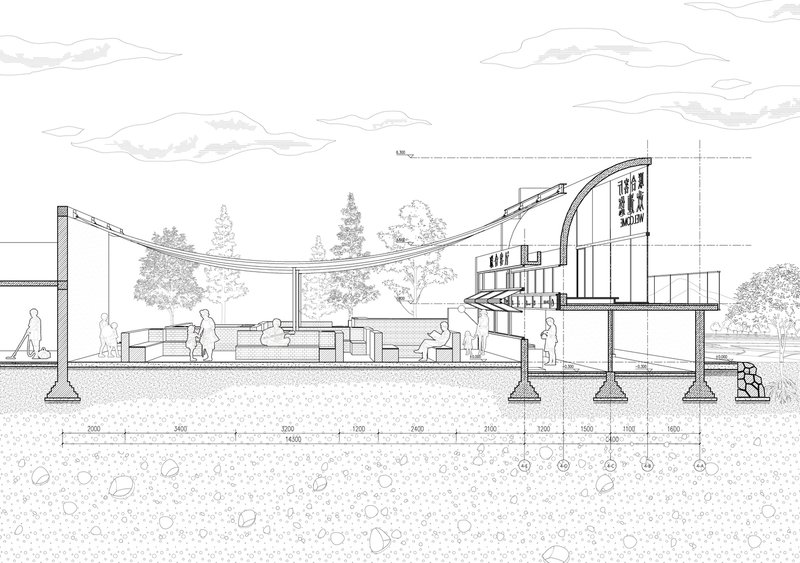
Beyond the main building, CLAB Architects constructed two small towers: the "Handshake Tower" and the "Welcome Tower." These structures serve both symbolic and functional purposes. The Handshake Tower, located at the intersection of the new wooden structure and the old brick-concrete foundations, represents the connection between the old and the new. The Welcome Tower, positioned at the village entrance, acts as a welcoming gesture and a structural anchor for the semi-outdoor living room’s membrane roof.
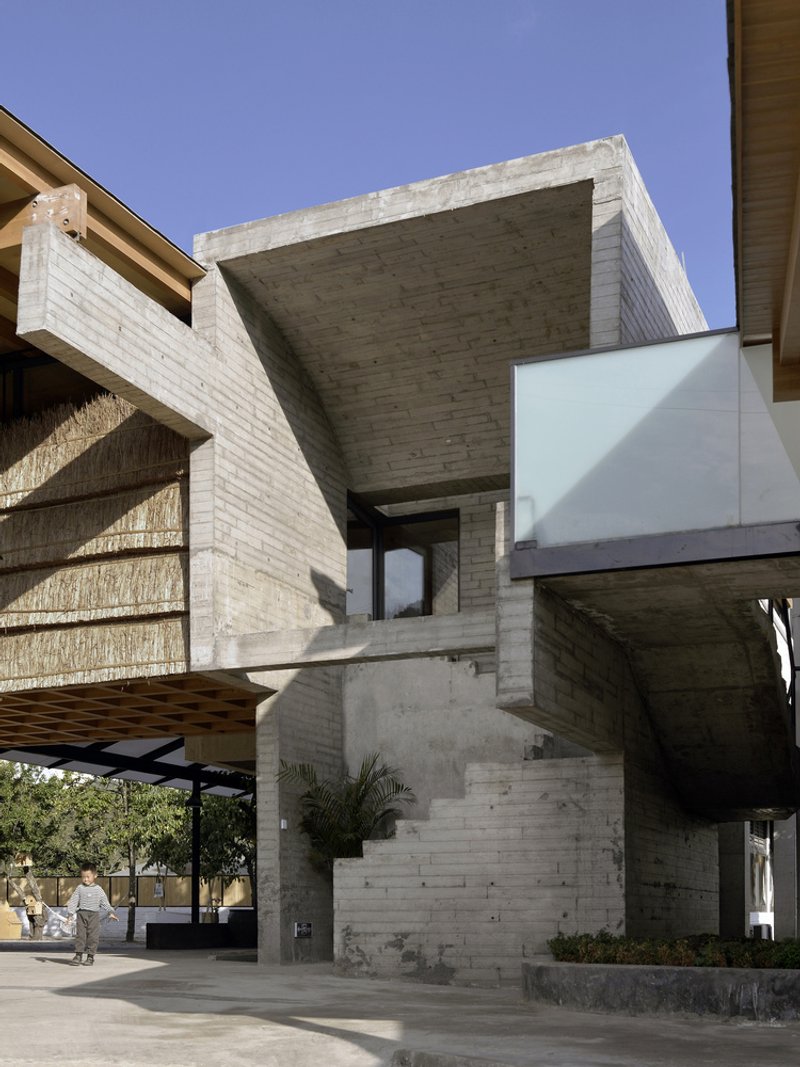
The construction process itself was a blend of local craftsmanship and industrial techniques. While the exposed concrete and civil engineering components were built by local villagers, the wooden structures and steel membrane components were fabricated in a factory and assembled on-site. This fusion of traditional and modern construction methods reinforces the theme of continuity between the past and the present.
Sustainable Design and Community Engagement
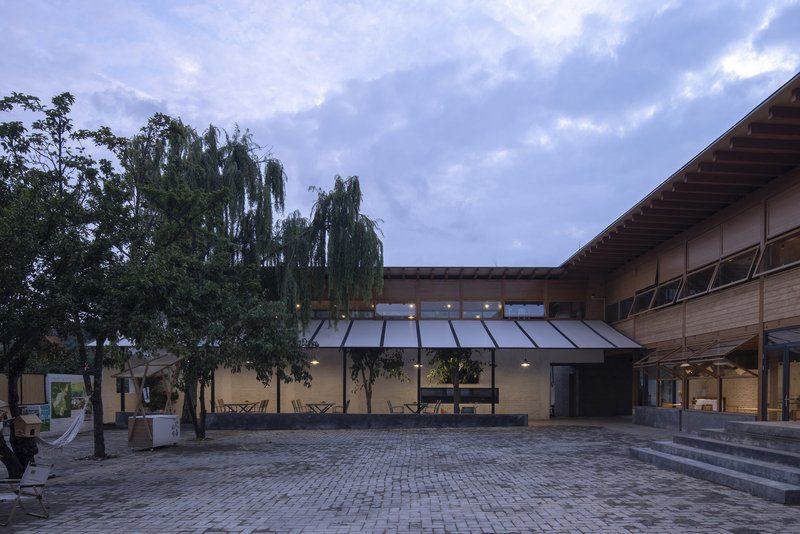
The community center is not only a place for local gatherings but also a model of sustainable architecture. The design prioritizes materials that are locally sourced and environmentally friendly. The wooden structure, crafted with care and attention to detail, stands as a testament to both modern construction practices and the heritage of traditional building techniques. The integration of local craftsmanship in the construction of concrete parts underscores the importance of community involvement in the revitalization process.
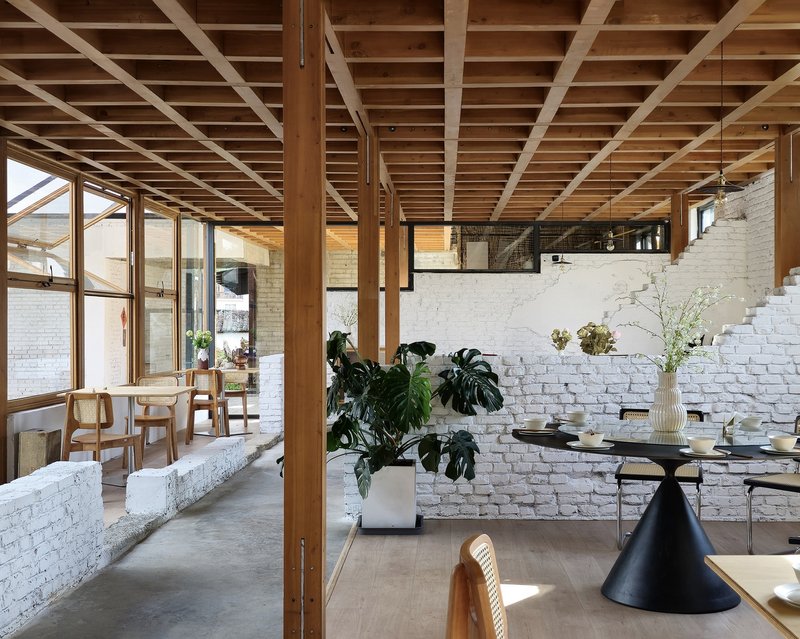
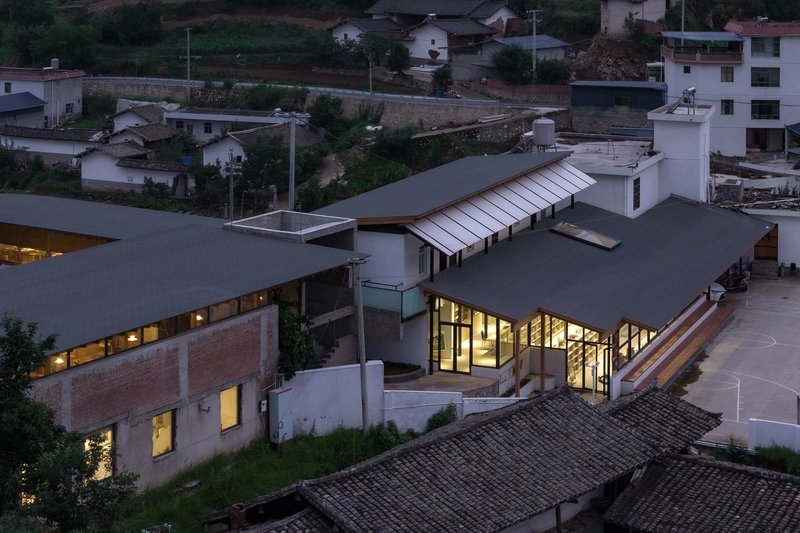
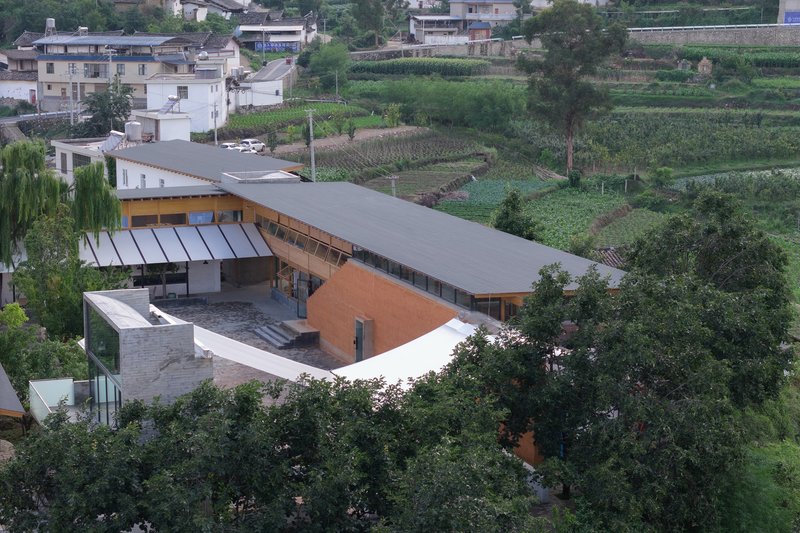
The community center’s design also embraces natural elements, with a focus on creating spaces that are connected to the surrounding landscape. The semi-outdoor living room and open spaces invite residents to engage with nature and each other, fostering a sense of belonging and community spirit.
A New Chapter for Lianhe Village
The construction of the Lianhe Village community center is a poignant example of how architecture can bridge the gap between the past and the future. By building over the relics of the old village structures, CLAB Architects has created a space that celebrates history while meeting the needs of the modern community. This project not only revitalizes the village but also embodies the spirit of rural revitalization, offering a new focal point for the residents and a model for future community center designs in similar rural settings.
All Photographs are work of Arch-Exist, Lang Xu