
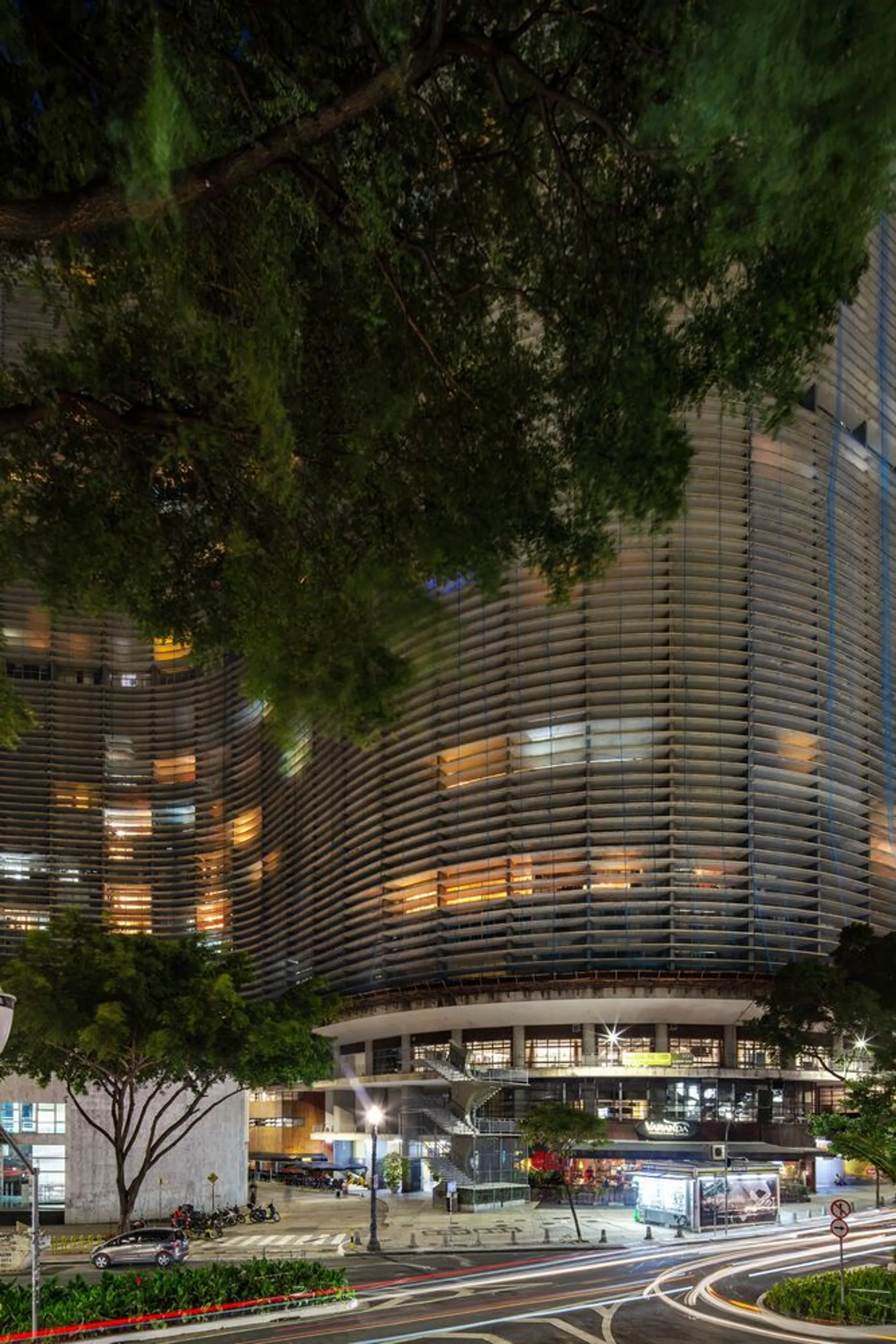
Embracing Adaptive Reuse Architecture in Office Design
This article explores the Heartman Offices project, showcasing adaptive reuse architecture within São Paulo's historic Copan Building by Pitá Arquitetura.


Adaptive reuse is a transformative business strategy that repurposes old buildings for new uses, which not only preserves historical architecture but also offers sustainable development opportunities. The Heartman Offices project by Pitá Arquitetura in São Paulo's Copan Building exemplifies how adaptive reuse can effectively combine historical preservation with modern needs.
Why Adaptive Reuse Matters in Modern Office Design
The Benefits of Adaptive Reuse Architecture
Adaptive reuse architecture comes with numerous benefits, including sustainability, cost efficiency, and the unique aesthetic that historical elements contribute to a modern workspace. The Heartman Offices leverage these benefits, maintaining the Copan Building’s original charm while adapting the interiors to modern office requirements.
Sustainability and Preservation
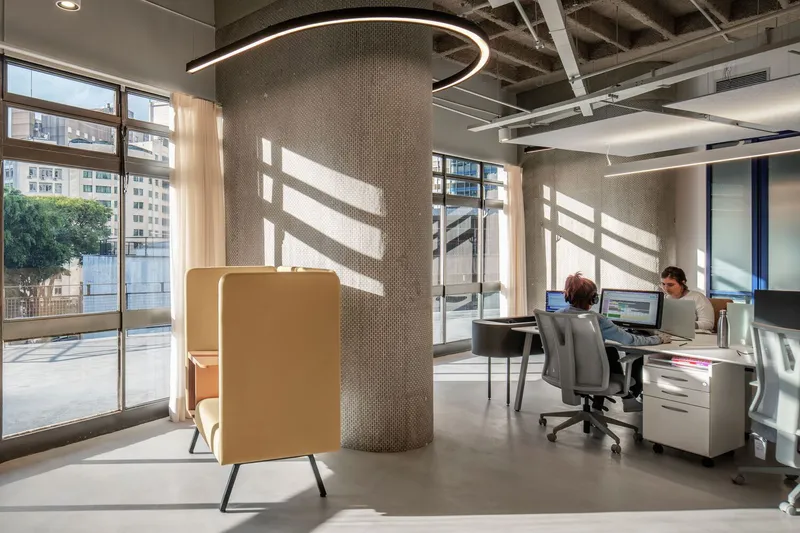
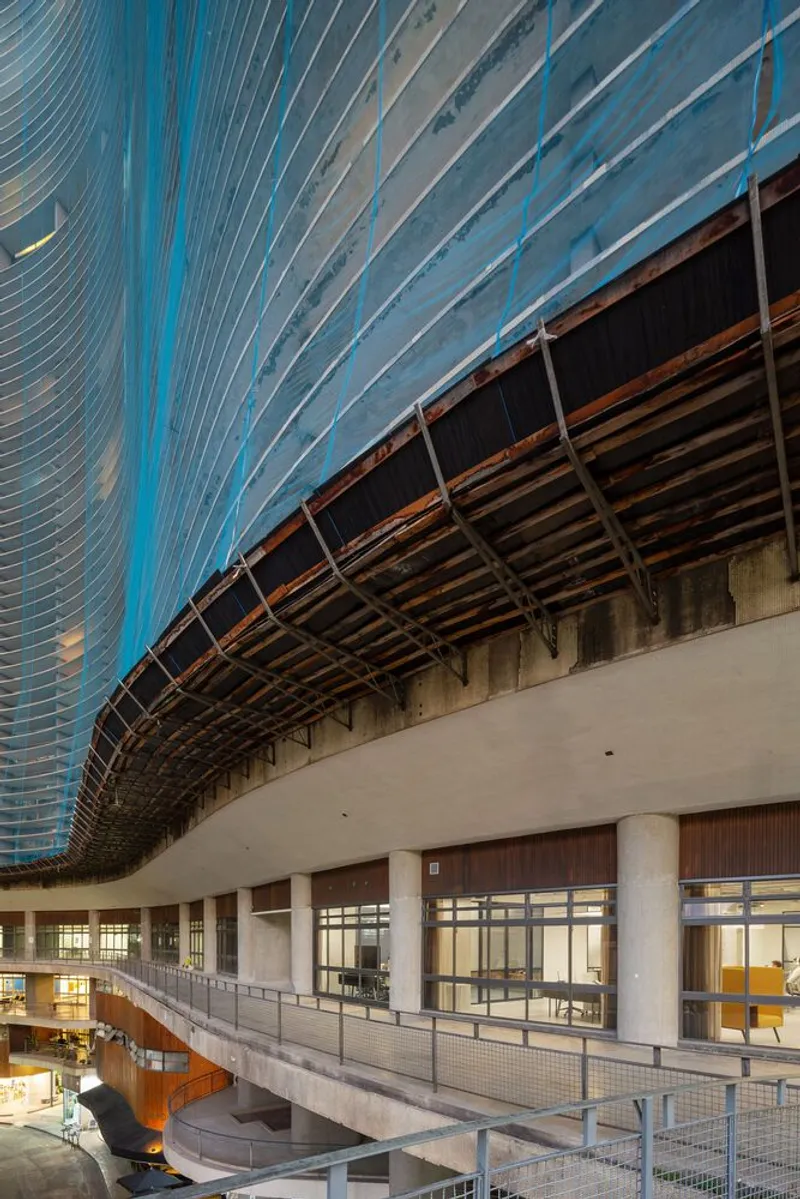
Reusing existing structures significantly reduces the need for new materials, minimizing the environmental impact of construction. By preserving the Copan Building's original tiles and façade, Pitá Arquitetura not only saved these materials from landfills but also retained the cultural heritage of the iconic building.
Case Study: Heartman Offices by Pitá Arquitetura
Project Overview
In 2023, Pitá Arquitetura was commissioned to transform an 840 square meter space within the historic Copan Building into the new headquarters for a business consulting firm. The architects needed to design a workspace that supported a predominantly external workflow with frequent client meetings and collaborative work.
Design Strategy and Execution
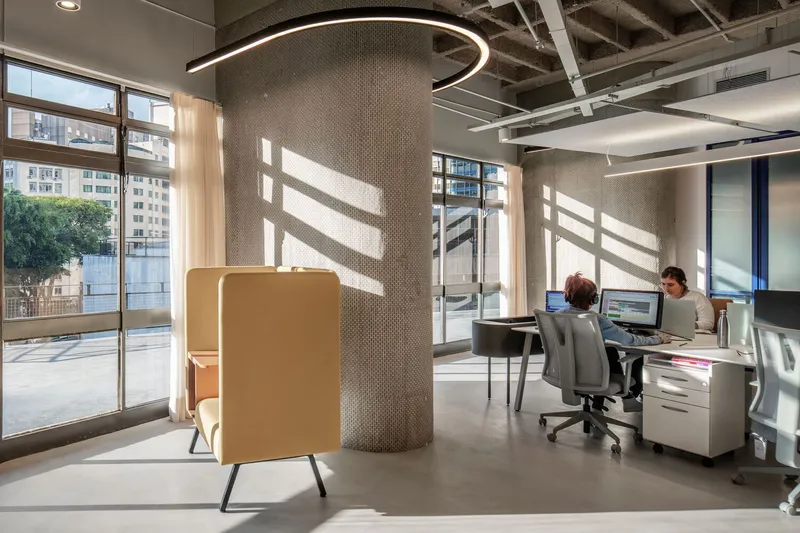
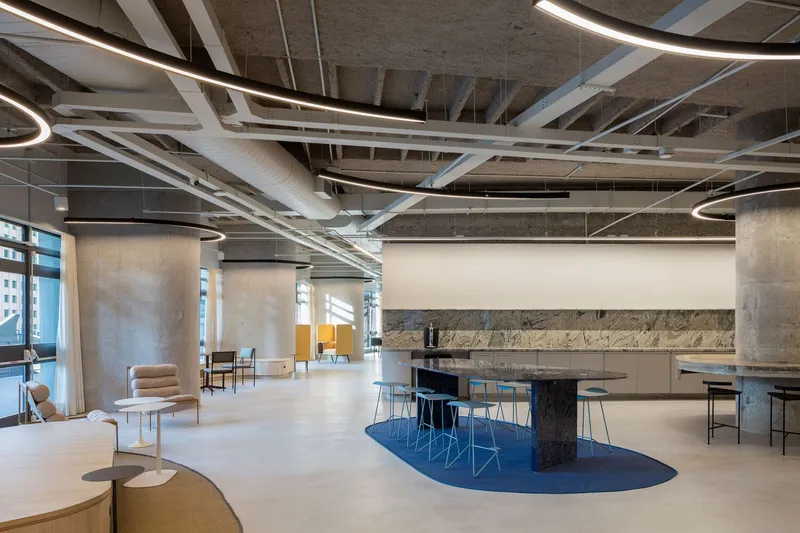
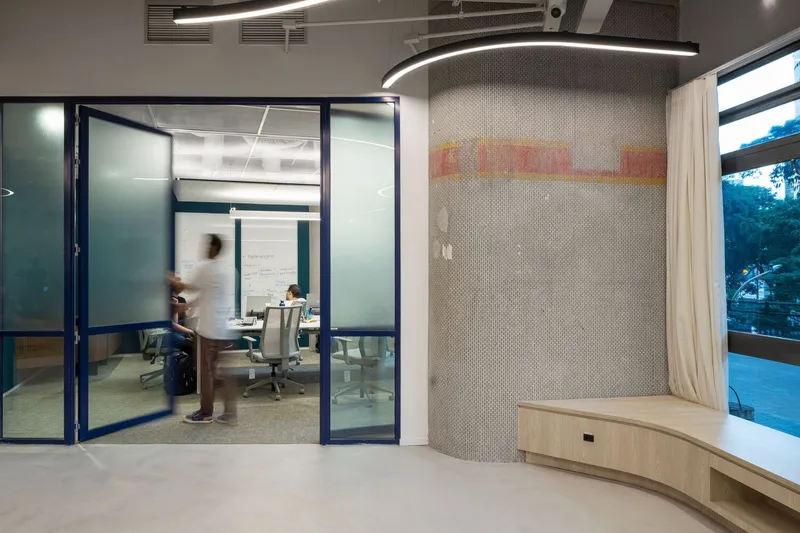
The design strategy involved drastically reducing traditional workstations, instead creating large, hybrid rooms that serve dual functions as meeting spaces and work areas. This approach supports the company's workflow and enhances collaboration. Key features of the design include:
- Hybrid Meeting Rooms: Equipped with versatile tables that serve as both meeting and workstation areas.
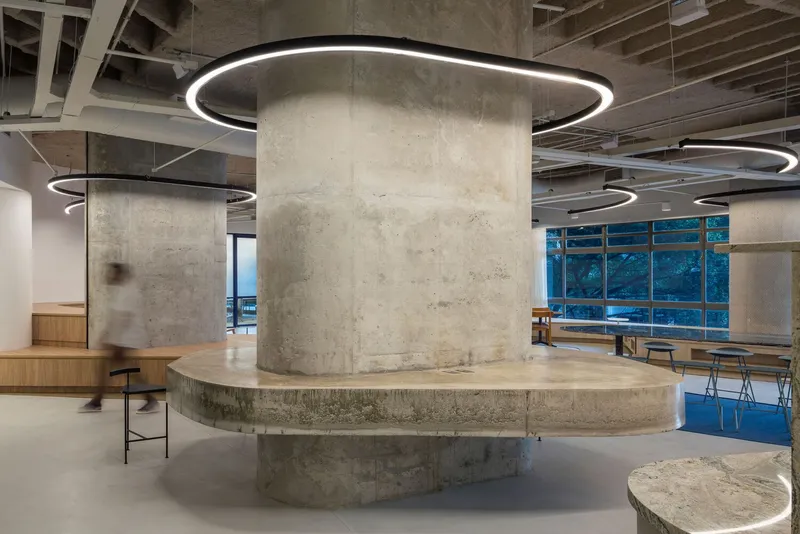
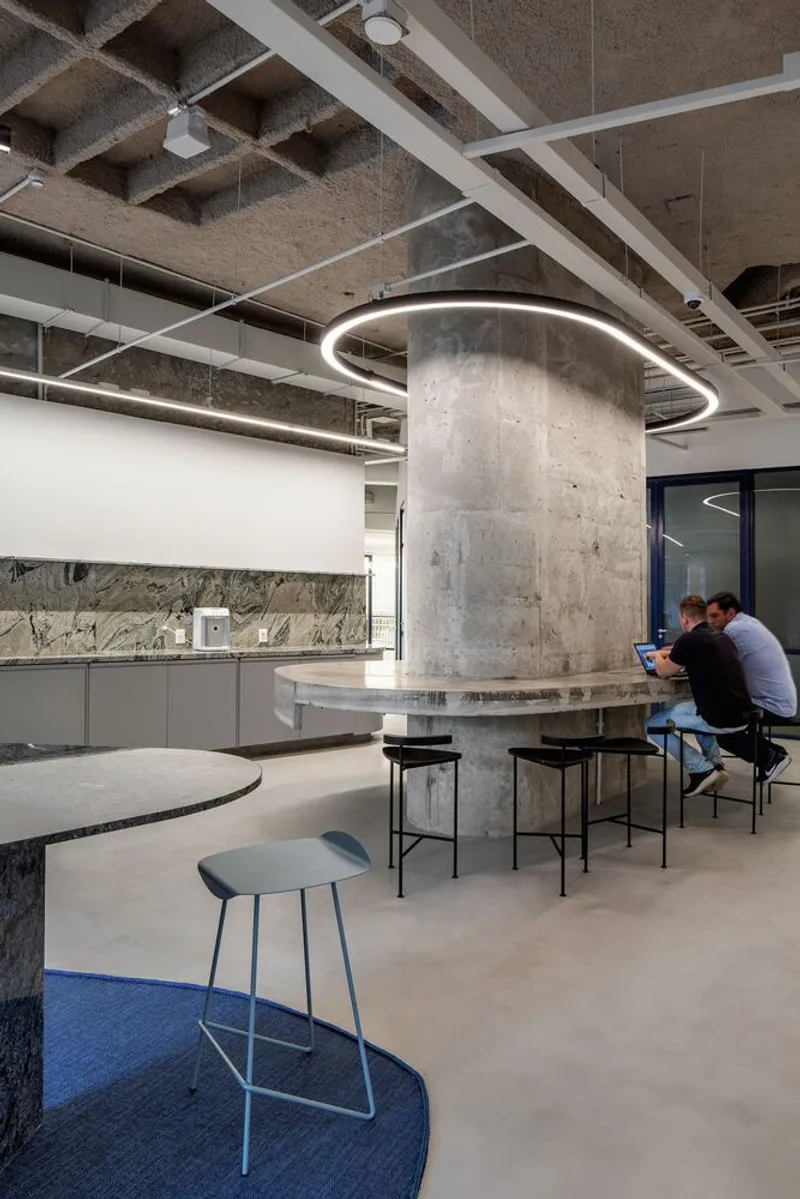
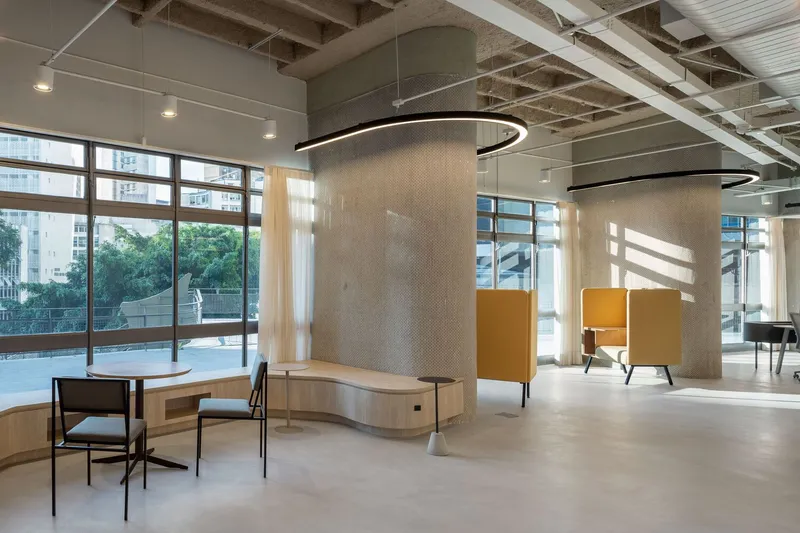
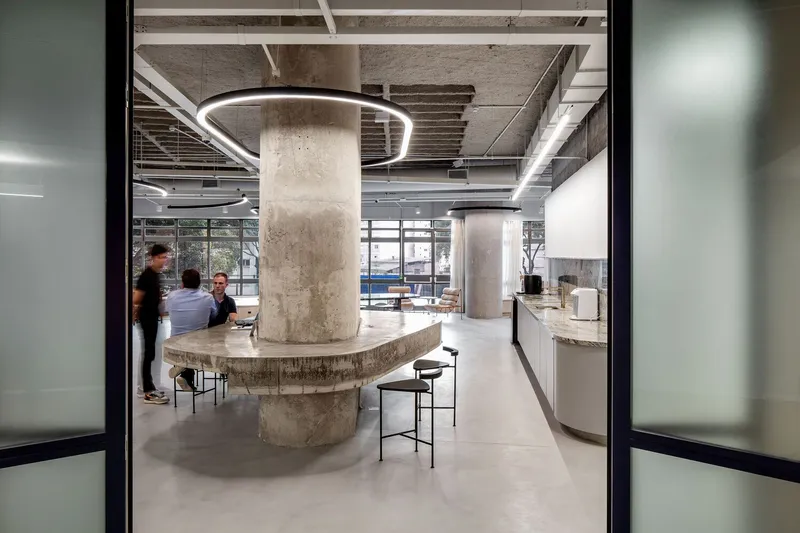
- Collaborative Spaces: Focal points in the open plan include a tiered seating area for events and meetings, as well as casual gathering spots around structural elements of the building.
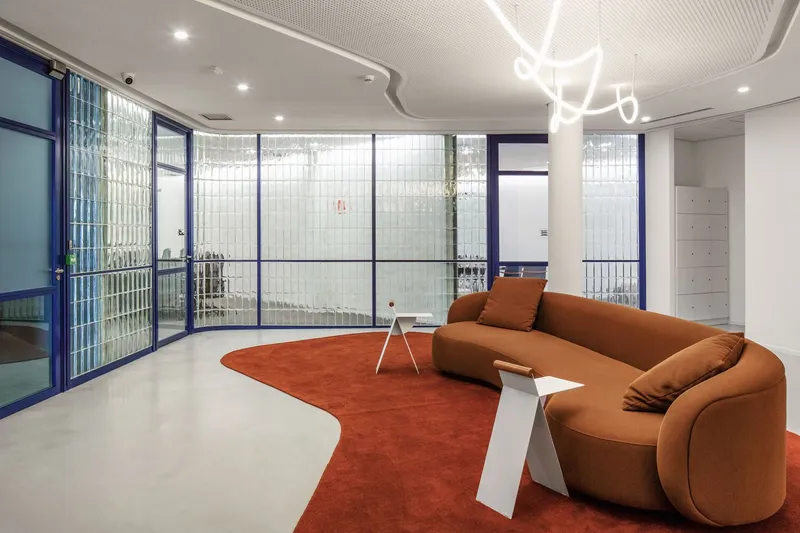
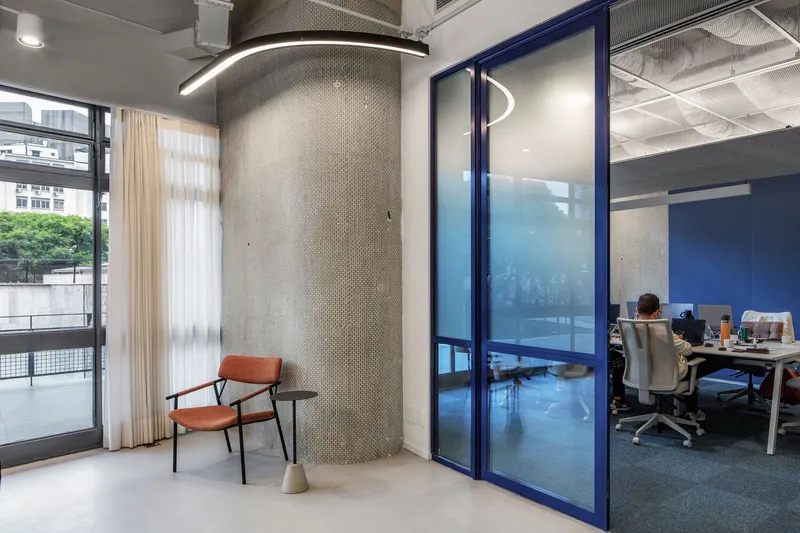
- Integration with Historical Architecture: Original architectural elements like tiles and concrete blocks were not only preserved but highlighted in the new design, creating a seamless blend of old and new.
Technological and Aesthetic Elements
Lighting plays a crucial role in the project, with arch-shaped luminaires expanding the visual space and enhancing the ambiance. The adaptive reuse of the Copan Building's structural and aesthetic features showcases how modern interventions can respect and elevate historical architecture.
The Future of Office Design Through Adaptive Reuse
Projects like the Heartman Offices set a precedent for future office designs, where adaptive reuse can create dynamic, sustainable, and aesthetically pleasing work environments. This approach not only preserves our architectural heritage but also meets the evolving needs of modern businesses.
All the photographs are work of André Scarpa




Popular Articles
Popular articles from the community


Co-life: Sustainable Architecture for Age-Friendly Community Living
Co-life reimagines sustainable architecture for seniors through courtyards, rammed earth, shared gardens, and spaces designed for belonging.

Play: Fragments of Their World
Familiar architecture becomes modular playground design, creating safe spaces where displaced children can learn, connect, imagine and play.

The Earth Pod: 3D Printed Homes for Resilient Refugee Communities
The Earth Pod reimagines refugee housing through 3D printed homes made from clay, combining resilience, self-sufficiency, and rapid shelter.

Conexión: Biophilic Design Reimagines High-Rise Living in Hong Kong
Conexión reimagines high-rise living in Hong Kong through biophilic design, green facades, shared spaces, daylight, water and nature within.

Similar Reads
You might also enjoy these articles

FAMM Arquitectura Organizes Ten Villas Around Courtyards and Jungle in Nosara, Costa Rica
El Molino pairs two elongated volumes with deep overhangs and timber louvers to build a compact coastal community five minutes from the beach.
Oscar Niemeyer's Ibirapuera Park Pavilions Define São Paulo's Cultural Identity in Concrete and Curve
A constellation of modernist volumes set within São Paulo's most important urban park, conceived for the city's 400th anniversary in 1954.
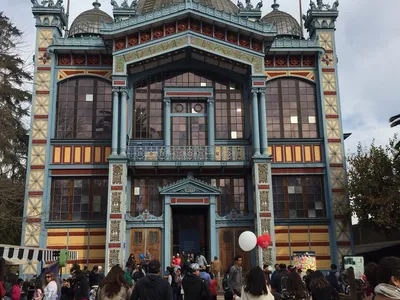
How Henri Picq's 1889 Paris Pavilion Traveled 11,000 Kilometers to Become Santiago's Artequín Museum
A prefabricated iron and glass pavilion built for the Paris Universal Exposition found a second life as a children's art museum in Chile.
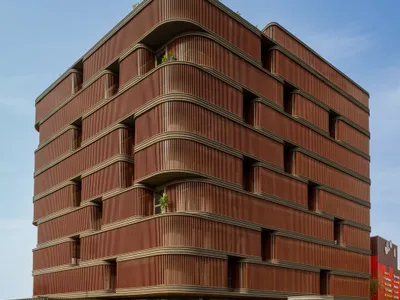
Sanjay Puri Architects Wraps a Jaipur Office Tower in Capsule-Shaped Green Buffers
A nine-level climate-responsive workplace near Jaipur Airport uses stacked planter terraces and aluminium screens to fight 40°C heat.


Explore Adaptive Reuse Competitions
Discover active competitions in this discipline



Challenge to reimagine the Iron Throne


Photograph architecture without architects


Illustrate the lost glory of Angkor Wat - Render Challenge


Design challenge to reuse E-waste
Comments (0)
Please login or sign up to add comments
No comments yet. Be the first to comment!