
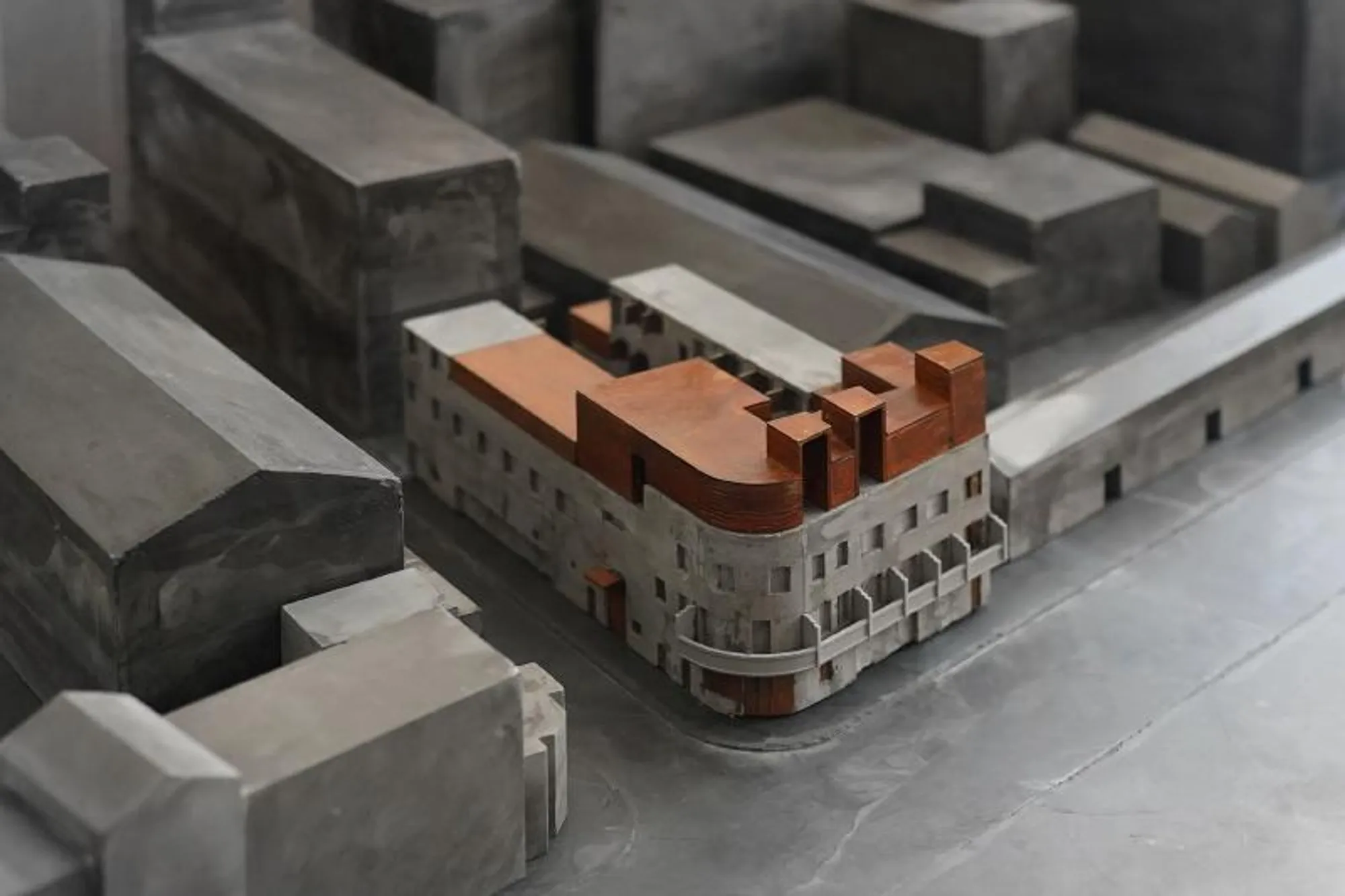
Exploring Liminality: Neri&Hu's Architectural Journey of Transformation
Can Architecture Transcend Boundaries? Discover the Liminal Spaces of Neri&Hu's 'Liminality


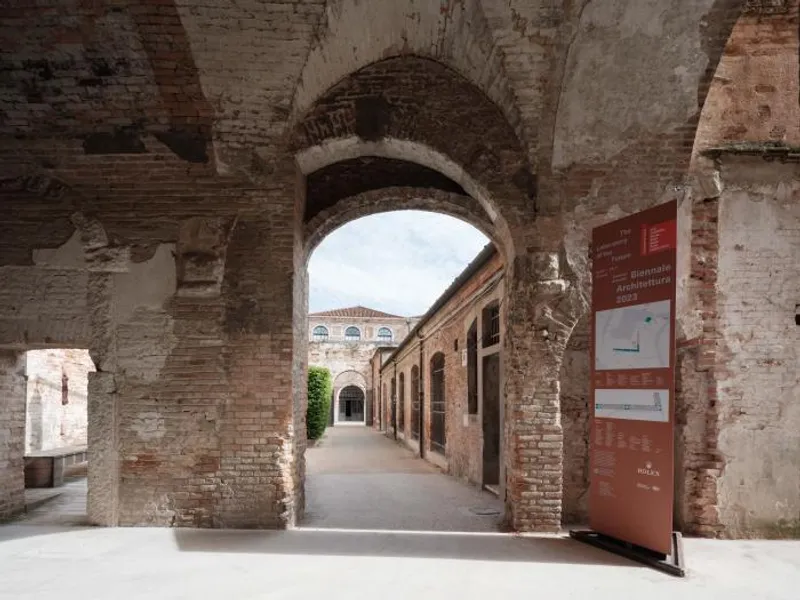
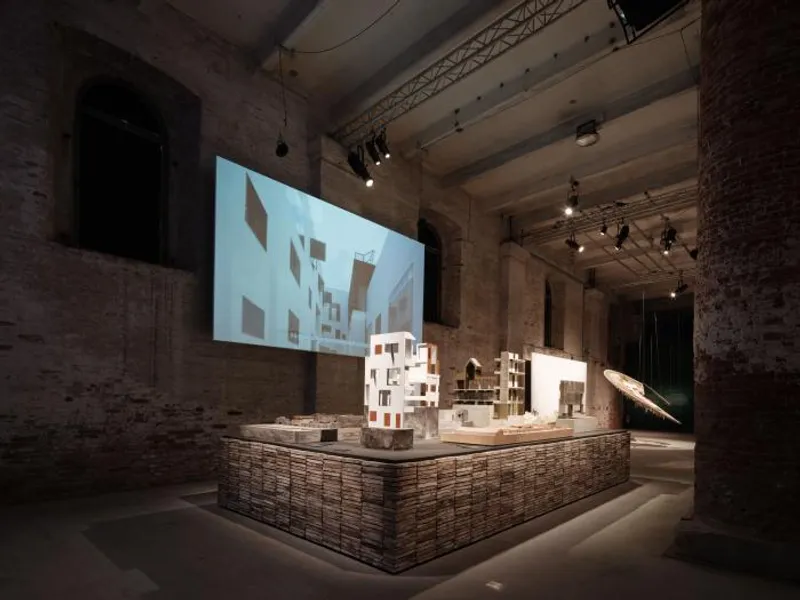
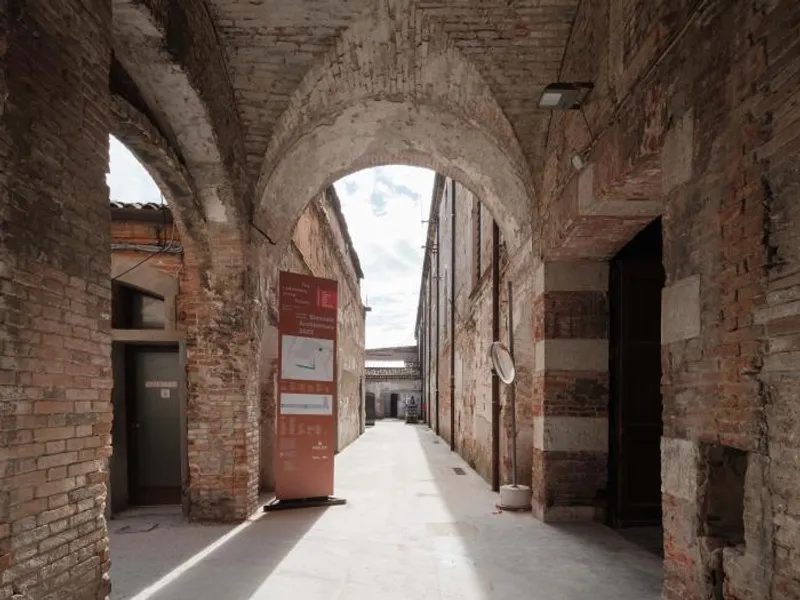
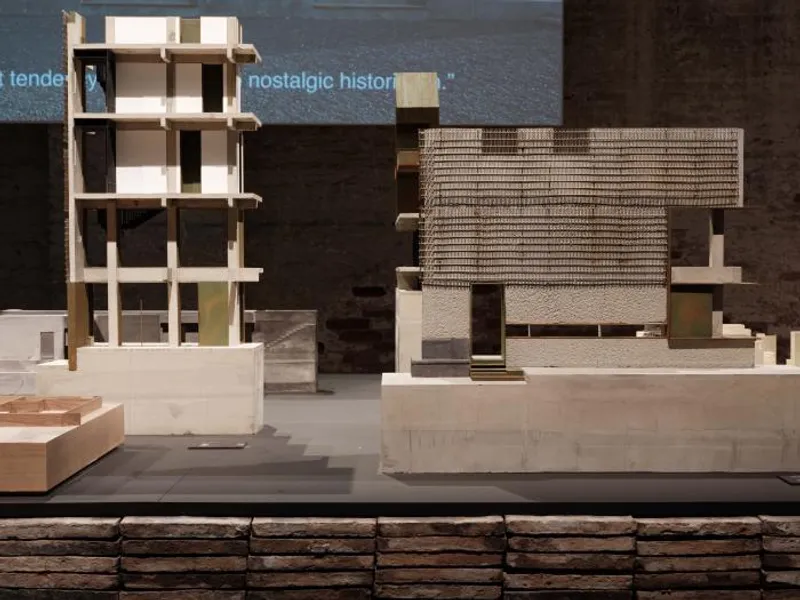
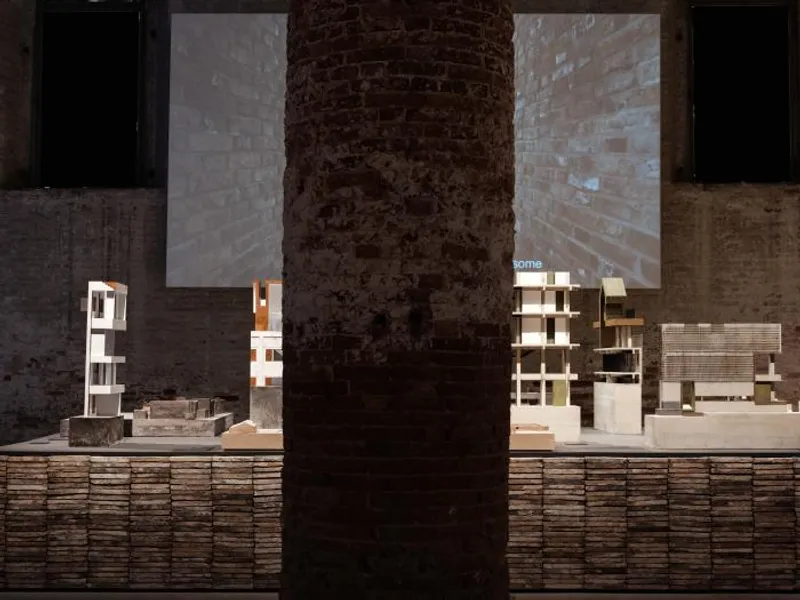
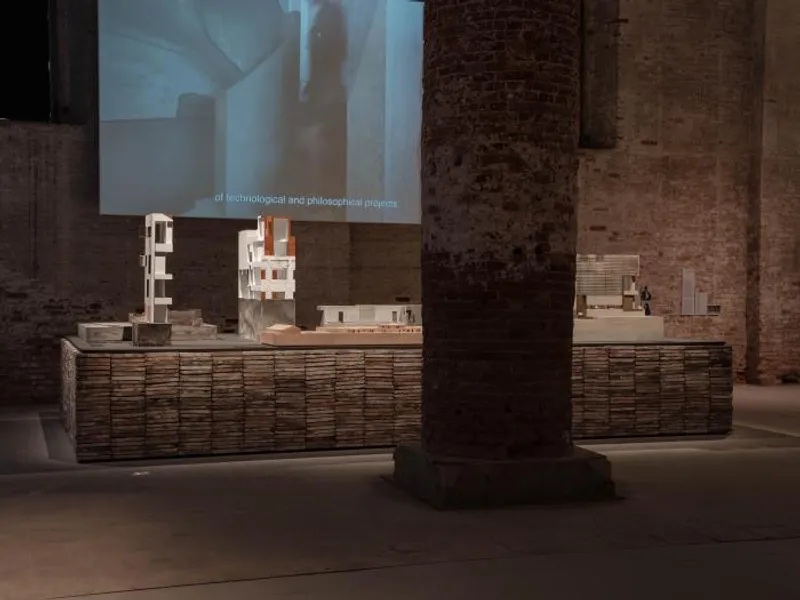
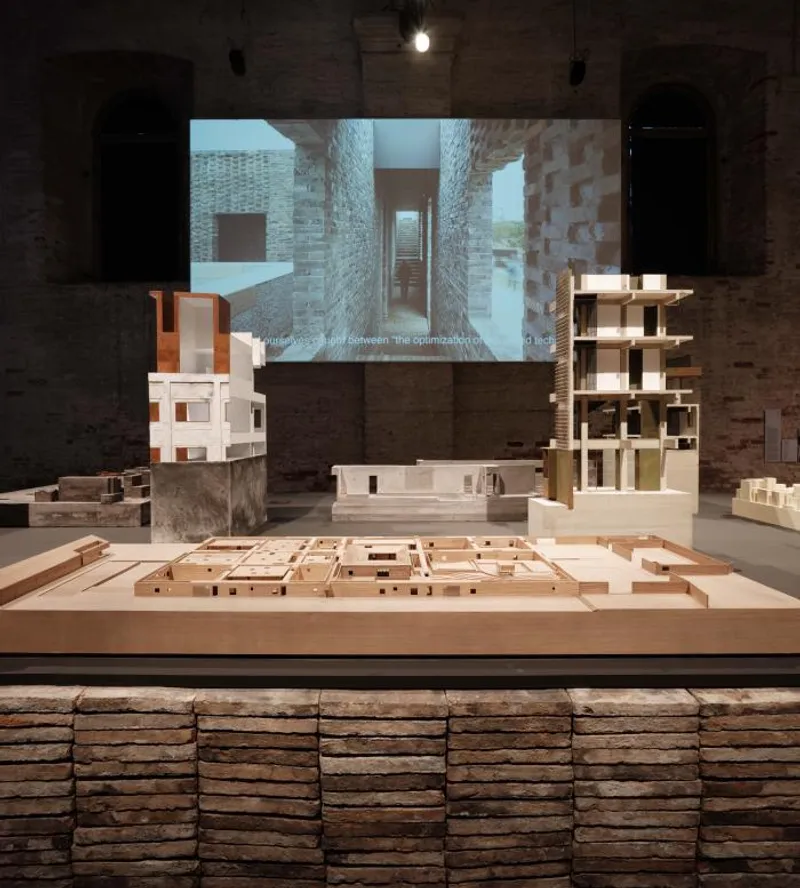
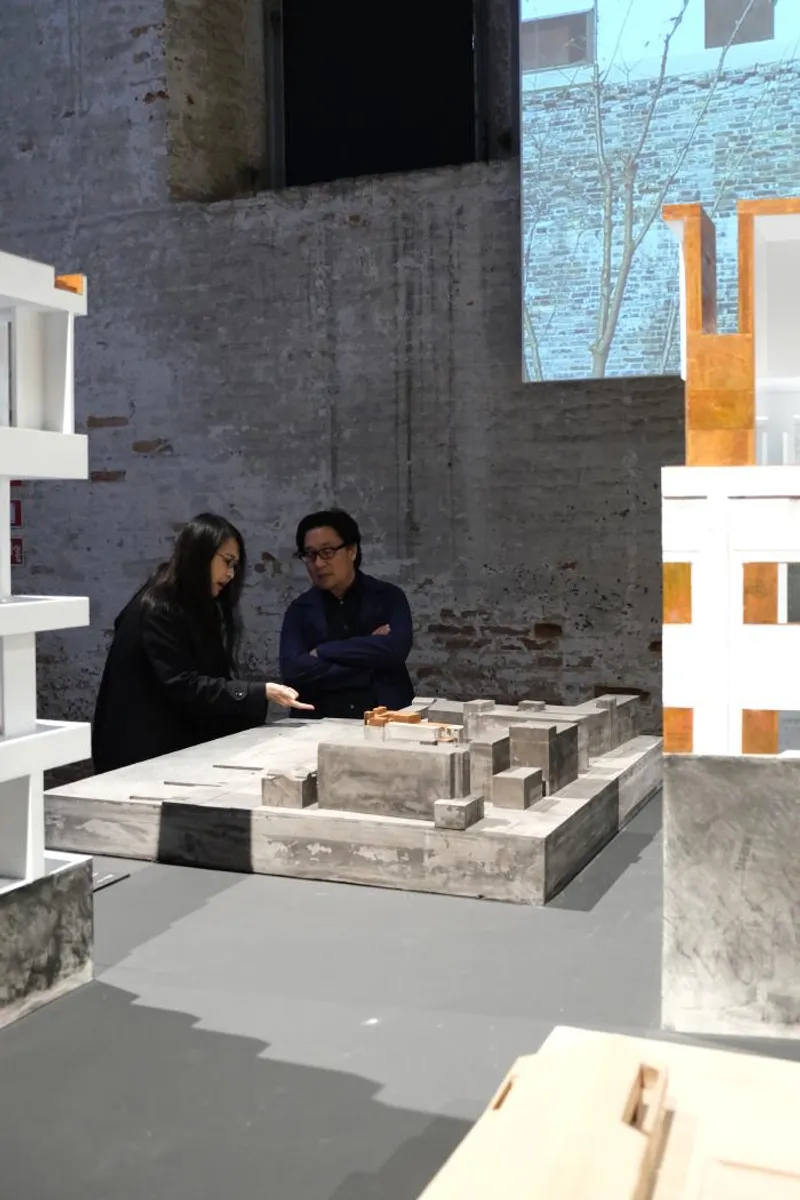
Neri&Hu, an interdisciplinary architectural design practice with studios in Shanghai, London, Paris, and Milan, present Liminality - an exhibit in the Dangerous Liaisons section of the 18th International Architecture Exhibition of the La Biennale di Venezia at the Arsenale. Curator Lesley Lokko selected the thoughtful exhibit as part of The Laboratory of the Future. In response to Lokko's curatorial statement, Neri&Hu investigated and addressed the brief with an installation based on the concept of liminality.
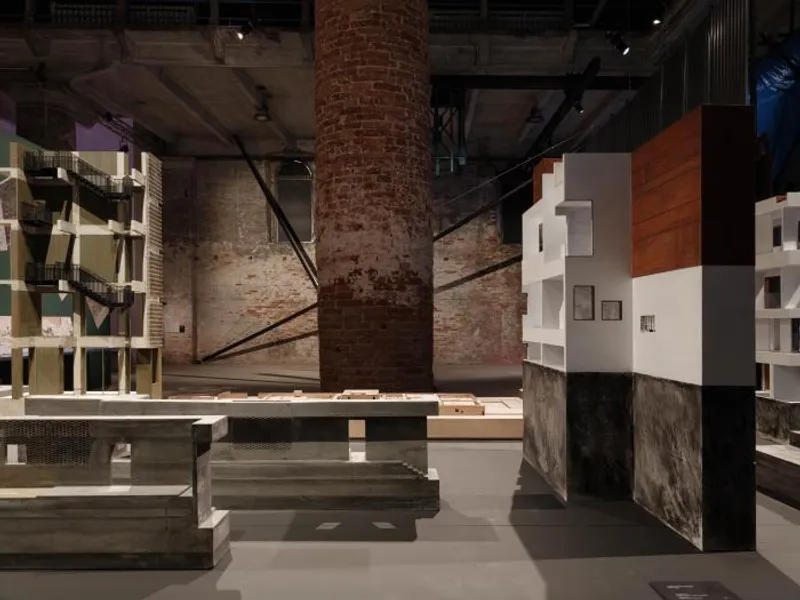
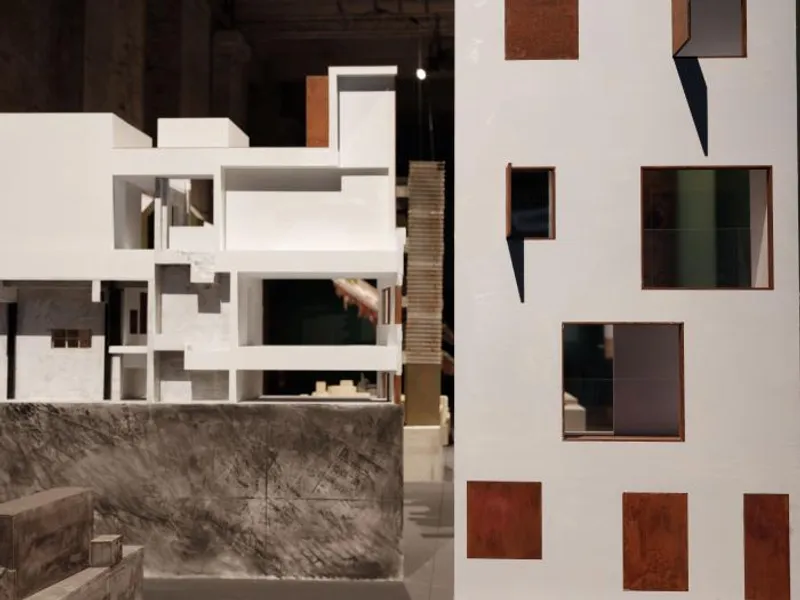
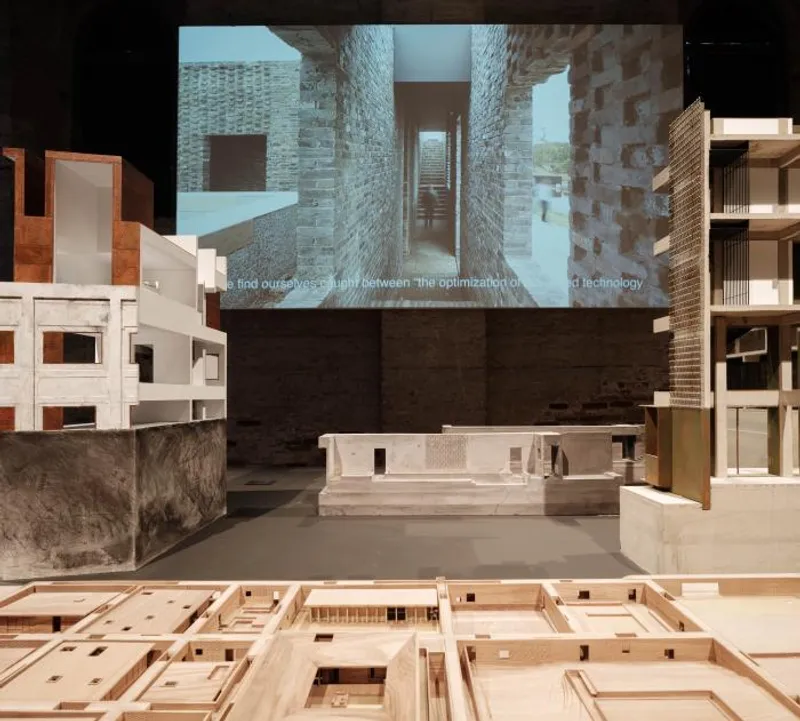
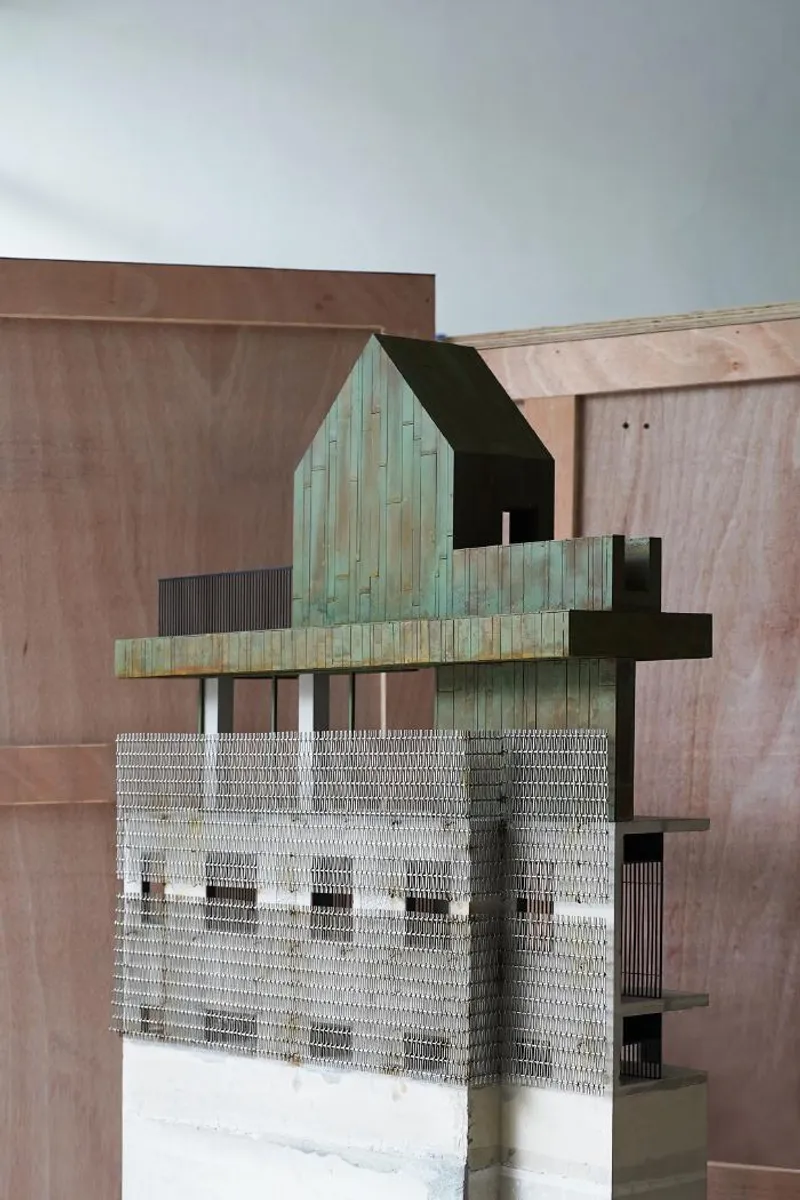
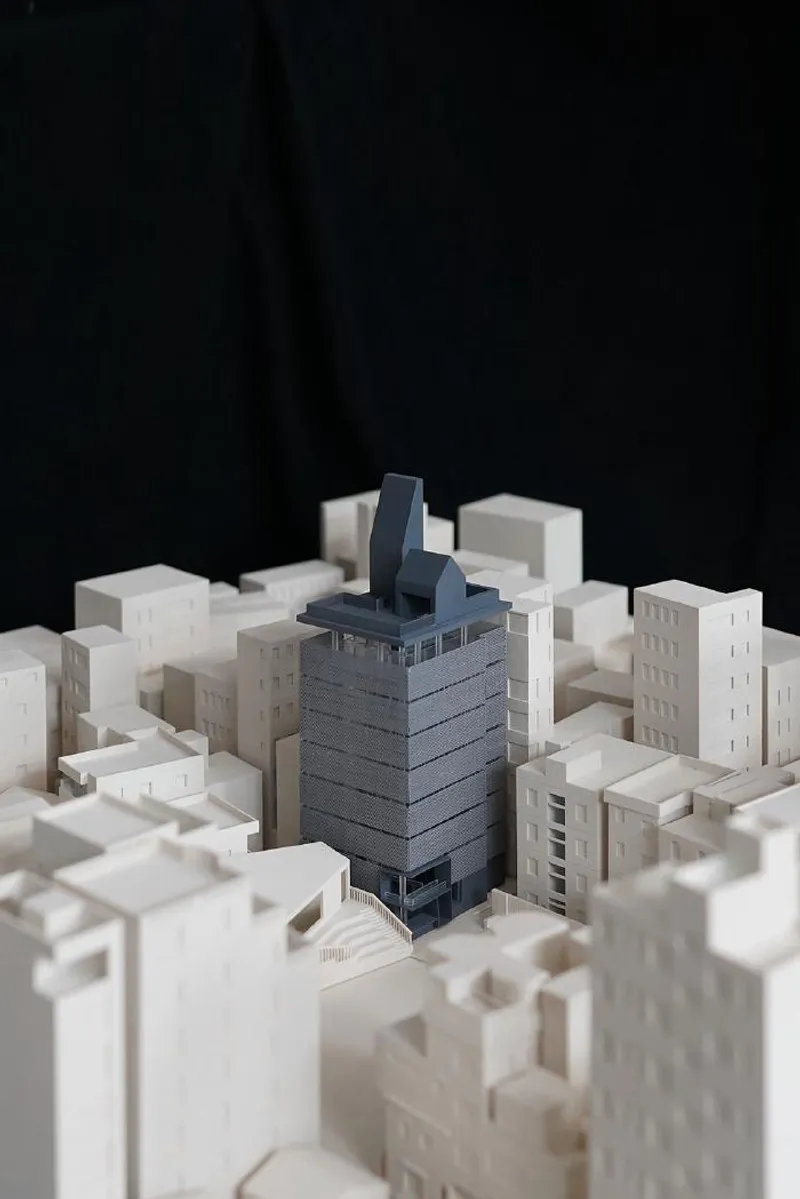
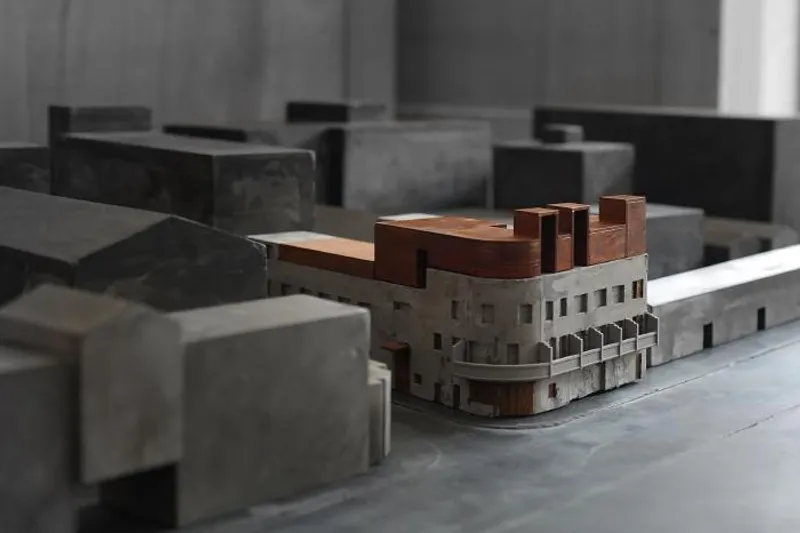
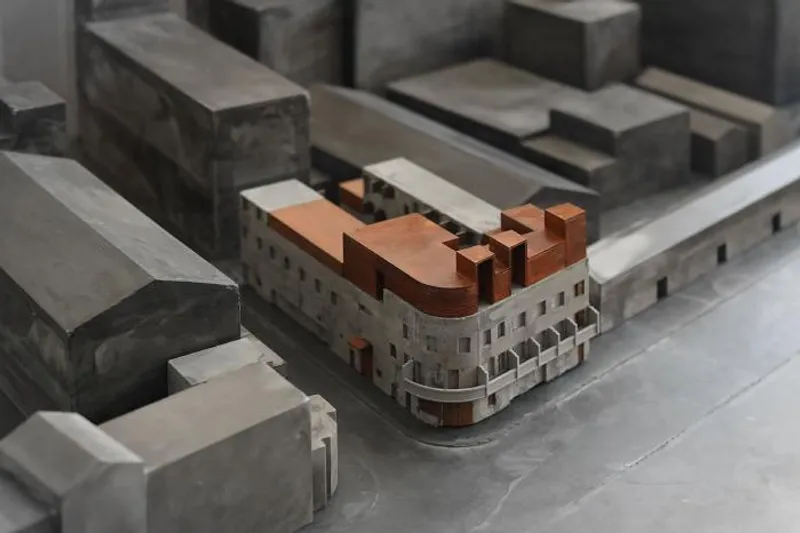
Neri&Hu explore the intersection of design practice and theoretical research through three adaptive reuse projects: Waterhouse at South Bund (Shanghai, 2008-2010), Tsingpu Yangzhou Retreat (Yangzhou, 2015-2017), and Nantou City Guesthouse (Shenzhen, 2020-2021). These projects reflect the practice's research in Reflective Nostalgia, Recasting Vernacular, and Ruinophilia/Future Artifacts.
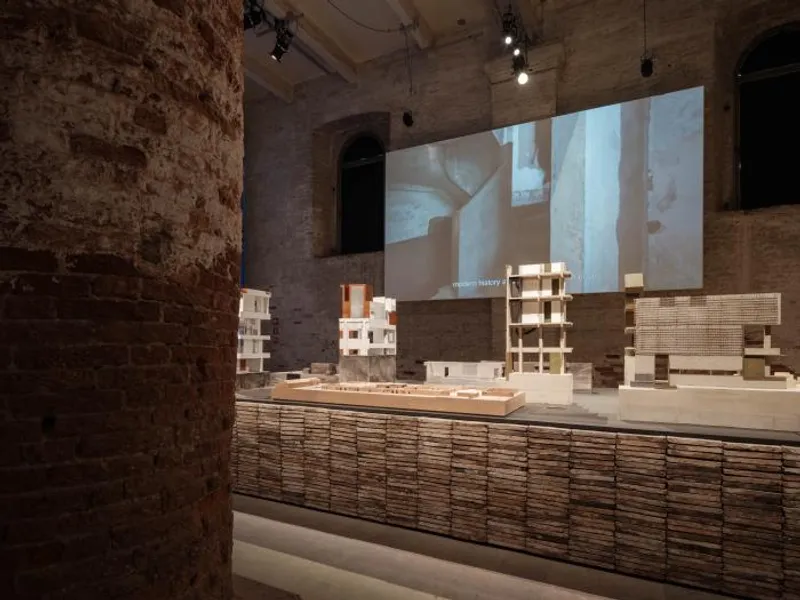
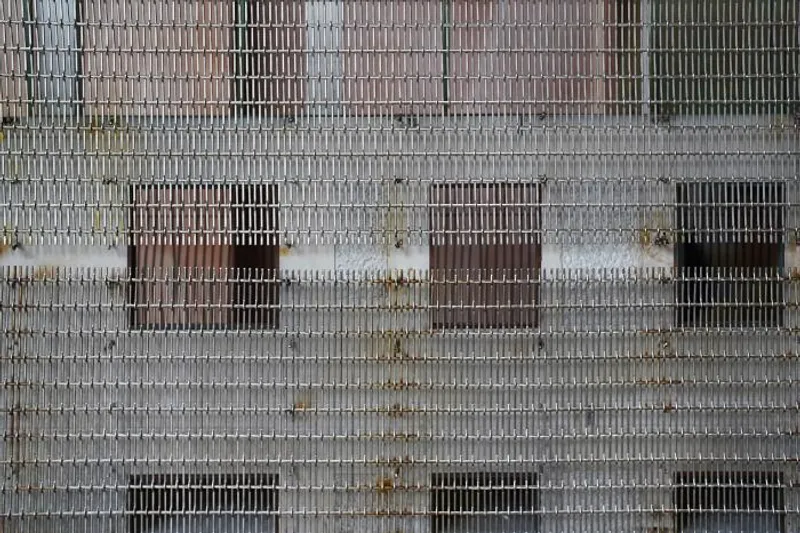
La Biennale di Venezia is a laboratory of the future, a place to explore the relevance of the discipline to the present and future. As Lesley Lokko explains, the exhibition is envisioned as a workshop, a laboratory where architects and practitioners from various creative disciplines present examples of their contemporary practices to chart a path for the audience to imagine the future. In the Dangerous Liaisons section, 37 practitioners explore hybrid ways, crossing disciplinary boundaries, geographies, and new forms of partnership and collaboration. Lyndon Neri and Rossana Hu, founding partners of Neri&Hu, explain that as we imagine the future, we occupy a liminal space of experimentation in both theoretical constructs and design practice. Homi Bhabha speaks of boundaries in culture as a place of liminality or 'third space' where translations and negotiations occur. This space of ambiguity creates new possibilities and changes, becoming a stage for transitory and frontier events that disrupt and challenge the status quo. The three projects in this section share similar architectural strategies, such as material contrast, tectonic differentiation, formal assemblage, and surgical grafting.
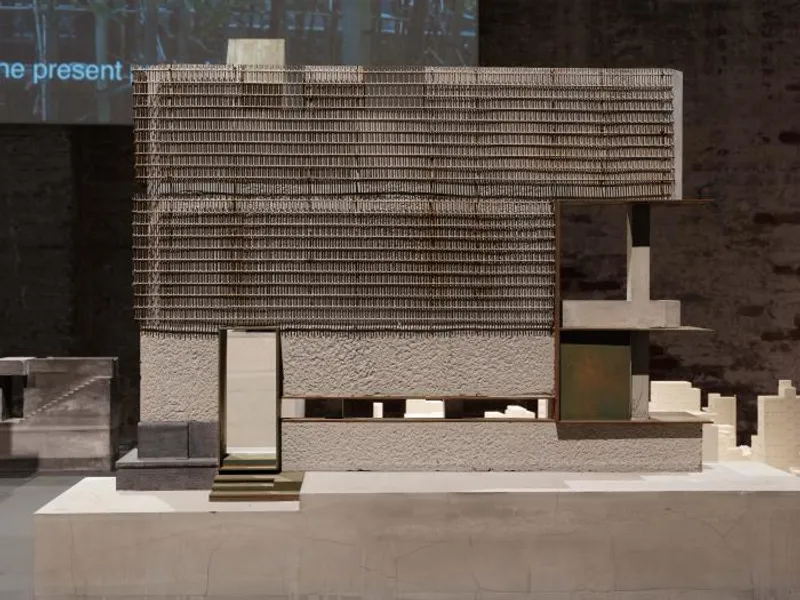
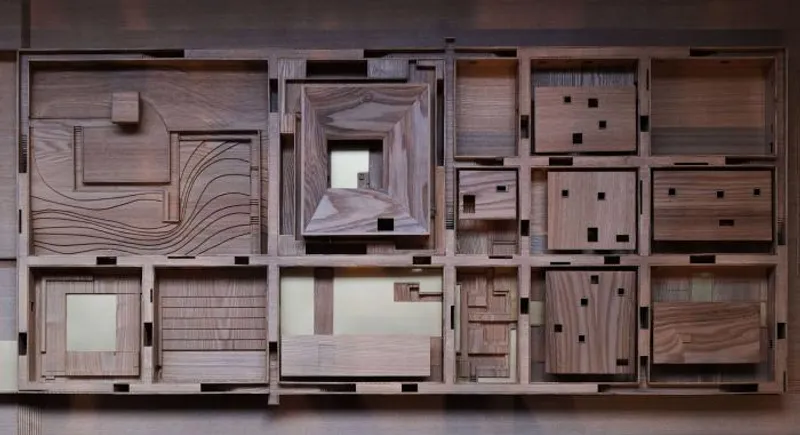
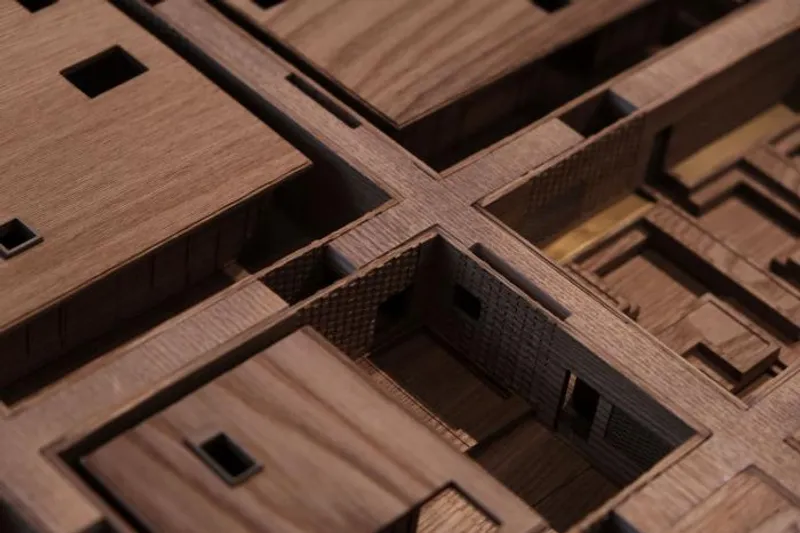
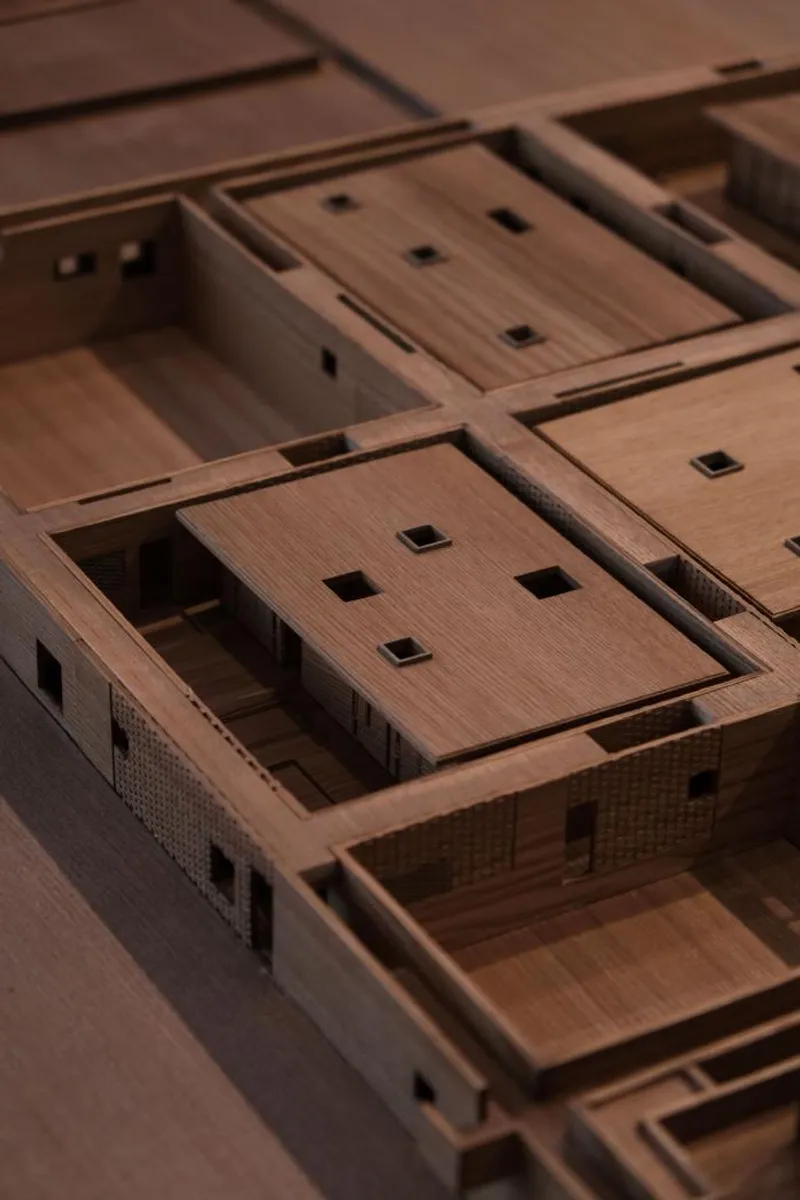
This project engages with the remnants of past occupancy, using an archaeological approach to uncover the layers. Conceptual models display sectional fragments to capture moments of tension between post-industrial, rural, and urban heritage. Liminality allows one to traverse physical and temporal thresholds, creating a perception of the intersections of past, present, and future. The typology of a hotel is questioned, as well as notions of “home” and domesticity in a foreign environment. Restoration is done with restraint, leaving portions of walls crude and exposed. An orthogonal landscape strategy critiques the traditional Chinese garden’s artificial representation of “nature”, while reclaimed grey bricks are used to construct walls enclosing guest rooms and shared amenities, as well as pockets of lush gardens.
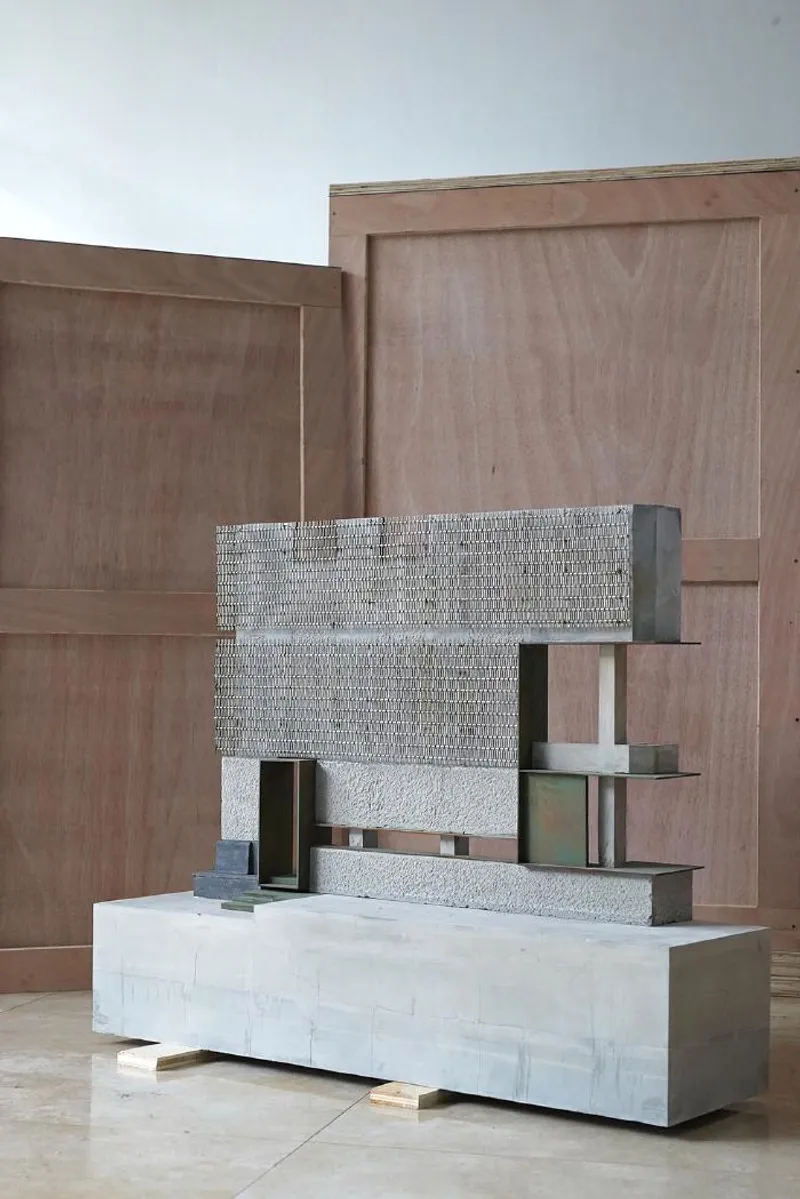
Neri&Hu were tasked with reimagining the concept of interiority when they encountered the village of Nantou City Guesthouse in the bustling city of Shenzhen. To honor the vibrant energy and everyday objects of the streets, they cut open and enlarged an existing stairwell to create a new vertical courtyard, merging, overlapping, and blurring the boundaries between inside and outside. Additionally, they installed a lightweight, winding stair that serves as both an architectural promenade and a social space for unexpected meetings. To further intensify the absorption of urban conditions, they highlighted ruins such as existing raw concrete structures and traces of former tenement occupation. For La Biennale di Venezia this year, Neri&Hu worked closely with the curatorial team to collect recycled local terracotta ceiling tiles. These reclaimed tiles, laid out in a stacked bond pattern, transformed individual building remnants into a single, monumental display podium.



Popular Articles
Popular articles from the community


The Ocean Hive: Sustainable Architecture for a Self-Sufficient Civilization at Sea
The Ocean Hive imagines sustainable architecture at sea, where modular habitats, algae, wave power and ocean waste sustain a growing colony.

Play: Fragments of Their World
Familiar architecture becomes modular playground design, creating safe spaces where displaced children can learn, connect, imagine and play.

Conexión: Biophilic Design Reimagines High-Rise Living in Hong Kong
Conexión reimagines high-rise living in Hong Kong through biophilic design, green facades, shared spaces, daylight, water and nature within.

Hill & Cross Opera: Sculptural Opera House Architecture Shaped by Tallinn’s Landscape and Identity
Hill & Cross Opera reimagines opera house architecture in Tallinn through its sculptural hill, civic plaza, glass wave and a luminous cross.


Similar Reads
You might also enjoy these articles
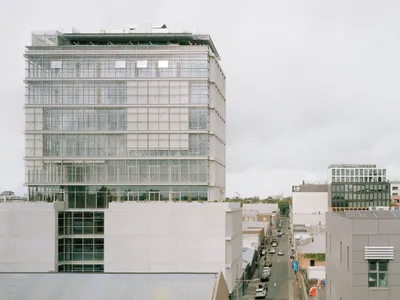
116 Rokeby Building, Collingwood
Sustainable Collingwood office building featuring double-skin façade, natural ventilation, rooftop amenities, and carbon-neutral design focused on wellbeing and longevity.
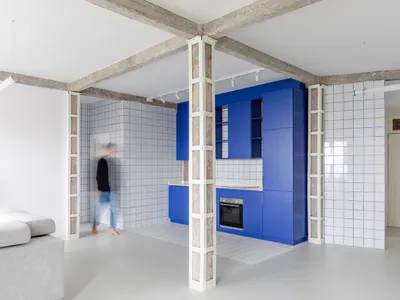
Contemporary Apartment Renovation in Spain: RV House by BIAN Opens Up to the Sea
A minimalist 1930s apartment in Santander is transformed into a flexible, sea-facing home through contemporary Spanish renovation.
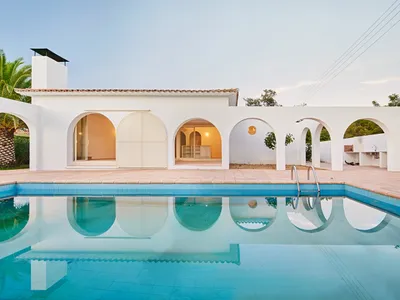
3 Marías House: A Contemporary Mediterranean Courtyard Retreat by Bajet Giramé + Burckhardt
Mediterranean courtyard home blending traditional architecture with modern design, terracotta flooring, flexible interiors, sustainable climate strategies, and garden integration.
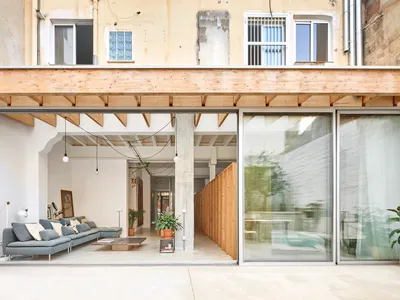
NZ10 Apartment by auba studio: Adaptive Reuse in Palma de Mallorca
Adaptive reuse apartment transforms bakery into light-filled home with patios, privacy layers, and wood interiors enhancing urban living experience.


Explore Nio Architects Competitions
Discover active competitions in this discipline



Challenge to reimagine the Iron Throne


Photograph architecture without architects


Illustrate the lost glory of Angkor Wat - Render Challenge

Bring back Drive In's
Comments (0)
Please login or sign up to add comments
No comments yet. Be the first to comment!