Exploring the Symbolic Significance of Water in Architectural Design
How does water shape the symbolic narrative of built environments?


In a world where vibrant textures, colours, and flavours captivate our senses, it's the transparent, odourless, and tasteless substance that holds the utmost significance for human existence. Water, with its inherent duality and versatile nature, carries a complexity that lies in its simplicity. From being a source of life to an object of devotion and study, this essential element has been the subject of continuous exploration, transportation, and control.
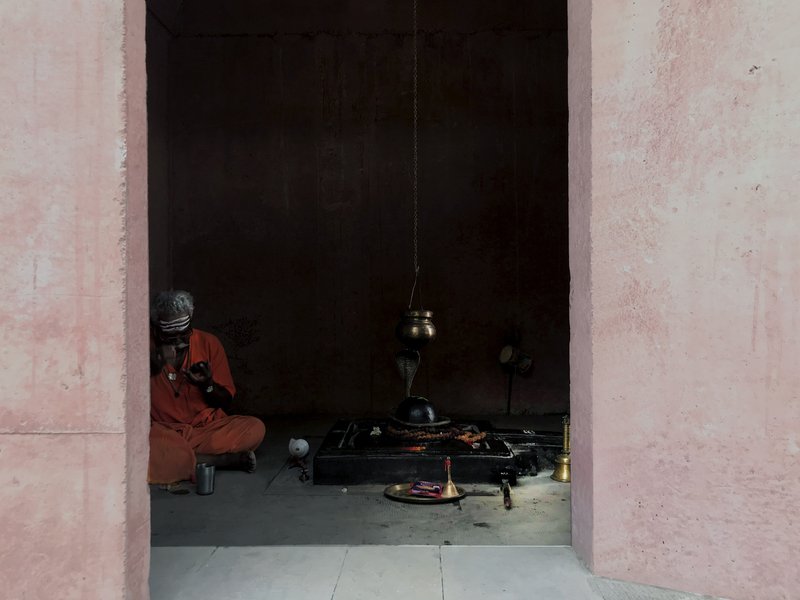
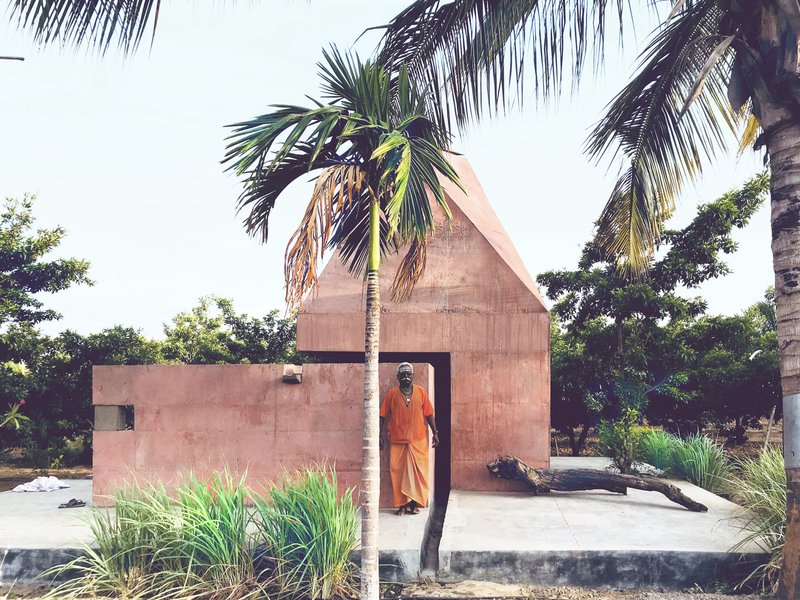
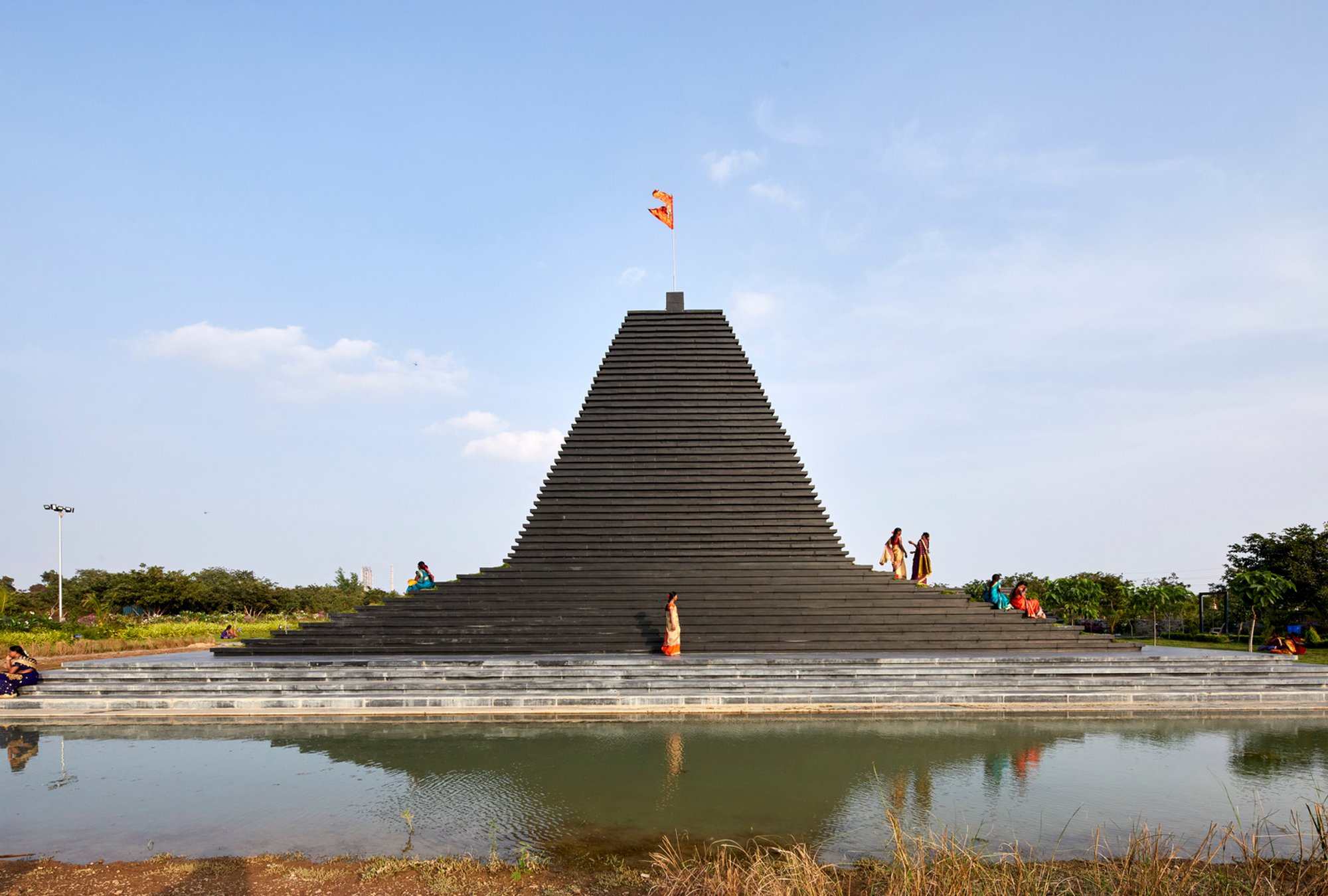
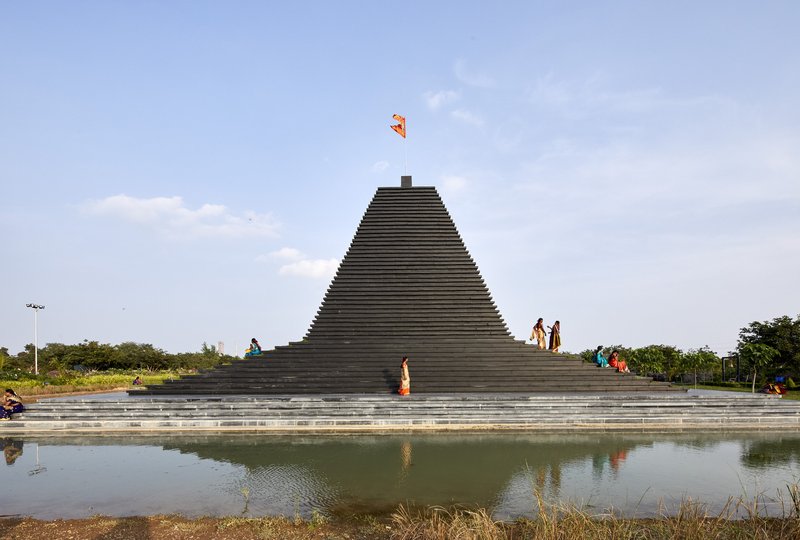
Throughout various religions, water has symbolized purification, blessing, and healing, commanding veneration and shaping the construction of temples and buildings. Immersion in water during rites, such as the bathing rituals on the Ghats staircase leading to the Ganges River in India, exemplify its cultural reverberation. These ancient traditions also find expression in contemporary architectural marvels like the Temple of Steps and the Tejorling Radiance Temple, where sacred water flows through the structures, connecting spirituality and architecture.
Beyond its mystical associations, water assumes diverse forms in our daily lives. Controlled through faucets and showers, it can be scarce or abundant in rivers and lakes, coveted in arid regions and feared in flood-prone areas. These dualities reflect the multifaceted nature of water, as well as the intentional inclusion of water in built spaces.
![© Jean-Pierre Dalbéra [Flickr bajo licencia CC BY-NC 2.0]](https://ojo2mx38l6.execute-api.ap-south-1.amazonaws.com/image/eyJidWNrZXQiOiJ1bmktYmxvZyIsImtleSI6InRlL3RlYW0yMTIvdGVhbTIxMjIwMjMtMDYtMjFUMTAtNDgtMTctMzA3MzE1LnBuZyIsImVkaXRzIjp7InJlc2l6ZSI6eyJ3aWR0aCI6ODAwLCJmaXQiOiJpbnNpZGUifSwianBlZyI6eyJxdWFsaXR5Ijo4NX0sImZsYXR0ZW4iOmZhbHNlLCJub3JtYWxpc2UiOmZhbHNlfX0=)
When in motion, water embodies connection, unity, and renewal, serving as the metaphorical glue that binds nature together and symbolizes vitality. On the other hand, still, water transforms into a reflective surface, inviting intimate contemplation and evoking serenity. Thus, water contributes to the sensory experience, evoking various emotions and sensations.
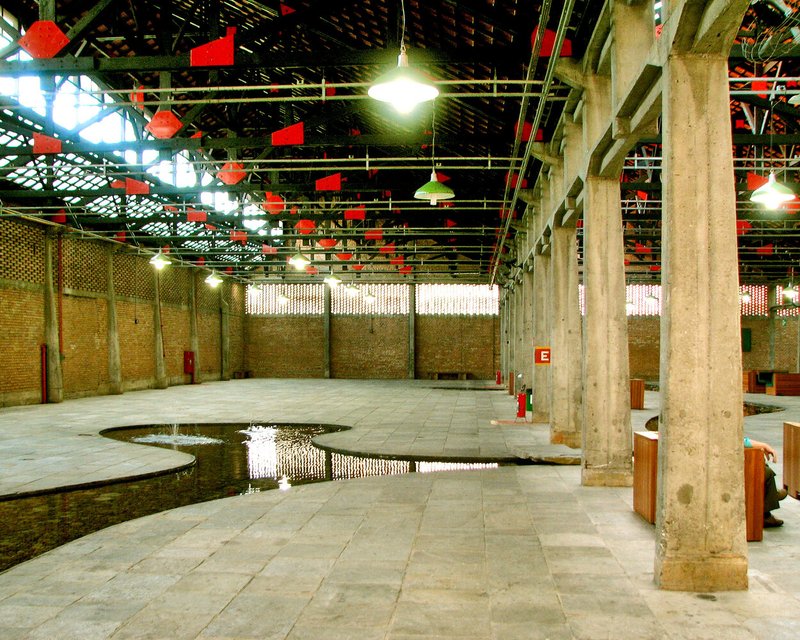
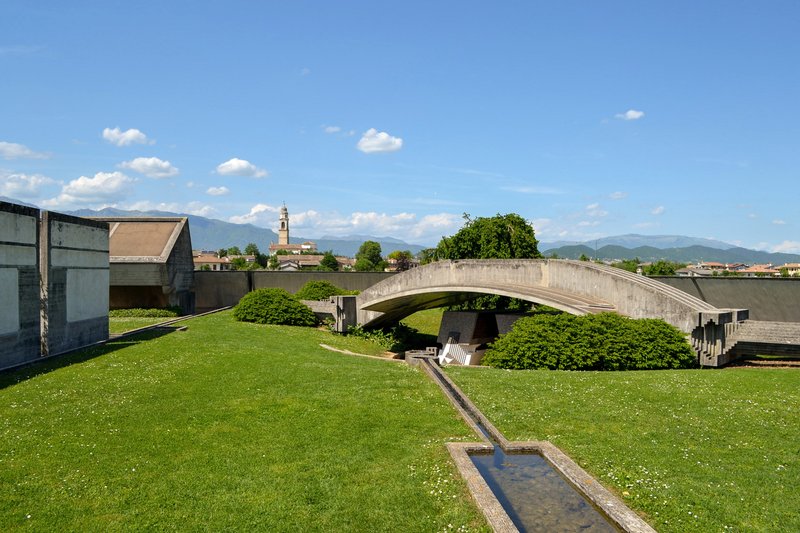
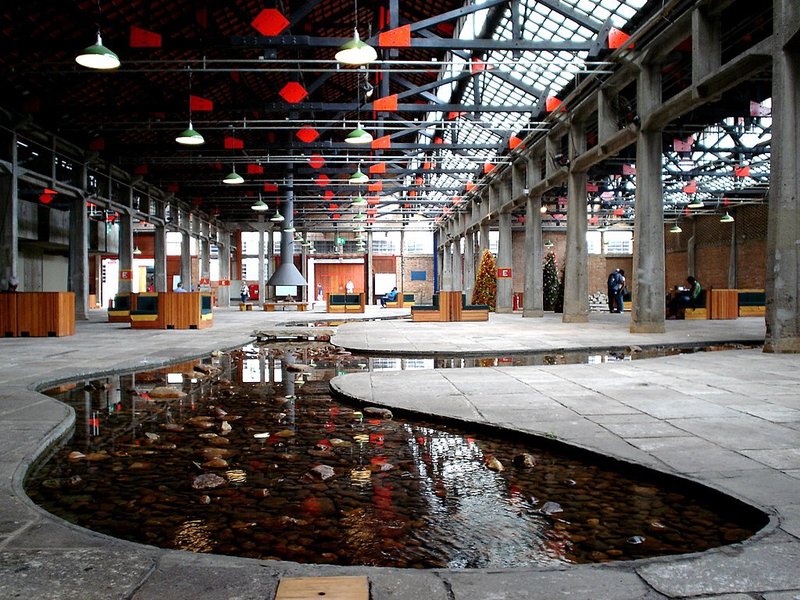
Renowned architects like Lina Bo Bardi and Carlo Scarpa have recognized the profound impact of water symbolism in their works. For Bo Bardi, the sinuous water mirror in SESC Pompeia represents the Sao Francisco River, fostering a sense of belonging and appropriation. Similarly, Scarpa, influenced by his Venetian heritage, incorporated water as a constant presence in his projects, amplifying reality and evoking emotions. From the Palazzo Centrale's courtyard to Brion's tomb, water weaves a poetic narrative, enriching the spatial experience.
![© Antonio Trogu [Flickr bajo licencia CC BY-NC 2.0]](https://ojo2mx38l6.execute-api.ap-south-1.amazonaws.com/image/eyJidWNrZXQiOiJ1bmktYmxvZyIsImtleSI6InRlL3RlYW0yMTIvdGVhbTIxMjIwMjMtMDYtMjFUMTAtNDgtMzUtMzg4MjQxLnBuZyIsImVkaXRzIjp7InJlc2l6ZSI6eyJ3aWR0aCI6ODAwLCJmaXQiOiJpbnNpZGUifSwianBlZyI6eyJxdWFsaXR5Ijo4NX0sImZsYXR0ZW4iOmZhbHNlLCJub3JtYWxpc2UiOmZhbHNlfX0=)
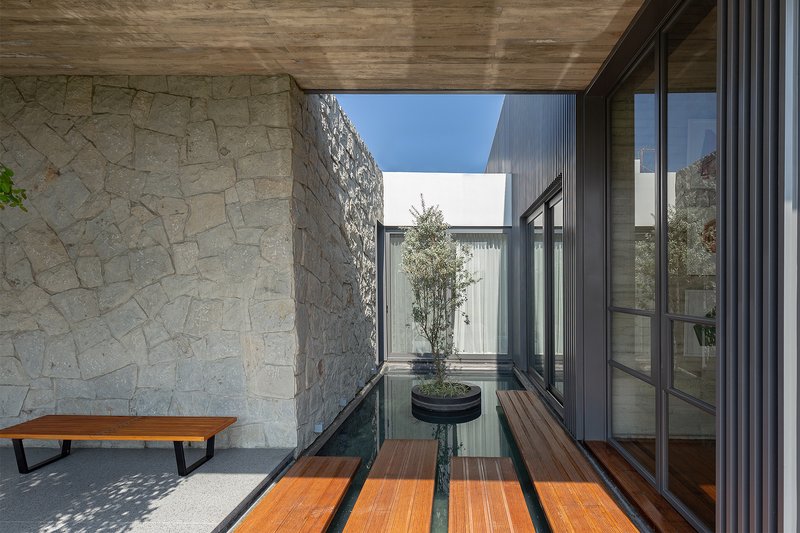
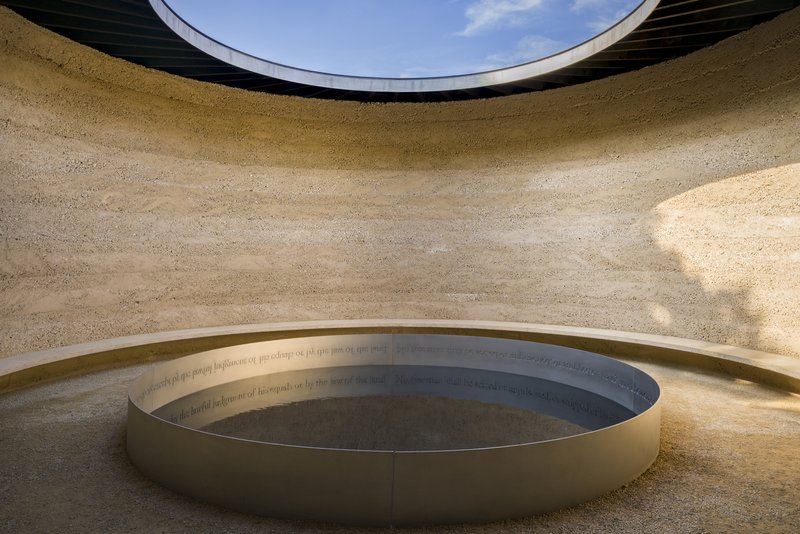
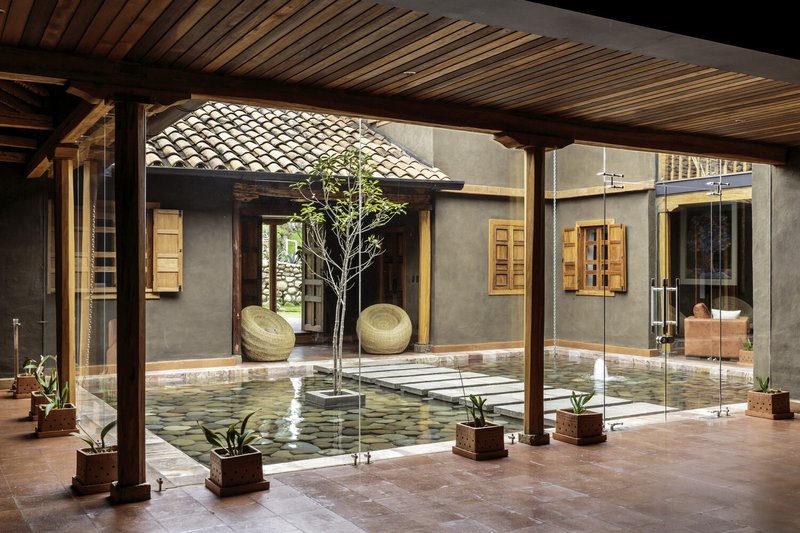
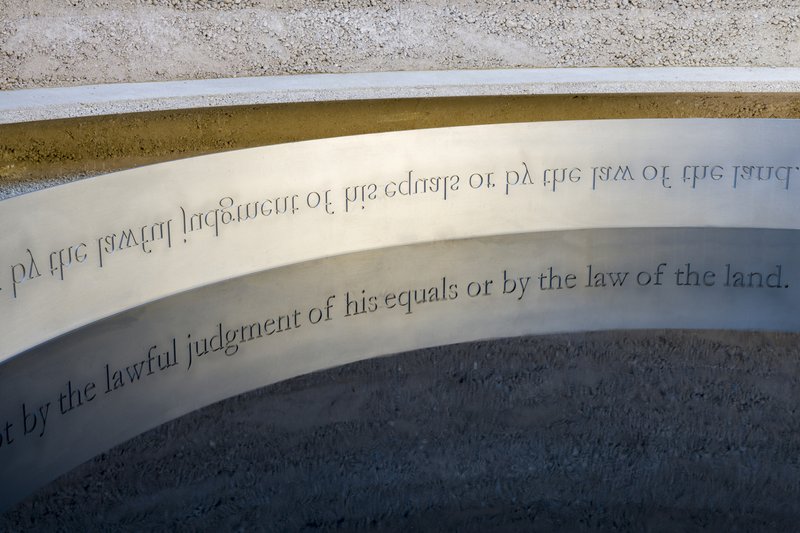
Countless examples highlight the intricate relationship between water and architecture, spanning from contemplative spaces like the Monument Writ in Water to residential projects such as the 6M House and Loma House. Regardless of the program, water assumes an active role, enhancing the spatial experience through its ritualistic, contemplative, and therapeutic qualities. As visitors engage with architecture that embraces water, they appreciate its functional and ornamental attributes, acknowledging its vital role in the language of design.
This exploration of the Poetry of Water in architecture is presented as part of ArchDaily Topics: Water in Architecture, brought to you by Hansgrohe.
"At Hansgrohe, we believe that water is not only essential for life but also an integral part of architectural consideration. Through our water-saving products, we are committed to making a difference in water conservation while providing an exceptional showering experience."