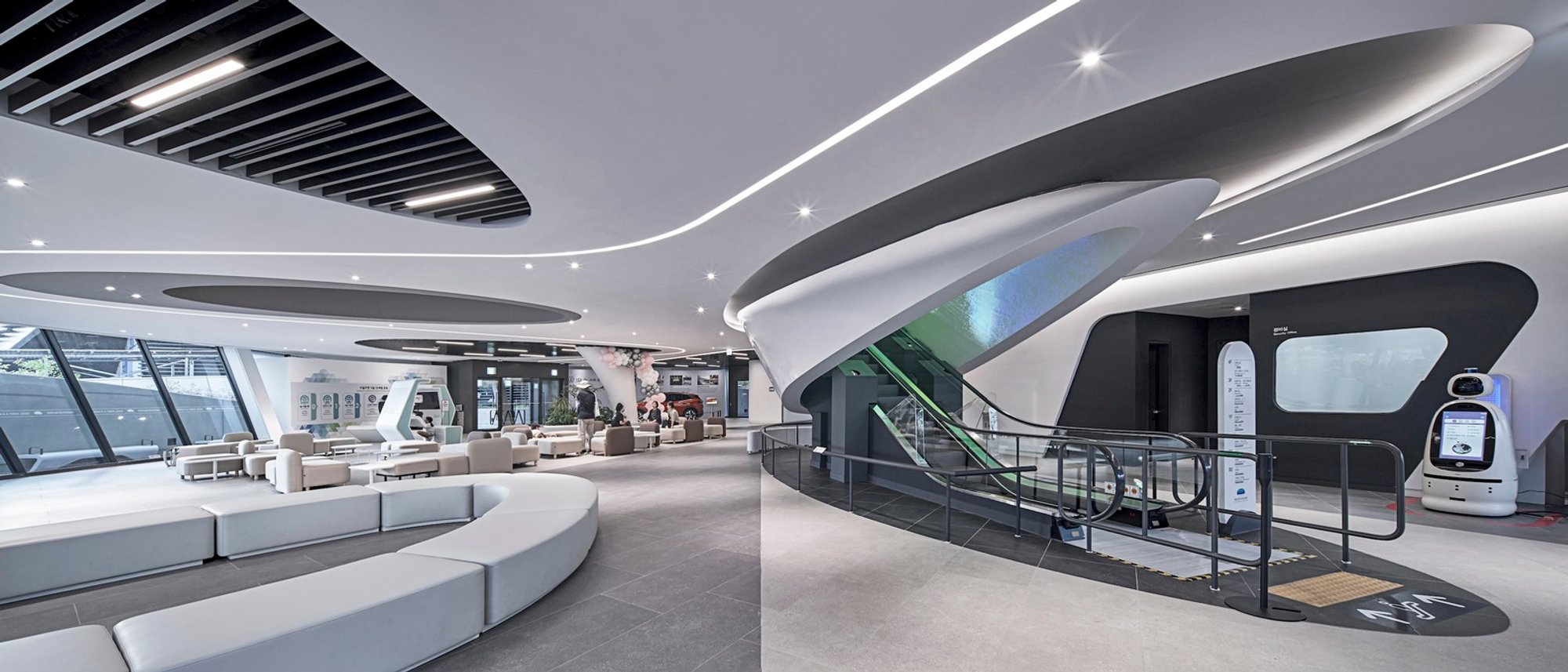
Futuristic Museum Architecture: Seoul Robot & AI Museum by Melike Altınışık Architects
Seoul Robot & AI Museum redefines futuristic museum architecture, blending AI, robotics, and cutting-edge construction for an immersive experience.


A Pioneering Landmark of Innovation in Seoul
The Seoul Robot & AI Museum (RAIM), designed by Melike Altınışık Architects, stands as an architectural and technological marvel, redefining futuristic museum architecture. As the first museum dedicated to robotics and artificial intelligence, RAIM represents the fusion of advanced design methodologies and cutting-edge construction techniques. Officially opened in 2024, this 7,400-square-meter institution is poised to become a global hub for the 4th Industrial Revolution, seamlessly integrating smart building technologies, digital fabrication, and AI-driven interactions.
A Design Inspired by Technology and Fluidity
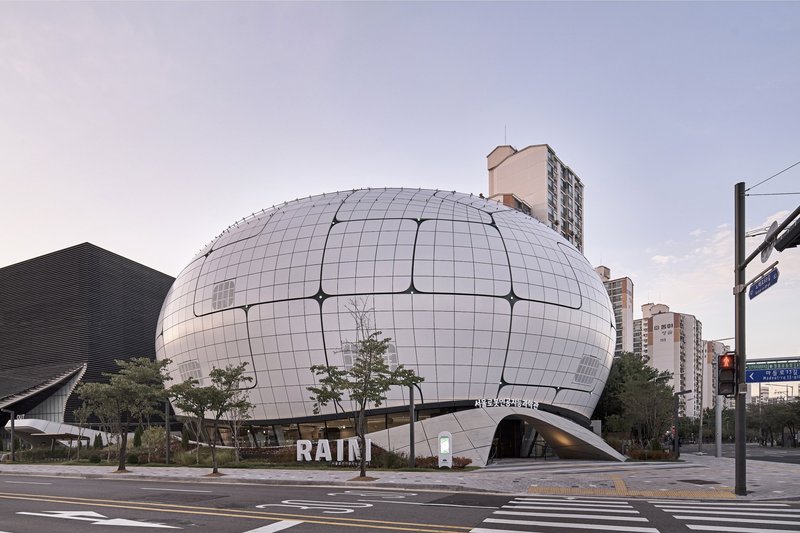
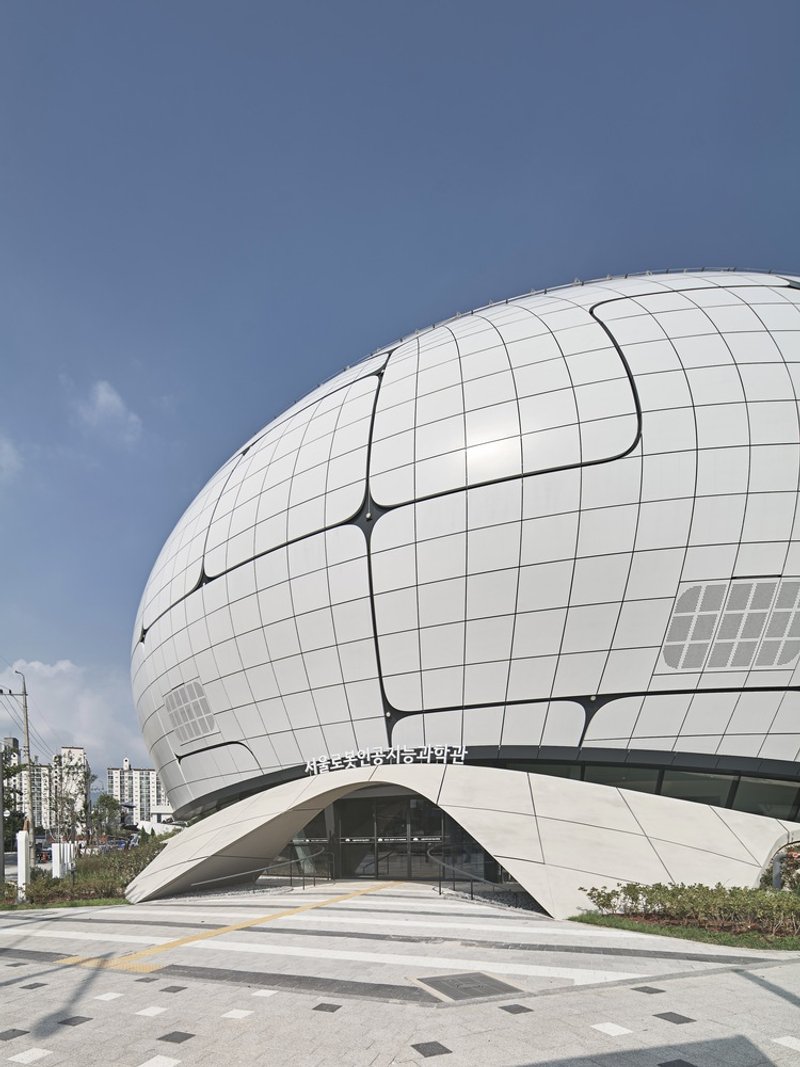
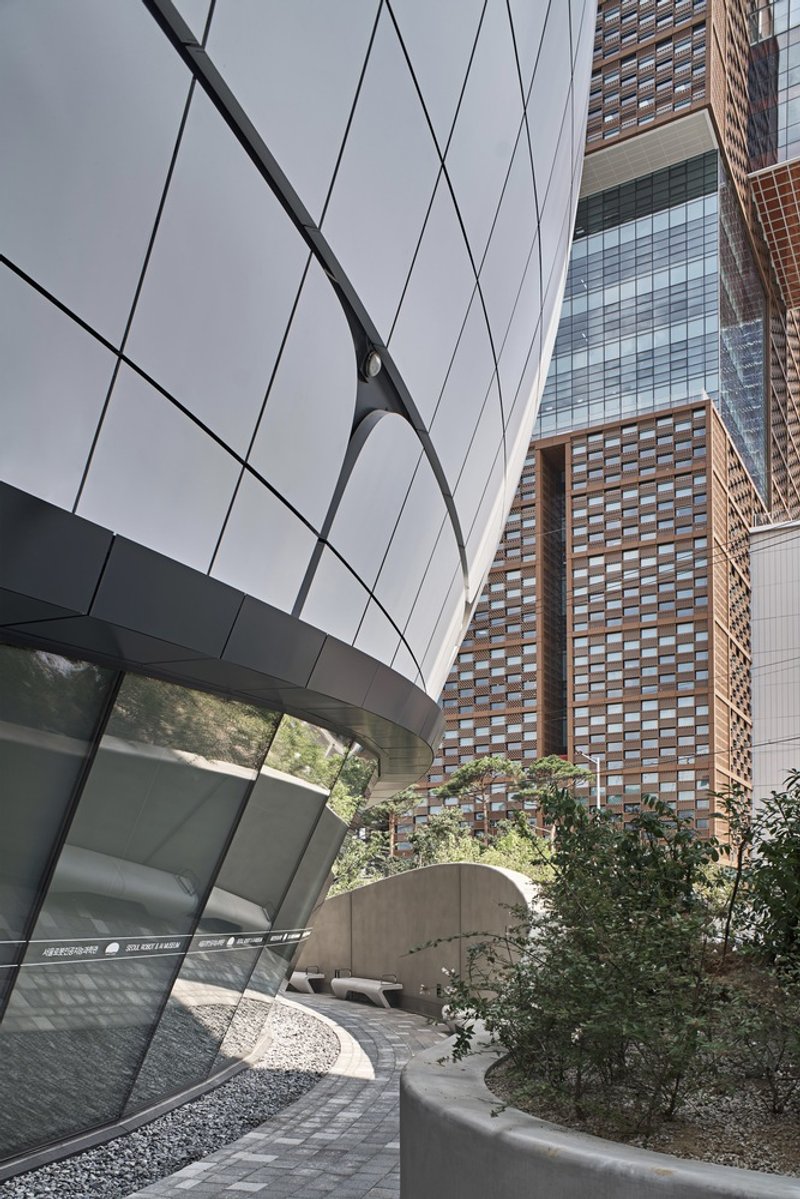
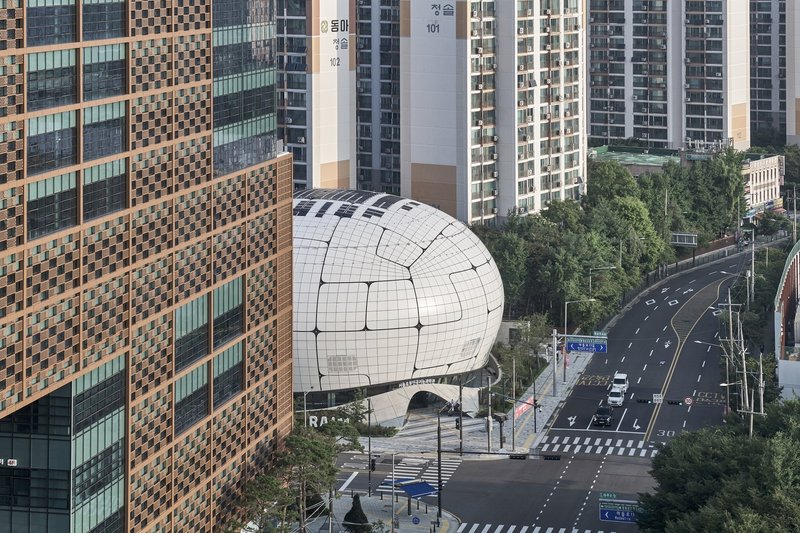
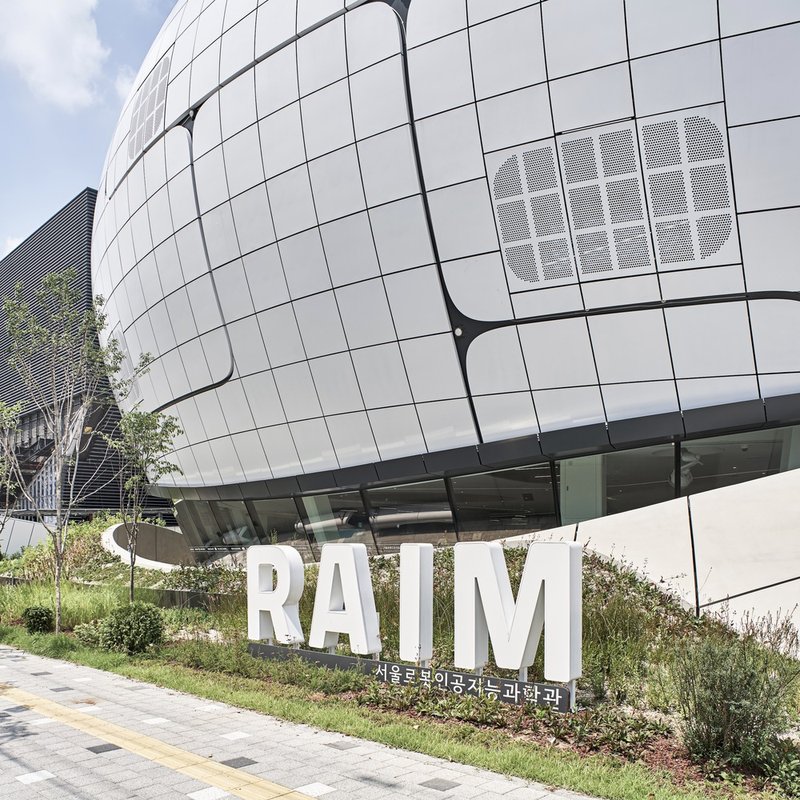
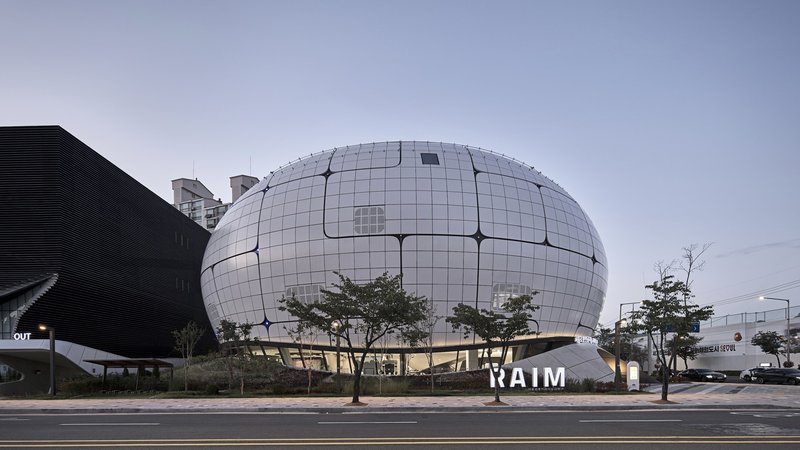
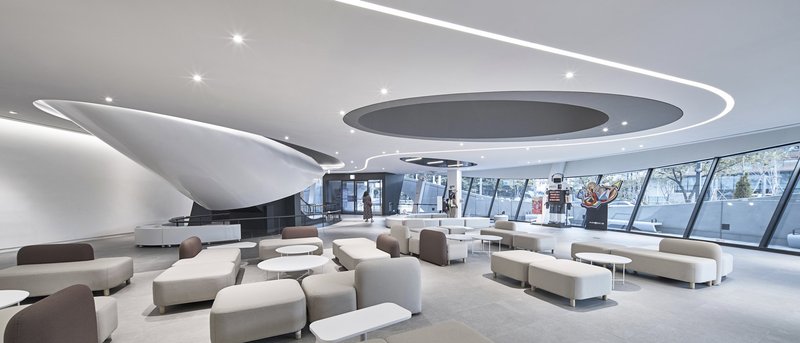
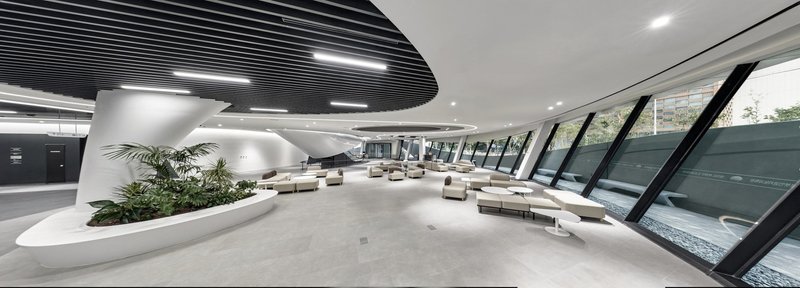
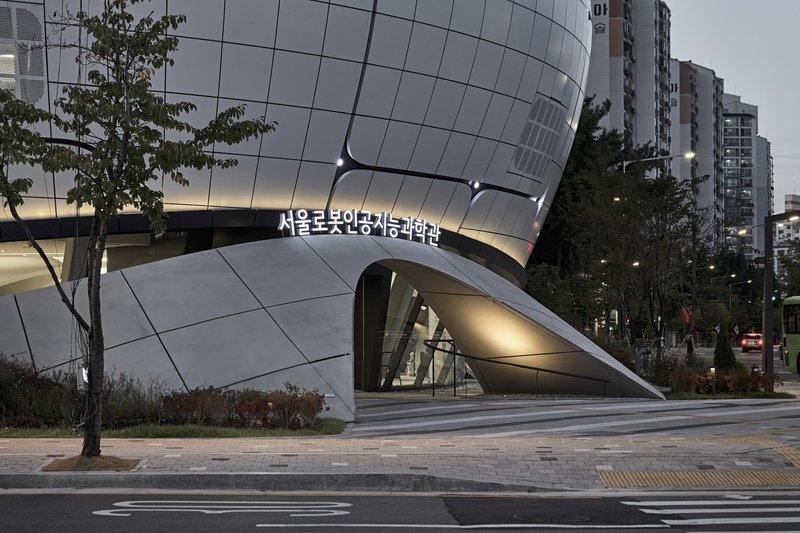
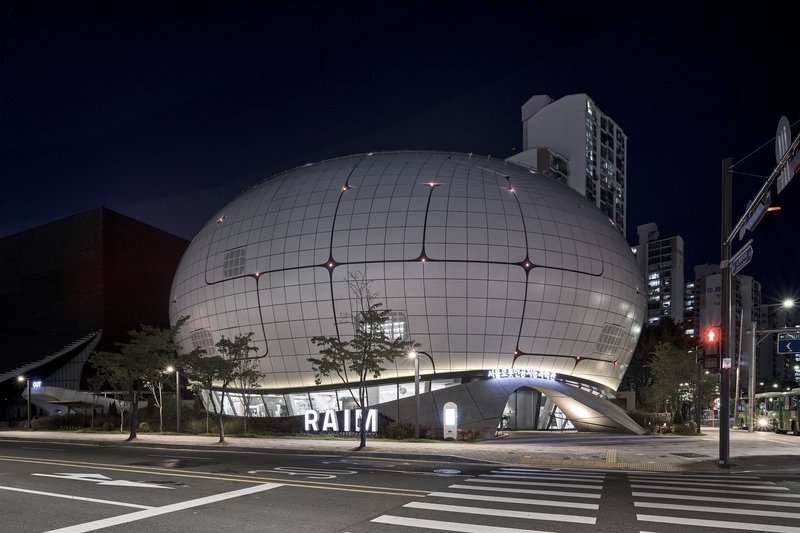
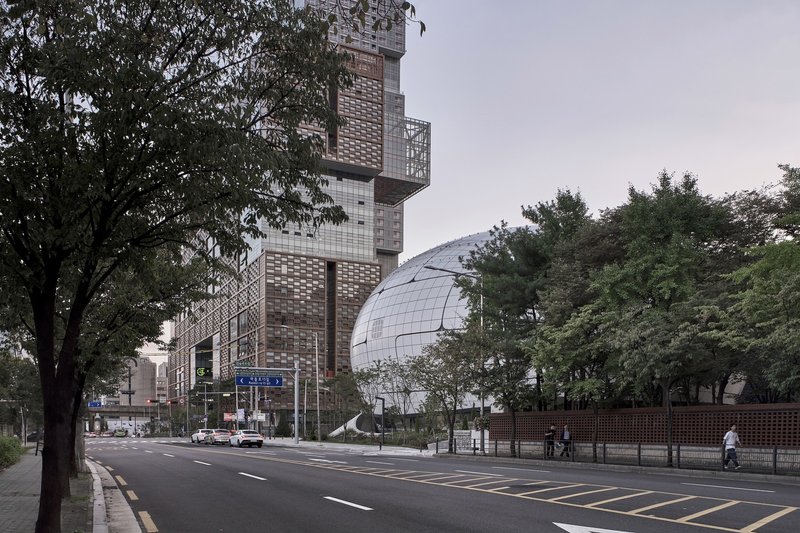
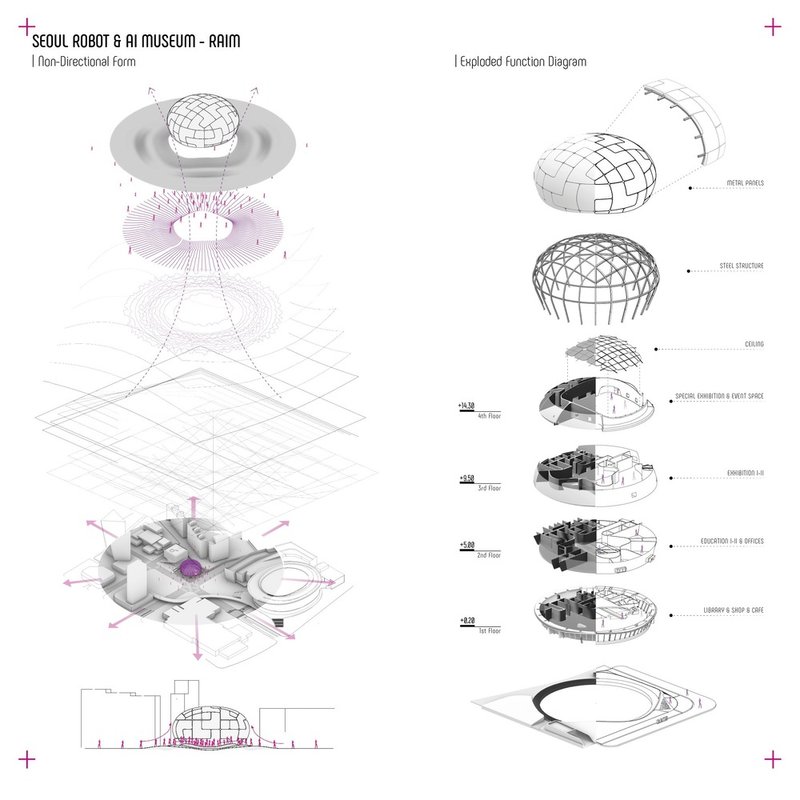
RAIM's architectural form embodies the essence of the digital age with its non-directional, spherical structure. The organic, flowing design symbolizes the dynamism of artificial intelligence and robotics, creating an immersive experience for visitors. The fluid geometry of the building is not just an aesthetic statement but an essential part of its technological narrative, reinforcing the idea of constant evolution and innovation.
An Interactive Space for Science and Technology
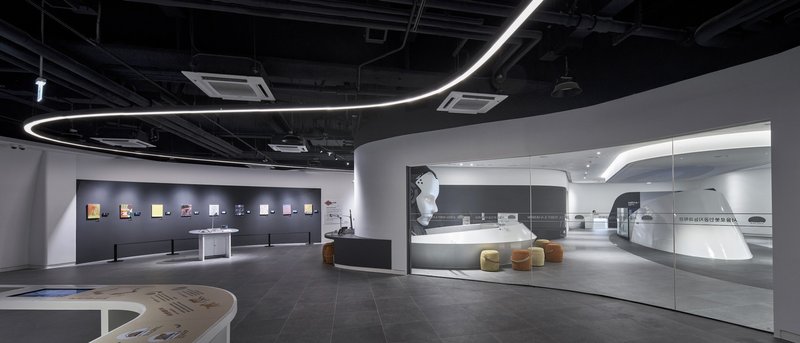
More than just a museum, RAIM serves as a research and innovation hub, connecting universities, research institutions, and technology firms with the public. Its strategic location in the Chang-dong Sanggye area fosters collaboration, housing exhibitions, educational programs, and hands-on experiences that bridge the gap between academia and industry. By integrating AI-driven exhibits, robotic interactions, and immersive installations, RAIM transforms the visitor experience into a journey of discovery, allowing guests to engage directly with the future of artificial intelligence.
Revolutionary Construction Techniques and Smart Building Technologies
RAIM represents the future of museum design, constructed using innovative techniques such as Building Information Modeling (BIM) and Off-Site Construction (OSC). The museum's non-linear exterior was achieved through digital fabrication, laser CNC machining, and robotic welding, ensuring exceptional precision in execution. Advanced aerospace and marine technologies were employed in constructing the central vertical exhibition tunnel, reinforcing RAIM’s commitment to pushing the boundaries of design and construction.
A Living, Breathing Exhibition of AI and Robotics
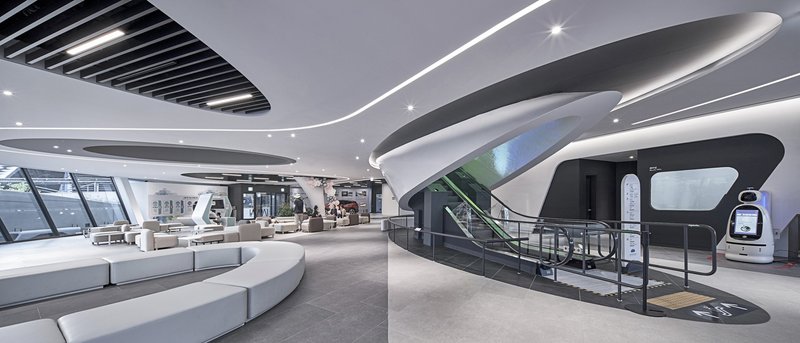
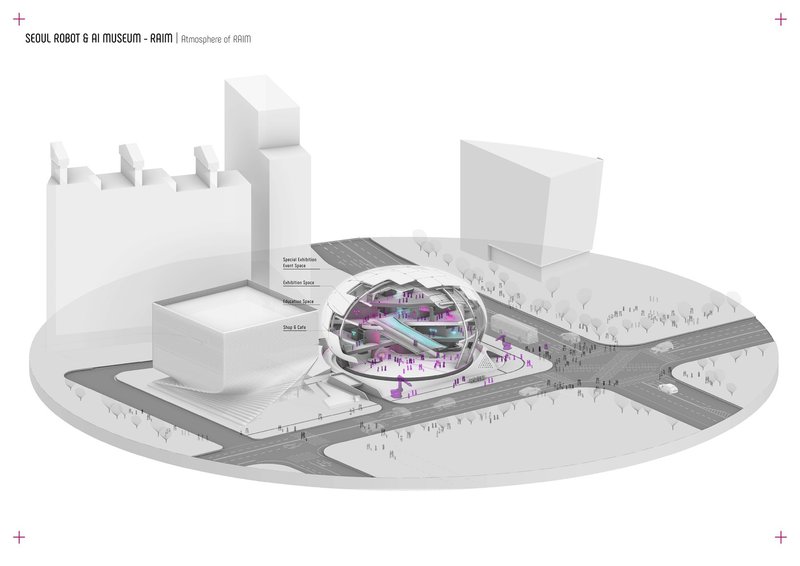
RAIM is designed to be more than a static museum; it is an evolving exhibition that integrates AI, automation, and smart technologies into its very structure. From welcoming robots at the entrance to intelligent lighting and climate control systems, every aspect of the building responds dynamically to visitor interactions. The spatial layout encourages exploration, with a fluid transition from public areas to immersive exhibition zones, culminating in a central atrium that dissolves the boundary between the physical and digital worlds.


Redefining the Future of Futuristic Museum Architecture
Seoul Robot & AI Museum is a paradigm shift in futuristic museum architecture, demonstrating how cutting-edge technology and architectural ingenuity can merge to create intelligent, adaptive spaces. As a global symbol of innovation, RAIM not only showcases advancements in robotics and AI but also sets a new standard for museum design in the digital era. By seamlessly integrating architecture, science, and technology, RAIM marks the beginning of a new era in cultural and technological engagement, offering a glimpse into the limitless possibilities of the future.
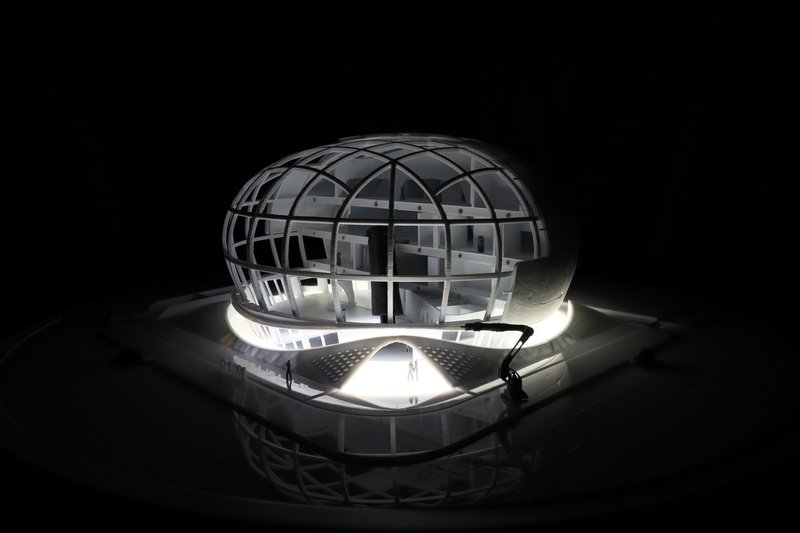
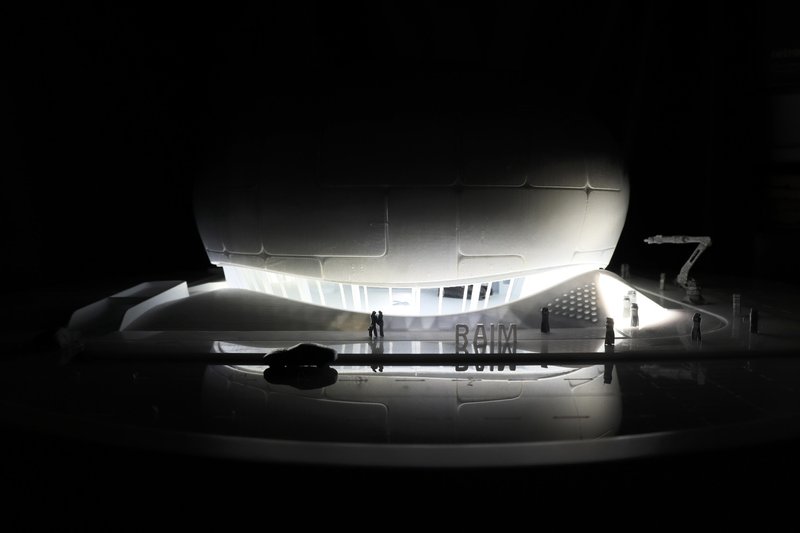
All Photographs are works of Namsun Lee, MAA