GLASS STAR Eyewear: A Minimalist Retail Store Design That Blends Art and Functionality
GLASS STAR Eyewear redefines minimalist retail store design with a monochromatic palette, geometric forms, and an immersive shopping experience.


A Contemporary Approach to Eyewear Retail
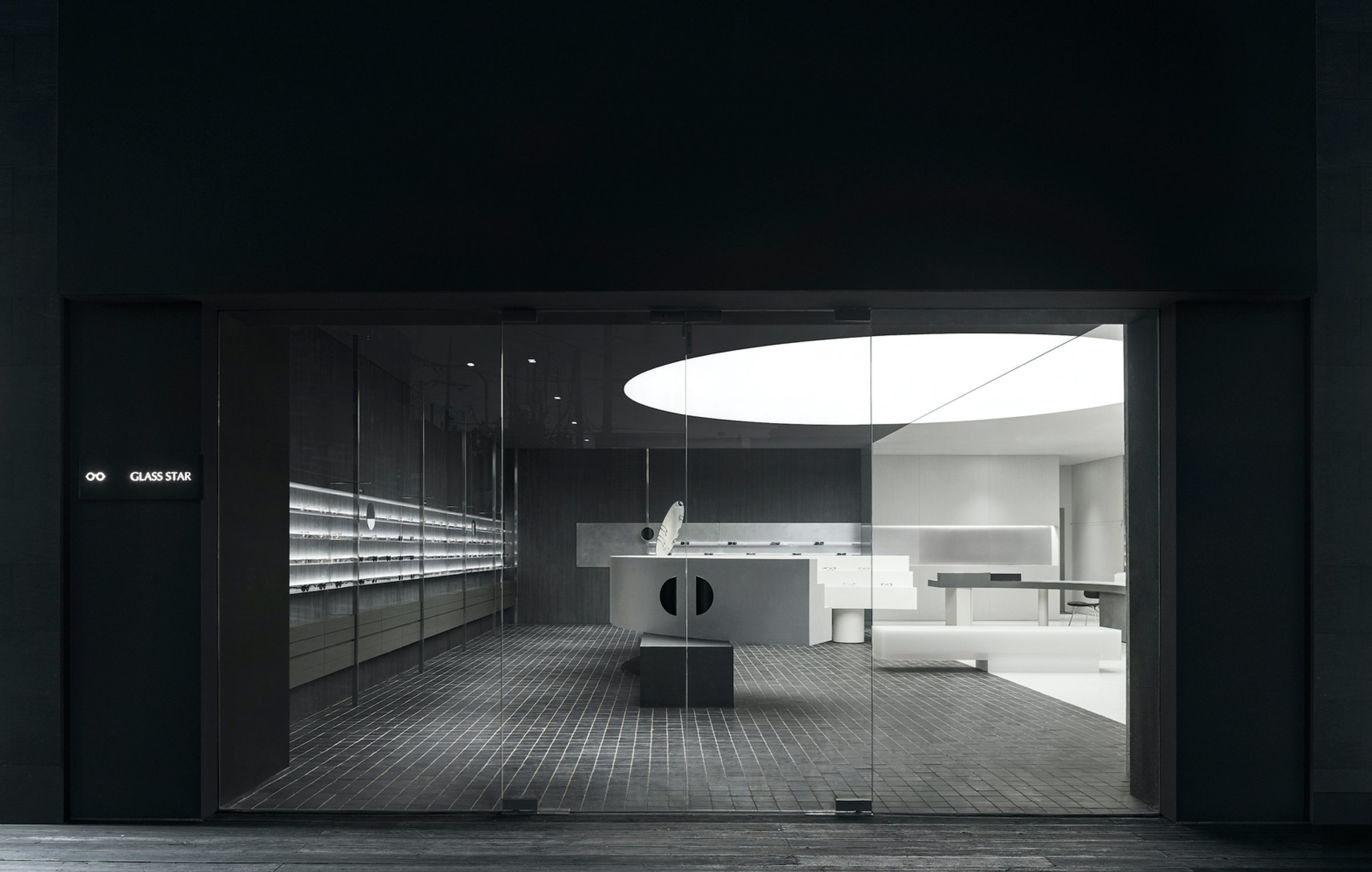
Located in Seongjeong-dong, Cheonan, South Korea, GLASS STAR Eyewear has long been a trusted destination for customers seeking a diverse range of eyewear. The recent renovation by RVMN Architects redefines the store’s identity, transforming it into a sophisticated and immersive retail experience. Designed with a strong emphasis on minimalist retail store design, the project integrates clean lines, geometric forms, and a monochromatic palette to create a seamless and engaging shopping environment.
The Concept of Spectacle Scenery
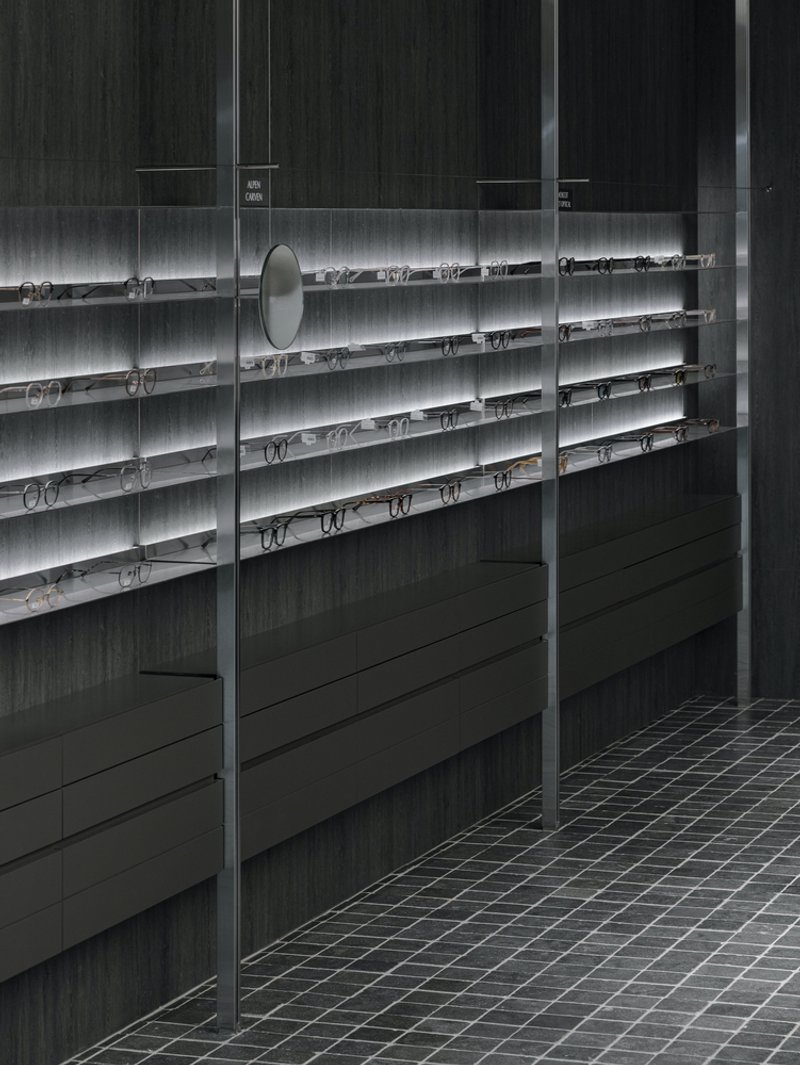
Eyeglasses are more than just functional accessories—they shape perspectives and enhance vision. Inspired by this idea, the architects conceptualized "Spectacle Scenery," a design approach that turns the store into an exhibition-like space where eyewear is displayed as curated art pieces. This transformation elevates the act of browsing glasses into an interactive visual experience, creating an atmosphere that goes beyond conventional retail.
A Dual-Toned Spatial Organization
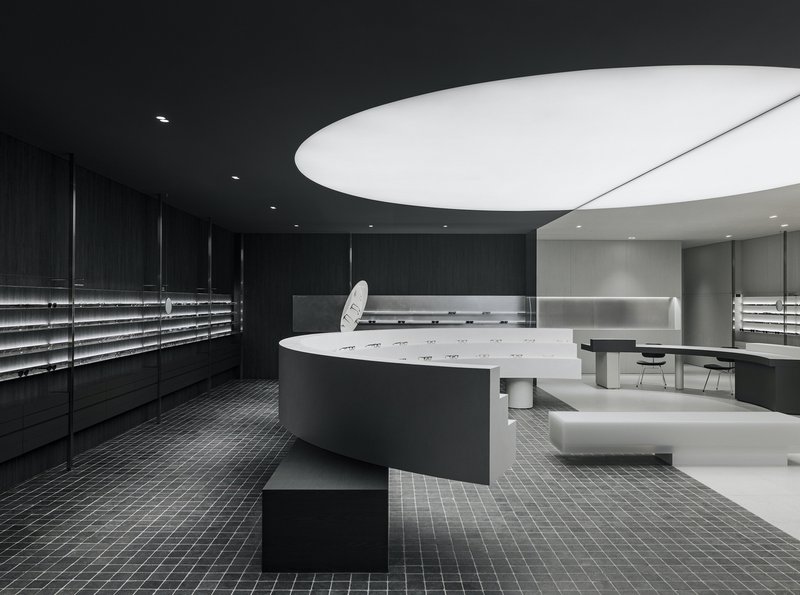
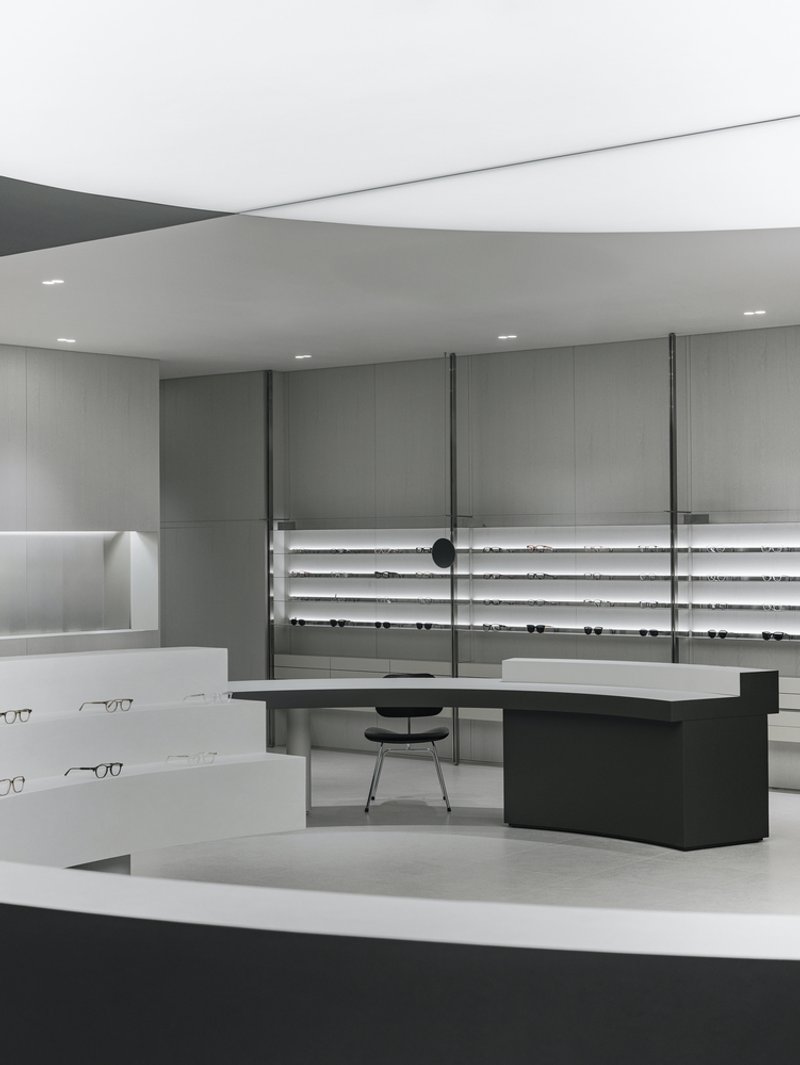
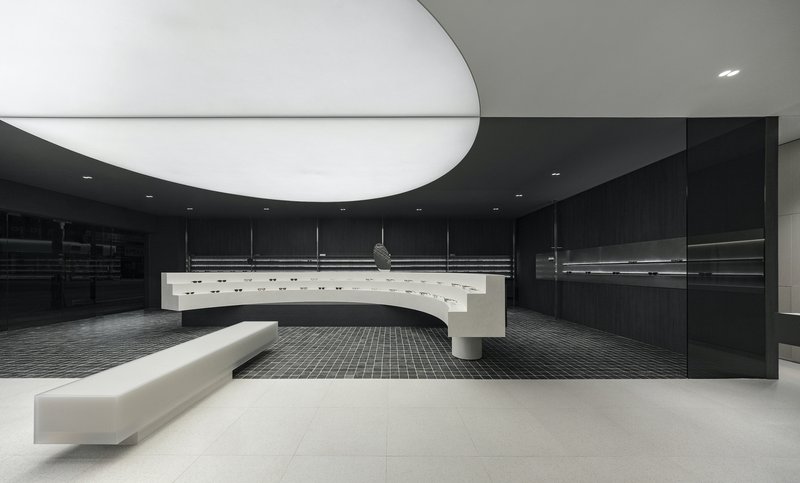
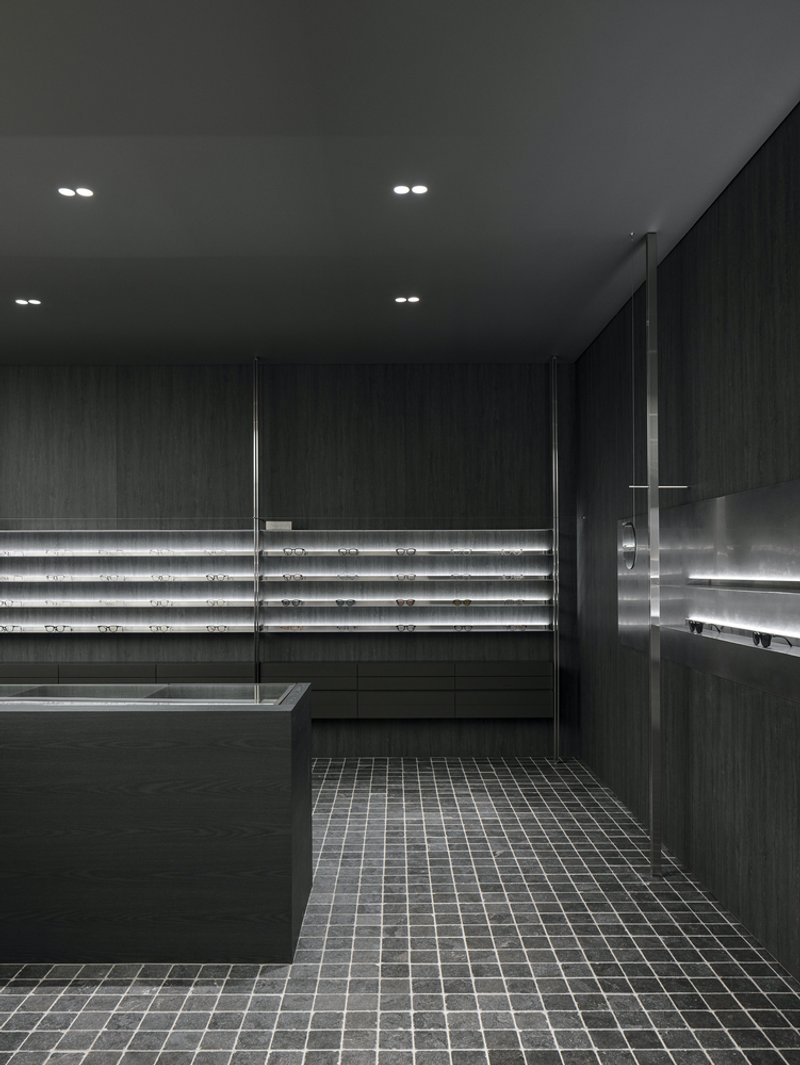
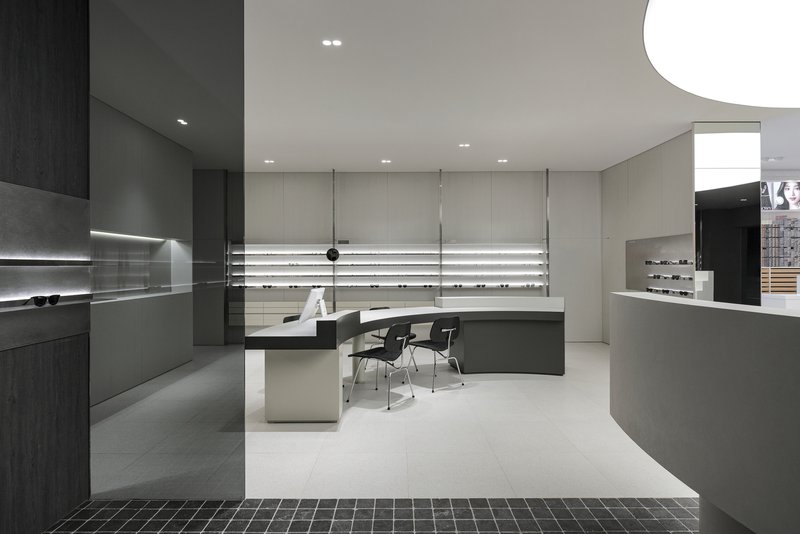
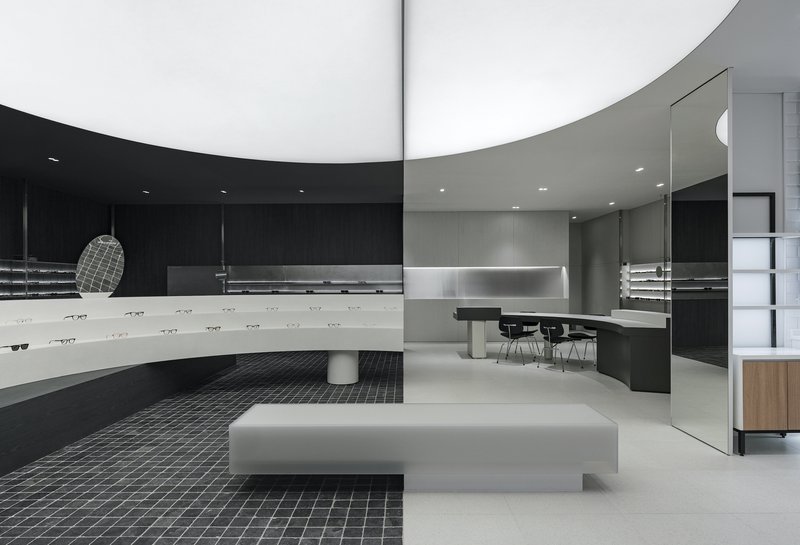
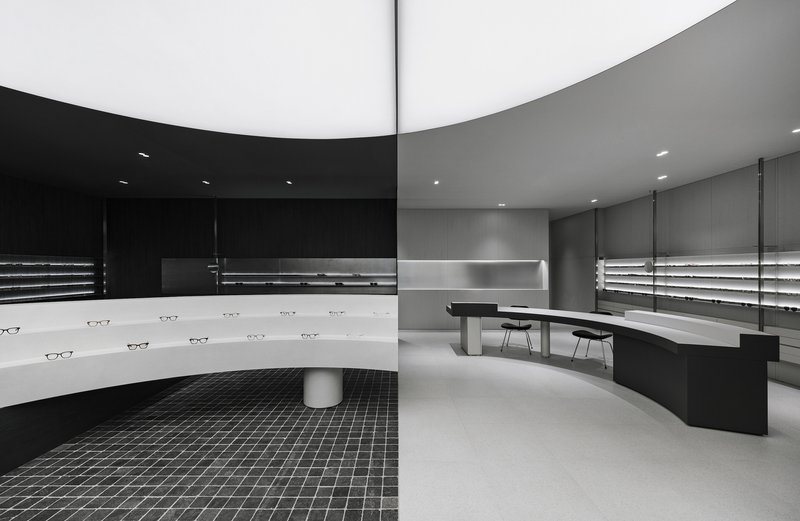
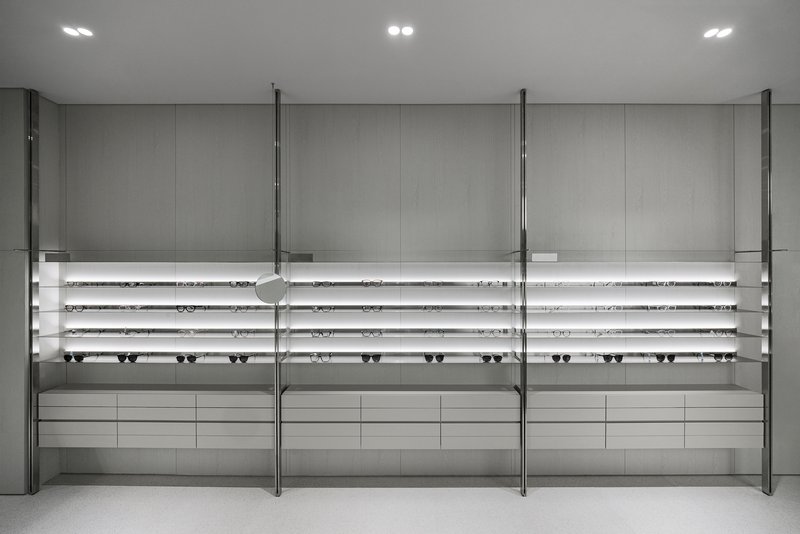
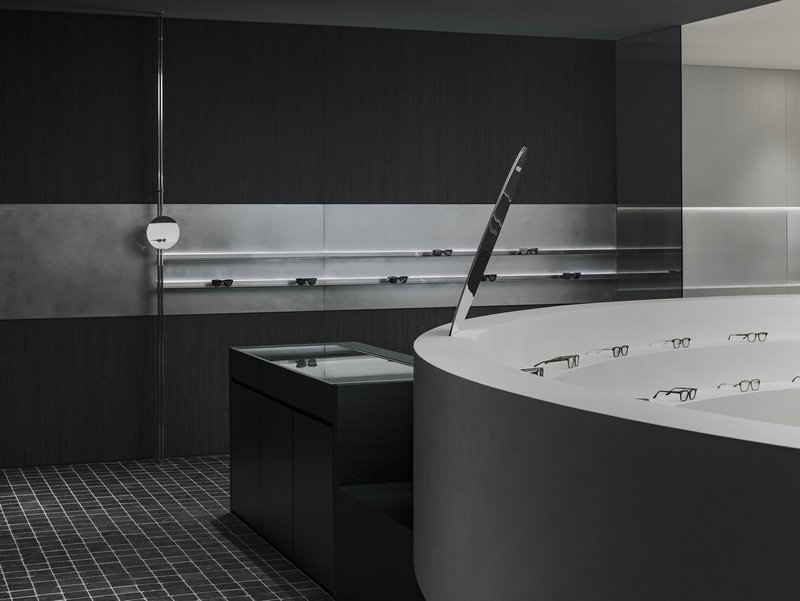
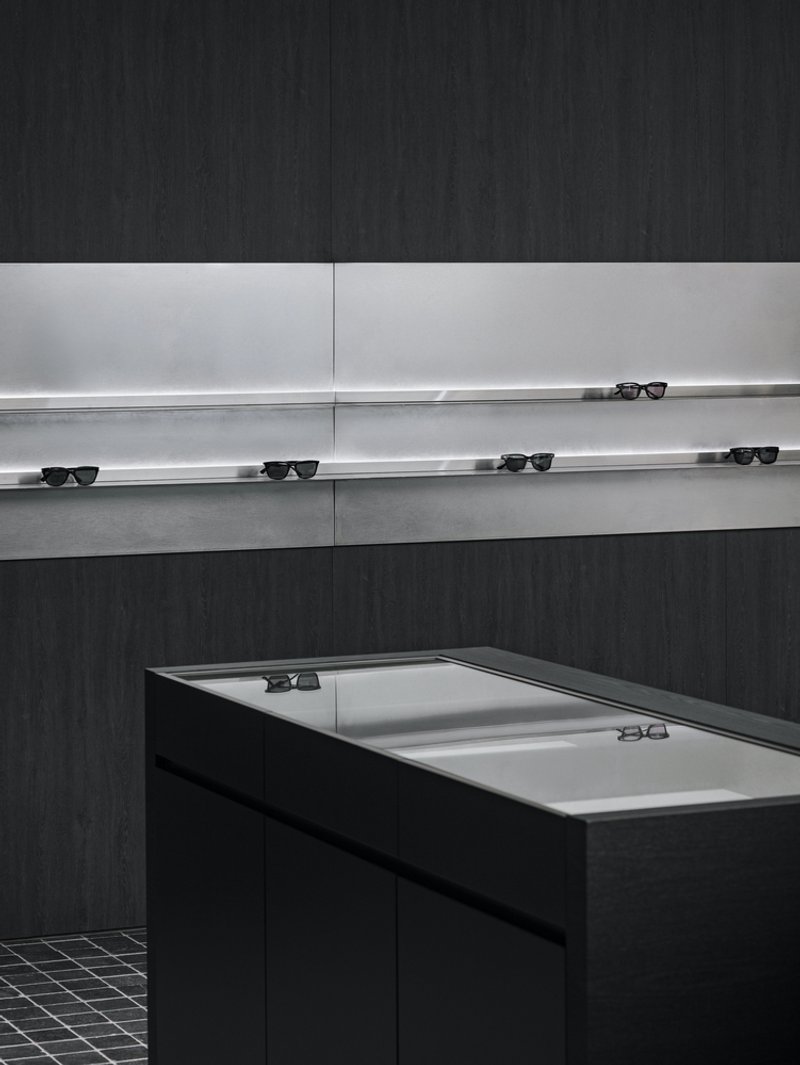
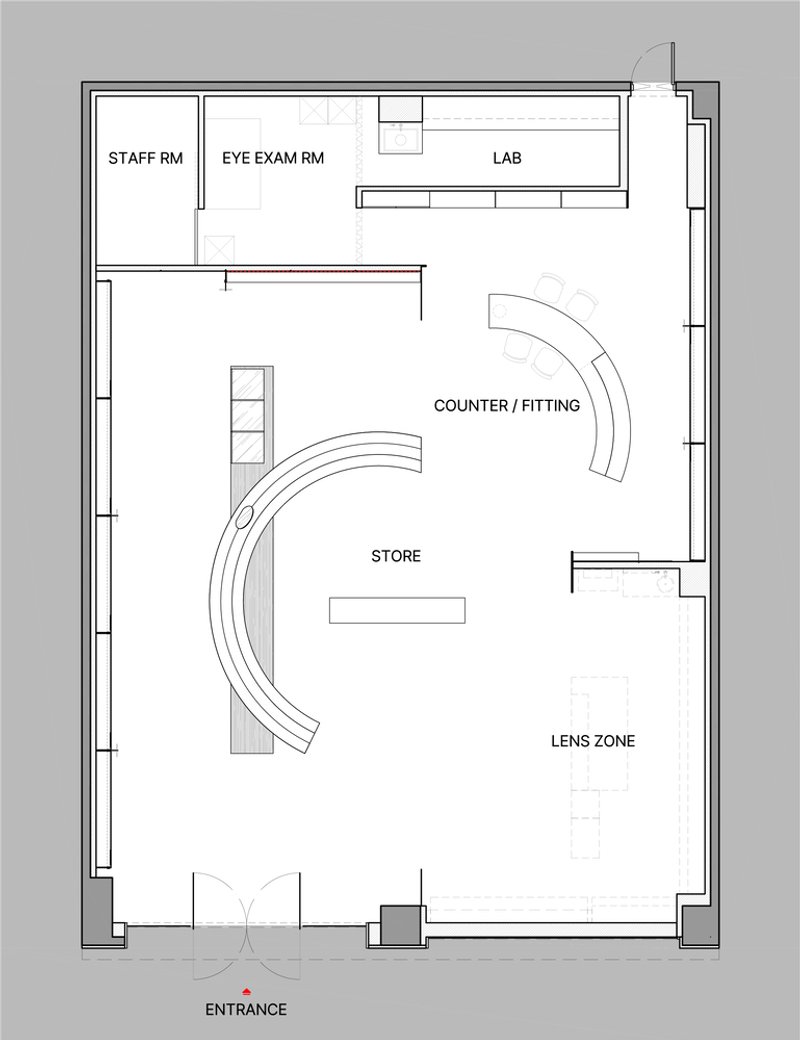
The 160-square-meter store was redesigned while maintaining the existing lens zone. To ensure a smooth transition between the eyewear and lens sales areas, the architects implemented a contrasting black-and-white palette. This monochromatic scheme not only enhances spatial clarity but also allows customers to intuitively navigate the store, distinguishing between different retail functions effortlessly.
Minimalist Display and Structural Elements
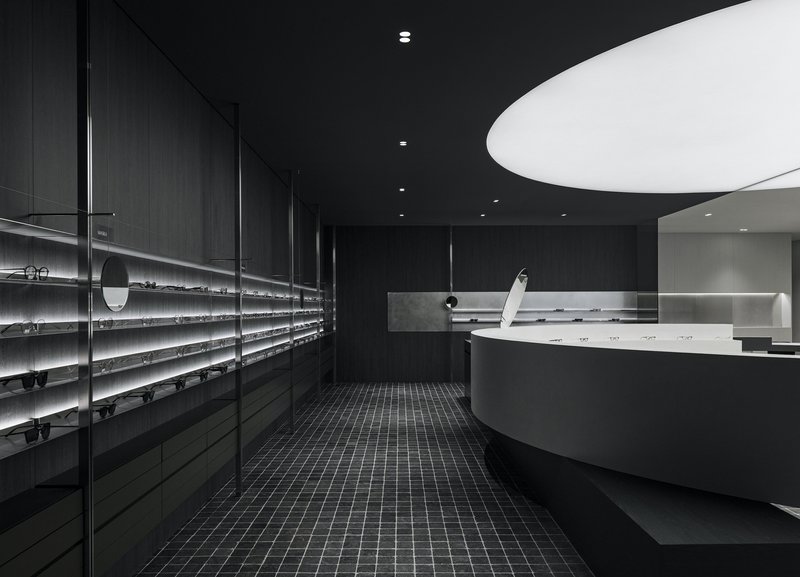
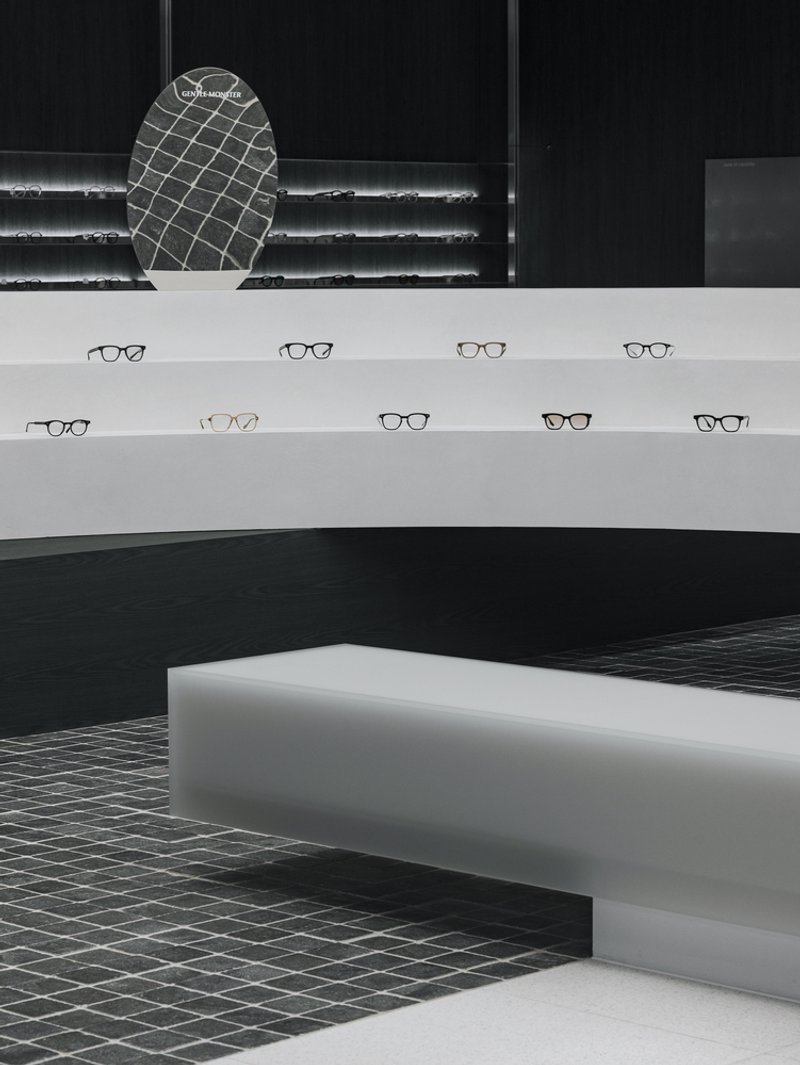
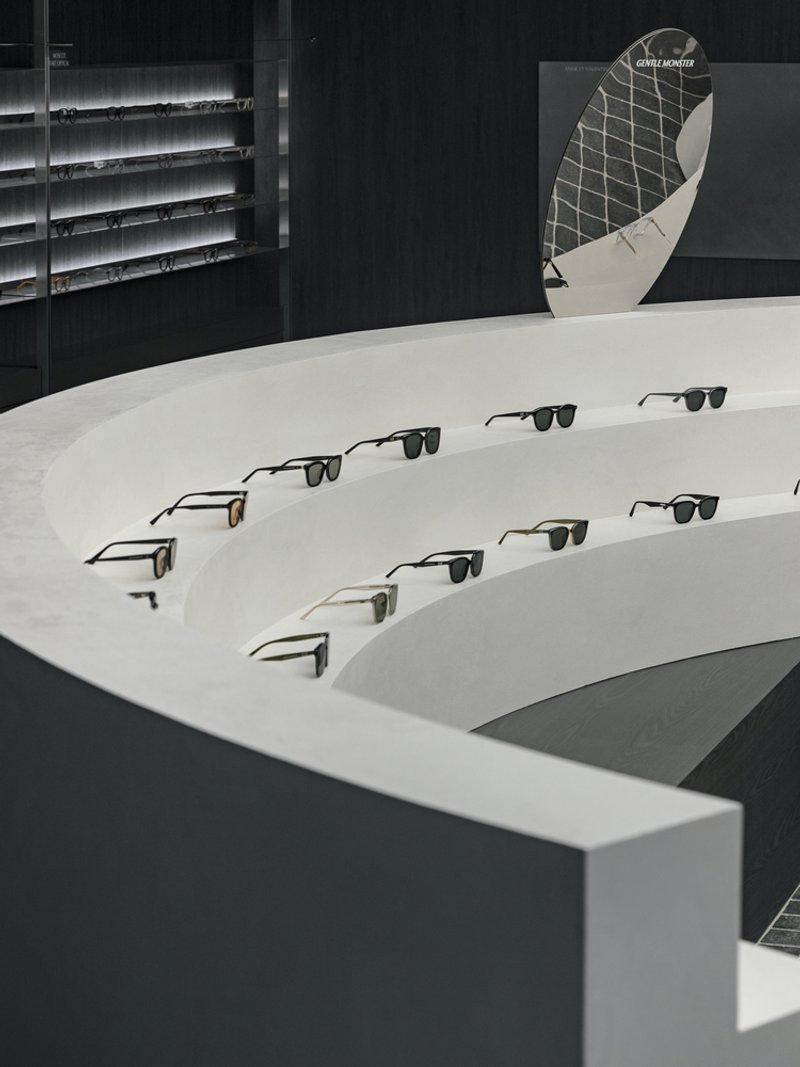
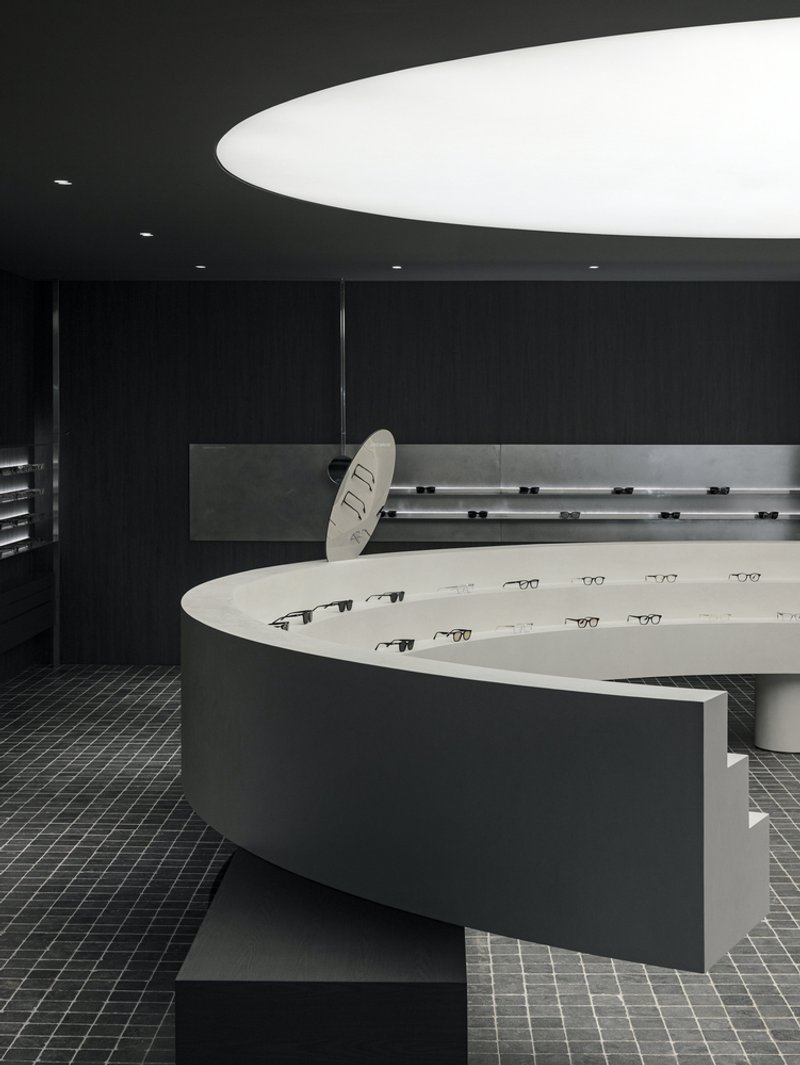
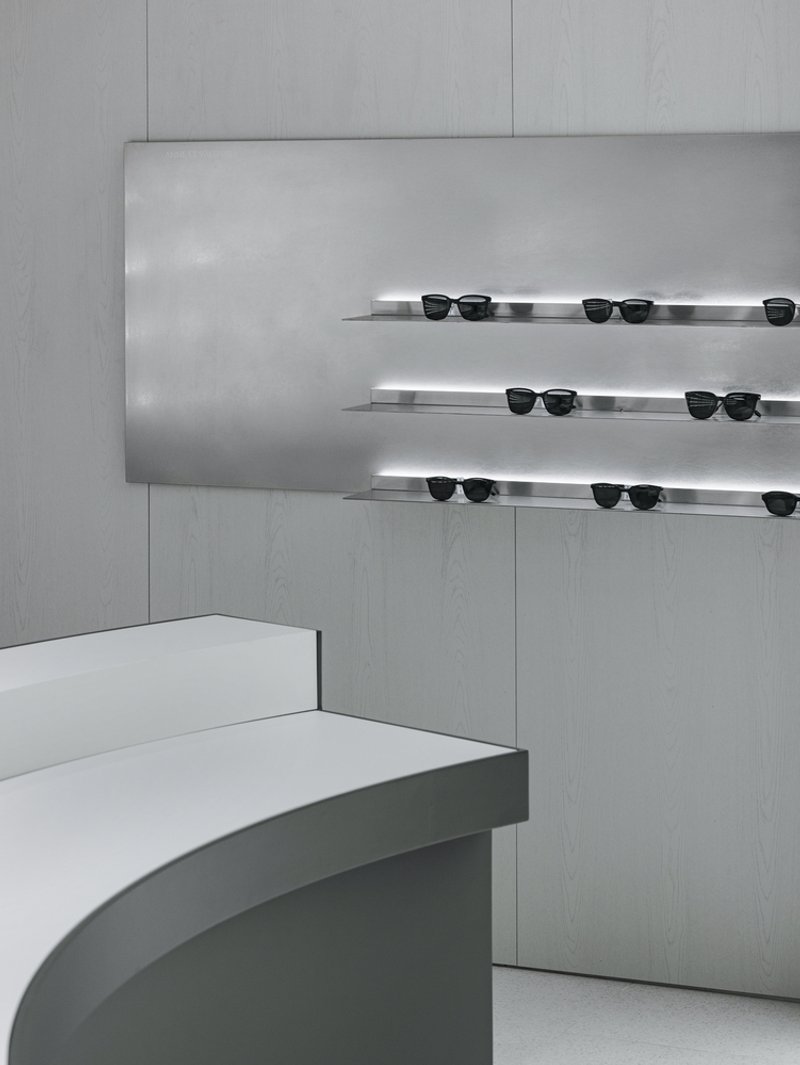
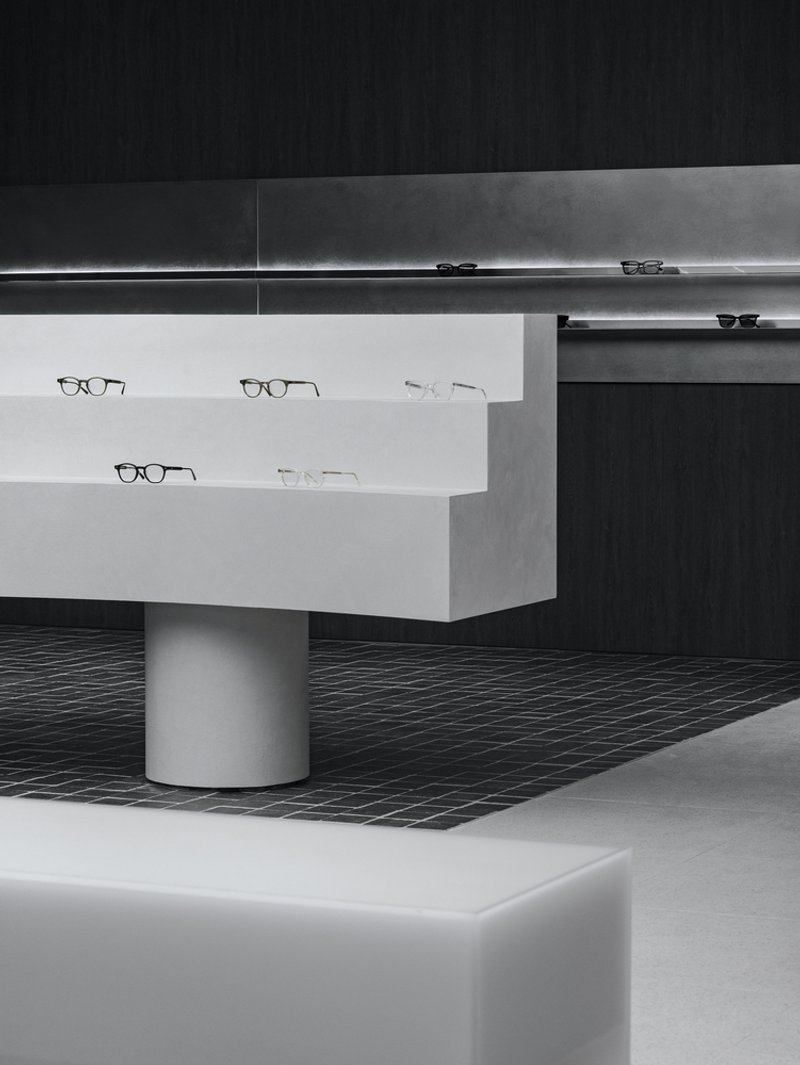
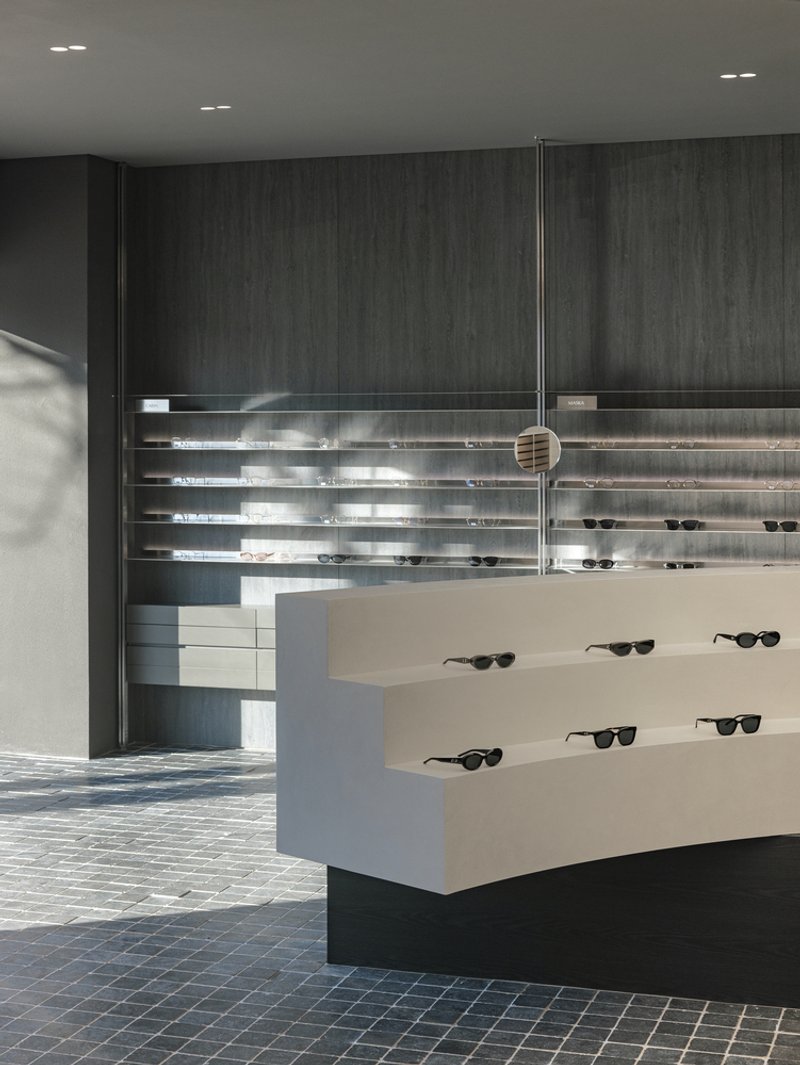
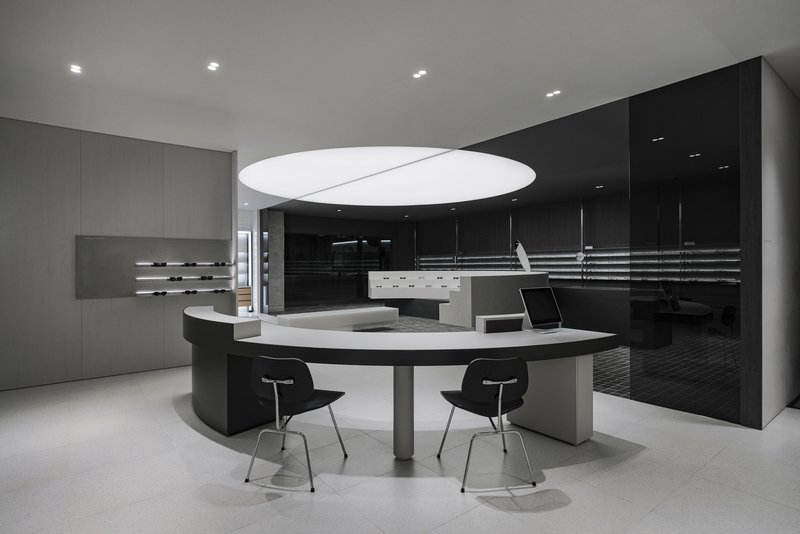
The layout prioritizes clarity and fluidity, ensuring that customers can explore products with ease. At the center of the space, two semi-circular island displays mirror the structural curves of eyeglasses, reinforcing the brand's identity. Overhead, circular Barrisol lighting enhances focus while adding depth and character to the interior.
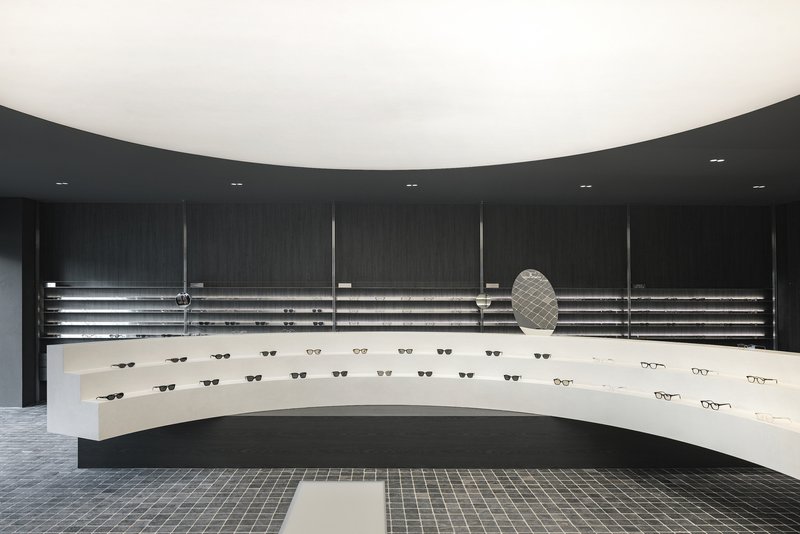
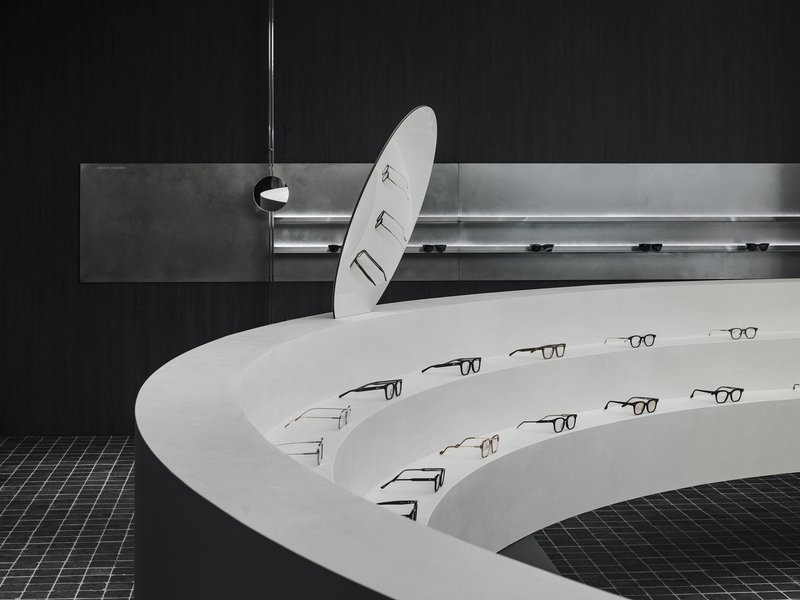
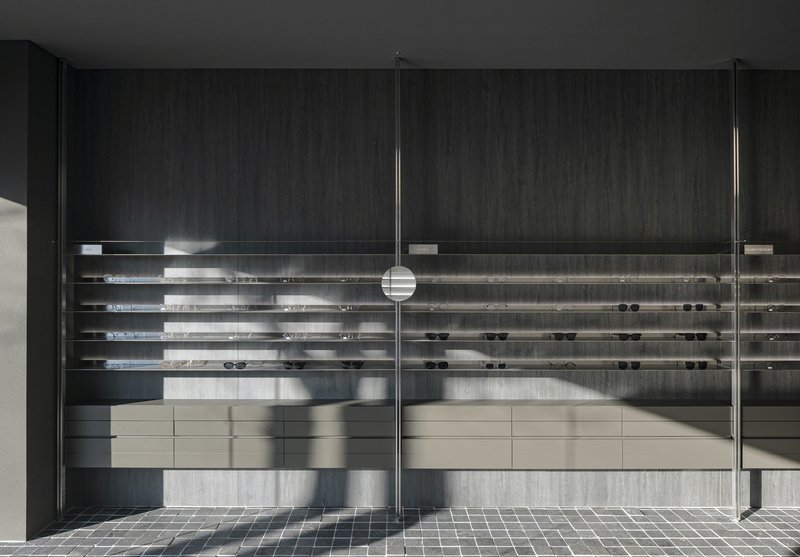
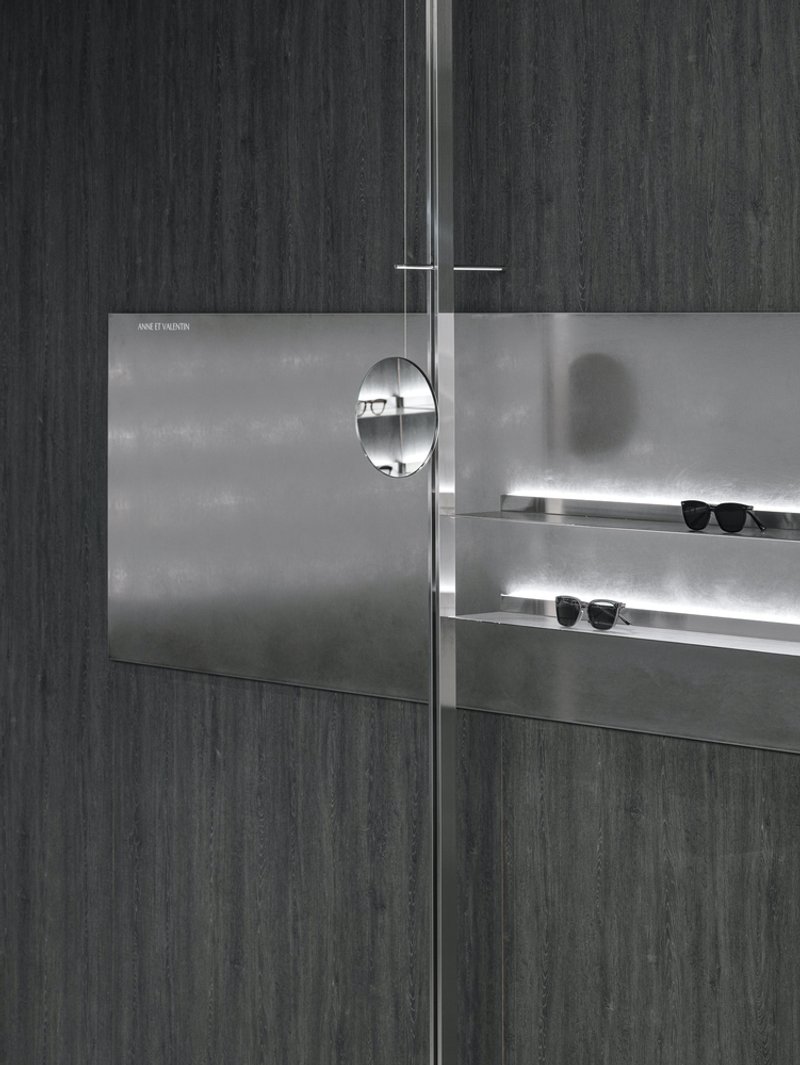
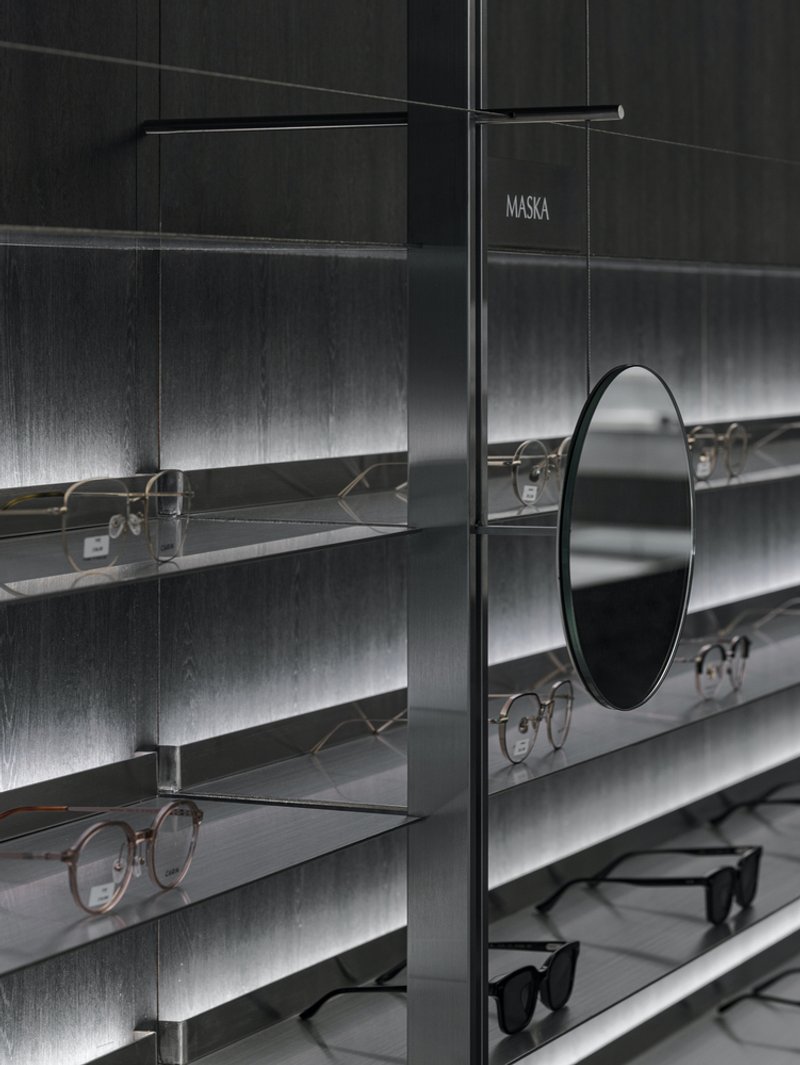
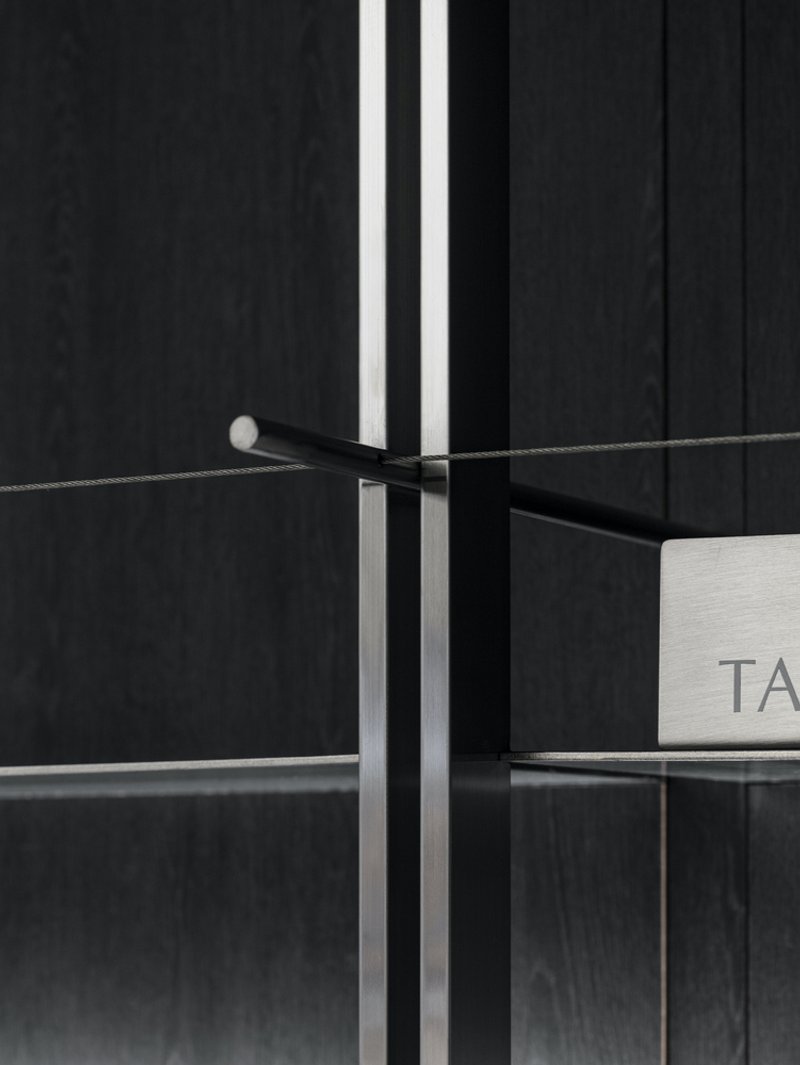
Walls are structured to reflect the assembly process of eyewear, segmenting the space into well-defined zones for various brands. The combination of simple geometric forms and strategic lighting introduces a dynamic interplay of perspectives, making the experience of moving through the store feel like a curated journey through a contemporary art gallery.
An Inviting and Transparent Facade
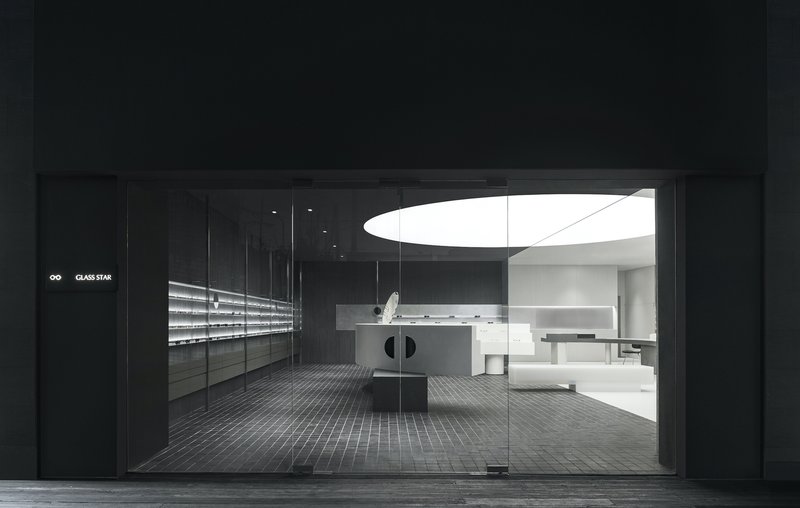
In a bustling urban environment filled with colorful signage and visual noise, GLASS STAR stands out with its clean, open facade. Designed to maximize visibility, the storefront provides a clear view into the interior, naturally drawing in passersby. This design choice transforms the store’s architectural transparency into a branding element, reinforcing its identity as a modern and welcoming retail space.
Material Palette and Sensory Experience
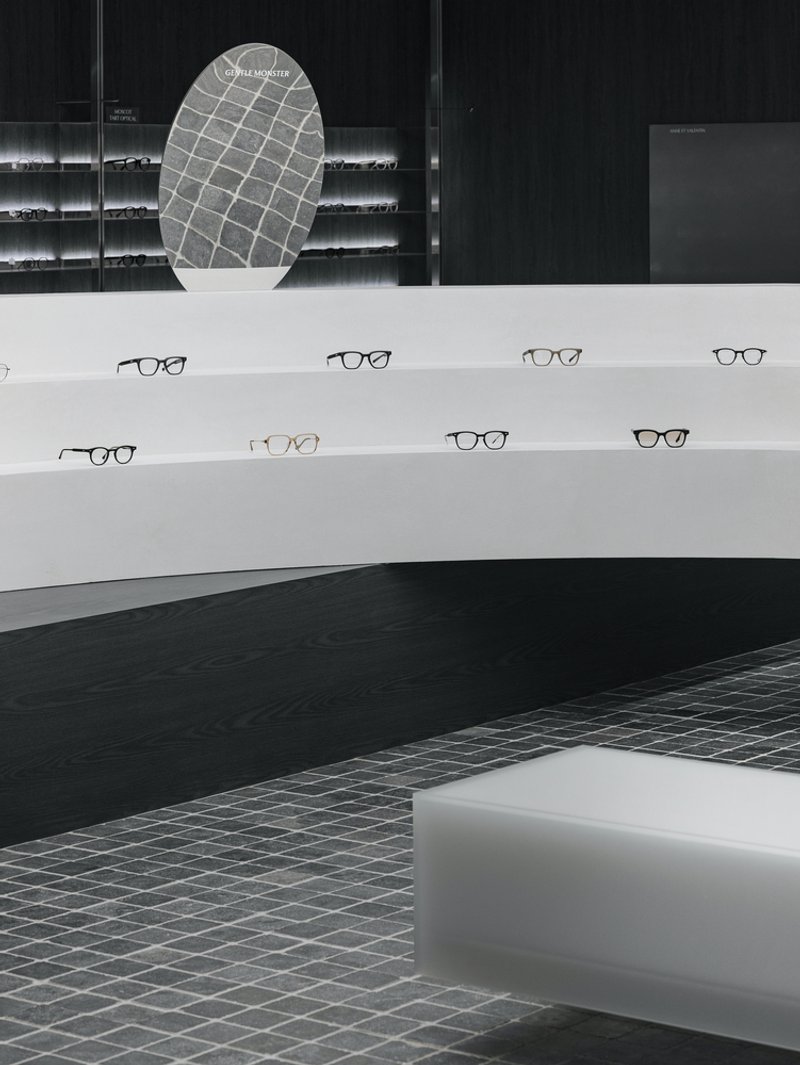
While the store embraces a minimalist aesthetic, material selection plays a crucial role in introducing warmth and balance. The use of wood HPL, stone flooring, and acrylic seating adds a tactile dimension, contrasting with the sleek monochromatic surfaces. These elements create a comfortable, inviting atmosphere, encouraging customers to explore the store at their own pace—much like an art gallery visitor appreciating different exhibits.
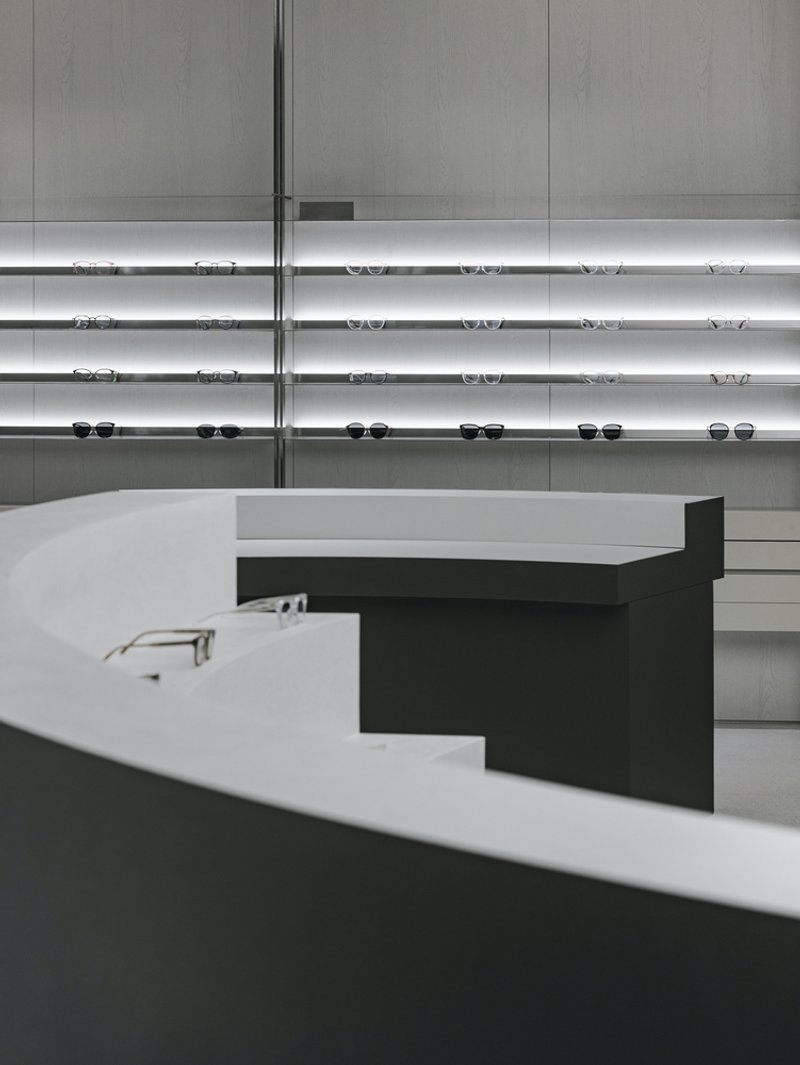
Strategically placed acrylic benches along the island displays provide resting spots, subtly reinforcing the leisurely and immersive nature of the shopping experience. Every design detail works together to strengthen the brand’s identity, making each visit to GLASS STAR both memorable and engaging.
Redefining Minimalist Retail Store Design
Through this renovation, GLASS STAR Eyewear has elevated its retail identity, seamlessly blending functionality with artistic expression. By adopting a minimalist retail store design, the architects have crafted a space that not only enhances product presentation but also transforms the act of shopping into an aesthetic and immersive journey.
This project serves as a benchmark for contemporary retail interiors, demonstrating how geometric simplicity, curated lighting, and intuitive spatial organization can redefine customer experiences in a modern commercial setting.
All Photographs are works of Yongjoon Choi