Growing Matter(s) Pavilion by Henning Larsen: Pioneering Mycelium Pavilion Architecture for a Circular Future
An innovative pavilion showcasing mycelium architecture, circular design, and living materials at Milan Design Week 2025 by Henning Larsen.


Reimagining Architecture Through Living Systems
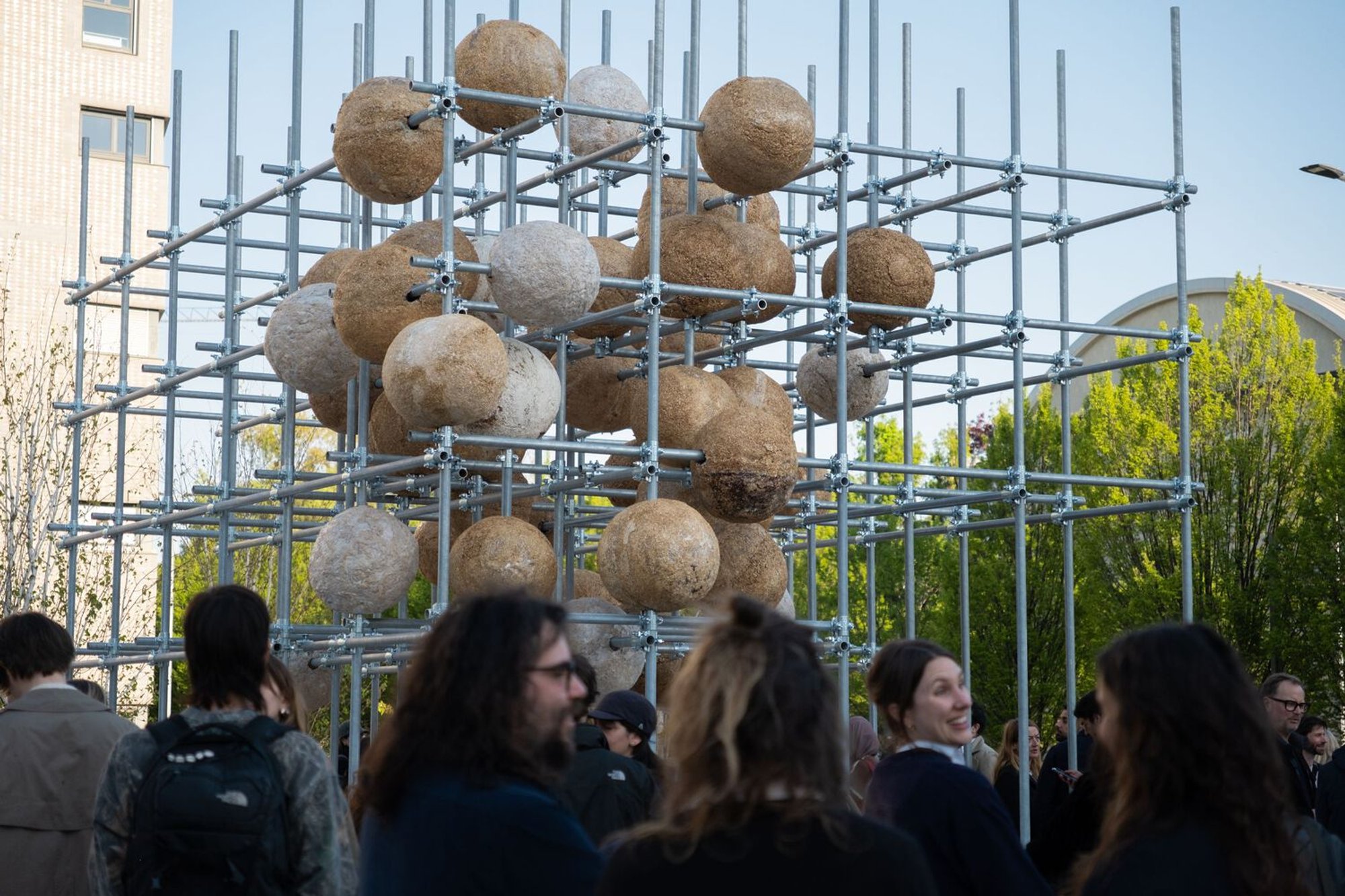
At Milan Design Week 2025, Henning Larsen Architects unveiled the Growing Matter(s) Pavilion, a groundbreaking exploration into mycelium pavilion architecture and the potential of bio-based materials in contemporary design. Created in collaboration with the Politecnico di Milano, this experimental structure marks a significant shift in architectural thinking—one that favors imperfection, impermanence, and the intelligence of living systems.
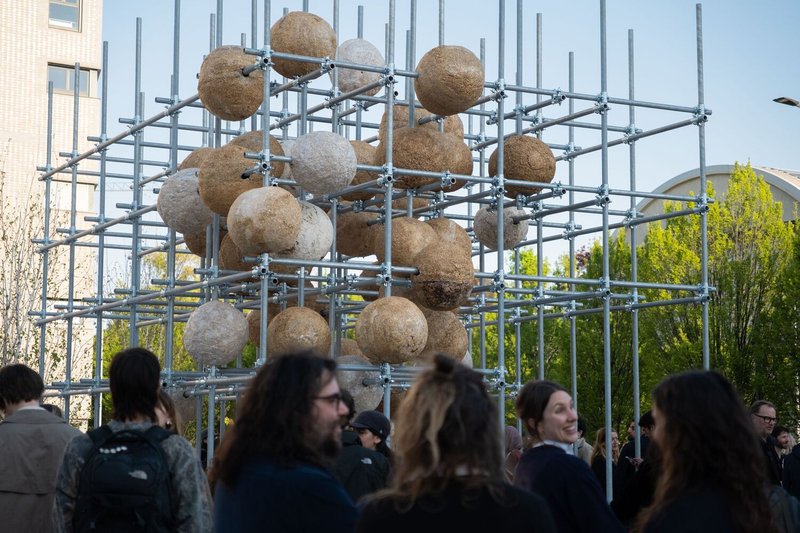
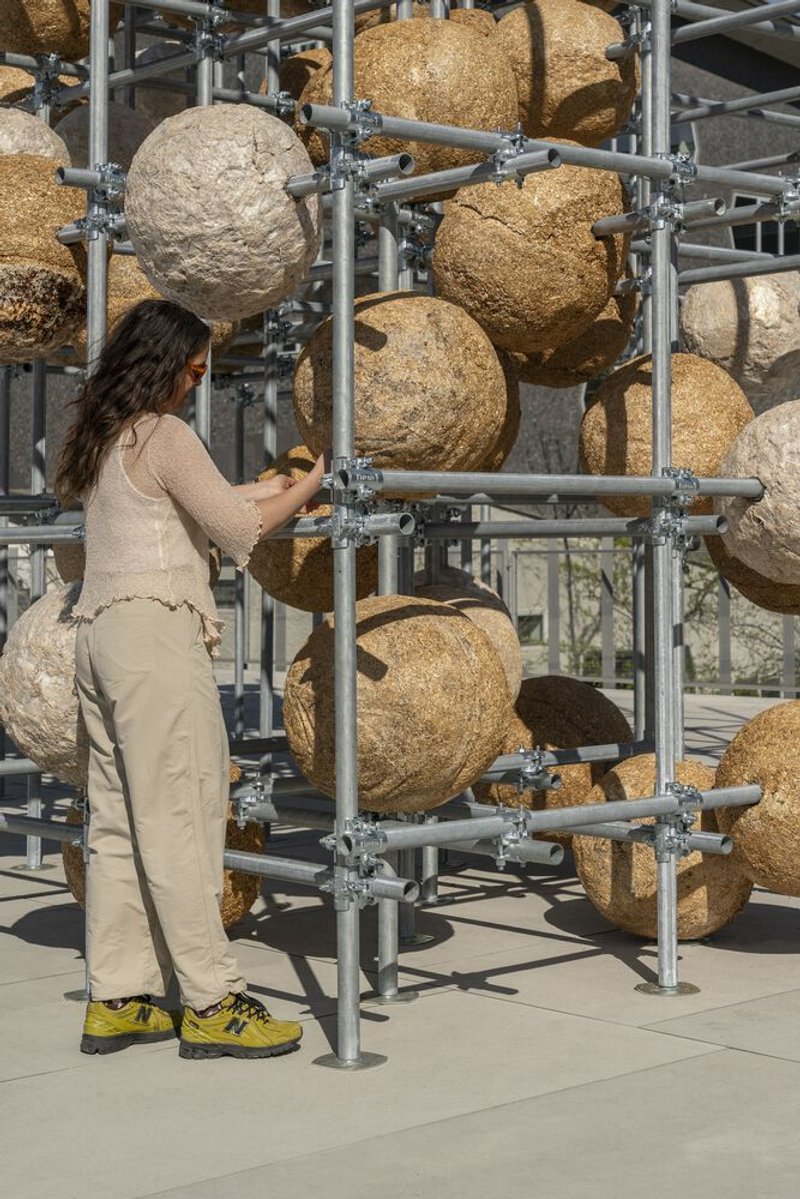
Positioned at Via Bonardi 9, the pavilion engages visitors with an interactive experience that champions material circularity and ecological aesthetics. It is a sensory and scientific journey into how architecture can evolve beyond static forms, embracing organic processes and transformation over time.
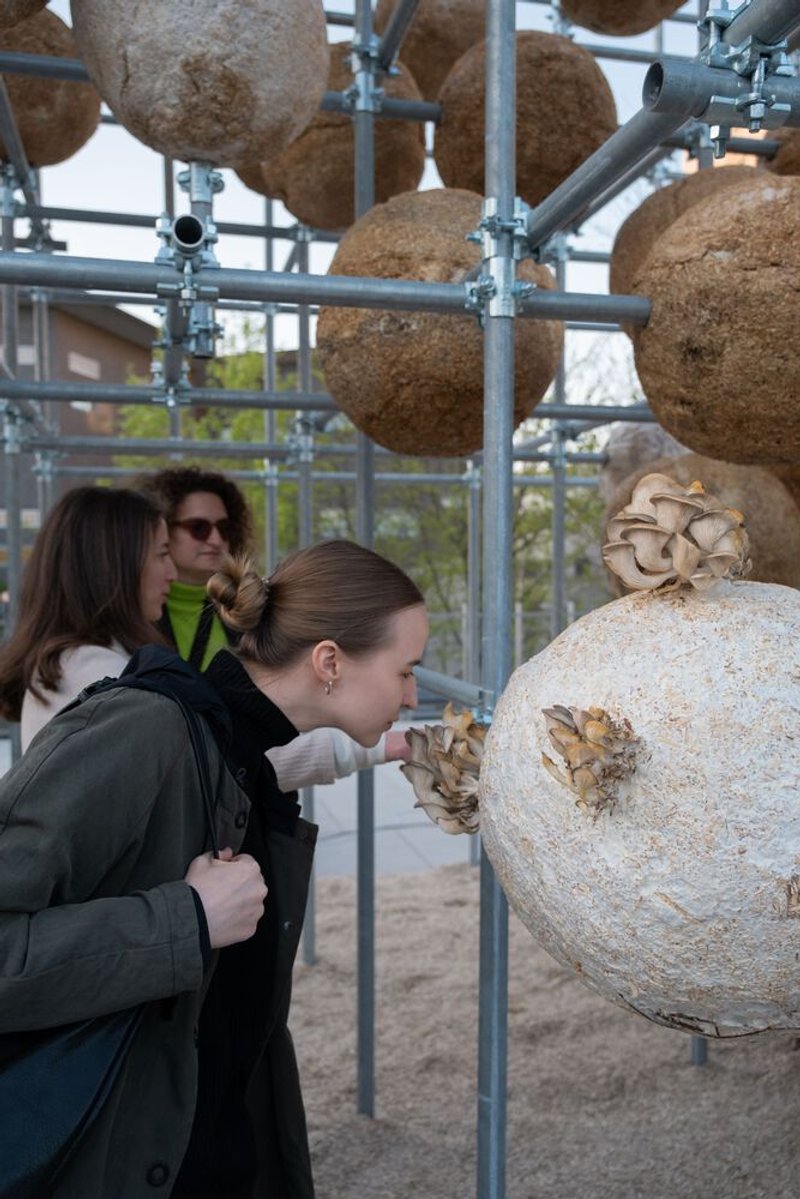
Mycelium as a Structural and Aesthetic Medium
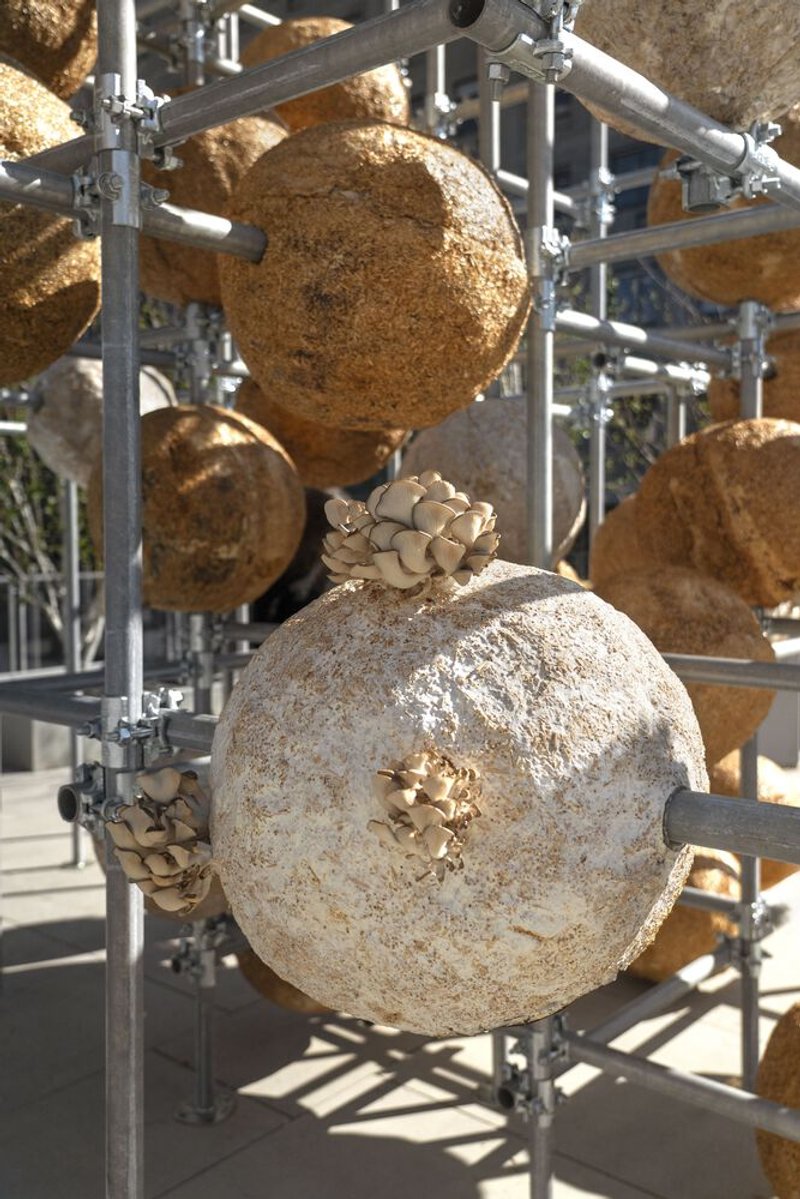
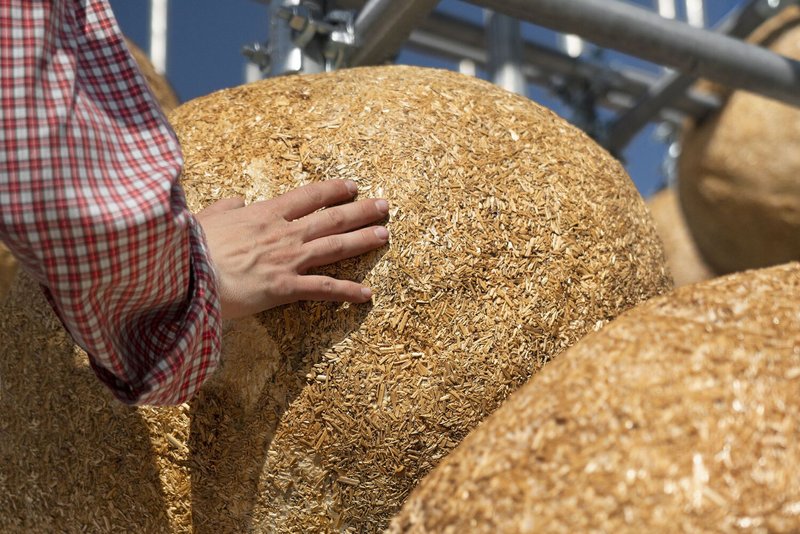
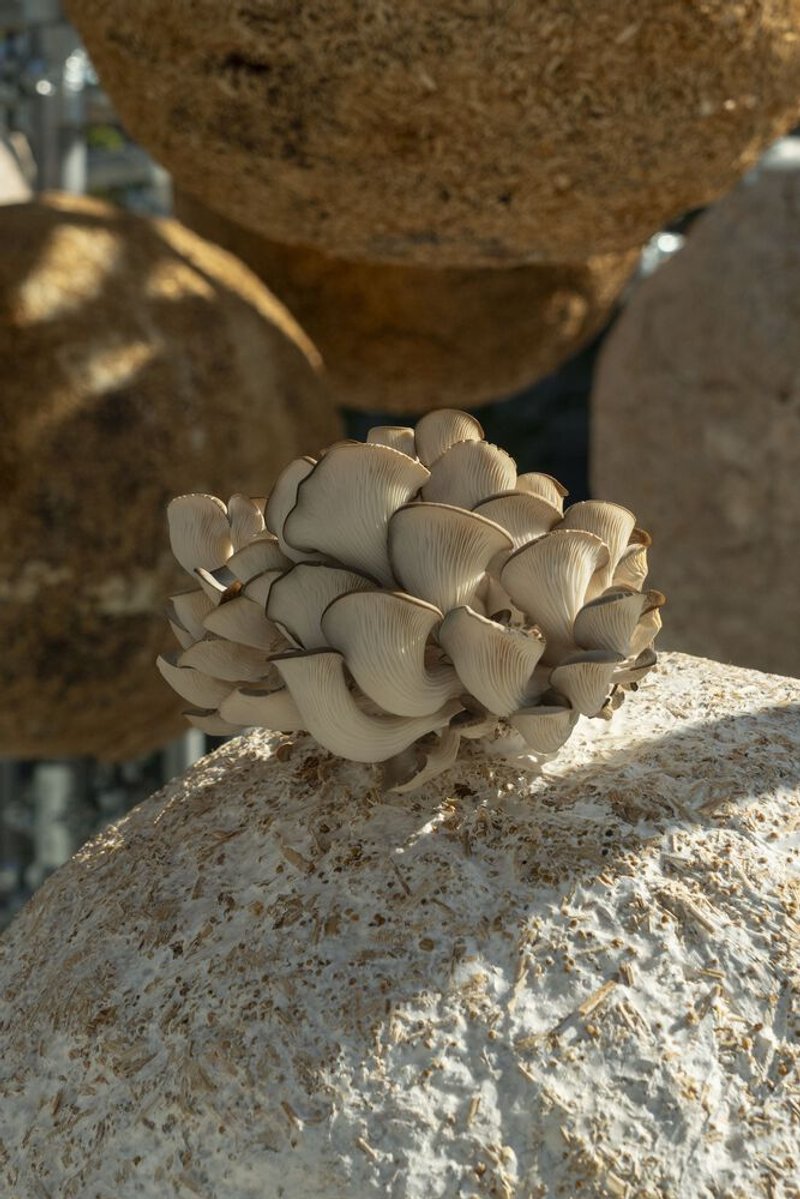
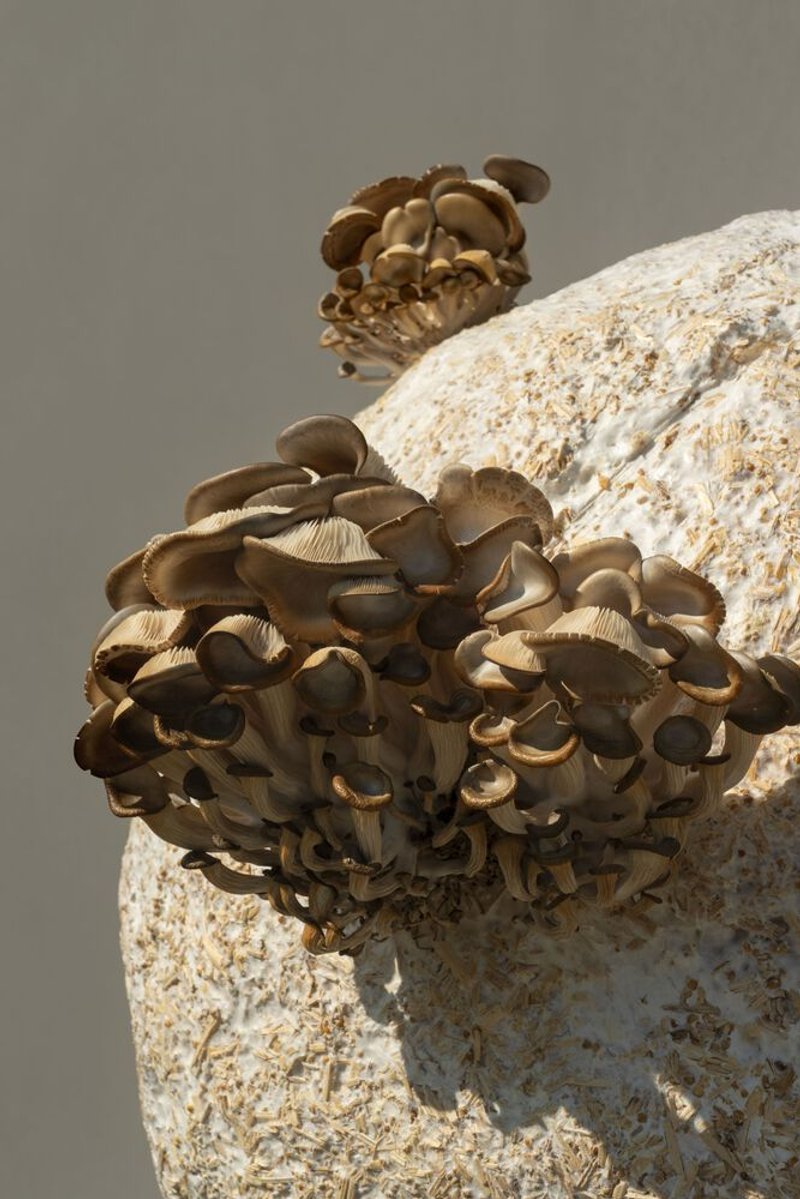
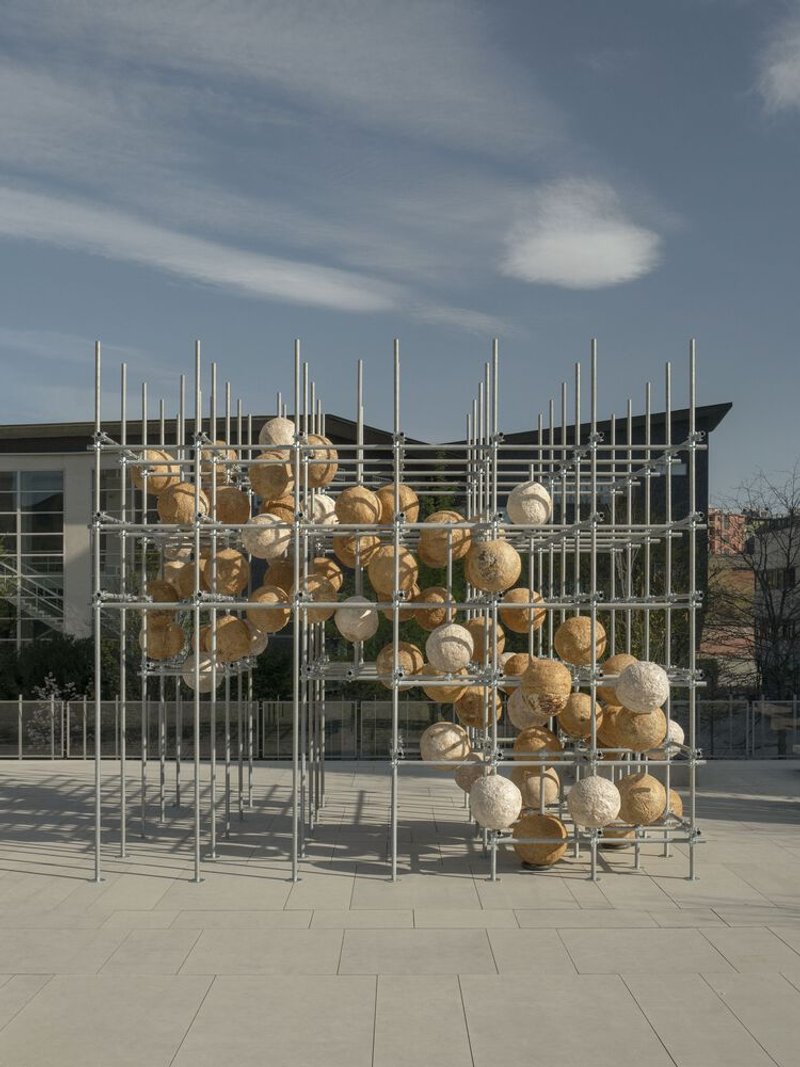
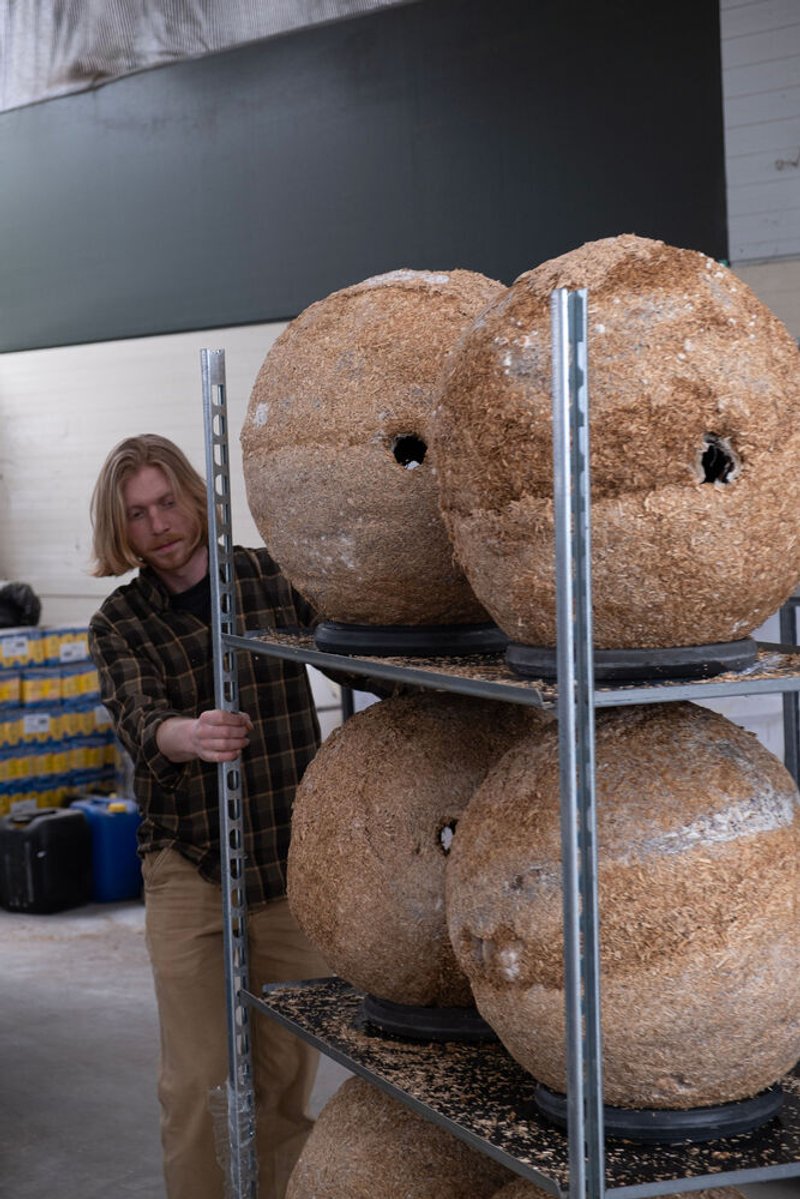
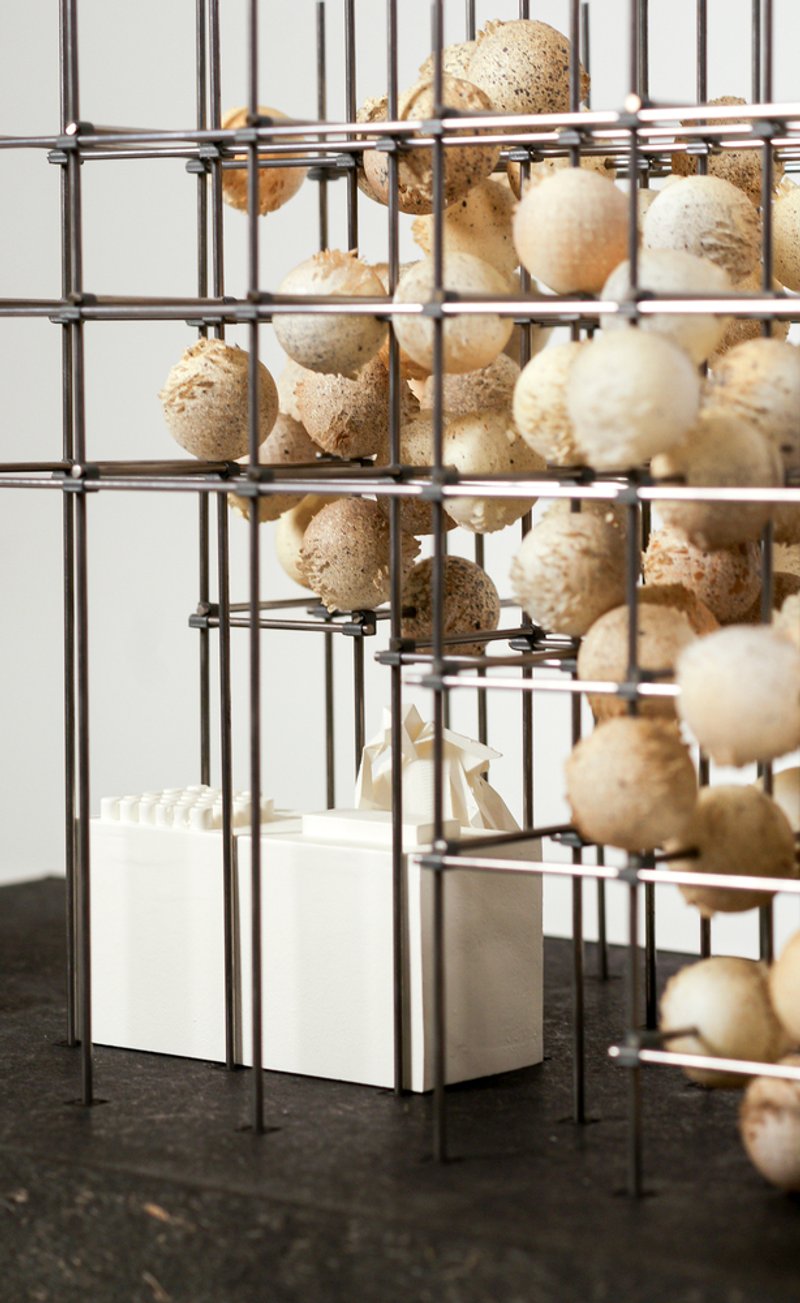
The pavilion is composed of 80 mycelium spheres, each formed within wooden molds and grown from two distinct fungi strains—Pleurotus Eryngii and Pleurotus Ostreatus. These living materials were cultivated using a carefully curated blend of hemp, flour, sugar, and beer dregs, allowing nature itself to shape the final textures and forms. Unlike standardized industrial materials like concrete or steel, mycelium does not conform. Its growth is guided by ambient temperature, humidity, and time, resulting in a tactile, unpredictable, and deeply organic architectural language.
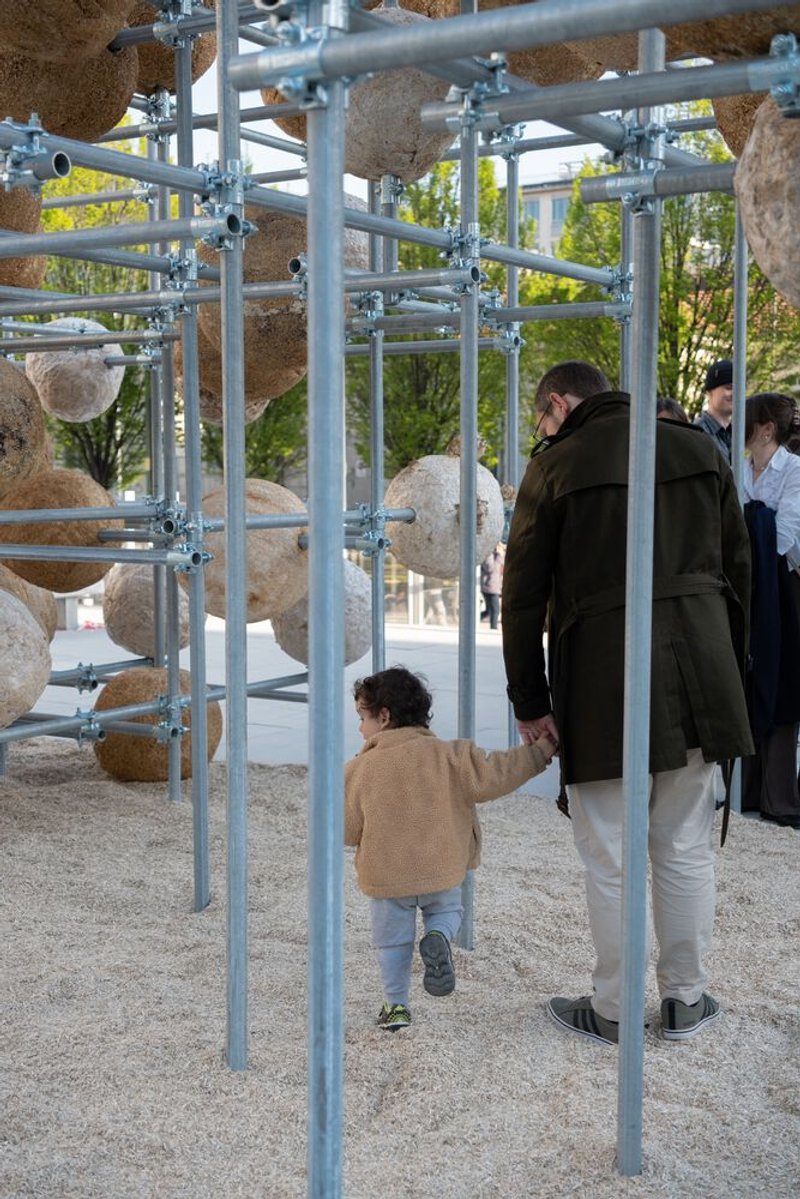
This deliberate embrace of material irregularity challenges the traditional notion of perfection in design. The pavilion’s aesthetic becomes a tribute to the innate variation and character of life—one that recognizes decay not as degradation, but as a continuation of the cycle.
A Living and Dying Structure
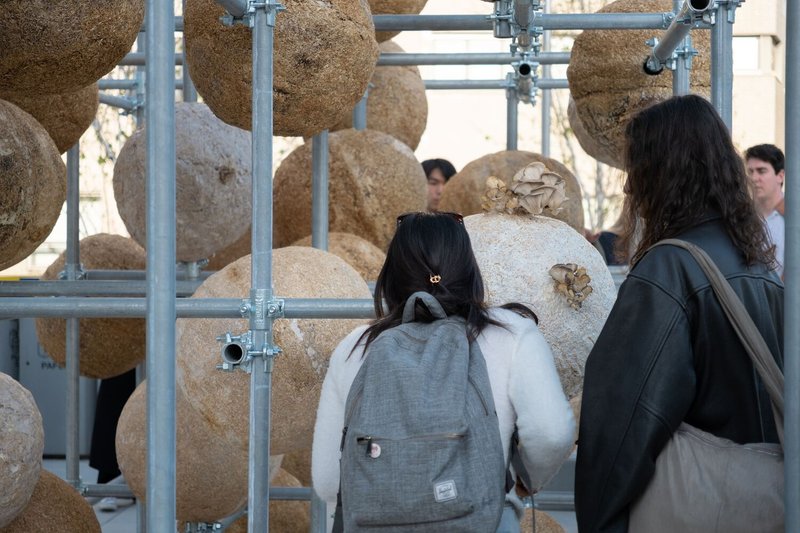
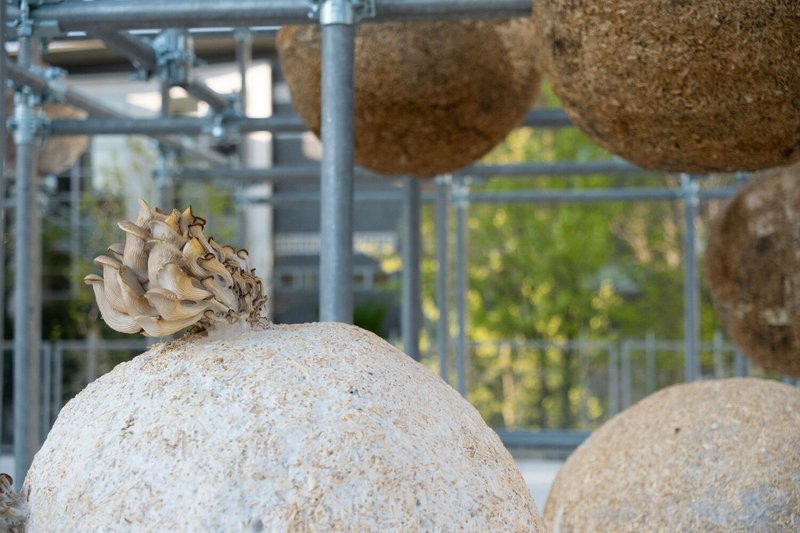
Growing Matter(s) takes the principles of circular design to a radical level. Half of the spheres were dried to maintain their form and ensure structural reliability during the exhibition. The remaining half were left alive, inviting onlookers to witness the mycelium’s ongoing transformation in real time. This temporal architecture highlights the ephemeral nature of living materials and positions them not as inferior alternatives, but as expressive, intelligent components in a broader ecological narrative.
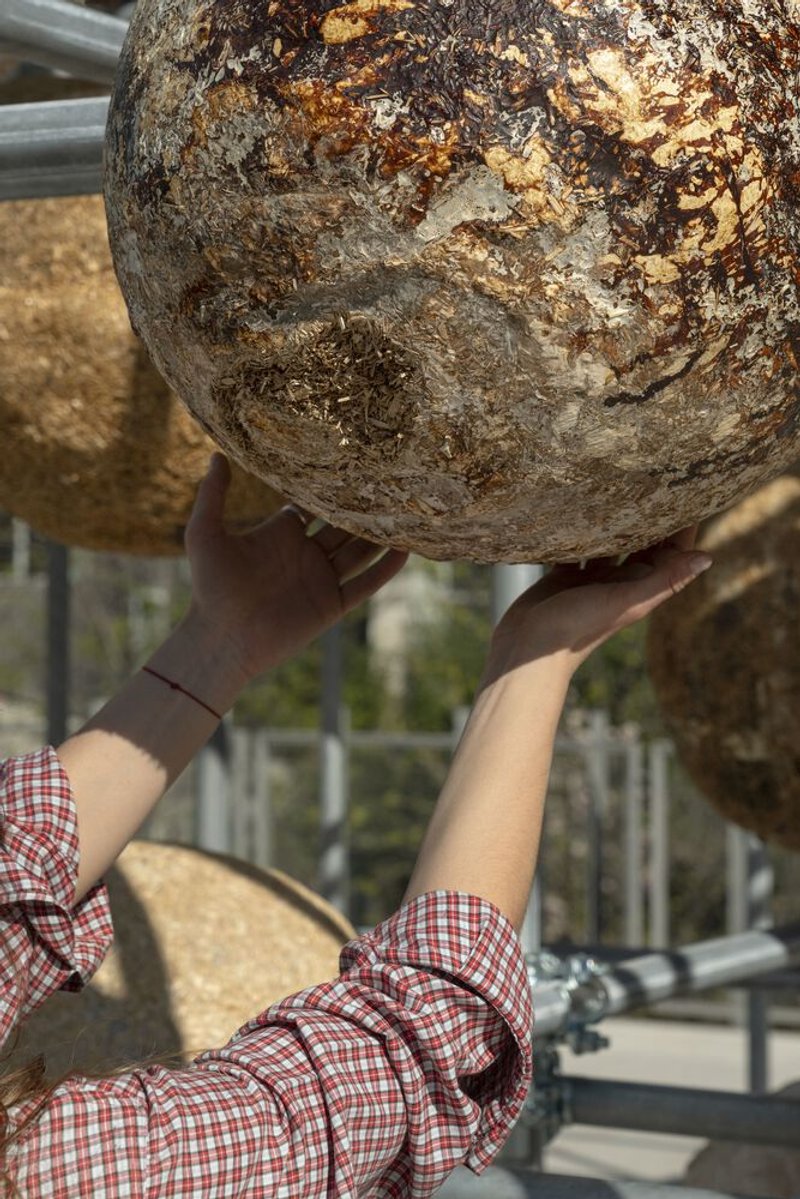
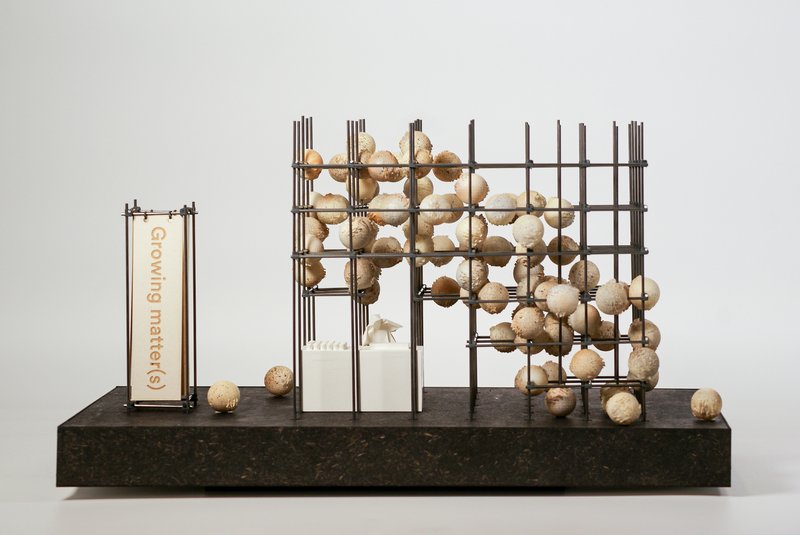
Everything in the pavilion adheres to this ethos. The scaffolding system—engineered by Di Falco—is completely borrowed, modular, and designed for disassembly and reuse. This ensures the pavilion leaves no waste behind, embodying a regenerative lifecycle that responds to environmental urgency.
Pioneering a New Aesthetic in Bio-Based Architecture
Growing Matter(s) is not Henning Larsen's first foray into bio-based construction, but it is their most radical to date. Building on earlier experiments, such as the Feldballe School extension in Denmark (made from seagrass, straw, and wood), and the timber-built World of Volvo in Gothenburg, this installation consolidates the firm’s dedication to sustainability, circularity, and material innovation.
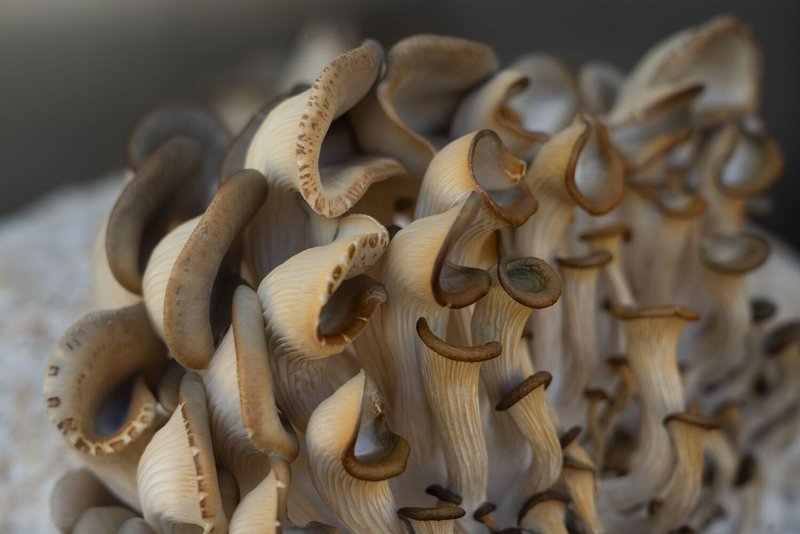
Here, however, the studio pushes boundaries by allowing decomposition and growth to become central design features. The mycelium pavilion architecture presents an aesthetic vocabulary defined by living textures, soft geometries, and natural inconsistencies. It is architecture in flux—a poetic reminder that buildings can grow, age, and return to the earth without harm.
A Model for Future Construction
With only 259 square feet, the Growing Matter(s) Pavilion is a small-scale structure with vast implications. It models an architectural philosophy where construction is no longer extractive but symbiotic. Where form follows function, and function follows life. This pavilion is not only a demonstration of material potential but a manifesto for the future of ecological design.
Through the careful intersection of science, craftsmanship, and sustainable ethos, Henning Larsen Architects offers more than a pavilion—they present a paradigm shift. The Growing Matter(s) Pavilion stands as a compelling vision of how architecture can thrive through collaboration with the biological world.
All Photographs are works of Zoey Kroening, Piercarlo Quecchia, DSL Studio, Studio Laura Elise