In’Cube Danone Research & Innovation Center by Arte Charpentier: A Beacon of Sustainable Innovation in Food Research
Sustainable research center blending innovation, transparency, and biophilic design to foster food-tech collaboration on Paris-Saclay’s scientific campus.


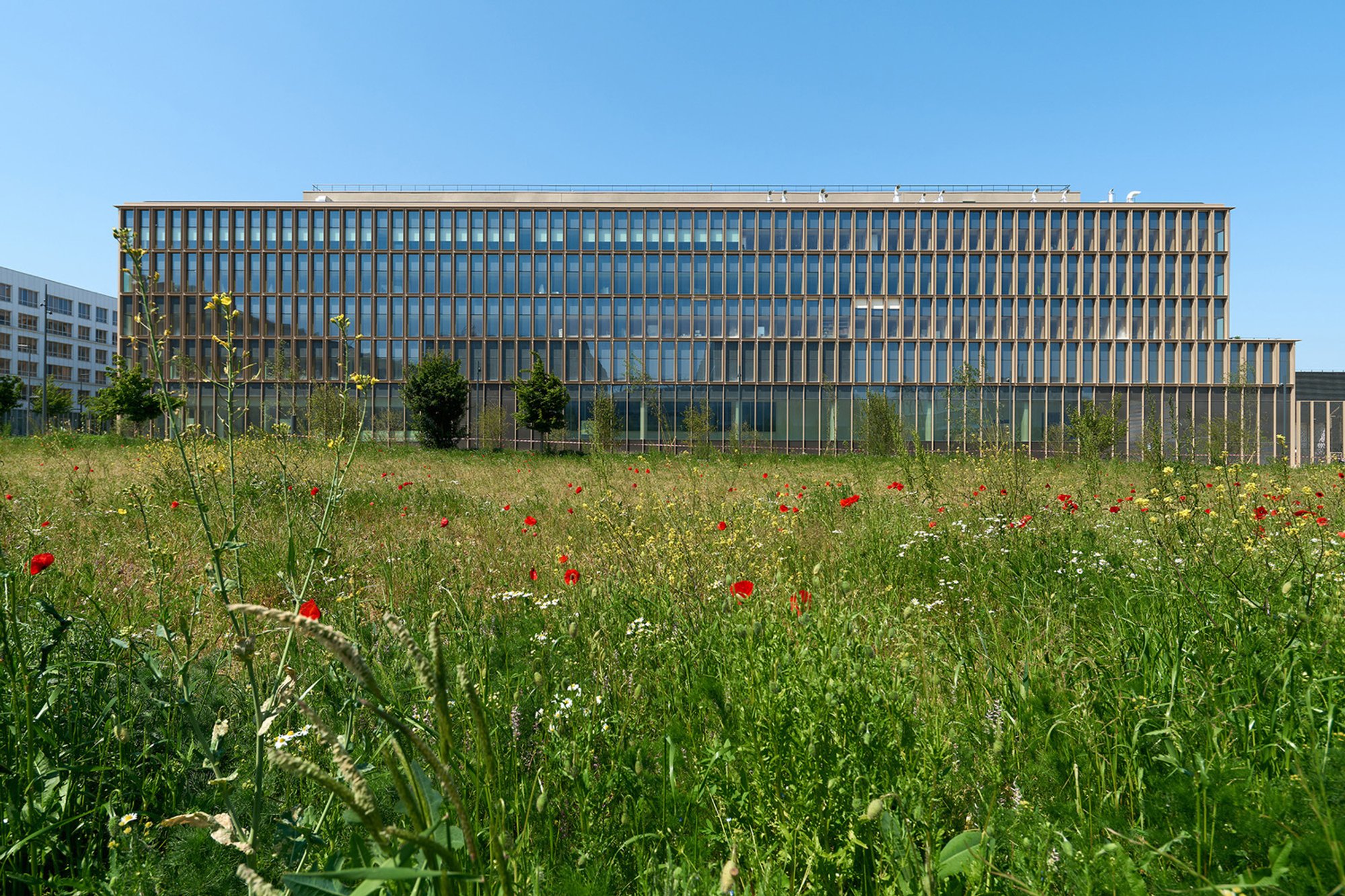
Located in the heart of the internationally acclaimed Plateau de Saclay, the In’Cube Danone Research & Innovation Center, designed by Arte Charpentier, exemplifies a bold new vision for research architecture—where sustainability, innovation, and wellbeing converge. Completed in 2022 and spanning 21,500 square meters, this landmark facility serves as a catalyst for Danone’s mission to transform the future of food through cutting-edge research, collaboration, and eco-conscious design.
A Living Laboratory for Food Innovation
As the global food industry evolves, In’Cube rises to meet the challenge—housing over 600 researchers, scientists, designers, and technologists. The center is dedicated to life sciences, nutrition, consumer experience, product design, and pilot testing. With a clear focus on fostering interdisciplinary synergy, the architecture supports Danone’s mission to lead the food revolution and strengthen ties with food-tech startups, universities, and consumers.
Sustainable Design for a Better Future
Certified as a low-carbon building, In’Cube is a prime example of eco-responsible architecture. Arte Charpentier's design integrates sustainable materials, hybrid structures, circular economy principles, and adaptive reuse strategies. The entire architectural language reflects a commitment to environmental stewardship and regulatory innovation, reinforcing Danone’s global leadership in sustainable food innovation.
Human-Centric Architecture and Spatial Transparency
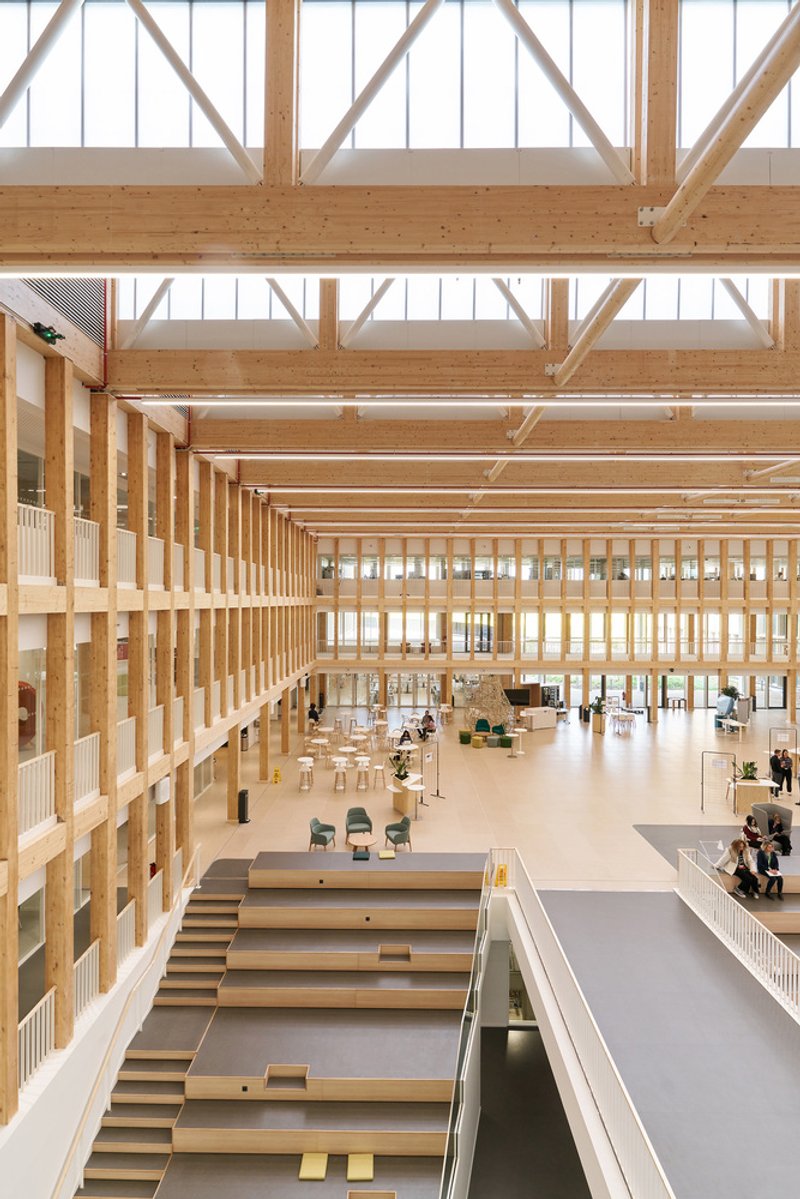
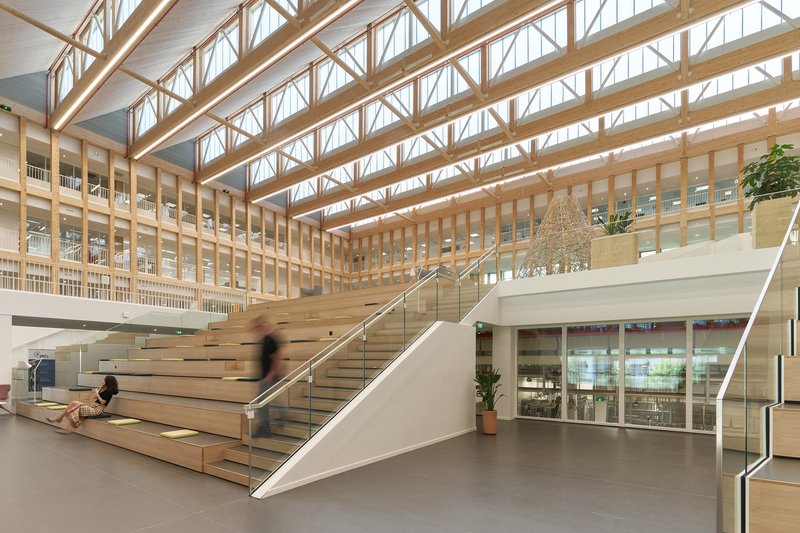
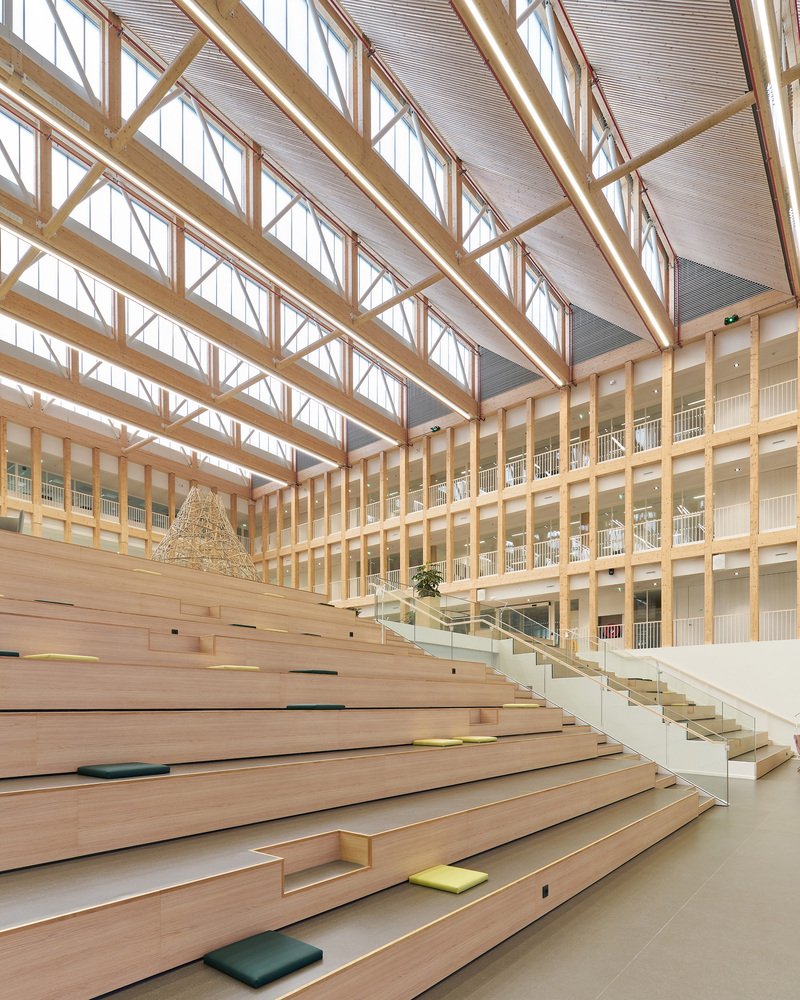
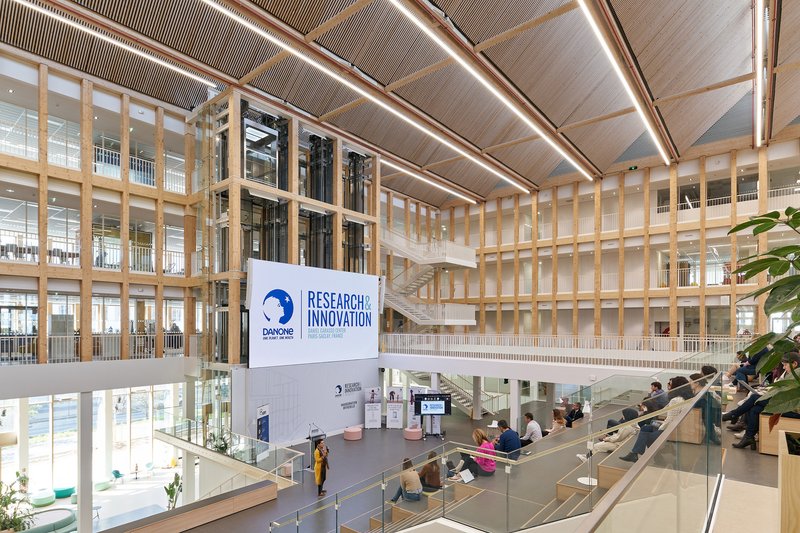
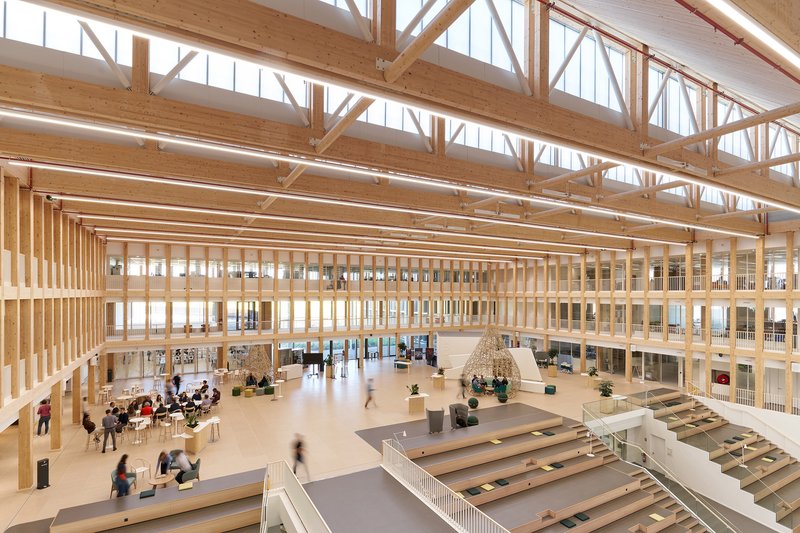
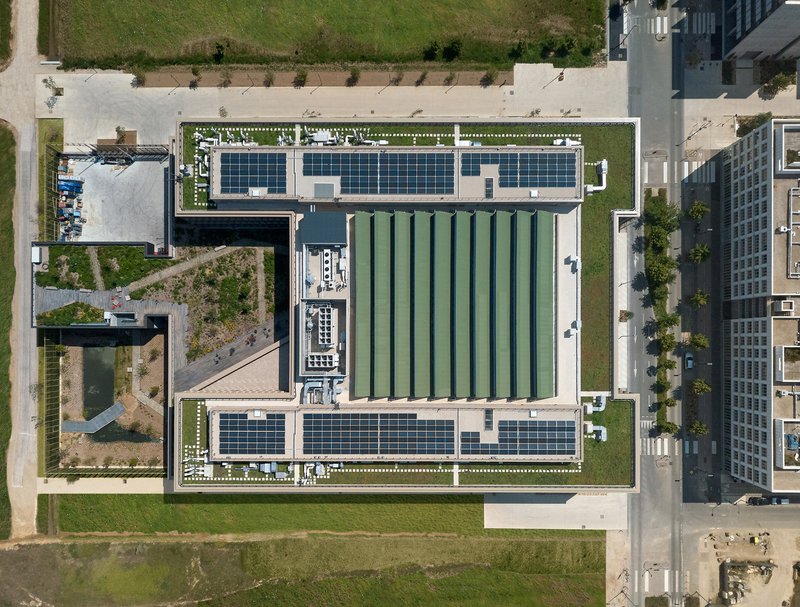
Standing 24 meters tall and occupying a 90x75m rectangular footprint, the building adopts a distinctive U-shaped layout around a luminous central plaza. This “village square” concept fosters spontaneous interaction, community engagement, and vertical circulation. Above it, a shed roof with zenithal lighting bathes the interior in natural light, while the extensive use of wood introduces warmth and a biophilic connection.
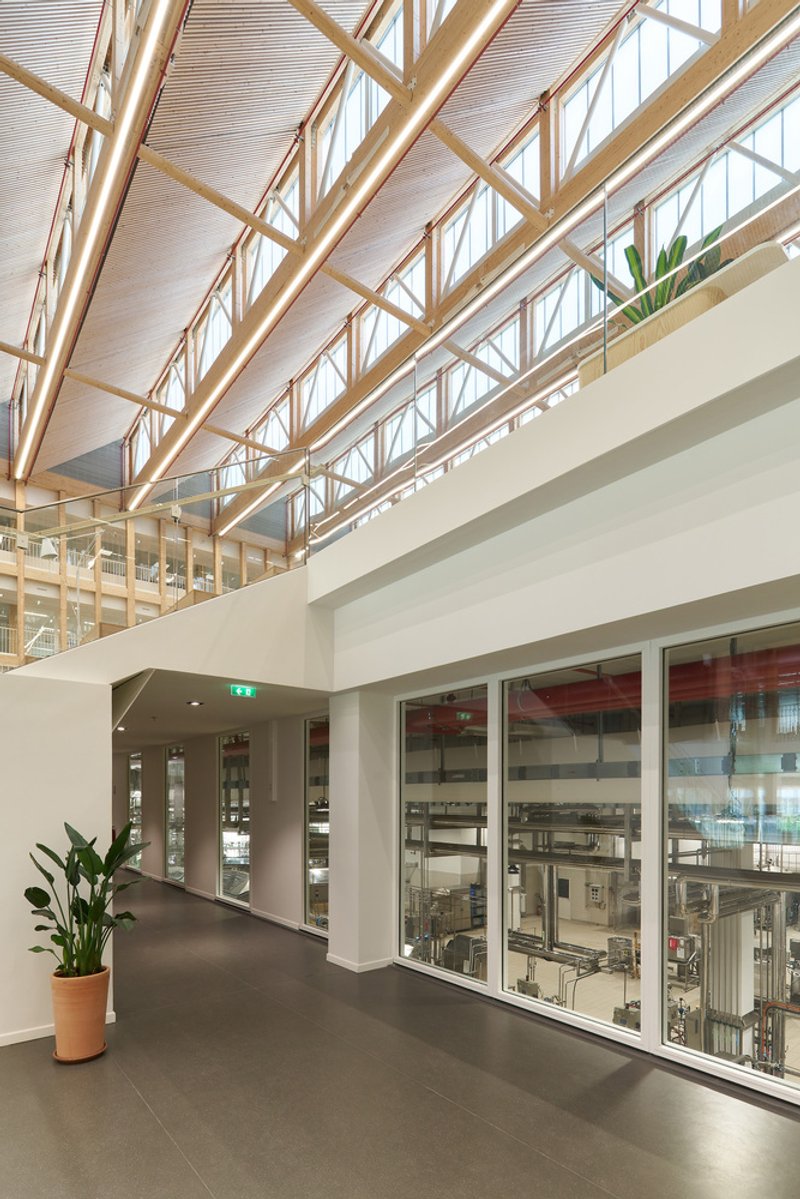
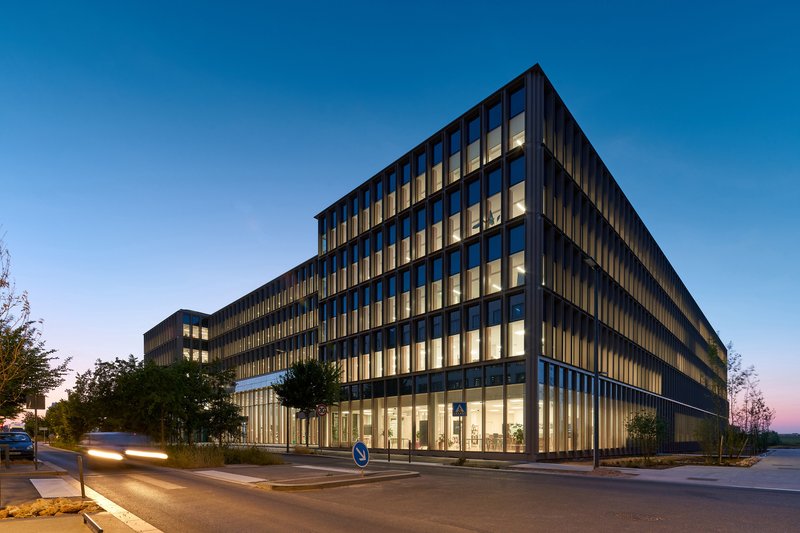
The transparent façade opens the research process to public view—an architectural gesture that symbolizes openness and innovation. Visitors and collaborators can observe micro-factory operations, R&D activities, and pilot productions, reinforcing the idea of an open innovation ecosystem.
Landscape Integration and Water Management
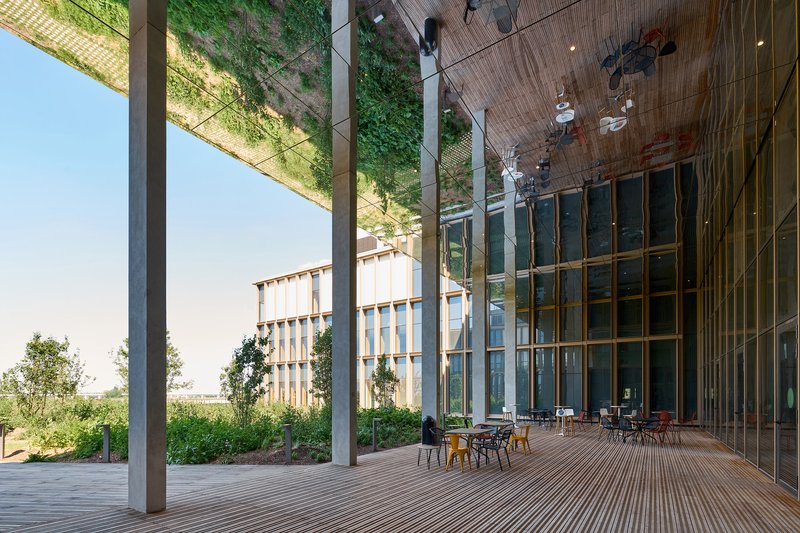
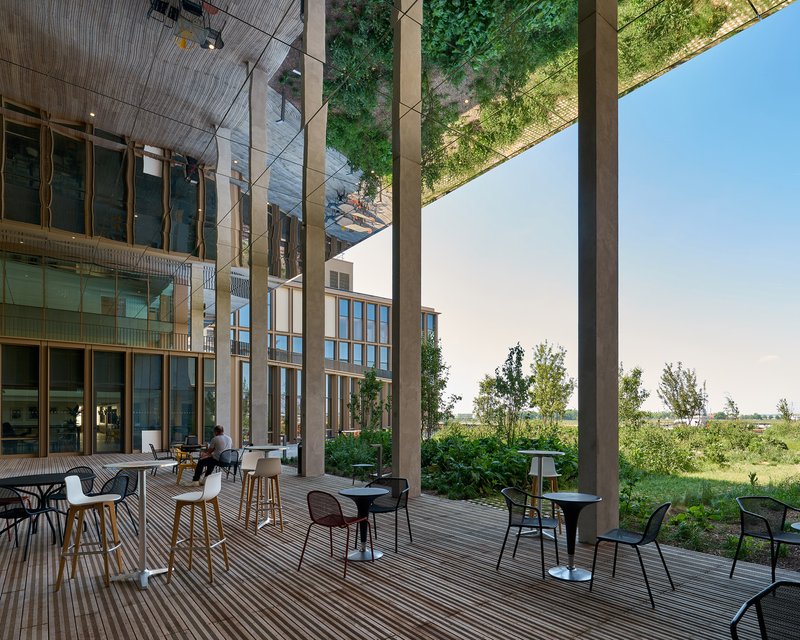
Nestled within the natural context of the Paris-Saclay campus, In’Cube integrates landscape as an essential component of its identity. A thoughtfully designed network of green spaces, garden terraces, and rain gardens reflects the site’s historic hydraulic legacy. Rainwater is channeled from roof to ground and sustainably managed through open-ground systems before being directed into the district’s drainage infrastructure—underscoring the project's commitment to resilient urban hydrology.
A Model for Future Innovation Campuses
In’Cube is more than a building—it is a collaborative and immersive environment designed to accelerate breakthroughs in health, sustainability, and consumer well-being. By merging advanced architectural design with ecological responsibility and scientific purpose, the Danone Research & Innovation Center sets a new standard for future-ready, sustainable research environments.
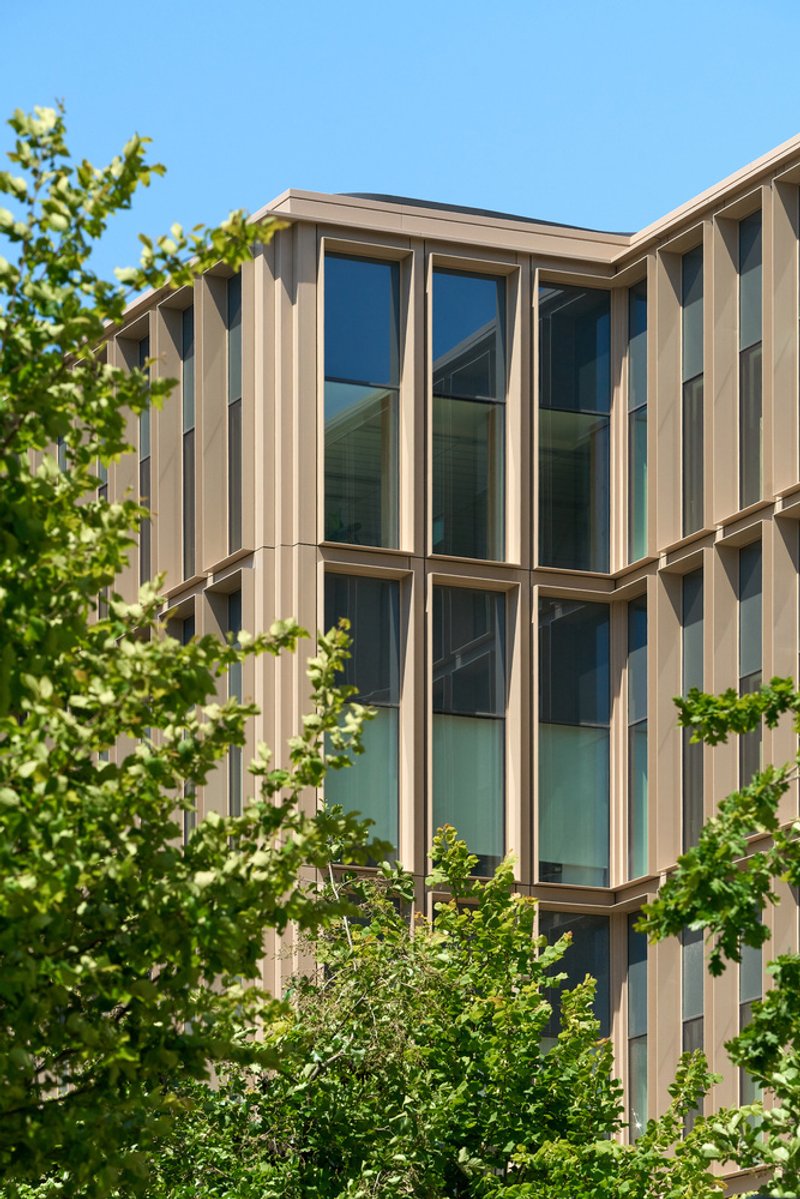
All Photograhs are works of Christophe Valtin