Industrial Building Renovation: Transforming Spaces for Modern Use
The article discusses the sustainable renovation of the Pad(dock) Factory, focusing on insulation, space optimization, and modern architectural solutions.


In recent years, the renovation of industrial buildings has become a trending topic in the field of architecture. The transformation of outdated, uninsulated factories into modern, functional spaces presents both challenges and opportunities. This article delves into the intricate process of industrial building renovation, showcasing a prime example from the Sungsoo district, known for its youthful and trendy atmosphere.
The Need for Renovation in Sungsoo
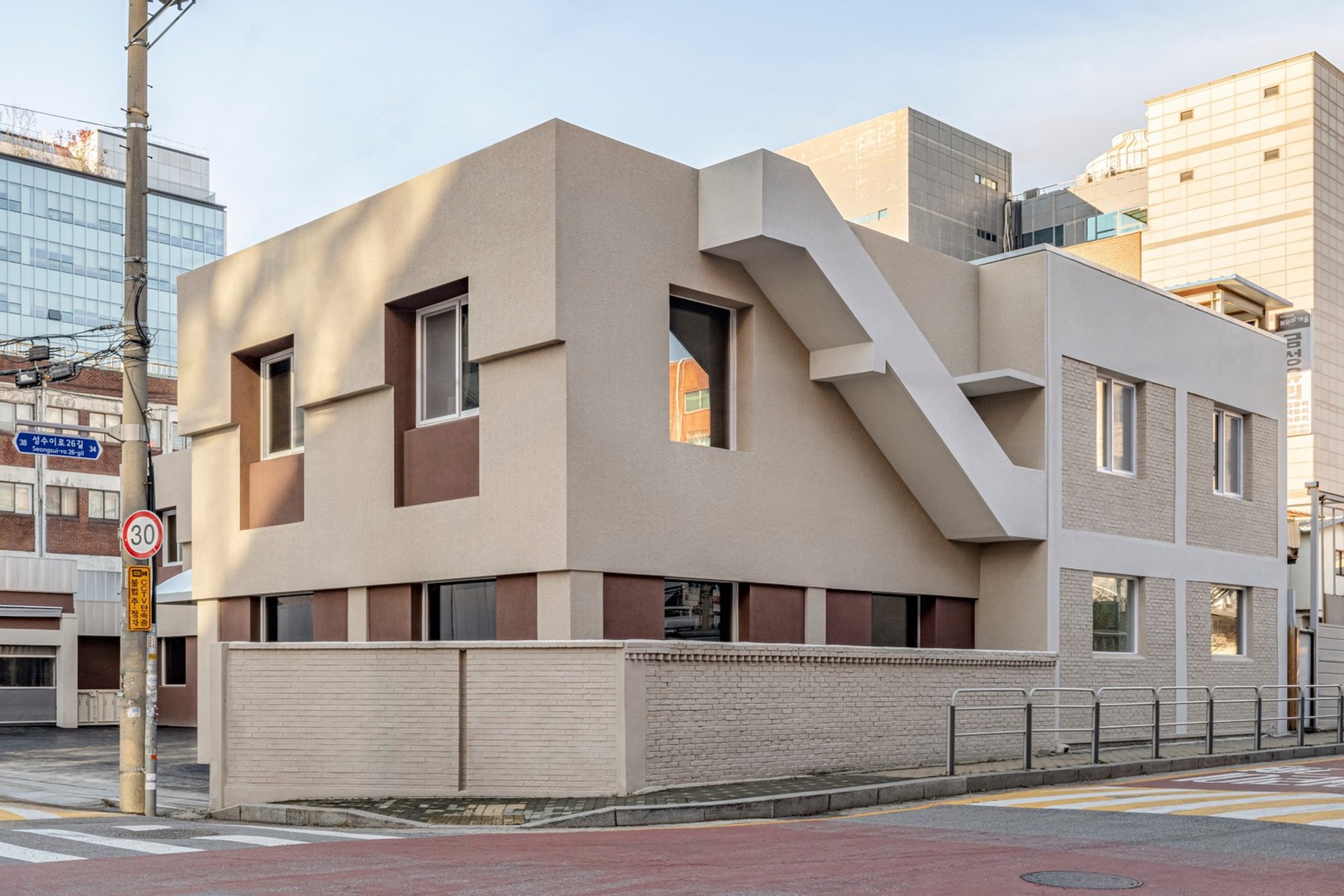
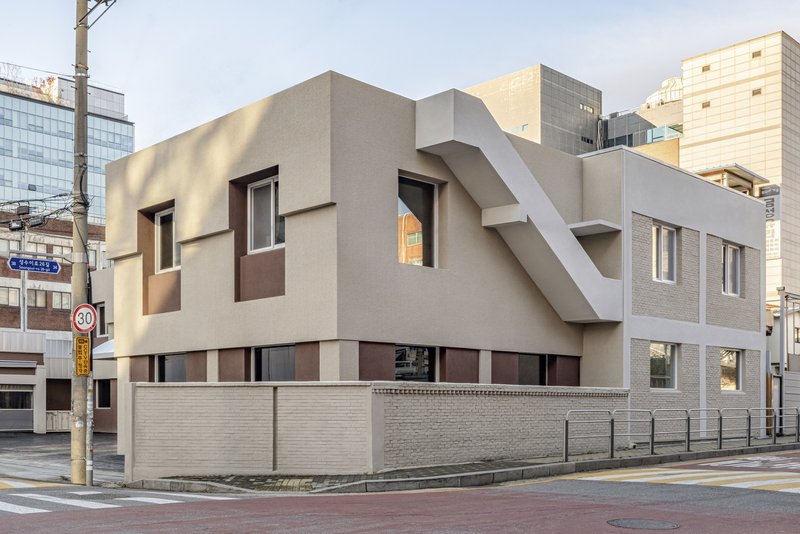
The Sungsoo district's approach to rejuvenating old industrial buildings involves rough concrete finishes and expansive glass storefronts, a style that has revitalized the area both economically and culturally. Yet, beneath this modern facade lies a common issue: poor insulation. The Pad(dock) Factory and Office Renovation project by one-aftr highlights how addressing this fundamental problem can lead to significant improvements in building functionality and sustainability.
Challenges and Solutions in Renovating Industrial Buildings
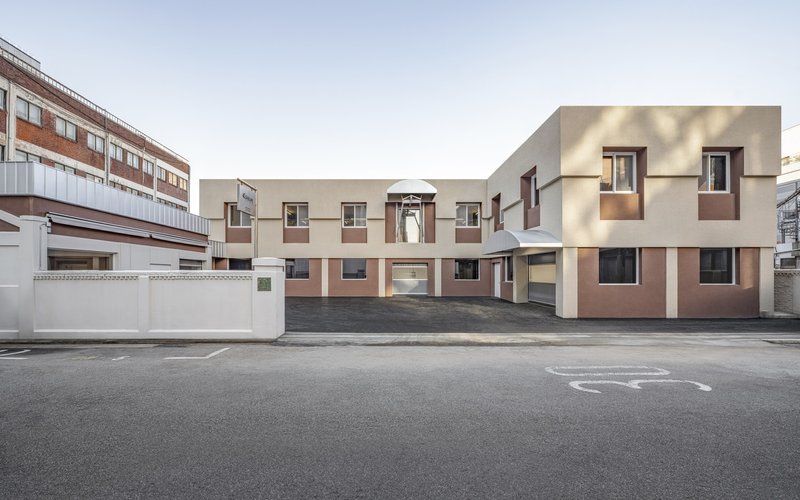
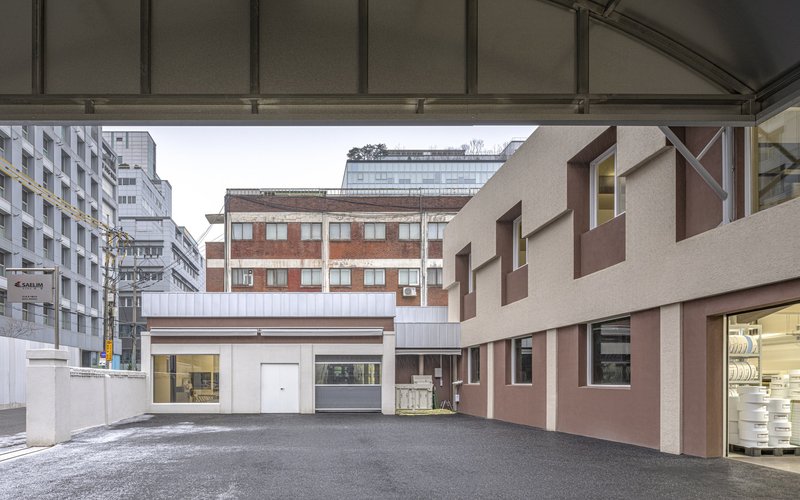
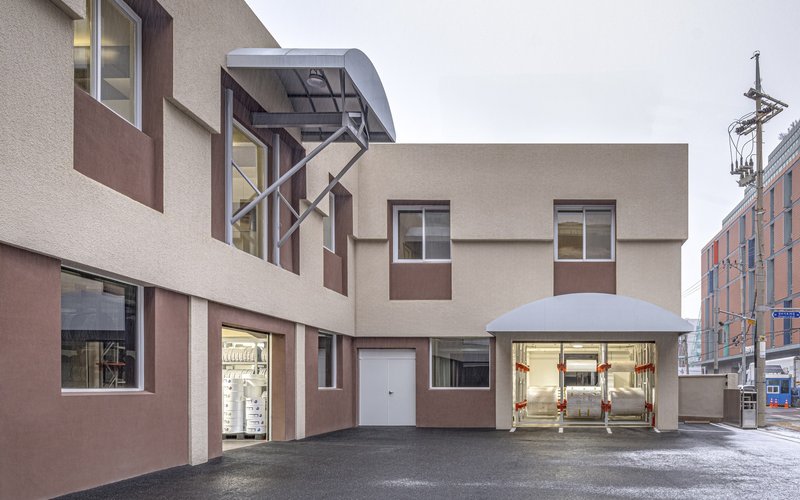
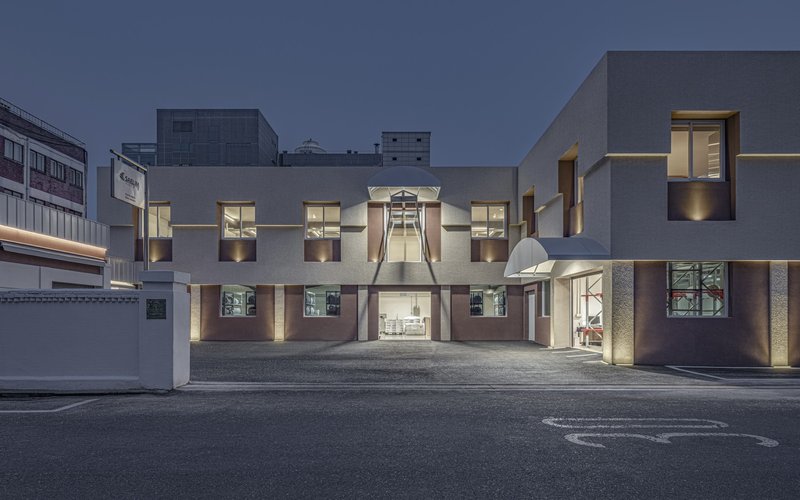
The primary challenge in renovating industrial buildings like the one in Sungsoo is improving insulation without compromising the structure's industrial character. The project in focus involved a two-story, L-shaped concrete structure with brick cladding, typical of many industrial buildings in the area. The renovation process entailed reconfiguring the layout to optimize logistical flow and applying tailored insulation techniques to meet the thermal needs of different areas.
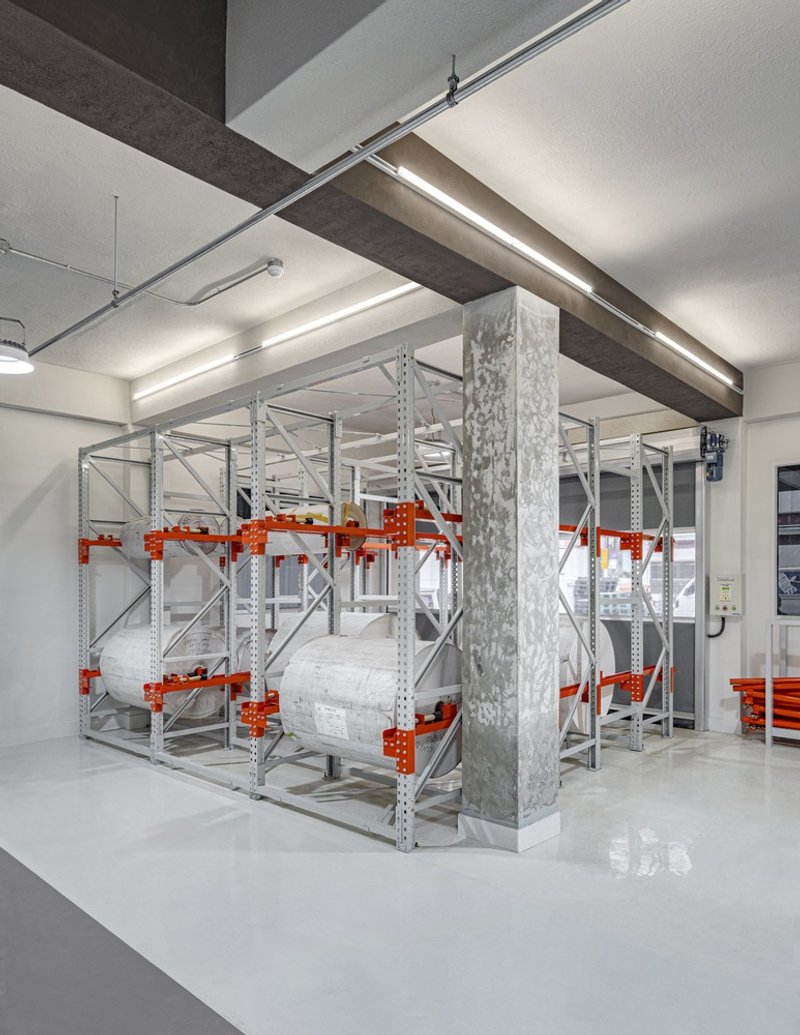
Ground Floor Transformation
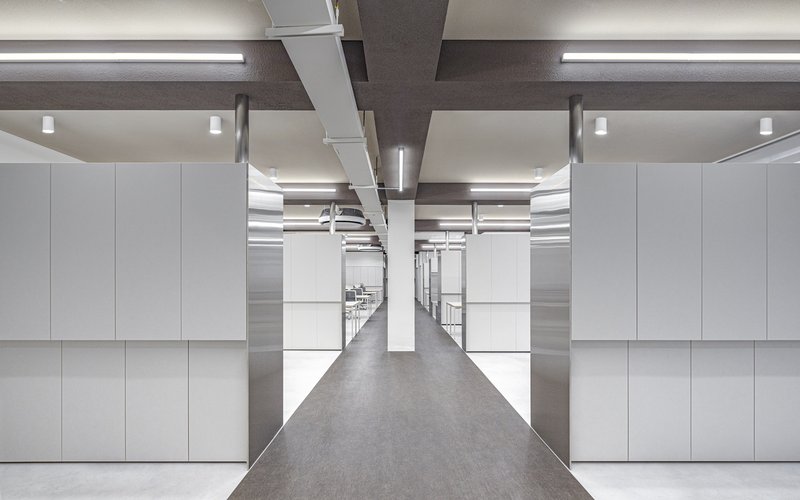
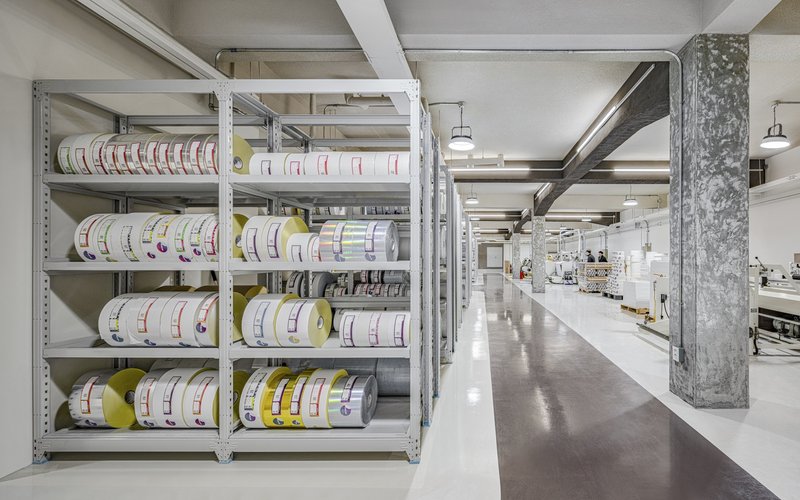
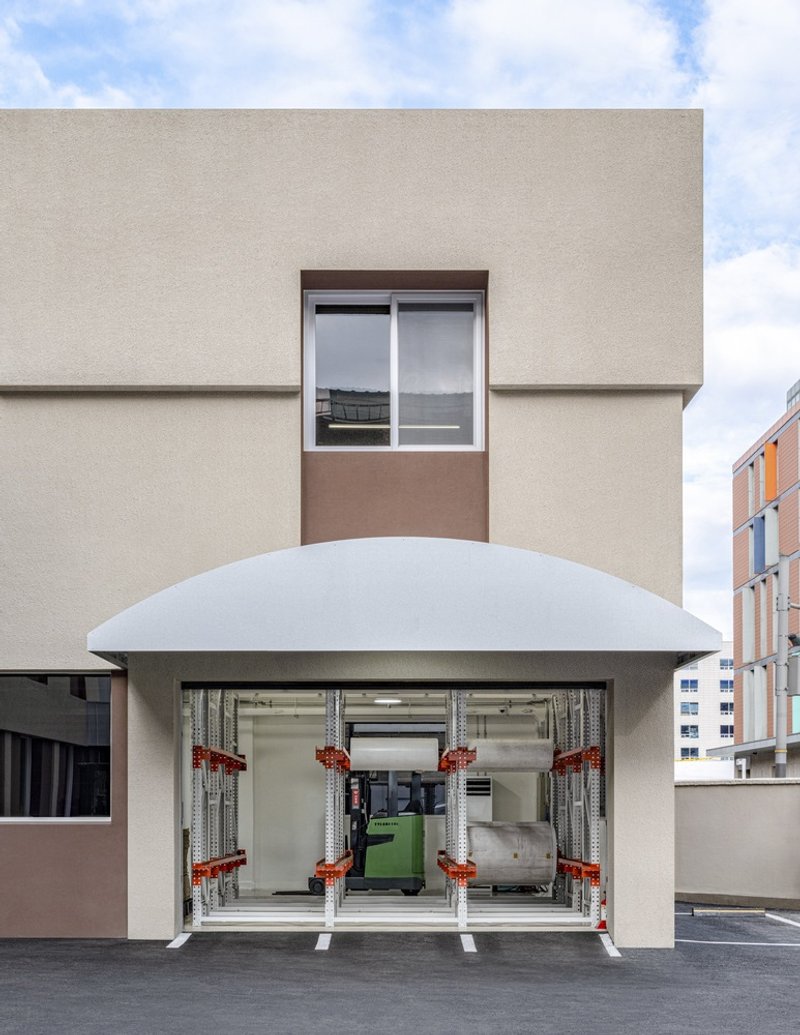
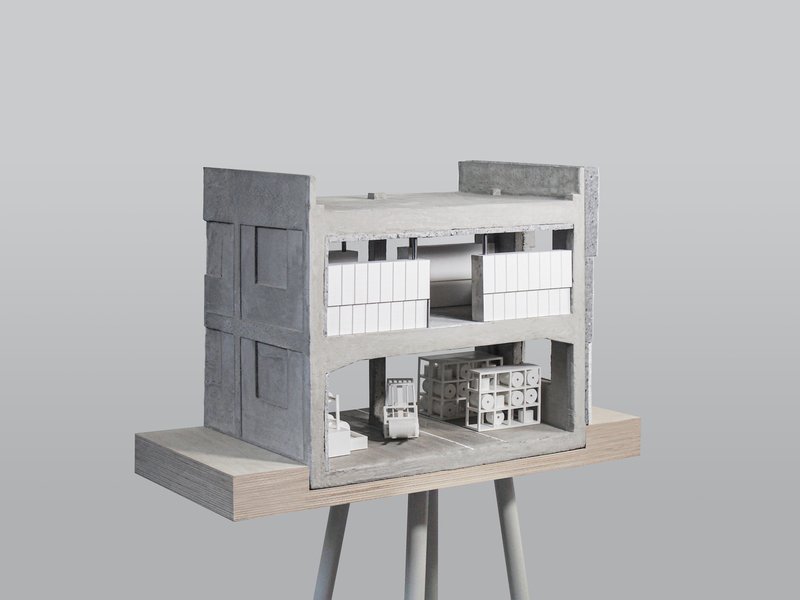
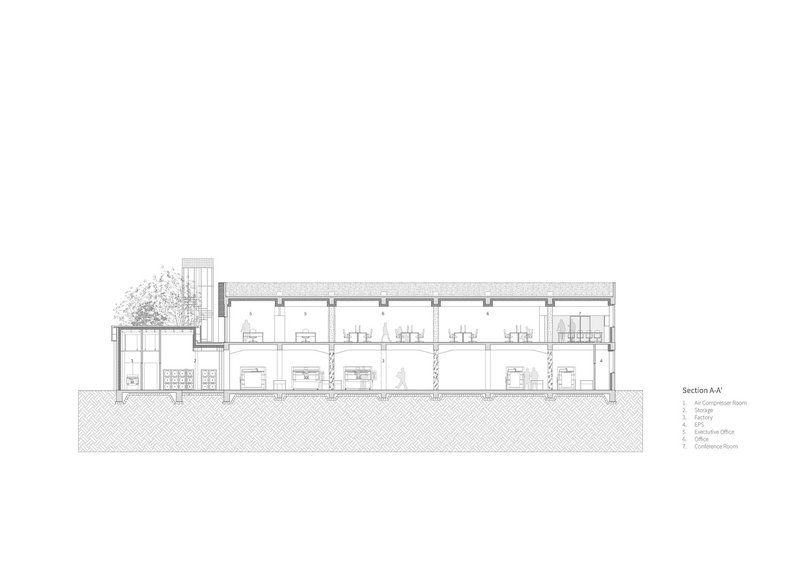
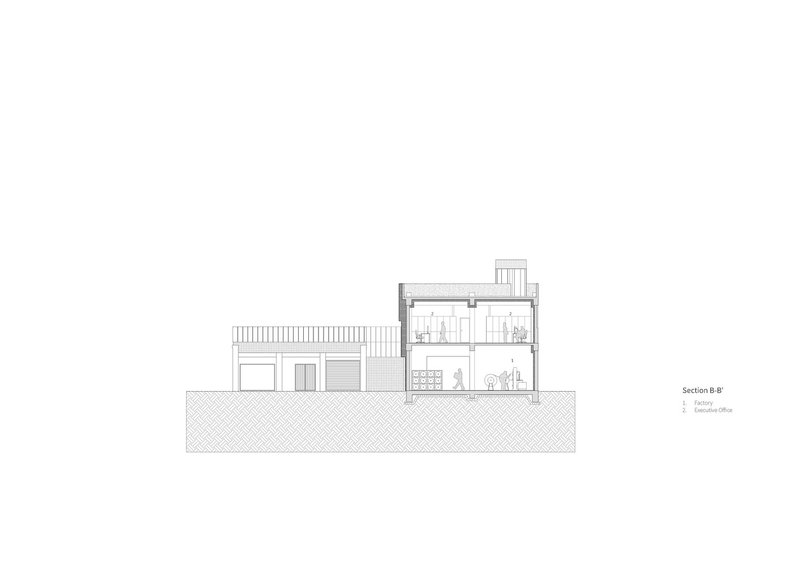
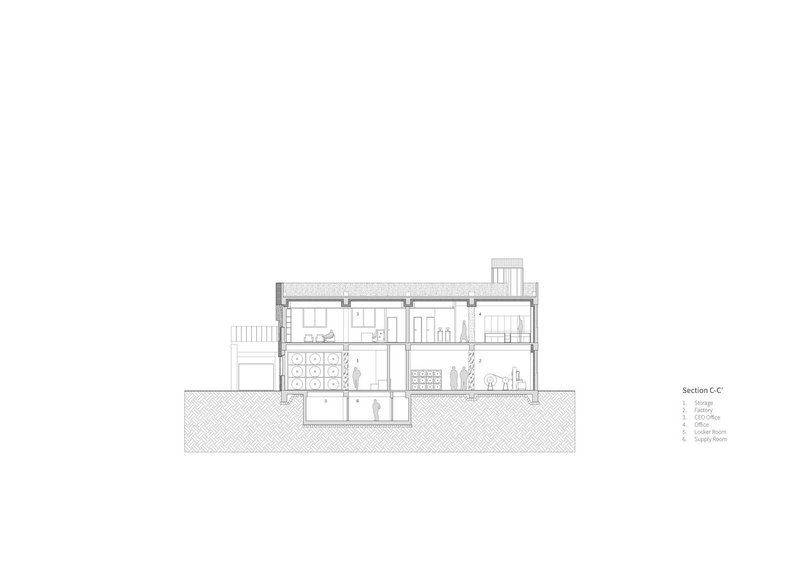
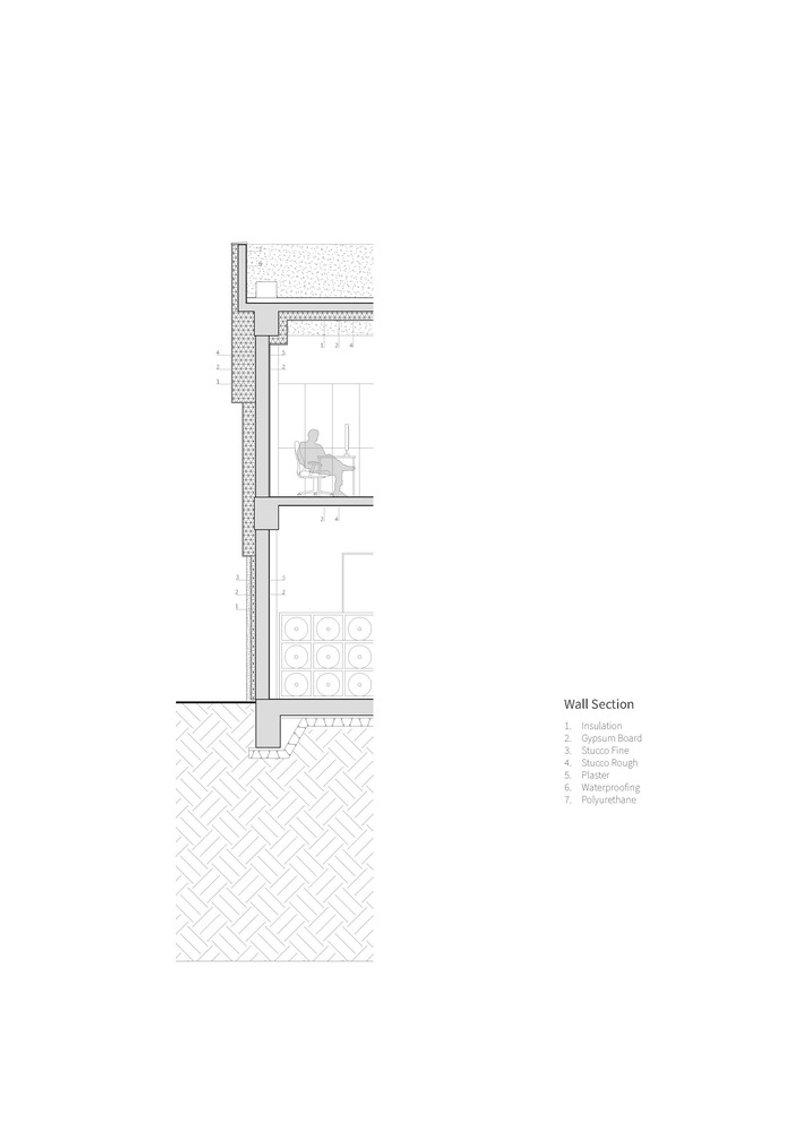
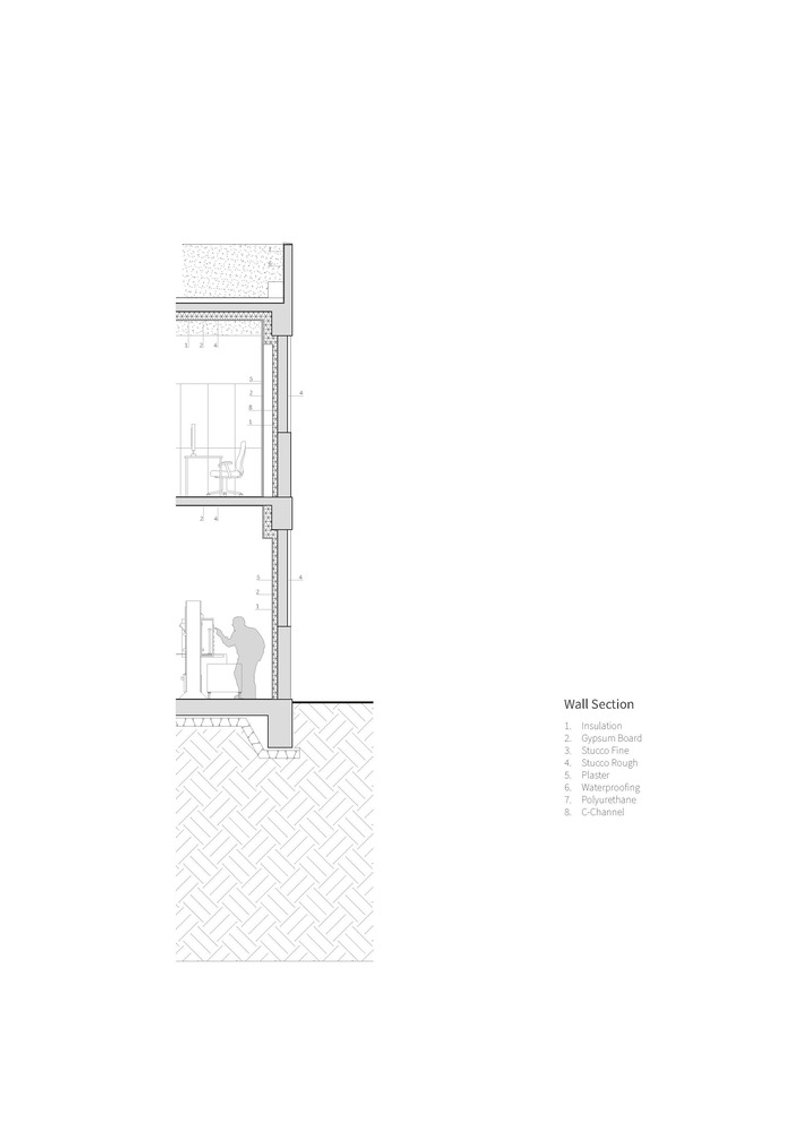
The renovation strategy involved consolidating all production and storage areas on the ground floor. This reconfiguration streamlined the entire production process, from arrival and processing to storage and distribution. Insulation on this level was minimized due to the radiant heat produced by the machinery, showcasing an innovative approach to energy efficiency.
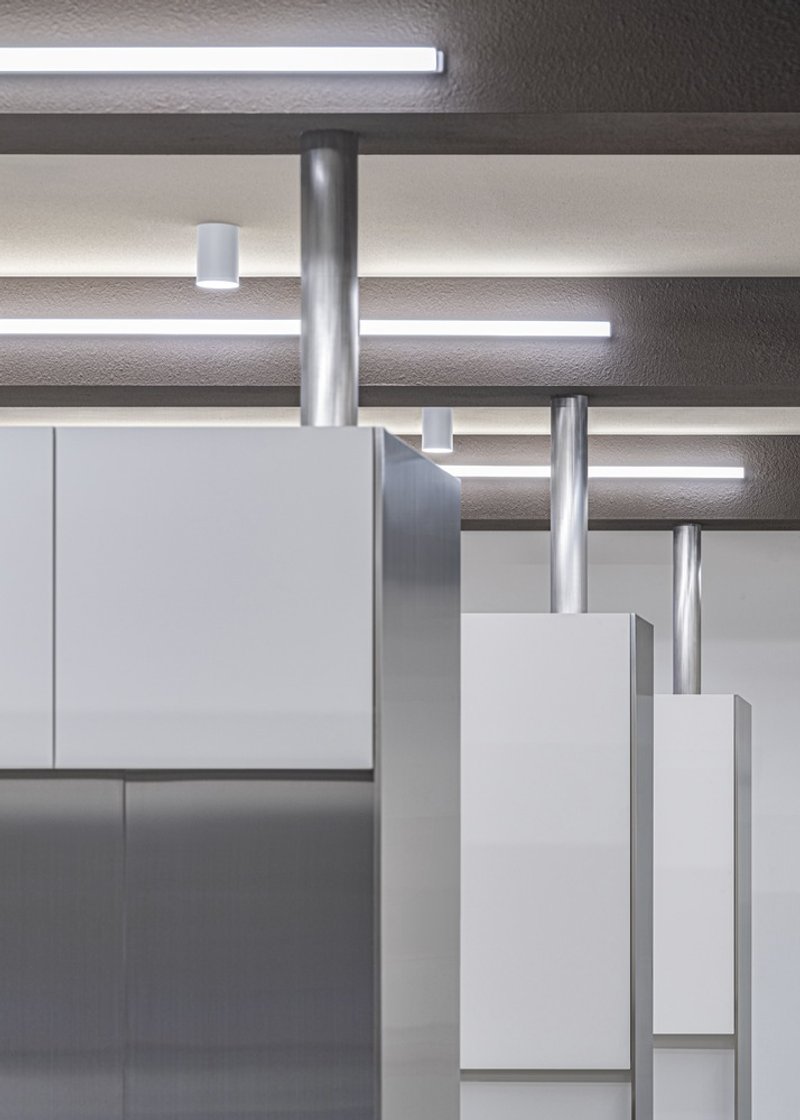
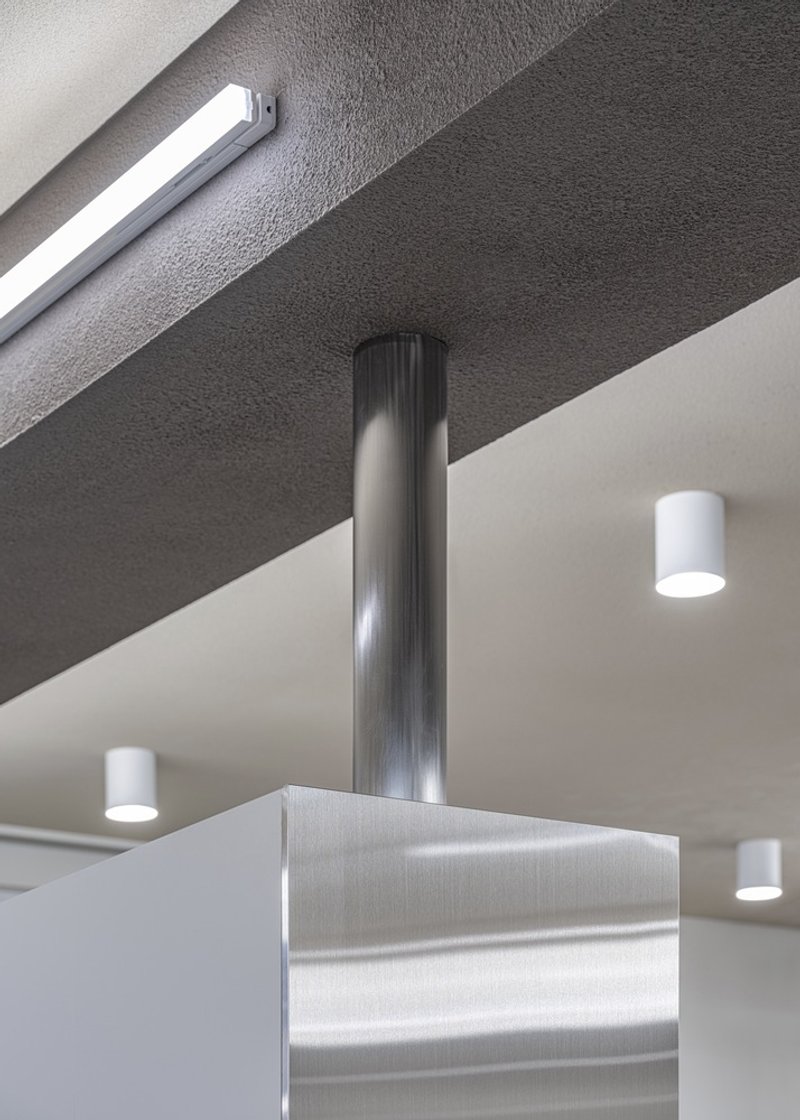
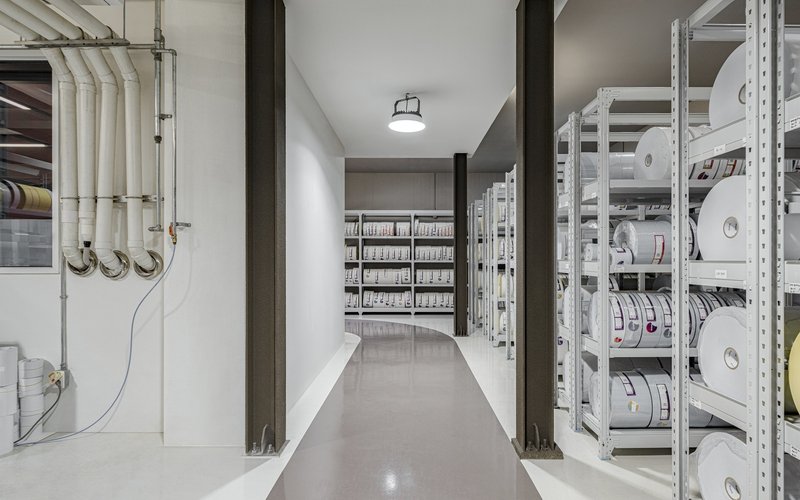
Second Floor Centralization
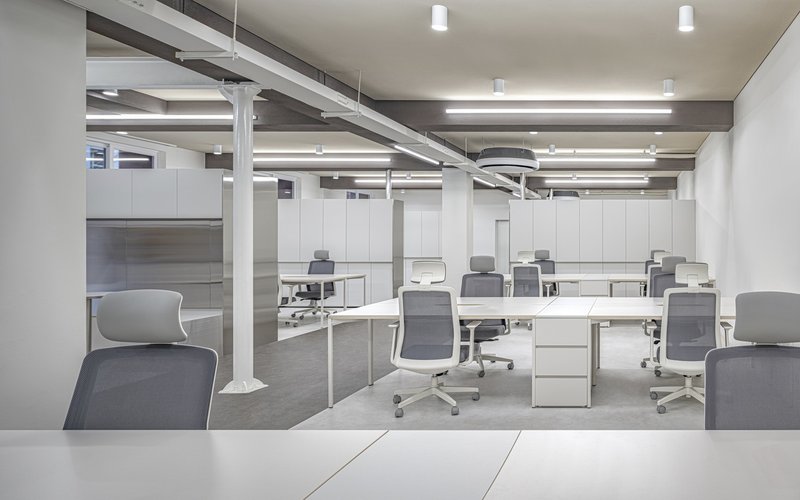
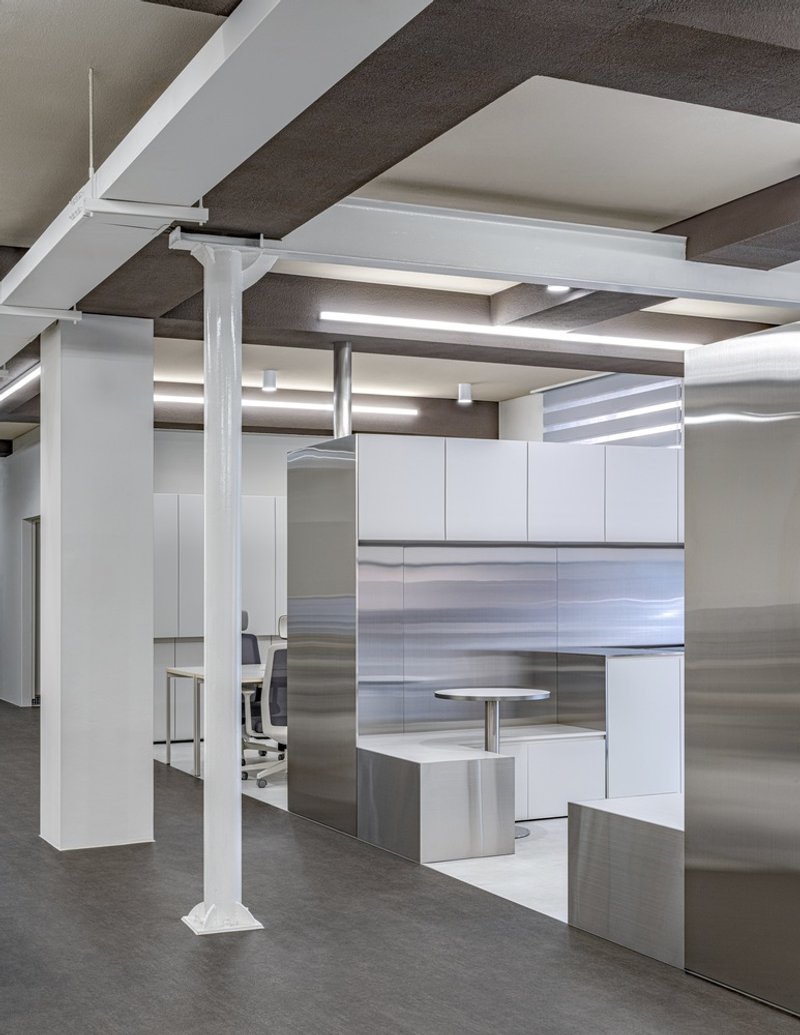
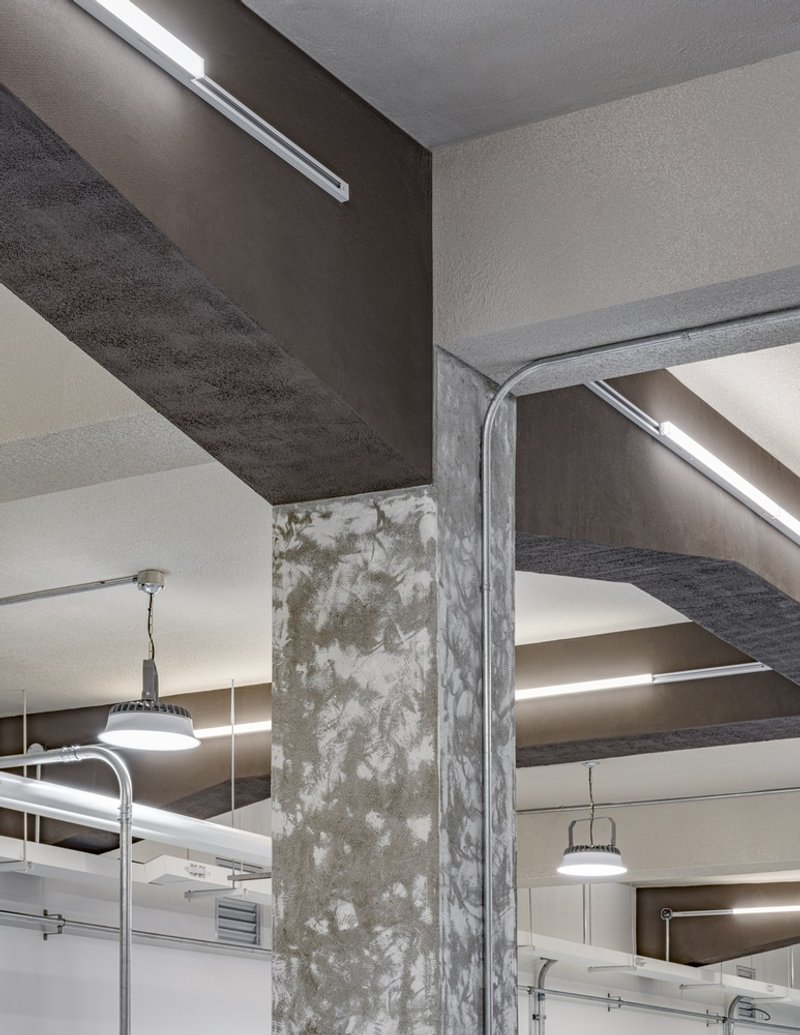
The office space, initially spread across two levels, was centralized on the second floor. This area received thicker insulation to compensate for the lack of internal heat sources, highlighting the project's tailored approach to insulation and thermal comfort.
The Importance of Insulation in Renovation Projects
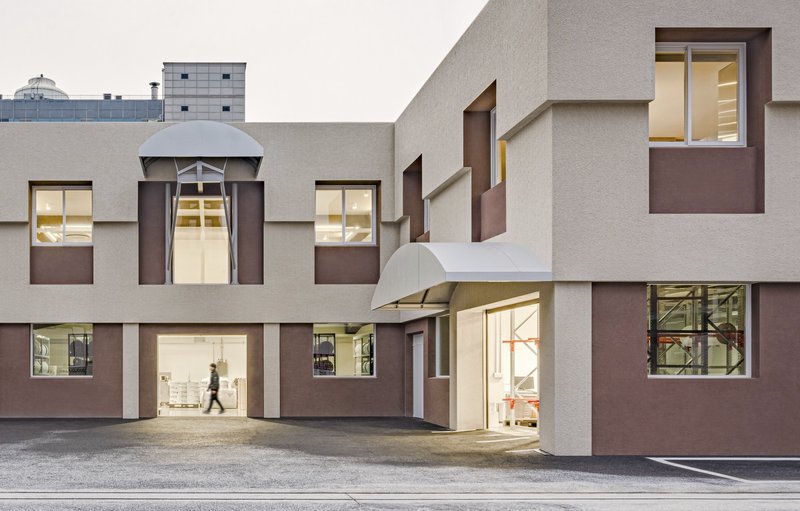
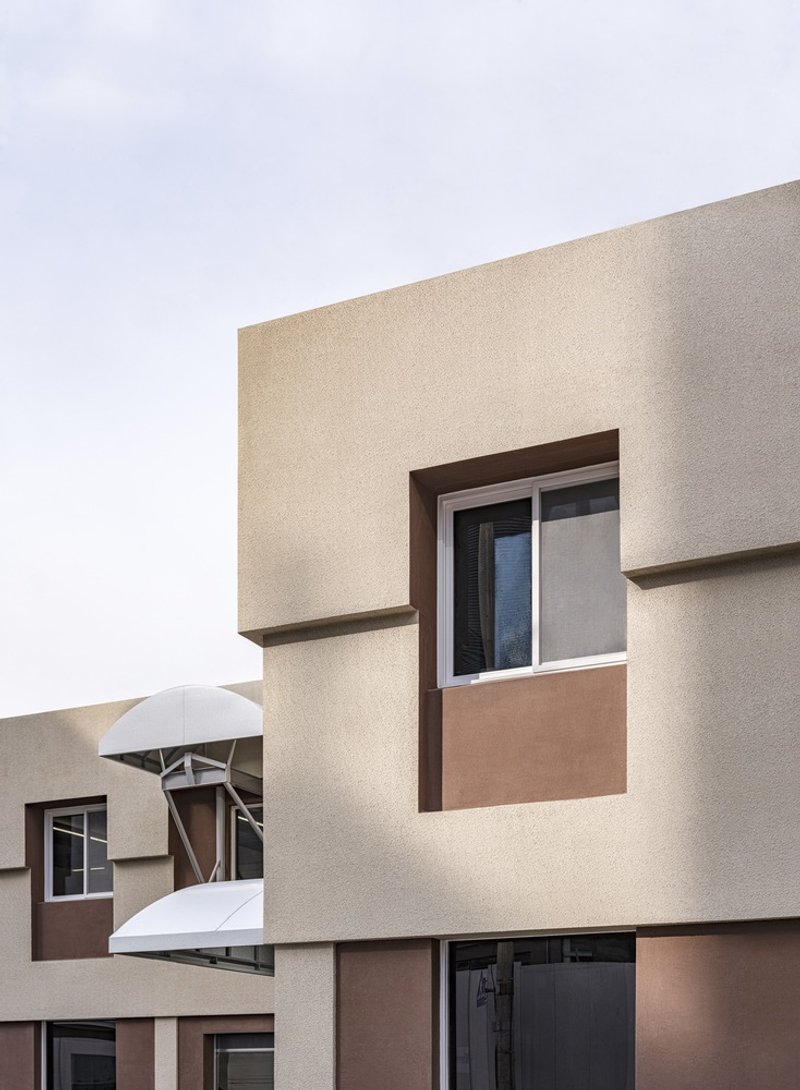
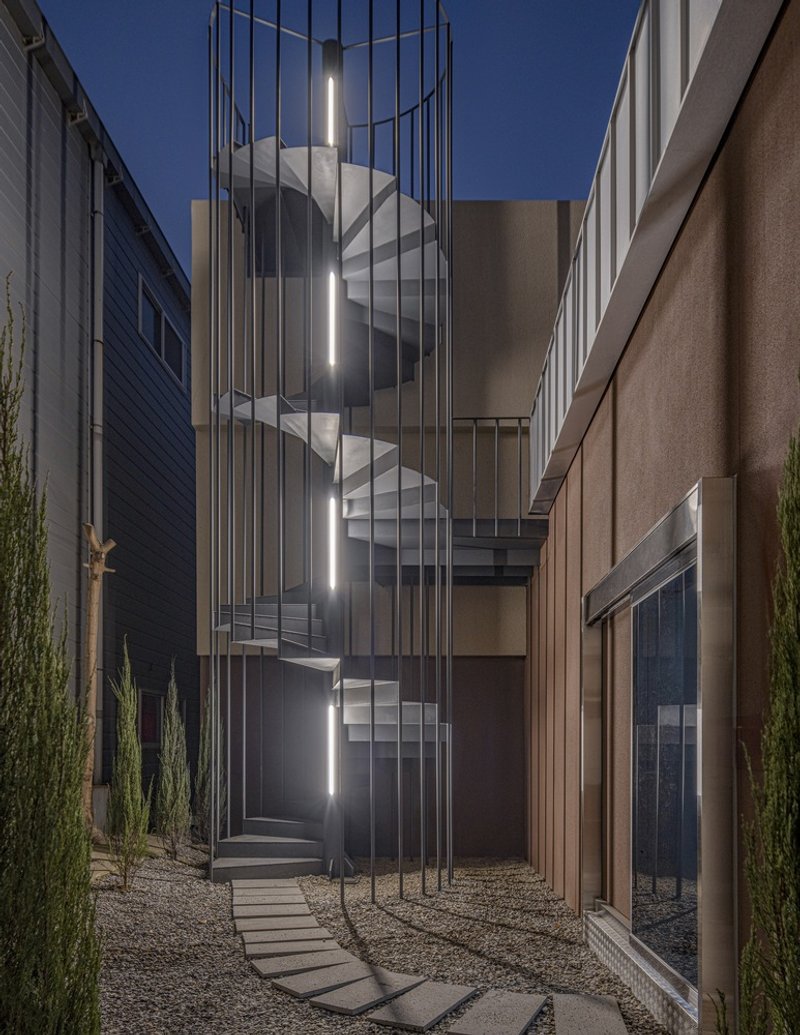
The Pad(dock) Factory renovation demonstrates the critical role of insulation in transforming old industrial buildings into comfortable and energy-efficient spaces. By adopting a strategic design approach, the project achieved a distinctive vertical crenulation effect, enhancing the building's aesthetic while improving its thermal performance.
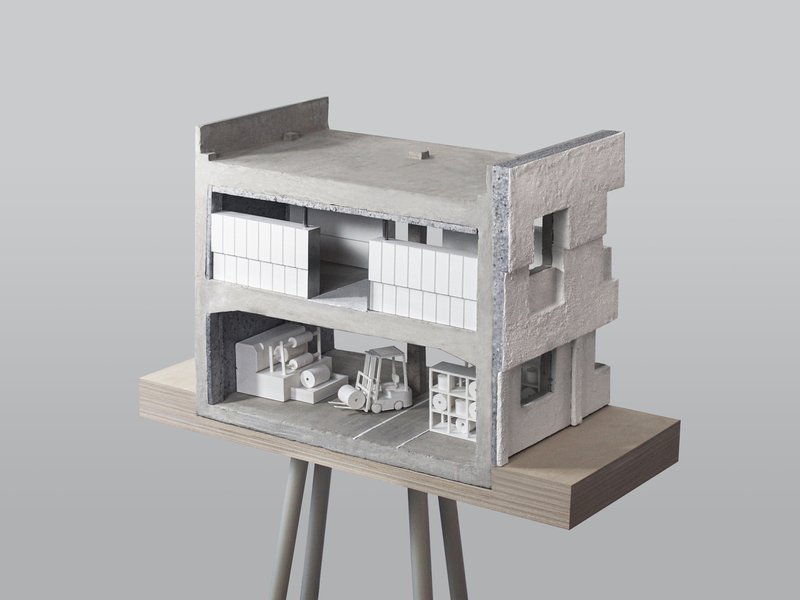
Reimagining Preservation Through Sustainable Renovation
The concept of preservation in architecture is evolving. In the context of reducing our carbon footprint, the Pad(dock) Factory project exemplifies how old buildings can be equipped with modern features to ensure their prolonged survival. This sustainable approach to renovation not only preserves the historical essence of industrial buildings but also transforms them into viable spaces for contemporary use.
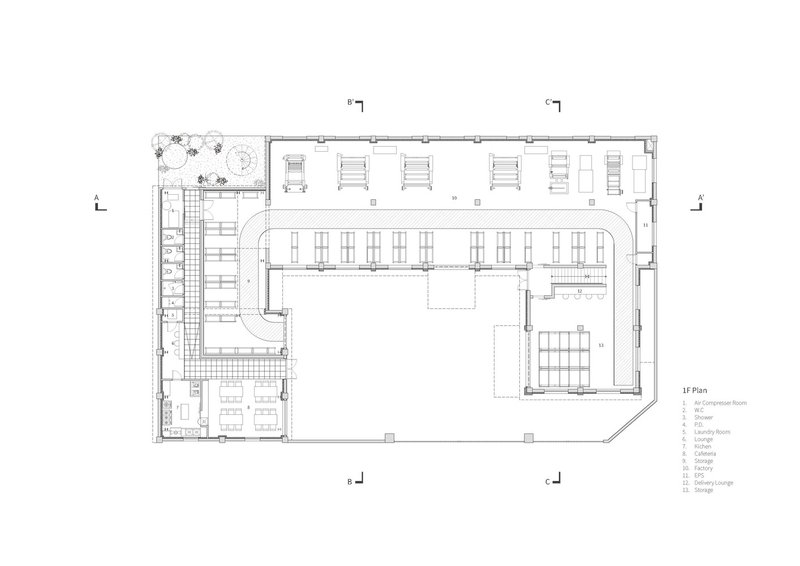
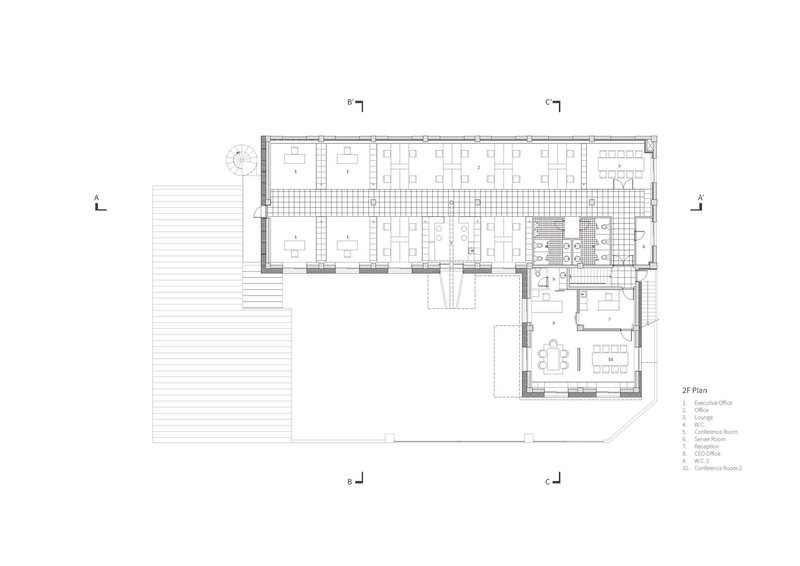
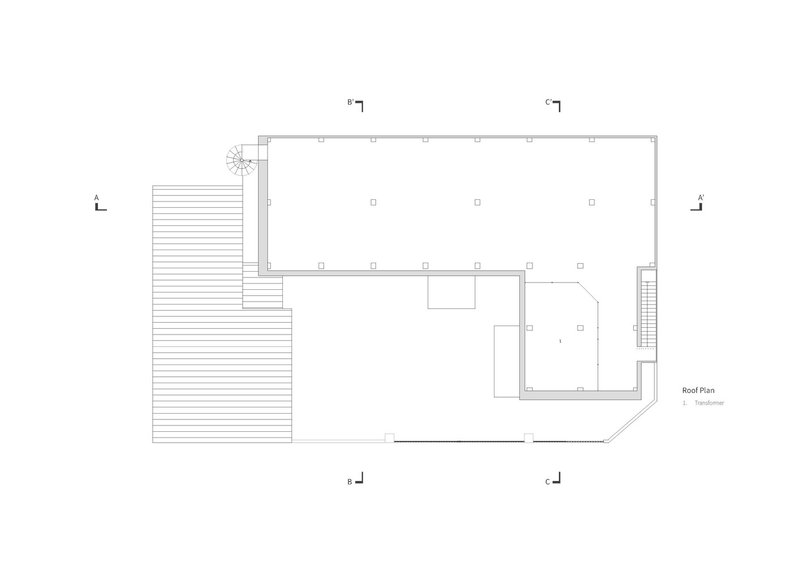
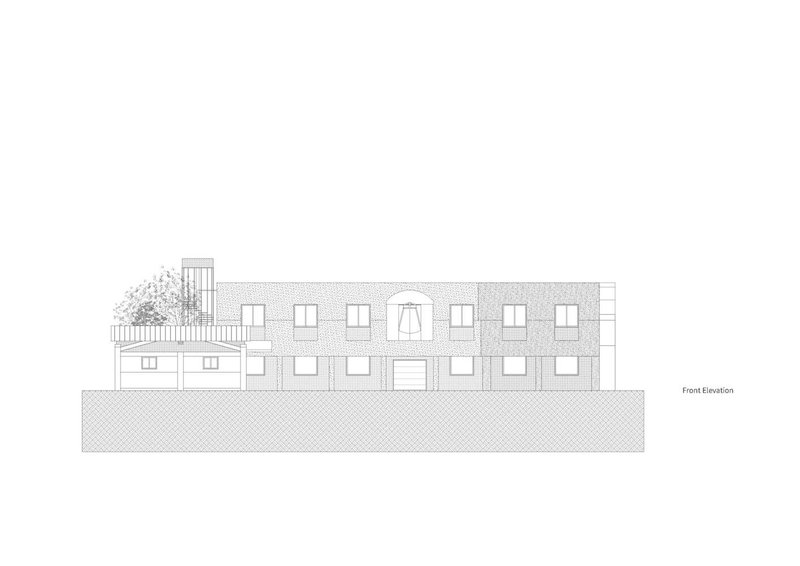
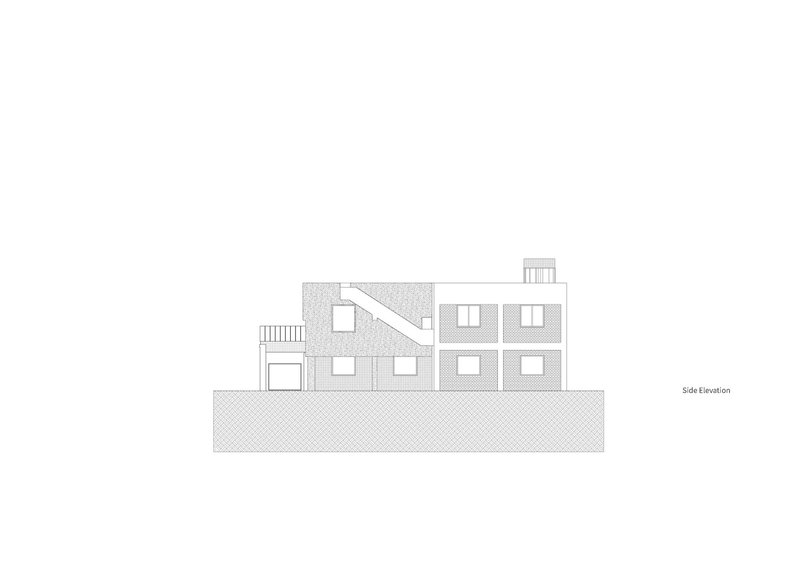
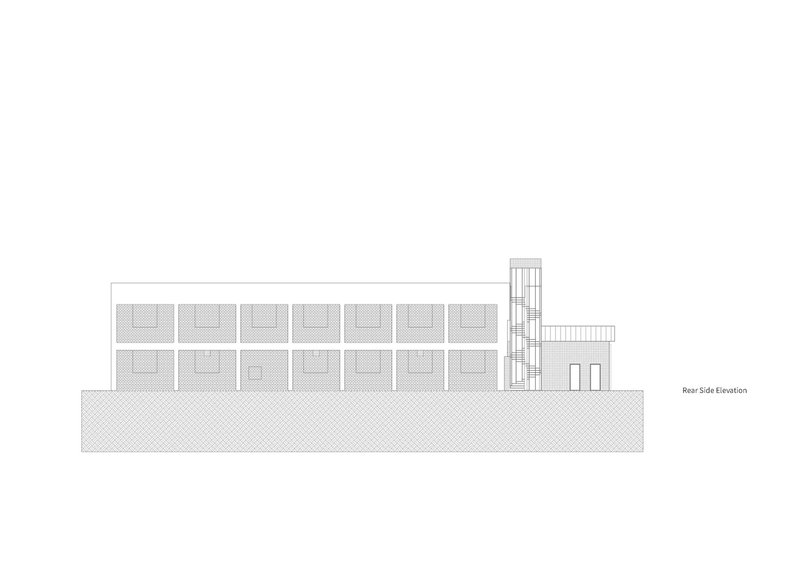
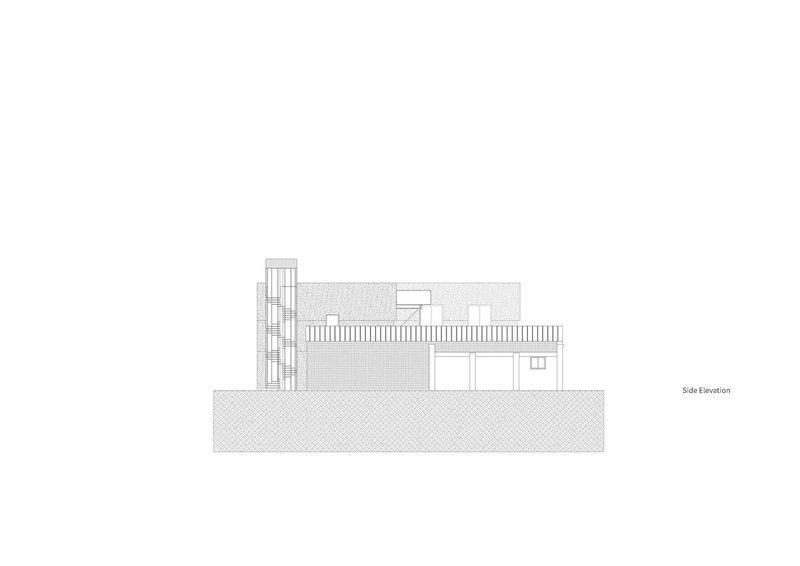
The renovation of industrial buildings presents a unique opportunity to blend historical preservation with modern sustainability practices. The Pad(dock) Factory and Office Renovation project serves as a benchmark for architects and developers looking to breathe new life into old structures. By focusing on critical elements such as insulation and spatial reconfiguration, it is possible to transform industrial relics into vibrant, energy-efficient spaces that meet the demands of today's users.
All photographs are work of Jang Mi