Innovative Design Solutions: Award-Winning Projects from Recent Architecture Competitions
Exploring award-winning architectural projects shaping the future of design, sustainability, and community.

Architecture competitions have long stood as the bedrock for innovation, a platform where architects and designers challenge the status quo and envision the future of our built environment. These competitions do more than just award the most aesthetically pleasing or technically sound designs; they recognize projects that push boundaries, integrate novel solutions, and address the urgent needs of sustainability, community, and adaptability in our rapidly changing world.
The significance of award-winning projects extends far beyond the accolades they receive. They set new standards in architectural design, demonstrating how creativity and innovation can merge to produce solutions that are not only visionary but also viable and impactful. These projects serve as beacons of inspiration, showcasing what is possible when architects confront contemporary challenges with boldness and ingenuity.
As we delve into some of the most innovative design solutions from recent architecture competitions, we embark on a journey through the forefront of architectural thought and practice. These award-winning projects reveal the trends shaping our environment and offer insights into the future directions of architecture. They are a testament to the power of competitions in fostering an environment where architects can experiment, innovate, and contribute to the global dialogue on the future of design.
Through exploring these groundbreaking projects, we aim to highlight the role of architecture competitions in promoting sustainable development, technological advancements, and social cohesion. Each project, in its uniqueness, contributes to a collective vision of a future where architecture goes beyond form and function to become a catalyst for positive change in society.
The Catalysts of Innovation
Architecture competitions serve as dynamic platforms for experimentation and discovery, challenging architects and designers to explore uncharted territories in design, sustainability, and technology. These competitions are not just contests; they are incubators for groundbreaking ideas, where the conventional boundaries of architecture are expanded to address the complex challenges of the modern world. This section delves into how these contests act as catalysts for innovation, pushing the envelope of architectural practice.
Fostering Creativity and Exploration
Competitions encourage participants to think creatively and propose solutions that might be considered too avant-garde or risky in conventional client-architect relationships. Freed from the constraints of specific client demands, architects can explore radical approaches to design, materials, and spatial organization. This freedom often leads to the emergence of novel concepts that can influence broader architectural practices and trends.
Addressing Global Challenges
Many modern architecture competitions focus on pressing global issues such as climate change, urbanization, and social inequality. By framing these challenges as central themes, competitions prompt architects to integrate solutions directly into their designs. This focus ensures that the resulting projects not only push aesthetic and structural boundaries but also contribute positively to environmental sustainability, social cohesion, and urban resilience.
Technology as a Tool for Innovation
The integration of new technologies is another hallmark of competition-driven innovation. From advanced computational design methods to cutting-edge construction techniques, competitions often showcase projects that utilize technology in inventive ways. These technologies enable more efficient use of resources, greater structural possibilities, and enhanced environmental performance, setting new standards for the industry.
Cross-disciplinary Collaboration
The complexity of today's architectural challenges requires knowledge and expertise from multiple disciplines. Competitions frequently encourage or necessitate collaboration between architects, engineers, environmental scientists, and other specialists. This interdisciplinary approach fosters holistic solutions that are more thoughtful, sustainable, and impactful.
The Ripple Effect
Winning designs and even notable entries often gain international attention, influencing architectural trends and inspiring other practitioners. The innovative solutions and concepts showcased in competitions can ripple through the industry, challenging other architects to rethink their own approaches and consider new possibilities in their work.
Architecture competitions, through their celebration of innovation, serve as a vital force in the evolution of architectural design. They not only provide a stage for showcasing new ideas but also play a critical role in shaping the future of architecture to meet the needs of a changing world. As we move forward, the role of these competitions in promoting innovation and addressing global challenges will undoubtedly continue to grow, further cementing their status as catalysts for architectural advancement.
Trends in Contemporary Architecture
Recent architecture competitions have illuminated several emerging trends that reflect our changing world. These trends not only showcase the current directions in architectural thought and practice but also hint at future developments. By examining these patterns, we gain insight into how architects are responding to the needs of society, the environment, and technological advancements.
Embracing Sustainability and Resilience
A clear trend in contemporary architecture is the emphasis on sustainability and resilience. Competitions are increasingly rewarding projects that demonstrate a commitment to environmentally friendly design principles, such as energy efficiency, water conservation, and the use of sustainable materials. Moreover, resilience against climate change impacts—like rising sea levels and increased frequency of extreme weather events—is becoming a critical aspect of award-winning designs. These projects often incorporate adaptive and flexible design strategies that allow structures and communities to withstand and recover from environmental stresses.
Integration with Nature
Another notable trend is the seamless integration of architecture with nature. This approach goes beyond traditional landscaping to include biophilic design principles, where natural elements are woven into the fabric of buildings and urban spaces. Living walls, green roofs, and urban gardens are becoming common features, blurring the lines between the built and natural environments. This trend not only enhances the aesthetic appeal of structures but also contributes to biodiversity, improves air quality, and fosters a stronger connection between inhabitants and their natural surroundings.
Social and Community Focus
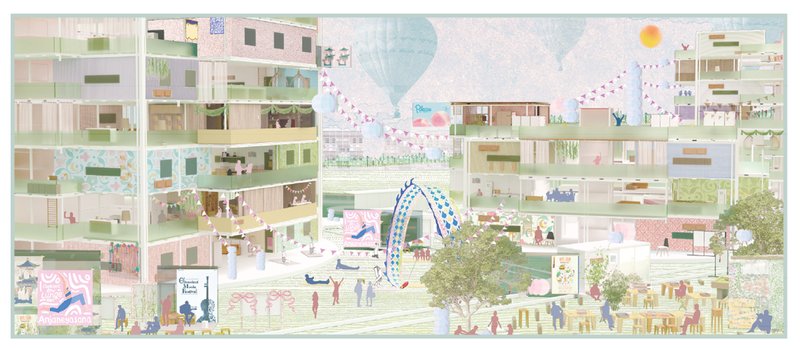
There is a growing focus on projects that address social issues and aim to improve community well-being. Award-winning designs often feature inclusive spaces that cater to diverse populations, promote social interaction, and enhance accessibility. This trend reflects a broader shift in architecture towards creating environments that support equity, health, and social cohesion.
Technological Innovation
Technological innovation continues to shape contemporary architecture, with competitions showcasing how digital tools and fabrication methods can create new forms and spaces. From parametric design to 3D printing of building components, technology is enabling architects to explore complex geometries and structures that were previously difficult or impossible to achieve. These advancements are not only pushing the limits of architectural aesthetics but also improving the efficiency and sustainability of buildings.
Hybrid Spaces
The concept of hybrid spaces—areas that serve multiple functions and adapt to changing needs—is gaining traction. This trend is partly driven by urban density and the need to maximize limited space, but it also reflects changing lifestyles and work patterns, especially in the wake of the COVID-19 pandemic. From mixed-use developments to convertible and modular spaces, architects are devising innovative ways to create multifunctional environments that can evolve over time.
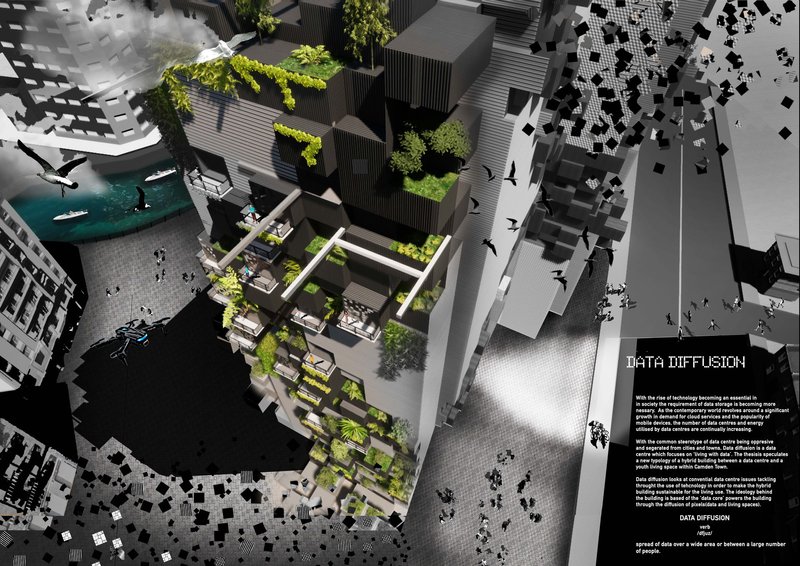
These trends in contemporary architecture, highlighted through recent competitions, demonstrate the profession's capacity for innovation and adaptation. As architects continue to explore these themes, they contribute to the development of a built environment that is more sustainable, integrated with nature, technologically advanced, socially inclusive, and adaptable to the needs of future generations. Let's explore some of these award-winning architectural projects shaping the future of design, sustainability, and community.
Featured Award-Winning Projects From Competitions Held on UNI
REED MAZE Workshop and Research Centre
Location: Lea Marston, United Kingdom
Architect: Ana Markovic
Competition: WIC - Challenge to design a Wetland Interpretation Center, 2023
Award: Winner
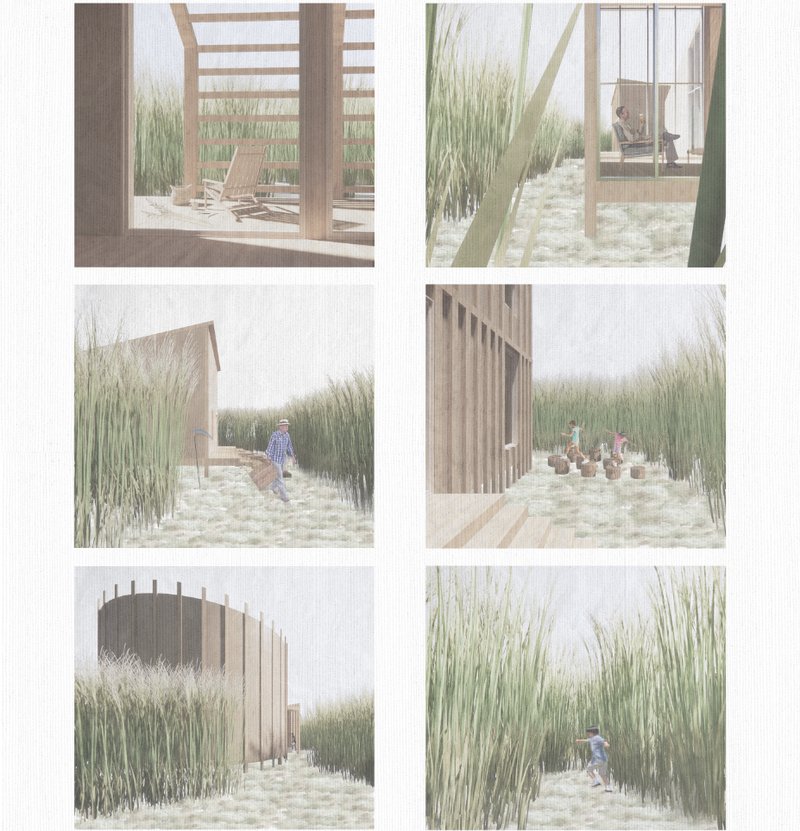
The REED MAZE Workshop and Research Centre, designed by Ana Markovic, is a groundbreaking project nestled in the Tame Valley Wetlands, between Birmingham and Tamworth, UK. The project emerged victorious in the "OVERVIEW" competition, challenging architects to integrate architecture with wetland conservation while highlighting the critical role of wetlands in biodiversity, climate regulation, and freshwater provision.
Key Innovative Features
- Sustainability and Sensitivity: The design delicately balances human intervention with the wetland landscape, employing materials and construction techniques that resonate with the local context. The project focuses on the conservation of wetlands, aiming to increase their value as a vital part of the ecosystem.
- Educational and Interactive Approach: Phase 1 of the design introduces a visitor and wetland interpretation center designed to educate and engage visitors with interactive experiences, supporting conservation efforts. Phase 2 focuses on creating minimalistic interventions such as open decks and bird observation points, allowing visitors to immerse themselves in the natural habitat without disturbing it.
- Adaptation and Biodiversity: The REED MAZE pays homage to the area's transformation over time, particularly after industrial impacts. By introducing Miscanthus × giganteus, a plant used for biofuel, the project creates a sustainable resource that symbolizes the reconciliation between past industrial uses and current conservation efforts.
Design Philosophy
Ana Markovic's design philosophy intertwines the past with the present, creating a space that respects the history of the Tame Valley while focusing on contemporary conservation and education. The project uses architecture as a medium to re-establish a healthy bond between humans and nature, advocating for a design approach that isn't anthropocentric but harmoniously integrated with the environment.
Impact on Community/Environment
The REED MAZE Workshop and Research Centre stands as a testament to innovative environmental architecture, promoting the wetland as an environmental asset and a source of education, recreation, and conservation. It serves as a model for sustainable development, highlighting the importance of wetlands in global ecological balance and human well-being.
Design and Construction
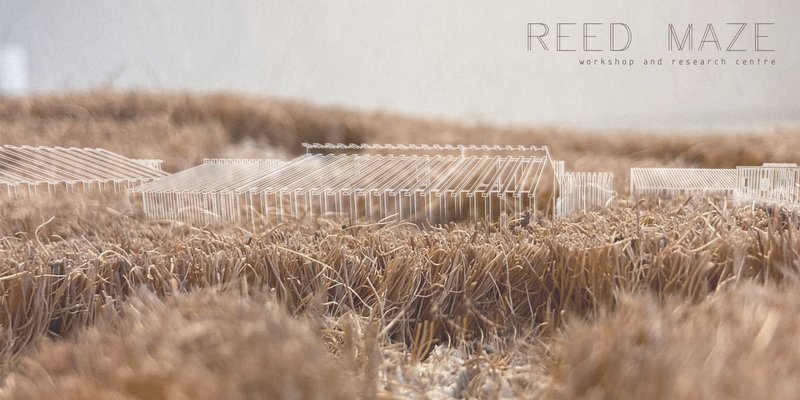
Designed with sensitivity to its surroundings, the center features light structures with timber construction and sloped roofs, blending seamlessly with the wetland. The use of a door mat model to determine the positioning of objects within the reed field demonstrates an innovative approach to integrating architecture into sensitive ecosystems without disruption.
The REED MAZE Workshop and Research Centre is more than an architectural project; it's a bold statement on the potential of architecture to contribute positively to environmental conservation and community engagement. Ana Markovic's design not only addresses the competition's brief with innovative solutions but also sets a precedent for future projects aiming to harmonize architecture with nature conservation efforts.
New Metabolism Tower
Location: Melbourne, Australia
Team Members: Siyuan Liu, JT
Competition: CityScraper - Sustainable Skyscraper Design Challenge, 2023
Award: Honorable Mention
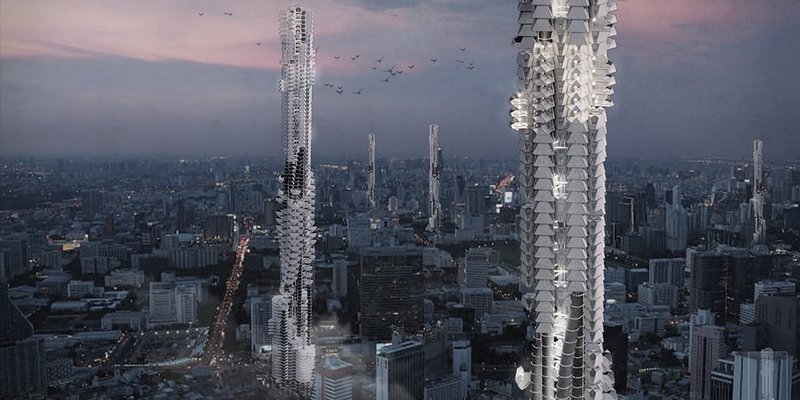
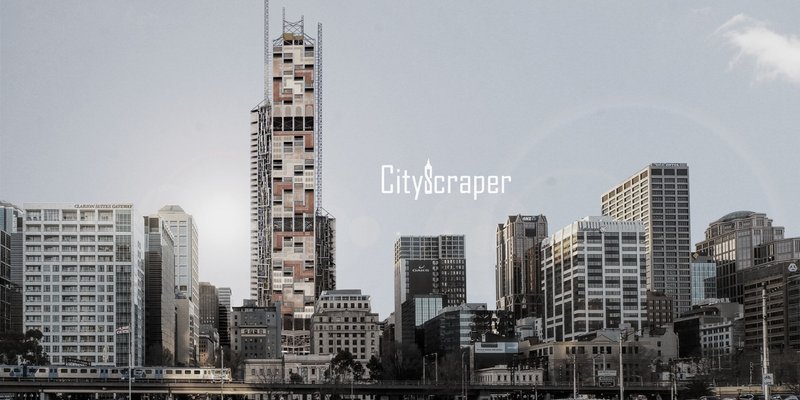
The New Metabolism Tower emerges as a beacon of cultural integration and architectural innovation in Melbourne, Australia. Addressing the pressing issues of urbanization, refugee accommodation, and cultural merger, the project was honored with an Honorable Mention in the CityScraper competition. It reimagines high-rise living, transforming skyscrapers from symbols of isolation into vibrant ecosystems that foster community, diversity, and environmental sustainability.
Key Innovative Features
- Metabolism as Conceptual Framework: Inspired by the metabolic movement, the project focuses on creating a living architecture that adapts and evolves. It emphasizes communication between people and buildings, ensuring spaces are multifunctional and culturally inclusive.
- Cultural Integration through Design: The tower is a physical representation of the merger between local Australians and refugees, using contemporary and natural materials to symbolize unity and diversity. This design approach not only addresses accommodation needs but also fosters a deeper understanding and integration between different cultural groups.
- Adaptive Architectural Elements: The design incorporates three distinct centers to manage traffic flow efficiently, with side cores reallocating built-in utilities externally to maximize living spaces. This structural adaptability ensures the tower can meet diverse needs over time.
Design Philosophy
The New Metabolism Tower is grounded in the philosophy of creating a dynamic, adaptive community within Melbourne's dense urban fabric. It challenges the traditional skyscraper's role, proposing a model where high-rise buildings are not just residential spaces but catalysts for social capital and creativity. The project embodies a vision for skyscrapers as ecosystems that contribute to the city's cultural, environmental, and social fabric.
Impact on Community/Environment
By redefining the skyscraper as a space for cultural merger and community building, the New Metabolism Tower addresses the isolation often experienced in high-density urban environments. Its design principles prioritize environmental sustainability, reducing carbon emissions through adaptive reuse and creating livable spaces that evolve according to the city's changing needs. The project serves as a model for future urban development, emphasizing the importance of buildings that connect rather than divide.
Design and Construction
The tower's design strategy involves balancing industrialization with nature, using facade arrangements that represent local and refugee communities through materiality. The facade's design goes beyond aesthetic considerations, focusing on creating a more breathable structure that contrasts with conventional curtain walls. This approach underscores the project's commitment to environmental sustainability and cultural sensitivity.
The New Metabolism Tower stands as a testament to the power of architecture to solve complex urban challenges while fostering community and diversity. Its recognition in the CityScraper competition highlights the project's innovative approach to high-rise design, offering a glimpse into the future of urban living where skyscrapers are vibrant, inclusive, and adaptive communities. Through its conceptual depth and design excellence, the project contributes to the ongoing discourse on making our cities more livable, sustainable, and culturally integrated.
MODU MOVE
Location: Moon
Designer: Kaimin Wang
Competition: Moon Base 2124 - Moon colonizing on Artemis Centenary design competition, 2023
Award: Winner

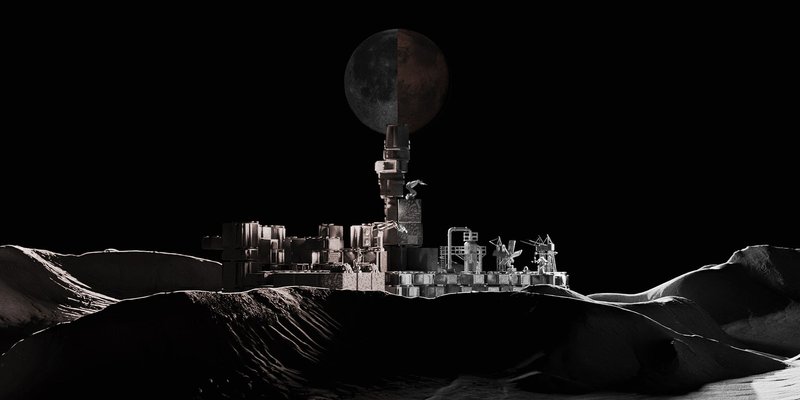
MODU MOVE is a visionary project designed by Kaimin Wang that addresses the Artemis program's needs and the future settlers of Mars and the Moon. Tackling extreme environmental challenges, the project introduces a modular habitat capable of on-site adaptability, automated self-reconfiguration, and endless expansion, marking a significant leap towards sustainable space colonization.
Key Innovative Features
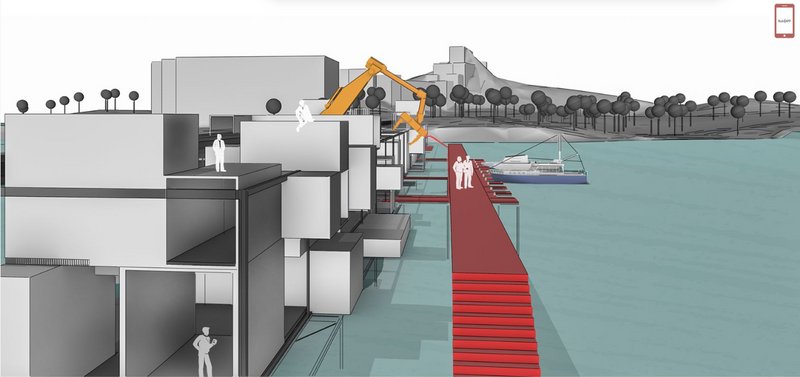
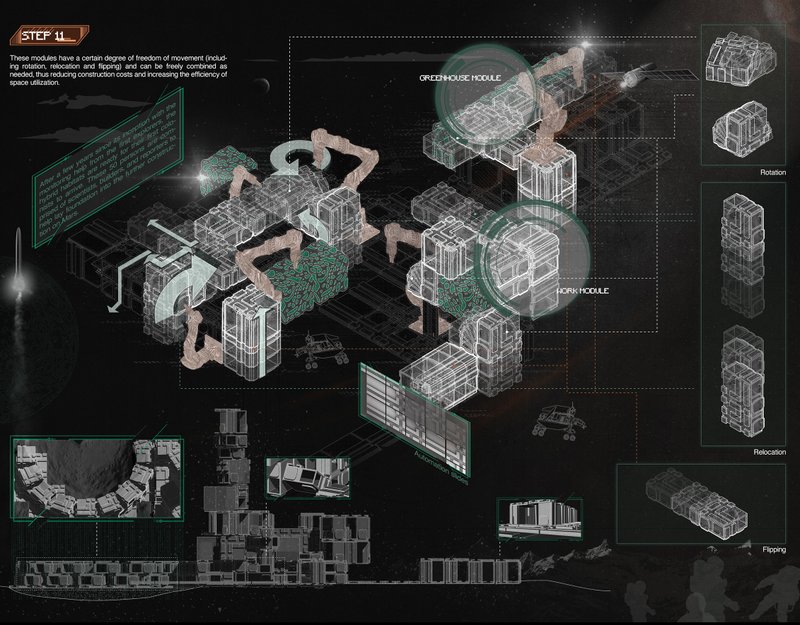
- Automated Modular Design: Utilizing a combination of robotic arms and drones, MODU MOVE's automated modular system allows for flexible configurations and movements, enabling the habitat to respond dynamically to various situations and requirements on Mars and the Moon.
- Cellular Automaton Construction: Inspired by the logic of Cellular Automaton, the project employs an automated construction method where robots assemble modules into initial habitat patterns. This approach facilitates continuous replication and expansion, adapting to the spatial needs of settlers.
- 3D Printing and Local Materials: Embracing in-situ resource utilization, the project incorporates 3D printing techniques to fabricate materials from Martian and Lunar rock formations, significantly reducing transportation costs and enhancing economic feasibility.
- Experimental Modules: The design introduces experimental modules made of seaweed beads, functioning as "windows" that release oxygen and reflect external radiation. This innovation adds to the habitat's sustainability and the well-being of its inhabitants.
Design Philosophy
MODU MOVE is rooted in the concept of adaptability and infinite possibilities for future space colonization. Recognizing the extreme environments of Mars and the Moon, Kaimin Wang envisioned a habitat that is not only flexible and expandable but also self-sufficient and capable of minimizing human dependence on Earth's resources. The project explores modular materials and combination methods, aiming to achieve a balance between functionality, experimentation, and the establishment of a planetary civilization.
Impact on Space Colonization
The project's innovative approach to habitat design on Mars and the Moon offers a blueprint for future space colonization. By ensuring resilience against environmental challenges and facilitating endless expansion, MODU MOVE contributes to the long-term goal of establishing permanent human settlements in space. Its emphasis on automated construction, use of local materials, and experimental modules showcases the potential for habitats that support diverse and comfortable living conditions for space settlers.
Design and Construction
The use of Conway's Game of Life as a computer algorithm for modular assembly and the incorporation of local radiation, temperature factors, and site-specific topography optimize the habitat's functionality and sustainability. The project's structural and deployment concepts, emphasizing modular flexibility and automated assembly, represent a significant advancement in space architecture, offering scalable solutions for the challenges of living on Mars and the Moon.
MODU MOVE stands as a testament to the innovative spirit of space architecture, offering a forward-looking solution to the challenges of Mars and Moon colonization. Winner of the Moon Base 2124 competition, the project exemplifies how architecture can transcend terrestrial boundaries, paving the way for humanity's future as a multi-planetary species. Through its modular design, automated construction, and emphasis on sustainability, MODU MOVE marks a significant step towards realizing the dream of sustainable living beyond Earth.
BREATHING LIBRARY
Location: Lublin, Poland
Design Team: Heng Xu (Architect | Creative Director). Feng Shirley (Architect). Junwei Wen (Architect & Designer). Rujun Li (Architect)
Competition: Libgen - A new outlook for public library in future, 2023
Award: Winner
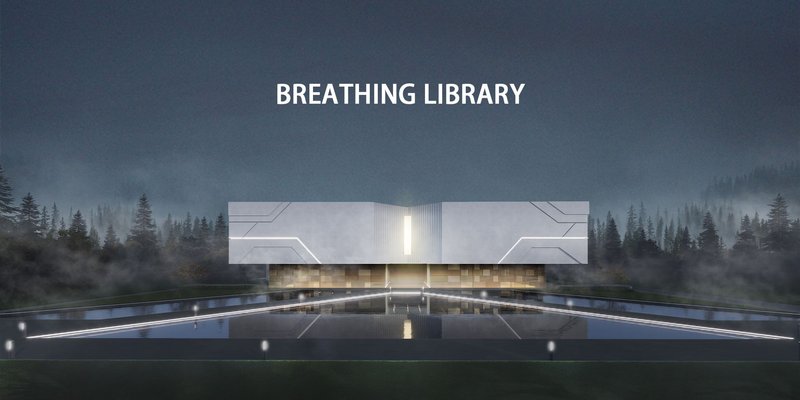
The BREATHING LIBRARY, designed by a visionary team led by Heng Xu, is a groundbreaking project situated in Lublin, Poland. This winner of the Libgen competition redefines the concept of a public library by creating a space that embodies the seamless integration of architecture with its natural environment, symbolizing the symbiotic relationship between knowledge dissemination and environmental harmony.
Key Innovative Features
- Architectural Integration with Nature: Utilizing two interlocking "L"-shaped structures, the library's design fosters a dynamic interaction with its surroundings, allowing it to "breathe" in unison with the natural world. This approach creates a multidimensional space that feels like a natural extension of the landscape.
- Sustainable Design Elements: The BREATHING LIBRARY incorporates sustainable features such as rooftop rainwater collection systems and the innovative use of natural light and air flow through trapezoidal openings, minimizing energy consumption and enhancing the building's ecological footprint.
- Interactive and Versatile Spaces: The library offers a diverse range of functional areas, including an atrium for interaction, a cozy café, exhibition spaces, reading areas, and interactive spaces for digital exploration and cultural activities. These areas are designed to foster community engagement and personal enrichment.
Design Philosophy
The design team's philosophy centers on creating a library that evolves with the times while maintaining its core function as a hub for learning, research, and cultural exchange. By integrating advanced AI digital technology and sustainable resource utilization, the BREATHING LIBRARY emerges as a cultural nexus, adaptable and responsive to the changing needs of its community.
Impact on Community and Environment
Set against the backdrop of Lublin's historical and cultural landscape, the BREATHING LIBRARY serves as a beacon of lifelong learning and environmental stewardship. It stands as a testament to the power of architecture in facilitating knowledge exchange, promoting sustainable living, and enhancing the quality of urban life. The library's unique design and integrated green spaces not only enrich the city's architectural heritage but also inspire a deeper connection between its inhabitants and the natural world.
Design and Construction
The library's construction reflects a commitment to ecological sustainability and aesthetic harmony, featuring materials and structural solutions that reduce its environmental impact. The use of algae beads as a biomaterial for public space "windows" showcases an innovative approach to blending functionality with environmental consciousness. The design's adaptability and focus on natural elements exemplify a forward-thinking approach to public architecture.
The BREATHING LIBRARY is more than just a building; it is a living entity that encapsulates the essence of modern library design. Its recognition in the Libgen competition underscores the project's innovative approach to creating spaces that are not only repositories of knowledge but also vibrant centers for community life and environmental sustainability. Through its thoughtful design and commitment to inclusivity and adaptability, the BREATHING LIBRARY sets a new standard for future library projects worldwide.
Floatopia
Location: Semarang, Indonesia
Designer: Misak Terzibasiyan (Architect, Founder of UAarchitects)
Competition: Afloat 2.0 - Design Competition for water resilient habitats, 2023
Award: Winner
Floatopia, envisioned by Misak Terzibasiyan, is a pioneering response to the urgent challenges posed by climate change, particularly in the context of Indonesia's rising water levels. This award-winning project in the Afloat 2.0 competition presents a sustainable, flexible, and inclusive architectural solution designed to adapt to the fluctuating water levels in Semarang, a city deeply affected by annual flooding due to its low-lying topography.
Key Innovative Features
- Sustainable and Bio-based Construction: Floatopia emphasizes the use of local and bio-based materials, underscoring its commitment to minimal environmental impact and sustainability.
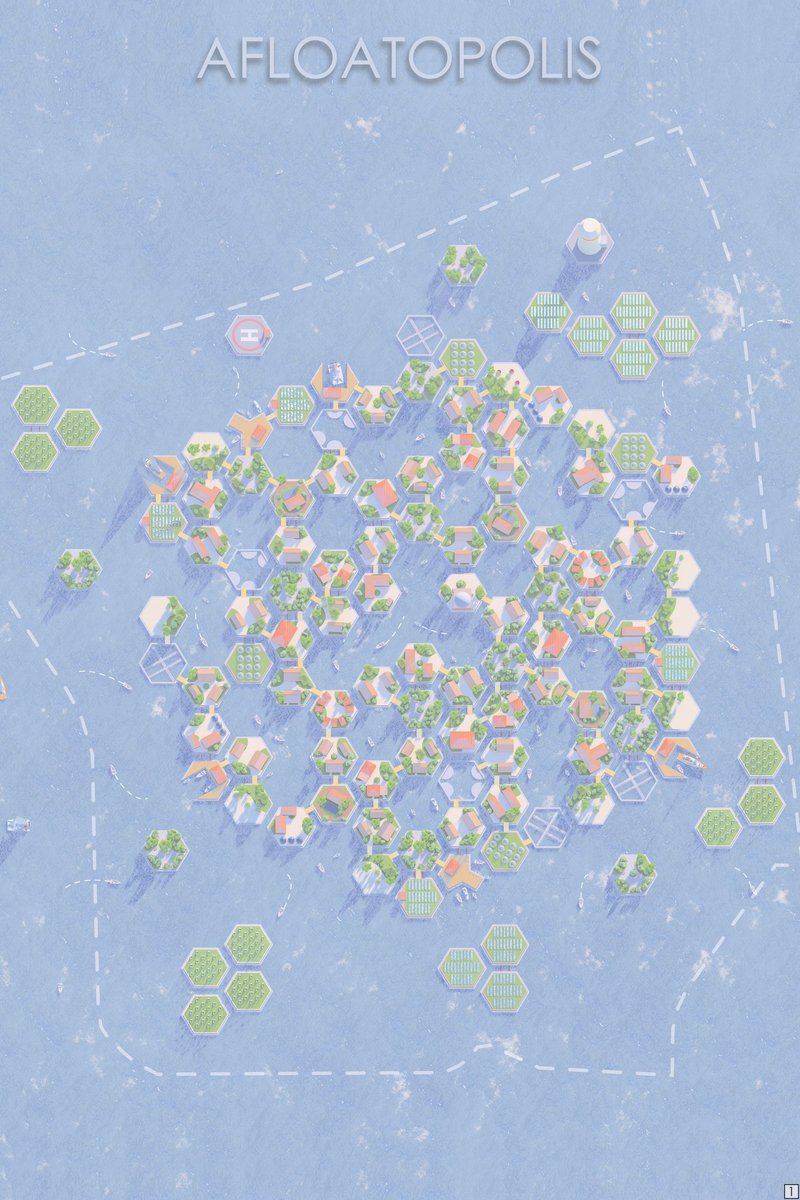
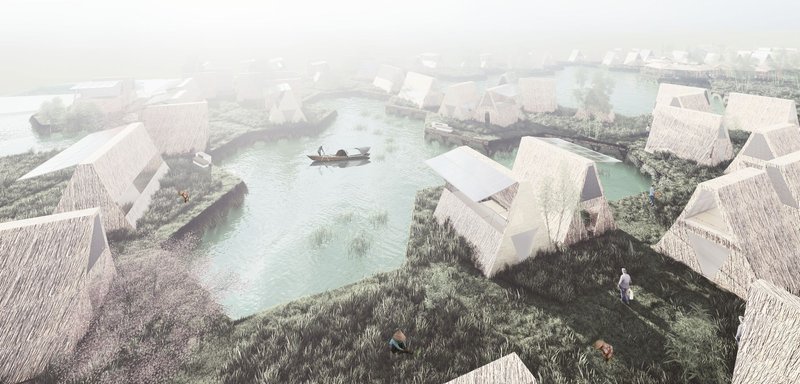
- Modular Housing Platform: The design features 400 affordable houses on a platform of interconnected hexagonal blocks, elevated four meters above the ground to safeguard against flooding. This modular approach allows for flexibility and future expansion.
- Energy Efficiency: Each home is equipped with solar panels, promoting energy self-sufficiency and reducing reliance on conventional power sources.
- Cultural Integration: Drawing inspiration from traditional Indonesian architecture, specifically the Batak Tobak style, the project incorporates elongated roofs and triangular frontages, preserving the cultural identity of the local population.
- Community-Centric Design: Central communal areas on the platform serve multifunctional purposes, including fishing and local markets, fostering a strong sense of community among residents.
Design Philosophy
Terzibasiyan’s design philosophy for Floatopia is centered on creating a living environment that not only withstands the challenges of climate change but also enhances the quality of life for its inhabitants. By integrating the building with its natural surroundings and utilizing innovative sustainable practices, Floatopia aims to be a model for future housing projects in flood-prone regions.
Impact on Semarang and Beyond
Floatopia addresses the urgent need for resilient housing in Semarang, offering a viable solution to the city's vulnerability to flooding. Beyond its immediate context, the project sets a precedent for how architecture can contribute to solving global environmental challenges. It showcases a pathway toward resilient, sustainable living in harmony with nature, while also considering the socioeconomic and cultural dimensions of the community it serves.
Design and Construction
The project's design strategy incorporates advanced sustainable features, such as rainwater harvesting and waste-to-energy systems, to minimize its ecological footprint. The thoughtful arrangement of housing units and communal spaces, coupled with the integration of renewable energy sources, exemplifies a holistic approach to sustainable development.
Floatopia stands as a testament to innovative architectural solutions that address the pressing issues of climate change and urban flooding. Winner of the Afloat 2.0 competition, it reflects a deep understanding of the complexities involved in designing for resilience and sustainability. Through its integration of environmental, social, and cultural considerations, Floatopia offers a hopeful vision for the future of urban development in regions threatened by rising water levels.
Overseas Oasis
Location: Amsterdam, Netherlands
Design Team: Desen An, Lv Chunxiao
Competition: Overseas Oasis - Design a community center for international students to interact with locals, 2023
Award: Winner
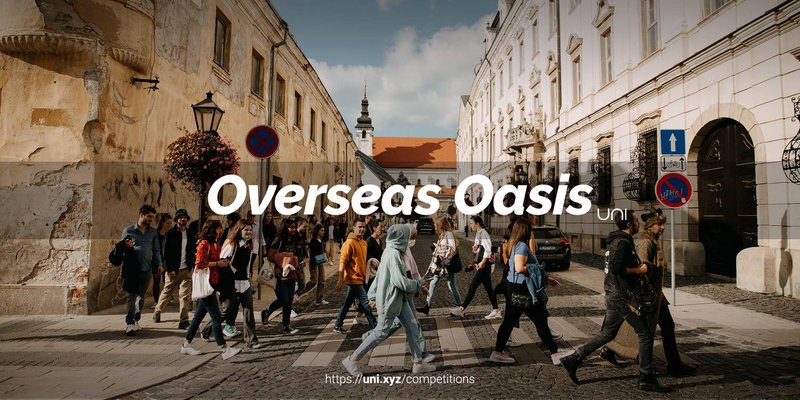
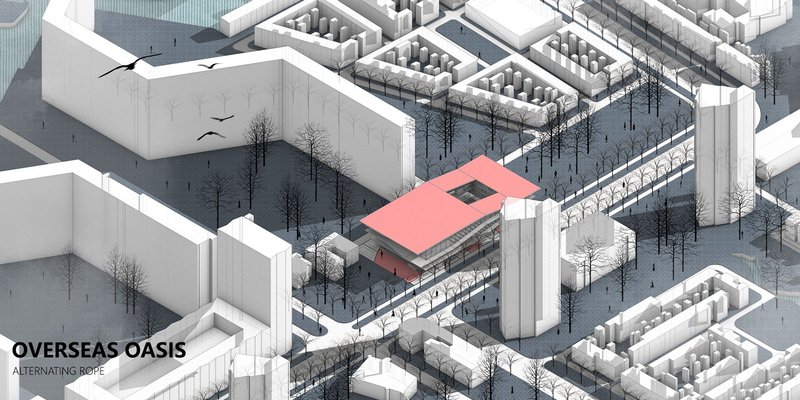
Overseas Oasis, conceptualized by Desen An and Lv Chunxiao, is a groundbreaking project aimed at fostering interaction and inclusivity among the international student community in Amsterdam. Winning the Overseas Oasis competition, the project introduces the "interaction rope" as a central design theme, symbolizing and facilitating connections between people from diverse cultural backgrounds. The design cleverly integrates European architectural styles with Asian cultural elements, reflecting the multicultural essence of the international student community.
Key Innovative Features
- Elevated Design: The building's base is elevated to create a welcoming square space beneath it, encouraging public entry and interaction among students and locals.
- Architectural Synthesis: The fusion of European and Asian design elements within the building's internal spaces and functional settings enhances its inclusiveness and cultural diversity.
- Interactive Spaces: Varied spatial forms and different floor heights throughout the building encourage interaction across different scenes, including atrium spaces, open courtyards, exhibition halls, and engaging staircase areas.
- Sustainable Mobility: Retaining existing bicycle paths on the site and linking them with urban bicycle roads promotes sustainable transportation and connectivity.
Design Philosophy
The design philosophy of Overseas Oasis revolves around creating a dynamic environment that supports cross-cultural interaction, mitigates the loneliness often experienced by international students, and fosters a sense of community. By utilizing the metaphor of a rope to represent connections, the project emphasizes the importance of building relationships and sharing experiences among students from different parts of the world.
Impact on Amsterdam and International Students
Overseas Oasis serves as a model for community centers aiming to integrate international students into local communities. By providing a platform for cultural exchange and mutual learning, the project not only enriches the students' overseas experience but also contributes to the cultural vibrancy of Amsterdam. It addresses the challenges faced by international students, offering them a space where they can connect, learn, and grow together.
Design and Construction
The project stands out for its innovative use of space and light, employing staggered layers and openings that allow for natural ventilation and illumination. The choice of sustainable materials and the integration of green spaces within the design underscore the project's commitment to environmental responsibility and the well-being of its occupants.
Overseas Oasis is an exemplary project that showcases how architectural design can facilitate cultural exchange and enhance the quality of life for international students. As the winner of the Overseas Oasis competition, it sets a new benchmark for inclusive design, demonstrating how built environments can serve as bridges between diverse communities. Through its thoughtful design and sustainable practices, Overseas Oasis offers a blueprint for future projects aimed at fostering global connections and understanding.
Kibo no Sakura Cultural Center
Location: Shirakawa, Japan
Design Team: Maimuna Babar. Lijiana Ma
Competition: Cultural Conserve - Challenge to design a community center for Shirakawa-Go, 2023
Award: Winner
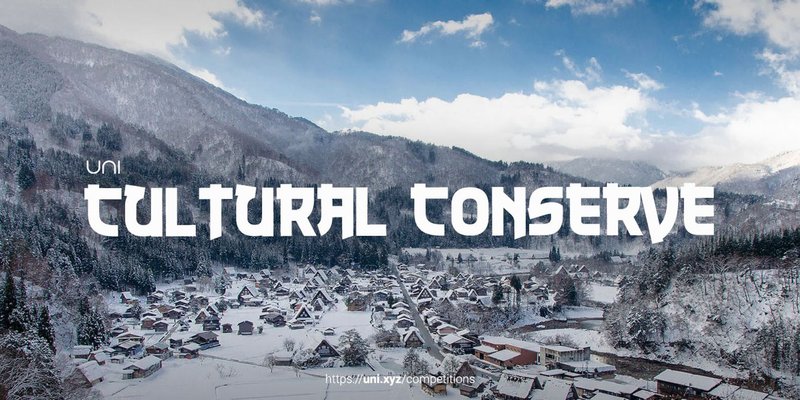
Kibo no Sakura Cultural Center, designed by Maimuna Babar and Lijiana Ma, stands as a beacon of hope and renewal in Shirakawa-Go, a UNESCO Heritage Site experiencing demographic shifts and cultural dilution. The project, named after 'hope' (Kibo) and 'cherry blossoms' (Sakura), embodies the spirit of preserving and revitalizing the rich cultural heritage of Shirakawa through architectural innovation.
Key Innovative Features
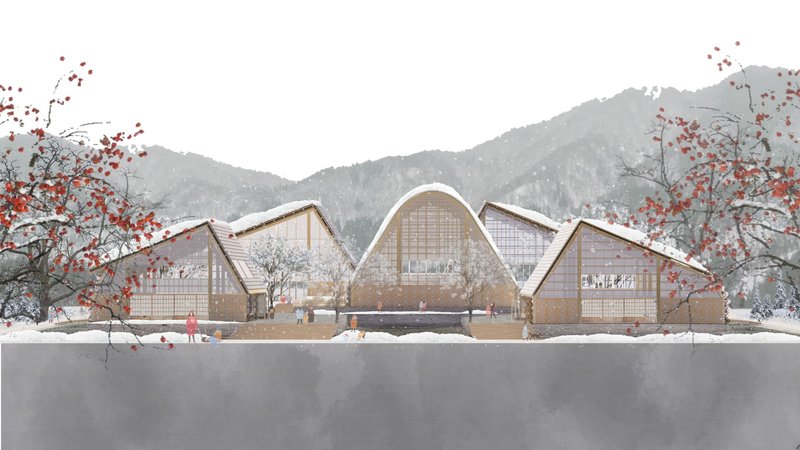
- Cultural Integration: The center integrates traditional Japanese architectural elements with modern design, reflecting the village's historical Gassho-style farmhouses and incorporating materials like oak, rope, and thatch.
- Sustainable Design: Emphasizing sustainability, the center utilizes local materials and advanced technologies, including solar panels and a unique ceramic tile roof that depicts a Sakura painting, enhancing the building's energy efficiency and aesthetic appeal.
- Community Focus: Designed to foster community engagement and cultural exchange, the center includes versatile spaces for workshops, exhibitions, and social interactions, aimed at attracting both residents and tourists.
Design Philosophy
The design philosophy centers on creating a space that serves as a cultural hub for Shirakawa-Go, bridging the gap between generations and promoting an understanding of the village's heritage. By using local craftsmanship and materials, the project aims to preserve traditional techniques while addressing contemporary needs, thereby ensuring the cultural center is a place of learning, interaction, and preservation.
Impact on Shirakawa-Go
The Kibo no Sakura Cultural Center addresses the challenges faced by Shirakawa-Go due to depopulation and the erosion of cultural knowledge. By providing a space that encourages the younger generation and tourists to engage with the village's culture, the center aims to rejuvenate interest in local traditions and stimulate economic growth through increased tourism and job creation.
Design and Construction
The project's innovative use of materials and construction techniques respects Shirakawa-Go's architectural heritage while introducing modern sustainability practices. The distinct roof design, inspired by cherry blossoms, and the strategic use of glass and polycarbonate materials, facilitate natural light and ventilation, reducing the building's environmental footprint.
The Kibo no Sakura Cultural Center is a testament to the power of architecture in cultural preservation and community revitalization. As the winner of the Cultural Conserve competition, it sets a precedent for how design can honor tradition while embracing innovation, ensuring the continued vibrancy and sustainability of heritage sites like Shirakawa-Go. Through its thoughtful integration of cultural elements and sustainable design, the center stands as a model for future projects aimed at conserving and celebrating local cultures worldwide.
BLAHBLAH
Location: Strasbourg, Canada
Designed by : Cevsen Kocaman
Competition: School Of Thought - School that redefines learning, 2023
Award: Winner
Key Innovative Features
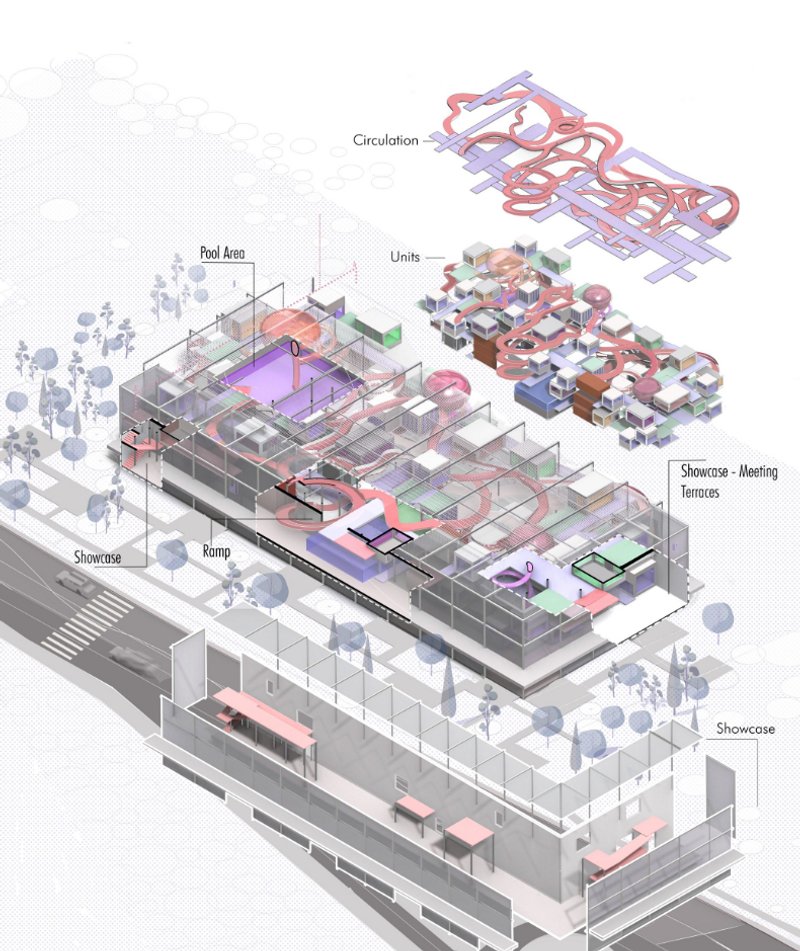
- Personalized Learning Routes: BlahBlah revolutionizes the traditional educational model by allowing learners to create their own system and navigate their own educational paths, promoting autonomy and personalized learning experiences.
- Architectural Transparency and Permeability: The design reduces opaque areas and controlled circulations within the school, opting instead for open, exploratory routes that lead to permeable and visible areas, encouraging exploration and interaction.
- Sustainable and Interactive Design: Emphasizing sustainability and interaction, BlahBlah integrates environmental consciousness through the use of renewable energy sources and promotes communal learning spaces that facilitate student and teacher interaction.
- Integration of Green Spaces: The design incorporates green spaces within the learning environment, allowing nature to flow into the educational space, thereby fostering a connection between students and the natural world.
Design Philosophy
BlahBlah is rooted in the philosophy of dismantling traditional power dynamics found in educational institutions, by fostering an environment of exploration, autonomy, and open discourse. The project aims to shift the focus from a one-size-fits-all education system to a more individualized and exploratory learning model. Through architectural innovation, BlahBlah creates spaces that encourage students to define their own educational journey, promote interactive learning, and facilitate a seamless integration between indoor and outdoor learning environments. The design embodies the belief that learning should be a journey of discovery, where students are empowered to explore diverse paths and engage with their education on their own terms.
Brick Abode
Location: Bengaluru, Karnataka, India
Design Team: Deenadayalan Vijayarajan, Sushanth Babu, Venkatareddy Dwarampudi, Annem Pranay
Competition: Nano Nest - Compact housing design challenge, 2023
Award: Winner
Key Innovative Features
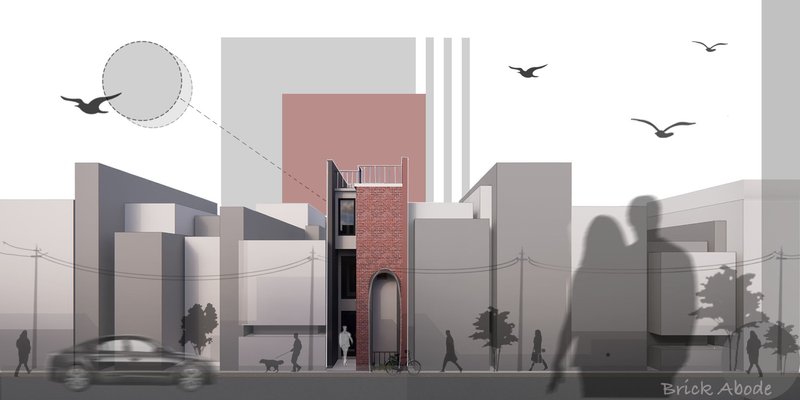
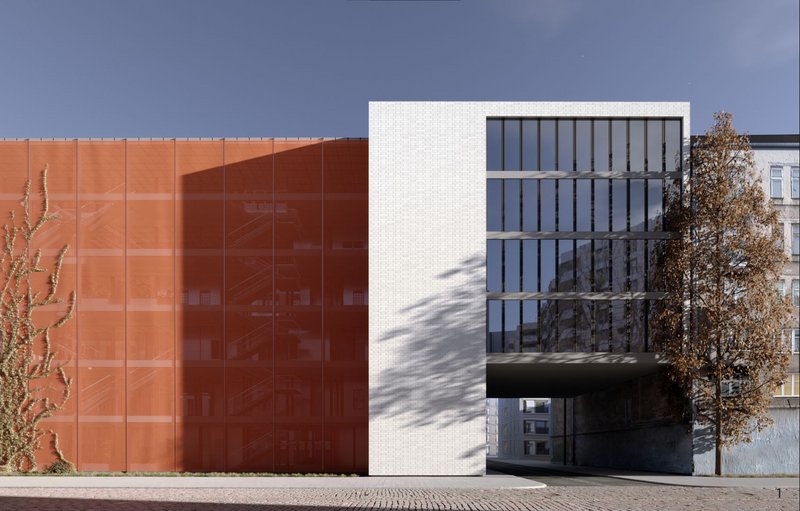
- Cultural and Material Authenticity: Brick Abode's facade, combining brick, concrete, and glass, is a nod to Bangalore's architectural heritage, showcasing the city's genuine essence through its materials and design.
- Sustainable Design and Ventilation: Utilizing north-facing orientations and double-glazed glass roofs, the design ensures natural light and ventilation, reducing energy needs and enhancing the building's environmental performance.
- Community-Oriented Spaces: Designed for a contemporary Indian family, the residence includes multifunctional areas that cater to various activities and social interactions, addressing the modern problem of urban space crunch with innovative solutions like multi-use dining and workspaces.
- Integration with Nature: The design emphasizes the seamless integration of indoor and outdoor spaces, allowing residents to experience green areas and natural landscapes, fostering a connection with the environment within the urban context.
Design Philosophy
Brick Abode is anchored in the philosophy of creating a modern, sustainable living environment that respects and reflects the local culture and architectural traditions of Bangalore. The project addresses the contemporary challenges of urban living, such as space constraints and environmental sustainability, by reimagining traditional materials and design principles for the modern era. The design team envisioned a space that promotes flexibility, interaction, and a strong connection with nature, aiming to provide a modern definition of home that is both practical and culturally resonant.
Impact on Bangalore and Contemporary Urban Living
Brick Abode stands as a model for future residential projects in densely populated urban areas, demonstrating how thoughtful design can overcome space limitations while enhancing the quality of life. By integrating sustainable practices, local materials, and flexible living spaces, the project offers solutions to the pressing issues of urban living, such as the need for energy efficiency, space optimization, and maintaining cultural identity amidst rapid modernization. Brick Abode not only contributes to the architectural landscape of Bangalore but also provides a blueprint for creating meaningful, sustainable homes in urban centers worldwide.
Design and Construction
The project's innovative use of local materials like brick, wood, and recycled elements, combined with modern construction techniques, exemplifies a balanced approach to sustainable and culturally sensitive design. The strategic use of natural ventilation, lighting, and green spaces within the architectural layout showcases an advanced understanding of passive design principles, making Brick Abode a benchmark for environmentally conscious and contextually relevant architecture.
Brick Abode is a testament to the power of architecture in addressing contemporary urban challenges while remaining true to cultural roots and sustainable practices. As the winner of the Nano Nest competition, it sets a new standard for compact, efficient, and culturally integrated housing designs, offering insights and inspiration for architects and urban planners aiming to redefine living spaces for the modern world.
CHANGE Title
Location: Warszawa, Poland
Design Team: Agnieszka Nowacka, Agata, Mateusz Moscicki, Michal Skurzewski
Competition: Plugin Housing Challenge - Design an efficient future of housing, 2023
Award: Honorable Mention

Key Innovative Features
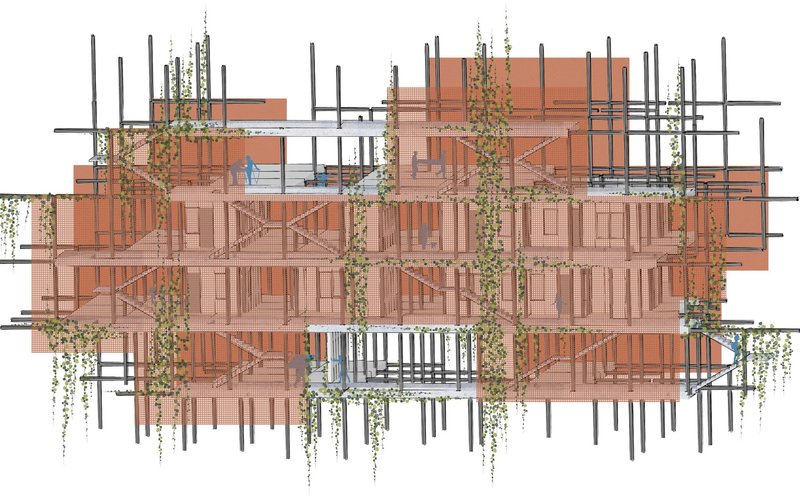
- Modular Construction: Utilizing reusable and prefabricated construction elements, the project offers unprecedented flexibility and adaptability in design, catering to the dynamic needs of an ever-changing urban landscape.
- Sustainable Living: The design emphasizes sustainable living through the use of vertical gardens and communal spaces, promoting environmental stewardship and community engagement within urban settings.
- Adaptable Spaces: Featuring movable modular wall panels, the project allows residents to customize their living spaces, reflecting the individuality and changing preferences of its inhabitants.
- Responsive Design: Addressing the urgent need for housing amidst crises, such as the influx of immigrants due to the Ukraine-Russia war, the design showcases a rapid assembly and reconfiguration capability, proving essential for immediate housing solutions.
Design Philosophy
CHANGE Title is based on the philosophy of creating adaptable, affordable, and sustainable housing solutions that reflect the essence of modern urban living. The project seeks to redefine the conventional architectural norms by introducing a system that is not only flexible but also deeply rooted in the community's needs. By leveraging modular construction techniques and emphasizing the communal and environmental aspects, the design aims to foster a sense of belonging and resilience among urban dwellers.
Impact on Warsaw and Urban Housing
The project stands as a beacon of innovative housing solutions in Warsaw, offering a model for addressing the acute challenges of urban living, such as space constraints, environmental concerns, and the need for community-centric spaces. CHANGE Title's approach to housing design not only caters to the immediate needs of residents but also envisions a future where urban habitats are adaptable, sustainable, and inclusive. This project sets a precedent for future developments, aiming to alleviate housing shortages and enhance the quality of urban life.
Design and Construction
Employing a combination of modern materials and construction techniques, the design integrates sustainable practices, such as the use of recycled wood and mud bricks, with advanced architectural concepts like vertical gardening. The focus on modular and movable elements within the design allows for a high degree of customization and reconfiguration, catering to the evolving demands of urban populations. The project's innovative use of space and materials underscores a commitment to environmental sustainability and adaptability.
CHANGE Title represents a significant leap forward in the design of urban housing, offering a practical and visionary response to the challenges of modern city living. Awarded an Honorable Mention in the Plugin Housing Challenge, the project exemplifies how architecture can evolve to meet the needs of an increasingly dynamic and diverse urban population. Through its adaptable design and emphasis on community and sustainability, CHANGE Title paves the way for future developments in the realm of urban housing.
Sustainability and Environmental Impact
The award-winning projects highlighted in this article embody a profound commitment to environmental sustainability. From the REED MAZE Workshop's conservation-focused design to Floatopia's sustainable and bio-based construction approach, each project demonstrates innovative solutions to energy efficiency, resource management, and ecological integration. These initiatives not only minimize the environmental footprint of architectural developments but also set new benchmarks in sustainable design, emphasizing the importance of harmonizing architectural practices with the natural world.
Technological Advancements and Materials
Technological innovation plays a pivotal role in the execution of these award-winning projects. MODU MOVE, for example, showcases the potential of automated modular design and the strategic use of 3D printing for in-situ resource utilization. The integration of advanced materials and construction methods enhances functionality, sustainability, and aesthetic appeal, illustrating how modern technology can facilitate the creation of adaptable and resilient architectural solutions.
Social and Community Impact
Each project significantly impacts its community and users by promoting inclusivity, accessibility, and enhancing the quality of life. The BREATHING LIBRARY in Lublin becomes a cultural nexus, fostering community engagement and personal enrichment, while Overseas Oasis creates a dynamic environment that supports cross-cultural interaction among international students. These projects underscore the role of architecture in building inclusive spaces that cater to diverse populations and encourage social cohesion.
Challenges and Solutions
The design and execution of these projects were not without challenges. From addressing the urgent housing needs in the wake of the Ukraine-Russia war, as seen in CHANGE Title, to integrating sustainable practices in space colonization with MODU MOVE, architects faced numerous obstacles. Innovative solutions, such as the use of prefabricated elements for rapid assembly and the incorporation of bio-based materials for environmental sustainability, were implemented to overcome these challenges, showcasing the resilience and adaptability of modern architectural practices.
The Future of Architectural Innovation
The trends and innovations observed in these projects hint at a future where architecture transcends traditional boundaries. Sustainability, technological integration, and community focus are likely to remain central themes, influencing the evolution of architectural design. As society continues to grapple with environmental, social, and technological challenges, the role of architecture in addressing these issues will become increasingly critical, paving the way for a future where designs are not only innovative but also responsive to the needs of a changing world.
The exploration of award-winning projects from various architecture competitions reveals a collective vision of a future where design is deeply interconnected with sustainability, technology, and community welfare. These projects inspire future generations of architects to challenge conventional norms and explore new possibilities, driving the architectural field towards solutions that are both visionary and grounded in addressing the complexities of our contemporary world. Through their innovative approaches and impactful designs, these projects set the stage for the next era of architectural innovation, where the built environment acts as a catalyst for positive change.



Popular Articles
Popular articles from the community

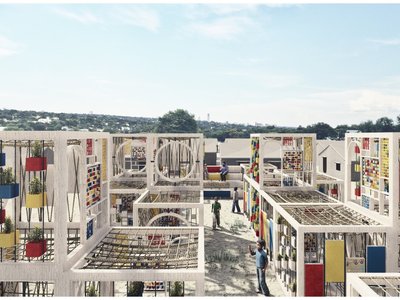
The Faith: Modular Architecture for Play, Learning, and Hope in Kutupalong Refugee Camp
A modular playground architecture project in Bangladesh where play, learning, safety, and hope rebuild childhood inside a refugee camp anew.

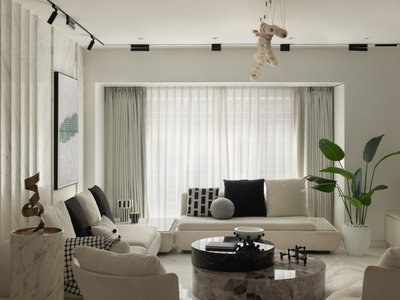
Inside a Timeless Mumbai Residence by Aether Studio
Aether Studio's 2,250 sq ft apartment in Malad, Mumbai uses marble, brass, boucle, and disciplined restraint to build a quiet retreat from the city.
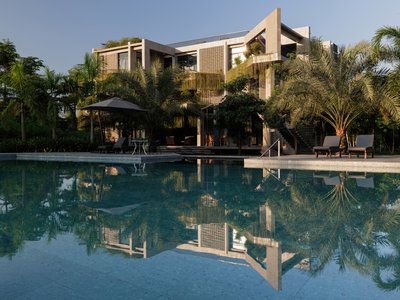
Reincarnation Weaves a Three-Story Retreat into the Green Landscape of Rural Bangladesh
Ara Manor in Narsingdi dissolves the line between domestic architecture and its lush surroundings through screens, courtyards, and planted rooftops.
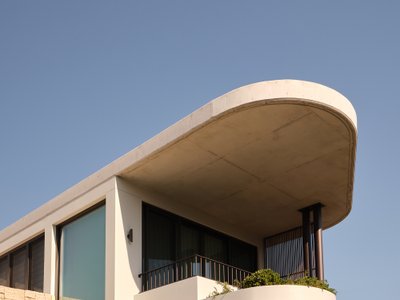
Stanton Architects Sculpts a Curving Family Home into Sydney's Inner West Fabric
Five Dock House uses cantilevers, curved concrete, and layered courtyards to carve out privacy on a tight suburban lot in Sydney.

Similar Reads
You might also enjoy these articles
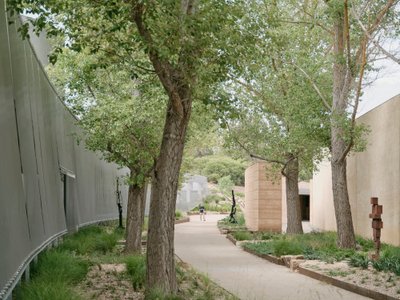
Kerstin Thompson Architects Buries a Cultural Center Beneath Its Own Car Park in the Yarra Valley
The Eva and Marc Besen Centre at TarraWarra hides 2,375 square metres of gallery and archive space under a reinstated landscape in Healesville, Australia.
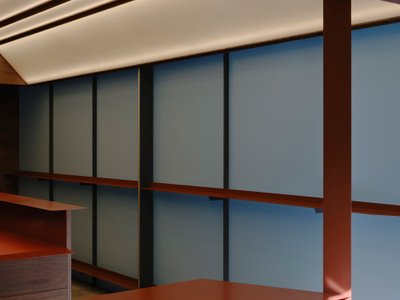
Kerry Kounnapis Packs 800 Daily Coffees into a 43-Square-Metre Melbourne Laneway Bar
Palace Coffee channels Pellegrini's and European standing bars through oxide-red steel and spotted gum timber in a Ridgway Place sliver.
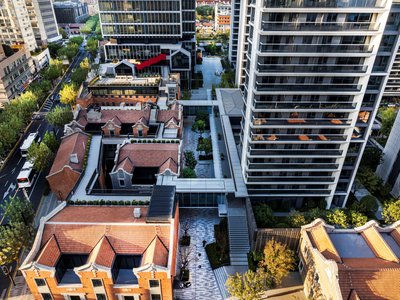
Nikken Sekkei Stacks a Three-Dimensional Lilong Atop Shanghai's Historic Alleyways
A 180-meter tower and restored heritage houses on Nanjing West Road reimagine communal lane life as a vertical mixed-use district.
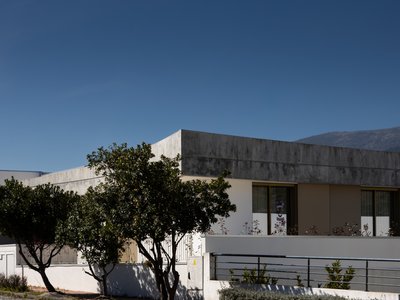
PLATAFORMArq Folds a Concrete Roof Over the Portuguese Mountains in House #474
A 220-square-meter residence in Teixoso, Portugal, wraps board-formed concrete into an angular canopy that frames the Serra da Estrela foothills.

Explore Architecture Competitions
Discover active competitions in this discipline




The International Standard for Design Portfolios


The Global Benchmark for Architecture Dissertation Awards


The Global Benchmark for Graduation Excellence


Challenge to reimagine the Iron Throne
Comments (0)
Please login or sign up to add comments
No comments yet. Be the first to comment!