Innovative Kindergarten Design: Cheer Kindergarten by HIBINOSEKKEI + Youji no Shiro
Cheer Kindergarten in Shenzhen combines innovative design, nature integration, and sustainability to create a nurturing space for children.


Cheer Kindergarten, located in Shenzhen’s Nanshan District, is a groundbreaking example of innovative kindergarten design. Designed by HIBINOSEKKEI and Youji no Shiro, this 4240 m² space reimagines early childhood education environments by fostering physical activity, curiosity, and a deep connection to nature.
The Concept: Encouraging Spontaneous Activity
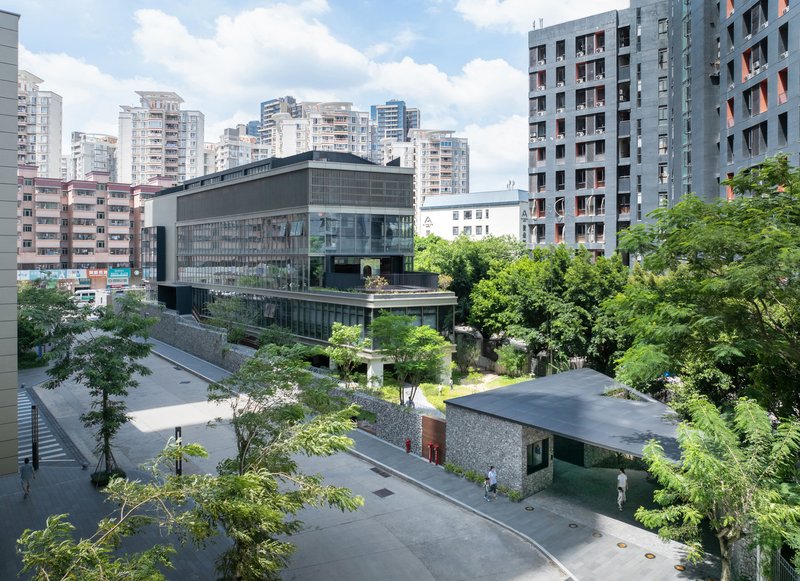
The kindergarten is situated in a bustling region known for trade and IT businesses. The design reflects the area’s dynamic growth by encouraging children’s spontaneous physical activity. The architects aimed to create a space that stimulates both the body and mind, ensuring children grow in a nurturing and engaging environment.
The Atrium: A Central Hub for Interaction
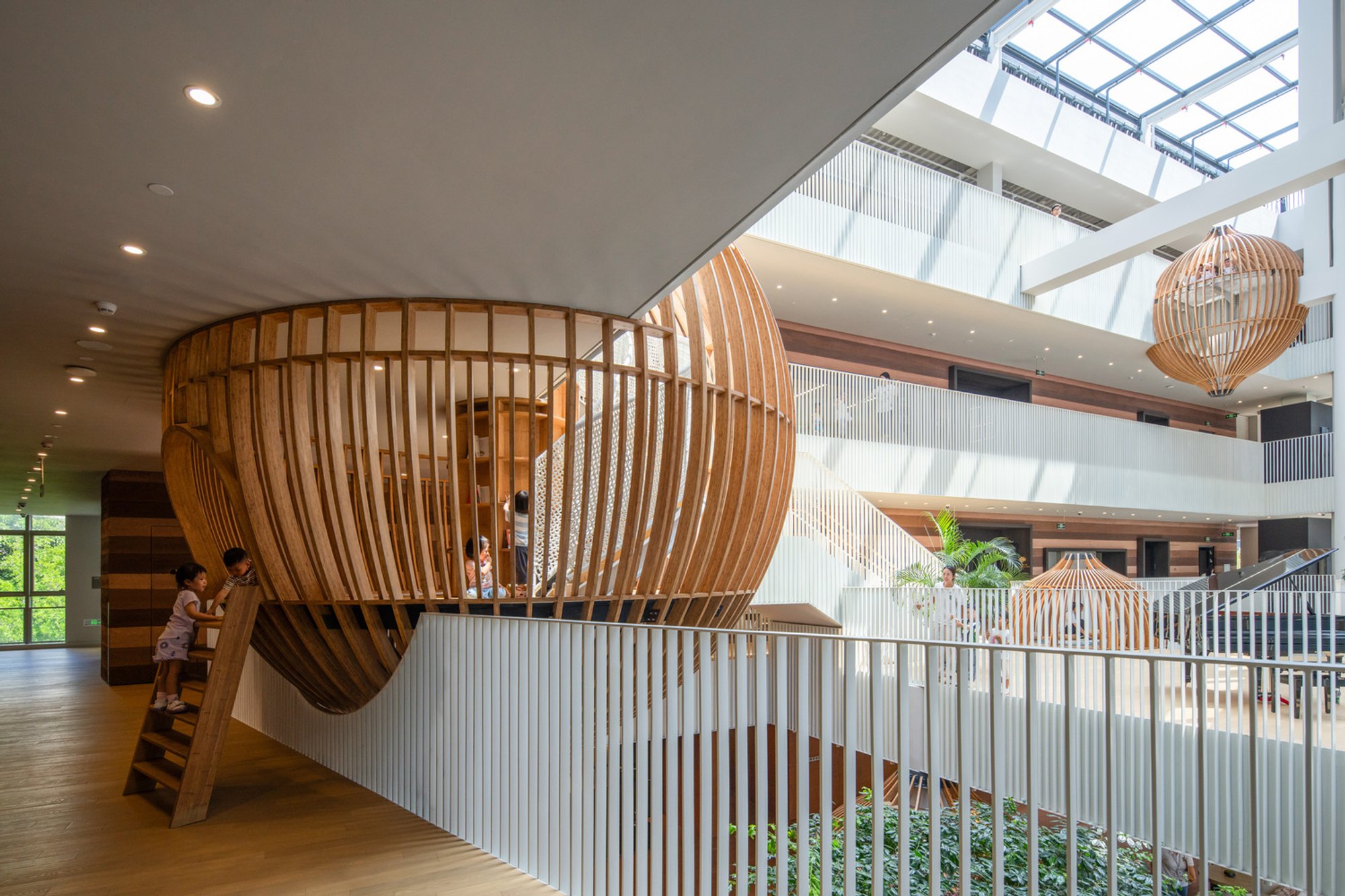
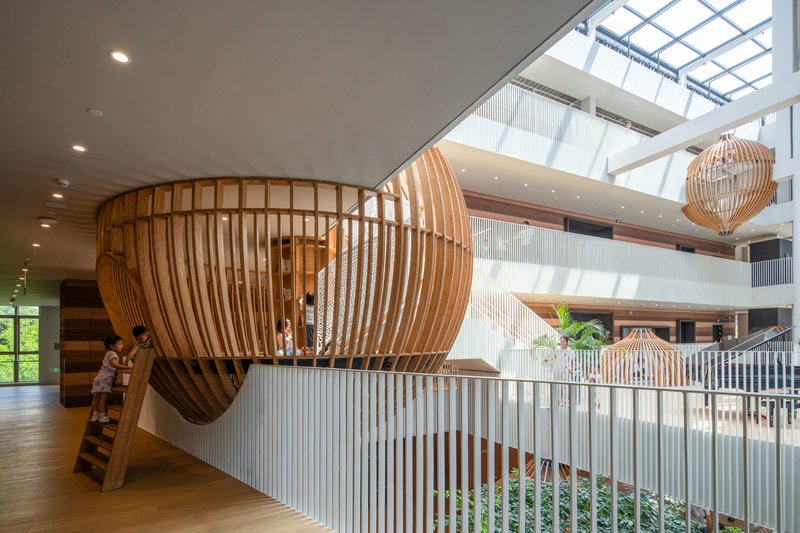
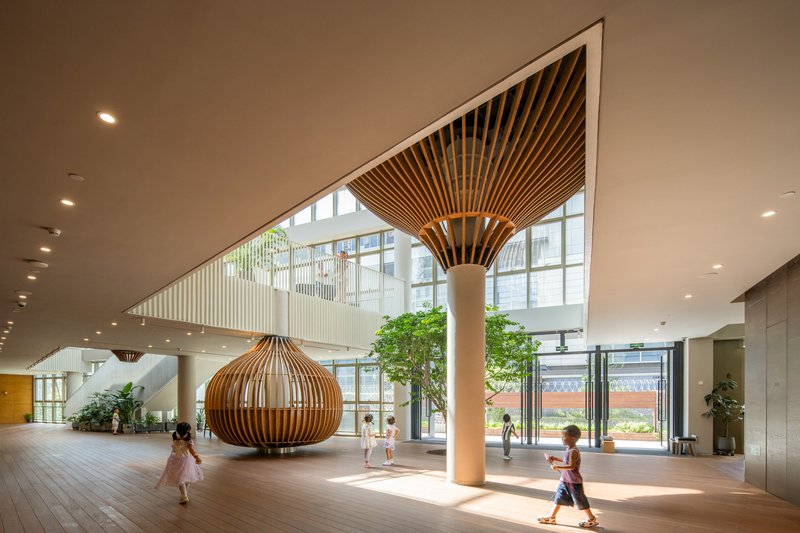
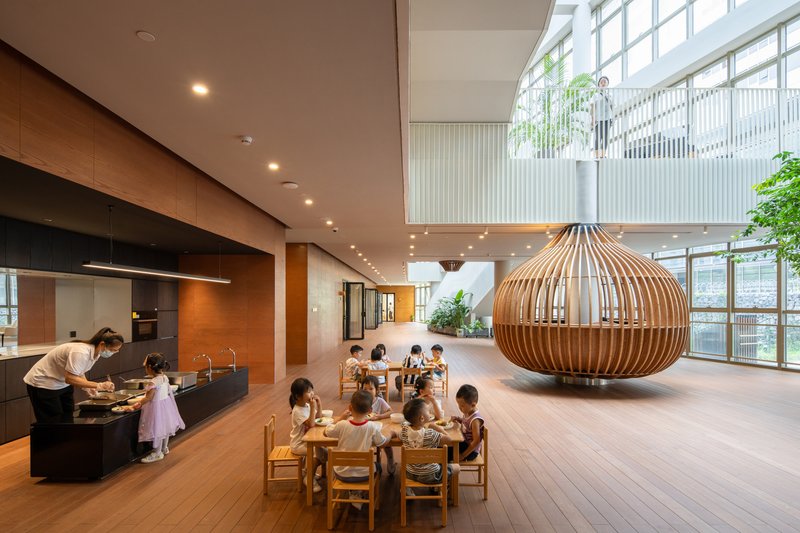
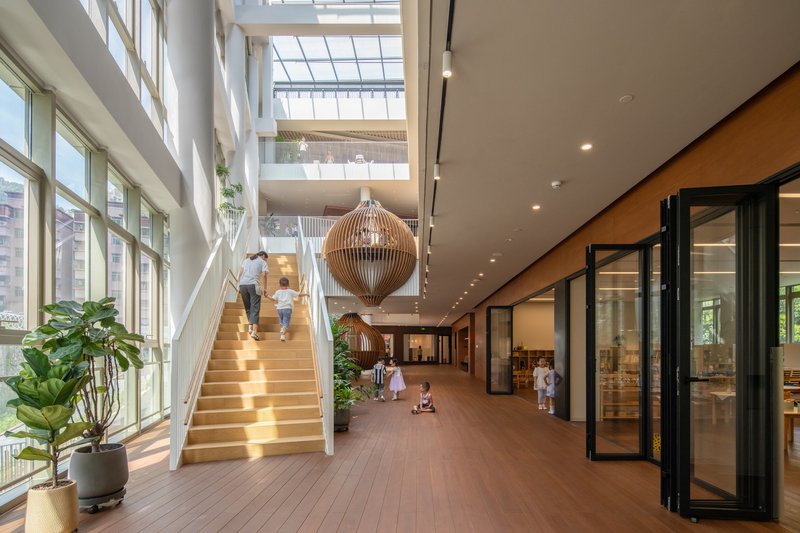
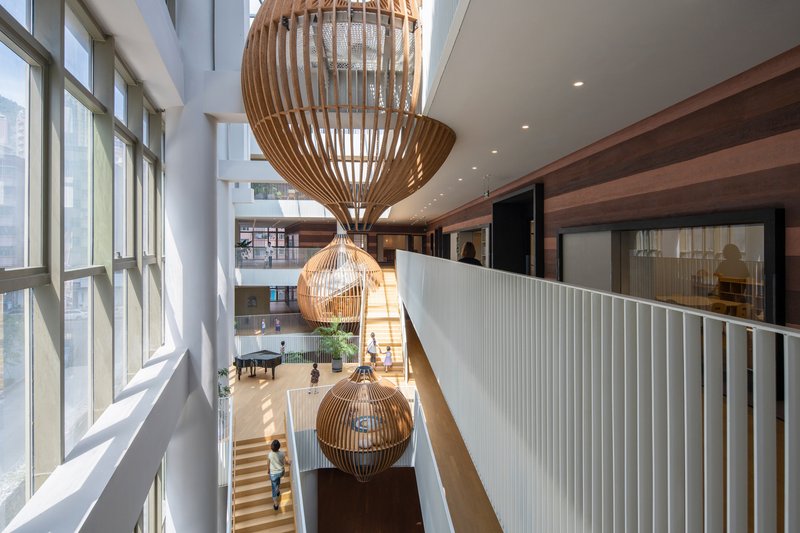
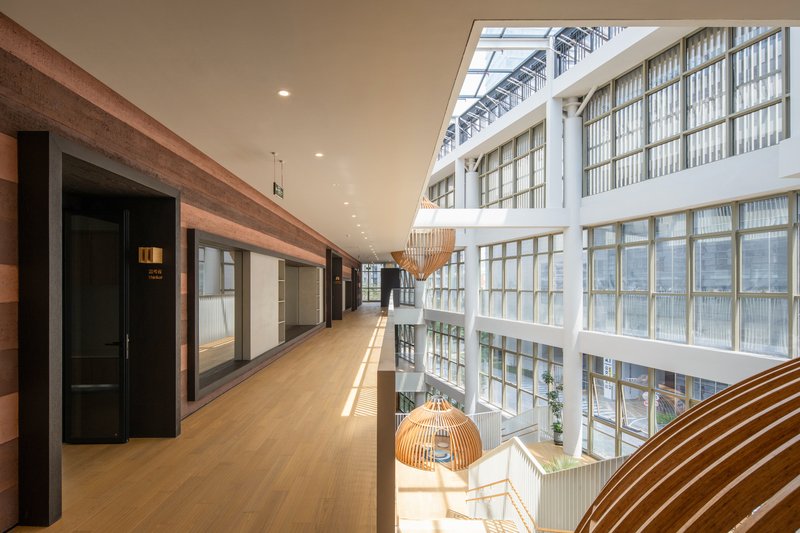
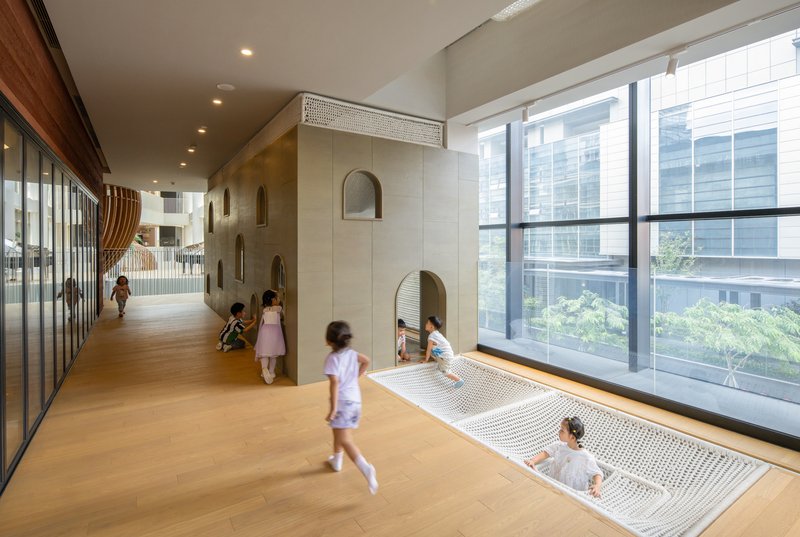
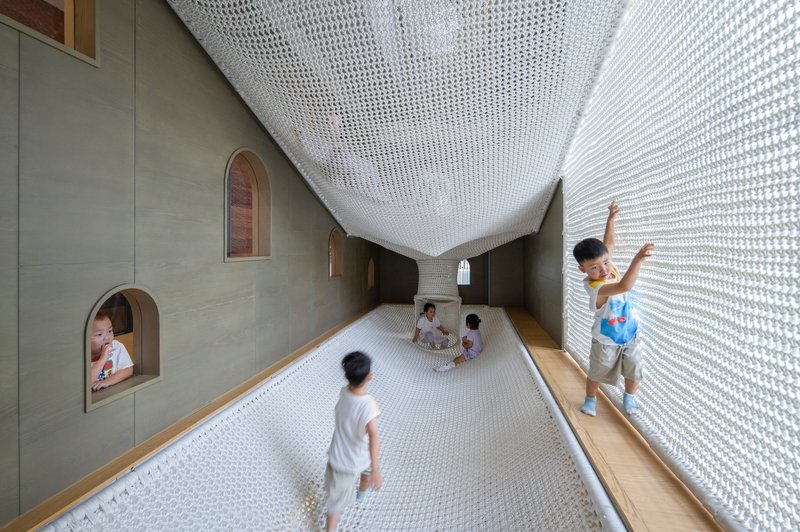
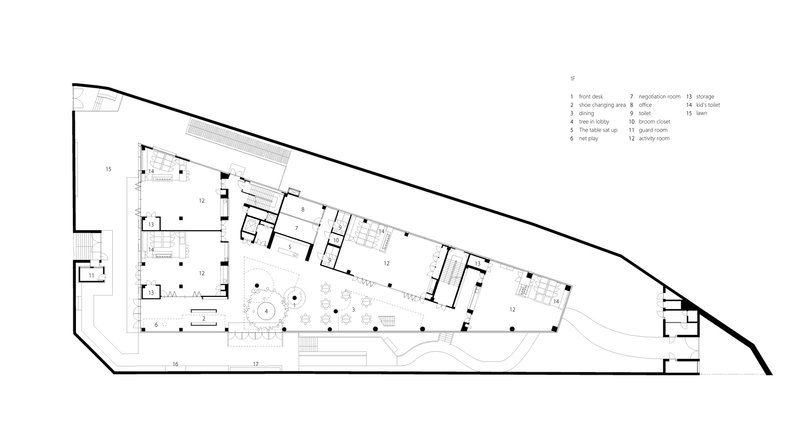
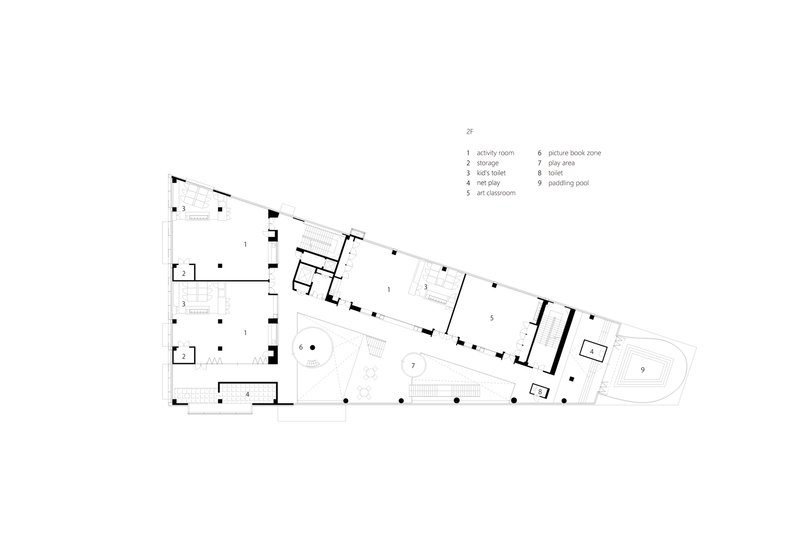
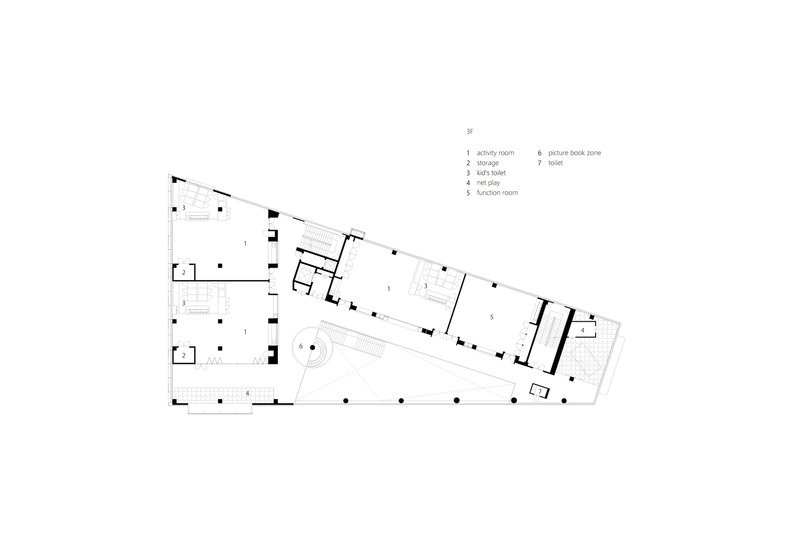
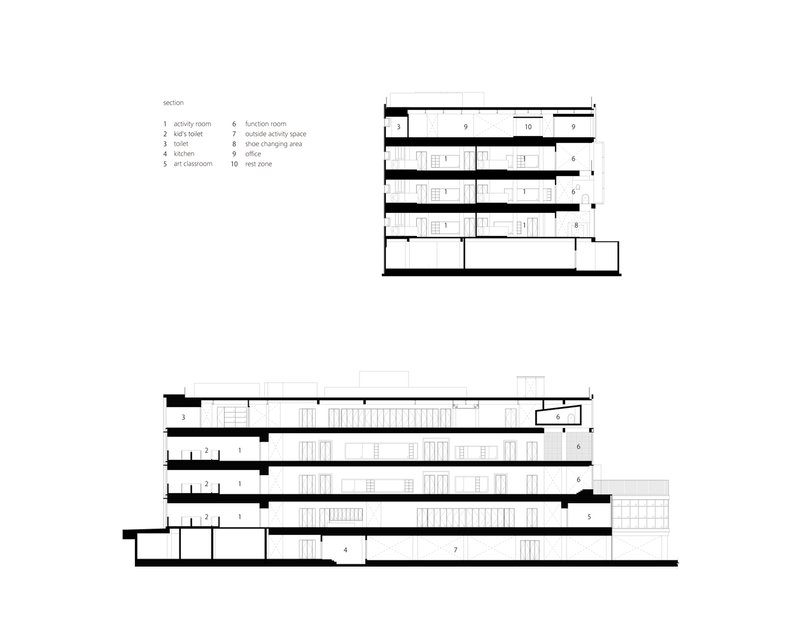
At the heart of the building is a four-story atrium, surrounded by large climbing net structures that connect the three levels on both the east and west sides. This atrium serves as more than just vertical circulation; it is a space for social interaction and a physical challenge for children. Large windows and reading areas in the hallways facing the atrium allow natural light to flood the classrooms, transforming typically monotonous hallways into vibrant spaces for play and learning.
Nature Integration: A Symbol of Growth
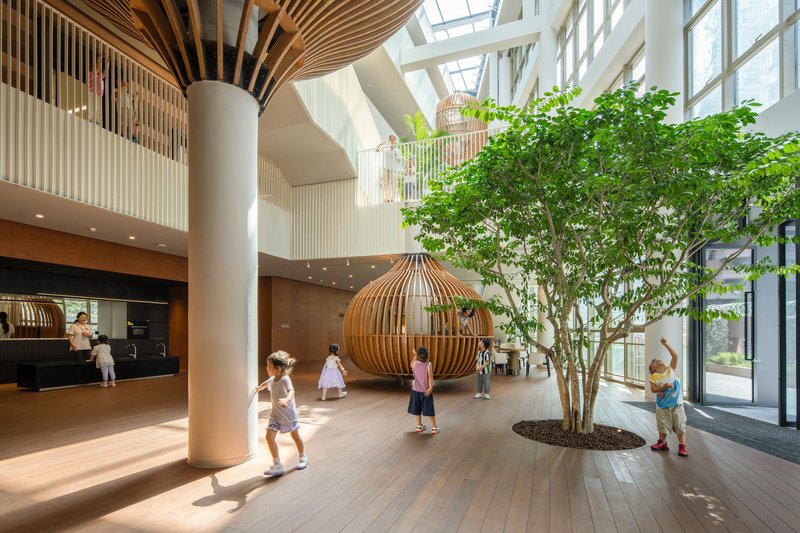
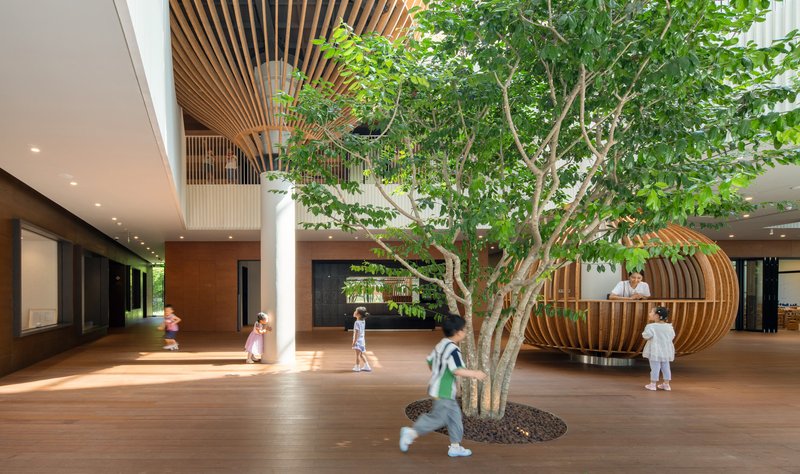
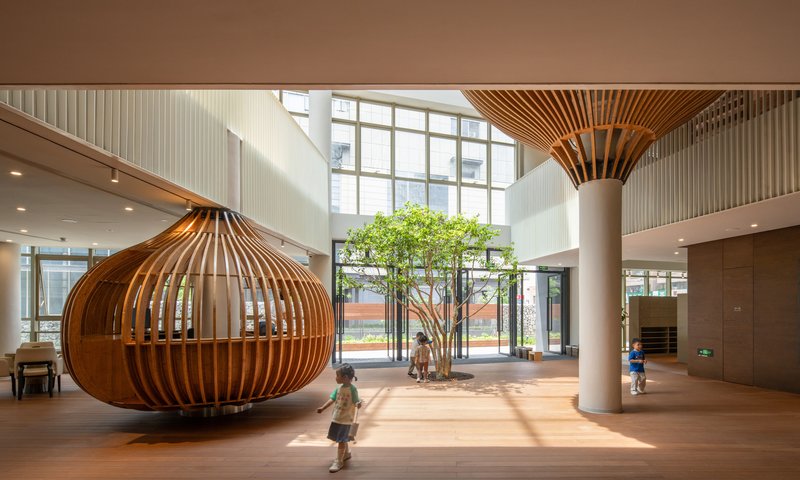
A large tree planted in the courtyard serves as a focal point, allowing children to observe its growth and transformation over time. This connection to nature is reinforced throughout the building, with design elements inspired by the concept of a "bird’s nest," symbolizing nurturing life. The nest motif is a recurring theme, creating a space that leaves a lasting impression on children.
Material Palette: Natural and Sustainable
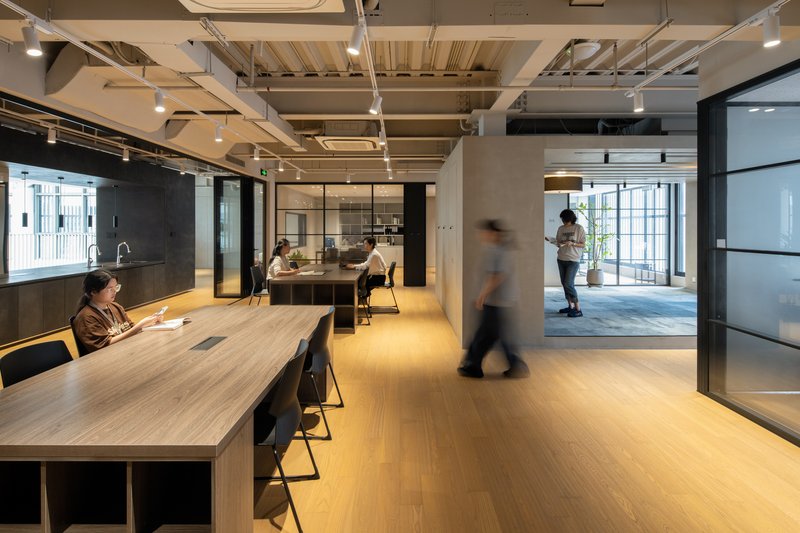
The interior design emphasizes natural materials, such as earth walls inspired by the site’s geological layers and bent laminated bamboo representing the bird’s nest. These materials stimulate visual and tactile senses while fostering an understanding of nature and the local environment. The use of sustainable materials aligns with the project’s goal of minimizing environmental impact.
Sustainable Design: Reducing Environmental Impact
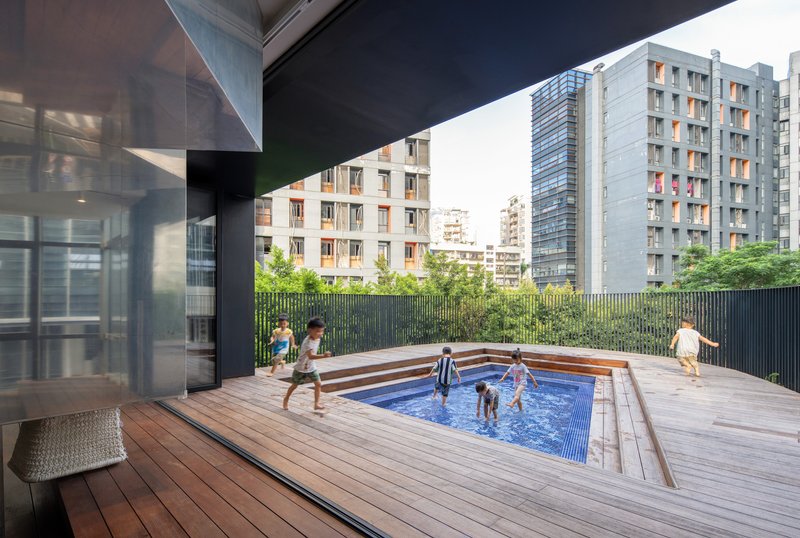
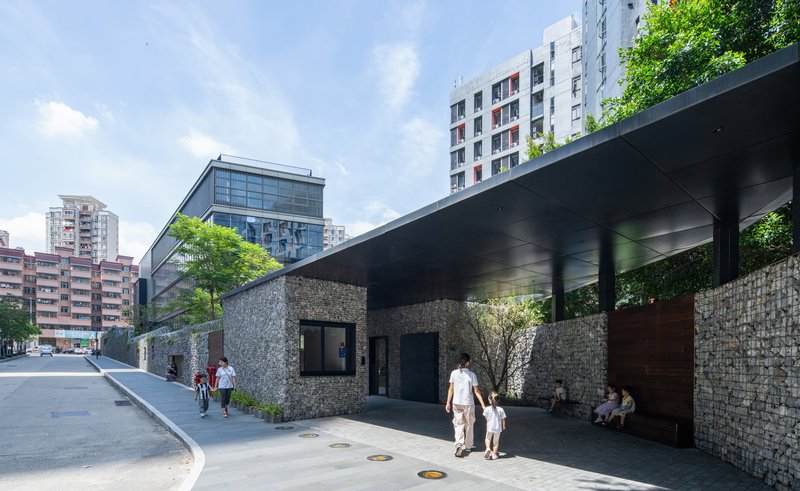
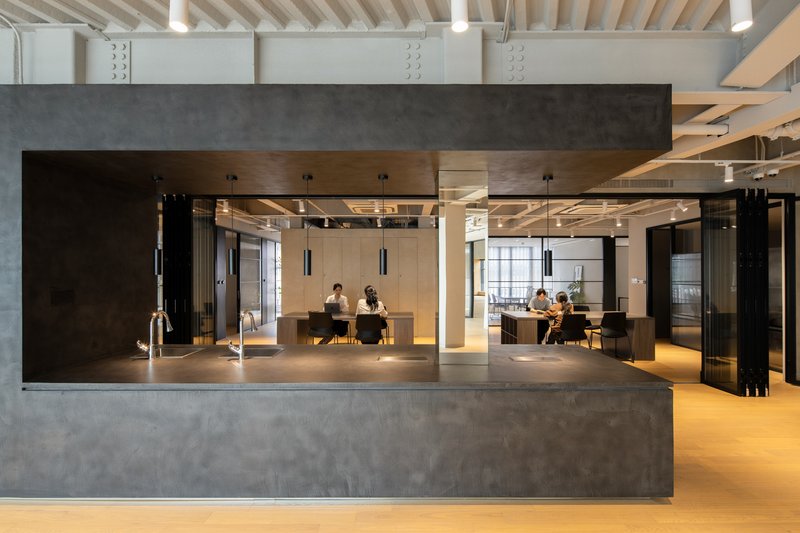
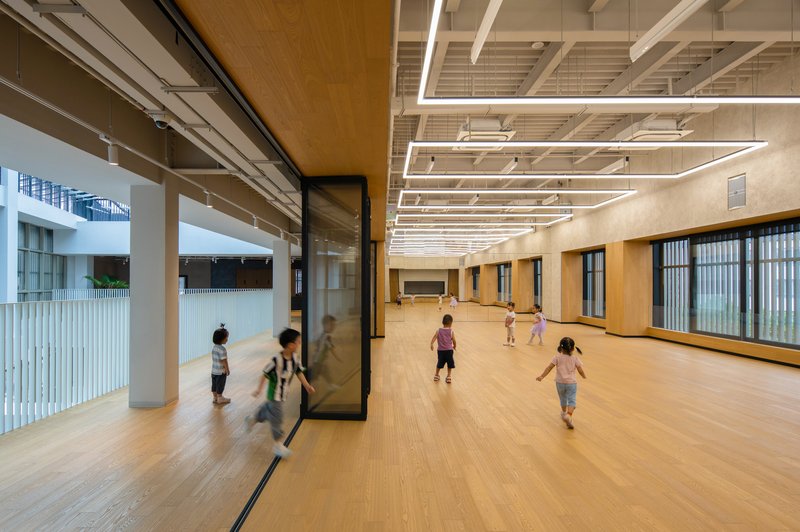
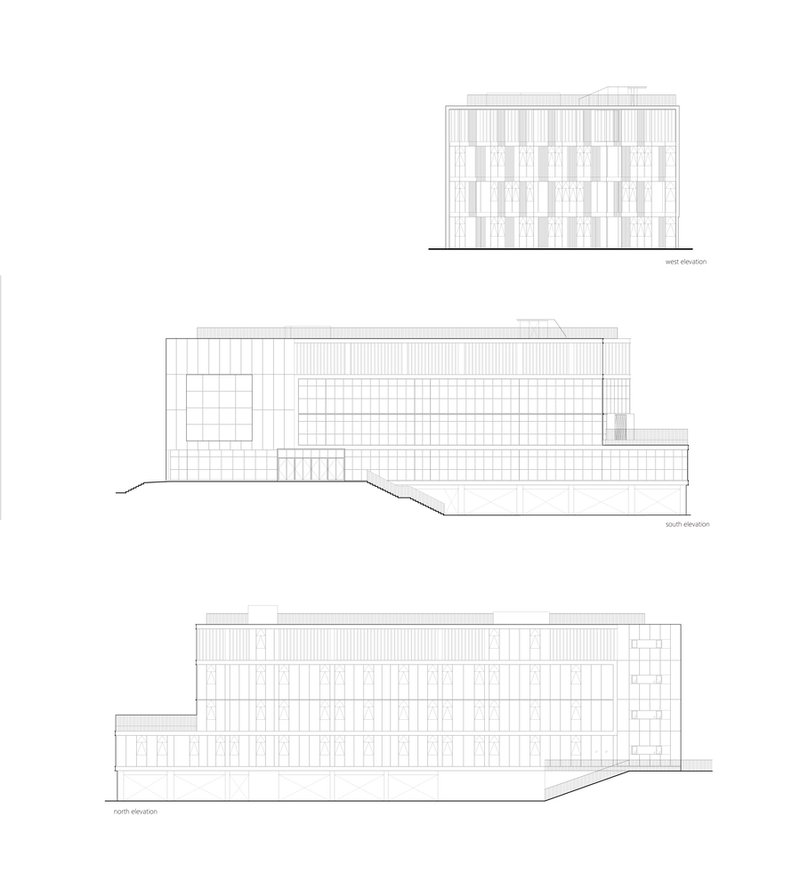
To reduce construction waste, most of the existing building’s exterior walls were preserved. Large openings and foldable doors were added to connect indoor activities with the outdoors. Operable glass skylights enhance airflow around the atrium, reducing reliance on mechanical systems for light and ventilation.
Spatial Garden: Maximizing Limited Space
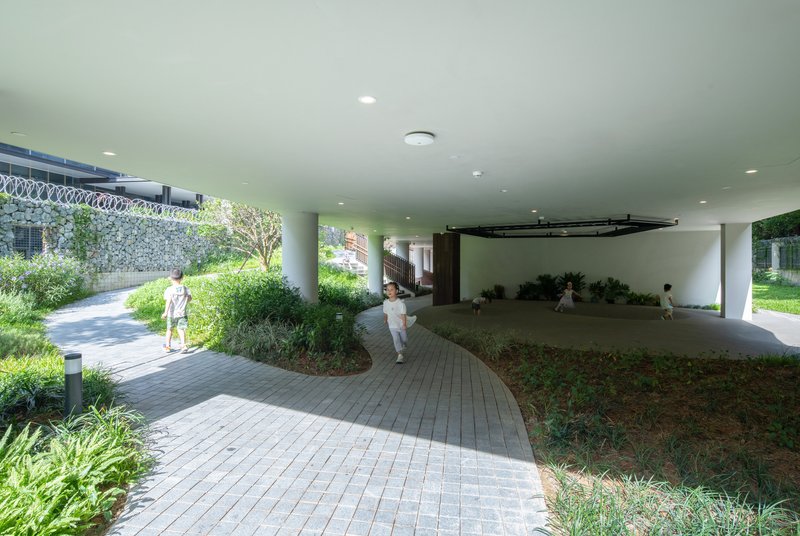
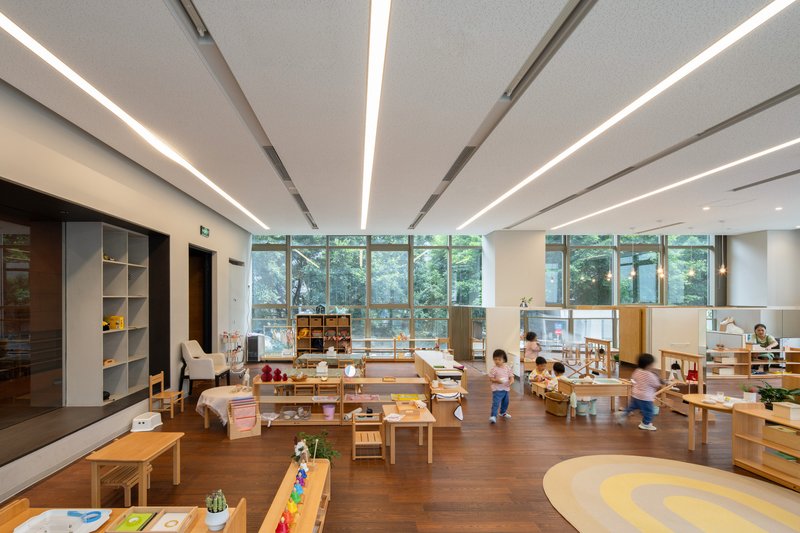
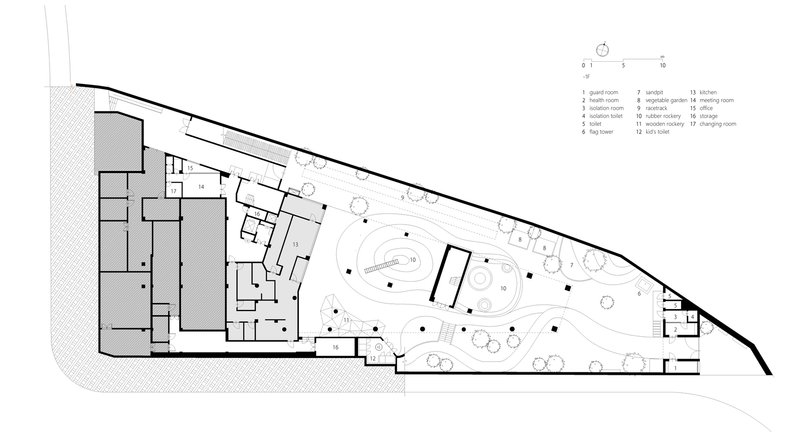
Urban kindergartens often face space constraints, and Cheer Kindergarten addresses this challenge with a spatial garden that connects the basement and ground floor. Stairs and grass-covered slopes ensure no dead ends, providing children with ample opportunities for physical activity and diverse daily experiences.
A Space for Growth and Exploration
Cheer Kindergarten is more than just a place for learning; it is a space that encourages curiosity, physical activity, and a deep connection to nature. Through innovative kindergarten design, HIBINOSEKKEI and Youji no Shiro have created an environment that nurtures children’s growth and leaves a lasting impact.
All Photographs are works of Siming Wu