
Innovative Library Design: Bridging Tradition and Technology in the Libr-Art-tion
Exploring Libr-Art-tion's blend of big data and architecture to revolutionize library design and engagement.


A Pioneering Approach by Yutong Li and Ziqian Zhang
In the age where digital convenience often overshadows the tactile serenity of physical spaces, the "Libr-Art-tion" project emerges as a beacon of innovation in library design. Crafted by visionary architects Yutong Li and Ziqian Zhang, this groundbreaking concept strives to redefine the quintessential library experience, harmonizing the allure of traditional libraries with the dynamic pulse of the digital age.
The Genesis of Libr-Art-tion: A Symphony of Data and Design
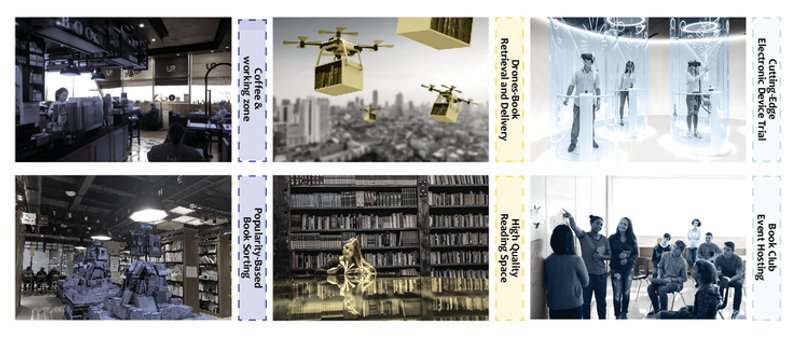
At the heart of Libr-Art-tion lies a transformative design philosophy: to allure both the purposeful bibliophile and the serendipitous browser. This project ingeniously leverages big data analytics to tailor book placements within the library, ensuring that trending literature captures the eye and piques the curiosity of random readers.
From Static to Dynamic: The Evolution of Local Libraries
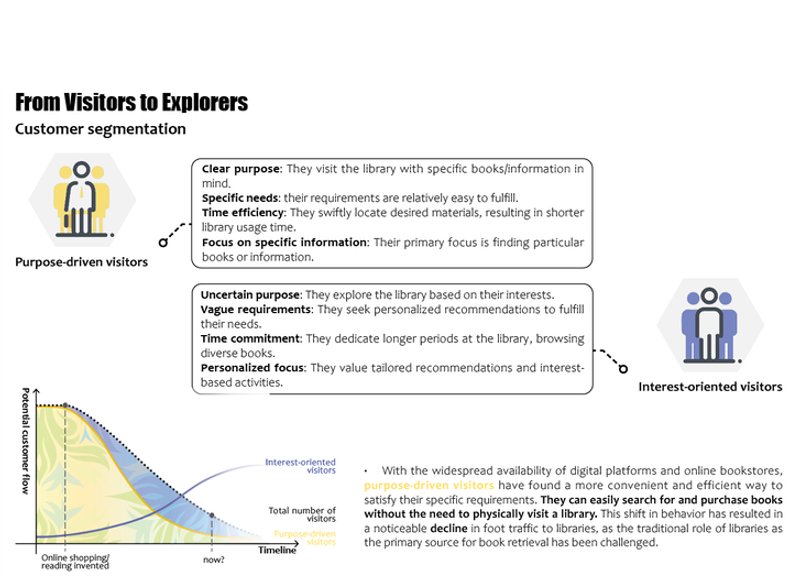
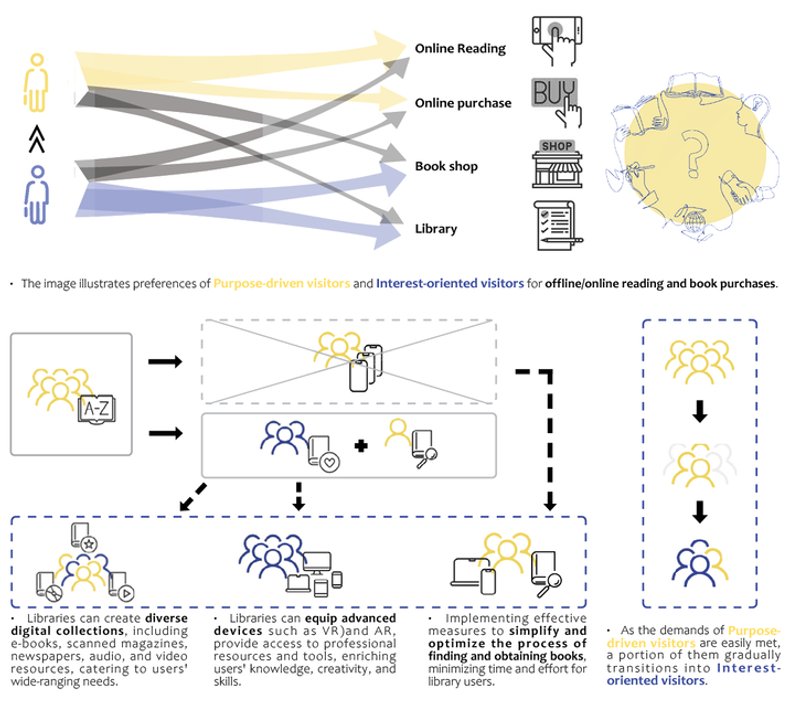
Libr-Art-tion confronts the modern-day challenge faced by libraries in Lublin and beyond—the dwindling footfall of readers who now favor digital mediums for their literary pursuits. By fostering a shift from passive visits to active exploration, the project catalyzes libraries from silent sanctuaries of knowledge to vibrant hubs of communal interaction.
The Library as a Cultural Compass
Invoking the wisdom of John F. Kennedy, the project underlines the belief that a nation's progress and moral fiber can be discerned through its libraries and readers. Thus, Libr-Art-tion doesn't merely reimagine a building; it seeks to kindle the flame of collective intellect and societal cohesion.
The Design Philosophy: Architectural Alchemy
Blending the pragmatic with the philosophical, the design of Libr-Art-tion encapsulates the spirit of Jorge Luis Borges's 'The Library of Babel,' offering infinite exploration within its hexagonal galleries. Here, architecture transcends form and function—it becomes the crucible where art meets science, and knowledge dances with creativity.
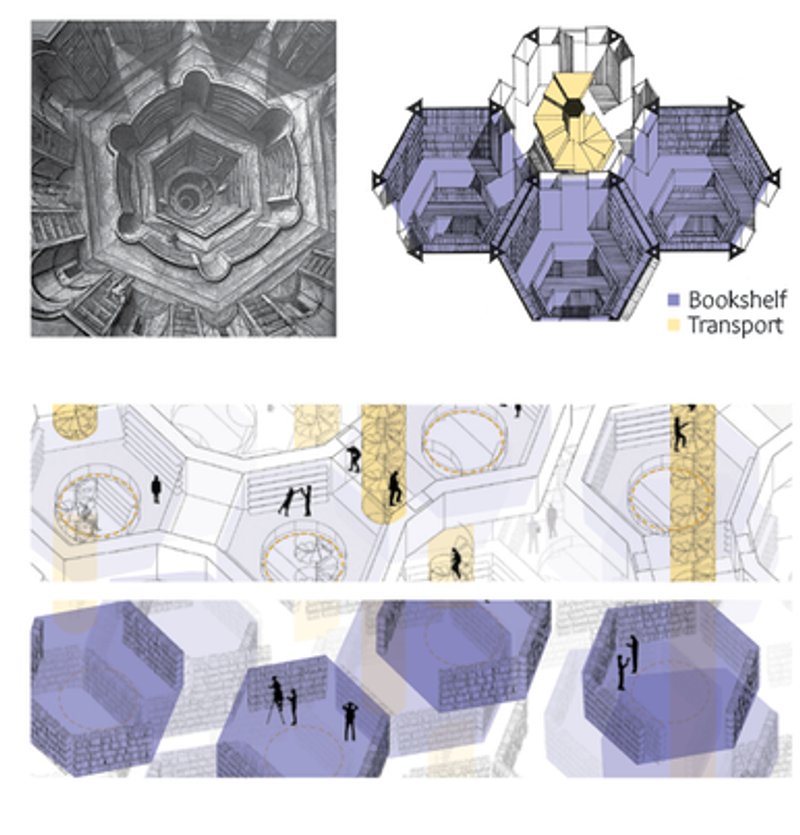
Spatial Optimization: A Spiral of Discovery
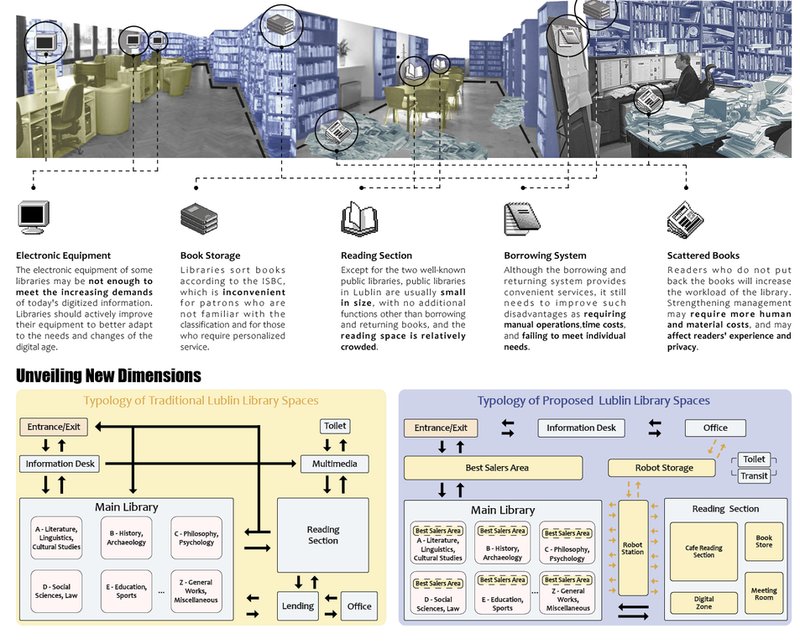
The spatial narrative of Libr-Art-tion takes on a spiral shape, an architectural decision that mirrors the project's core philosophy. It widens at the base to accommodate the diverse needs of its visitors, tapering towards the summit to represent the pinnacle of knowledge—a nod to the voracious reader's journey towards enlightenment.
Popularity Meets Accessibility: The Data-Driven Layout
By tracking the pulse of popular literature through big data, the project ensures that sought-after books are never more than a glance away. This strategic placement not only enhances discoverability but also fosters a dynamic environment where the latest reads are always in the spotlight.
The Role of Technology: An Augmented Experience
Libr-Art-tion's embrace of advanced technology—like VR and AR—reinforces the idea that libraries can be portals to boundless worlds. These tools serve not just as novelties but as the very sinews that connect the readers to the vast expanse of human knowledge and imagination.
The Library of Tomorrow: A Living Organism
The library is envisioned as a living entity, ever-evolving and pulsating with communal energy. It is a place where solitude meets solidarity, where quiet contemplation and exuberant exchange coexist in harmony.