Redefining the concept of water conservation through wisdom from the past.
Inspiring cities to amend water cycle


Introduction
From developing nations to already developed countries, water scarcity remains an involved international issue to have a conversation about. There have been many innovations in the methods of water preservation over time explored on the traditional as well as the contemporary front. Yet there is a scope of developments for the future to look forward to.
Can urban territories adapt inspirations from successful techniques to save water?
Let's dig deeper
Water - one of the prime symbols of our existence
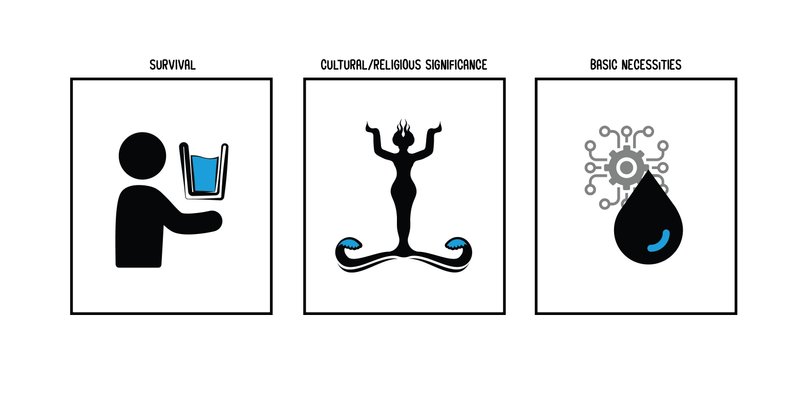
Water has been used in design since antiquity as a symbol of life as well as something at first indispensable and then disposable, that eternally returns. Being one of the primary elements on Earth, water has had a strong cultural significance which plays an important role in the lives of people of different settlements. Many discrete precedents of water deities can be found in different parts of the world where water is an essential element in the rituals and practices of similar genres.
Available in great abundance on the planet, the dependency of survival on water, has made it a universal element of religious importance.
Over the years with technological advancement, water harvesting and conservation approaches have also undergone many renovations.
Diversity of traditional water conservation techniques
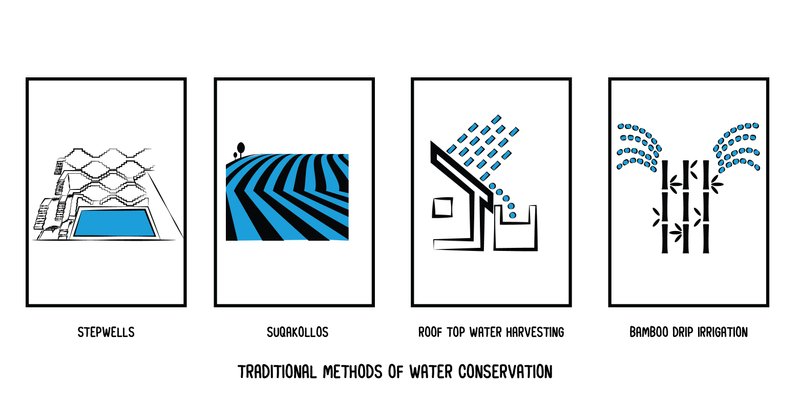
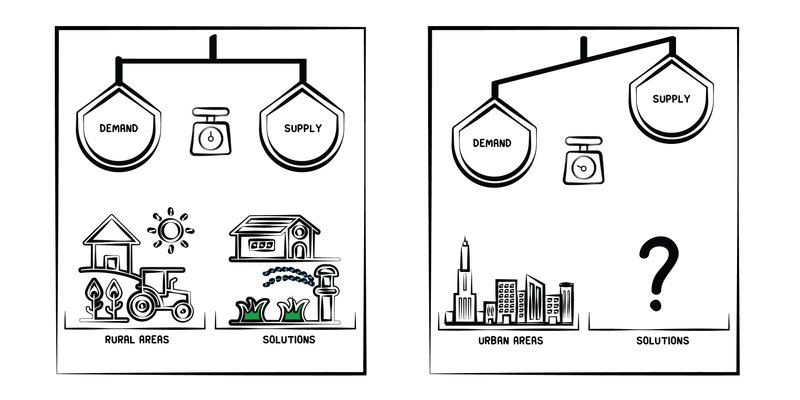
For ages, humankind has explored various methods of saving water which included local water harvesting techniques. Traditional methods including step-wells and suqakollos are still being implemented in rural areas of the world, providing a productive way of water conservation across different cultures.
Stepwells which were primarily used for saving rainwater, hold strong architectural importance as they provide insights into many unexplored historical designs and cultural components. Their concept of descending steps to water level, to provide water in seasonal fluctuations provide easy access to water storage.
In the agricultural field, Suqakollos were used for farming by trapping moisture in trenches and behind a raised strip of cultivated soil. They served a double purpose as they also helped in drought conditions by retaining water and also draining it during heavy rains. These methods have universal utilization characteristics as they were primarily used in areas where not many resources were available. Also, their innovational nature for a civilization of their time serves as an inspiration for solving growing water needs arising in today’s context.
Learning from the wisdom of the past
In the current timeline, with so many advanced technologies existing, inspiration from traditional methods of preserving water and incorporating them with contemporary ways are being considered. In Kenya, due to the high concentration of sandy loam soils in the Nairobi region of the country, Sand dams are constructed by building a concrete barrier across a seasonal river with a firm bedrock. As the river flows, sand in the water is deposited behind the wall. Over time, layers of sand build into a reservoir for water, which remains stored in the sand once the river level drops.
In the present world of current urban cities, with so many advanced strategies that have been developed, villages with limited resources have succeeded in developing and utilizing methods of saving water. The sustainable nature of these techniques has made them universally replicative and design fundamentals have aimed towards a more inventive architecture. Small scales and fewer inhabitants in villages makes it easier to follow vernacular methods of water harvesting and thus saving more.
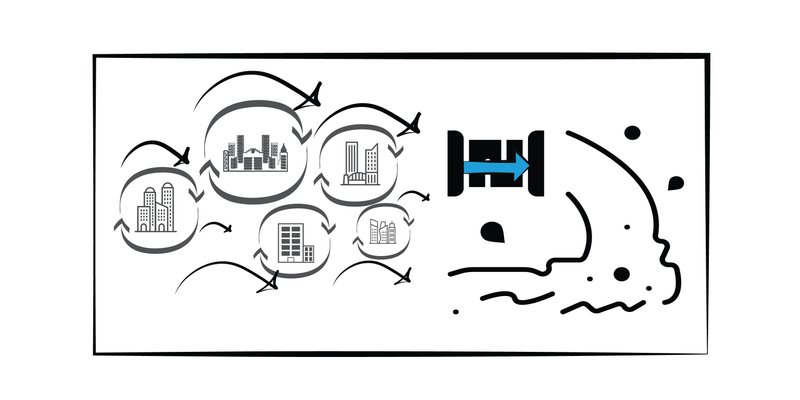
In most urban megacities, the water cycle of its procuration and consumption is itself skewed which therefore needs to be redefined. Sustainable strategies inspired by traditional methods can be approached, as in cities, the challenges escalate at an entirely different level, which is why contextualizing these solutions can be a headway to make this possible.
Concealment of water scarcity at the urban level
Building cities should use as little water as possible and communicate the same through various mediums. The biggest problem our urban cities face is the disappearance of water scarcity at the doorstep. Spaces incorporating water conservation methods can be created which will not only increase the natural landscape in towns but can also act as symbols of eco-friendly urban territories. Efficient water conservation methods which incorporate both traditional values and technological features can be followed to cope up with the large scale of urban areas and growing populace.
Favourable planning and management strategies need to be executed, to make the citizens aware of the growing solemnity towards water scarcity. As a consumer, urban water conservation depends on their changing behaviours, which may be influenced by personal reasons ( related to factors like age, income, education) or following stimuli coming from the economic, technology and public awareness spheres.
Considering the architectural approach towards a sustainable future
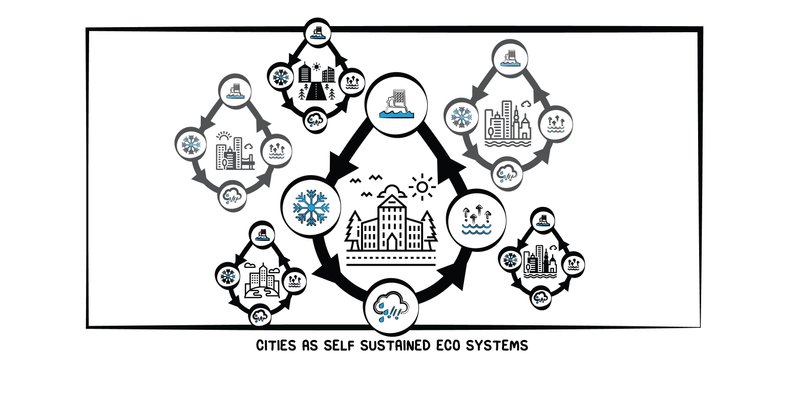
A city requires both sufficient quantity and quality of water due to its vastness and large scale, which is why innovative solutions should gear up to ensure the consistent safe delivery of water by their respective utilities to an ever-expanding population. Considering the infrastructure spread, at the basic construction level, design strategies should be adopted that emphasize the restoration of conventional resources. Taking inspirational ideas from the architectural elements of past techniques can play a vital role in water conservation vocabulary.
Designers and architects can adapt techniques to inspire zero water wastage infrastructure to create significant elements of inspiration for the future. Spaces and buildings merging naturally into the surroundings can be one holistic approach that promotes minimum damage and a sustainably symbiotic relationship with the environment in which they exist.
For a viable future, designers, architects, and urban planners can reconsider the principles of design and produce a collaborative result of sustainable traditional and advanced technological values.
To know more visit https://uni.xyz/competitions/ripple
Resources :