Korean Restaurant Interior Design: Geumchon Gukbab by Atelier Ah
This article explores the interior design of Geumchon Gukbab, blending Korean traditions with modern architecture by Atelier Ah.


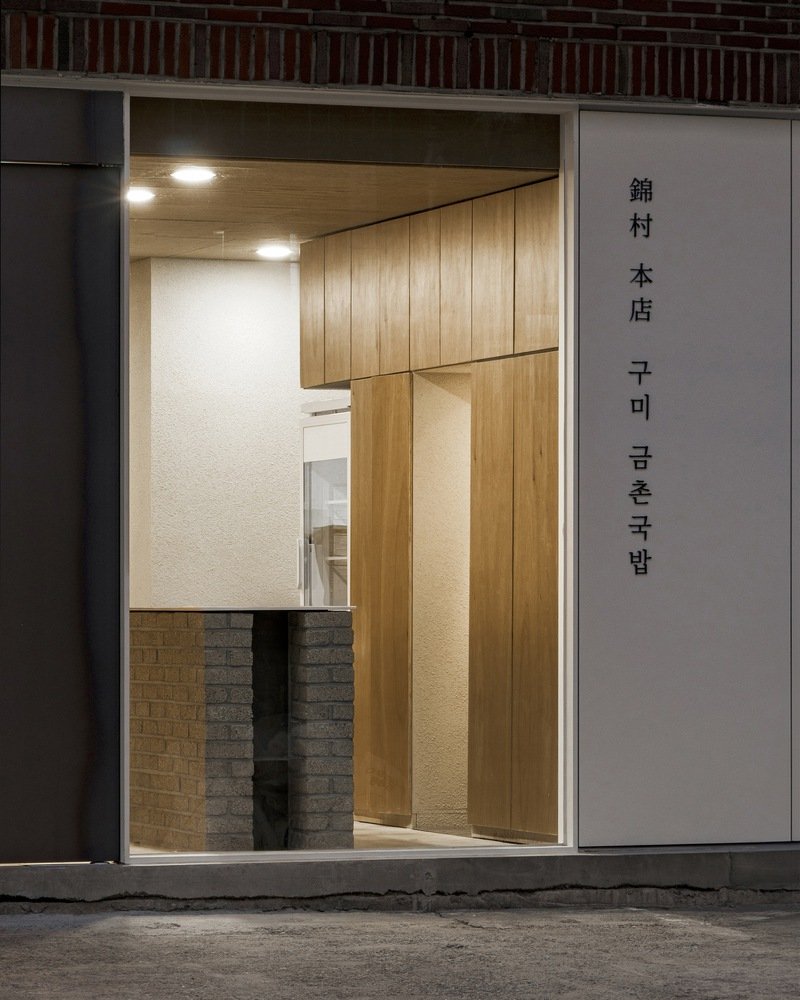
In the vibrant city of Gumi-si, South Korea, Geumchon Gukbab stands as a tribute to tradition and modernity, blending authentic Korean culinary heritage with a thoughtful interior design. Designed by Atelier Ah, this 227 m² space tells a story of resilience, family, and the deep-rooted cultural significance of Gukbab—a beloved Korean dish that offers nourishment and comfort to generations.
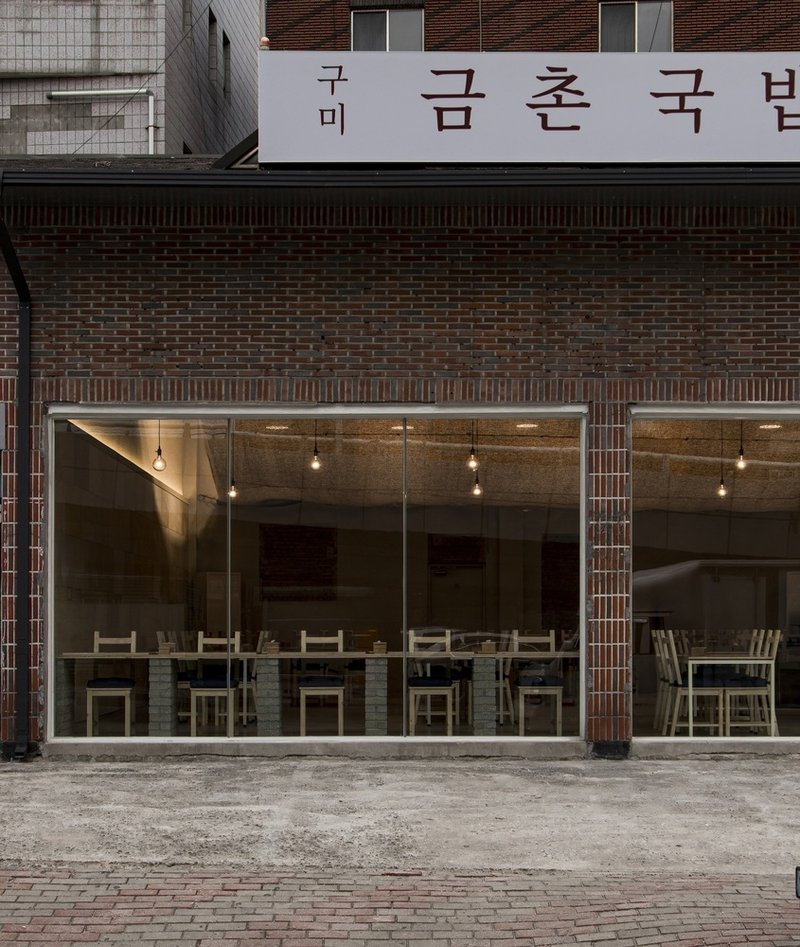
A Culinary and Architectural Legacy
The Geumchon Gukbab restaurant is not just a dining space but a culmination of a 20-year culinary journey. Founded by a dedicated mother in her 70s, the restaurant has earned fame for its unique pig head recipe, drawing food enthusiasts from far and wide. This expansion project reflects the client’s desire to create a family-run establishment that preserves her legacy while offering patrons a memorable dining experience.
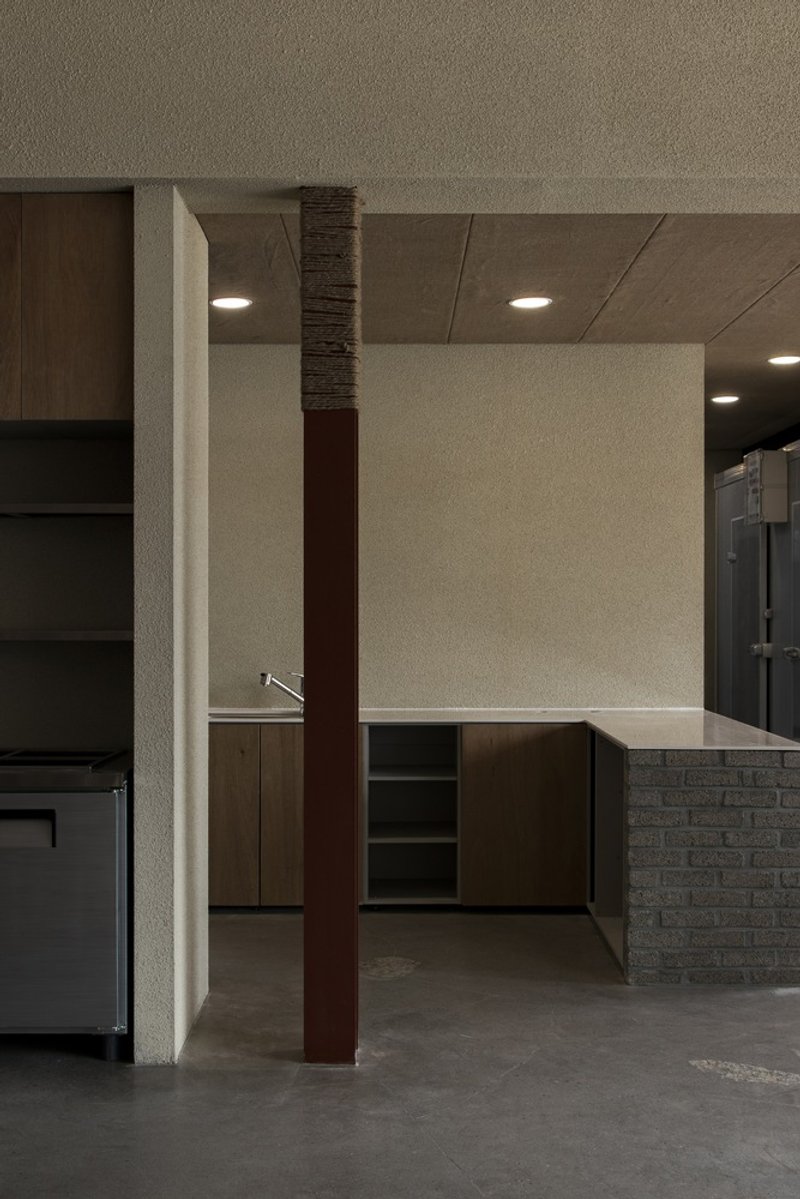
Redefining Space Through Meaning
From its inception, the project focused on capturing the essence of Gukbab in spatial design. Often depicted in Korean cinema as a dish enjoyed with great earnestness, Gukbab is a symbol of simplicity, depth, and comfort. The architects sought to embody these qualities in the restaurant’s interiors, creating a space that feels both grounded in tradition and welcoming to modern diners.
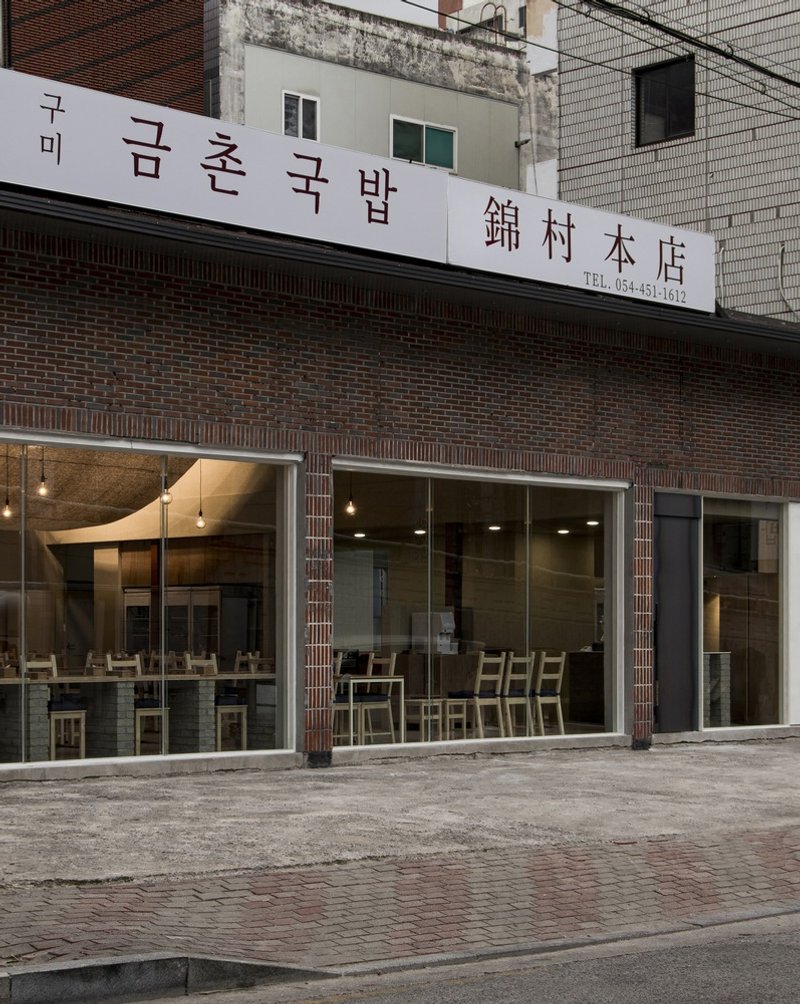
Inspired by Earthenware Bowls
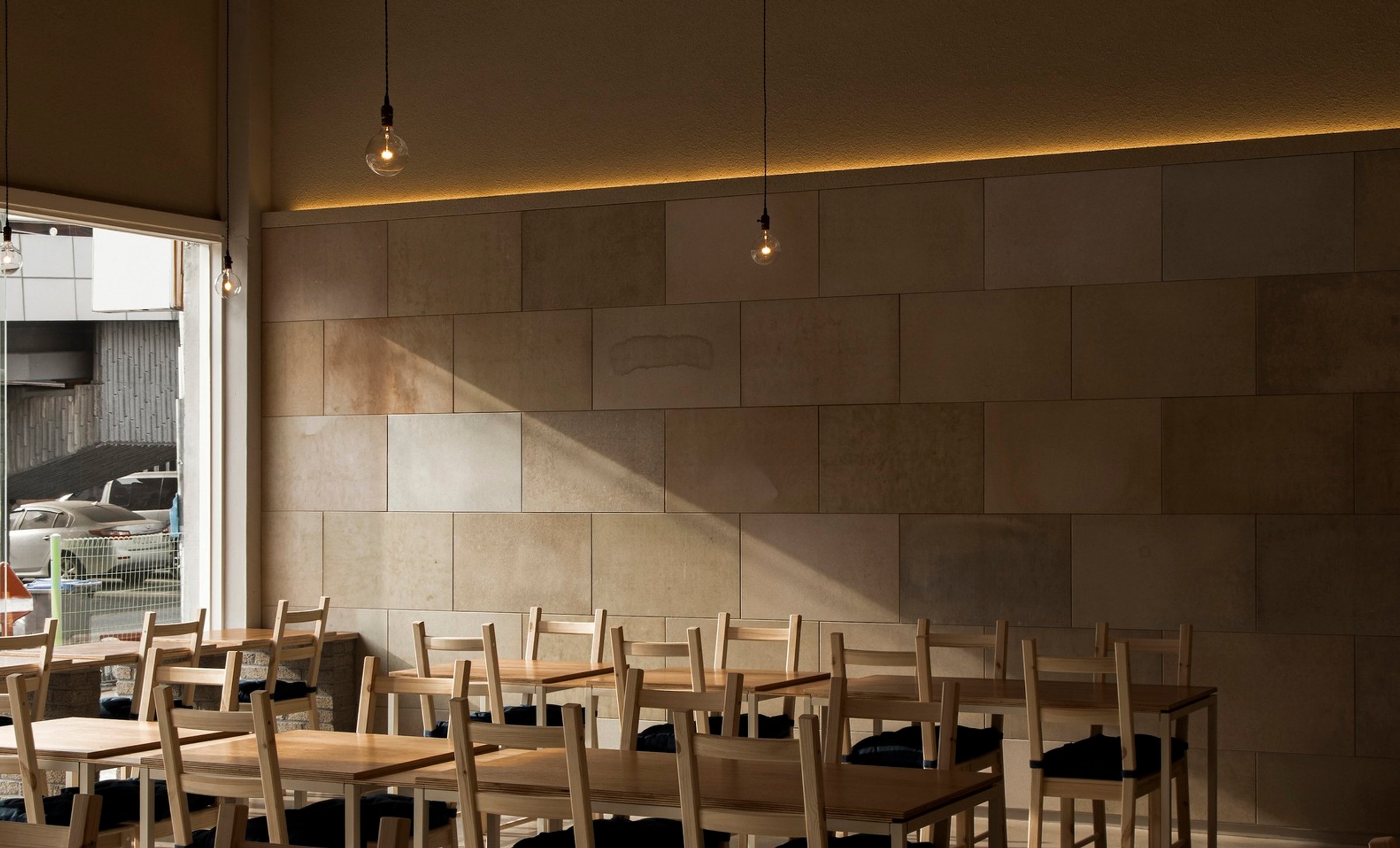
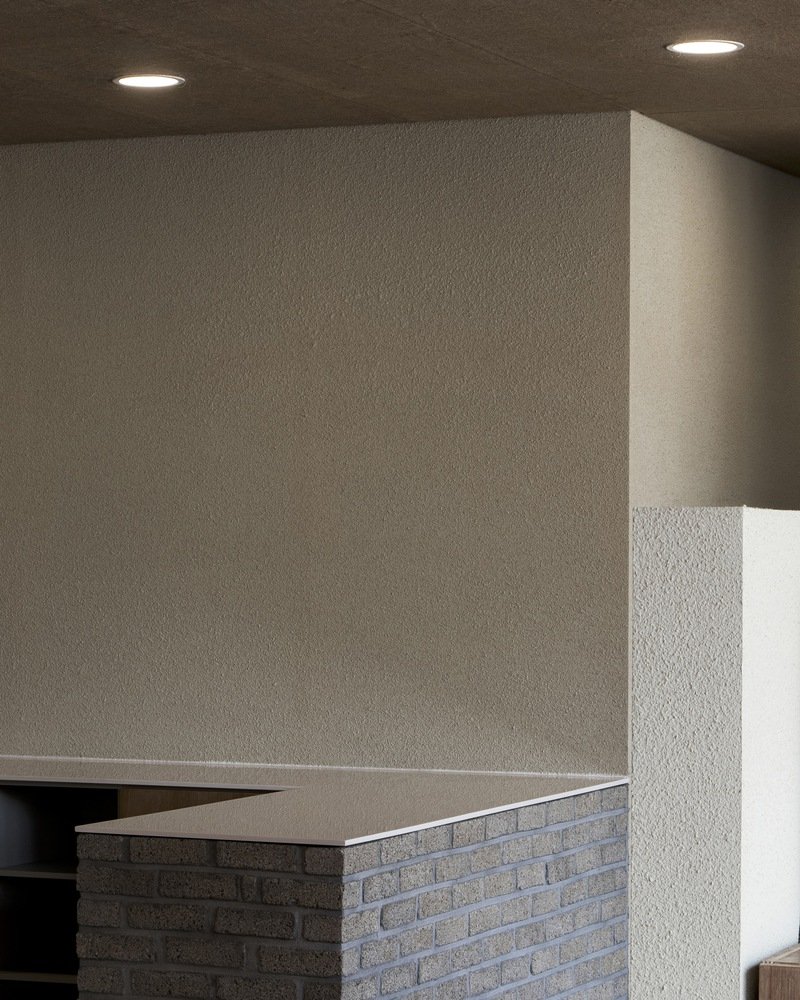
A key inspiration for the design was the humble earthenware bowl, a staple in Korean dining culture. These clay-fired vessels, with their rough texture and timeless elegance, inspired the use of terracotta walls, echoing the warmth and authenticity of traditional materials. The walls retain traces of the building's history while embracing new textures, achieving a harmonious balance between the past and present.
The Art of Lacquer Paper
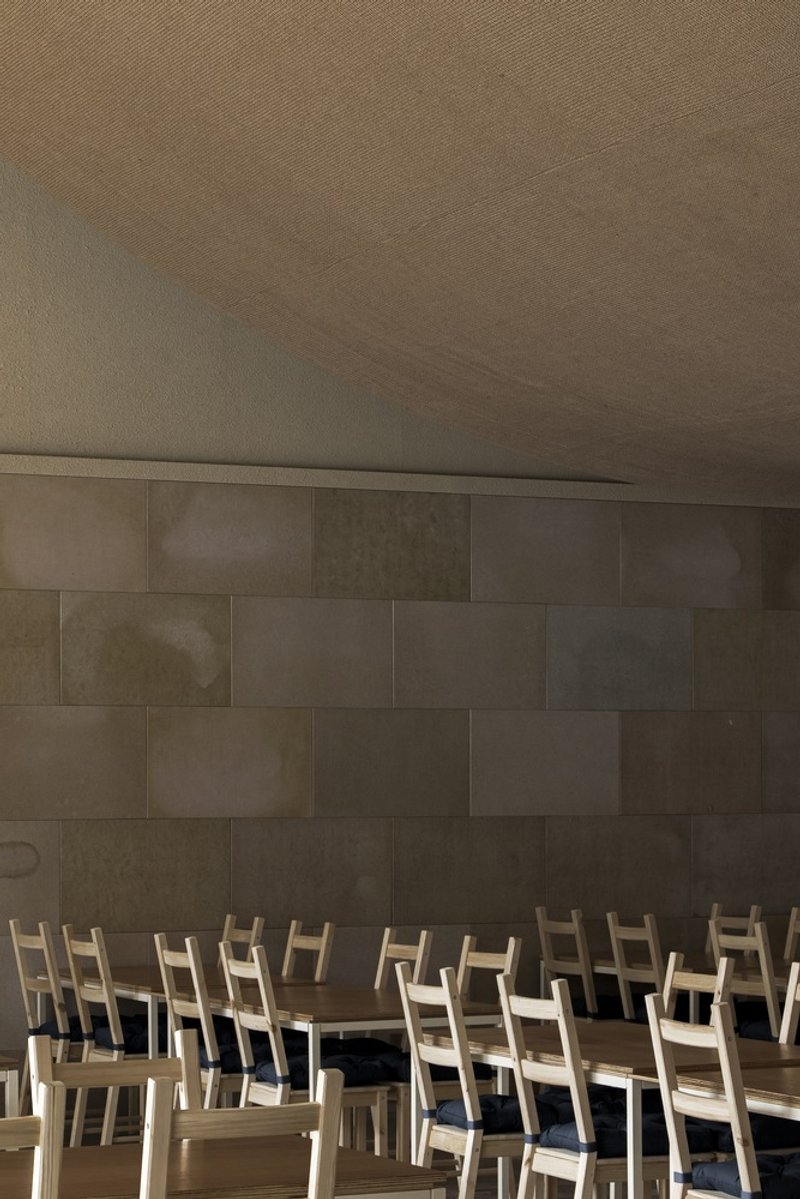
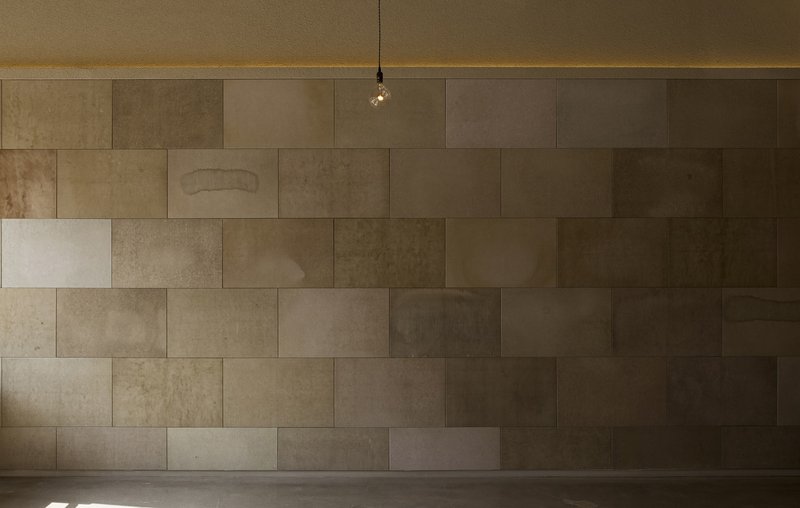
One of the standout features of the restaurant is the use of lacquer paper panels to create textured walls. This traditional Korean material, crafted through a meticulous process of applying lacquer to paper multiple times, offers unique patterns and colors. Seventy pieces of lacquer paper were selected, each serving as a piece of art that enhances the plain yet dynamic aesthetic of the space.
Functional and Flexible Layout
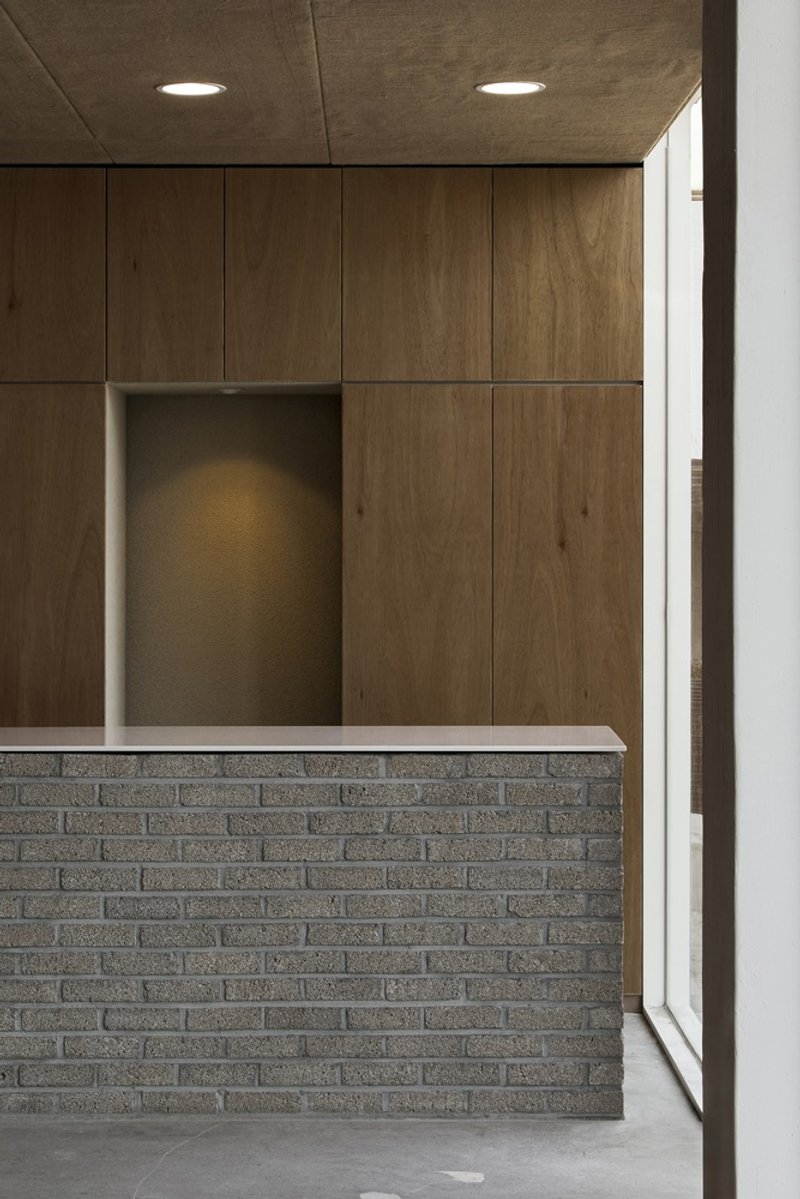
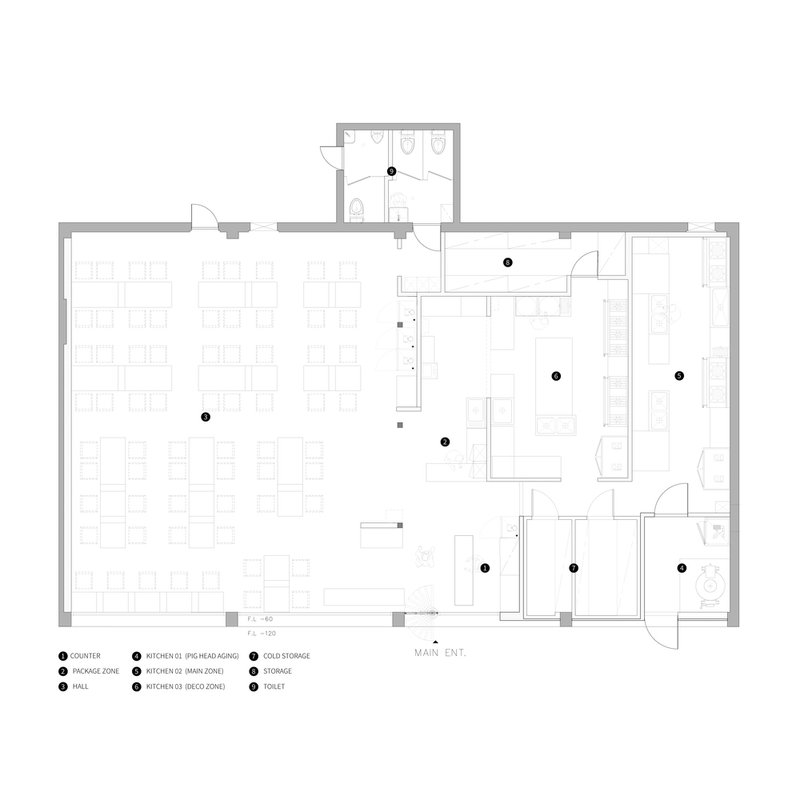
Understanding the fast-paced nature of Gukbab service, the architects designed a layout that seamlessly integrates the kitchen and dining areas. The kitchen is divided into three functional zones: aging the pig head, cooking the aged meat, and preparing dishes for serving.
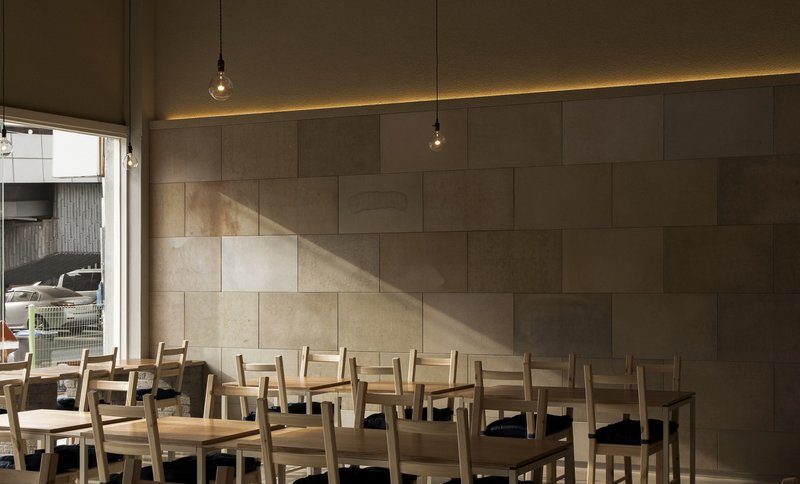
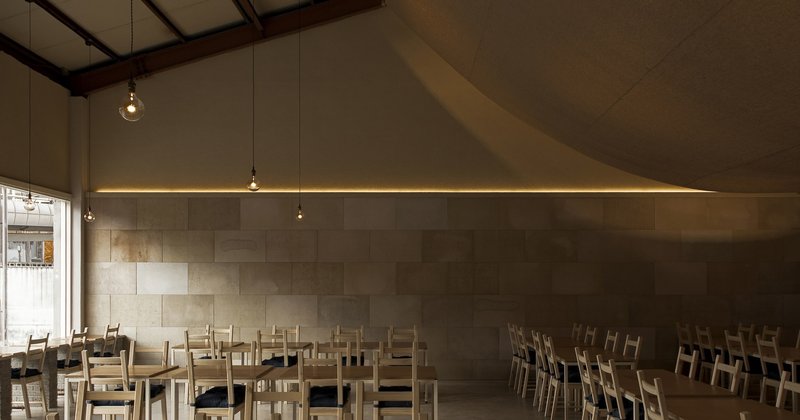
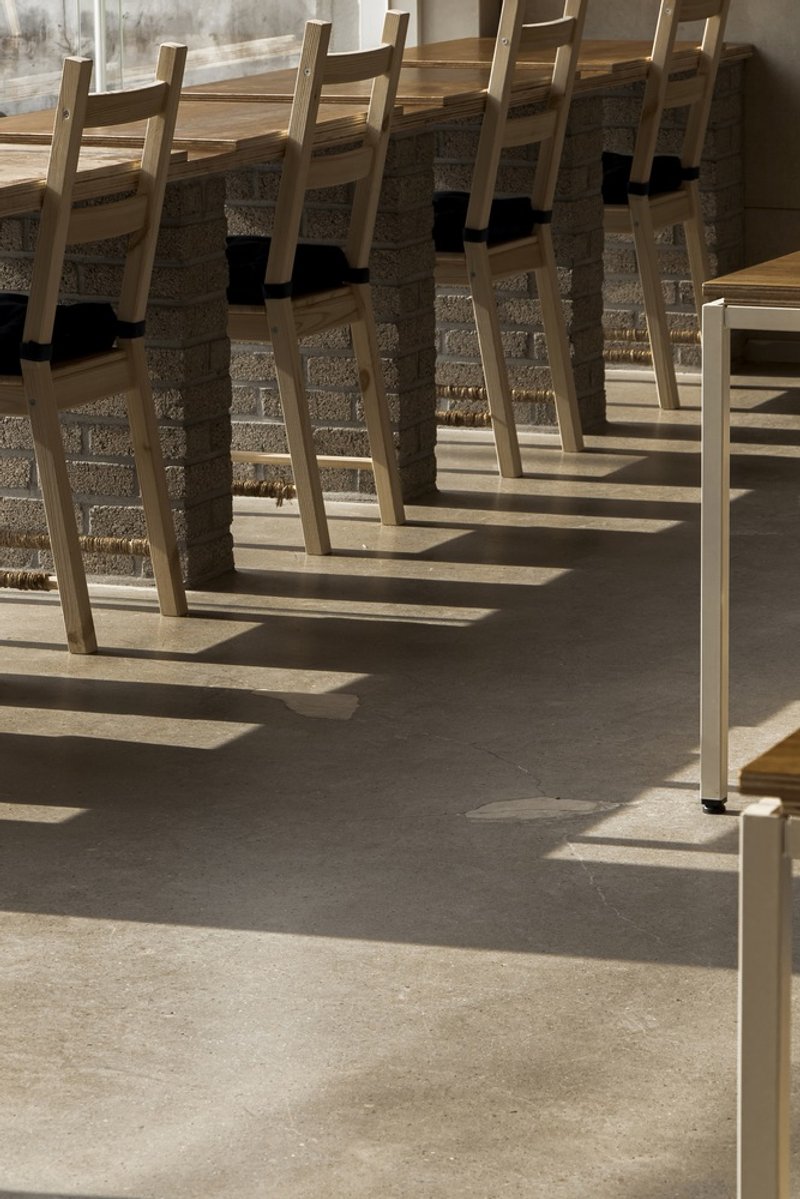
The dining area accommodates diverse seating arrangements for single diners and groups, with auxiliary tables acting as partitions for added functionality. Despite its compact size, the space feels expansive, thanks to the minimal use of walls and the clever arrangement of furniture.
Breathing Space: Vertical Openness and Lighting
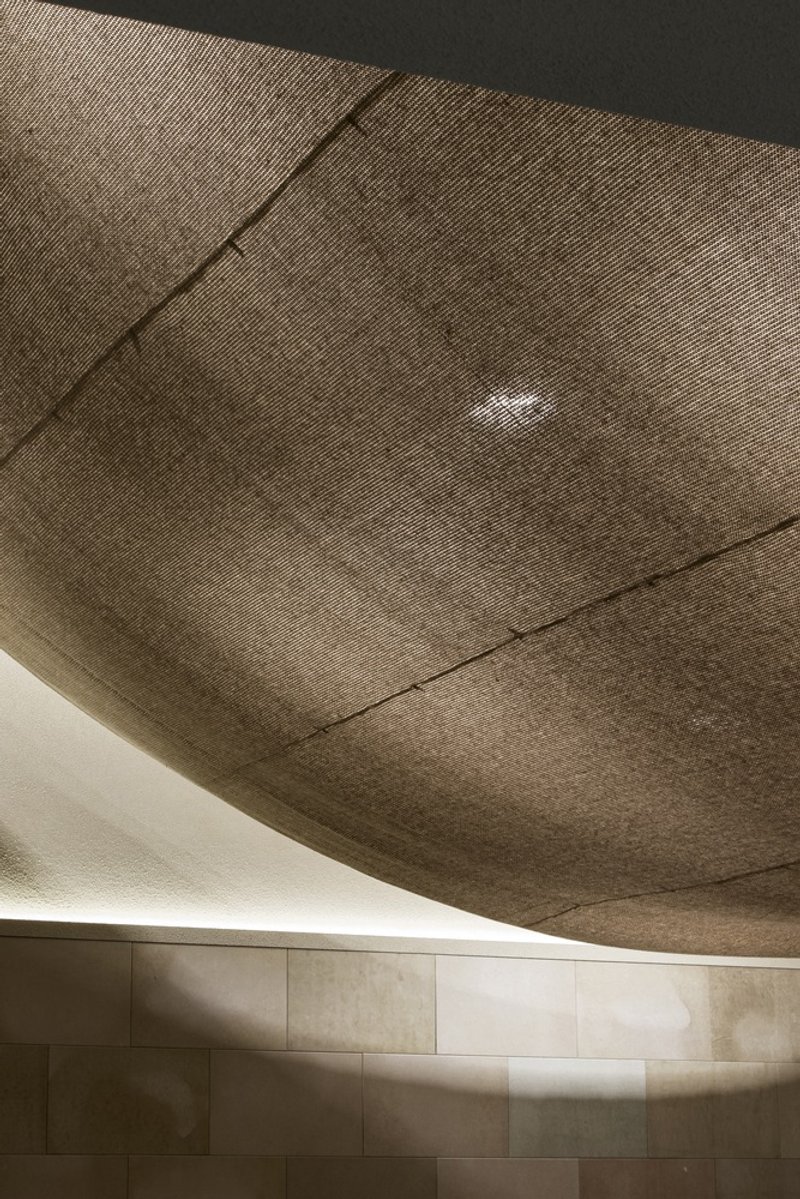
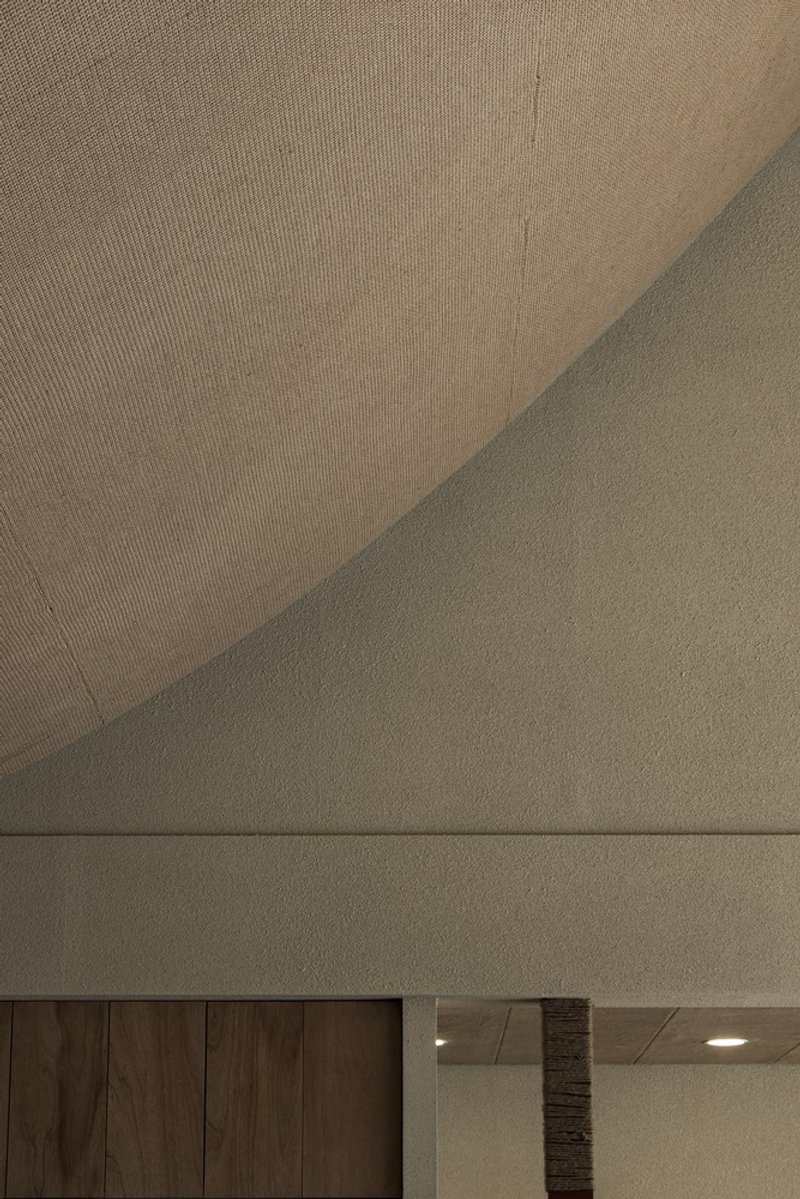
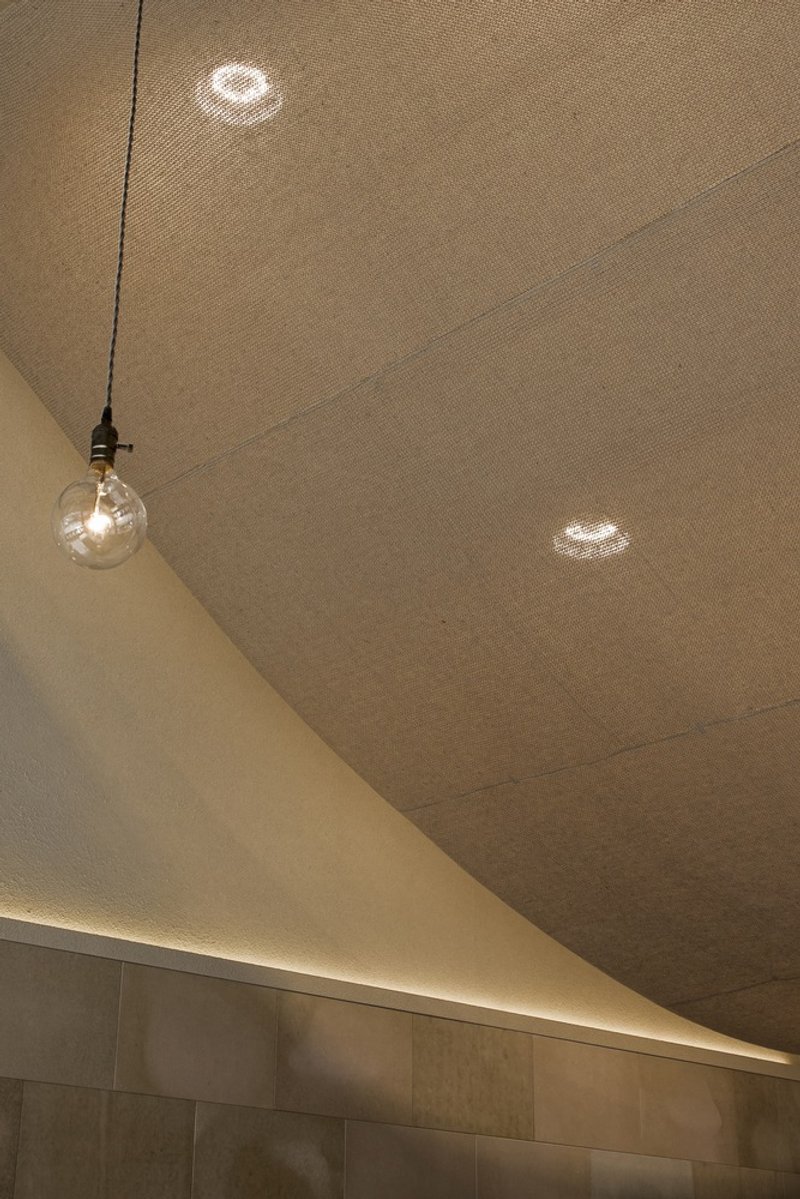
The restaurant’s existing gabled structure was utilized to create a sense of vertical openness. A straw mat structure installed on the ceiling not only adds texture but also allows light to filter through small holes, mimicking the breathable quality of earthenware bowls. This design element enhances the ambiance, offering diners a sense of comfort and tranquility amidst the hustle of everyday life.
A Harmony of Past and Present
Geumchon Gukbab is more than a restaurant; it is a cultural and emotional refuge where the breath of tradition harmonizes with the vibrancy of modern life. The design celebrates Korea's past while offering solace to diners seeking a brief escape from the fast pace of contemporary society.
Atelier Ah has crafted a space that embodies the simplicity, depth, and richness of Gukbab, creating a feast for both the palate and the soul.
All Photographs are work of Junggyu Park