Living Together: A Multi-Generational Courtyard House in China
A modern courtyard house architecture that blends tradition, sustainability, and three-generational living under one harmonious roof.


Project by Yuting Xiao
Shortlisted entry of Nano Nest 2020
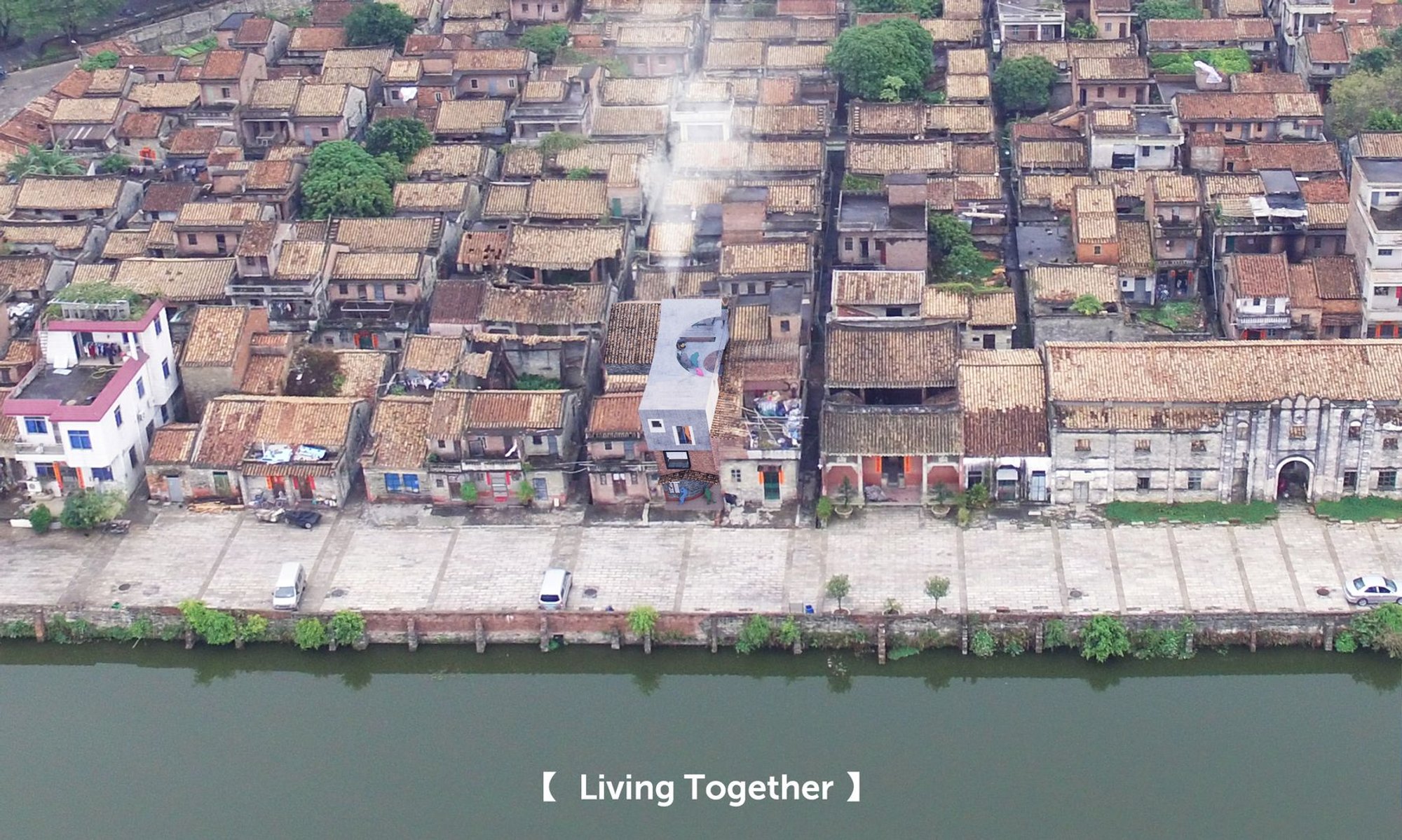
Set within the historic fabric of Xixi Village—an ancient settlement founded in 1621 in southern China—this architectural project titled Living Together redefines courtyard house architecture through a modern lens. It thoughtfully accommodates three generations under a single roof while prioritizing individual privacy, cultural heritage, and shared experiences.
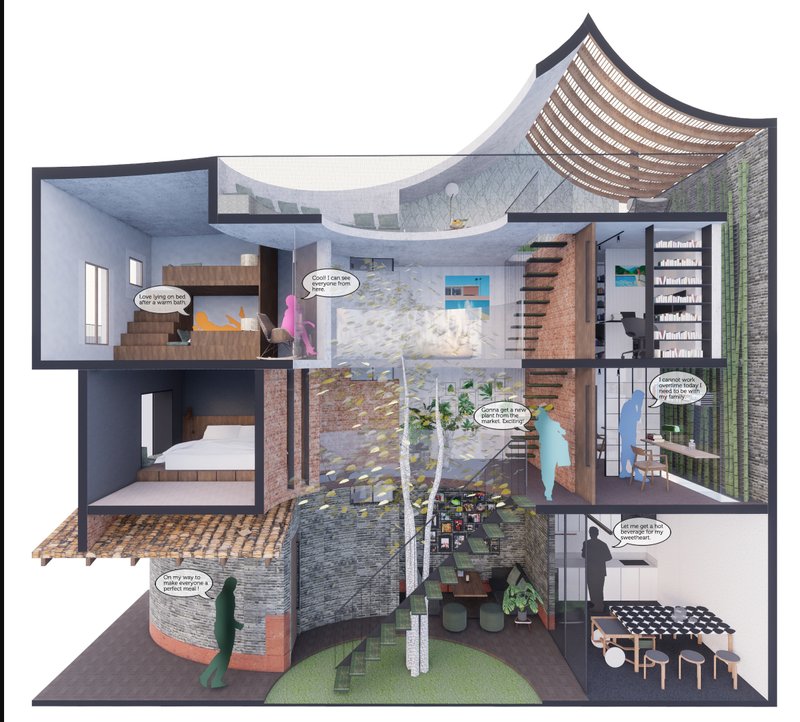
The design aims to strike a delicate balance between independence and connection, making it possible for grandparents, parents, and children to coexist without interrupting each other’s lifestyles. Each floor is designated to one generation, emphasizing spatial autonomy while enabling intergenerational bonding through a shared central courtyard.
Harmonizing Heritage and Innovation
Located in Dongguan, a city known for its humid subtropical climate and rich cultural history, the home adopts both passive and strategic design elements. Step-back terraces on the south-facing façade filter harsh sunlight while allowing ample daylight to pour into the interiors. The integration of a central courtyard acts as the home’s nucleus—enhancing cross-ventilation, fostering natural cooling, and creating a spatial anchor for family gatherings.
Materials like red bricks, grey stone, and light wood were locally sourced to blend seamlessly with the architectural character of the village. The external structure respects traditional village typologies, while the internal arrangement reimagines family living for the 21st century.
Spatial Strategy and Functional Zoning
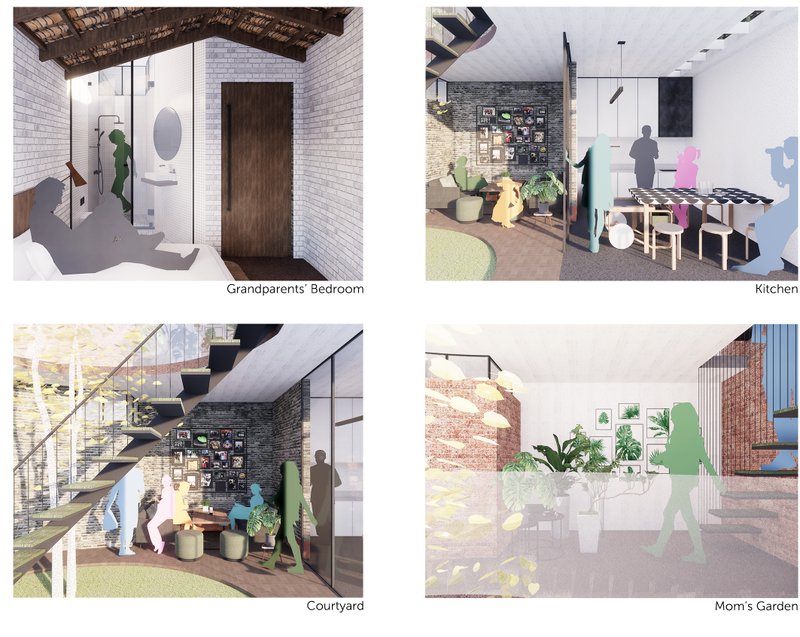
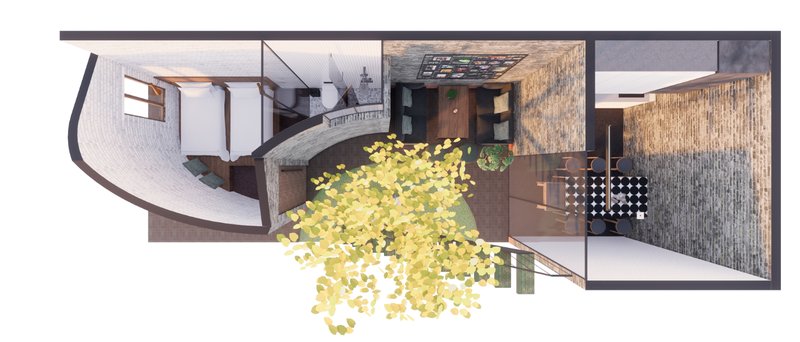
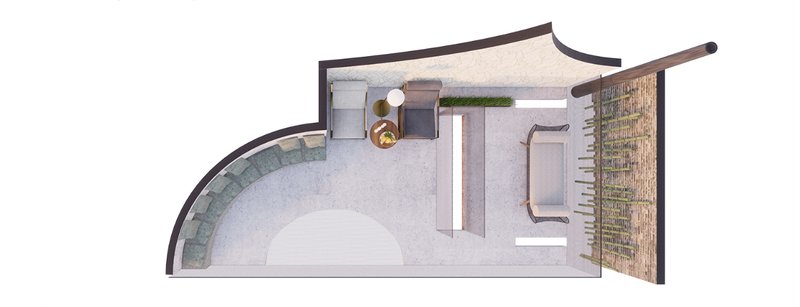
- Ground Floor: Designed with accessibility in mind, this level is dedicated to the grandparents. The courtyard is centrally located to allow natural sunlight and fresh air, while the kitchen and living areas provide comfortable zones for rest and interaction.
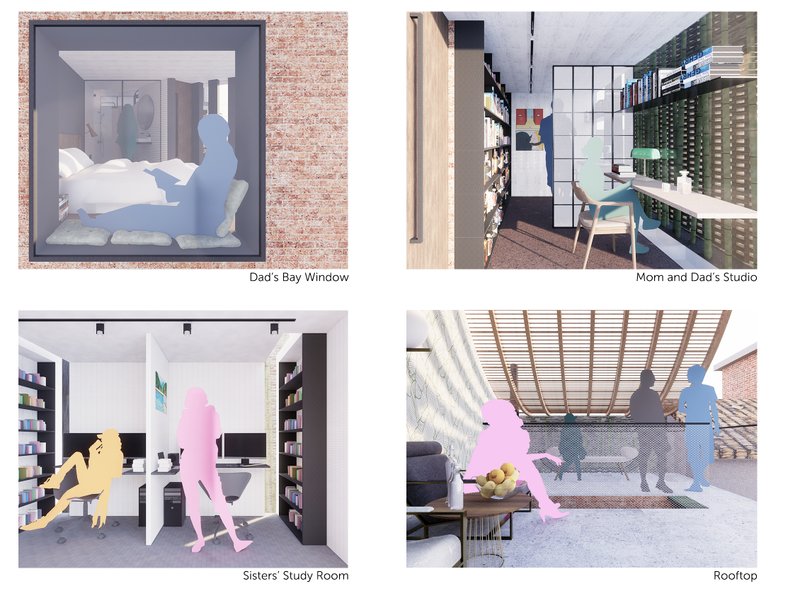
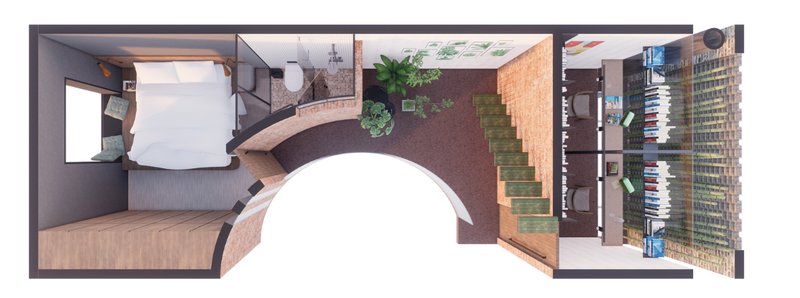
- Second Floor: Intended for the parents, this floor features study rooms, garden nooks, and reading bays with views of bamboo terraces—ideal for working adults who balance parenting with professional lives.
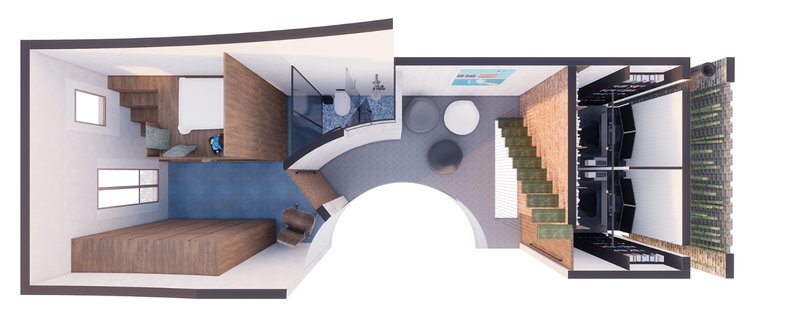
- Third Floor: This level caters to the two daughters, Summer and Snow. Equipped with elevated sleeping platforms and a shared study, it promotes independence, focus, and creativity in a compact, vertical layout.
- Fourth Floor Rooftop: The rooftop serves as a communal family area—open and sunlit, designed for informal chats, tea sessions, stargazing, and family barbecues. It not only functions as a leisure space but also provides visual cues to the entire house, reinforcing a feeling of unity.
Adaptive Courtyard Design
Central to this project’s ethos is the courtyard—a traditional yet dynamic space reinterpreted for modern living. Positioned in the heart of the layout, it allows uninterrupted airflow, regulates indoor temperatures, and serves as a visual and social anchor. Grandparents enjoy the open-air ambience while the younger members can interact casually across floors through the courtyard's openness.
The courtyard’s design also accommodates seasonal flexibility—offering shaded retreats in summer and light-filled warmth in winter. Its influence extends vertically, creating passive lighting opportunities on every floor, making the entire residence more livable and engaging.
Environmental Responsiveness and Climate Integration
Addressing Dongguan’s humid climate, the house leverages several passive design techniques: triple-height courtyards for airflow, north-facing study rooms to minimize heat gain, and a curving roof that directs rainwater and supports ventilation. Skylights, layered green walls, and bamboo gardens further enhance the biophilic quality of the interiors.
The thermal envelope is kept breathable, minimizing the need for mechanical cooling systems. Every element—be it a lightwell or a sloping façade—is calibrated for climate responsiveness and sustainability, reducing the home’s energy footprint without compromising comfort.
Cultural Relevance and Cost-Efficiency
This project adheres closely to the village’s longstanding unit divisions (typically 7.5m x 7.5m), blending tradition with innovation. From the use of local materials to the preservation of typological logic, every design decision reflects reverence for the site's historical significance.
At the same time, construction costs are kept low by using materials readily available in the region—such as grey bricks, reclaimed tiles, and timber from nearby markets. The design also eliminates reliance on artificial lighting or mechanical cooling, thus making it both energy-efficient and budget-friendly.
Living Together is more than just a residential dwelling—it is an architectural dialogue between tradition and transformation. Rooted deeply in the vernacular of courtyard house architecture, it offers a blueprint for future housing models that honor family, sustainability, and place-based design. In a time when generational gaps widen and urbanization accelerates, this project presents a warm, contextually rich alternative to fragmented modern living.